Free written scope consultation - allowances, timeline, and change-order rules on paper before a single trade is scheduled
Styles & brands we work with
- Kitchen remodeling
- Bathroom remodeling
- Home additions & ADU
- Roofing
- Windows & doors
- Driveway & pavers
- Fence
See the difference
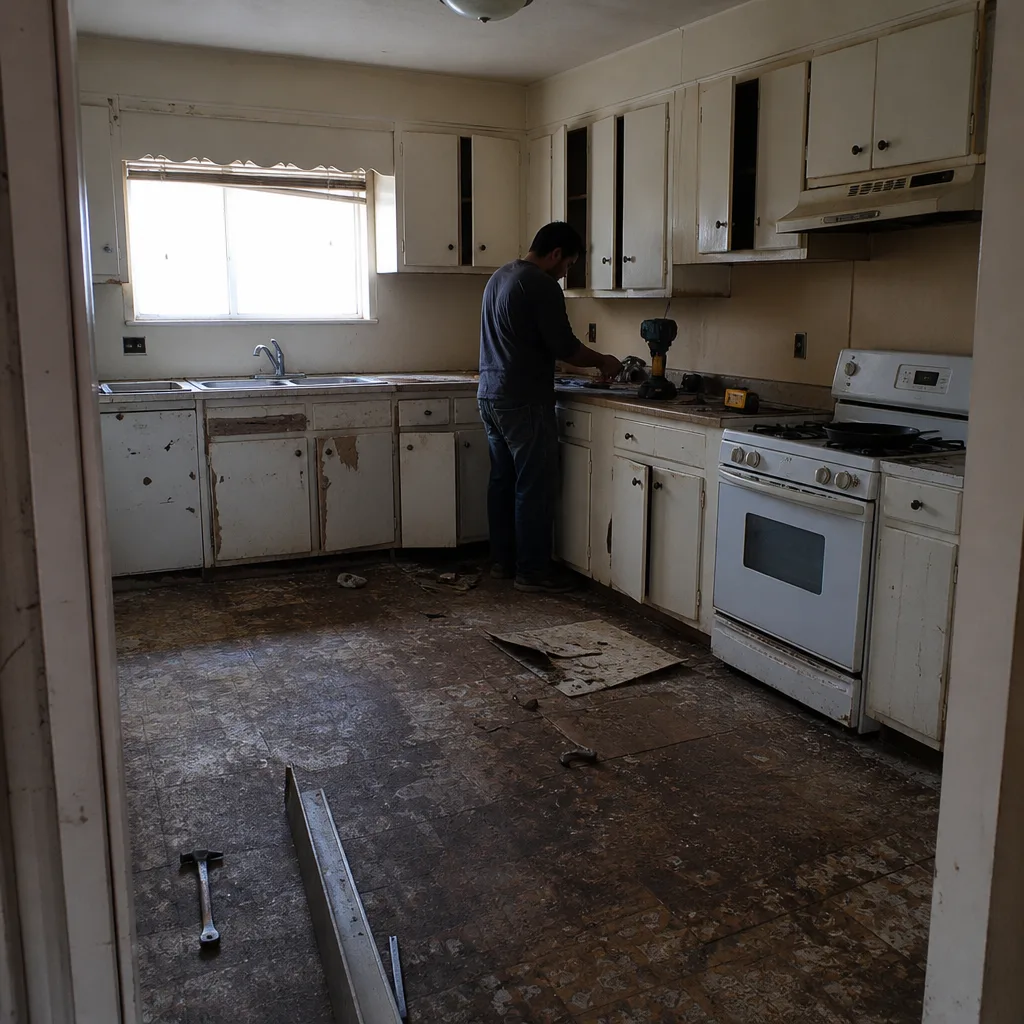 Before
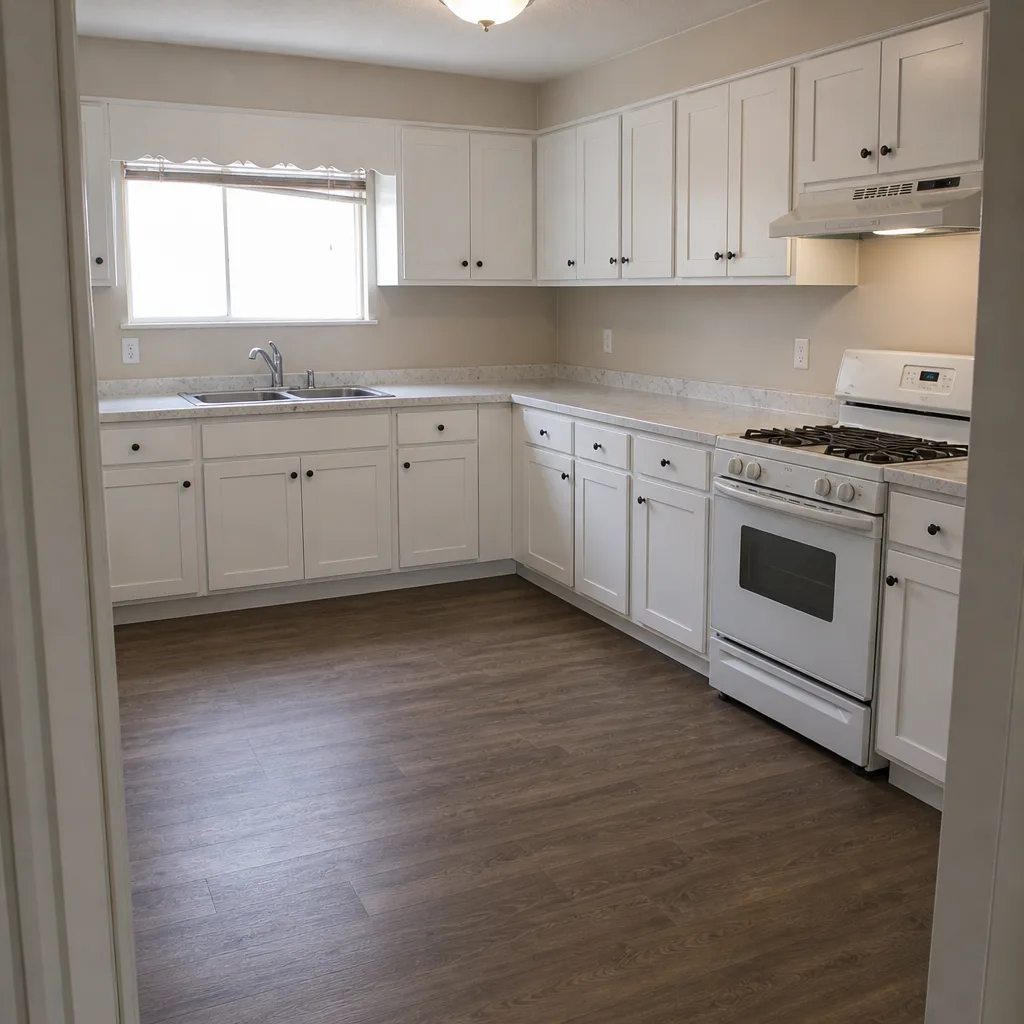 After
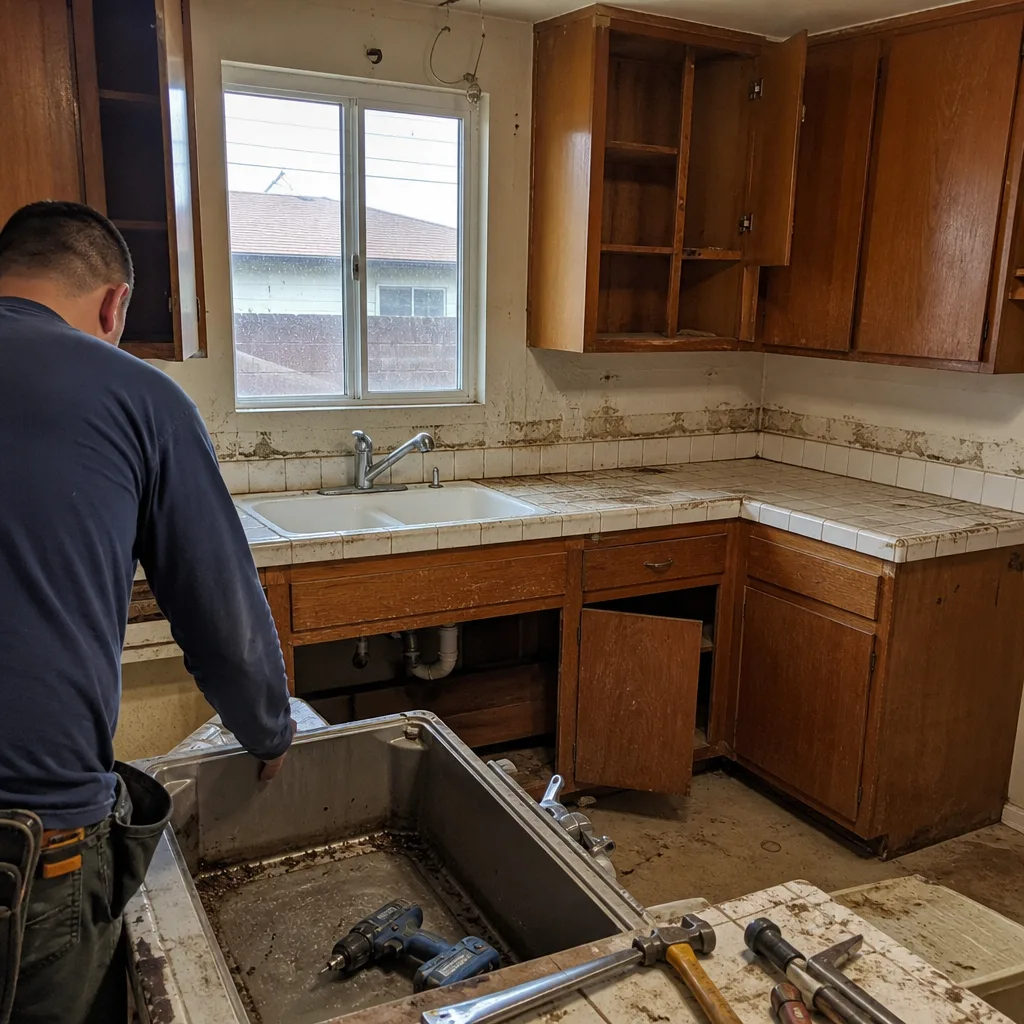 Before
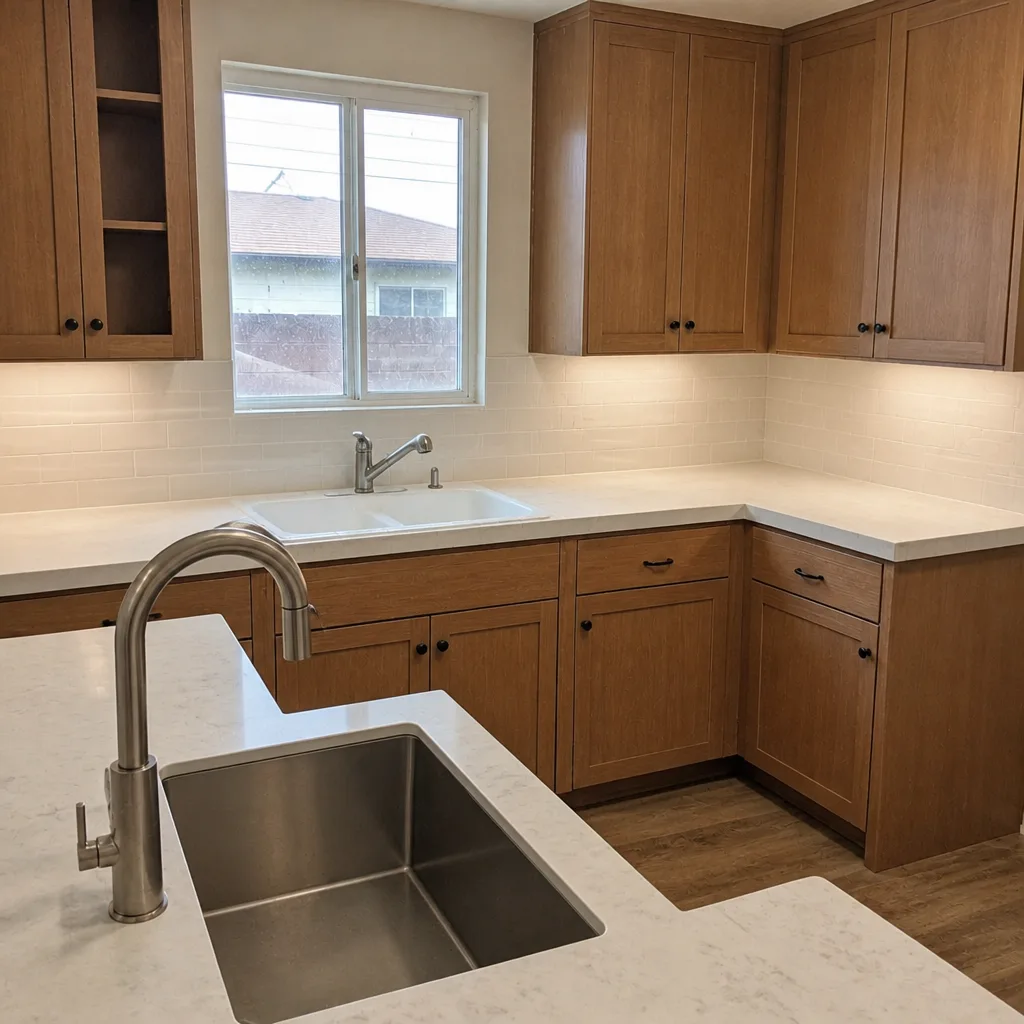 After
 Before
 After
How Long Does a Wood Fence Last in Inglewood, CA? The Honest Answer Is 10-20 Years, and Salt Air Sets the Clock
A wood fence in Inglewood typically lasts 10 to 20 years before it needs replacing, but the part that fails first usually isn’t the wood – it’s the fasteners. In our city, coastal salt air corrodes standard galvanized nails and screws within 7 to 10 years, so panels start pulling loose from structurally sound posts while the boards themselves still have years left. If your fence is leaning or rattling in the Santa Ana winds, call Groundwork Construction Co. of Inglewood at (833) 842-7204 for a free assessment before it goes down entirely.
A wood fence in Denver fails because of frost heave. A wood fence in Inglewood fails because the nails rust out before the boards rot – and most homeowners don’t see it coming until the panel is already leaning. That’s the part national lifespan guides never mention.
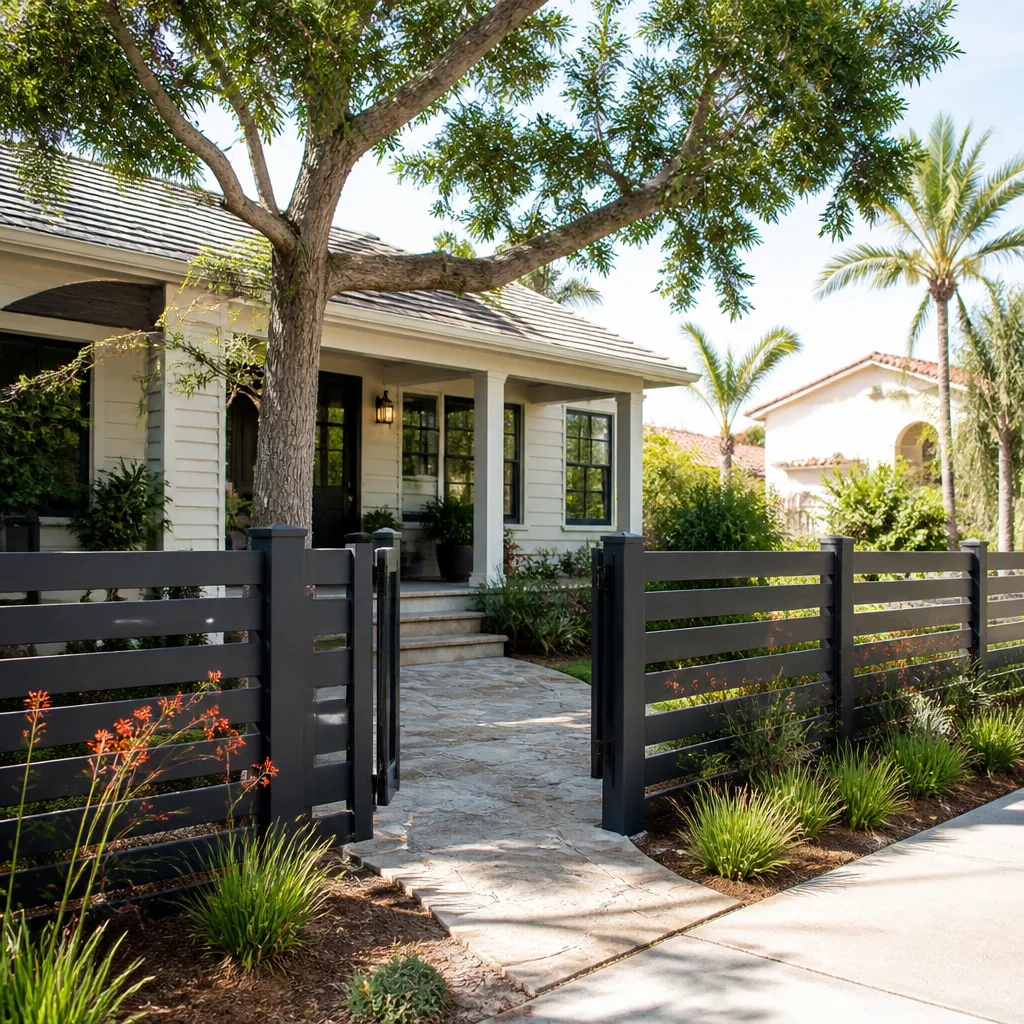
Why Inglewood Wood Fences Fail in a Different Order Than Anywhere Else
Inglewood almost never freezes. That single fact changes everything about how a fence ages here. Most national guides are written for freeze-thaw climates where water enters a crack, freezes, expands, and splits the wood. That cycle doesn’t happen in Inglewood. What happens instead is a nightly moisture cycle: the marine layer rolls in off the coast near LAX, fog condenses on every fence surface, and then the afternoon sun bakes it dry. Hundreds of wet-dry cycles every year, no ice, no frost heave.
Two things follow from that pattern, and neither shows up in a generic guide:
- Salt-laden onshore air attacks metal first. Standard galvanized fasteners – the ones most budget fence contractors use – begin corroding noticeably by year 5 and can fail outright in the 7 to 10 year range. The wood is still fine. The panel just isn’t attached to the post anymore.
- End-grain at the base of each board wicks moisture. The cut bottom of a fence board is open wood fiber, and it sits 2 to 4 inches above soil that holds marine-layer dampness. That end-grain pulls water upward during every fog cycle, so rot starts at ground contact even when no standing water is present.
We’ve seen this sequence repeat across the flats west of Prairie Avenue and through the older bungalow blocks near downtown, where fences are often 15 to 20 years old and the boards look intact until you grab one and feel it move. Posts can be solid, boards can be solid, and the whole panel is a hard shove away from the ground. That’s a fastener failure, not a wood failure, and it’s the thing most Inglewood homeowners don’t catch in time.
Realistic Lifespan by Wood Species in the Inglewood Climate
Wood species changes the lifespan more than anything else you control. Here’s what we see in Inglewood specifically, given the salt air and constant moisture cycling:
| Wood Species | Typical Lifespan in Inglewood | Notes |
|---|---|---|
| Pressure-treated pine | 10-14 years | Most economical, but the end-grain and lower rails are the weak point in coastal air. Best when paired with hot-dipped galvanized or stainless fasteners. |
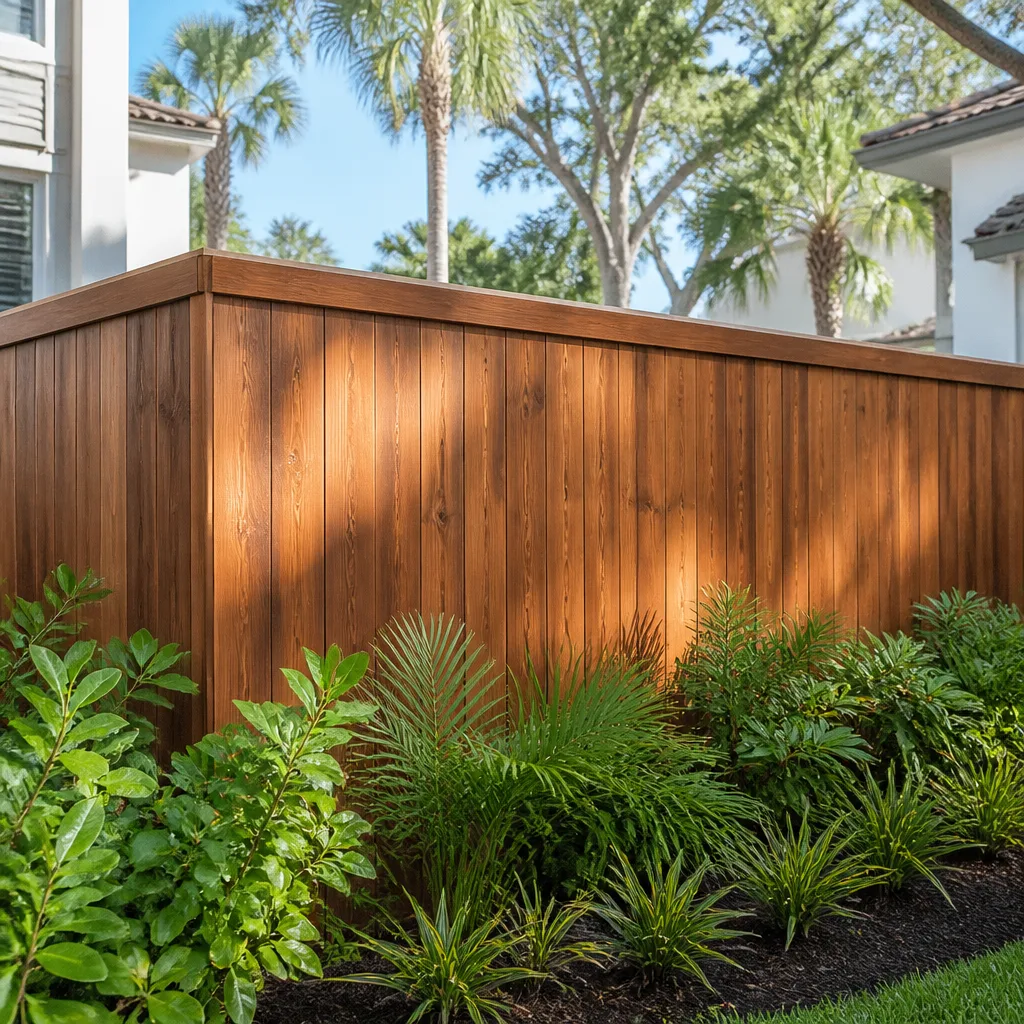
| Redwood | 15-20 years | The traditional Southern California choice for a reason: natural tannins resist rot and insects, and it holds up to marine moisture far better than pine. Worth the premium here. |
| Cedar | 12-18 years | Light, dimensionally stable, and naturally rot-resistant. Excellent lifespan, though it weathers gray faster than redwood if left unstained. |
One detail that matters as much as species: the fasteners. In a salt-air climate, hot-dipped galvanized or stainless steel hardware is where the difference between a 12-year fence and a 20-year fence gets made. We specify this because an Inglewood fence built with cheap electro-galvanized nails is a maintenance call waiting to happen in less than a decade. That’s also why our Fence Installation work here starts with the hardware spec, not the board count.
How Inspection and Staining Add 5-7 Years of Life
Nearly all the lifespan numbers above assume the fence gets maintained. A wood fence that’s never touched in Inglewood does not reach the upper end of those ranges. Our recommended cadence for local fences is simple:
- Year 3: fastener check. Walk the fence and push every panel. Loose rails, backed-out screws, or panels that move relative to the post are a salt-corrosion signal, not a wood problem. Catching it here lets us replace fasteners and save the wood.
- Year 4-5: stain recoat. A penetrating oil or quality exterior stain blocks the end-grain moisture wicking and slows the wet-dry cycling that ages the surface.
- Every 3-4 years after that: repeat the stain. Fences on the windward side of the lot, where the onshore air hits hardest, may need it slightly sooner.
Doing the fastener check and stain recoat on this schedule typically adds 5 to 7 years of serviceable life versus doing nothing. On a $3,500 to $9,000 fence installation in Inglewood, that’s real money protected by a few hours of maintenance spread across a decade.
What a Replacement Fence Costs in Inglewood
Wood fence replacement in Inglewood generally runs $3,500 to $9,000, depending on linear footage, species, gate count, and whether old posts and concrete footings need to come out. A loose panel repair is far cheaper, usually a few hundred dollars, and it’s worth having someone look before you assume the whole run is finished. Vinyl is in the same $3,500 to $9,000 band and aluminum sits at $4,000 to $10,000, but neither carries wood’s natural lifespan dynamics – they just fail differently.
We handle every install with upfront pricing, so the number you see is the number you pay. Projects over $10,000 qualify for $1,000 off, and 0% financing for 18 months is available for larger fence and gate work. Every wood fence we install is also covered by our 730-Day Done Right Promise – if it’s not done right, we make it right – and that two-year workmanship window specifically covers fastener pull-out and post heave, which is exactly the period when marine-air damage first shows up.
Common Local Scenarios We See on Inglewood Fences
Most of the calls we take on wood fences here fall into a few recognizable patterns. It helps to know which one you’re looking at.
The leaning panel with a sound post. The most common call. Posts are solid, boards are intact, but the panel racked because the fasteners gave out. Fixable without a full replacement in most cases, and the fix is a fastener and hardware upgrade, not new lumber.
The 20-year bungalow fence nobody has touched. Older Inglewood houses often have fences installed by a prior owner with no maintenance history. The bottom rails are usually the first thing gone. A look at the rail and the end-grain tells us whether it’s a repair or a replacement.
The windward side of the lot. Fences on the western edge of a property take the onshore air directly and age faster than the rest of the run. It’s normal to replace or reinforce one side before the others.
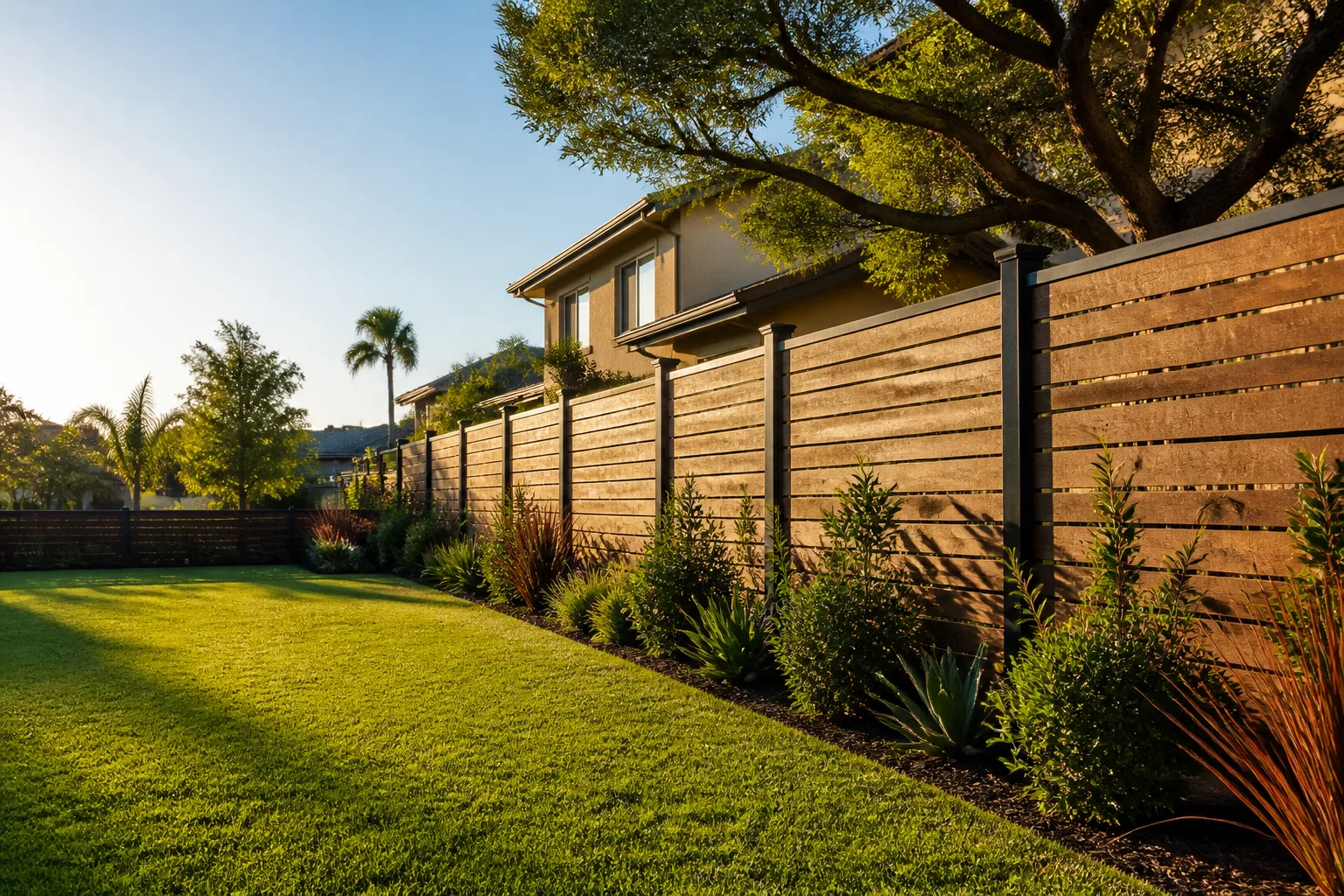
When you’re ready to look at a specific fence line, our team handles Fence Installation in Inglewood and can walk the property with you. And if a repair turns out to be more than a repair, we cover the full scope home work from kitchen remodeling and bathroom remodeling to roofing, windows and doors, driveways and pavers, and home additions and ADUs.
FAQs
Wood fences can last longer in Inglewood than in freeze-thaw climates, usually landing at 10 to 20 years versus 12 to 15 years inland, but only if the fasteners and end-grain are handled correctly. Inglewood skips the frost damage but trades it for constant salt-air corrosion and moisture cycling, which attacks metal and the base of the boards instead of the whole panel. Call (833) 842-7204 for a free assessment of what’s aging your fence.
Stain a wood fence in Inglewood every 3 to 4 years after the first recoat at year 4 to 5. The marine layer’s nightly fog-and-dry cycle wears a stain back faster than dry inland air, so a fence on the windward side of the property may need it a season or so earlier. Pair it with a fastener check at year 3 and you’ll typically add 5 to 7 years of life to the fence.
Repair is almost always cheaper when the failure is fasteners pulling out of otherwise sound wood, which is the case in most Inglewood fences. A leaky inspection that finds rusted nails and a leaning panel but solid posts and boards usually points to a repair, not a full replacement. Full wood fence replacement in Inglewood runs $3,500 to $9,000; a targeted repair is a fraction of that. Call for an exact quote – estimates are free.
Replacing just the bottom boards is often possible when the rot is limited to the end-grain at ground contact and the upper rails and posts are sound. It’s one of the more cost-effective repairs on an Inglewood fence, because the lower boards absorb the most moisture from the soil and marine fog. Call us for an inspection – we’ll tell you honestly which parts are worth replacing.
If you’d rather have it looked at, Groundwork Construction Co. of Inglewood offers a no-pressure assessment in Inglewood – call (833) 842-7204 for a free estimate. We answer the phone live, 24/7, and our background-checked technicians will tell you exactly which parts of your fence are failing and why.
Written by the team at Groundwork Construction Co. of Inglewood, serving Inglewood, CA.