



Free written scope consultation - allowances, timeline, and change-order rules on paper before a single trade is scheduled
Styles & brands we work with
- Kitchen remodeling
- Bathroom remodeling
- Home additions & ADU
- Roofing
- Windows & doors
- Driveway & pavers
- Fence
See the difference
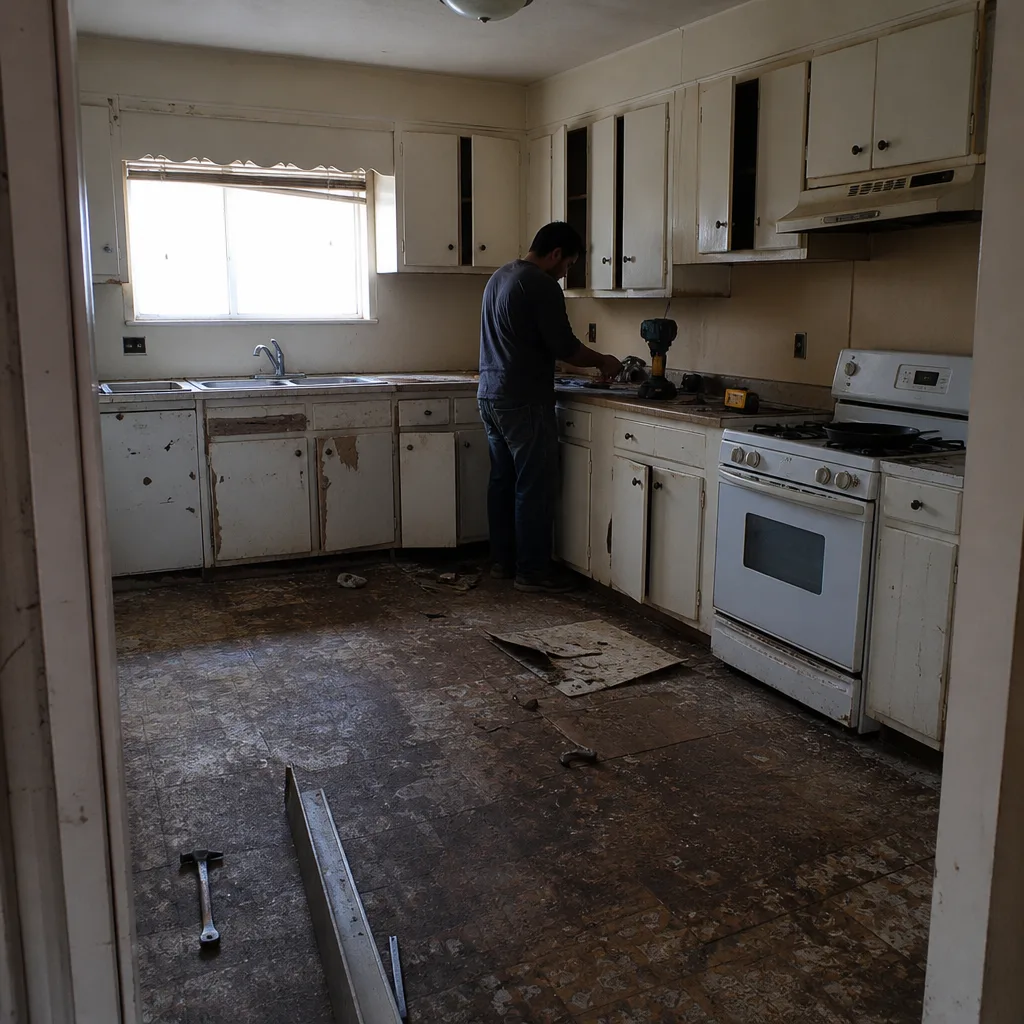 Before
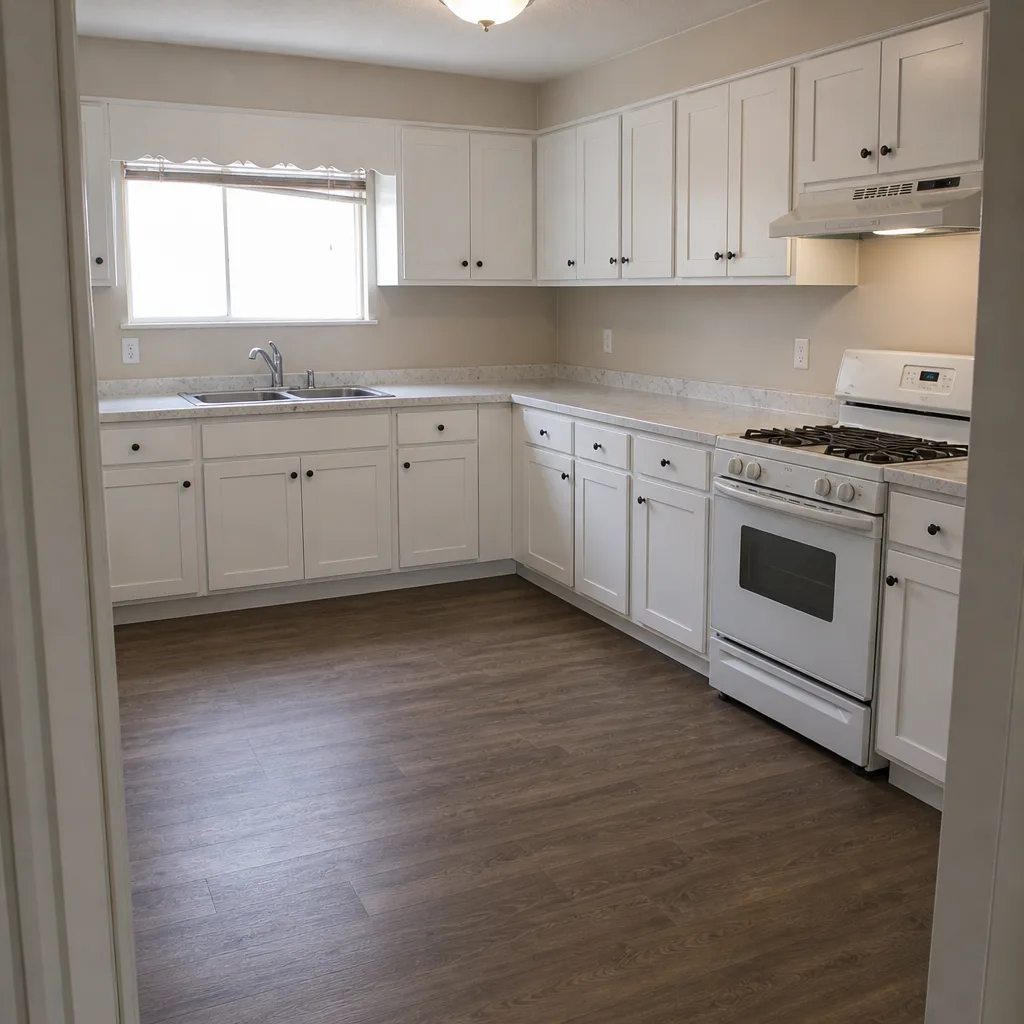 After
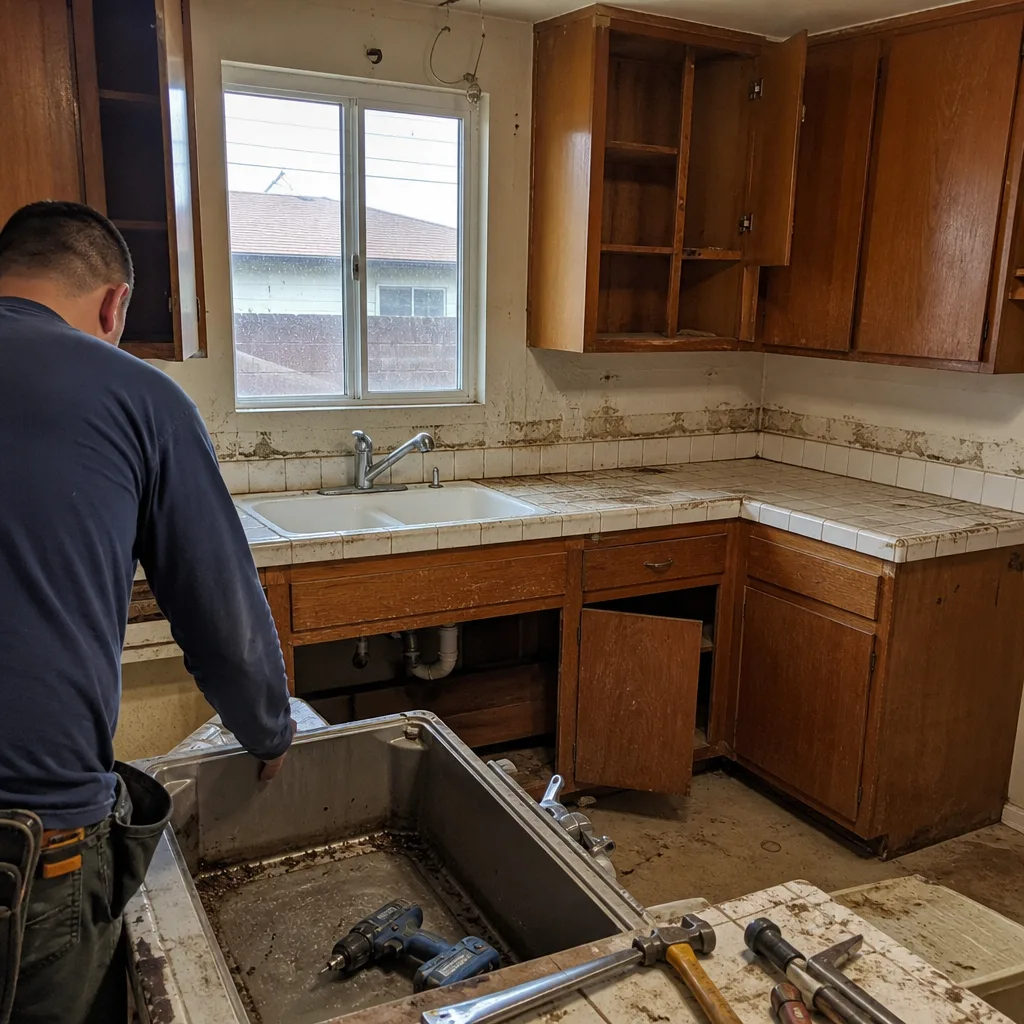 Before
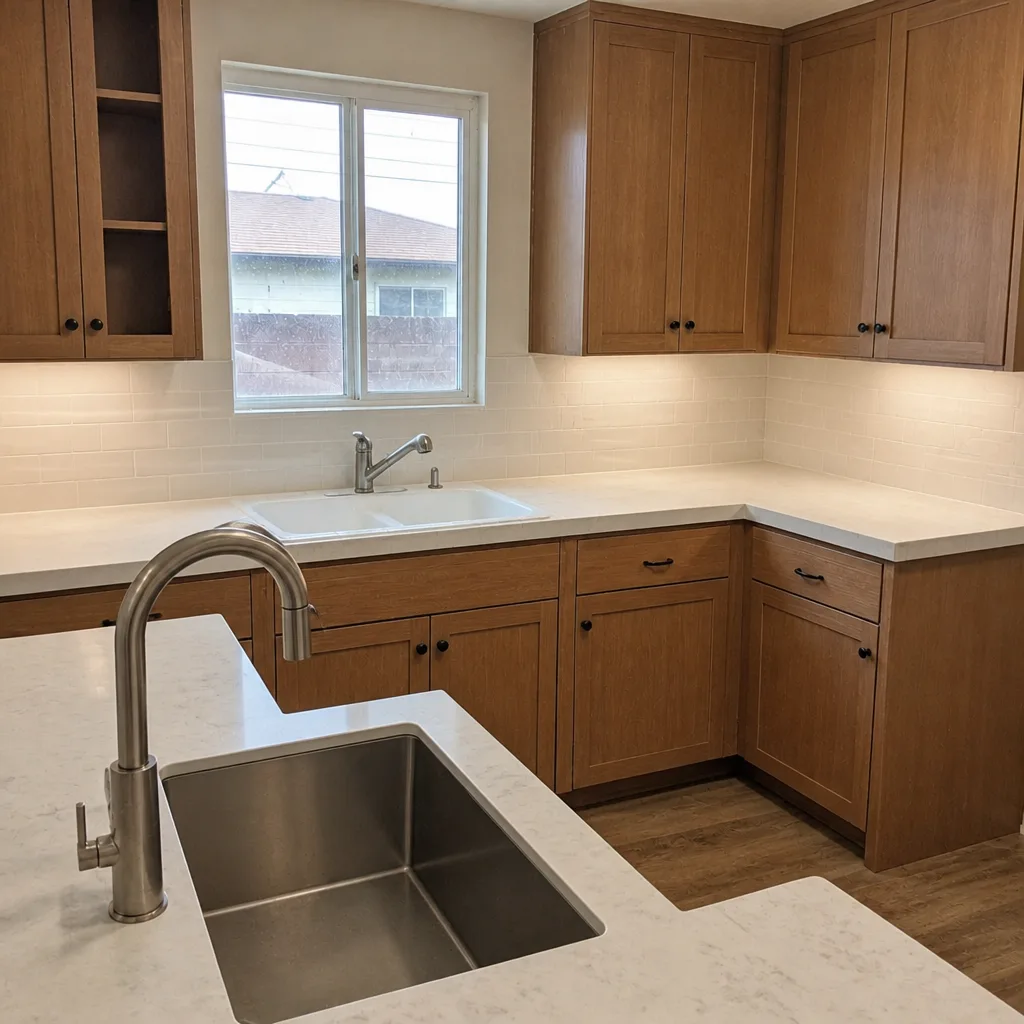 After
 Before
 After
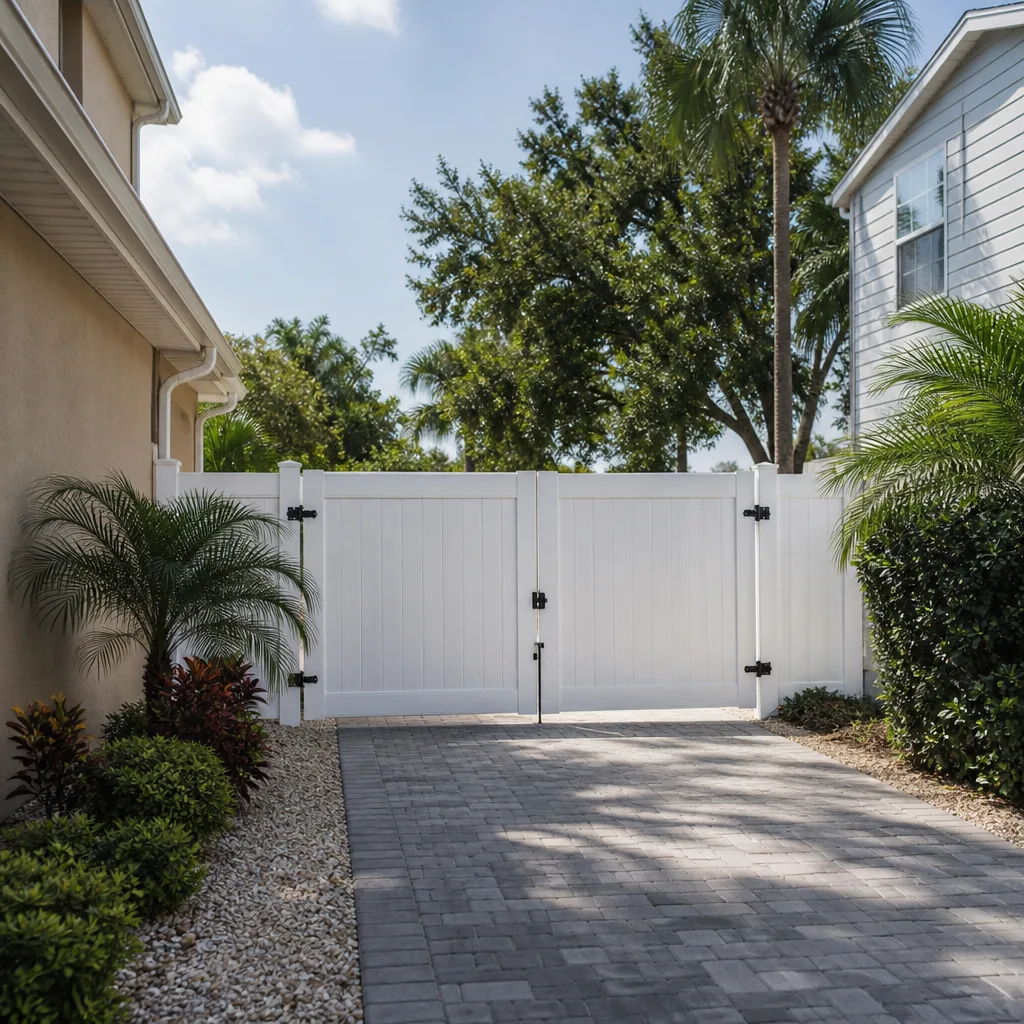
How to Fix a Leaning Fence Post in Inglewood, CA
You fix a leaning fence post by first finding out why it’s leaning: if the wood is rotted at grade or cracked at the base, replace the post; if the post is structurally sound but the footing has shifted, you pull it and re-set it in a deeper, properly compacted concrete footing. In Inglewood’s clay-heavy flats, straightening a post in place without checking what it’s sitting in is how the same post leans again within one wet season. Call us at (833) 842-7204 and we’ll diagnose it before anyone touches a shovel.
Why Inglewood Posts Lean Faster Than They Should
Start with the ground. Huge parts of Inglewood west of Prairie Avenue sit on expansive clay flatland that soaks up marine-layer moisture through the dry months and then swells when the winter rains arrive. That swelling happens sideways as much as up. The clay pushes laterally against the buried post and its concrete collar, and a post set in only about 18 inches of concrete – which is what you’ll find on plenty of pre-1950 bungalow lots here – will slowly walk out of plumb even with no wind, no impact, and no rotten wood anywhere on the fence.
That’s the difference between fixing a fence in Inglewood and fixing one in a drier inland city. The marine-moderated climate here rarely freezes, so you won’t see frost heave lifting posts. What you get instead is moisture cycling: wet clay in January, baked clay in August, and a lateral squeeze in between that never quite lets up. Salt-laden onshore air off LAX adds its own wear to metal brackets and fasteners, but the soil is what moves the post.
It reads on the ground too. Blocks away from the event district, you still have a deep stock of 1920s to 1950s single-family bungalows on tight lots, and many of those fences were set decades ago to whatever depth was easy at the time. Nobody was thinking about lateral clay pressure when the original footing went in.
Diagnose Before You Repair: Three Outcomes, Not One
Most DIY guides jump straight to the concrete. The step they skip is the one that decides everything: what condition is the post actually in below grade? Pull the soil back from the base at least a foot and look. You’ll land in one of three places.
- Rotted at grade. Soft, splintered, or crumbling wood right at the soil line means the post is gone. Photo- and moisture-proofing the top won’t bring it back. Replace it.
- Cracked at the base. A split or shear line at or just under grade means the post has lost its structural grip. Replace it, and fix the footing while you’re in there.
- Sound wood, failed footing. The post is solid, the wood is hard, and the lean is all in the concrete collar or the soil around it. This is the case worth re-setting – and the case where the repair method matters most.
That third category is where most of Inglewood’s leaning posts live. It’s also where a lot of paid repairs get thrown at the wrong problem.
Sister-Posting vs. Full Extraction and Re-Set
For a structurally sound post with a compromised footing, you have two real options, and the soil under your lot should pick between them for you.
Sister-posting alongside the original
Sister-posting means driving a new post beside the leaning one, tying the two together, and setting the new post in a deeper footing. It’s the faster, less invasive route, and it works well where the original post is still solid and the lean is modest. In Inglewood’s coastal-moist clay, though, sister-posting has a limit: if the original footing is still getting squeezed, you’ve now got two posts reacting to the same lateral pressure. We favor this method on lighter, lower fences and on posts that have only just started to move.
Full extraction and re-set
Pulling the post, clearing the old collar, and re-setting in a deeper, wider footing is the more durable fix, and it’s what heavier fences need on Inglewood’s flats. The catch is the footing itself. A bag of fast-set concrete poured dry into the hole is the standard cause of repeat lean in this climate – dry pour doesn’t compact, and it doesn’t lock the post against lateral clay movement the way a properly mixed and compacted footing does. When our technicians re-set a post, they bring compaction equipment to the job, not just a bag of mix and a hose. That’s the operator detail that separates a fix that holds from one that fails by the next rainy season.
If you’d rather have the whole run done properly the first time, our Fence Installation in Inglewood page covers new builds from the ground up, and the broader Fence Installation service page lays out materials and options.
What Repairing a Leaning Post Costs in Inglewood
A leaning post repair in Inglewood typically runs $3500-$9000 for a section of fence, depending on how many posts have moved and whether the diagnosis lands on re-set or full replacement. Here’s how the line items break down.
| Work | Typical range |
|---|---|
| Single post re-set with a deeper footing | $350-$900 |
| Sister-post reinforcement | $250-$700 |
| Post replacement with footing | $400-$1,100 |
| Multi-post section repair | $1,500-$4,500 |
| Full fence section re-set or replacement | $3,500-$9,000 |
The range is wide because the diagnosis drives it. A two-post re-set on a sound run is a smaller job than pulling and resetting a whole stretch of fence around an Inglewood lot. Every project over $10,000 gets $1,000 off, and there’s 0% financing for 18 months available on larger repairs. All of it is covered by our 730-Day Done Right Promise: if it’s not done right, we make it right.
Permits: When a Single Post Repair Crosses the Line
One post repair usually doesn’t need a City of Inglewood permit. But replacing more than 50% of a fence in a single project can trigger a full permit review, and in the current heightened enforcement climate around the stadium district, that review is worth understanding before you start. A lot of Inglewood’s fences border properties that have been through permitted ADU and commercial build-out since the SoFi and Intuit Dome wave began, and the building department has been under real volume pressure. That scrutiny is a good reason to keep a repair a repair, and to hand any larger replacement to a crew that knows how to pull the permit properly. It’s the same reason we tell homeowners to check for unpermitted legacy additions on their old bungalows before a big project kicks off – legacy paperwork gets noticed now.
What to Check Before You Call Anyone
You don’t need to dig up your whole yard to get a head start. Walk the fence line and note:
- Which posts have moved, and whether the lean is toward the yard or toward the street.
- Whether the wood at the base is soft, cracked, or solid.
- Whether the fence line shows a pattern of lean across multiple posts, which points to soil movement rather than one bad footing.
- Whether the run borders a newer or recently permitted structure, which can affect the permit picture.
Safety note: fence posts are far safer to handle than anything at height or under tension, so this check is fine to do. But if a post is holding up a gate or a fence on a slope, or if the run looks unstable, leave it to a trained pro. Pulling a post that’s carrying load, or one that’s tied into buried utilities you can’t see, is a job for someone who does it every week.
FAQs
A single leaning post re-set in Inglewood typically costs $350-$900, while a multi-post section repair runs $1,500-$4,500 and a full section re-set or replacement runs $3,500-$9,000. The number depends on the diagnosis, not the size of the fence. Call (833) 842-7204 for an exact quote – estimates are free.
Pushing a post back without pulling it first will usually fail in Inglewood because the cause is lateral clay pressure, not a one-time shove. Straightening in place skips the diagnosis, and a dry-poured mix won’t compact enough to hold against swelling clay. Call us and we’ll tell you whether a re-set or a replacement is the right call.
Dig back the soil at the base and check the wood: rotted or cracked at grade means replace, while hard, sound wood with a shifted footing means re-set. That single check decides the whole repair. Call (833) 842-7204 and our technicians will confirm it on site.
A single post repair generally doesn’t require a City of Inglewood permit, but replacing more than 50% of a fence in one project can trigger a full permit review. The current enforcement climate near the stadium district makes that worth knowing up front. Call (833) 842-7204 if you’re unsure where your project lands.
Not if the new footing is deep, mixed and compacted, and sized to resist the lateral clay movement under Inglewood’s flats. The repeat leans we see come from dry-poured footings that never locked the post in. Call (833) 842-7204 and we’ll do it once, backed by our 730-Day Done Right Promise.
If you’d rather have it looked at, Groundwork Construction Co. of Inglewood offers a no-pressure assessment in Inglewood – call (833) 842-7204. Calls are answered by a live person, 24/7, and our background-checked, uniformed technicians show up ready to diagnose, not to sell you a fence you don’t need. Upfront pricing, no surprises – the number you see is the number you pay.
Written by the team at Groundwork Construction Co. of Inglewood, serving Inglewood, CA.