
Free written scope consultation - allowances, timeline, and change-order rules on paper before a single trade is scheduled
Styles & brands we work with
- Kitchen remodeling
- Bathroom remodeling
- Home additions & ADU
- Roofing
- Windows & doors
- Driveway & pavers
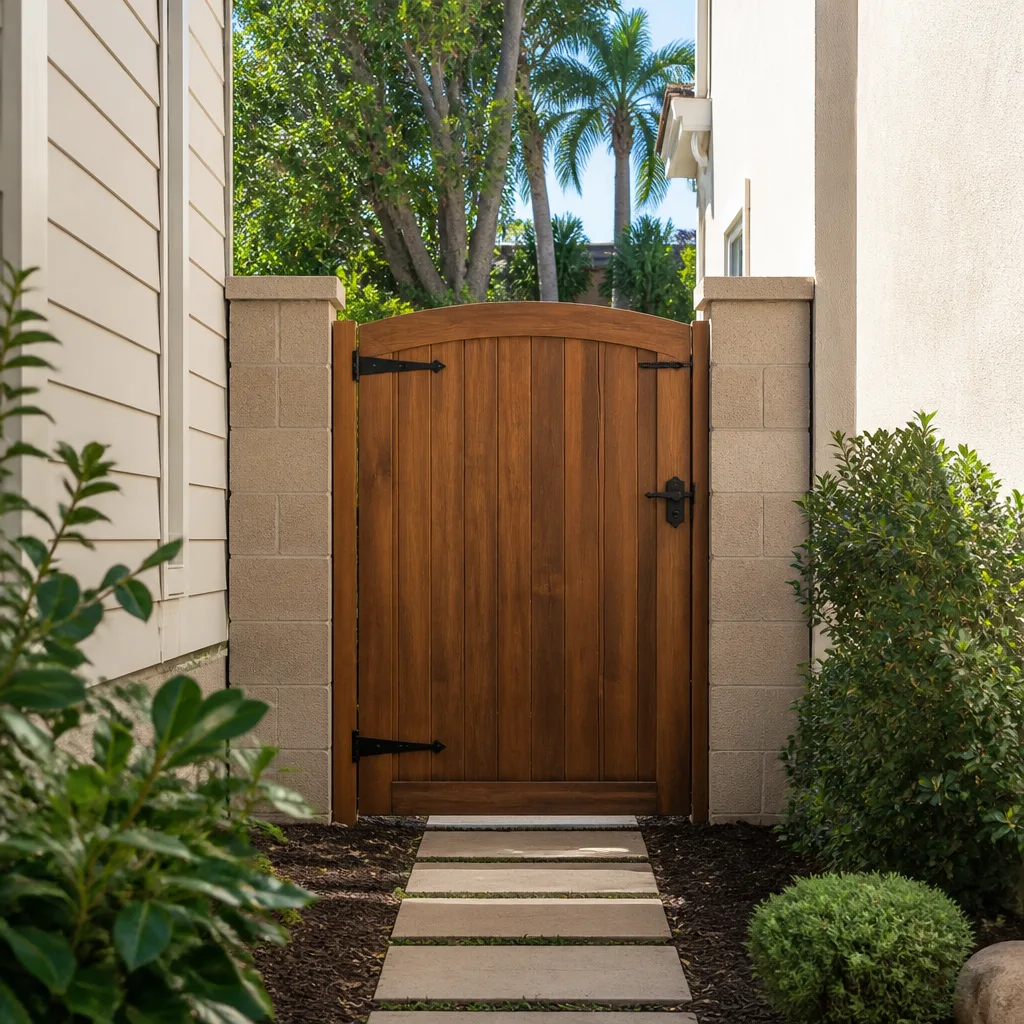
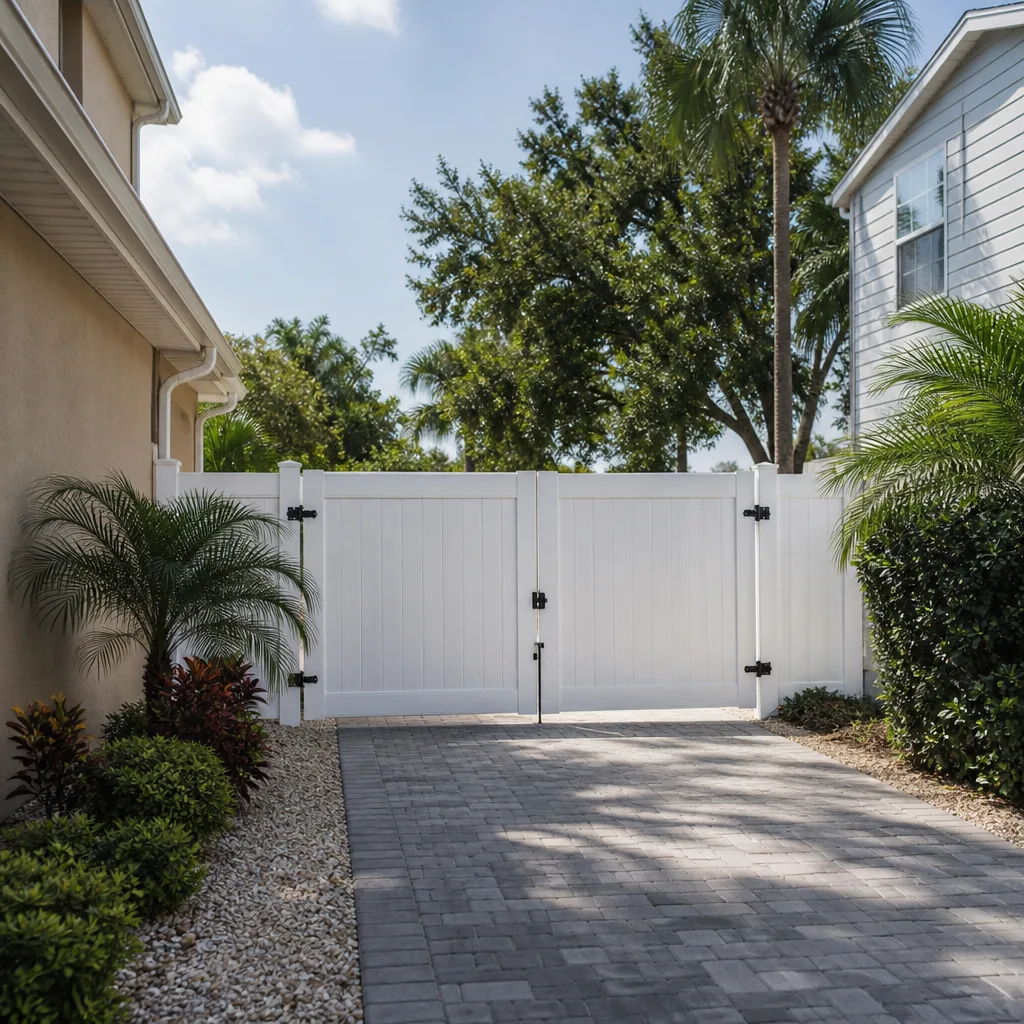
- Fence
See the difference
 Before
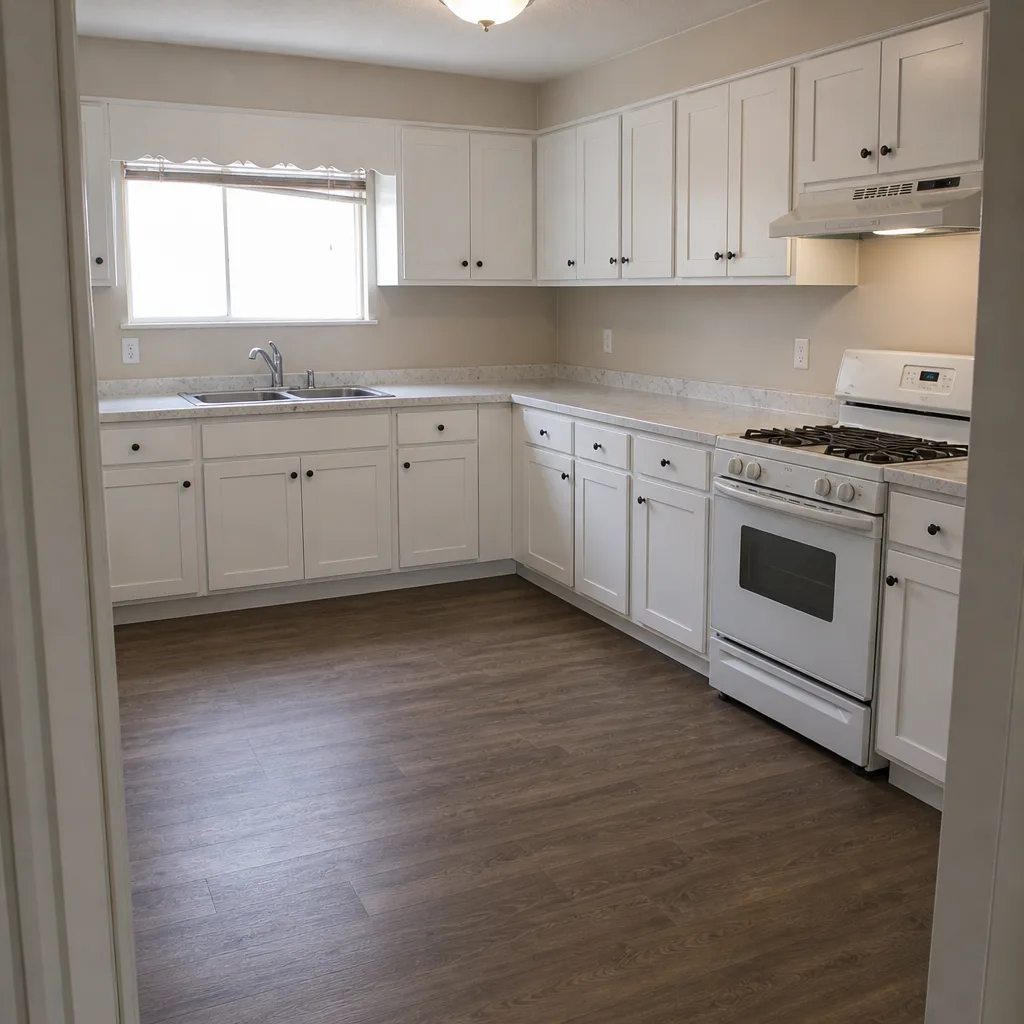 After
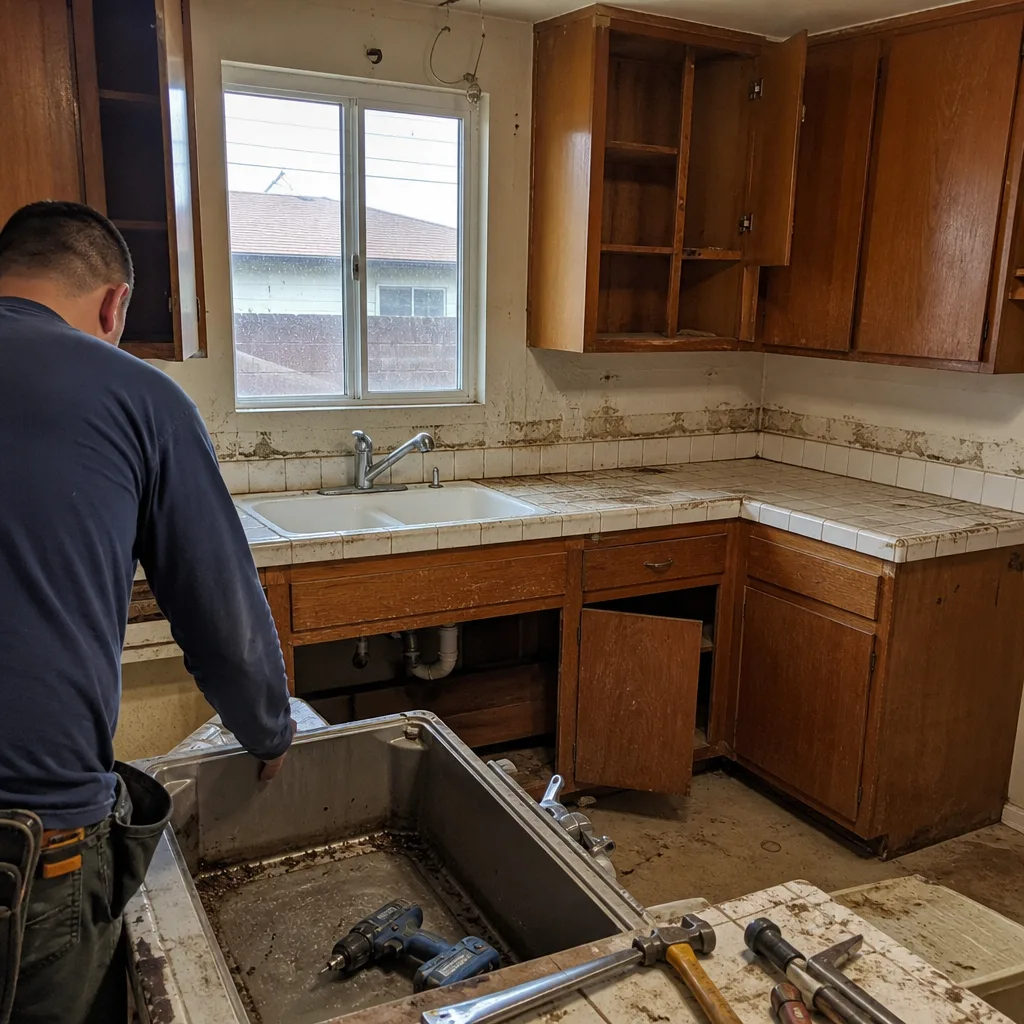 Before
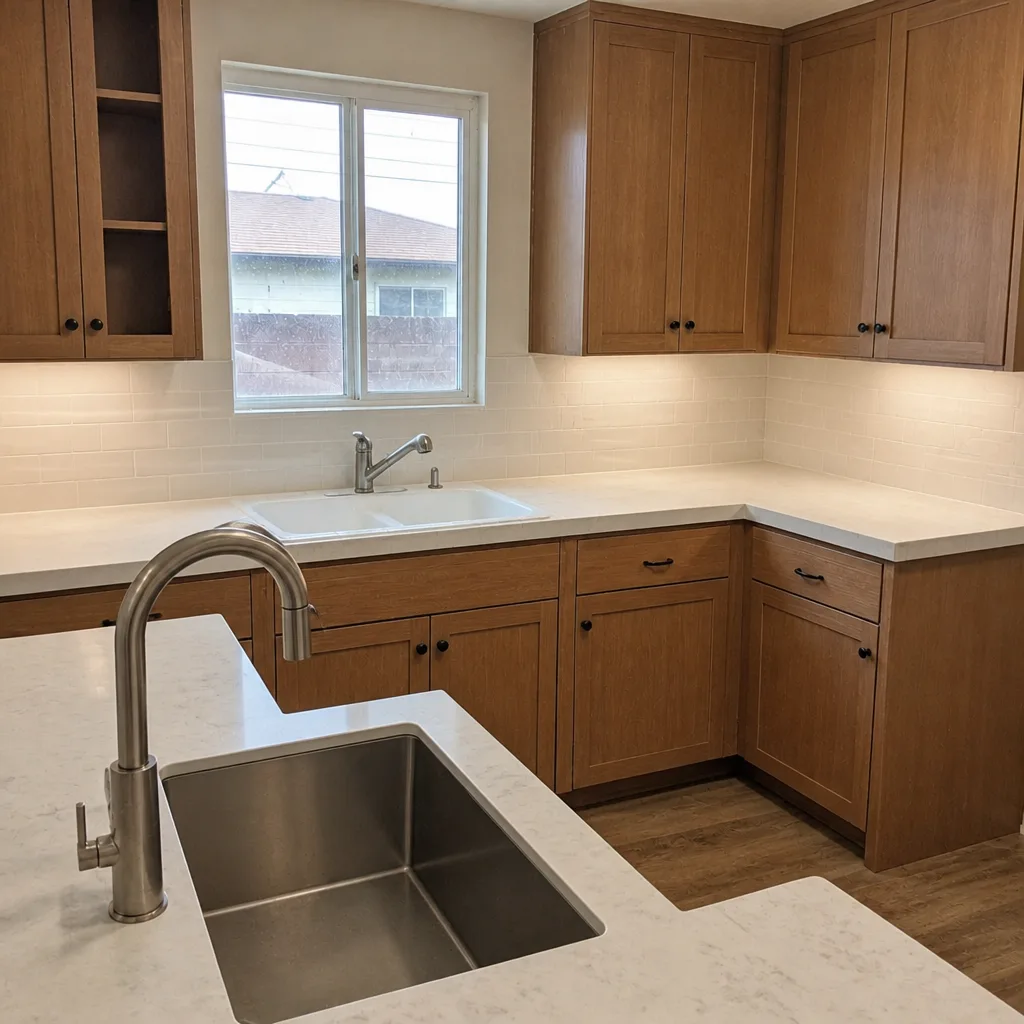 After
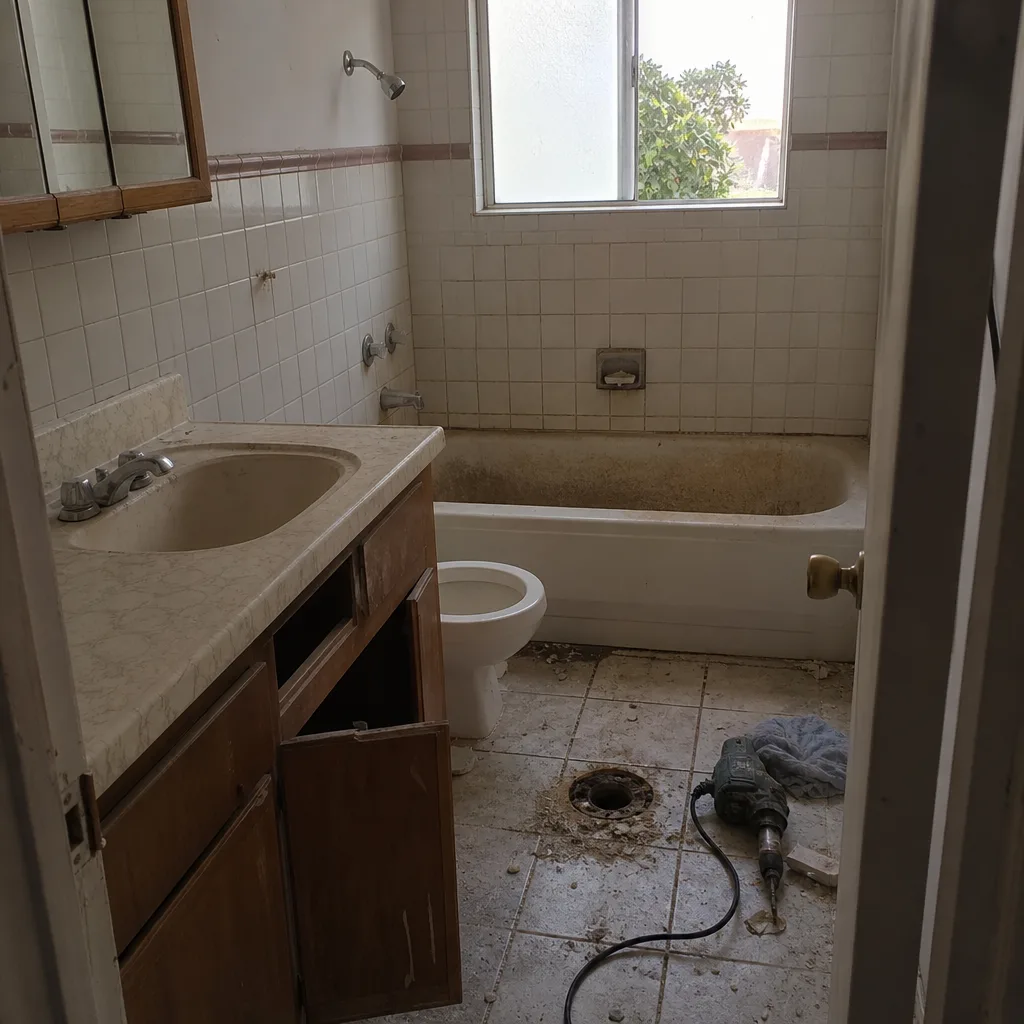 Before
 After
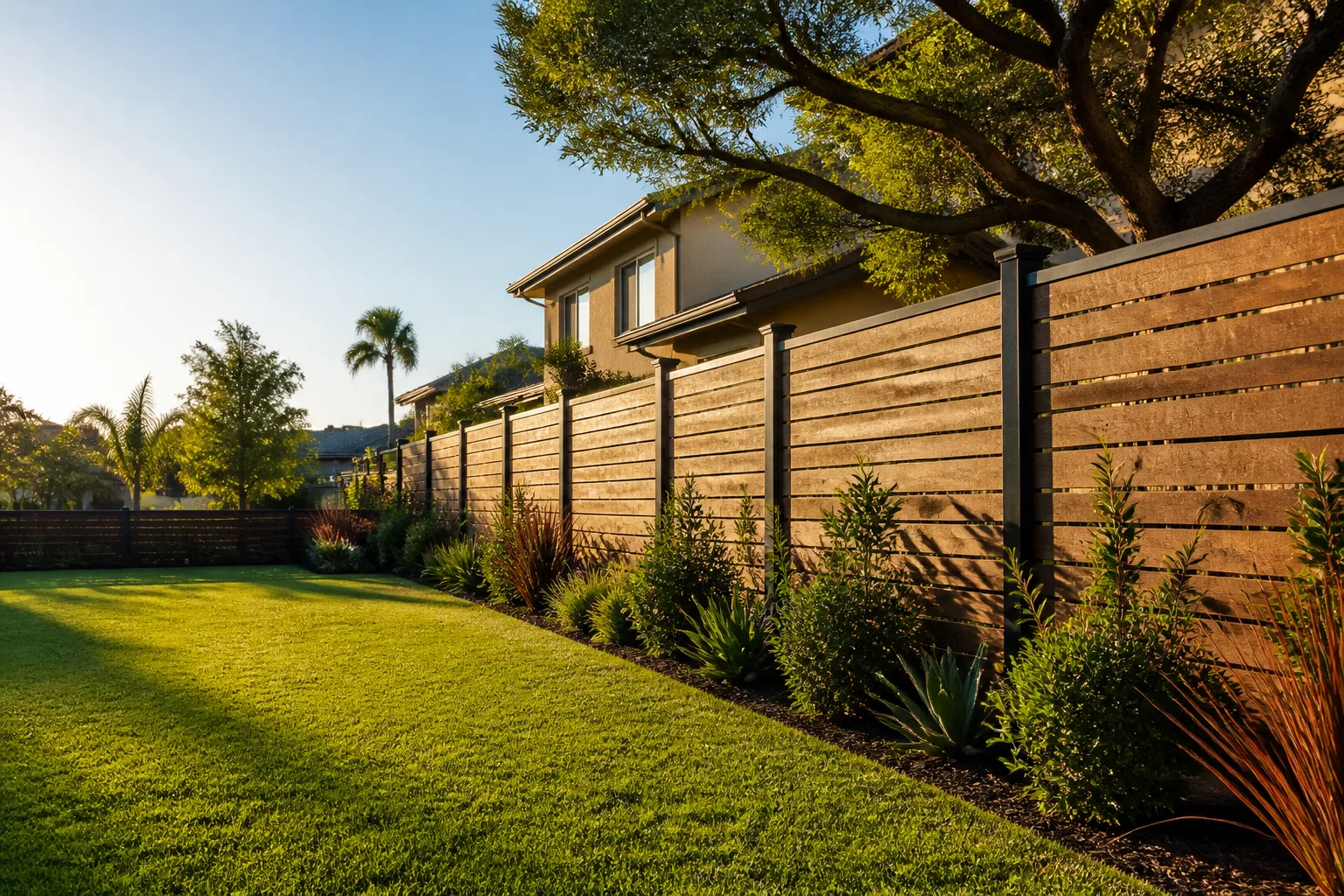
How to Stain a Wood Fence in Inglewood, CA
The short answer: clean the wood, let it dry to a confirmed moisture reading, apply a penetrating oil-based stain in a thin coat, and keep the whole job inside Inglewood’s 4-5 hour morning window before the marine layer returns. Stain a wood fence in Inglewood on the wrong day, or at the wrong time of day, and you’re painting over fog. The marine layer here means your surface moisture window is narrower than any staining guide written for the rest of the country will tell you. Get the timing wrong and the product bonds to a damp substrate instead of soaking in. Call (833) 842-7204 if you want the work handled by a crew that reads the weather.
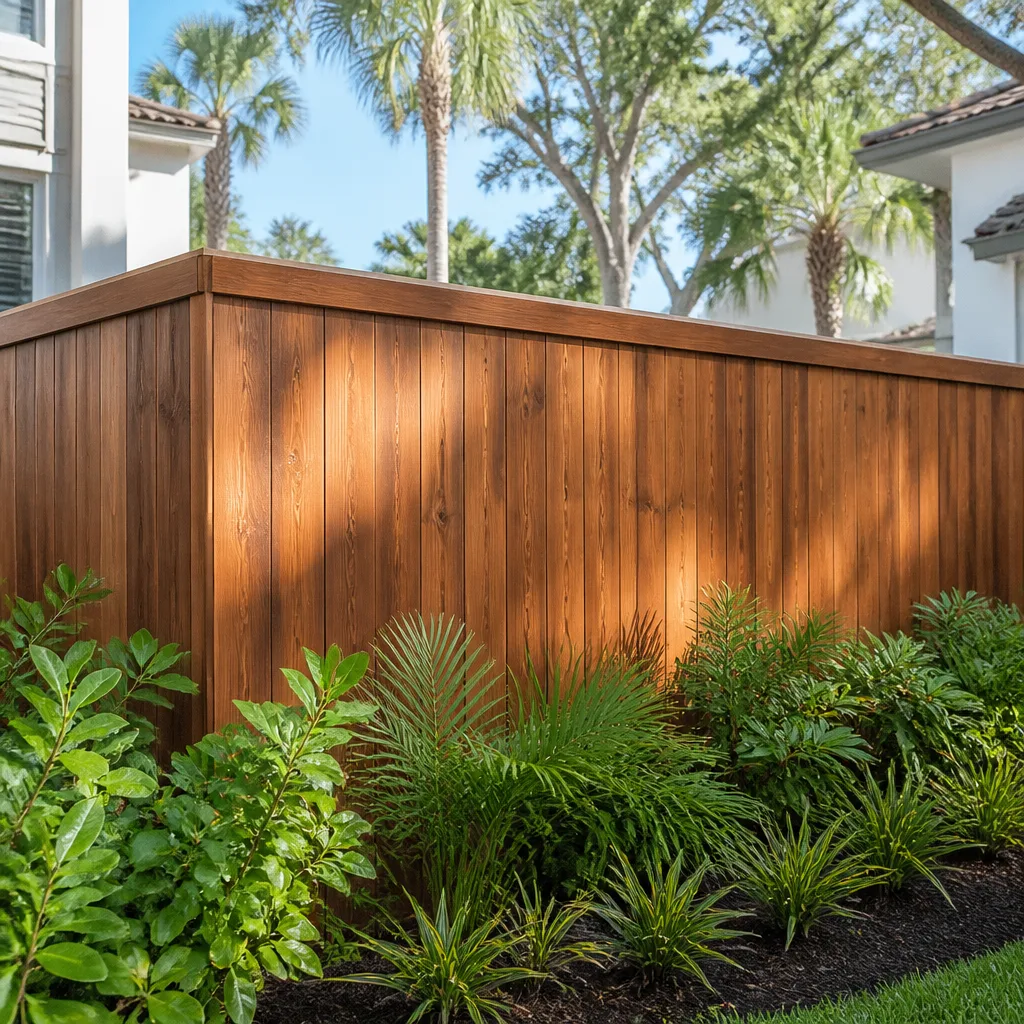
Why the Inglewood application window is 4-5 hours, not a full day
If you follow a staining guide written for a dry inland climate, you’ll plan to start after breakfast and work until the afternoon cools off. That schedule fails here. Inglewood sits in the coastal-influenced LA basin near LAX, and from June through September the marine layer typically burns off around 10-11 a.m. and comes back by late afternoon. That gives you four to five usable hours of dry, open wood, not eight.
Why does that gap matter so much? The fog doesn’t just sit on the surface. Wood absorbs and releases moisture with the daily cycle, so the grain is wettest at dawn and driest in the early afternoon. Apply stain at 8 a.m. and you’re sealing damp fibers. Apply it at 6 p.m. as the damp air returns and the product cures too slowly, which is how you get the tacky finish and the first peeling patch within a single season.
Here’s what’s happening underneath. A penetrating stain that soaks into open, dry grain cures from the inside out and holds through hundreds of wet-dry cycles. A stain applied to a damp substrate sits on top and lifts as the wood shrinks and swells. In Inglewood’s marine-moderated climate, nights rarely freeze, so your finishes age by moisture cycling rather than by freeze-thaw. That cycling is the whole game, and it rewards timing over brute hours.
The salt-air prep step you’ll see skipped in every inland guide
Onshore air near LAX carries salt, and that salt deposits crystals into the top layer of your fence boards over time. Those crystals block the stain from fully penetrating, so you get blotchy, uneven absorption and a finish that wears out in patches. A light TSP wash (or an oxalic-acid wash on weathered or grayed boards) knocks the salt deposits back and opens the grain before you stain.
What a real prep sequence looks like in Inglewood:
- Wash first. TSP for general dirt and salt film; oxalic acid for graying and tannin bleed. Rinse thoroughly.
- Let it dry for days, not hours. In coastal humidity that’s often 48-72 hours, not the “24 hours” a package says.
- Confirm the reading. This is the step most homeowners skip: verify the wood’s surface is actually dry with a moisture meter before you buy the stain.
- Stain inside the window. Start once the fog burns off and stop before the damp afternoon air rolls back in.
- Seal the end-grain and post bases. More on why below, because this is the detail that decides how long the fence outlasts the stain.
Salt-laden onshore air also corrodes exposed metal fasteners, so while you’re prepping, check your nails and brackets. A rusted fastener holding a damp board is a future loose board.
Penetrating oil-based stain vs. film-forming stain in Inglewood conditions
For Inglewood’s moisture cycling, a penetrating oil-based stain beats a film-forming product almost every time. Film-forming stains (the ones that sit on the surface as a coat) trap the moisture that cycles through Inglewood wood, so they cup, crack, and peel as the boards breathe beneath them. Penetrating stains soak in and let the wood breathe through the wet-dry cycles. In this climate, that difference typically buys you 2-3 additional years before the first recoat.
Here’s what that means for a real budget in Inglewood:
| Scope | Typical Inglewood range |
|---|---|
| Prep wash + stain application (typical residential fence) | $3,500-$9,000 |
| New fence install with stain and end-grain sealing | $3,500-$9,000 (vinyl) / $4,000-$10,000 (aluminum) |
| Same-day repair of a peeling failed coat | Quoted per section after inspection |
Those figures are the market-calibrated range in Inglewood for the work, so you’re not guessing. Upfront pricing, no surprises is the standard we hold to: the number you see is the number you pay. If you’d rather have the install and the stain handled together, our Fence Installation team can quote both in one visit.
The recoat schedule the product label won’t give you
The flat “5-year” number on a stain can works for a generalized national climate. Inglewood runs on two clocks, and sun exposure is the divider. South- and west-facing fence faces take the afternoon sun and cycle hardest, so they want a recoat every 3-4 years. Shaded north-facing sections dry more slowly and hold their finish longer, so 5-6 years is realistic there. Track it by side of the fence, not by the whole yard.
Inglewood’s stock is mostly 1920s-1950s single-family bungalows and small stucco duplexes on tight lots, and many of those original wood fences have never been recoated on any schedule at all. On top of that, the 2021-2026 transformation around SoFi Stadium, the Intuit Dome, and the Kia Forum has pulled permit volume and building-department attention onto the flats, so homeowners near the event district are updating exteriors with the property line in mind. When you install new, the detail that extends the fence life most in these conditions is sealing every end-grain cut and post base with an end-grain sealer before stain goes on. That’s not included in standard contractor installs, and it’s where most fences fail first. It’s exactly the kind of detail a 730-Day Done Right Promise is built around: if it’s not done right, we make it right.
Common Inglewood staining scenarios we get called about
The fence that peeled within a season. Usually stained early in the morning on a damp day or coated with a film-forming product. The fix is stripping the failed coat, letting the wood dry to a confirmed reading, and recoating with a penetrating oil.
The gray, salt-hazed boards. Wood that’s been exposed near the coastal corridor without a wash. Oxalic acid opens the grain back up before staining, and the result is even, not blotchy.
The new install that was never sealed. Fresh posts and end cuts sitting open to the marine air. End-grain sealer first, then stain, then a recoat clock you actually track by exposure.
If any of these sound like your yard, our technicians (up to 12 years of experience) can read the moisture, not just the color, before recommending a product.
FAQs
Staining a wood fence in Inglewood typically runs $3,500-$9,000 depending on fence length, prep needed, and product. Prep (the salt wash and full dry time) drives most of the variation. Call (833) 842-7204 for an exact quote – estimates are free.
No – a proper stain job in Inglewood takes more than one day because the wash and dry cycle alone needs 48-72 hours in coastal humidity. The stain application itself fits the 4-5 hour morning window, but the prep can’t be rushed. Call us if you want the timing handled for you.
Late spring through early fall works best, when the marine layer burns off reliably by 10-11 a.m. and you get a clean morning window. Summer fog is manageable; cool, damp stretches are where finishes fail. Call (833) 842-7204 to schedule around the weather.
If the boards are solid, repair and recoat is usually cheaper than replacement; if the wood is soft or the posts are failing, replacement wins. We’ll inspect and tell you straight. Call (833) 842-7204 for a free assessment.
When to hand it to a pro
Staining is safe to try yourself if you’ve got a dry window and the patience to wait out the humidity. What most homeowners underestimate is the moisture reading and the timing, and that’s where the wasted product comes from. If your fence is older, the boards are gray or peeling, or you want the install and the finish handled together with the end-grain sealing done right, our home team handles the full scope. Groundwork Construction Co. of Inglewood brings background-checked, uniformed technicians and calls answered by a live person, 24/7. If you’d rather have it looked at, we offer a no-pressure assessment in Inglewood – call (833) 842-7204 for a free estimate.
Written by the team at Groundwork Construction Co. of Inglewood, serving Inglewood, CA.