Last updated November 18, 2026
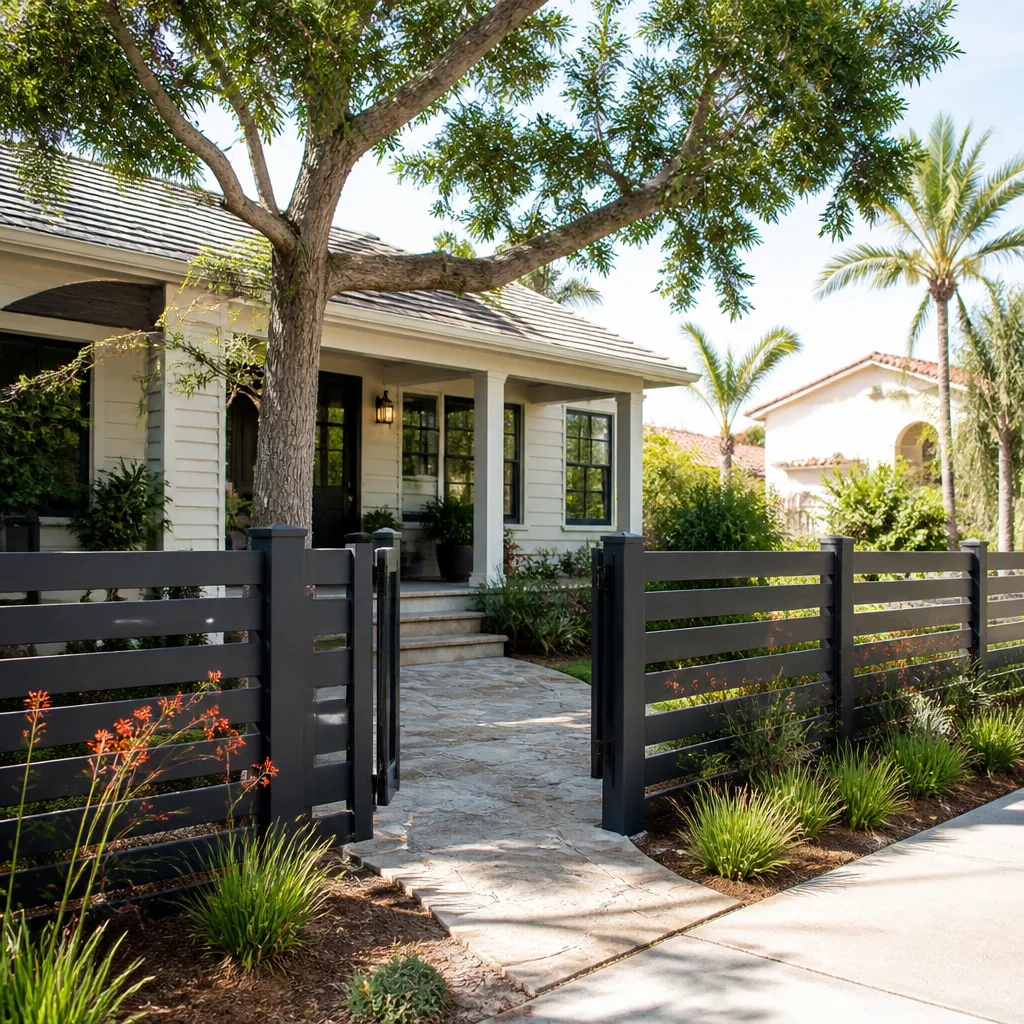

Free written scope consultation - allowances, timeline, and change-order rules on paper before a single trade is scheduled
How to Hire a Construction Contractor in Inglewood: A Step-by-Step Guide
The contractor with the lowest bid in Inglewood isn’t cutting costs on profit. They’re cutting them somewhere inside your project. The question isn’t whether that’s happening; it’s where, and this guide shows you how to find out before you sign anything. We’ll walk through the license checks most homeowners skip, how to line up bids so they actually compare, what a California contract has to contain versus what genuinely protects you, and the payment-milestone structure that keeps a job from stalling halfway through. By the end, you’ll know how to spot the bidder in Inglewood who’s guessing from the one who’s building to a real scope.
Quick Answer
To hire a construction contractor in Inglewood, verify the contractor’s CSLB license and bonding status directly on the state board’s website, get at least three written bids that describe the same scope of work, sign a contract that matches California’s legal requirements, and tie every payment to verified progress rather than a date on the calendar. Skip the license check or the apples-to-apples bid comparison and you’ve handed the most important decisions to whoever wrote the paperwork.
Styles & brands we work with
- Kitchen remodeling
- Bathroom remodeling
- Home additions & ADU
- Roofing
- Windows & doors
- Driveway & pavers
- Fence
Table of Contents
- Step 1: Verify the License the Right Way
- Step 2: Line Up Bids You Can Actually Compare
- Step 3: Read Between the Lines of the Bid
- Step 4: What California Law Requires vs. What Protects You
- Step 5: Set Payment Milestones Tied to Progress
- Red Flags in Inglewood’s Contractor Market
- Permits and Inglewood Building Code
- The Final Walkthrough and Warranty
Step 1: Verify the License the Right Way
Any contractor taking on a job over $500 in California has to hold a license from the Contractors State License Board (CSLB). That’s not a formality. It’s the one piece of paper that separates a professional operation from someone with a truck and a business card. The trouble is, most homeowners stop at “yes, I’m licensed” and never check it themselves. Three steps on the CSLB site settle it in under five minutes.
- Look up the license number, not the company name. Names change; the license number is the paper trail. Search the number on the CSLB’s online lookup and confirm the business name on the record matches the name on the bid. If they don’t line up, ask why before anything else.
- Check the license is “Active” and read the classification. An inactive or expired license means they can’t legally contract work right now. A Class B (General Building) classification covers most remodeling and additions. Roofing, plumbing, and electrical have their own classifications, so confirm the work you’re pricing sits under their license.
- Confirm the bond and workers’ compensation status. The CSLB record shows whether the contractor carries the contractor’s bond and workers’ comp coverage. Ask for a certificate of insurance naming you as an additional insured on larger jobs. A contractor who can’t produce it won’t be able to either.
In our experience, a surprising number of bidders who talk a good game have a license that’s suspended, expired, or registered to a different legal entity than the one quoting you. A firm that’s been around a while and stands behind its work won’t hesitate when you ask for the number. A firm that gets cagey about it just told you everything.
Step 2: Line Up Bids You Can Actually Compare
Contractors win jobs on price by changing what’s inside the price. One bid includes demolition and haul-away; another leaves it out. One specs a mid-grade shingle; another uses a builder-grade call. By the time you’re looking at three numbers, you’re comparing a kitchen remodel to a different kitchen remodel. The fix is a written scope document you hand to every bidder, so they’re all pricing the same thing.
Here’s how to build one that works in Inglewood:
- List every line item you expect. Demo, framing, plumbing rough-in, electrical, drywall, finishes, paint, cleanup, permit fees. Leave nothing to “we’ll figure it out.”
- Name the material tiers, not just the trade. “Roof: architectural asphalt shingle, 30-year, brand-name product” beats “new roof.” On home additions, name the window line, since window quality drives both cost and long-term energy performance.
- Ask bidders to break out their price by phase. A single lump-sum number tells you nothing about where the money’s going. A phase-by-phase breakdown lets you spot a bid that’s light on framing and heavy on finishes, or one that’s quietly skipped the permit line.
- Request an itemized allowance list. Anything they can’t price yet (tile, fixtures, appliances) should appear as a stated allowance with the dollar amount written in. An allowance of “$1” is a red flag; real numbers are how you budget.
Give every bidder the same scope document on the same day and tell them you’re comparing like-for-like. Contractors who want the job will respect that. The one who asks you to “just get a ballpark” is telling you they don’t plan to be held to a number. If your project includes an addition, the scope doc matters even more: an ADU or home addition in Inglewood carries permit, foundation, and site-plan costs that vary enormously between bidders.
Step 3: Read Between the Lines of the Bid
Three bids that look similar on the surface can hide very different promises underneath. The work isn’t reading every word; it’s knowing which words to look for. Here’s what separates a bid you can rely on from one that’ll cost you later.
- Does it name specific materials? A bid that says “tile” without naming a product or allowance is going to default to whatever’s cheapest the day work starts. Good bids list the actual brand and line, like a name-brand shingle rather than “composition roof.”
- Is the workmanship warranty spelled out in writing? Find the warranty term in the bid, not just the contract. A two-year guarantee on a roof or a new addition tells you the contractor expects the work to hold; a one-year verbal promise doesn’t.
- Does the bid include permits, and who pulls them? If the permit line is missing or vague, you’re either paying for it later or running unpermitted work. Both are expensive.
- Is there a change-order process? A real bid says how changes get priced and approved. If a bid promises “no change orders ever,” that’s fantasy. Every job hits something unexpected; what matters is whether the process is in writing.
- Is the schedule honest? Plans that show dates for demolition, inspections, and final walkthrough suggest a contractor who’s actually planned the work. A blank schedule is a bid that hasn’t thought past day one.
When we look at bids for our own neighbors in Inglewood, the tell is usually the finish specs. An honest bid names the fixtures, the paint, the window line. If the specification is thin on a large job like a kitchen or a full re-roof, it’s thin for a reason.
Step 4: What California Law Requires vs. What Protects You
A contract that meets California’s legal requirements and a contract that genuinely protects you are two different documents. The law sets a floor. Your interests sit above it.
California requires certain things in a home-improvement contract: the contractor’s name, address, and license number; a description of the work; the total price and the schedule; the payment schedule; a notice of the right to cancel; and the mechanics-lien warning. Those are the legal minimum. None of them stop a project from going sideways. Here’s what actually does.
- A detailed scope attached to the contract. Reference it by page so the contract and the scope travel together. If it’s not attached, it’s not enforceable in the way you think.
- Payment tied to completion of specific phases, not dates. More on this next, but the contract is where the milestone language lives.
- A written warranty clause. Name the term, what it covers, and how claims get handled. A guarantee you can point to in the contract is a guarantee you can use.
- An indemnification and insurance clause. If a sub damages your property or a worker gets hurt, the contract should say who covers it. Confirm the contractor’s insurance, and ask to be named as additional insured on large jobs.
- A clear change-order procedure. Changes get priced, approved in writing, and signed before work proceeds. Anything else is the start of a dispute.
- A dispute-resolution clause you understand. Mediation vs. arbitration vs. court is a real choice; understand which you’re agreeing to before you sign.
Read every page. Sign nothing you don’t understand, and don’t let anyone rush you through the paperwork “so we can start Monday.” A contractor confident in their process will give you time to read it.
Step 5: Set Payment Milestones Tied to Progress
If there’s one protection that matters more than the rest, it’s this: never pay on a calendar. Pay when verified work is complete. Calendar-based payments are how projects get abandoned. A contractor gets 50% up front, runs into a problem on another job, and your project sits. When the money’s spent and the work’s not done, you have very little leverage.
A progress-based schedule looks like this:
- Deposit: Keep it small. A modest deposit covers mobilization and materials ordering; no reason it needs to be half the job. On larger projects, materials delivered to the site can be paid for on delivery.
- Rough-in completed: Payment when framing, plumbing, and electrical rough-in pass inspection. Not “started.” Passed.
- Drywall and finish prep: Payment after inspections clear and prep is done. Each phase gets verified before the next check.
- Substantial completion: Payment held until the final walkthrough is done and a punch list is agreed in writing.
- Final: Nothing left until every punch-list item is signed off and the final inspection has passed.
We’ve seen Inglewood homeowners hand over 60% up front and spend months chasing a crew. A contractor who insists on a huge deposit before any work happens is telling you where their cash flow is. A firm that structures fair payments around verified progress is telling you something better: they’ve planned the job, they expect to finish it, and they’re not leaning on your cash to float it.
Red Flags in Inglewood’s Contractor Market
Inglewood has changed enormously in recent years. Big projects like the stadium and transit expansion brought a wave of new construction money and a wave of new contractors chasing it. Some are excellent. Some are working three jobs at once and subcontracting the one you thought you hired. Here are the signs to watch in the current market.
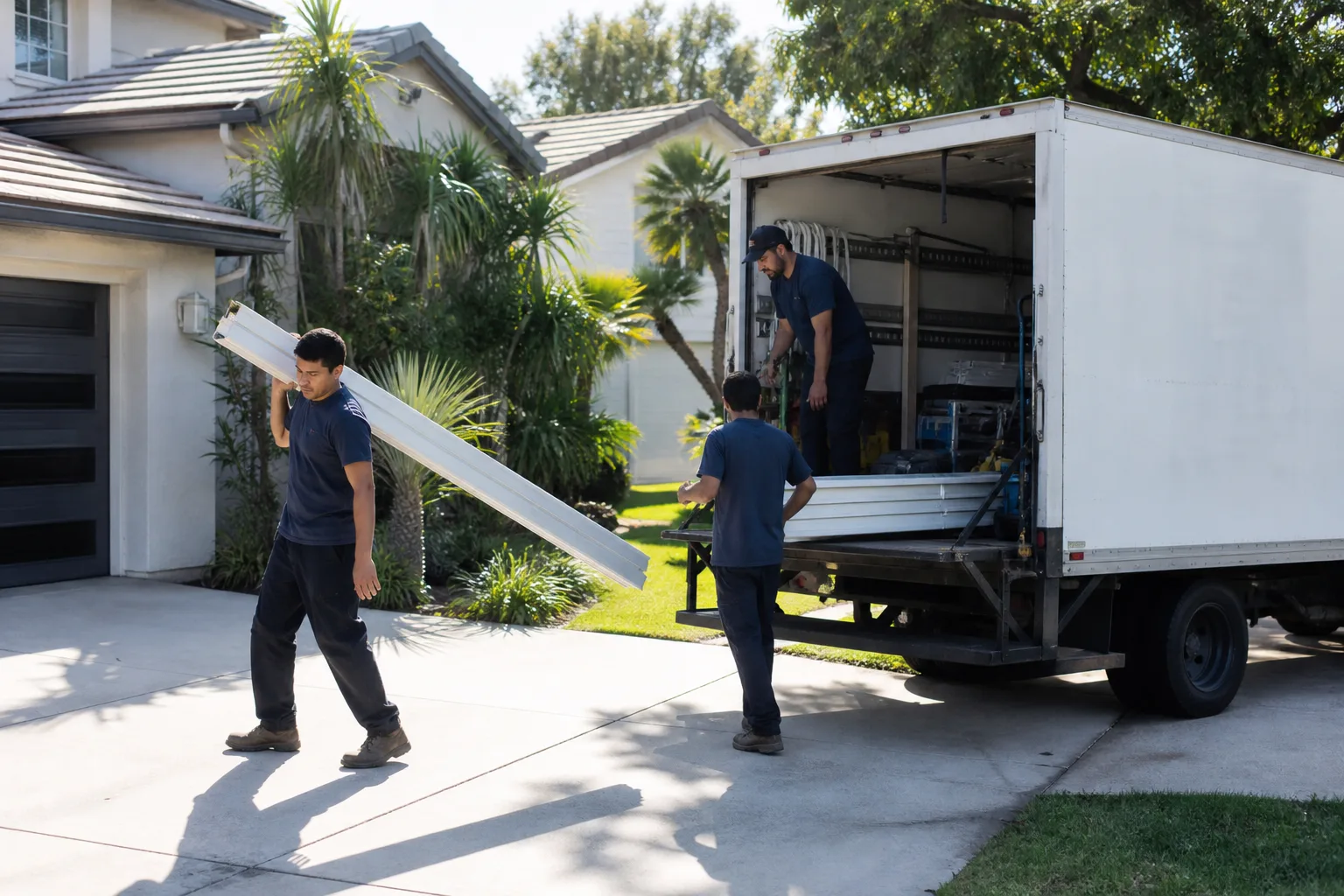
- They’re overbooked and won’t say it. Ask how many jobs they have running right now and how many crews they have. A contractor who’ll be on your job three days a week with five other projects going is going to subcontract yours. Ask directly: “Will you use subcontractors on this job?” Write the answer into the contract.
- The bid arrives too fast to be real. A serious bidder walks the site, measures, and thinks about it. A same-day verbal quote on a whole-house remodel is a guess.
- They want cash and no contract. You lose every legal protection the moment you hand over cash with no paper. No exceptions.
- They ask you to pull the permit in your name. A licensed contractor pulls their own permit. A homeowner-pulled permit means the contractor’s either unlicensed or trying to escape inspection accountability.
- The office has no one answering. Call the number on the bid at a weird hour. A firm set up to handle real construction answers, and the crew isn’t running the phone.
- Reviews reference a different company. Check that the reviews for the company match the license number you verified. In a hot market, it’s not unusual for a business name to get reused.
- They get defensive about the CSLB lookup. Any contractor worth their salt walks you through their license record. One who bristles at being checked is saving you a phone call.
Inglewood’s particular pressure points matter too. The city’s older housing stock, much of it built in the mid-20th century, means surprises behind walls are common. A crew that’s honest about that and budgets a contingency line is more trustworthy than one who guarantees nothing will come up.
Permits and Inglewood Building Code
Permits aren’t red tape you can skip. They’re how the city confirms the work will be safe and how you keep a paper trail for resale. Inglewood requires permits for most structural, electrical, plumbing, and mechanical work, and for most additions, ADUs, and significant remodels. A licensed contractor pulls the permit, and the city inspects the work at key stages.
What to know when you’re pricing a job in Inglewood:
- Plan check takes time. Larger projects (additions, ADUs, major structural changes) go through plan review before the permit issues. Ask your contractor for a realistic plan-check timeline and add it to your project schedule rather than assuming the build starts immediately.
- Who pulls the permit is a contractual decision. Write it down. If a contractor says “you can pull it,” find another contractor.
- Inspections are part of the schedule. A good contractor plans for inspection windows so the job doesn’t stall. Ask how they handle the inspection schedule.
- Unpermitted work is a problem for the seller. If you’re buying a home in Inglewood, a permit history check on the property is worth doing. Unpermitted additions and remodels can complicate financing and resale for years.
If your project scope touches the outside of the house, the same logic applies to roofing and exterior work. A new roof needs a permit in most cases, and it’s worth confirming the contractor on your bid is licensed for roofing specifically. We cover that on our Groundwork Construction Co. of Inglewood home page, along with the full range of trades we cover under one roof. Hardscape and outdoor work like driveway and paver installation in Inglewood often has its own permit thresholds depending on grading and setbacks.
The Final Walkthrough and Warranty
The final walkthrough is where a project is judged. Do it in daylight, with a written punch list, and don’t sign off on the job until everything on it is addressed. Walk every room, test every fixture, run the water, open and close every door and window, look at the roofline from the street, and check that the work matches the specifications in the contract. Anything not to spec goes on the punch list and stays there until it’s fixed.
Then read the warranty. This is where the paperwork from step four earns its keep. A warranty that names the term, the coverage, and the claim process is a commitment. A warranty you can’t find in writing isn’t. Ask for the warranty document before the job is done, not after, so you know what to expect.
One more thing: keep every document. The contract, the scope, the permits, the inspection records, the change orders, the warranty, and the payment receipts are the record of the work done to your home. If you ever sell, those documents prove the work was permitted and inspected. A homeowner who can hand over a well-documented project is in a stronger position with any buyer.
Common Mistakes to Avoid
- Skipping the CSLB lookup. A verbal “yes, I’m licensed” has cost Inglewood homeowners thousands. Check the license number yourself, and confirm the classification covers the work you’re pricing.
- Comparing lump-sum bids on different scope. A bid is only meaningful when it’s priced against the same written scope as the others. Without a shared scope document, you’re comparing three different projects and picking the cheapest.
- Paying on a calendar instead of progress. A payment schedule tied to dates hands control to the contractor. Tie every check to a verified phase and a passed inspection.
- Signing a contract with no warranty clause. The legal minimum doesn’t include a warranty. If it’s not in writing, you don’t have one.
- Letting the contractor pull the permit in your name. That puts the liability on you. A licensed contractor pulls their own permit, every time.
- Not asking about subcontractors. In Inglewood’s current market, a busy firm will subcontract your job without saying so. Ask directly, and write the answer into the contract.
- Skipping the final walkthrough punch list. Signing off without a written punch list closes out your leverage. The final check doesn’t leave your hands until every item is signed off.
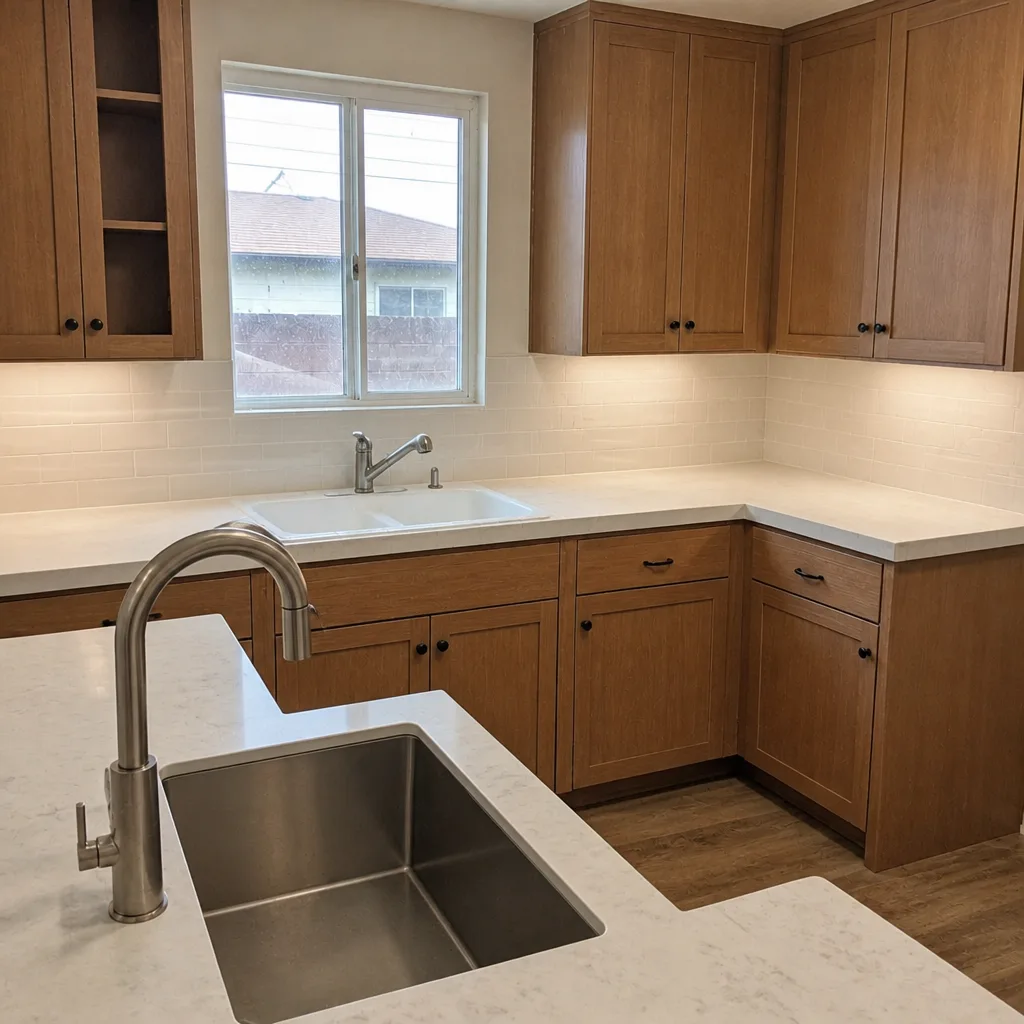
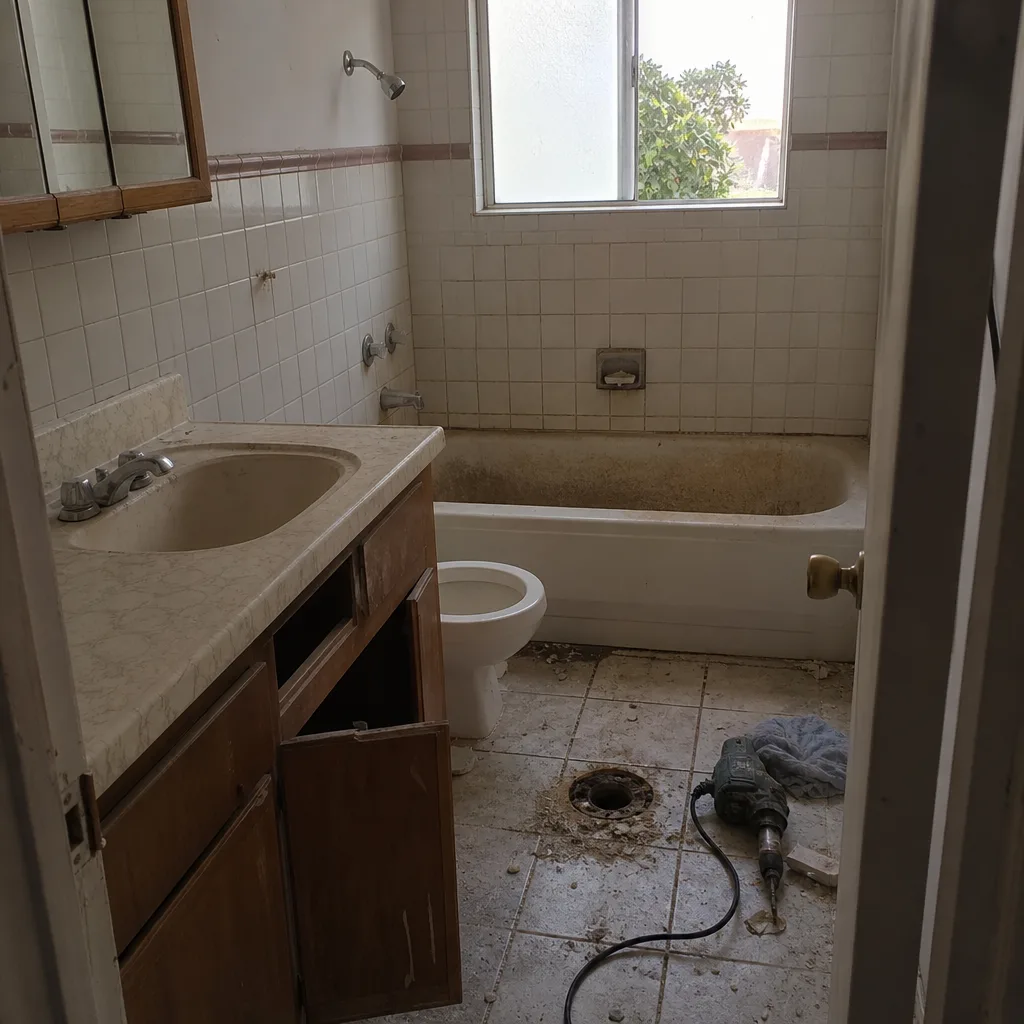
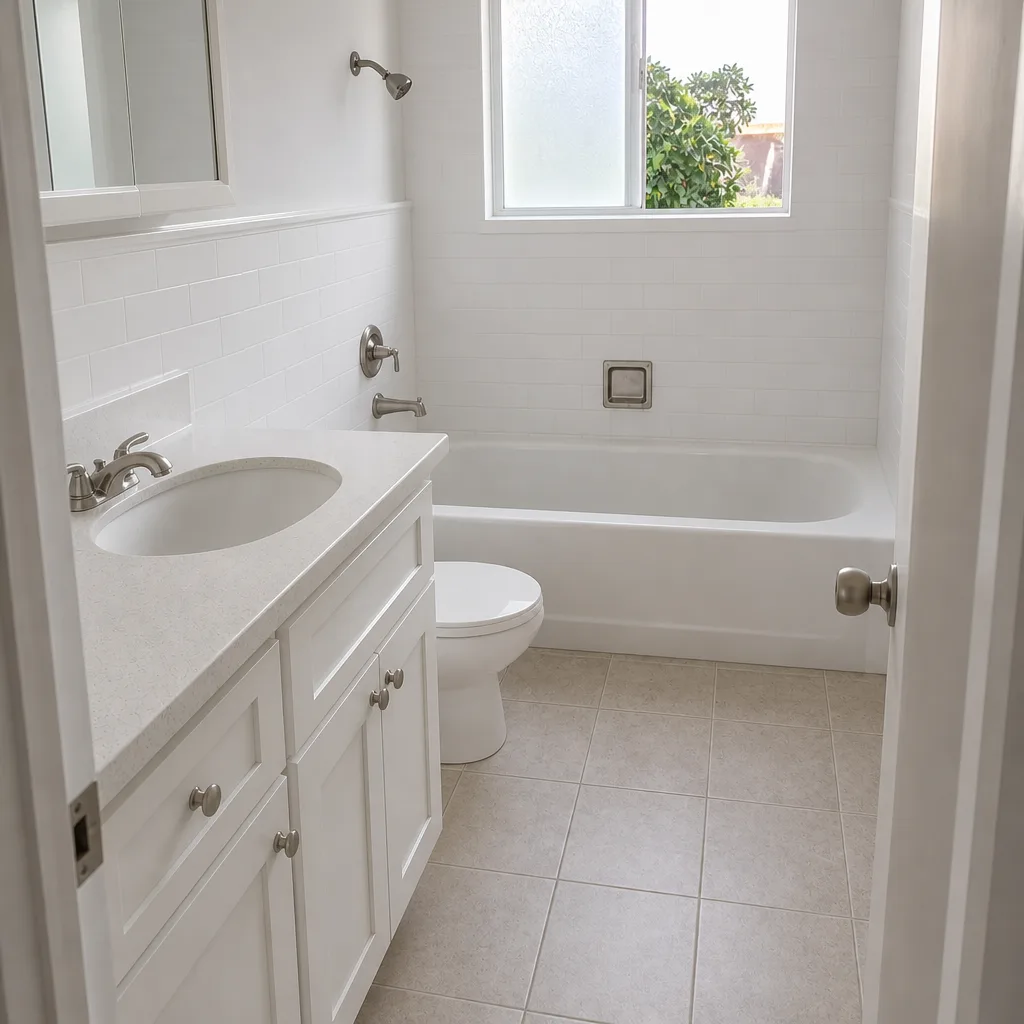
See the difference
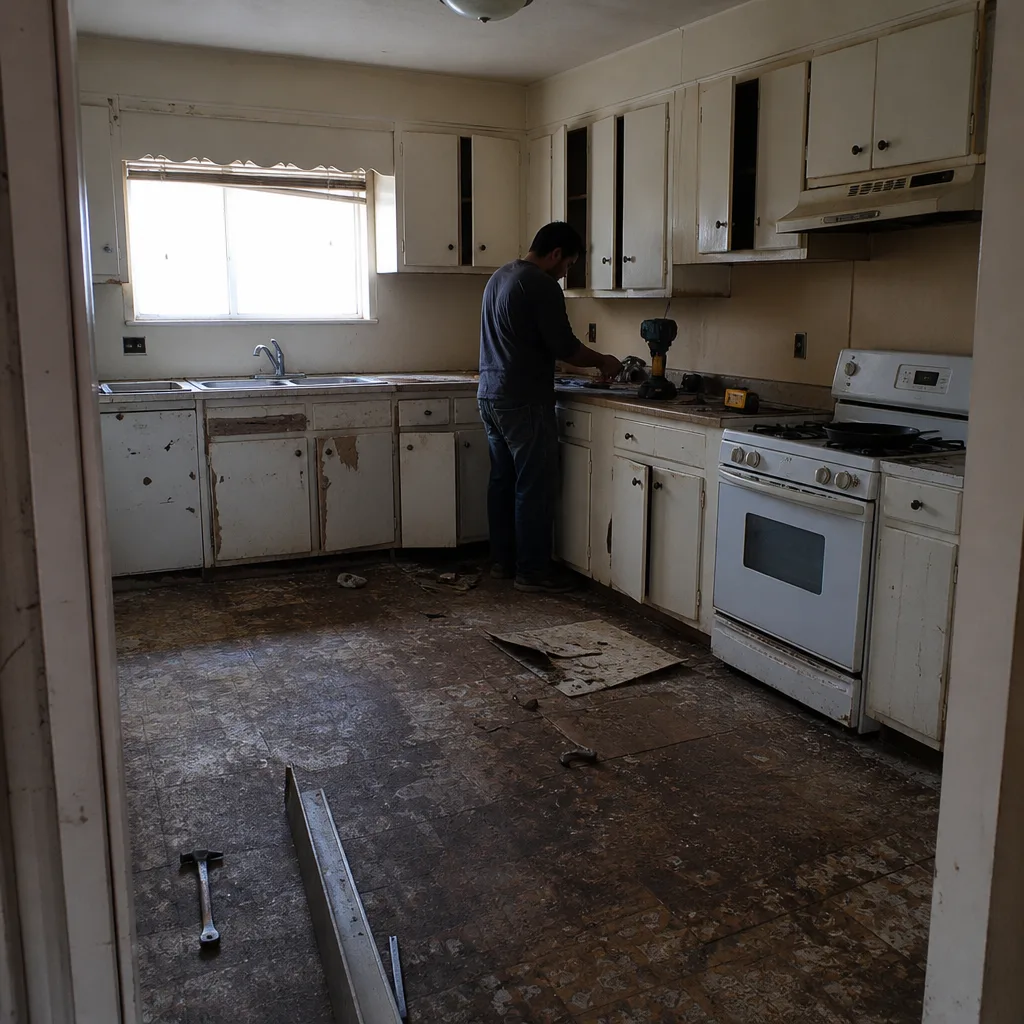 Before
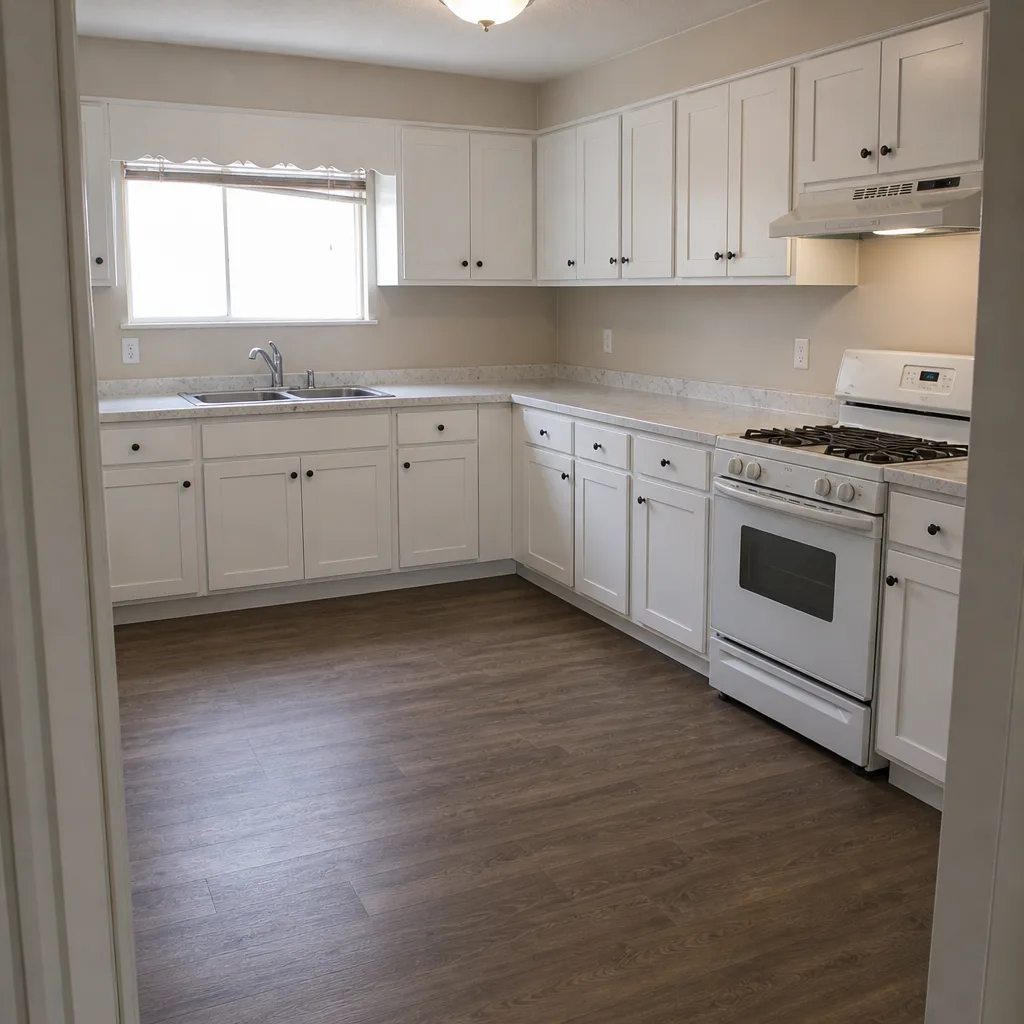 After
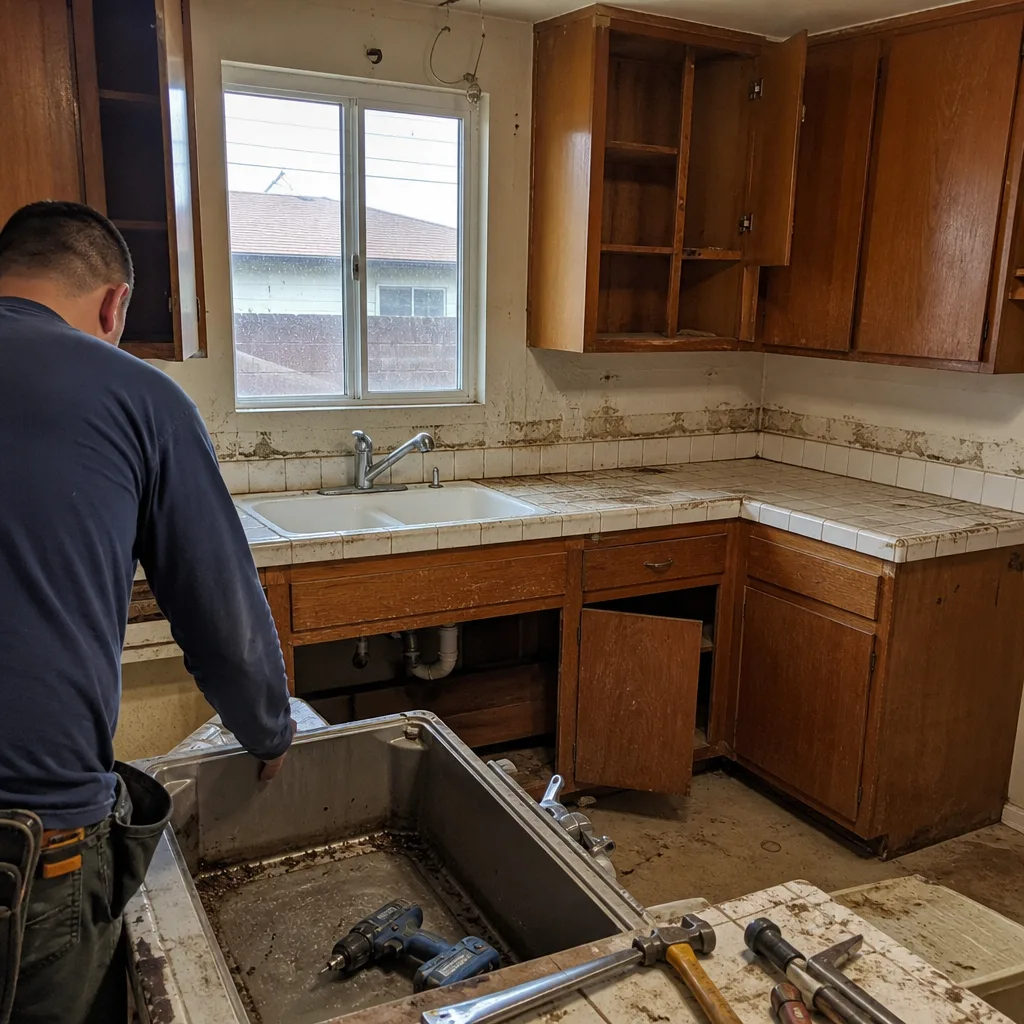 Before
 After
 Before
 After
When to Call a Professional
Some projects are worth a weekend and a trip to the hardware store. Others aren’t. Anything structural, anything that touches the framing, wiring, plumbing, or roofline, and anything large enough to need a permit belongs in professional hands. That goes double in Inglewood’s older homes, where what’s behind the drywall is often not what the drawings show. A contractor who’s walked hundreds of Inglewood houses will see the surprises coming and budget for them. They’ll also pull the permit, coordinate inspections, and put the workmanship warranty in writing. If your project involved a kitchen, a bath, a roof, windows, an ADU, or a hardscape, it’s beyond the scope of doing yourself safely. Groundwork Construction Co. of Inglewood offers free estimates in Inglewood – call (833) 842-7204 to schedule one and get a written, itemized quote.
Frequently Asked Questions
Most Inglewood homeowners pay a deposit of 10-15% up front on a typical project, then pay the remainder in milestones tied to completed and inspected work. Large remodel projects like kitchens and additions generally run five figures or more depending on scope and materials, while smaller repairs and single-trade jobs sit well below that. Call (833) 842-7204 for an exact quote – estimates are free and itemized.
You check it yourself on the Contractors State License Board website by searching the license number, confirming the status is “Active,” and confirming the classification covers the trade (Class B for most remodels and additions, and a specialty classification for roofing, plumbing, or electrical). Never take a verbal “yes, I’m licensed” as proof; the lookup takes five minutes. Call (833) 842-7204 if you want to walk through verifying a license with our team.
The price shouldn’t change if the scope is written correctly and the change-order process is in the contract. What does change the price is hidden conditions behind walls, so a good bid includes a contingency line and a clear procedure for pricing any change before work proceeds. Upfront pricing and a written scope are the two protections that keep the number honest. Call (833) 842-7204 to see what an itemized quote looks like on your project.
Yes, a licensed contractor in Inglewood pulls the permit for their own work, and the city inspects the project at key stages. If a bidder suggests you pull the permit in your own name, that’s a serious red flag. The permit should list the contractor as the responsible party.
A bathroom remodel in Inglewood typically takes a few weeks once permits are issued; a kitchen remodel usually runs longer depending on cabinetry lead times, plumbing relocations, and inspection windows. The plan-check timeline before the build starts should be added to any schedule you’re comparing. Call (833) 842-7204 to get a realistic schedule on your specific project.
The biggest red flag is a contractor who won’t walk you through their license record or who pressures you to skip the written scope and contract. In Inglewood’s current market, the second biggest is a firm that’s overbooked and planning to subcontract your job without saying so. Ask directly, and put the answer in writing. Call (833) 842-7204 to compare a quote against the guide above.
The Bottom Line
Hiring a contractor in Inglewood comes down to verification, comparison, and written protection. Verify the license on the CSLB site, confirm the bond and insurance, and don’t take anyone’s word for it. Compare bids against a scope document you control, not against each other’s shortcuts. Then sign a contract that goes beyond the legal minimum, with a written warranty, a clear change-order process, and payment tied to verified progress. The contractor with the best bid isn’t the most expensive or the cheapest. It’s the one whose paperwork holds up when you look closely – and whose work will still be there in ten years.
If you want to see a contract structured that way, a written scope attached, milestones tied to inspections, and the workmanship guarantee in writing, call (833) 842-7204 for a free estimate. Whether your project is a kitchen on the north side of Inglewood, a new roof, or a new fence along the property line, we’ll walk the site, price it line by line, and hand you a quote you can compare against anyone else. Upfront pricing, no surprises, and a live person to answer the phone when you call.
Written by the team at Groundwork Construction Co. of Inglewood.