Last updated November 18, 2026


Free written scope consultation - allowances, timeline, and change-order rules on paper before a single trade is scheduled
Windows & Doors Troubleshooting: Common Problems and How to Fix Them
Homeowners spend an average of $300 on weatherstripping and caulk trying to fix a drafty window that actually has a failed IGU seal – a problem that only gets worse until the whole unit is replaced. We’ve watched that money disappear on the same window twice before the real culprit finally got named. The pattern holds across Inglewood: the fix gets aimed at the symptom, and the symptom comes back. This guide walks a decision tree from what you’re seeing to what’s actually wrong, with the fix-versus-replace threshold spelled out for the problems we run into most. By the end you’ll know which issues you can handle and which ones need a pro in Inglewood.
Quick Answer
Most window and door problems trace back to one layer behind what’s visible: a sticking door is usually a frame or foundation issue, not a door problem, and a drafty window is often a failed insulated glass unit rather than bad weatherstripping. Diagnose the root cause first with a simple test – the dollar-bill test for drafts, a moisture check for foggy glass – before spending anything on parts. Fixes are worth it when the frame and hardware are sound; once the glass seal, sash, or frame has failed, replacement is the cheaper path over five to ten years.
Styles & brands we work with
- Kitchen remodeling
- Bathroom remodeling
- Home additions & ADU
- Roofing
- Windows & doors
- Driveway & pavers
- Fence
Table of Contents
- The Decision Tree: Symptom, Root Cause, and the Fix-or-Replace Line
- How to Test for a Failed IGU vs. Frame Air Infiltration – No Special Tools
- Why Doors Stick and Swing Open on Their Own in Older Inglewood Homes
- Hardware Failures by Frame Material: Vinyl vs. Wood vs. Aluminum After 10+ Years
- When a Fix Voids Your Manufacturer Warranty – and When It’s Allowed
- How Inglewood’s Marine Air and Inland Heat Break Windows and Doors
- What Window and Door Repairs Actually Cost Around Inglewood
- Prevention: A Simple Seasonal Checklist That Adds Years
The Decision Tree: Symptom, Root Cause, and the Fix-or-Replace Line
The right way to troubleshoot a window or door is to work backward from the symptom. What you see and feel is the last link in a chain, not the first. Before you buy a single tube of caulk, run the problem through a decision tree. It sounds clinical, but it saves real money. Here’s how we walk a homeowner through it.
Step 1: Name the symptom in plain terms. Is it a draft, foggy glass, water intrusion, difficulty opening or closing, a door that won’t stay put, or visible damage? Write it down in one sentence. “The bedroom window feels cold” is a symptom. “There’s a draft around the top sash” is a diagnosis waiting to happen.
Step 2: Isolate the layer. There are four layers where problems live: the glass (IGU), the sash and frame, the weatherstripping and seals, and the surrounding rough opening and wall. A symptom that shows up only at the perimeter points to the seals. A symptom that shows up on the glass surface points to the IGU.
Step 3: Apply the fix-or-replace threshold. Use this list:
- Adjust only: a loose hinge, a worn strike plate, a sagging screen, a stripped sash lock. Sound frame, functioning glass. Fix it.
- Replace the seal or weatherstripping: draft at the perimeter, no glass fog, frame solid. Cheap fix, worth doing.
- Replace the glass unit (IGU swap): fog between the panes, frame sound, unit under 15 years old. Usually cheaper than a full window replacement.
- Replace the whole unit: frame rot, repeated IGU failures, sash out of square, or a unit over 20 years old where one repair leads to the next.
The line between repair and replacement is different for every home. In Inglewood, where a lot of housing stock dates from the 1920s through the 1960s, we see gorgeous wood-framed units worth saving and aluminum slider windows from the 1970s that aren’t. Both deserve an honest look before anyone throws money at a fix. Getting that diagnosis right is the whole game.
How to Test for a Failed IGU vs. Frame Air Infiltration – No Special Tools
A failed insulated glass unit (IGU) and a leaking frame feel almost identical through a window. Both make the room chilly. Both seem drafty. But the fixes are completely different, and the wrong one costs you twice. The good news: you can tell them apart in about five minutes with nothing but a dollar bill, a piece of tissue, and your hand.
The dollar-bill test for frame infiltration. Close a dollar bill in the window so it’s pinched between the sash and frame. Try to pull it out. It should take noticeable effort. If it slides out with no resistance, air is getting past the seal – that’s a frame infiltration issue, not a glass issue. Repeat this at the top, bottom, and both sides of the sash. If the bill slips at one spot and holds everywhere else, you’ve found the leak.
The condensation test for a failed IGU. Look for fog, haze, or water droplets between the glass panes. Moisture on the room-side glass is condensation from humidity, not a failure. Moisture between the panes means the hermetic seal has broken. Once that seal fails, the desiccant inside the unit saturates and the fog or “milky” appearance is permanent. Every winter it gets worse. No amount of weatherstripping fixes it.
Here’s the sequence we recommend to anyone in Inglewood running this test:
- On a cool morning, run your hand slowly around the window perimeter. Cold spots at the edges point to weatherstripping or frame leaks.
- Run the dollar-bill test at every intersection of sash and frame.
- Shine a flashlight at an angle against the glass from the inside and look for a milky film between the panes.
- Check the interior window sash for rust or blistering paint, which signals long-term moisture on the wrong side of the glass.
If the dollar bill holds everywhere and the glass is foggy between panes, you’re looking at an IGU failure. The seal has to be replaced, which means a new glass unit or a whole window depending on age. That’s a job that repays attention. We’ve replaced many foggy units in the Morningside Park and North Inglewood areas where the fog shows up a few years after a bad install. Getting the diagnosis right saves you from re-caulking every spring.
Why Doors Stick and Swing Open on Their Own in Older Inglewood Homes
A door that rubs the frame in summer and swings free in winter isn’t a door problem. It’s telling you something is moving underneath it. In older Inglewood homes – particularly the 1920s and 1930s bungalows and the post-war tracts around Centinela and La Tijera – we see this constantly. The door is the messenger. The cause is often one layer deeper.
Moisture expansion. Solid wood doors swell in humid weather and shrink when it dries. A tight fit in July that loosens by October is normal movement, not a defect. If the rub is seasonal and light, sanding the strike edge by a sixteenth of an inch is often all it takes.
Hinge wear. A door that drags at the bottom and swings open on its own often has a top hinge that has stripped out of the jamb or a hinge that’s lost a screw. Test it by opening the door partway and watching the top hinge. If the door drops even a fraction, the hinge is the problem. A longer screw or a hinge replacement is a two-hour fix.
Frame out of square. If the door sags, rubs at the top corner opposite the hinges, and the gap around the frame is uneven, the rough opening has shifted. This can be settling, or it can be foundation movement. In Inglewood, where many homes sit on raised foundations and the soil can shrink in the dry months and shift when rains return, we’ve seen doors travel a quarter inch in a season.
When it’s foundation, not the door. Here’s the tell: if multiple doors in the house stick in the same direction, or you notice cracks in drywall radiating from door corners, or the door swings open more every year, stop adjusting the door. Something below is moving. That’s a call a structural professional should make, not a carpenter with a plane.
For anything hinge-or-swing related, we recommend adjusting and re-hanging before you replace. A sticking door is almost never the door itself. Fix the true cause and the door behaves. That’s how we approach door work in Inglewood – diagnose the frame and foundation first, and only replace the door when the door is the actual problem.
Hardware Failures by Frame Material: Vinyl vs. Wood vs. Aluminum After 10+ Years
Every frame material ages differently, and the hardware problems show up in predictable patterns. Knowing what’s coming tells you whether a part replacement is enough or whether the window is at the end of its life.
Vinyl windows
Vinyl is durable, but after 10 to 15 years the problems cluster around the moving parts. Sash locks crack and suddenly don’t hold. Tilt latches and the integral balances lose tension, so the sash sags or won’t stay up. The vinyl itself can yellow or get brittle at the corners in direct sun. The frame usually holds – it’s the hardware and the glass seal that go. If your vinyl window is 12 years old, foggy, and the lock is broken, you’re at the replace line. If it’s 12 years old, clear, and one latch is broken, that’s a $15 part and twenty minutes.
Wood windows
Wood is warm and repairable, but it demands attention. The classic 15-year-old wood double-hung has rot at the sill, a sash that won’t slide, and paint blistering at the bottom rail. Sash cords and chains break. Pulleys seize. The good news: wood is the one material where a full restoration is often worth it. A rot-free sash can be re-corded and re-painted for a fraction of replacement. Once the sill rots through, though, water gets behind the trim and replacement is the only honest fix. We see this most in Inglewood homes with original 1940s wood units in the tree-shaded neighborhoods where moisture lingers.
Aluminum windows
Aluminum from the 1960s and 1970s is light and thin, and that’s also its weakness. The frames conduct heat, so interior condensation is common and often mistaken for a glass failure. Aluminum rollers wear flat and the slider stops gliding. The weatherstripping shrinks and pulls out of its channel. Rivets loosen and sashes rack out of square over time. Aluminum units rarely have catastrophic failures – they die by a thousand small ones. When you’re replacing rollers, weatherstripping, and a lock on the same 30-year-old unit, the math favors a new window.
One more note: cheap replacement hardware on any of the three materials is how a fix gets reversed. The brand partner matters. We favor Andersen and Marvin for window units because their hardware holds up and their parts are available years after install. A failed lock on a quality unit is a five-year fix, not a five-minute one. That’s the difference between what you pay once and what you pay four times.
When a Fix Voids Your Manufacturer Warranty – and When It’s Allowed
Here’s a hard truth: a lot of the DIY fixes we see shared online will void your manufacturer’s warranty. That’s why the first step in troubleshooting a window or door that’s still under warranty should be reading the warranty documents, not watching a repair video. And there’s a further trap – if a contractor other than the original installer touches a unit, many manufacturers void coverage entirely.
Fixes that typically void the warranty:
- Replacing the glass unit yourself, or having a non-certified installer do it. IGUs have a factory seal that a field job can’t recreate.
- Re-painting or staining a pre-finished frame or sash with a non-approved product.
- Replacing hardware with non-manufacturer parts, which is common on sliding doors and casement cranks.
- Removing or altering the frame in any way, including pulling trim or cutting a jamb to fit a screen.
- Repairing a failed seal or gasket with a third-party sealant. That’s the most common warranty killer we see.
Fixes that are typically allowed: cleaning with manufacturer-approved products, replacing screens, re-caulking the exterior perimeter (with the right caulk), adjusting hinges and strike plates on doors, and replacing weatherstripping that the manufacturer didn’t install as part of the sealed assembly. The line is usually between “accessories” and “components.” Anything that opens the sealed unit is a risk.
Our advice for anyone in Inglewood sitting on a window or door that’s under 10 years old: pull the paperwork before you touch the unit. A warranty claim on a 6-year-old window is worth thousands. A voided warranty is worth zero. If you’re not sure whether a fix is allowed, ask the manufacturer directly before anyone shows up. When a fix does go forward, document it with photos and receipts – many manufacturers will honor a claim as long as you can show the work was done correctly. The 730-Day Done Right Promise we back work with covers the labor and workmanship, and the manufacturer covers the materials. Knowing where one ends and the other begins is what stops a fix from becoming a fight.
How Inglewood’s Marine Air and Inland Heat Break Windows and Doors
Inglewood sits in a unique spot: close enough to the coast that the marine layer rolls in most summer mornings, inland enough that the afternoons bake. That moisture-and-heat cycle does more to windows and doors than either condition on its own. Wood swells in the morning damp and dries hard by afternoon. Metal expands and contracts. Seals take the brunt.
The specific failures we see in Inglewood because of the climate:
- Morning condensation on inland-facing windows. The warm room air meets the cool marine-layer glass. Homeowners mistake this for a seal failure. It isn’t, unless the moisture is between the panes.
- Rot at wood sills and bottom rails, especially on the north and west sides. Morning moisture lingers on surfaces that don’t get direct sun. Painting those sills every few years is not optional – it’s the difference between a $200 repair and a $1,200 replacement.
- Aluminum frames sweating on the interior. In older aluminum units the metal conducts cold straight through, so the interior frame weeps. That’s not a leak; that’s condensation. It is, however, a reason to look at replacements when the rest of the window is also due.
- Doors swelling into the frame during the marine layer season, then shrinking in the fall. This is why a door that works in October can stick in June. It’s not a defect. It’s the coast.
This also affects your inspection schedule. In Inglewood we tell homeowners to walk their windows and doors after the first big rain of the season, not in the middle of summer. That first rain finds the failing seals and roof transition leaks. Catching them in October means a repair, not a rebuild. If you’re also keeping up the rest of the house, the same walk-through works for your Groundwork Construction Co. of Inglewood home and its drainage, and for checking the Fence Installation in Inglewood for storm damage. A home is a system – windows, doors, fence, drainage all fail in the same seasons.
What Window and Door Repairs Actually Cost Around Inglewood
Costs vary by the age and material of the unit, the extent of the damage, and how accessible the window is, but these ranges reflect what we see across the Inglewood market:
| Repair | Typical Range | What Drives the Price |
|---|---|---|
| Weatherstripping replacement | $60-$180 per window | Type of seal, accessibility, number of units |
| Door hinge adjustment / re-hang | $120-$280 | Hinge count, jamb condition, whether frame repair is needed |
| Failed IGU glass replacement (single unit) | $220-$480 | Glass type, size, Argon fill, Low-E coating |
| Entry door hardware replacement | $180-$400 | Lock type, finish, door thickness |
| Full window unit replacement (standard size) | $650-$1,400 | Material (vinyl, wood, aluminum-clad), size, trim |
| Patio or entry door replacement | $1,200-$3,800 | Material, size, hardware, patio door type |
A few things move the number more than people expect. Second-story windows add labor. Rot that’s spread into the frame turns a glass swap into a full unit swap. If your home was built before 1978, an Inglewood home of that era typically requires lead-safe work practices on any window or trim job that disturbs paint – that adds a small premium and a professional requirement, not a DIY option.
What we tell clients is this: get a written line-item quote, not a single number. A quote that lists the glass, the labor, the trim, and the disposal separately lets you see what you’re actually paying for. Upfront pricing, no surprises is the standard. When the number is clear, you can make a real repair-versus-replace decision instead of a guessing one.
Prevention: A Simple Seasonal Checklist That Adds Years
The cheapest fix for a window or door problem is the one you prevent. A 20-minute walk-through twice a year adds a decade to most units. Here’s the checklist we recommend for Inglewood homes:
- Spring – test every operable window and exterior door. Open and close each one fully. Note any that stick, drag, or won’t latch. Catching a hinge problem early keeps it from becoming a jamb repair.
- Spring – clean the tracks on sliders and patio doors. Debris in the track grounds the rollers. A shop vac and a cloth is the whole job.
- Spring – check all locks and latches. A window that won’t latch is a security gap, and replacing a $10 latch is better than a break-in repair.
- Fall – test for drafts with the dollar-bill method. Replace weatherstripping where the bill slips out. Do this before the rain, not after.
- Fall – inspect exterior caulking at every window and door perimeter. Re-caulk any crack or gap. Use exterior-grade caulk rated for the temperature swings.
- Fall – look at wood sills for rot or blistering paint. Paint any bare wood before the wet season. This single step prevents most sill replacements.
- Winter – after the first rain, walk the interior. Look for moisture streaks on glass, water on sills, or damp wallboard below the window. Those are the tell that a seal has begun to fail.
If you’re planning a bigger improvement, this is also the season to look at the whole exterior. Windows, doors, and entry systems all age together, and a coordinated upgrade usually costs less than piecemeal fixes. New windows or doors often pair with a Home Additions & ADU in Inglewood project if you’re adding space, or with new paving and drainage improvements if you’re reworking the driveway at the same time. For a coordinated plan, the Driveway & Pavers in Inglewood service makes a good companion to window replacement when the project spans exterior work. Windows and doors don’t live in isolation; they live in a house.
Common Mistakes to Avoid
- Caulking the wrong layer. Smearing caulk around a window frame that has a failed IGU doesn’t fix the fog, it just hides the evidence. Test for the seal before you buy a tube.
- Replacing a door before checking the hinges and foundation. If multiple doors stick in the same direction, the door isn’t the problem. Adjusting a new door into a moving frame doesn’t fix anything.
- Ignoring warranty paperwork on newer units. A window or door under 10 years old may still be covered. Doing the fix first can void the claim. Read the warranty first.
- Buying hardware from a big-box store to match a quality unit. Off-brand locks and hinges are what bring a good window back for a second repair. Use manufacturer parts.
- Painting over rot. Paint on a rotted sill seals moisture inside. Probe the sill with a screwdriver before painting – soft spots mean repair, not paint.
- Skipping the inspection after the first rain. In Inglewood, the first fall rain finds every failing seal. A quick walk-through in October saves a rebuild in January.
- Repairing an aluminum slider from the 1970s instead of budgeting for replacement. You can fix the rollers, the track, the weatherstripping, and the lock on the same unit and a year later it’s all back. Against a 50-year-old unit, replacement is the honest answer.
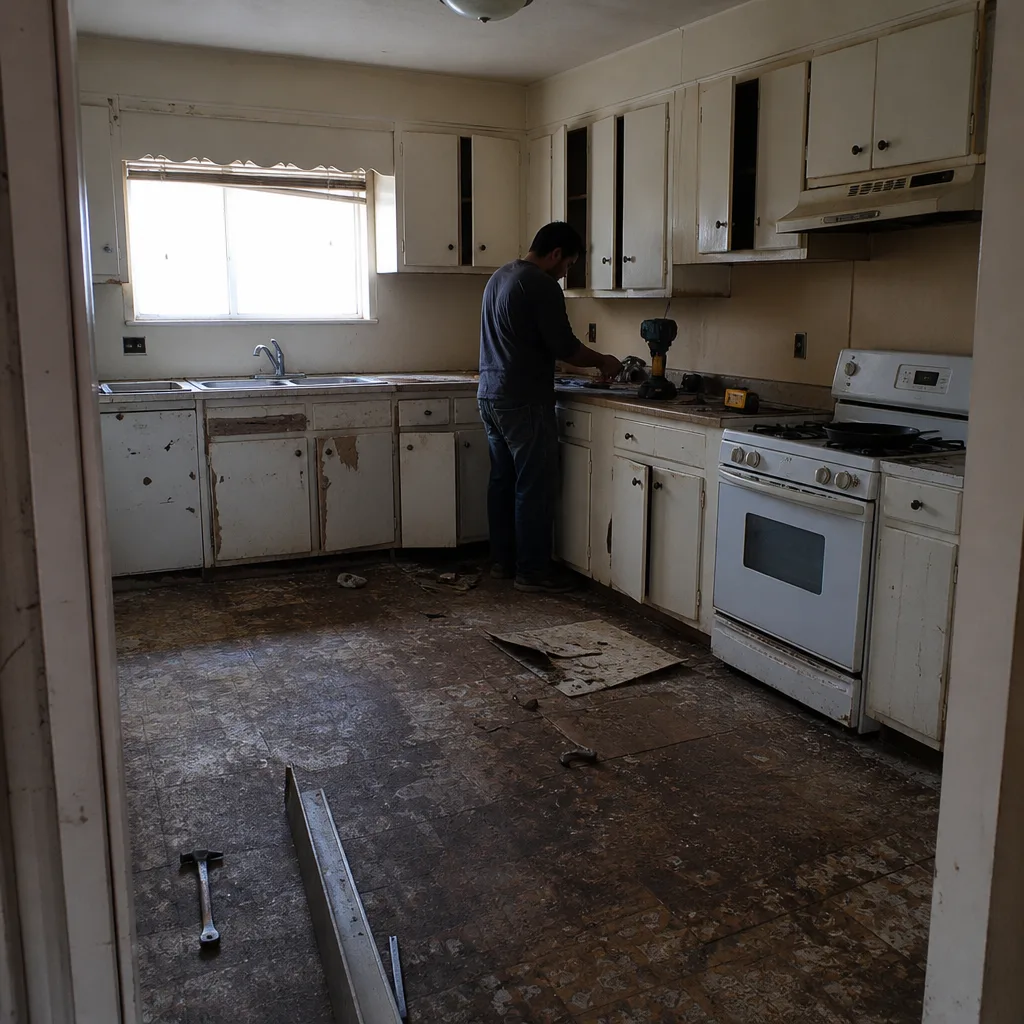
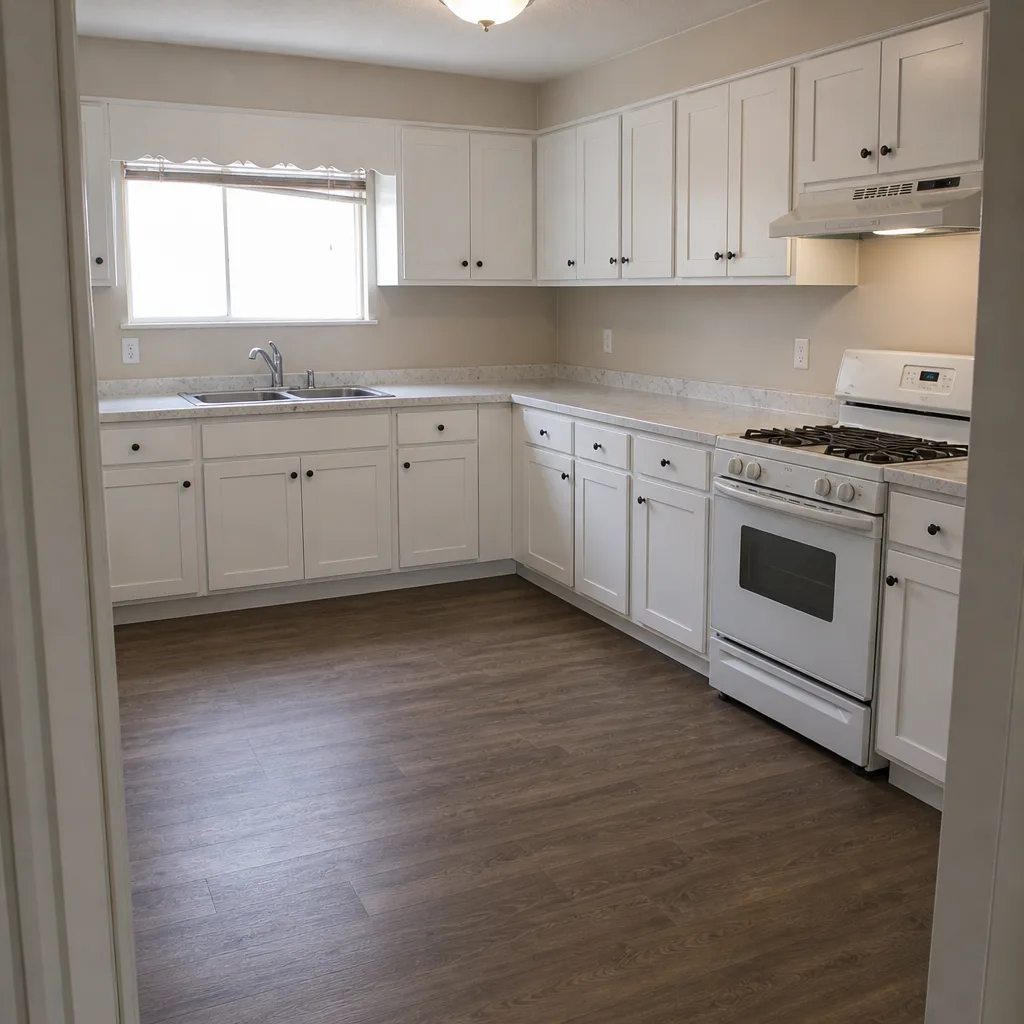
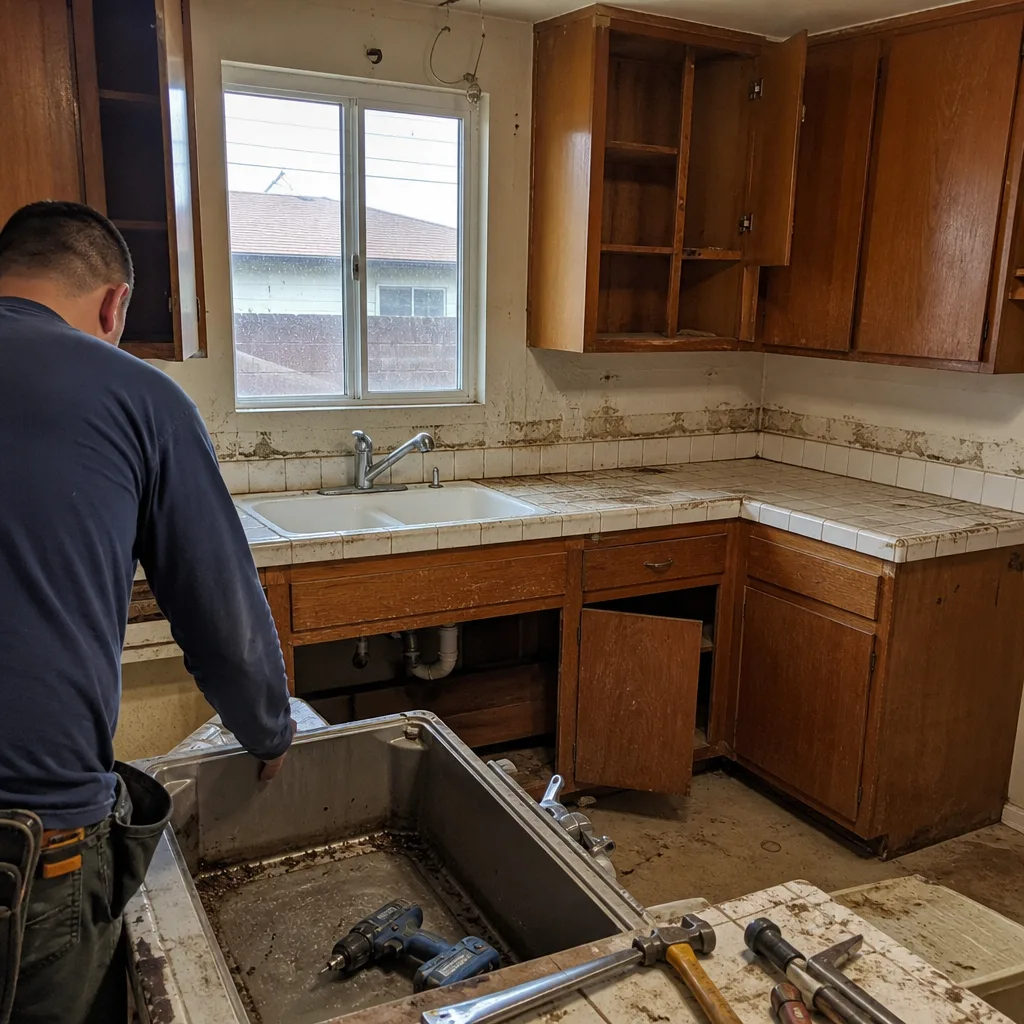
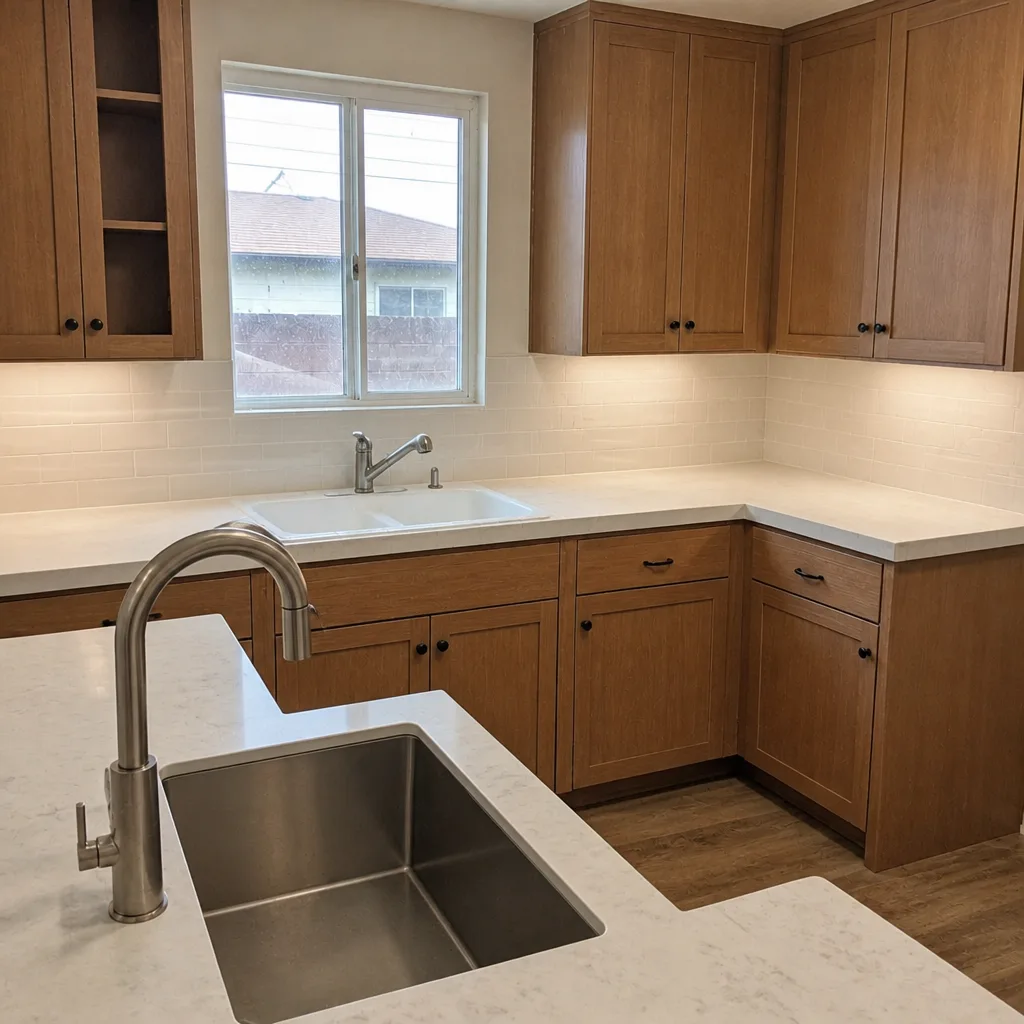
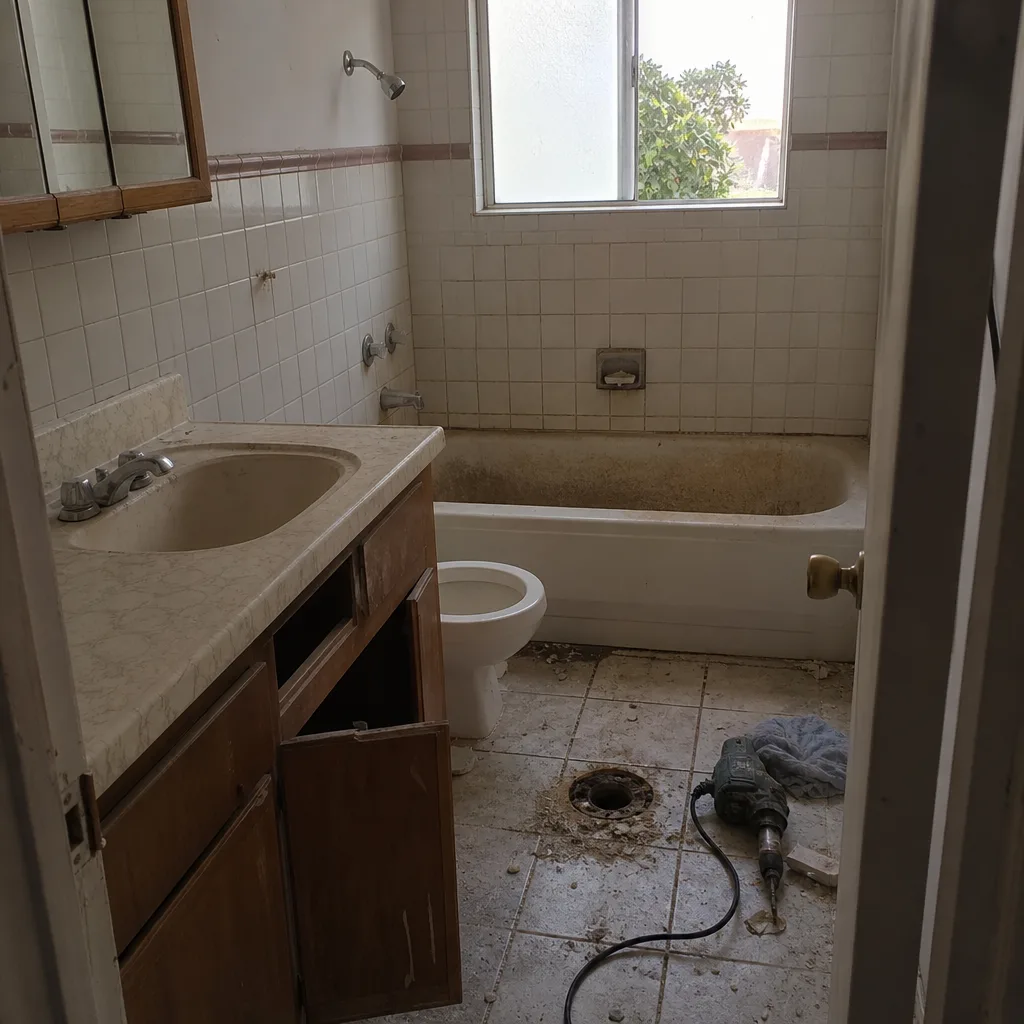
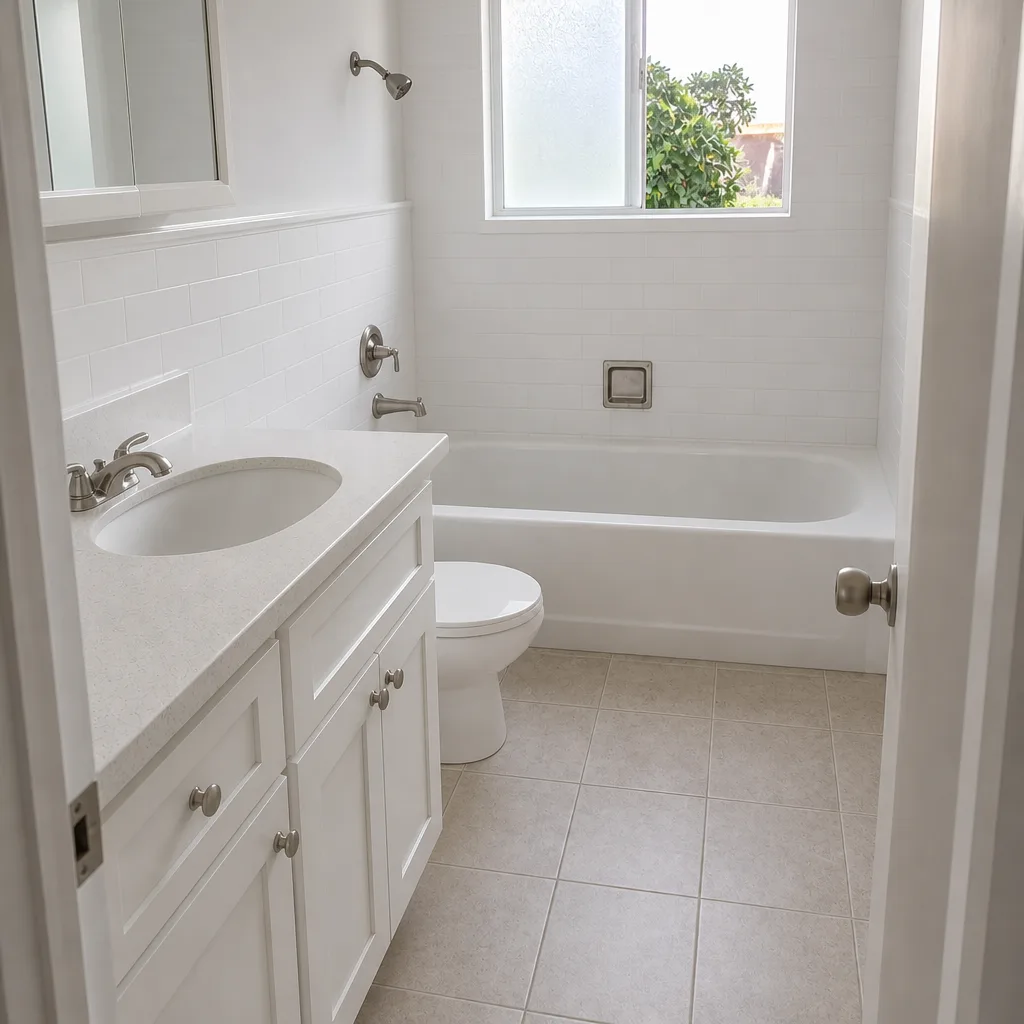
See the difference
 Before
 After
 Before
 After
 Before
 After
When to Call a Professional
Some window and door problems are a screwdriver and a Saturday. Others aren’t. Call a professional when you see water damage inside the wall cavity, when multiple doors or windows in the home are failing at once, when a unit is under warranty and the fix might void it, when your frame shows rot that’s moved into the surrounding trim or wall, when a door won’t close and there are drywall cracks radiating from the corner, or when you’re replacing one unit and the whole façade needs to work together. For Inglewood homeowners on a tight deadline, the other reason to call is simple: getting it done right the first time costs less than the fixes that follow a wrong diagnosis. Groundwork Construction Co. of Inglewood offers free estimates in Inglewood – call (833) 842-7204 to schedule a walk-through and a written quote. Our technicians have up to 12 years of experience, and every job is backed by the 730-Day Done Right Promise – if it’s not done right, we make it right.
Frequently Asked Questions
If moisture appears between the glass panes, the seal has failed – that’s an IGU problem, not a draft. If the glass is clear and the draft comes from the perimeter, it’s a weatherstripping or frame infiltration issue. Run the dollar-bill test around the sash to isolate it. Call (833) 842-7204 for an exact quote – estimates are free.
Most window repairs in Inglewood fall between $60 for weatherstripping and $480 for an IGU glass replacement on a single unit. Full window replacement typically runs $650 to $1,400 per standard unit depending on material. Call (833) 842-7204 for a written, line-item estimate tailored to your windows.
Seasonal sticking is almost always moisture-related. Wood doors swell in humid weather and shrink when it dries, and the marine layer makes this pronounced in Inglewood. If the door works in fall and sticks in June, that’s climate movement, not a defect. A light sanding of the strike edge usually solves it. If multiple doors stick at once, call (833) 842-7204 for an evaluation.
No. IGUs have a factory-sealed unit that can’t be recreated in the field, and a DIY swap voids most manufacturer warranties. It also risks breaking the frame. Call (833) 842-7204 for a professional glass replacement instead.
Yes – replacement work that changes the rough opening or the type of unit typically requires permits, and all permitted work is subject to inspection. Our local pro pulls the permits and passes the inspections. Call (833) 842-7204 to confirm what your project needs and get a free estimate.
No. Our pricing is upfront, and the number on the written quote is the number you pay. No change orders for work you didn’t approve. Call (833) 842-7204 for a free written estimate.
The Bottom Line
Windows and doors fail in predictable ways, and the pattern is almost always one layer deeper than the visible symptom. Caulking a foggy window fixes nothing because the problem lives inside the sealed unit. Adjusting a door that’s moving with the foundation only holds for a season. The dollar-bill test, a flashlight, and the fog-and-rub diagnosis separate the cheap fix from the wrong fix, and the decision tree keeps you from over-spending on a unit that’s already at the replace line. Inglewood’s marine air and summer heat make that diagnosis matter more than in most markets. Fix what’s fixable, replace what’s at the end, and get a written quote before either. When it’s time for the professional work – glass, doors, or a full window replacement – call Groundwork Construction Co. of Inglewood at (833) 842-7204 for a free estimate. A live person answers 24/7, upfront pricing is the standard, and every job is backed by the 730-Day Done Right Promise.
Written by the team at Groundwork Construction Co. of Inglewood.