Free written scope consultation - allowances, timeline, and change-order rules on paper before a single trade is scheduled
Styles & brands we work with
- Kitchen remodeling
- Bathroom remodeling
- Home additions & ADU
- Roofing
- Windows & doors
- Driveway & pavers
- Fence
See the difference
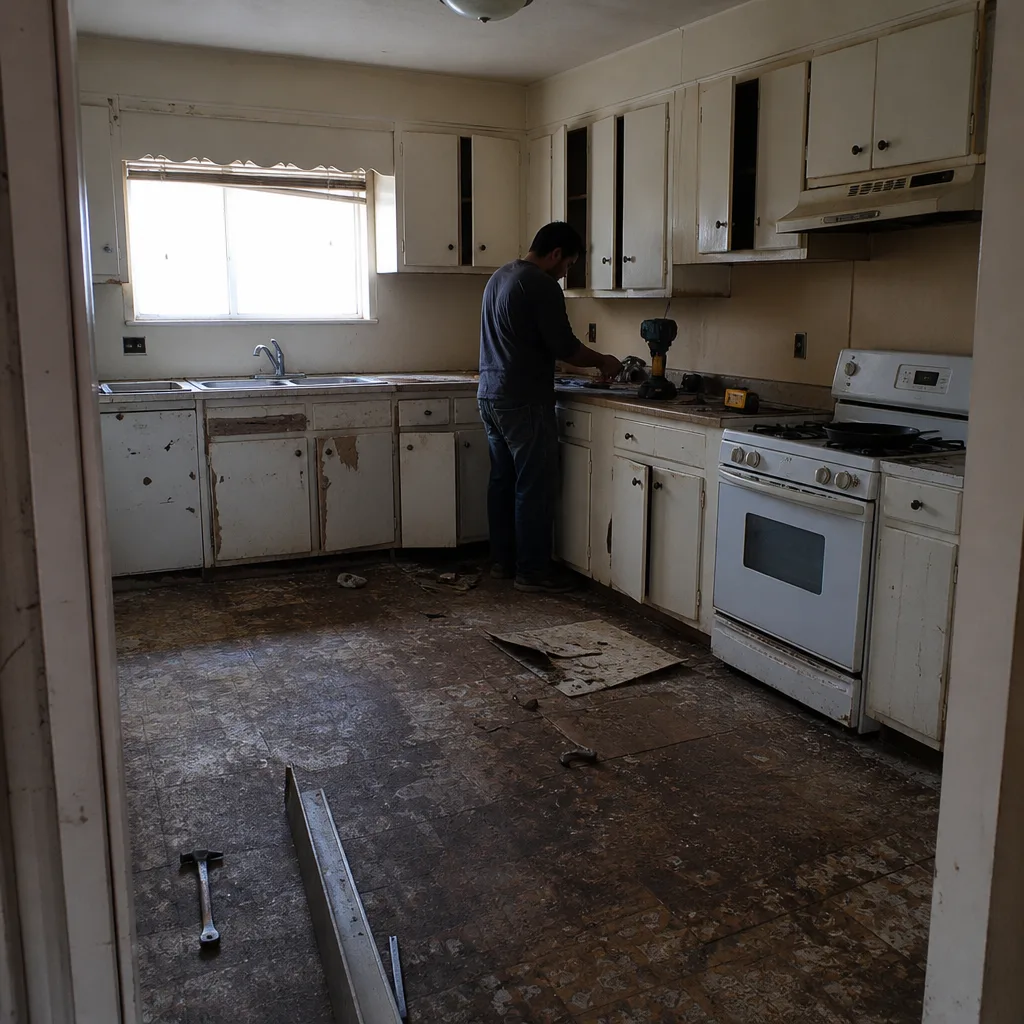 Before
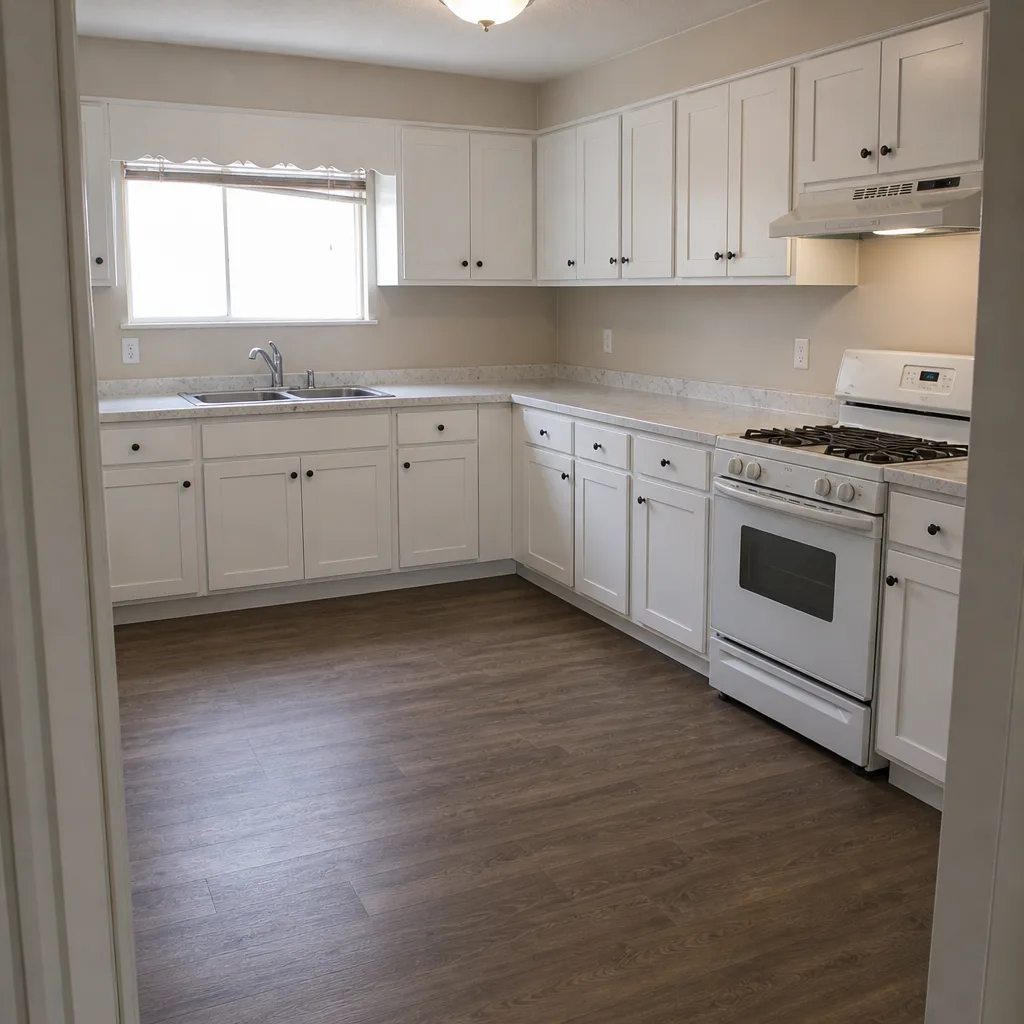 After
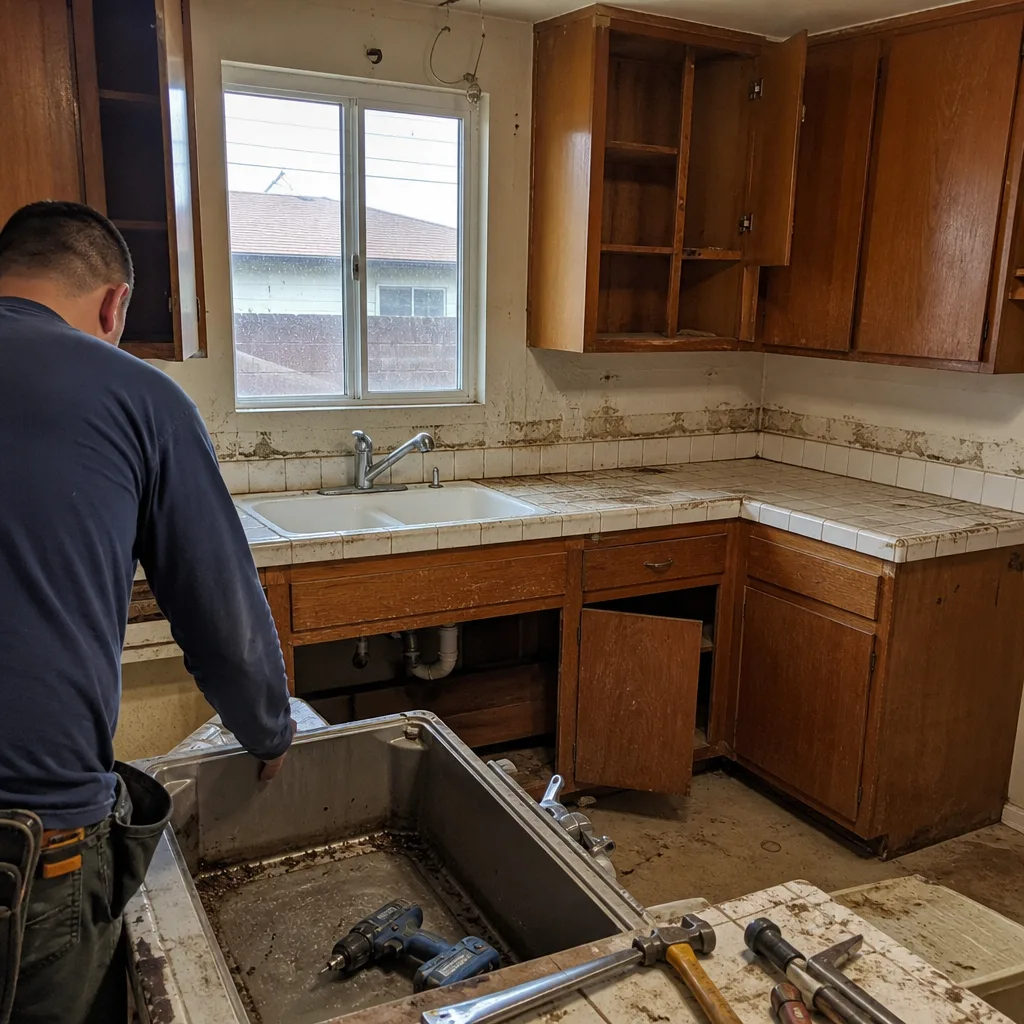 Before
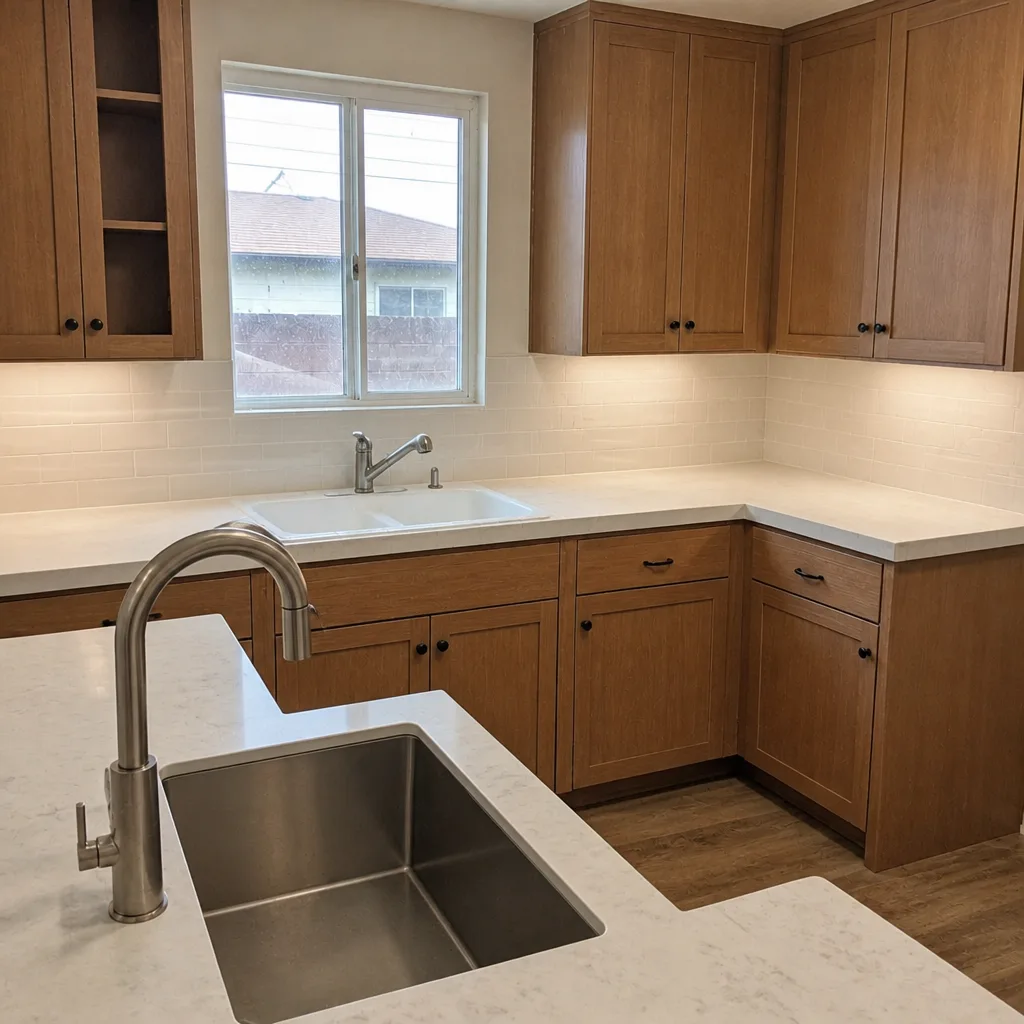 After
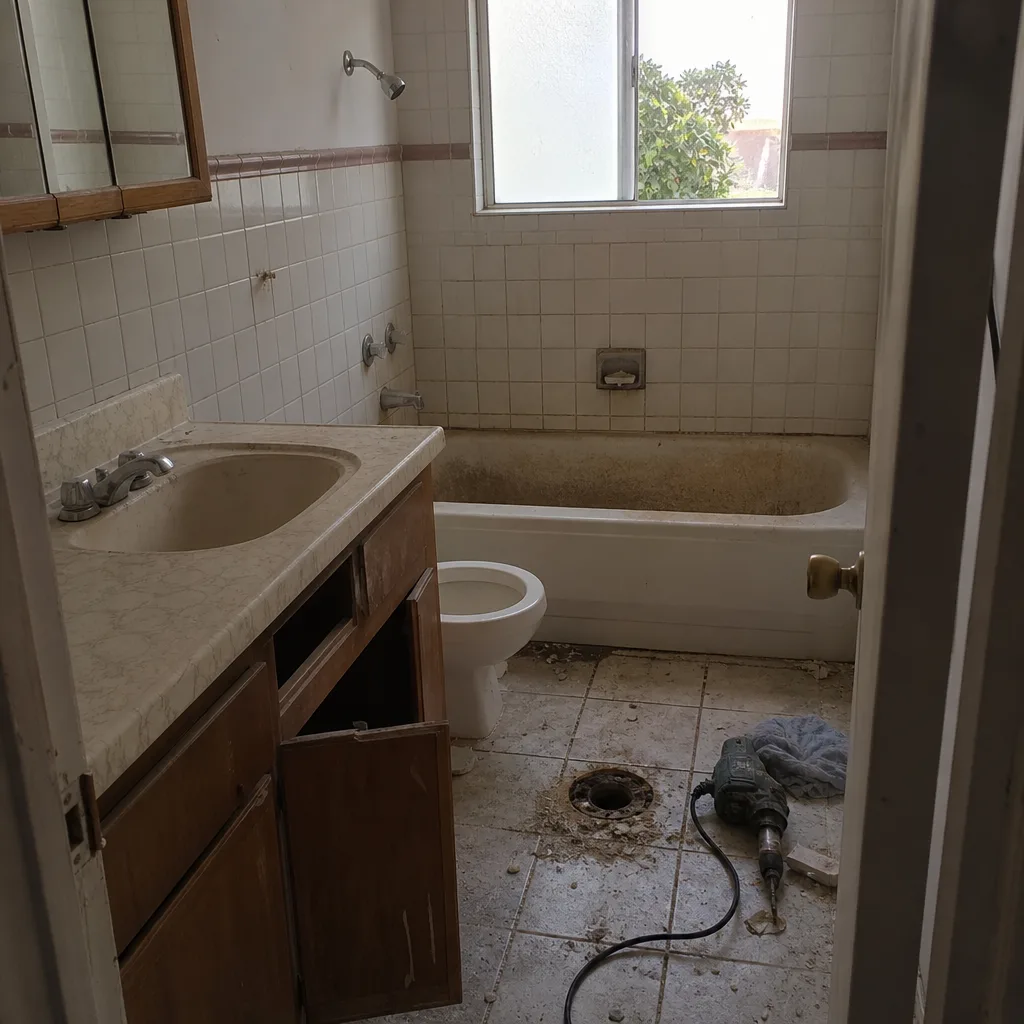 Before
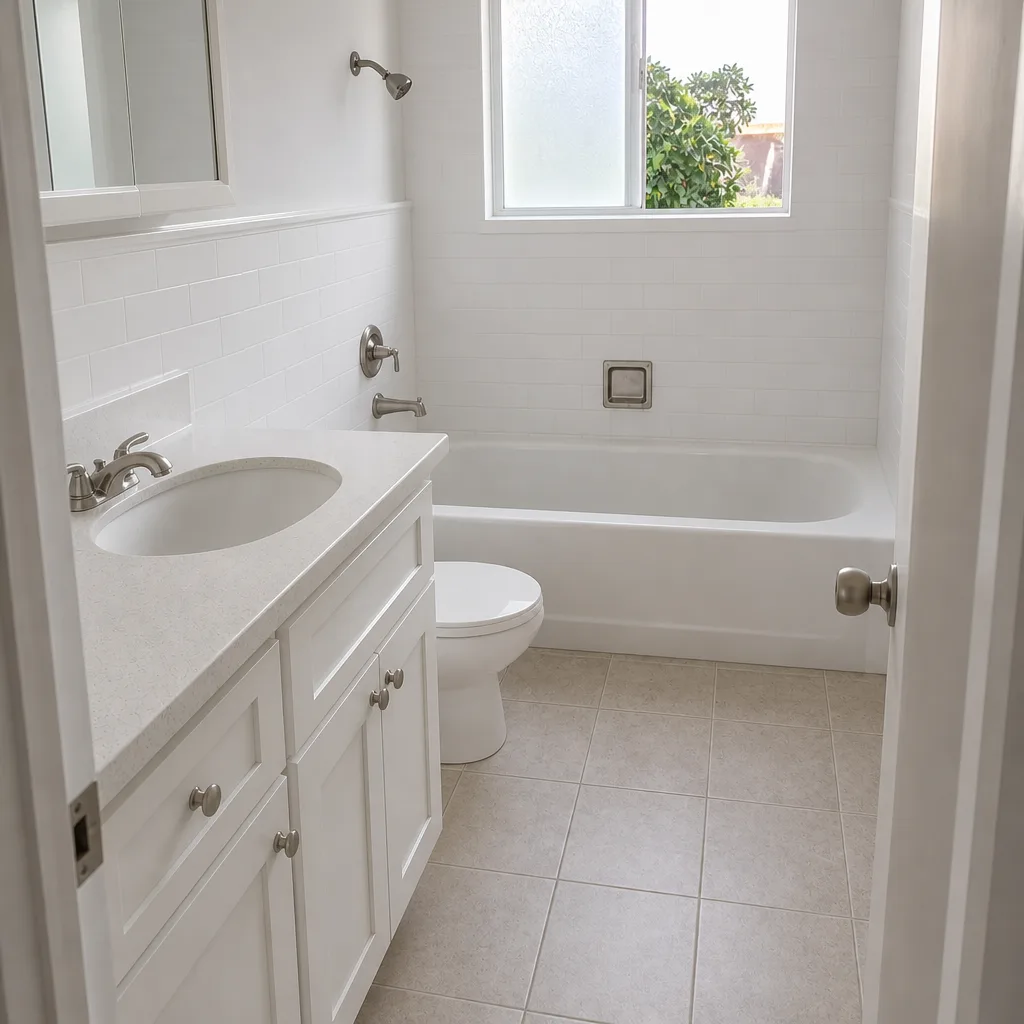 After
Wet Room vs Walk-In Shower in Inglewood, CA: Which One Belongs in Your Bungalow?
Choose a walk-in shower unless your Inglewood bathroom is a tight, original 5×7 with no usable alcove - in that case, a wet room reclaims floor space a shower stall can’t. A wet room waterproofs the entire room and pitches the whole floor to a drain; a walk-in shower keeps a defined shower zone with a membrane behind it. In Inglewood’s coastal marine-layer climate, the wet room is the higher-risk, higher-tolerance build of the two. Full bathroom remodels here run $9,000-$28,000. Call (833) 842-7204 to talk through which layout fits your house.
This isn’t a style question dressed up as a construction question. It’s a scope question. The two projects share a look on Pinterest and almost nothing in the framing, subfloor, waterproofing, or permit file. Groundwork Construction Co. of Inglewood builds both - and we’ll tell you plainly which one your bathroom can actually support.
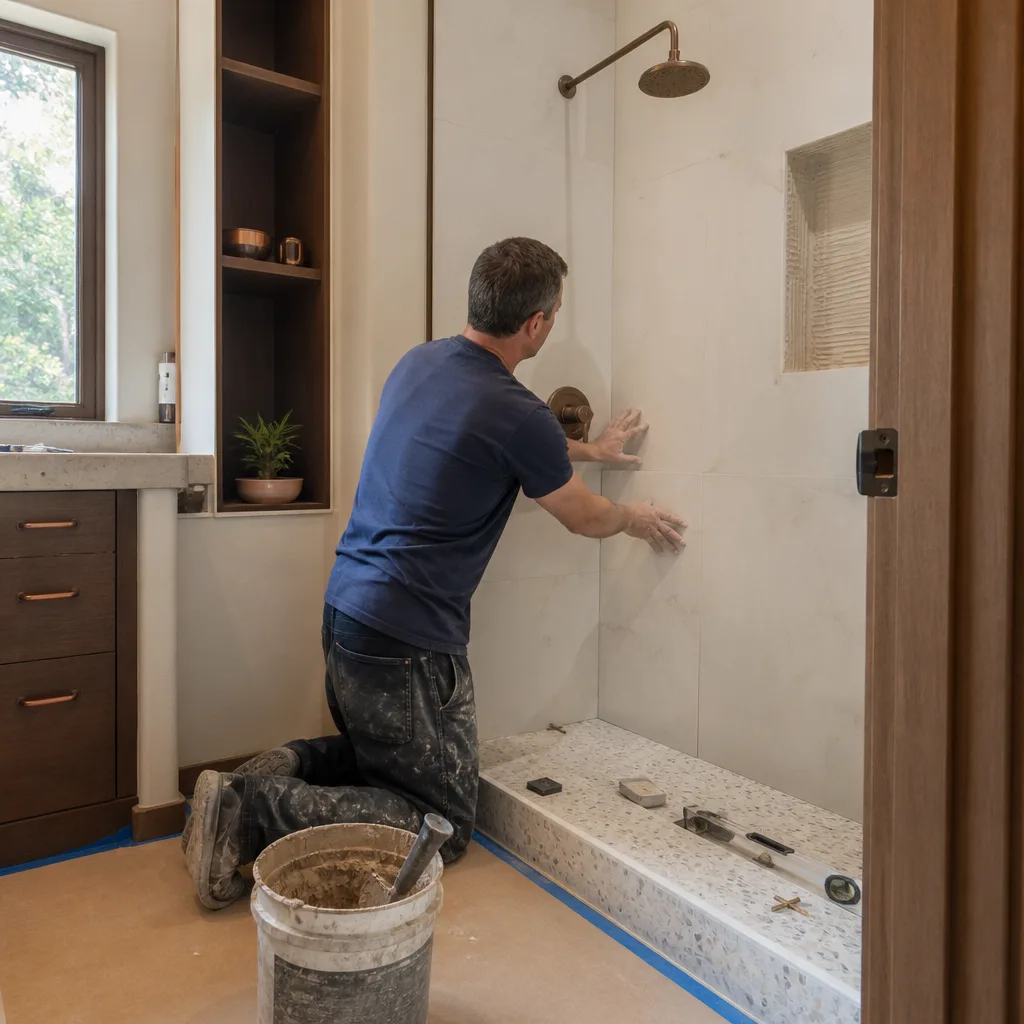
What’s the real difference between a wet room and a walk-in shower?
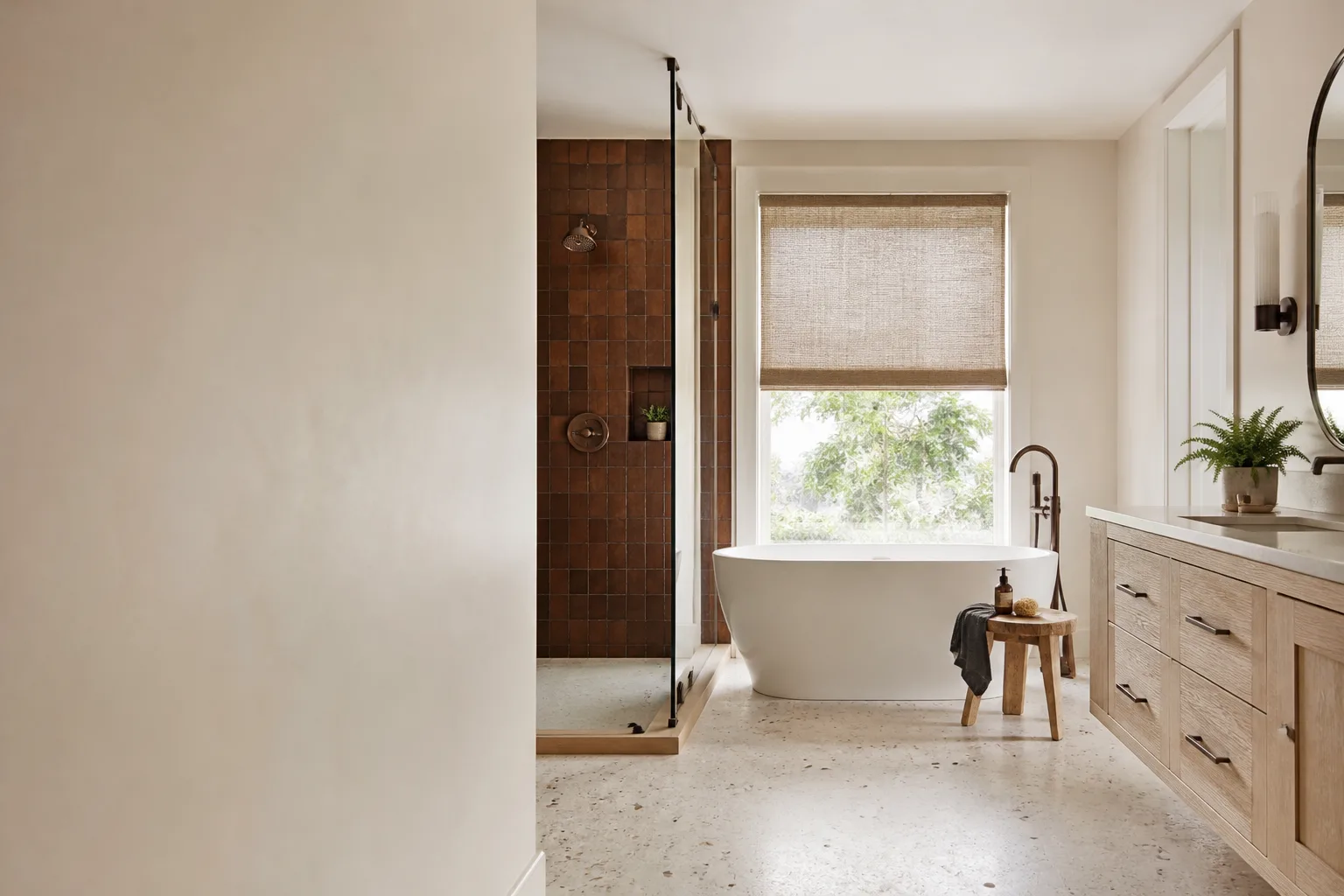
A wet room is a fully waterproofed room. The toilet and vanity sit inside the same wet zone as the shower, which means the floor, walls, and often the ceiling need a bonded waterproofing membrane - not just a shower liner behind tile. A walk-in shower keeps the shower as a defined zone: a curbless or low-curb entry, a membrane system behind the shower walls and pan, and everything else in the room stays dry.
That distinction is where most comparisons stop, and it’s the one that matters. A walk-in shower is a shower-scope project. A wet room is a room-scope project. The waterproofing budget, the framing work, and the inspection sequence are all different.
Side-by-side comparison
| Factor | Wet room | Walk-in shower |
|---|---|---|
| Waterproofing scope | Every surface: floor, walls, ceiling | Shower pan and shower walls |
| Floor slope | Entire floor pitches to drain | Shower zone pitches to drain |
| Subfloor work | Leveling and sistering joists, usually structural | Localized pan prep |
| Permit scope | Structural + plumbing through City of Inglewood | Plumbing, sometimes structural |
| Construction tolerance | Tight; small errors show up as moisture | Forgiving; standard bath tolerances |
| Best fit | Small original bath with no alcove | Bathroom with an existing alcove |
Neither option is “better.” The right answer depends on how much room you have and how much construction risk your house can absorb. That’s the honest framework, and it’s how we walk every Inglewood homeowner through the decision.
Why the Inglewood bungalow is the case for a wet room
The housing stock here is dominated by 1920s-1950s single-family bungalows and small stucco duplexes on tight lots. Original bathrooms in those houses are frequently 5×7 - sometimes smaller. A walk-in shower needs a defined zone, and if there’s no alcove, that zone eats the floor. A wet room removes the enclosure and door entirely and turns the whole footprint into usable wet space.
In an original 5×7 bath, a wet-room layout can reclaim 8-12 square feet of usable floor space. In a house where the bathroom was laid out for a 1940s family’s habits, that’s the difference between a vanity that fits and one that doesn’t. It’s not a luxury upgrade. It’s a spatial solution.
The other Inglewood-specific wrinkle: contractors working the flats west of Prairie Avenue routinely find original knob-and-tube wiring and 1950s tar-paper roofing under newer layers on houses that have never had a permitted addition. When we open a bathroom floor for a wet-room drain, we’re sometimes the first people to see that framing. The City of Inglewood’s permit office now scrutinizes those unpermitted legacy additions hard, given the post-SoFi enforcement climate. If your wet room requires structural work, the permit file has to be clean.
What happens when a wet room isn’t tanked properly in Inglewood’s climate?
It fails in about 18 months. Inglewood sits in the coastal-influenced LA basin near LAX, which means marine-layer humidity, salt-laden onshore air, and moisture cycling that never fully dries out of a wood-frame wall. A wet room in a bungalow that isn’t tanked with a fully bonded waterproofing membrane on floor, walls, and ceiling - not just a shower liner - will begin wicking moisture into the wall framing within roughly that window.
The failure doesn’t announce itself. You get a soft spot at the base of a wall, a bit of grout discoloration, a smell that doesn’t quite go away. By the time it’s visible, the framing is wet. That’s the part of this comparison no photo gallery will tell you, and it’s the reason we treat waterproofing as the whole project, not a line item on the scope.
Our technicians have up to 12 years of experience, and our waterproofing workmanship is covered by the 730-Day Done Right Promise. If it’s not done right, we make it right - that’s the guarantee in writing, not a handshake.
What has to happen under the floor for a wet room to work?
Engineering, and a permit. A wet room requires the entire floor to pitch to a drain. In a bungalow with original subfloor joists that have moved over the decades, that means leveling and often sistering joists to carry the slope and the weight. That’s structural work, and it has to be permitted through the City of Inglewood’s building department - the same department that’s been under intense volume pressure from the mega-project build-out around SoFi Stadium and the Intuit Dome.
Pull the permit. Get the framing inspected. Don’t let anyone talk you out of it, because the slope and the membrane are the parts of a wet room that fail silently and fail expensively.
How much does each option cost in Inglewood?
A walk-in shower installation runs $4,500-$12,000 in the Inglewood market. A full wet-room build is a larger scope and lands within the $9,000-$28,000 bathroom remodel range, depending on how much structural and waterproofing work the floor needs. Here’s how the line items break down:
- Walk-in shower installation: $4,500-$12,000
- Tub-to-shower conversion: $3,500-$10,000
- Shower replacement: $3,000-$8,500
- Small bathroom remodel: $5,000-$12,000
- Full bathroom remodel (includes wet room scope): $9,000-$28,000
- Bathroom vanity installation: $800-$3,000
Upfront pricing, no surprises - the number you see is the number you pay. We pair that with 0% financing for 18 months and $1,000 off projects over $10,000, so a wet room with structural work doesn’t have to be a cash-drain decision. Every project comes with a free estimate and design consult.
When is a walk-in shower the smarter call?
If your Inglewood bathroom already has an alcove, a well-specified walk-in shower is the lower-risk path. It’s a faster permitted scope, the construction tolerance is forgiving, and a proper membrane system still gets the same 730-Day Done Right Promise on workmanship. For most projects, this is the answer.
You’ll also want to think about the finish work - Kohler fixtures are a dependable baseline, and they hold up to the marine-layer humidity better than some builder-grade alternatives. Our teams arrive background-checked and in uniform, and they’ll walk you through the tradeoffs before anyone starts tearing out tile. A wet room isn’t the right call for every house, and we won’t push one. For a deeper look at how we approach the whole scope, see our Bathroom Remodeling page.
Key takeaways
- Wet room: entire room waterproofed, entire floor pitched to drain. Best in tight original bungalow baths with no alcove. Higher build risk.
- Walk-in shower: defined shower zone with a membrane. The default for most projects and existing alcoves.
- Inglewood climate matters: marine-layer humidity punishes bad waterproofing - a wet room without full tanking starts failing in about 18 months.
- Budget: walk-in shower $4,500-$12,000; full wet-room scope within $9,000-$28,000.
- Permits: wet rooms with structural work go through the City of Inglewood building department. No shortcuts.
FAQs
Yes, typically by $3,000-$15,000. A walk-in shower runs $4,500-$12,000, while a wet room usually lands in the $9,000-$28,000 bathroom remodel range because the entire floor, walls, and often the ceiling need bonded waterproofing plus structural subfloor work. Call (833) 842-7204 for an exact quote - estimates are free.
Yes, but it requires structural work and a permit. Original 1920s-1950s subfloor joists usually need leveling and often sistering to carry the pitch to the drain, which means going through the City of Inglewood building department. We’d rather scope that honestly up front than discover it mid-demolition. Call us for a no-pressure assessment first.
Yes for both, and a wet room almost always triggers a structural permit in addition to plumbing. The City of Inglewood’s permit office is strict about unpermitted additions, so the file needs to be clean. We walk you through what gets pulled before any work starts.
A properly built walk-in shower, by a wide margin. Its waterproofing scope is smaller and the construction tolerance is more forgiving than a fully tanked wet room, which is why we recommend it for bathrooms with an existing alcove. For the wet room, the membrane has to cover every surface - a partial system will fail. Call (833) 842-7204 to talk through your specific bathroom.
If you’d rather have it looked at, Groundwork Construction Co. of Inglewood offers a no-pressure assessment in Inglewood - call (833) 842-7204. We’ll measure the bathroom, look at the framing, and give you a straight answer on wet room versus walk-in shower before you commit to anything. Explore our full Bathroom Remodeling in Inglewood service and head back to our home page to see the rest of what we build.
Written by the team at Groundwork Construction Co. of Inglewood, serving Inglewood, CA.