Last updated November 18, 2026


Free written scope consultation - allowances, timeline, and change-order rules on paper before a single trade is scheduled
How Long Does Windows & Doors Take? Timelines and What to Expect
A single window replacement takes about two hours once the crew is on site. A whole-house project that hits a custom-order size on three openings can run six to eight weeks from signature to final walkthrough, and the contractor who doesn’t tell you that upfront is hoping you won’t ask. The gap between “a day” and “two months” almost never comes from the install itself. It comes from lead times, permits, and what’s hiding behind the trim. This guide breaks down per-unit versus whole-house math with real crew numbers, explains which window brands ship fastest to Southern California distributors, walks through how Inglewood permit processing affects your calendar, and shows you how to phase a big project so your house stays livable and secure the whole time.
Quick Answer
A single replacement window or door usually takes two to four hours to install. A whole-house window project takes two to four days of active labor, but the full project calendar runs four to twelve weeks because of special-order lead times and permit processing. Doors run longer per opening than windows: an entry door takes half a day, a sliding patio door a full day. In Inglewood, plan on adding two to four weeks for a standard permit if your project triggers one.
Styles & brands we work with
- Kitchen remodeling
- Bathroom remodeling
- Home additions & ADU
- Roofing
- Windows & doors
- Driveway & pavers
- Fence
Table of Contents
- Per-Unit vs. Whole-House: The Real Timeline Math
- Lead Times on Special-Order Windows in Southern California
- How Inglewood Permits Affect Your Schedule
- Replacement-in-Kind vs. Rough Opening Modification
- Doors Take Longer Than Windows: What to Expect
- How to Phase a Multi-Week Project and Keep Your Home Livable
- Inglewood Weather and Why It Rarely Delays Work
Per-Unit vs. Whole-House: The Real Timeline Math
The number most people quote is per-unit install time, and it’s accurate for what it measures. One standard replacement window, same size as what’s coming out, takes about two hours for a two-person crew. That’s demolition of the old sash, setting the new unit, insulating, flashing, trim, and cleanup. A double-hung in an older Inglewood bungalow might push to three hours if the framing is out of square.
Whole-house math works differently because crews don’t install one window at a time. A two-person crew averages six to eight windows on a full working day when the openings are standard and access is good. Three-person crews push higher but hit a ceiling on interior trim work, which is detail-heavy and doesn’t speed up much with more hands.
Here’s how that shakes out on real project scopes:
- 1-3 windows: Half a day on site. Single visit, no disruption beyond one room.
- 4-8 windows: One full day. Crew arrives in the morning, wraps by late afternoon.
- 9-16 windows: Two to three days. Interior trim and exterior sealing are usually the bottleneck, not the window sets themselves.
- 17-25 windows (whole house): Three to five days of active labor, often split across two visits so the crew can stage materials.
- Doors: Entry doors run four to six hours each. Sliding patio doors take a full day because the header, threshold, and track work all need to be right.
What that means practically: the labor portion of almost any residential window project in Inglewood fits inside a work week. If your project stretches to four, six, or eight weeks, the calendar is being driven by something other than hammer time. That’s the section you actually need to understand before you sign.
Lead Times on Special-Order Windows in Southern California
Stock sizes ship fast. Custom sizes don’t. This is the single biggest driver of whole-project timelines, and it’s the one most homeowners get blindsided by.
From Southern California distributors, standard-size vinyl and aluminum windows in common configurations are often sitting in regional warehouses. Lead times run one to two weeks. The moment you get into a non-standard size, a specific color, a wood interior, or a specialty glass package, you’re into the factory queue. Here’s the range we see in the current market:
- Stock-size vinyl: 1-2 weeks from a regional distributor.
- Custom-size vinyl: 3-5 weeks, depending on the manufacturer’s production schedule.
- Fiberglass and composite (Sterling and comparable lines): 4-6 weeks for custom sizes, sometimes longer during peak spring ordering.
- Wood-clad and premium lines: 6-10 weeks. Wood interiors, custom exterior colors, and divided-light patterns all add to the queue.
- Andersen and Marvin: generally the longest lead times for fully custom configurations because of the build-to-order process and finish options. Great products, real timelines.
- CertainTeed and comparable fiber-cement exterior trim packages: usually short, but if you’re coordinating trim with windows, order the trim after the windows are measured and confirmed.
One detail that trips people up: lead time starts when the order is released to production, not when you sign the contract. A signed contract on a Monday might not hit the factory until site measurement confirms the rough opening sizes and the deposit clears. That’s typically a one to two week gap. A three-opening custom package that “should take four weeks” becomes six or seven in practice, and the contractor who tells you otherwise is either guessing or stalling. Ask for the manufacturer order confirmation with a production date. Any reputable installer will show it to you.
How Inglewood Permits Affect Your Schedule
This is where Inglewood projects diverge from the general advice you’ll read online, because permit requirements vary by city and by what you’re actually changing. The short version: a true replacement-in-kind, where the new unit matches the old one in size, location, and operation, usually doesn’t require a building permit. Changing the size of the opening, adding a new opening, converting a window to a door, or altering the structural header does.
When a permit is required in Inglewood, plan for the following sequence:
- Plan submittal (days 1-3): Drawings and product specs go to the city building department. Your contractor’s office handles this.
- Plan review (2-4 weeks typical): This is the variable most homeowners underestimate. Simple window and door permits on residential work usually clear faster, but the timeline is the city’s, not the contractor’s, and it’s not something anyone can rush for you.
- Permit issuance and scheduling (3-5 days): Once issued, the crew gets on the schedule. This is where order lead time and permit time should be running in parallel.
- Inspection (after install): The inspector checks flashing, anchoring, and safety glazing requirements. Most Inglewood inspections happen within a few business days of the request.
The practical takeaway: if your project needs a permit, the permit runs roughly in parallel with window lead times, and neither one is on your contractor’s clock. The best-case projects are the ones where the permit application goes in on day one, before final measurements are even confirmed, so nothing sits idle waiting on the other. This is exactly the kind of thing a written schedule should show you up front.
Replacement-in-Kind vs. Rough Opening Modification
The phrase “rough opening” is the single biggest swing factor in whether your project is a two-hour job or a two-day job per opening. It’s worth understanding what’s behind the term before anyone starts cutting.
Replacement-in-kind means the new window or door goes into the exact same opening as the old one, same dimensions, same rough opening, using a retrofit or insert approach. The new unit slips into the existing frame, and the exterior and interior finishes close back around it. This is the fast path. Two hours per window, one day per door, minimal mess, minimal disruption.
Rough opening modification means the opening itself has to change. Common reasons in older Inglewood homes:
- Changing from a single-hung to a wider slider or picture window.
- Converting a window to an entry or patio door, which requires header and framing changes.
- Enlarging an opening to add light or improve a view, which means cutting into the wall and possibly the structural framing.
- Matching a new door’s dimensions when the original frame was never square to begin with (common in homes built before 1960).
Modification work adds real time. Plan on four to eight hours per opening instead of two, plus drywall repair, plus exterior stucco or siding patching on Inglewood homes, which is another day or two of work after the units are in. If your project involves more than one opening being modified, budget an extra week on the calendar and expect a second visit from the crew after the first install pass. A good contractor will tell you this before you sign, not after they’ve opened a wall.
Doors Take Longer Than Windows: What to Expect
Doors are a different animal because they’re heavier, they’re load-bearing in the sense that the header above them is doing real structural work, and they need to swing, latch, and seal correctly. A door that’s “in” but doesn’t latch properly is a failed install, so the tolerance for a rushed door job is zero.
What to expect by type:
- Entry door, replacement-in-kind: Four to six hours on site. Same-day completion.
- Entry door with rough opening modification: One to two full days, plus drywall or stucco repair.
- Sliding patio door, replacement-in-kind: One full day. The track and threshold need to be level and sealed, and the door itself is heavy enough that it’s usually a three-person operation.
- French or multi-panel patio doors: One to two days, and higher lead times than a standard slider.
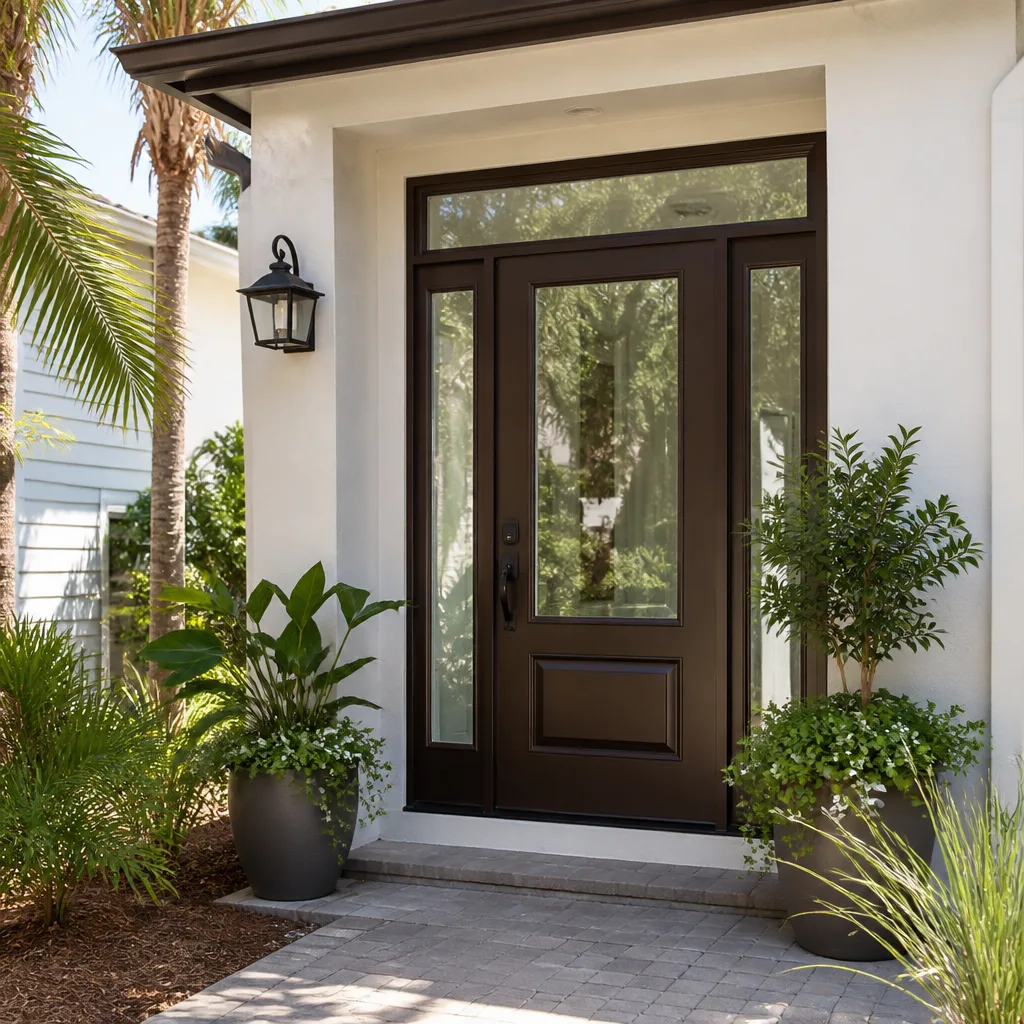
- Exterior door systems with sidelights or transoms: Add a day for the assembly and flashing work.
The one thing that reliably extends door timelines beyond the install itself: lead time. Entry doors from premium manufacturers and any custom-colored door are factory-ordered, and the queue runs three to six weeks on average for a standard color, longer for custom. That’s why door projects usually spend far more time waiting on the product than they do on site. Grohe and Sterling hardware packages can also add order time depending on the finishes you select. If a door is part of a larger project, get the door order in first, because it’s the item most likely to still be in production when the crew is otherwise ready.
How to Phase a Multi-Week Project and Keep Your Home Livable
Nobody wants to live in a house with plastic sheeting over half the windows for six weeks. Phasing solves that, and it costs the same as doing the whole project in one shot, provided you plan it before the order goes in, not after.
Here’s a phasing approach that keeps your house secure and functional:
- Group by face of the house. Do all north-facing and east-facing windows first, then south and west. Each phase is one or two working days, so the disruption is a day at a time rather than a week.
- Prioritize the bedroom and bathroom windows in phase one. These are the openings where security and privacy matter most during the project. Once they’re done, they’re done.
- Save the doors for last. Doors leave the largest openings exposed, so finish them after the windows are complete and the house is sealed back up.
- Schedule installs on dry weather days. In Inglewood this is genuinely easier than in most of the country, but nobody wants an open wall on a rainy week. We check the forecast before final scheduling every time.
- Keep the window coverings in one room at a time. Move blinds and curtains room by room as the crew works, rather than taking down the whole house on day one.
One more phasing consideration specific to Inglewood: if your home has mature landscaping close to the windows, the crew needs room to stage materials and set ladders. Walk the perimeter before install day and clear anything that will get in the way. It sounds small, but a tenth of a day spent moving a planter is a tenth of a day not spent on your project.
Inglewood Weather and Why It Rarely Delays Work
If you’ve read window replacement guides written for the Midwest or the Pacific Northwest, you’ve seen warnings about weather delays eating a week out of your schedule. Inglewood doesn’t work that way, and that’s a real advantage worth understanding.
The coastal climate here is mild and predictable. We don’t schedule around the rainy season the way northern installers do. The one thing that does matter: the occasional Santa Ana wind event, which can make working on exterior openings a genuine safety issue and can also blow debris against freshly set sealant. The crew adjusts for those days by shifting to interior work or pushing the exterior openings to a slower day. It’s a day of schedule adjustment, not a week.
The other Inglewood-specific factor is the marine layer. Dense June gloom mornings are common, and that moisture can slow exterior flashing sealant or caulk from curing correctly. A careful crew will start on the interior side in the morning and move to exterior work once the fog lifts. That’s not a delay, just a smarter daily sequence, and it’s worth asking any contractor how they handle it.
Common Mistakes to Avoid
- Believing a “one-day” promise on a whole-house project. The installation part can be one day for a small scope, but a whole-house project with special-order sizes is a multi-week calendar. Get the schedule in writing before you sign.
- Signing before the windows are measured on site. Lead times start when the factory order is confirmed, not when you sign. Confirm the order confirmation date before you count against a deadline.
- Skipping the permit check. Changing a window to a door or modifying an opening in Inglewood requires a permit, and a project done without one can create headaches at resale. Ask for the permit status in writing.
- Ordering doors and windows at the same time on the same schedule. Door lead times often run longer. Get the door in the production queue first or your whole project will wait on it.
- Not asking about rough opening modification. If your project involves widening an opening or converting a window, ask the contractor to put the framing, drywall, and stucco repair scope in the estimate before the work begins.
- Phasing without a written plan. A month-long phased project with no written sequence turns into a month of half-finished rooms. Insist on the phase order in writing.
- Forgetting about the hardware order time. A door with a Sterling or Grohe handle set still needs that hardware, and the finish you want might not be sitting in the local supply house. Include hardware orders in the schedule.
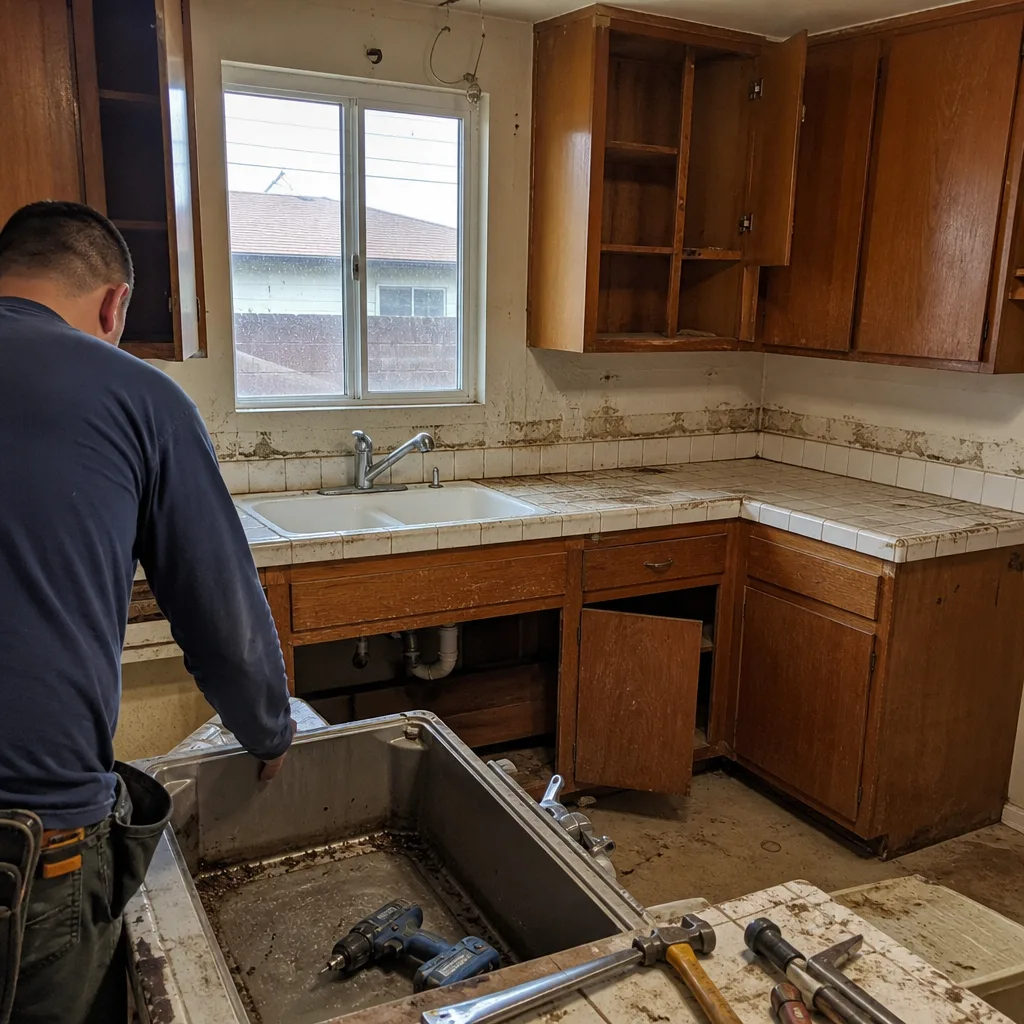
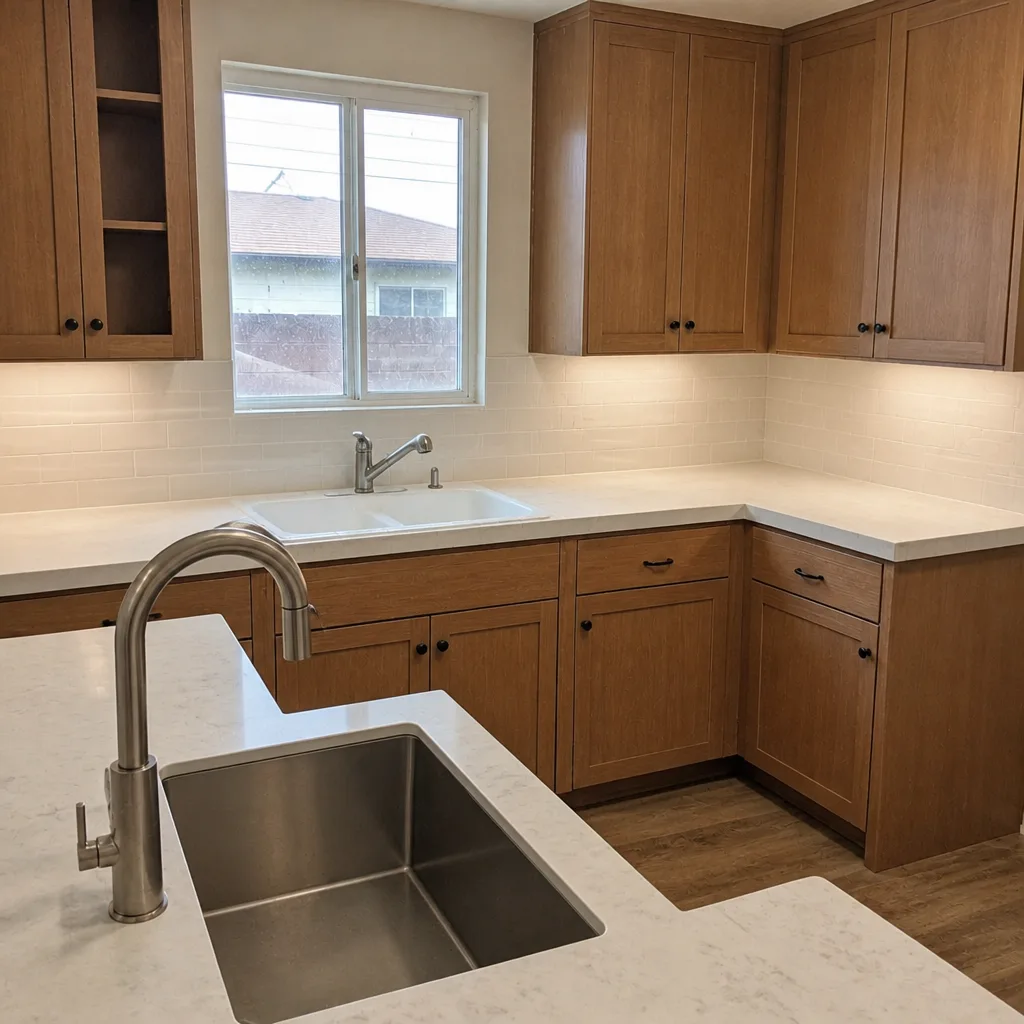
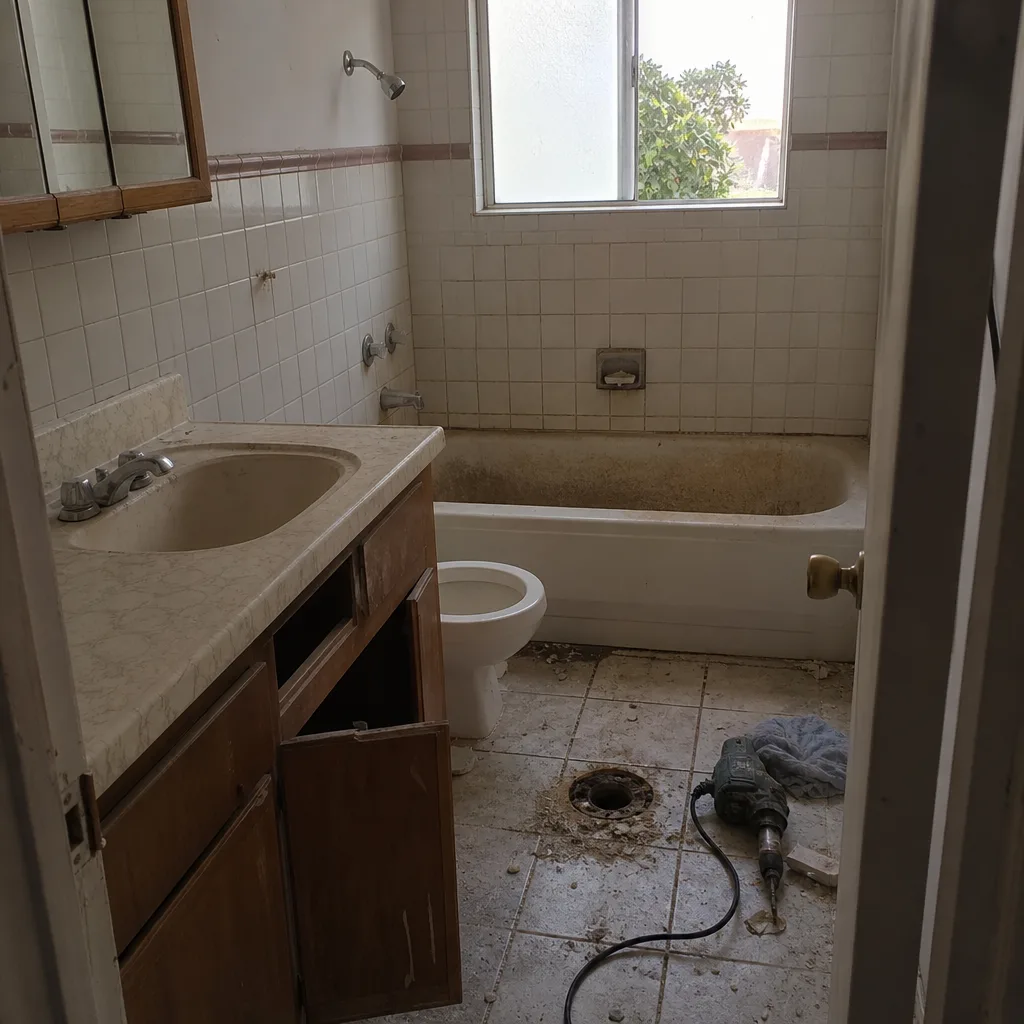
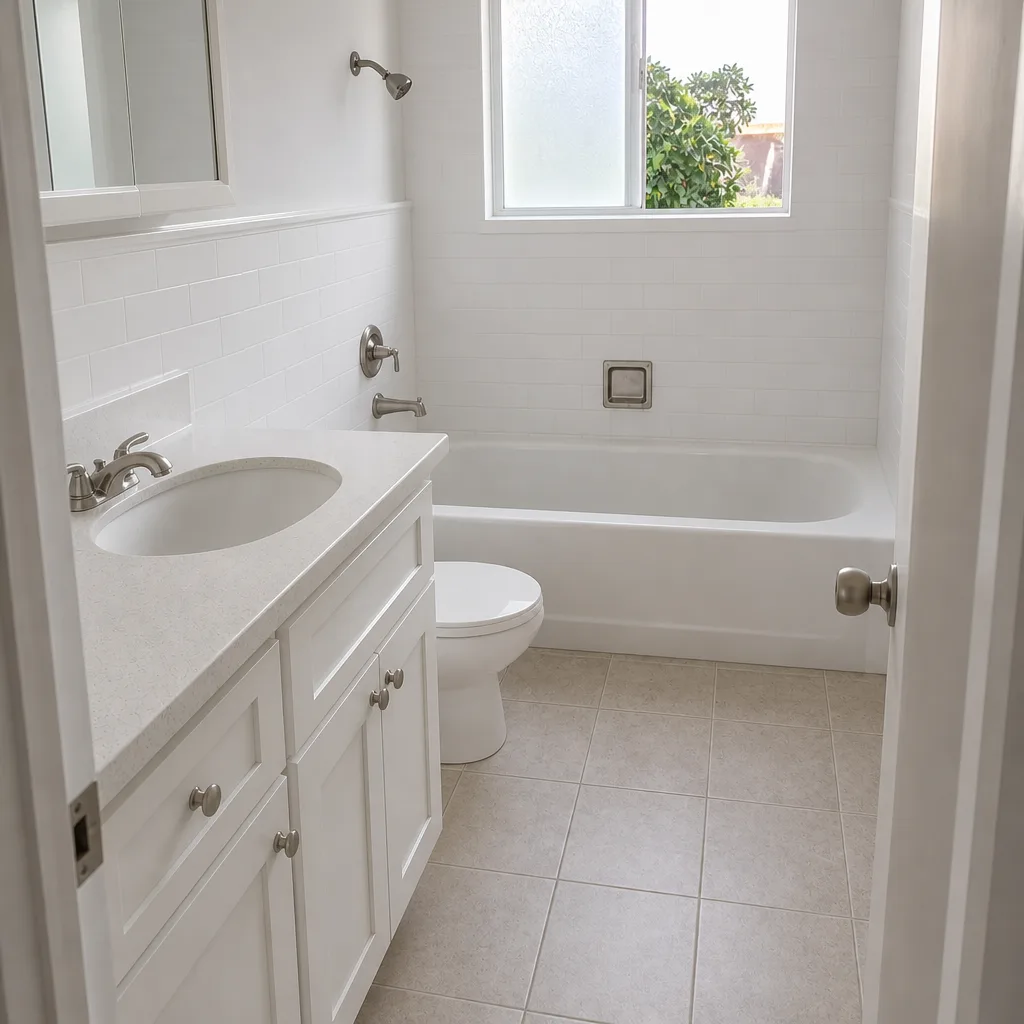
See the difference
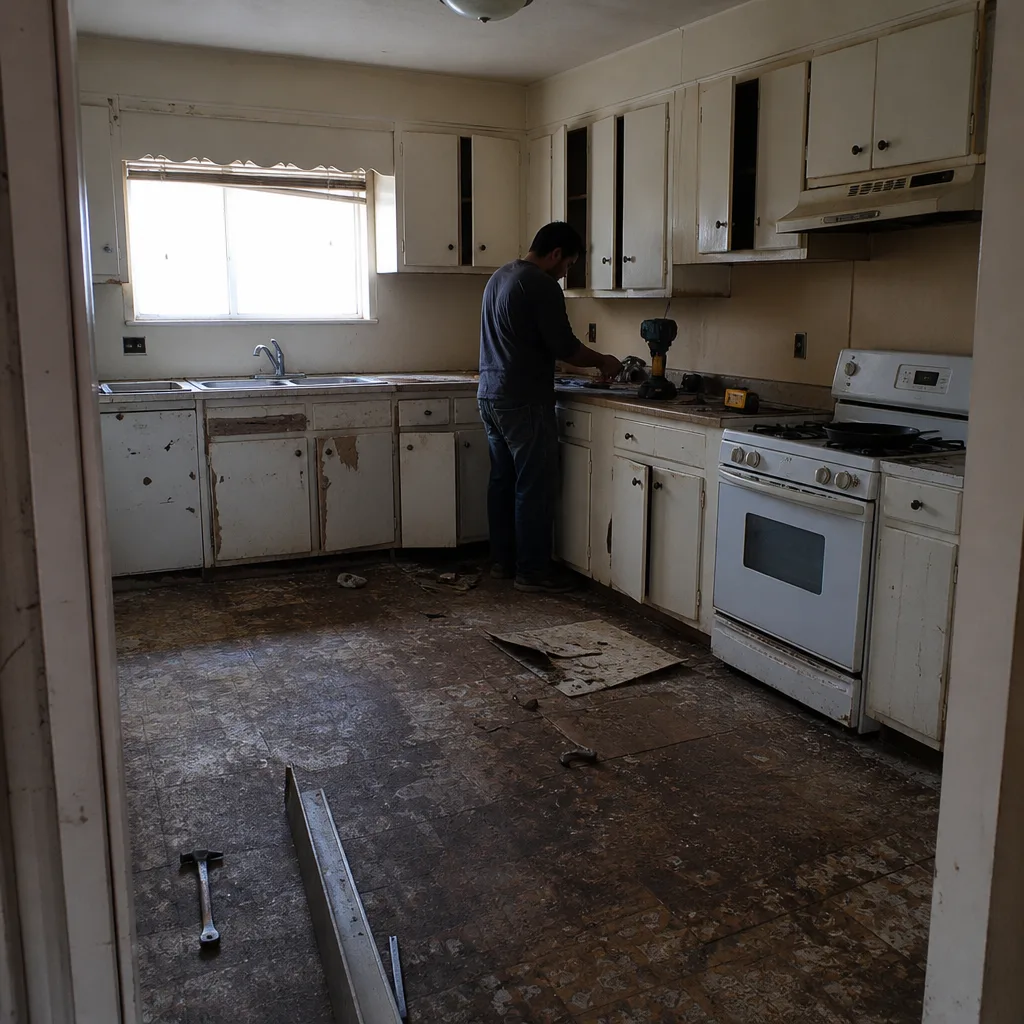 Before
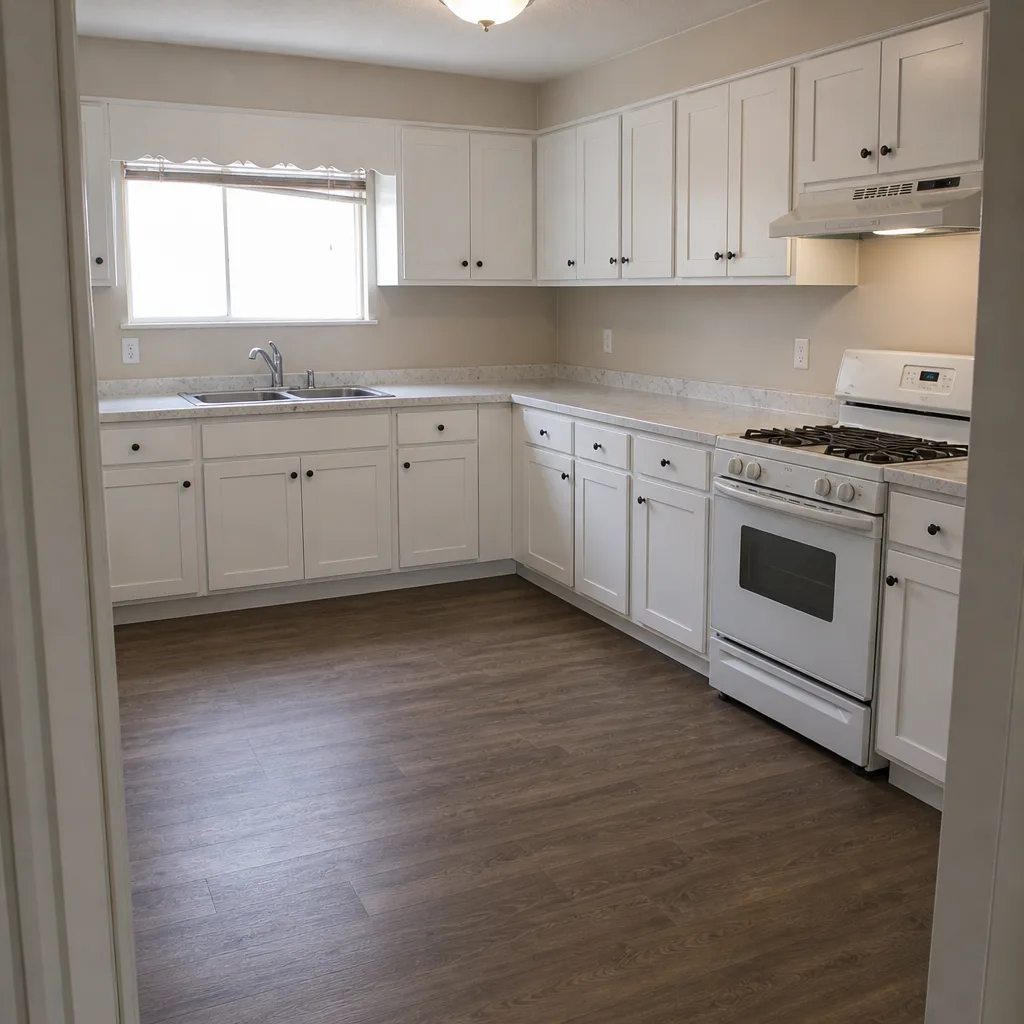 After
 Before
 After
 Before
 After
When to Call a Professional
Replacing a single stock-size window yourself is possible, though not advisable on upper floors, and never advisable on anything involving a door header or a load-bearing wall. But most of the calls we take in Inglewood involve projects where the risks add up: any rough opening modification, any window-to-door conversion, any project on a home built before 1978 (which is most of them here) where lead paint and safety glazing rules apply, any project above the first floor, and any project large enough that the phasing and permit work would take you longer than the install.
If you’re in any of those categories, talk to someone before you order product. Groundwork Construction Co. of Inglewood offers free estimates in Inglewood. Call (833) 842-7204 and we’ll walk through your scope and give you a written schedule and written pricing, no guessing. If your project is part of a larger plan, our team also handles Home Additions & ADU in Inglewood and can sequence windows and doors into the build. For projects where the exterior is getting a bigger refresh, our Driveway & Pavers in Inglewood and Fence Installation in Inglewood pages show how those timelines work side by side.
Frequently Asked Questions
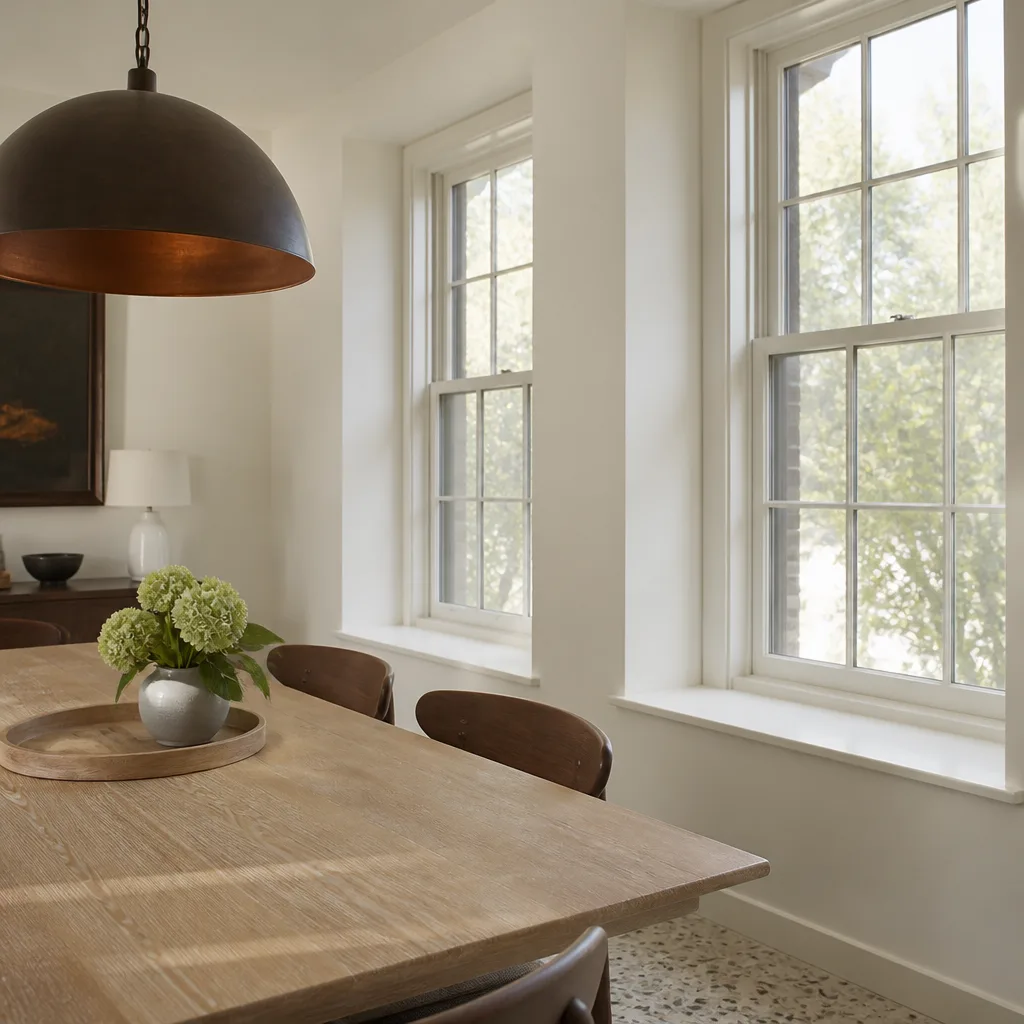
The install itself takes two to five days of active labor for a typical Inglewood home, depending on how many openings and whether they’re standard sizes. The full project calendar usually runs four to twelve weeks once you account for factory lead times and any needed permit. Call (833) 842-7204 for an estimate with a written schedule.
A true replacement-in-kind, where the new unit matches the old one in size and location, usually does not require a permit. Modifying a rough opening, converting a window to a door, or adding a new opening does require a permit, and plan review typically adds two to four weeks. Ask for the permit status in writing before work begins.
If your project uses stock-size windows that a local distributor has in inventory, you can be looking at a two to three week turnaround from order to install. Custom sizes and specialty glass push the calendar out to four to ten weeks. The fastest path is scoping the project to sizes that are available locally.
It shouldn’t if you’re working with a contractor who prices the full scope in writing, including rough opening work, drywall and stucco repair, and permit fees. Upfront pricing means the number you see is the number you pay. If a contractor won’t commit to a written line-item price before you sign, that’s the warning sign. Call (833) 842-7204 for a free written estimate.
A small project of one to eight windows, all standard sizes, can absolutely be done in one day. Whole-house projects and any project involving custom sizes or rough opening work are a multi-visit schedule even though the on-site labor is still measured in days. A contractor who promises one-day turnaround on a custom-order whole-house project is either guessing or hoping you won’t ask.
Each door takes roughly two to three times as long to install as a window. An entry door is four to six hours, a sliding patio door is a full day, and custom doors carry longer factory lead times than most windows. If your project includes both windows and doors, order the doors first so the whole schedule doesn’t wait on them.
The Bottom Line
Windows and doors take as long as the slowest part of the project, and the install itself is rarely the slowest part. A single replacement window is a two-hour job. A standard-size whole-house project is two to five days of labor wrapped inside a four to eight week calendar. Custom sizes, permits, and rough opening modification are what stretch the calendar, and they’re all predictable if a contractor walks you through them before you sign.
Written schedules, written pricing, and a real warranty matter more than “fast.” That’s why Groundwork Construction Co. of Inglewood backs every window and door project with our 730-Day Done Right Promise, uses brand partners like Andersen, Marvin, CertainTeed, and Sterling, and answers every call with a live person 24 hours a day. Our technicians have up to 12 years of experience. Groundwork Construction Co. of Inglewood home is where to see the full scope of what we handle from foundation to finish line.
Call (833) 842-7204 to schedule your free estimate and design consult. We’ll walk your openings, confirm what’s stock and what’s custom, and hand you a written schedule with a line-item price. No surprises.
Written by the team at Groundwork Construction Co. of Inglewood.