Free written scope consultation - allowances, timeline, and change-order rules on paper before a single trade is scheduled
Styles & brands we work with
- Kitchen remodeling
- Bathroom remodeling
- Home additions & ADU
- Roofing
- Windows & doors
- Driveway & pavers
- Fence
See the difference
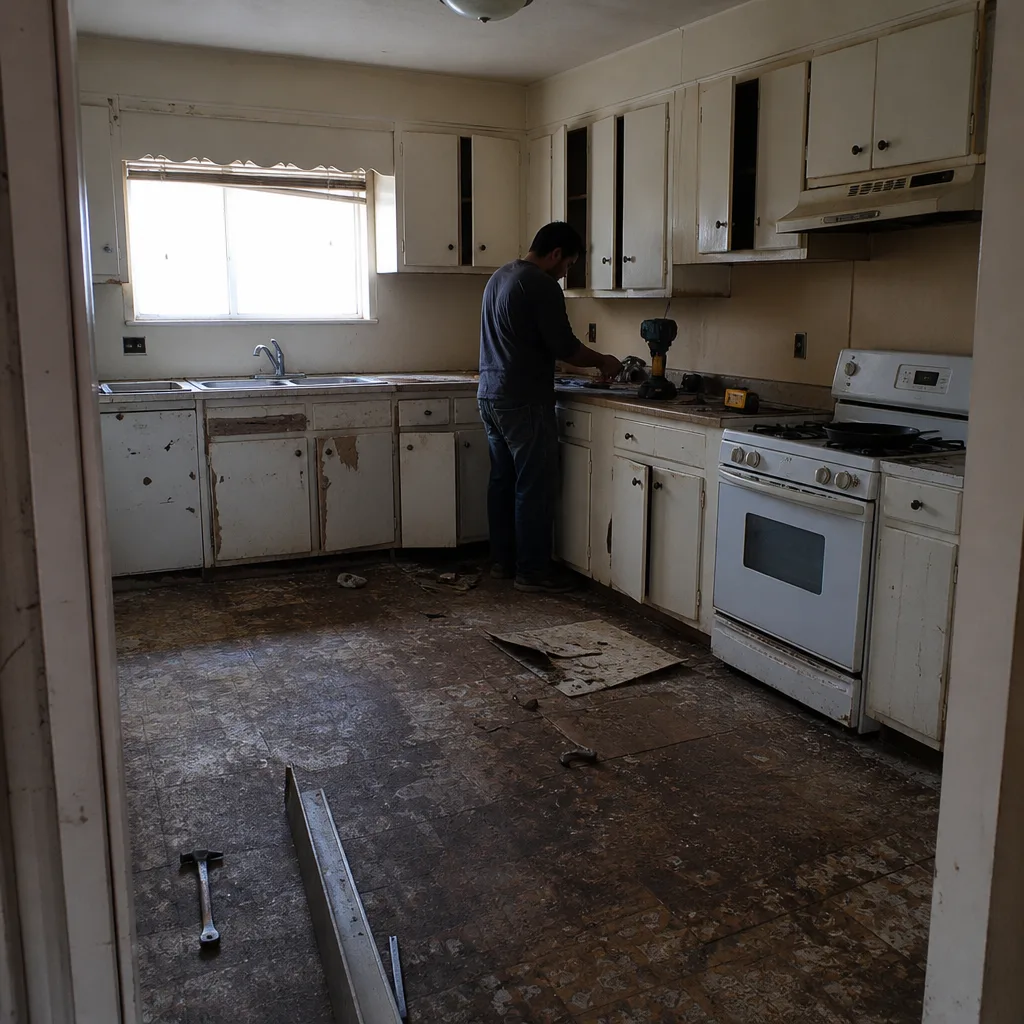 Before
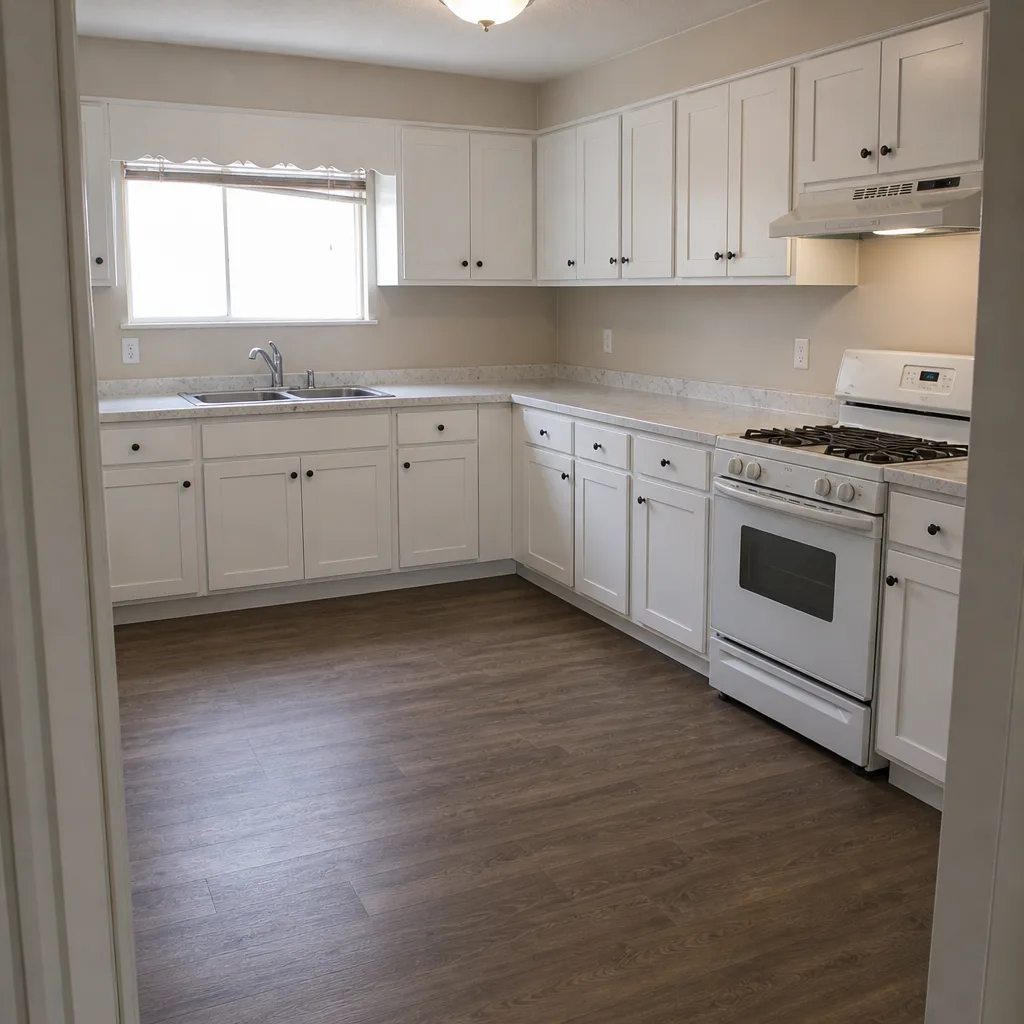 After
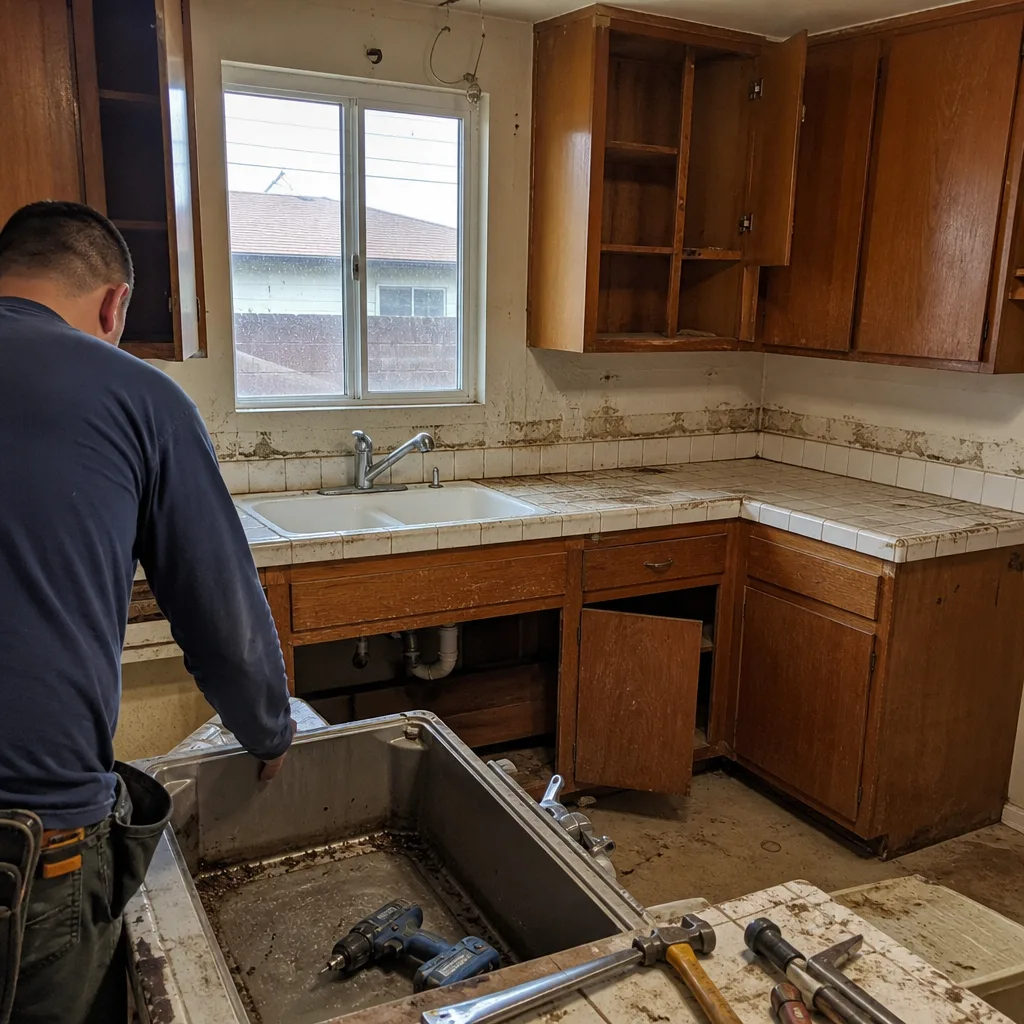 Before
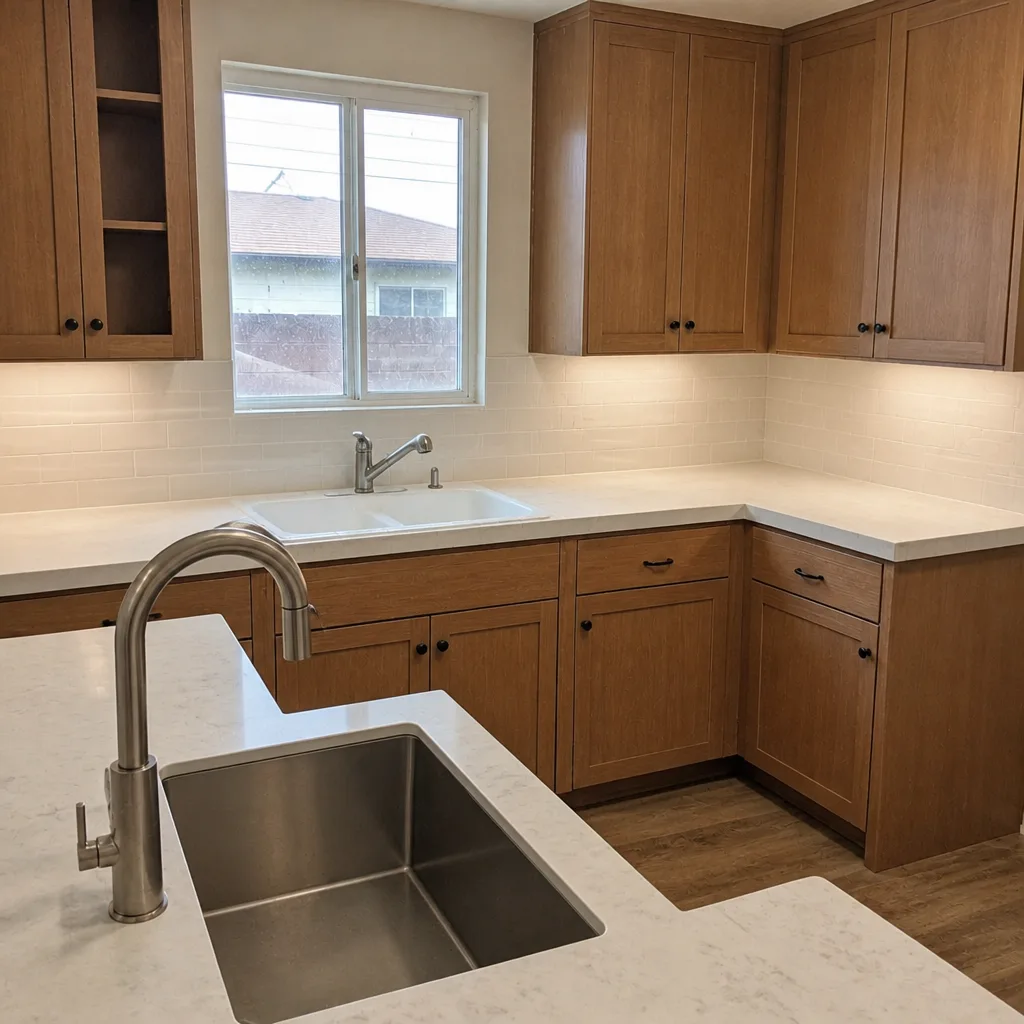 After
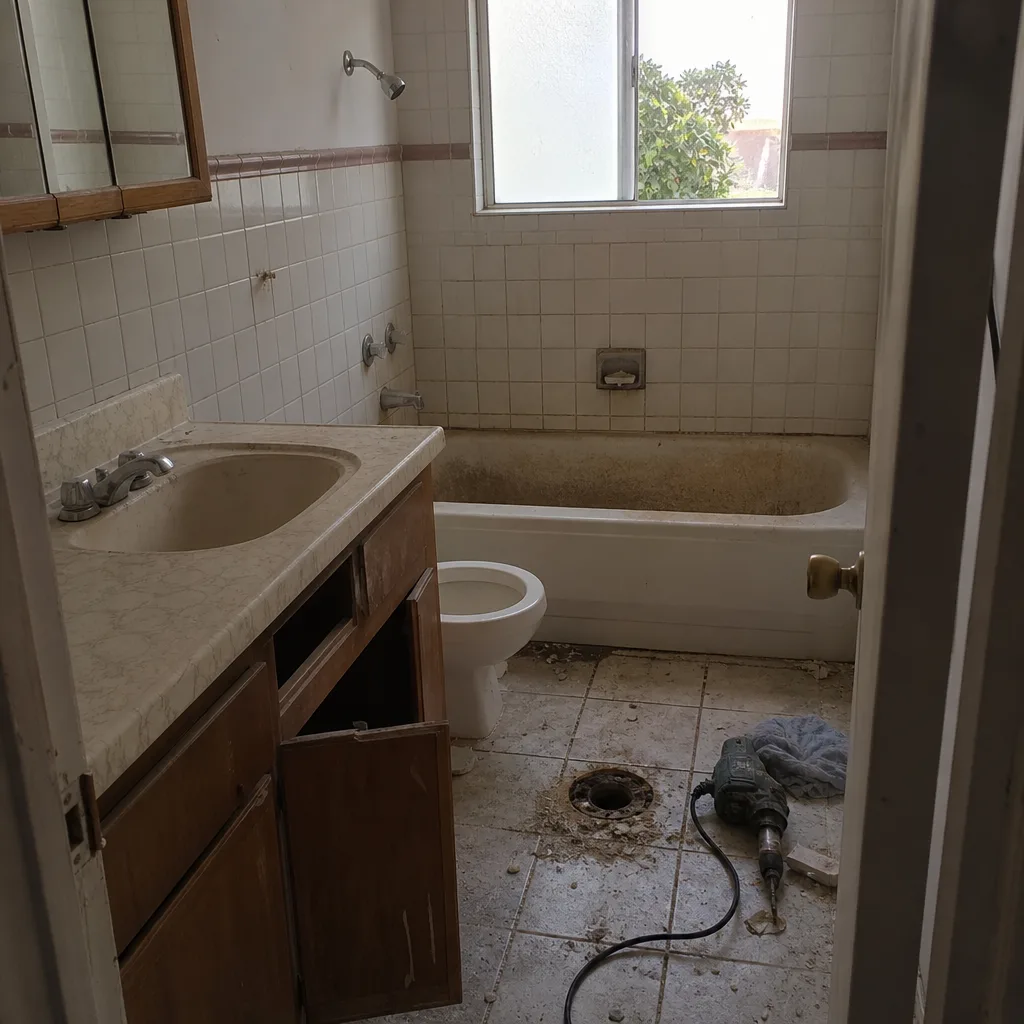 Before
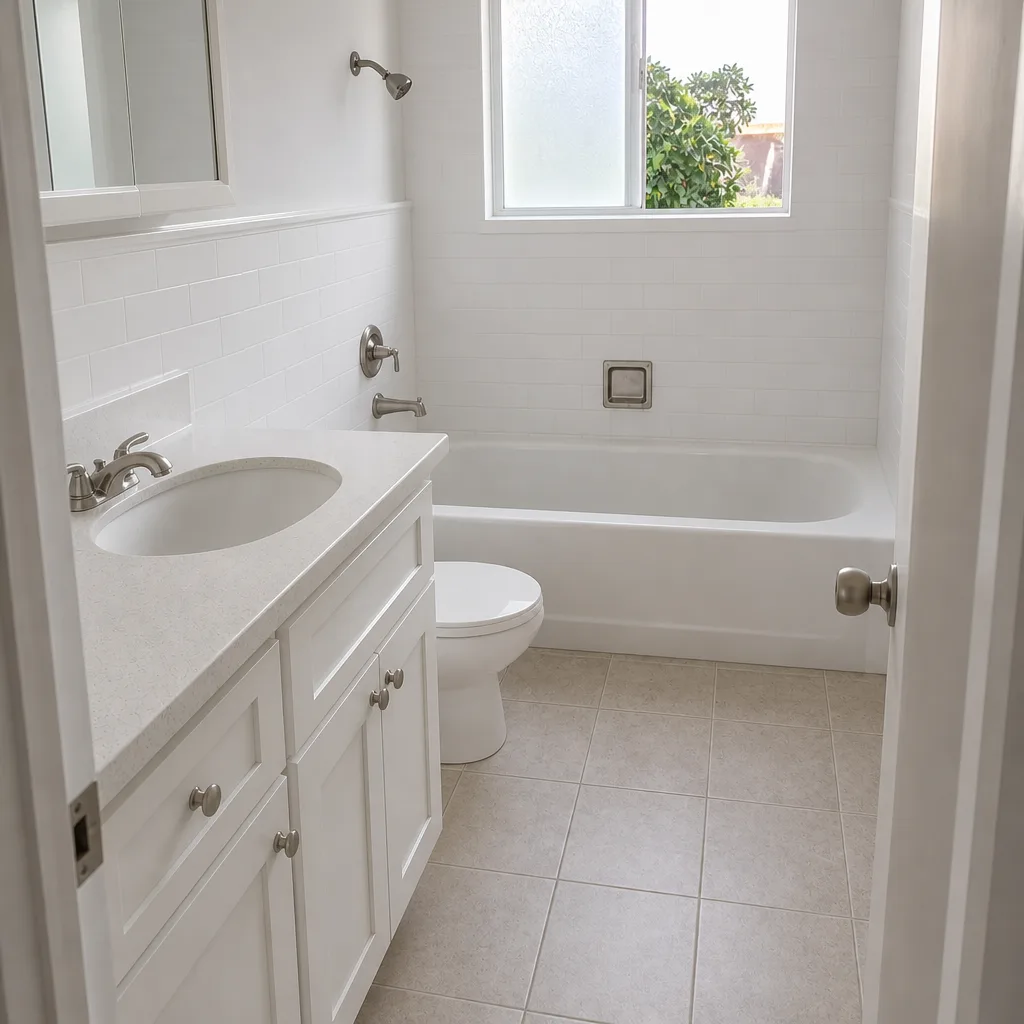 After
Resurfacing vs. Replacing a Driveway in Inglewood, CA: The Honest Answer
Bring in a crew to resurface, not replace, only if the sub-base under your slab is still solid - because if it isn’t, that cheaper job is the most expensive thing you can do on an Inglewood lot. For most of the pre-1950 houses on the flats, the base course is the problem, and replacing the driveway is the correct call. Call Driveway & Pavers at (833) 842-7204 and we’ll tell you which one you’re actually looking at, in writing, before a single yard of concrete gets ordered.
We’re Groundwork Construction Co. of Inglewood, and this page exists because so many homeowners here have been sold a skim coat when what they needed was a new driveway. The two jobs look almost identical in a bid. They behave nothing alike in year three.
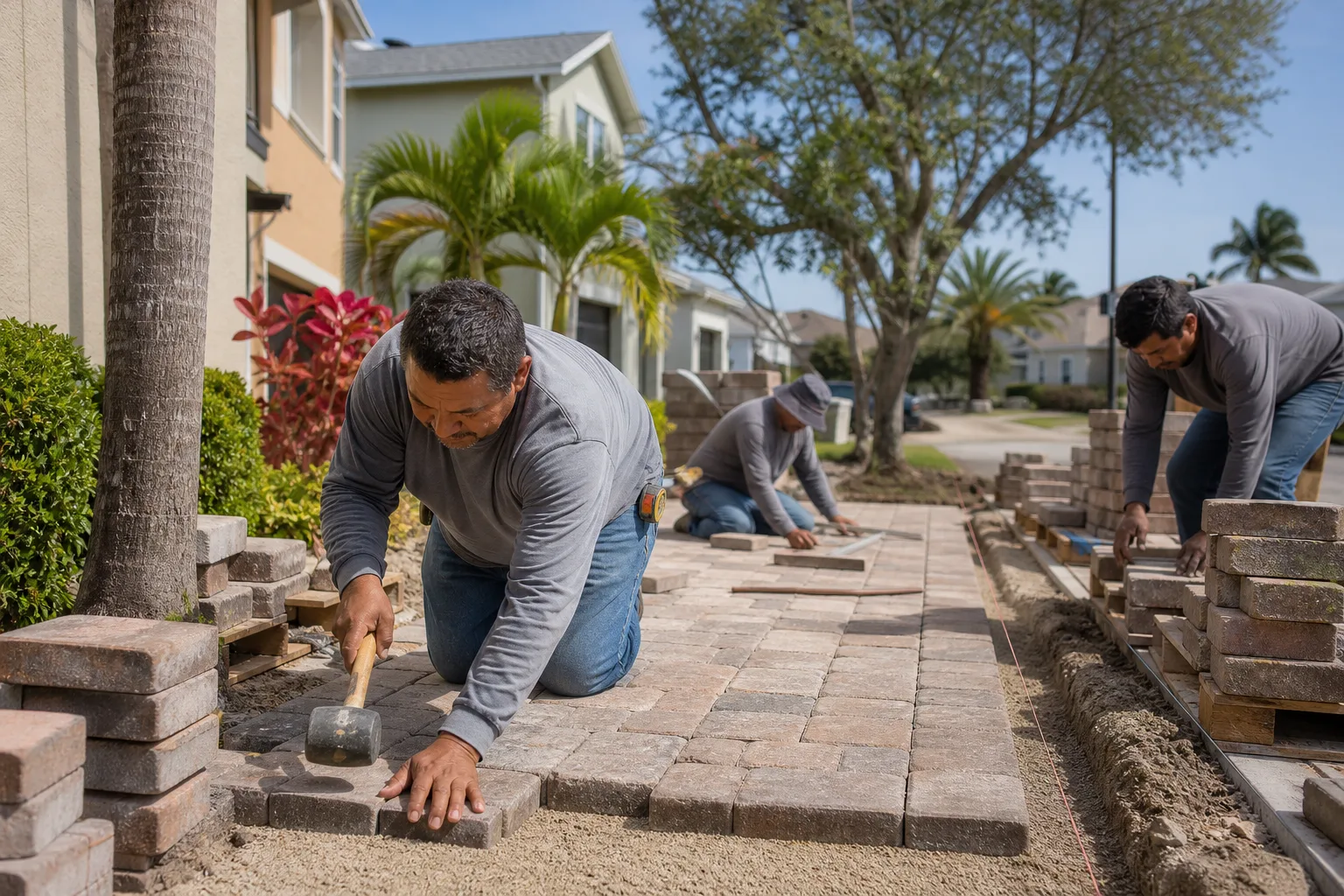
Why Inglewood Driveways Fail Differently Than the Rest of the County
Here’s the local picture that changes the math. Inglewood sits in the coastal-influenced basin near LAX, so we get marine layer moisture most mornings and salt-laden onshore air that eats exposed metal and roofing fasteners. That dampness matters more to a driveway than most homeowners realize. Driveways in this city stay wet longer than driveways in Pasadena or the Valley, and water is the thing that kills a sub-base. Concrete is porous. Cracks let water in. On an inland lot that water dries out. Here, the slab sits damp through the marine layer cycle, water keeps working down through the cracks, and a compromised base moves a little every wet/dry cycle. That’s what “settlement” actually is.
Then there’s the housing stock. Inglewood is dominated by 1920s to 1950s single-family bungalows and small stucco duplexes on tight lots. Many of those driveways went in during the same era as the house, and they went in without a proper compacted aggregate sub-base - minimal crushed rock over native soil, if that. There’s no base course to save. On a 1940s Inglewood property, a missing base is the default assumption, not the exception. That single fact drives more of these decisions than anything about the surface you can see.
The mega-project transformation around SoFi Stadium, the Intuit Dome, and the Kia Forum sits a few streets over from a lot of these old slabs. That tension - event-district Inglewood versus old Inglewood - is real on the flats, and it’s exactly why a driveway bid here needs to be tied to what’s under the concrete, not what’s trending two miles east.
The Technical Threshold: Cracks That Say “Replace,” Cracks That Say “Resurface”
You can read a lot from the crack pattern before anybody digs. The threshold is simple:
- Linear shrinkage cracks - a few long, relatively straight cracks from normal cure shrinkage. The base is likely intact. Resurfacing is on the table.
- Alligator or spiderweb cracks - a web of small interconnected pieces across a section of slab. That pattern almost always signals base failure under the surface. Running a skim coat over it buys you two or three seasons before it telegraphs right back through.
- Faulted joints and rocking panels - one slab higher than the next. The base has moved. Resurfacing can’t re-set a panel.
- Standing water in low spots - the slab has lost its pitch. A resurfacing job usually inherits the same pitch unless the fix starts underneath.
- Crumbling at the edges and apron - the slab was under-thickness to begin with, which on older Inglewood lots is common.
Here’s the operator detail worth knowing: on a pre-1950 slab, our crew almost always needs to pop a test hole at the apron or saw a small core to see what’s under the surface. The pattern is the estimate’s first clue, not the whole diagnosis. That’s a fifteen-minute thing, and it’s the single most valuable fifteen minutes of the job.
What It Costs Over Ten Years, Not Just on the Bid
The day-of price tells half the story. The other half is how many times you pay it. Here’s the honest math against the local market:
| Approach | Typical Inglewood cost | Expected lifespan | What you actually get |
|---|---|---|---|
| Resurfacing (skim coat) | $3-$6 per sq ft | 4-6 years on a failing base; much longer on a solid one | Cosmetic cover; inherits the base problem underneath |
| Full replacement | $8-$15 per sq ft (or $5,000-$14,000 for our typical slab) | ~25 years with a proper compacted base | New base course, new slab, correct pitch |
| Sealing only (sound slab) | $250-$700 | 2-3 years | Moisture protection on a base that’s doing fine |
Run it out ten years on a failing base. Resurface once at $4 per sq ft for a 500-square-foot driveway, so about $2,000. Do it again in year five, because the base keeps moving. That’s $4,000 into a slab that still needs to come out. Replacement lands at roughly $5,000-$7,500 for the same driveway with the base rebuilt, then stays. The numbers flip toward replacement faster than most homeowners expect, and that’s before you count the cracked apron taking out a tire. Resurfacing is not wrong; resurfacing over a base that’s already gone is what costs you.
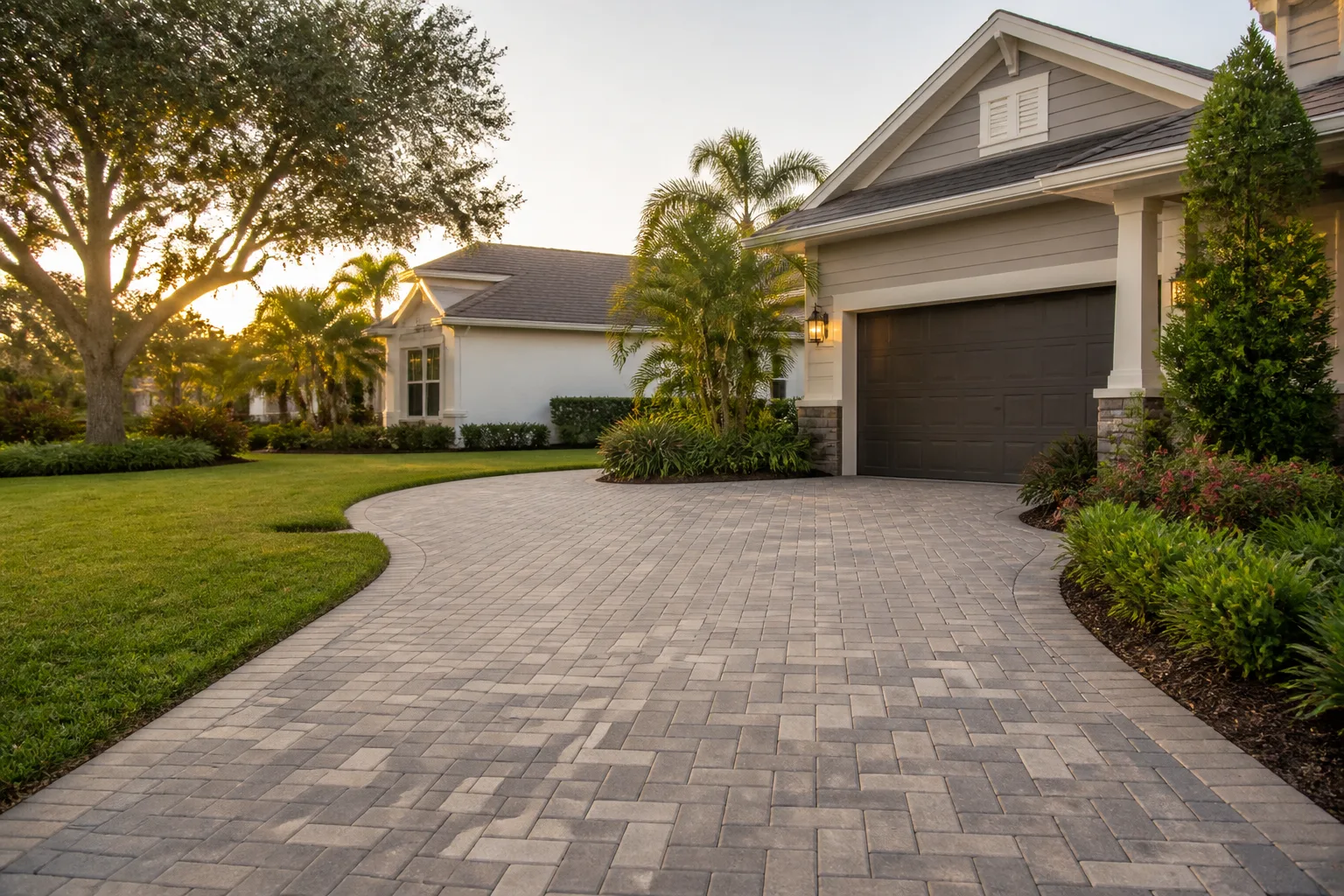
Want to see how a rebuild with pavers pencils out for a driveway that gets used hard, year in and year out? Our Driveway & Pavers in Inglewood page has the local line items. Most homeowners around here land on replacement about 70% of the time once the sub-base gets checked, and then choose the finish from there - concrete, pavers, or asphalt.
How We Diagnose It - and Why the Recommendation Isn’t Just a Number
Every driveway estimate we write includes a sub-base assessment as a line item, not an upsell. That means we look at the crack pattern, check the pitch, and see what’s actually under the slab at the low corner or the apron. Then you get a written recommendation: resurface or replace, with the reasoning spelled out. If the base is sound and you can save thousands, we’ll say so. We’d rather earn the replacement job on a driveway that needs one than sell a skim coat that fails in year four and gets us the call instead. The 730-Day Done Right Promise protects the work we book for you with the local pro, in writing, on the terms that fit the job.
Two things we do on every driveway job that matter to longevity here. First, the base gets compacted in lifts to spec, not dumped in one pass - the marine layer will find any loose fill within a couple of wet seasons. Second, drainage gets resolved in the new slab: correct cross-slope toward the street or a channel drain, because a driveway that pools water in Inglewood is a driveway that’s going to fail early no matter what the surface is made of. We also check that the driveway elevation works with your garage floor, since the old bungalows on tight lots often can’t give up another inch at the threshold.
What we won’t do: give a resurface quote before seeing the sub-base, or a replacement quote without telling you whether resurfacing could have been honest. Upfront pricing, no surprises, means you see the number and the reasoning in the same document. Our technicians have up to 12 years of experience on residential flatwork, and a background-checked, uniformed crew shows up on every job. If you’ve been burned by a driveway crew before, that probably sounds familiar from a hundred other bids - the difference is that ours comes with a live person on the phone, 24/7, and a written recommendation you can read twice before signing anything.
FAQs
Resurfacing runs about $3-$6 per square foot in Inglewood and replacement runs $8-$15 per square foot, with a typical Inglewood driveway replacement landing between $5,000 and $14,000 depending on size and base condition. The gap looks big on the bid, but resurfacing over a failing base means paying twice within ten years. Call (833) 842-7204 for an exact quote - estimates are free, and we’ll show you the sub-base finding that drives it.
Look at the crack pattern: straight shrinkage cracks mean resurfacing is probably viable, and alligator or spiderweb cracking almost always means base failure that resurfacing can’t fix. Standing water, faulted joints, and a crumbling apron point the same direction. The only reliable answer is a quick look at what’s under the slab, which our estimate includes. Call (833) 842-7204 and we’ll come out and check.
Repair is cheaper upfront and only cheaper over time if the base is sound - otherwise the repeated resurfacing adds up past the cost of one replacement. On a pre-1950 Inglewood lot without a real base course, replacement is usually the cheaper of the two once you count years, not just the day of the invoice. Call (833) 842-7204 for a no-pressure estimate before you commit to either.
The marine layer keeps driveways damp longer than inland cities, so water infiltrates cracks in a compromised base and speeds up the settlement and heave cycle. On a resurfaced slab, those cracks come back through the skim coat fast. A proper base and correct drainage handle the moisture at the source. Call (833) 842-7204 and we’ll look at your drainage and pitch as part of the free estimate.
If you’d rather have it looked at than argued over, Groundwork Construction Co. of Inglewood offers a no-pressure assessment in Inglewood - we’ll check the sub-base, tell you honestly whether a resurface makes sense, and put the reasoning in writing. Call (833) 842-7204 for a free estimate and a straight answer.
Written by the team at Groundwork Construction Co. of Inglewood, serving Inglewood, CA.