



Free written scope consultation - allowances, timeline, and change-order rules on paper before a single trade is scheduled
Styles & brands we work with
- Kitchen remodeling
- Bathroom remodeling
- Home additions & ADU
- Roofing
- Windows & doors
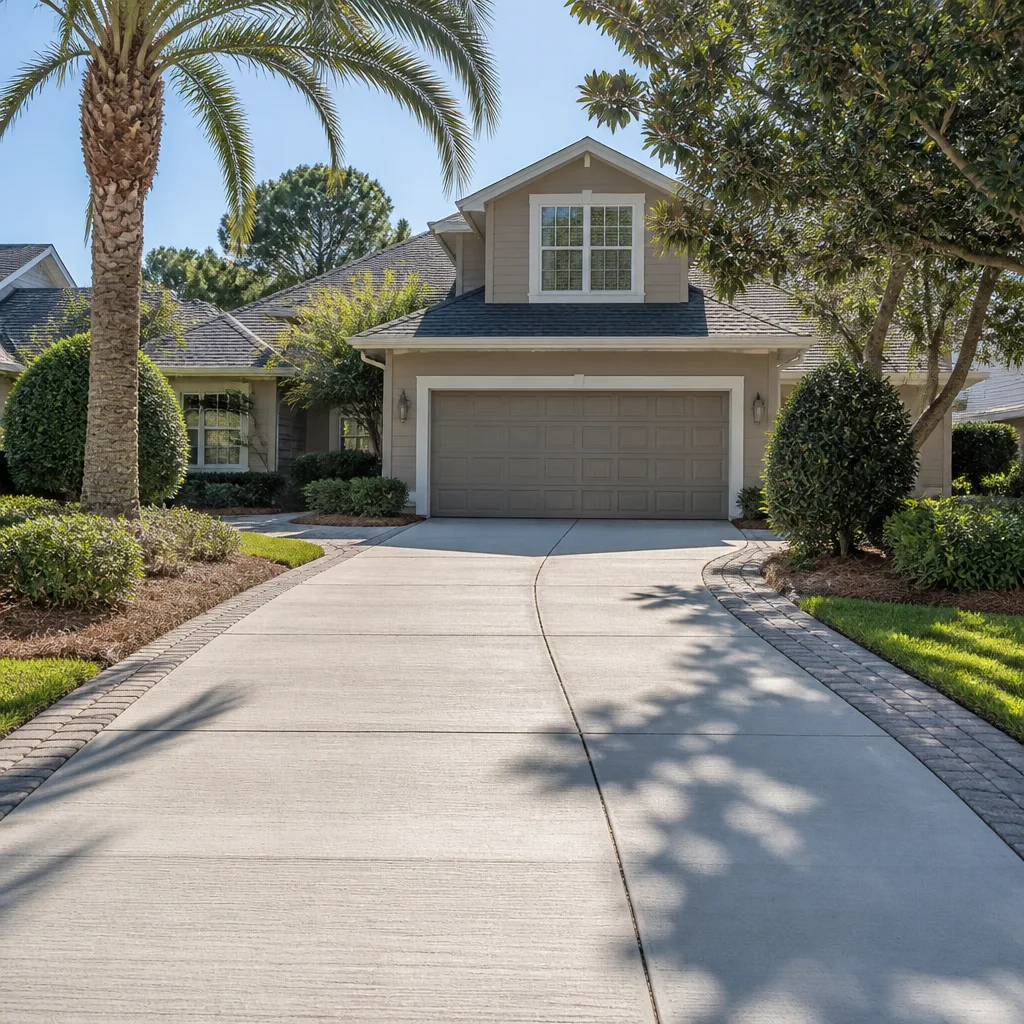
- Driveway & pavers
- Fence
See the difference
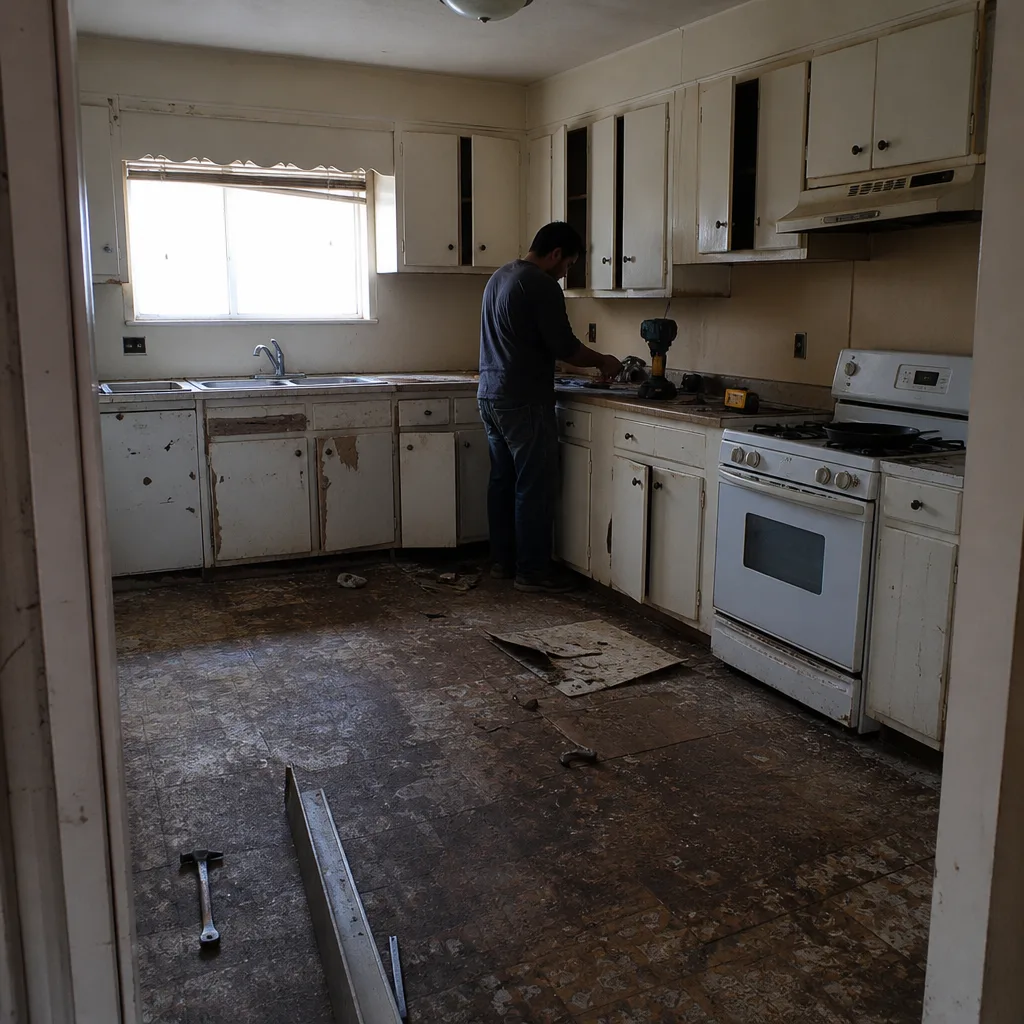 Before
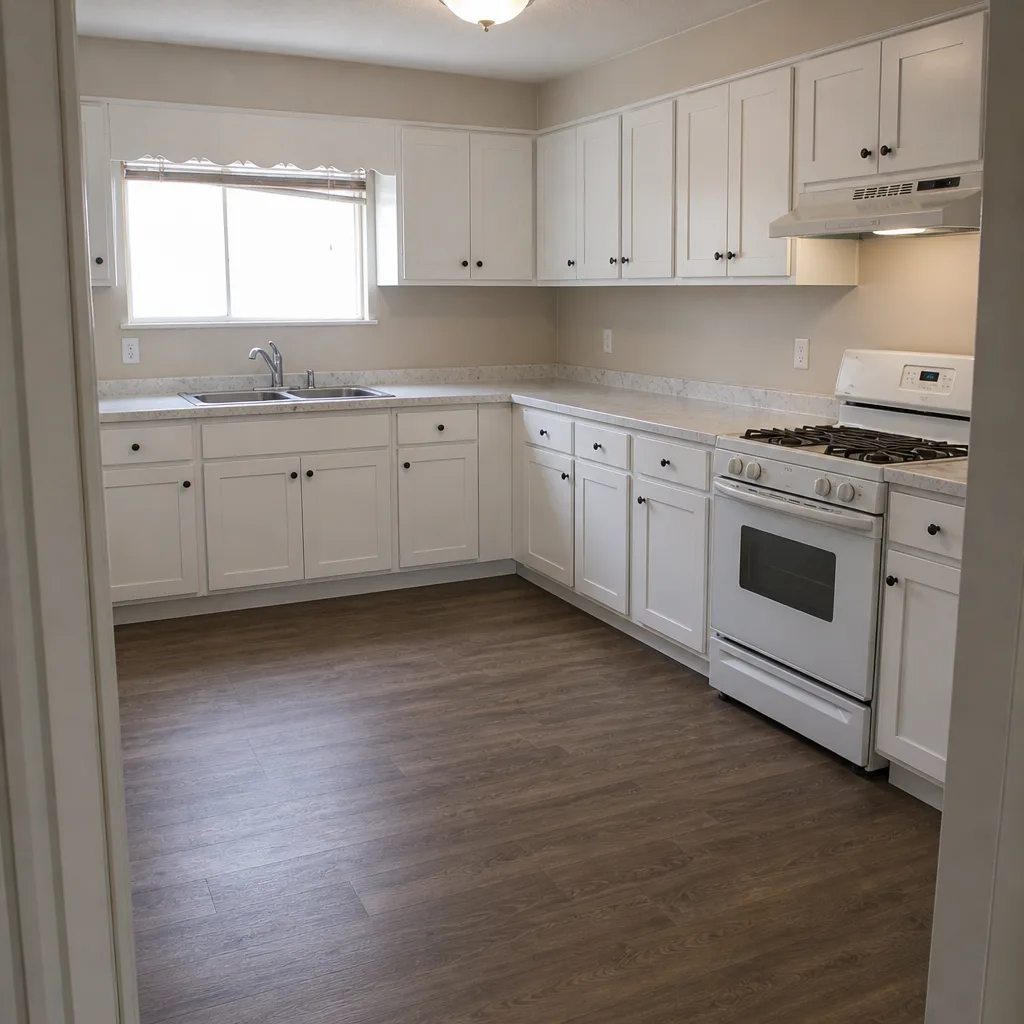 After
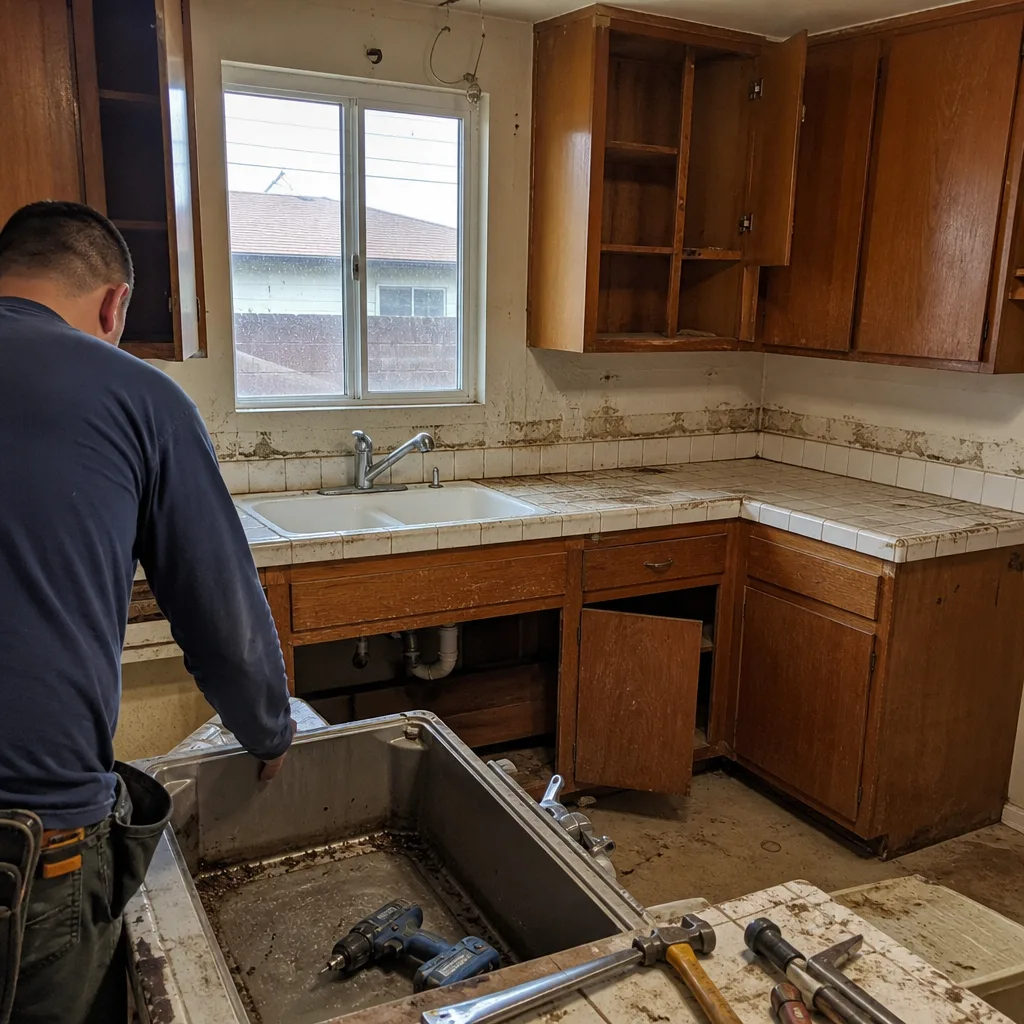 Before
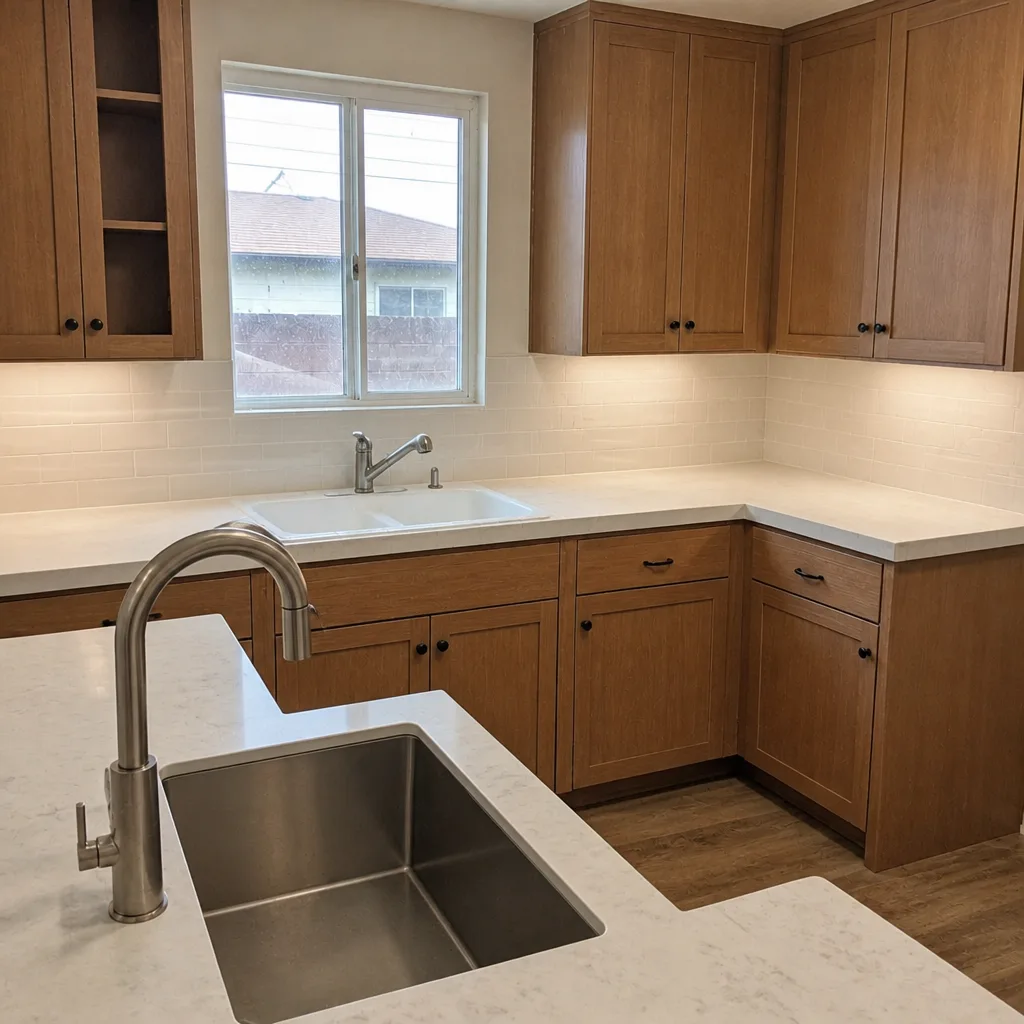 After
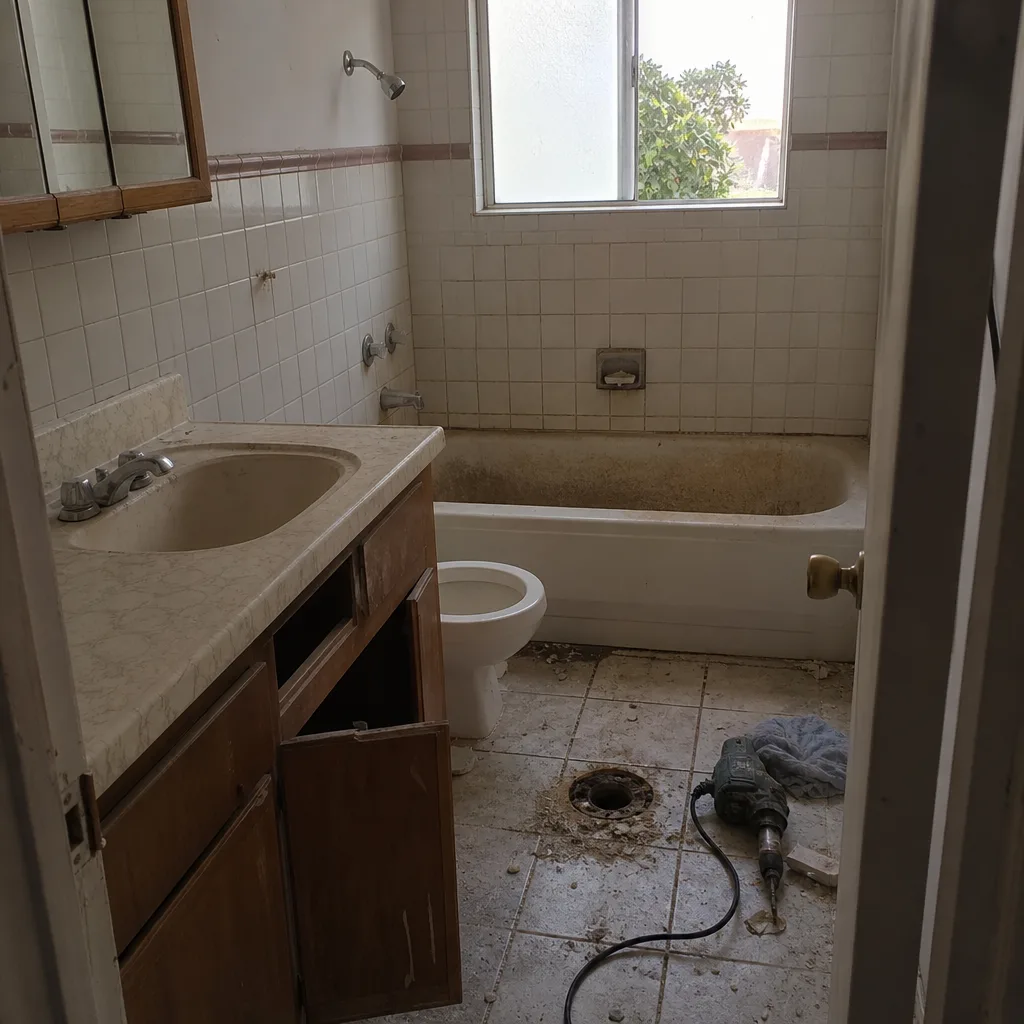 Before
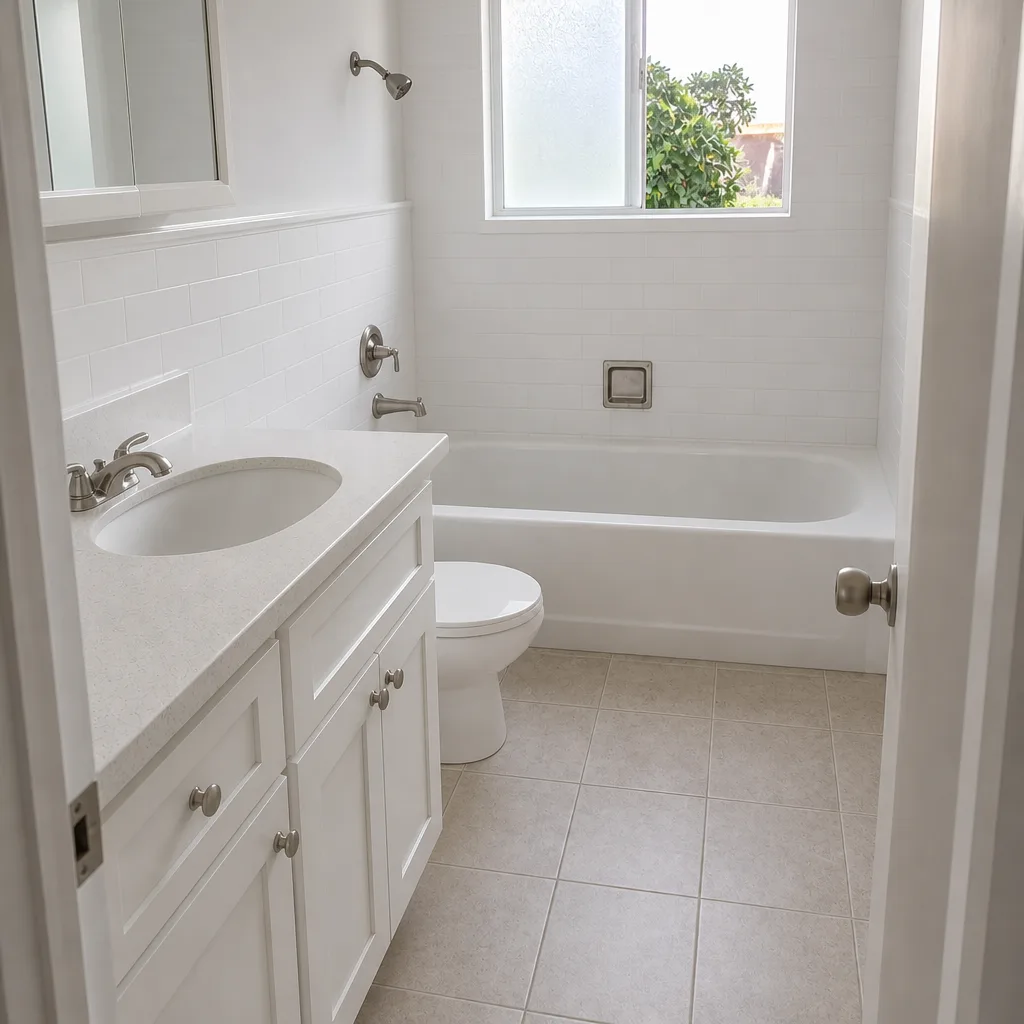 After
Here’s the page, built around the marine-layer curing angle and the shrinkage-cracking risk that most “7-day rule” articles miss entirely.
How Long Before You Can Drive on New Concrete in Inglewood, CA?
For a standard passenger car, plan on keeping wheels off a new Inglewood driveway for 7 to 10 days. The 3-day minimum you see quoted online assumes warm, dry inland curing, and that’s not what a slab gets on the flats west of Prairie Avenue or anywhere near the LAX marine influence. Warm days and cool nights here mean your concrete is still gaining strength when the calendar says it’s ready. Trucks and SUVs need the full 28 days.
If you’re scheduling a pour or worried about a slab that’s already down, call Groundwork Construction Co. of Inglewood at (833) 842-7204. A live person answers around the clock, and estimates are free.
Key Takeaways
- Passenger cars: 7 to 10 days. Pickups and SUVs: 28 days for near-full design strength.
- The bigger danger in Inglewood isn’t driving too soon. It’s surface cracking from onshore wind in the first 24 hours.
- Morning fog and overnight temps in the 60s slow early strength gain, especially June through September.
- September and October Santa Ana events flip the problem: evaporation outpaces bleed water, and the slab needs curing compound or wet burlap within 20 minutes of finishing.
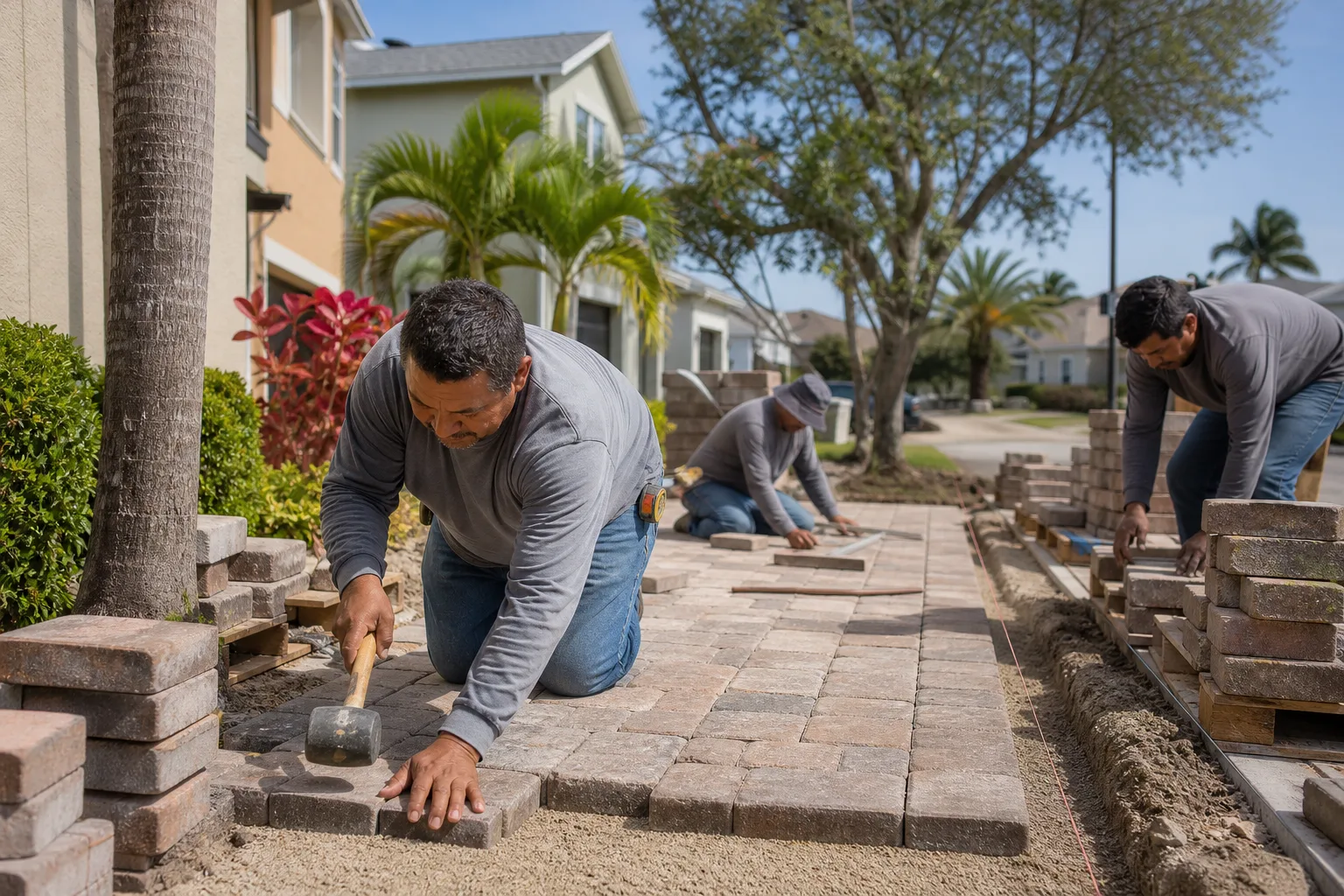
Why Inglewood’s Climate Changes the Curing Timeline
Concrete doesn’t dry. It cures through a chemical reaction called hydration, where cement binds with water and forms the crystalline structure that carries load. That reaction runs on temperature and available moisture. Cool it down and it slows; dry it out too fast and it stops before it reaches strength.
Inglewood sits in the coastal-influenced LA basin near LAX. Morning marine layer pushes humidity high and keeps overnight temperatures in the low 60s through much of the year, with fog thickest from June through September. Mild and humid sounds like ideal curing weather. It isn’t that simple. That same cool, damp air drops the slab’s internal temperature during the hours when it would otherwise be gaining strength fastest. Compared with a pour in Burbank or the San Fernando Valley on the same day, an Inglewood slab in fog season can lag 20-30% behind on early strength gain. The 7-day rule was written for warmer inland conditions.
So the honest answer to “how long before you can drive on new concrete” here runs longer than the generic version, and it depends on which month you poured. A slab placed in February with steady fog may need closer to 10 days before it’s ready for a car. One poured in a dry October may hit the mark closer to 7.
The Inglewood Risk Nobody Warns You About: Wind, Not Weight
Driving too soon is the question everyone asks. Surface cracking is the problem that actually shows up. When fresh concrete is exposed to 10-15 mph onshore wind during its first 24 hours, water evaporates off the surface faster than bleed water can rise to replace it. The surface shrinks while the slab beneath it hasn’t. You get plastic shrinkage cracks: shallow, web-like fissures that show up before the concrete has cured enough to drive on at all. No amount of waiting afterward fixes them.
This is why a curing plan matters more than a countdown. On tight Inglewood lots, where a driveway runs close to a stucco wall or a detached garage, wind funnels and accelerates. We watch the forecast before scheduling a pour and put the curing method in writing in every scope: curing compound, wet burlap, or plastic sheeting, chosen for the day’s conditions. That work happens in the first hours after finishing, long before anyone asks about driving.
Then there’s the September and October Santa Ana window, when hot, dry offshore wind reverses the marine pattern. Evaporation outpaces bleed water fast, and a fresh slab can need curing compound or wet burlap within 20 minutes of the finishing pass. Miss that window and you’re looking at the same shrinkage cracking from the opposite direction. A crew that checks the weather before the truck arrives avoids both problems.
What It Actually Costs to Get It Right in Inglewood
Curing isn’t a line item most homeowners think about, but it’s baked into the job. Here’s what driveway work runs in this market, with curing method included in the written scope:
| Service | Typical Inglewood Range |
|---|---|
| Concrete driveway installation | $4,500-$12,000 |
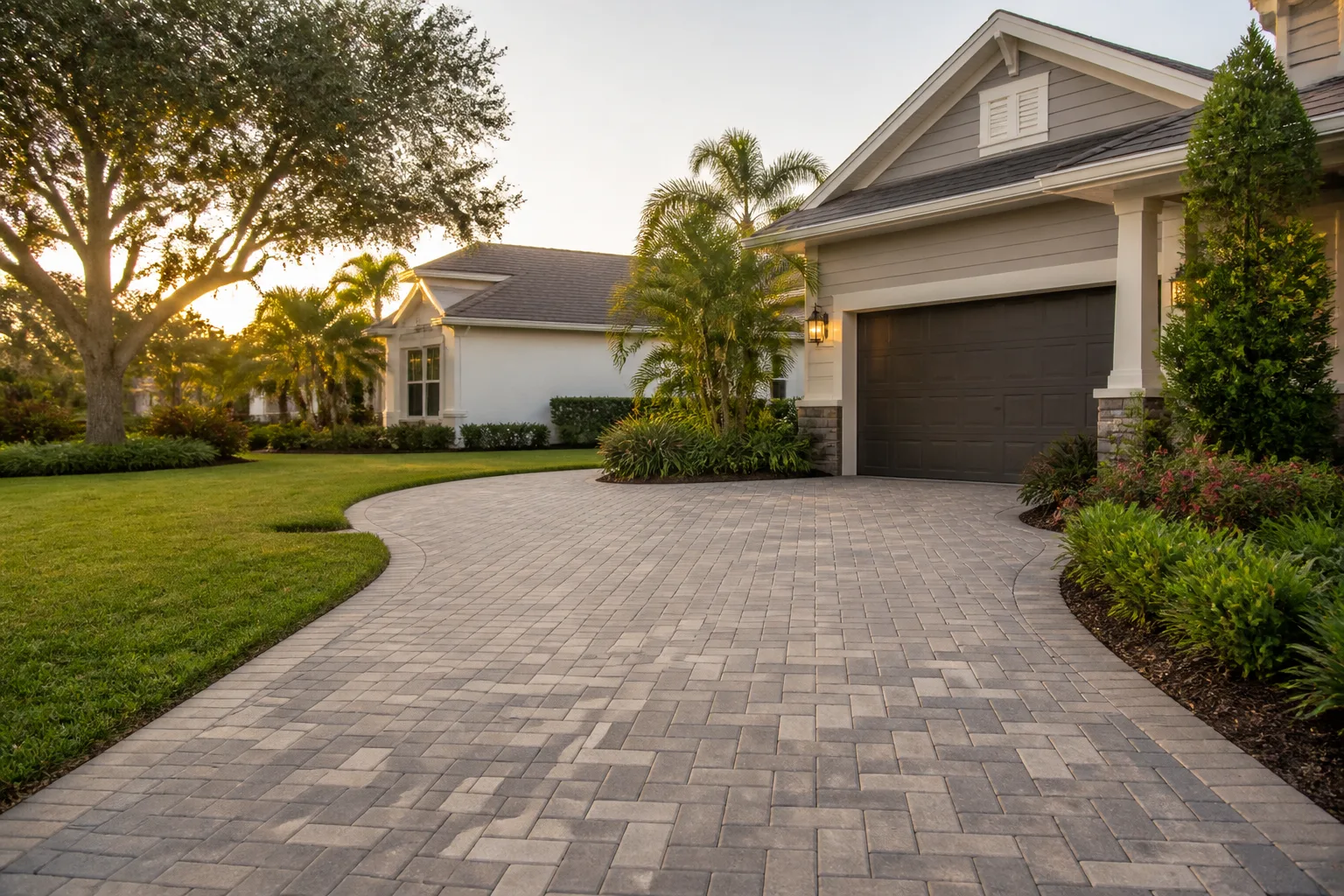
| Paver driveway installation | $7,000-$18,000 |
| Driveway replacement | $5,000-$14,000 |
| Asphalt driveway paving | $3,500-$9,000 |
| Driveway sealing | $250-$700 |
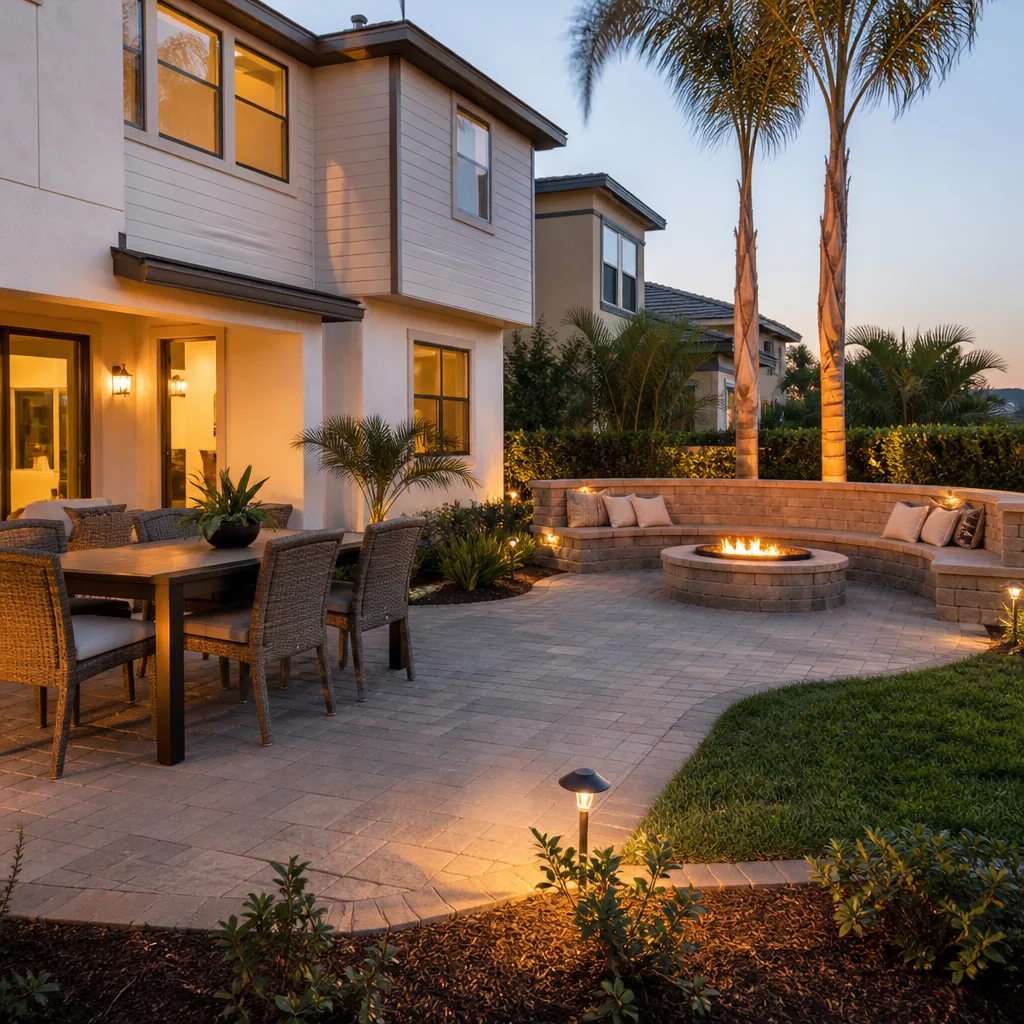
| Paver patio installation | $3,500-$11,000 |
A $4,500 to $12,000 concrete driveway is a real investment, and the curing phase is where that investment is protected or quietly wasted. Upfront pricing means the number you see is the number you pay, curing plan included. There’s no-hassle upfront pricing on every quote, 0% financing for 18 months, and $1,000 off projects over $10,000. Every job carries the 730-Day Done Right Promise: if it’s not done right, we make it right. That guarantee covers surface cracking and delamination, which is why curing is a documented step rather than an afterthought.
Our technicians have up to 12 years of experience, and they arrive background-checked and in uniform. You can see the full scope of what we handle on our Driveway & Pavers page, or start with the Driveway & Pavers in Inglewood service page for local project details.
Common Local Scenarios We See
Inglewood’s housing stock shapes how these pours go. Most of the flats are 1920s to 1950s bungalows and small stucco duplexes on tight lots, many with detached garages at the back. Some practical situations come up again and again:
- A narrow driveway between two stucco walls. Wind funnels through and accelerates surface drying. Curing blankets or sheeting stay on longer here, and the drive-ready window leans toward 10 days.
- A household that parks a full-size truck daily. Common on Inglewood lots, and it changes the schedule. A 5,000-plus lb truck needs the slab at roughly 90% design strength, which is 28 days regardless of how mild the weather is.
- A pour scheduled in the Santa Ana window. Hot, dry offshore wind means the curing method gets set before finishing begins, not after.
- An old slab being replaced next to a detached garage. The garage foundation and the new apron need to meet cleanly, and the subgrade under decades-old concrete often needs attention before anything is poured.
If you’re planning a project, our home page lays out the full range of work we take on from foundation to finish line.
Frequently Asked Questions
No, 3 days is too soon for a driveway in Inglewood. At 3 days a slab has typically reached only a fraction of its design strength, enough to walk on but not to carry a vehicle’s weight and rolling load. Wait 7 to 10 days for a passenger car and a full 28 days for a truck or SUV. Call (833) 842-7204 if you’re unsure whether a slab is ready, and we’ll tell you straight.
In Inglewood, early cracks are usually plastic shrinkage cracking caused by onshore wind drying the surface faster than it can cure. This happens in the first 24 hours, not from driving on it. Proper curing compound or wet burlap applied right after finishing is what prevents it. If a recent pour is already showing fine surface cracks, call (833) 842-7204 for an assessment; estimates are free.
Yes, the marine layer from June through September cools the slab and can slow early strength gain by 20-30% compared with warmer inland LA conditions. That’s why the drive-ready window here leans toward 10 days in fog season rather than the 7 days a generic chart might suggest. The crew checks the weather window before scheduling, and the curing method is written into the scope.
Yes, a truck or SUV should stay off a new slab for 28 days to reach roughly 90% design strength. The 7-day rule covers standard passenger cars only, and a 5,000-plus lb truck places far more load on the surface. For a project quote that accounts for curing and the right material, call (833) 842-7204.
If you’d rather have it looked at, Groundwork Construction Co. of Inglewood offers a no-pressure assessment in Inglewood. Call (833) 842-7204 for a free estimate and a written scope that spells out the curing plan.
Written by the team at Groundwork Construction Co. of Inglewood, serving Inglewood, CA.