Free written scope consultation - allowances, timeline, and change-order rules on paper before a single trade is scheduled
Styles & brands we work with
- Kitchen remodeling
- Bathroom remodeling
- Home additions & ADU
- Roofing
- Windows & doors
- Driveway & pavers
- Fence
See the difference
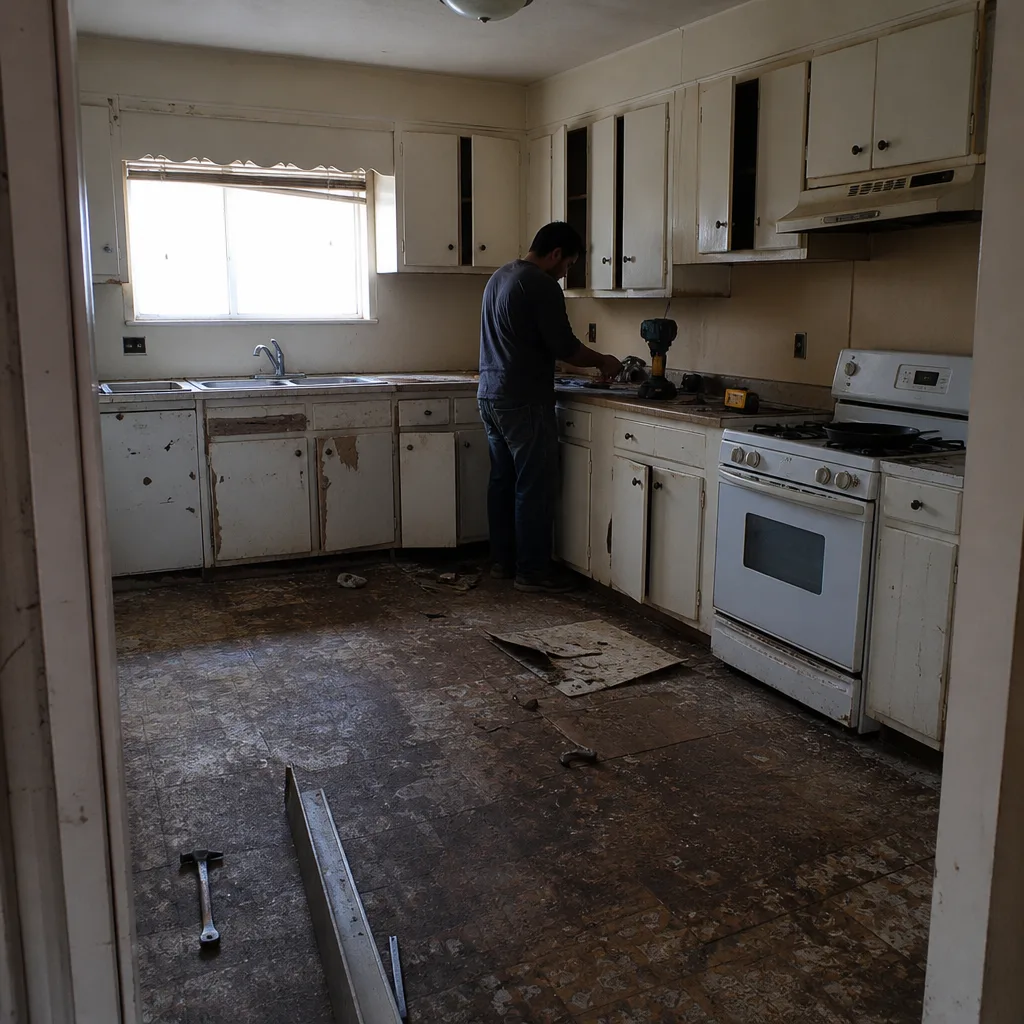 Before
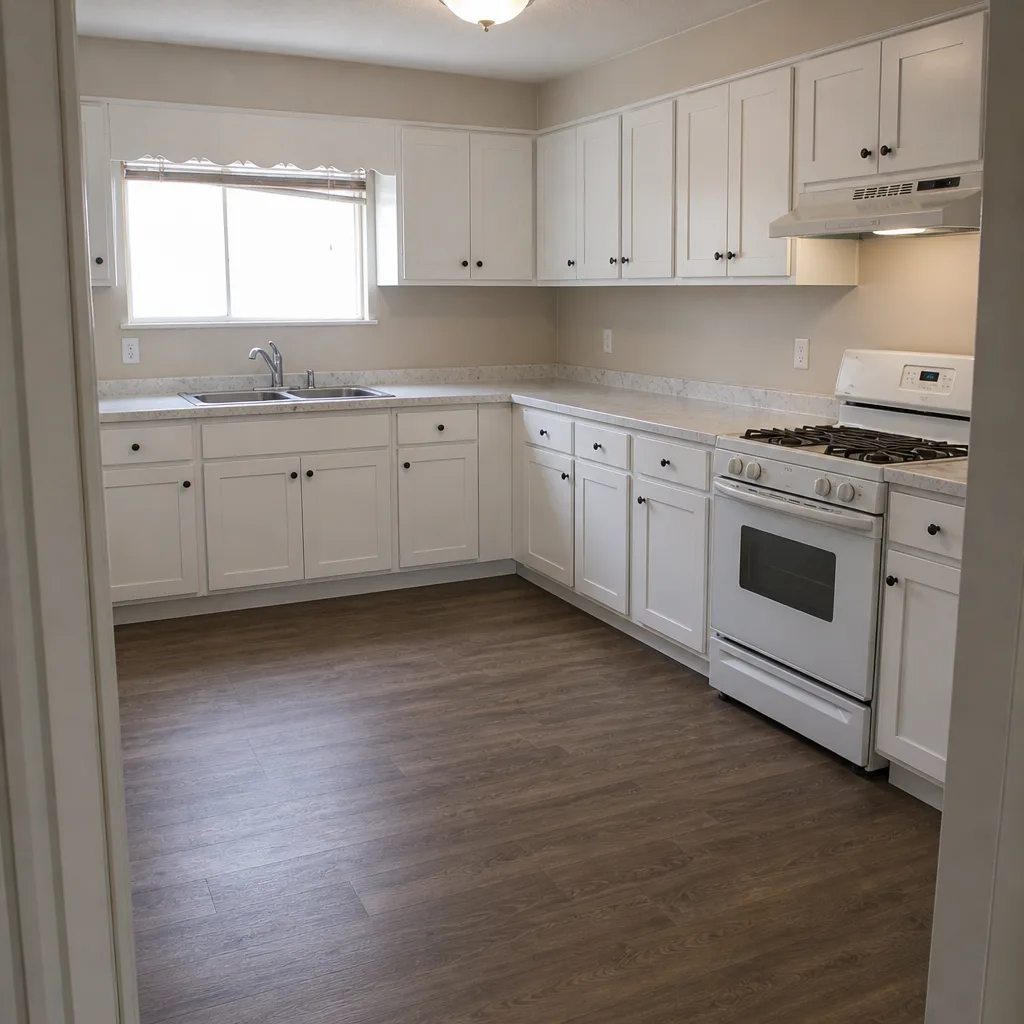 After
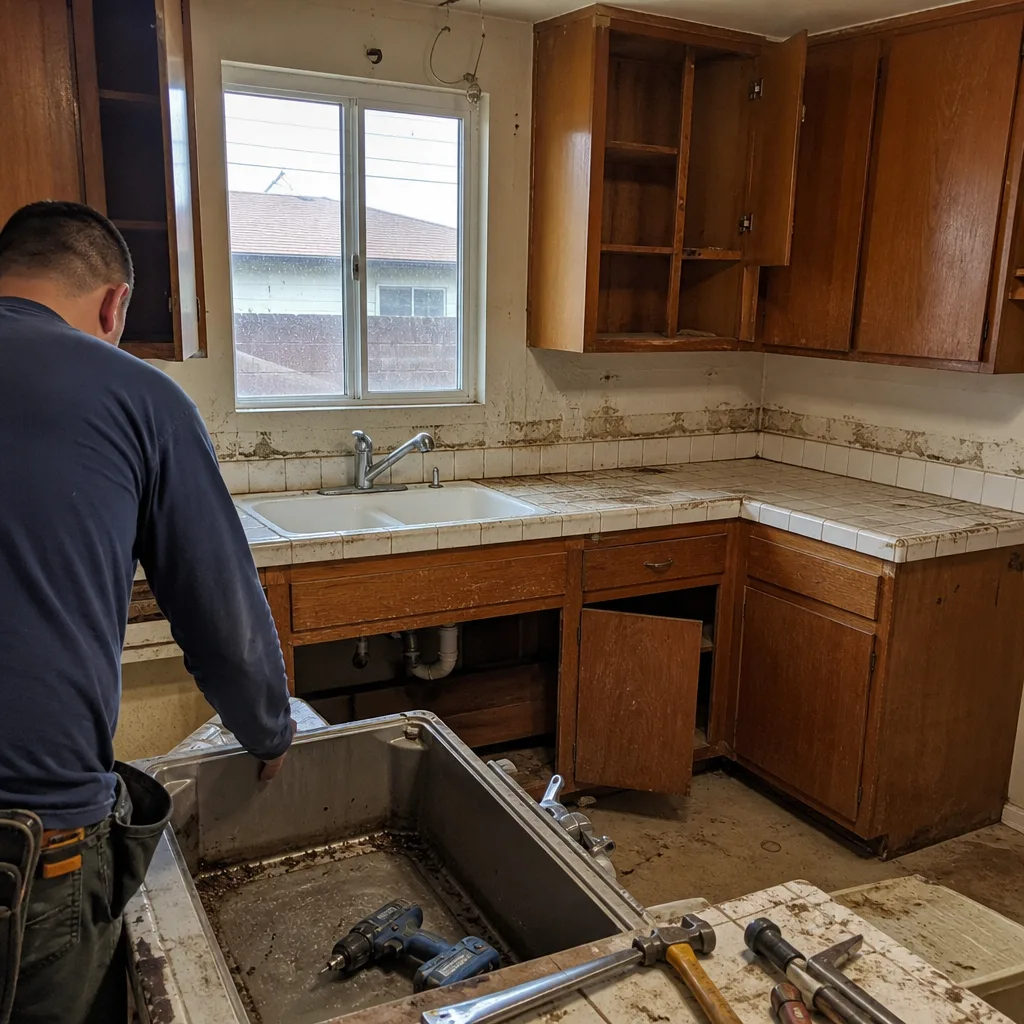 Before
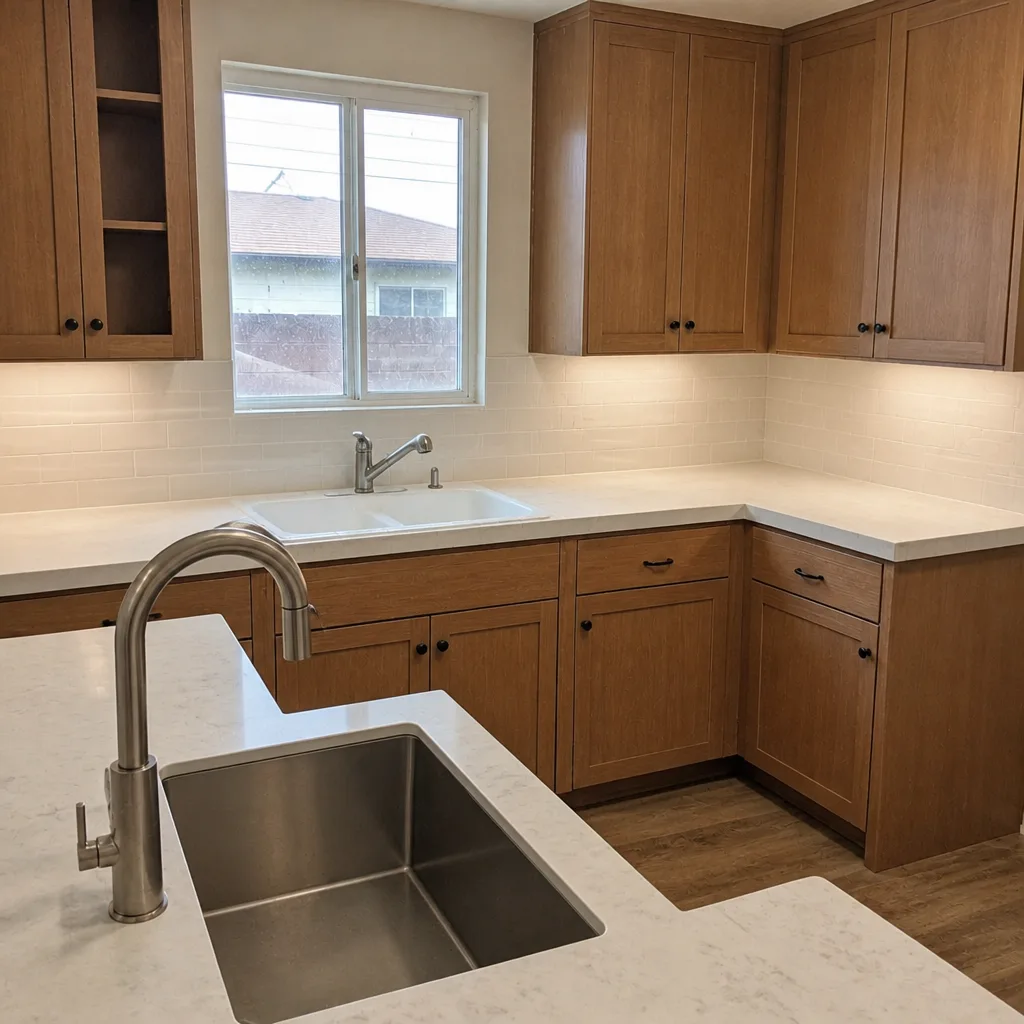 After
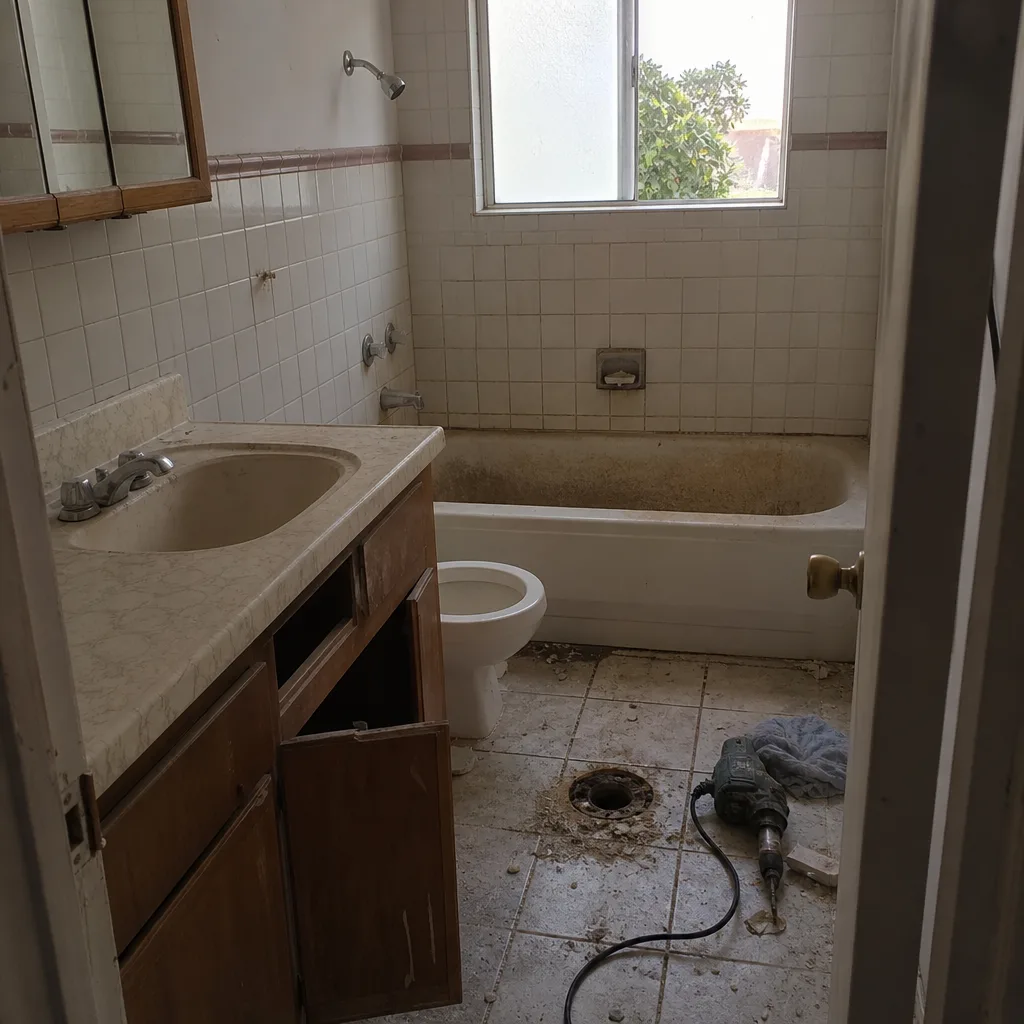 Before
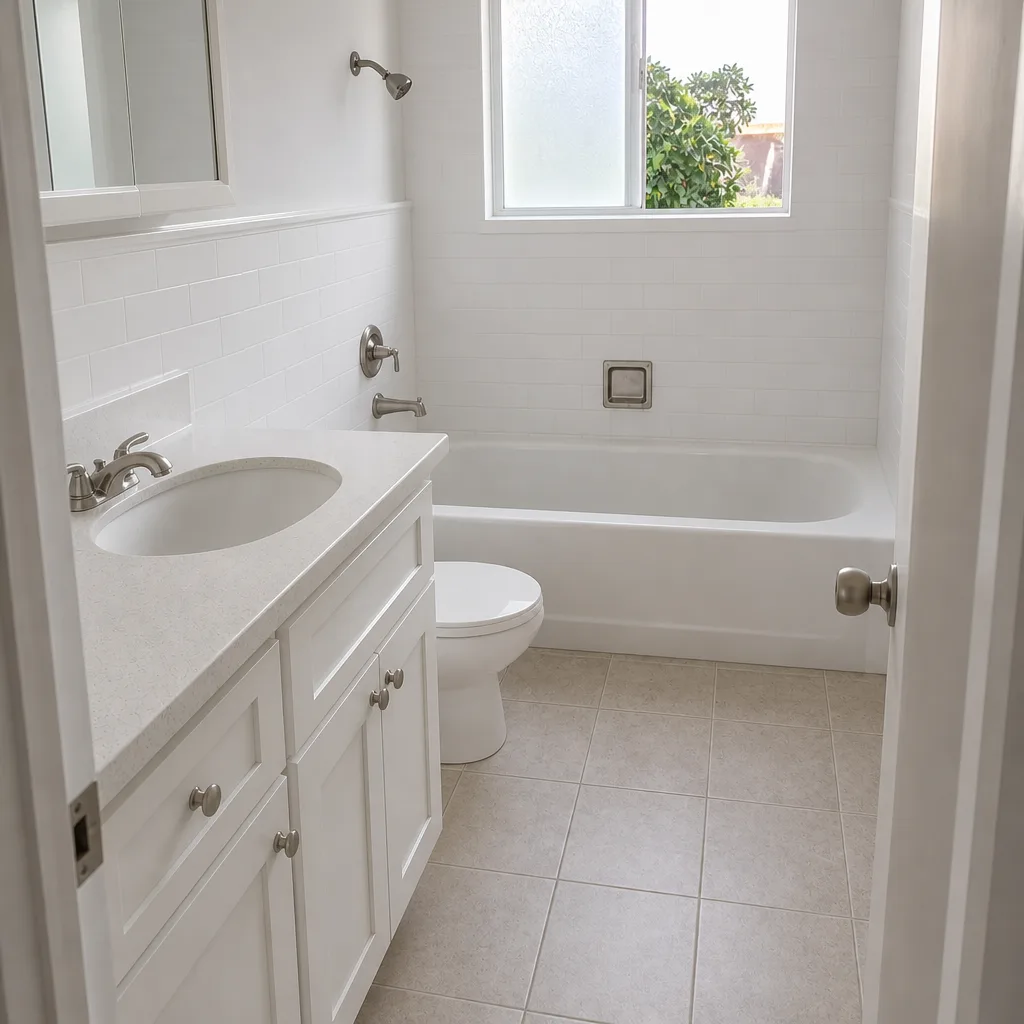 After
Choose concrete tile if your Inglewood roof framing has been assessed and can carry 9-12 lbs per square foot; choose clay tile if weight is tight or you want better performance against this city’s marine-layer moisture cycling. Neither tile belongs on an unretrofitted pre-1950 bungalow until the crawl space has been looked at. That’s the honest short answer, and it’s the part most clay-vs-concrete comparisons skip. Call (833) 842-7204 and we’ll walk you through what your roof can actually hold.
Why the clay-vs-concrete decision starts under the house, not on it
If your Inglewood bungalow went up before 1955, the clay-vs-concrete debate starts on the wrong floor – it starts in your crawl space, where the framing holding up that tile may never have been built to carry the load.
Most of the older single-family stock on the flats west of Prairie Avenue was framed with cripple walls that were never engineered for tile of any kind. Many of those houses came with lighter roofing originally, and some still have 1950s tar paper buried under two or three later layers. Drop 9-12 lbs per square foot of concrete tile on top and you’ve stacked real load onto rafters and a top plate that were sized for something much lighter. The City of Inglewood’s permit reviewers, under heavy volume pressure since the SoFi and Intuit Dome build-out, now flag that gap hard. So the honest comparison isn’t clay versus concrete in a catalog. It’s whether either tile clears a compliant load path on your particular roof.
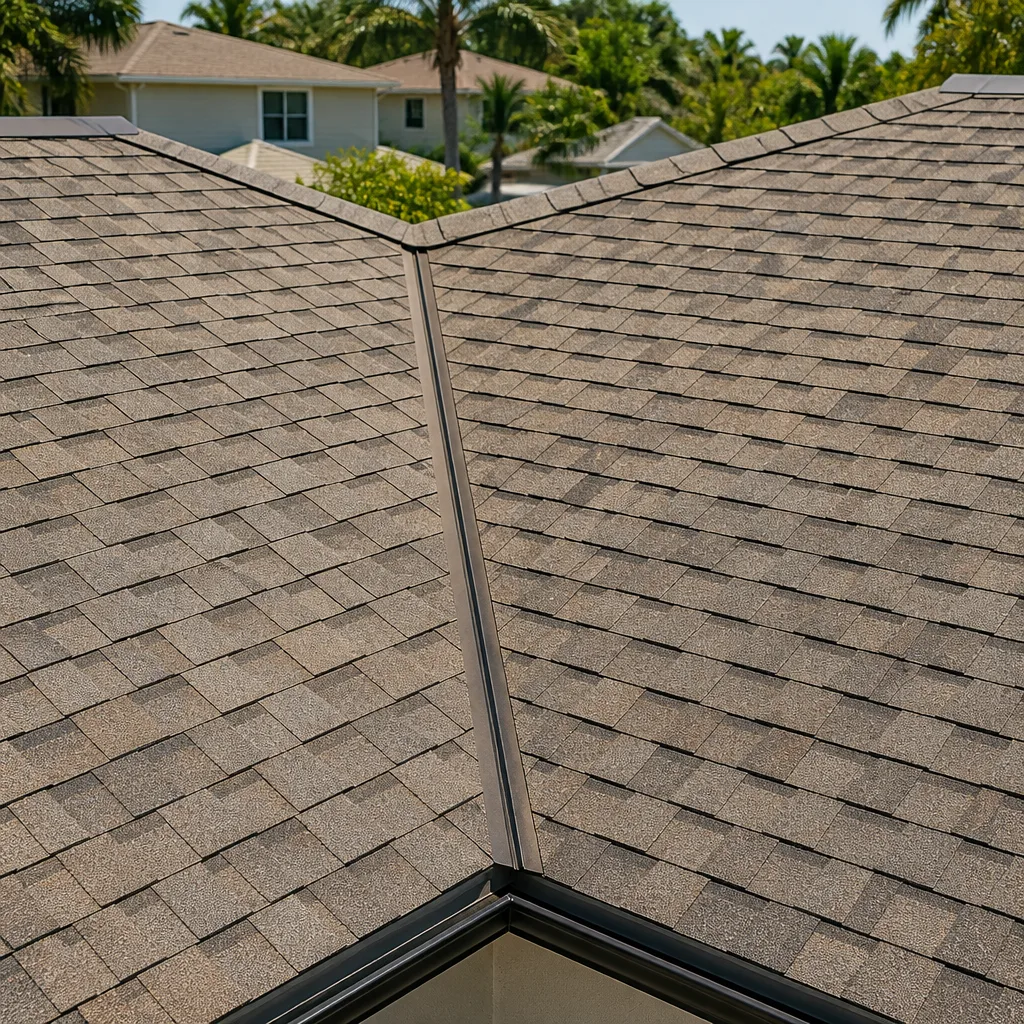
Clay vs concrete roof tiles in Inglewood: the numbers that decide it
Weight is the first split, and it’s the one that matters most on older housing stock here. Clay runs roughly 6-8 lbs per square foot installed; concrete runs 9-12. On a pre-1950 bungalow with unreinforced cripple walls, that 2-4 lb/sq ft difference can be the threshold between a compliant load path and a seismic liability. Neither number is dangerous on its own. It’s the framing underneath that turns a difference into a decision.
| Factor | Clay tile | Concrete tile |
|---|---|---|
| Weight (lb/sq ft) | 6-8 | 9-12 |
| Moisture cycling in coastal-basin air | Lower porosity, handles the wet-dry cycle well | Absorbs and releases moisture; may surface-spall over 20-25 years |
| Fasteners for salt air | Stainless or coated required | Stainless or coated required |
| Load tolerance on old framing | More forgiving | Needs verified framing capacity |
| Typical tile roof repair | $600-$2,500 | $600-$2,500 |
| Full roof replacement | $8,000-$20,000 | $8,000-$20,000 |
Those replacement and repair ranges are our standing Inglewood numbers. The brand of tile you pick shifts the line item less than the substrate work does, so budget for what’s under the tile first.
What the coastal-basin climate does to each tile
Inglewood sits close enough to LAX that salt-laden onshore air reaches exposed metal on almost every roof here. That corrodes the clips and wire ties holding tile down. Both clay and concrete need stainless or coated fastener systems in this city – the galvanized hardware that holds up fine in the San Fernando Valley will rust and fail here. If a bid doesn’t name the fastener spec, ask.
Then there’s the marine layer. It wets the roof overnight and the afternoon sun dries it, over and over, all year, with rarely a freezing night. Stucco and tile here age by moisture cycling, not freeze-thaw. Concrete absorbs and releases that moisture repeatedly, and over 20-25 years you’ll start to see surface spalling. Clay’s lower porosity handles this specific cycle better. It’s the quiet advantage clay has in Inglewood that a spec sheet won’t tell you.
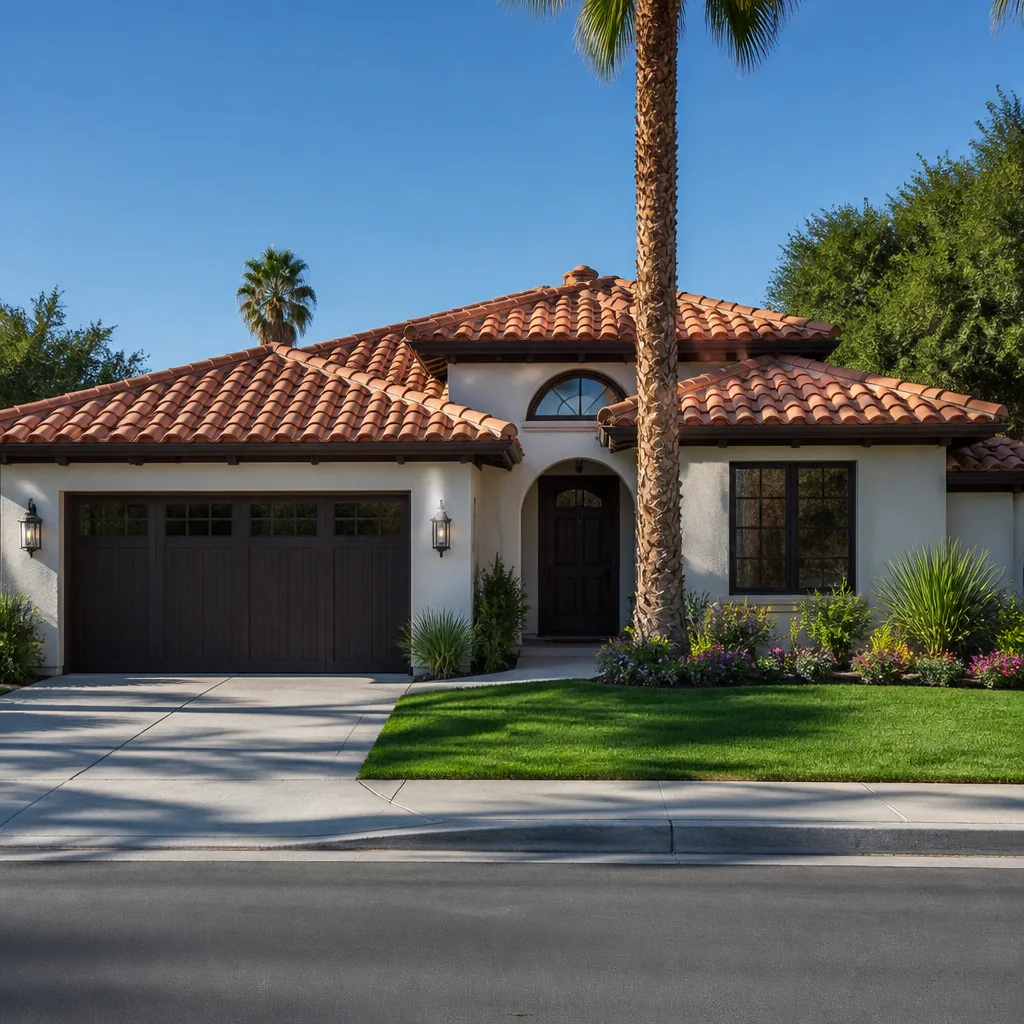
One thing both tile types share: they look right on the Spanish-revival and Craftsman-influenced houses that define these blocks. A quality tile from IKO, Boral or Atlas reads as belonging here. A cheap one reads as a remodel.
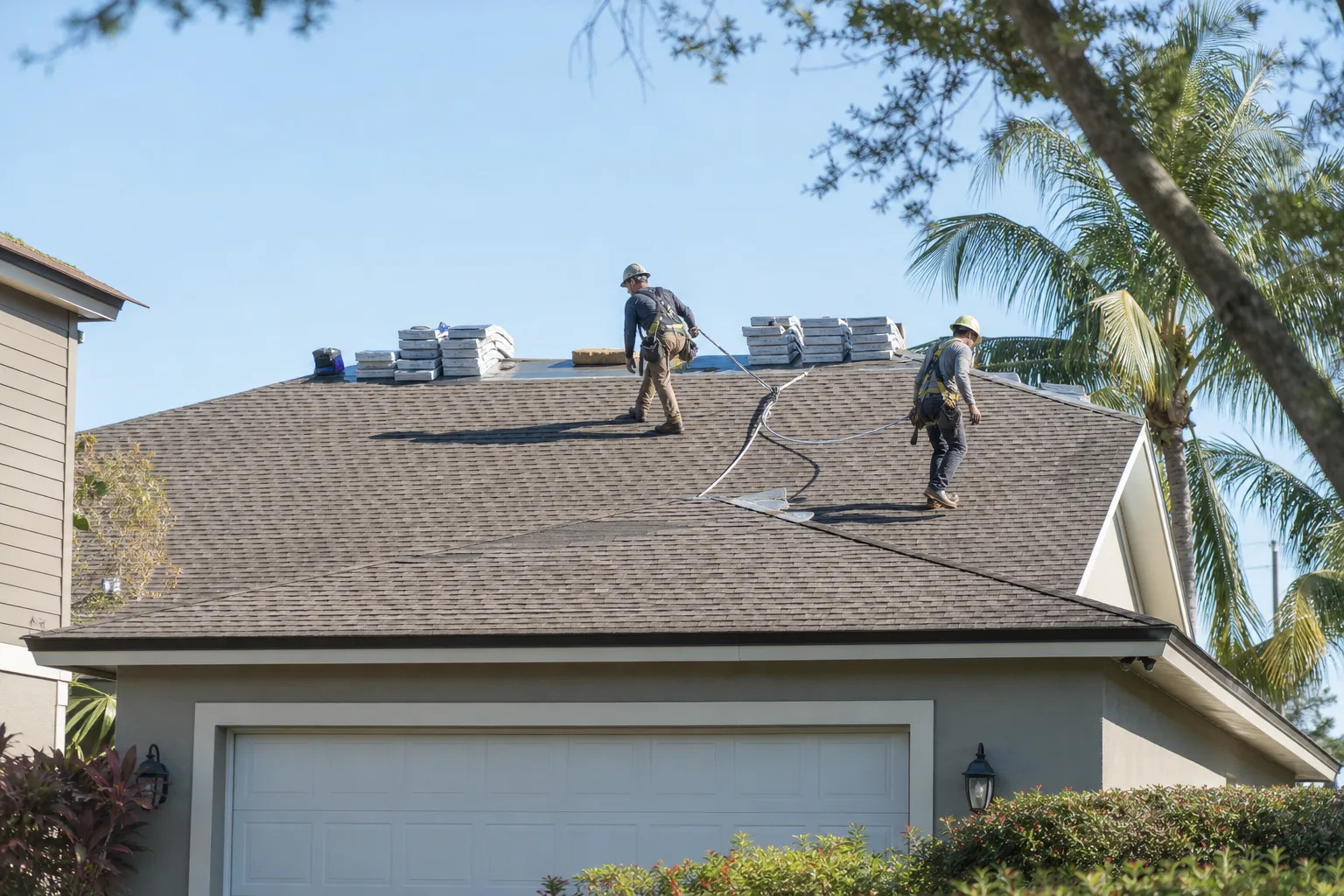
What a full-scope tile roof project actually covers
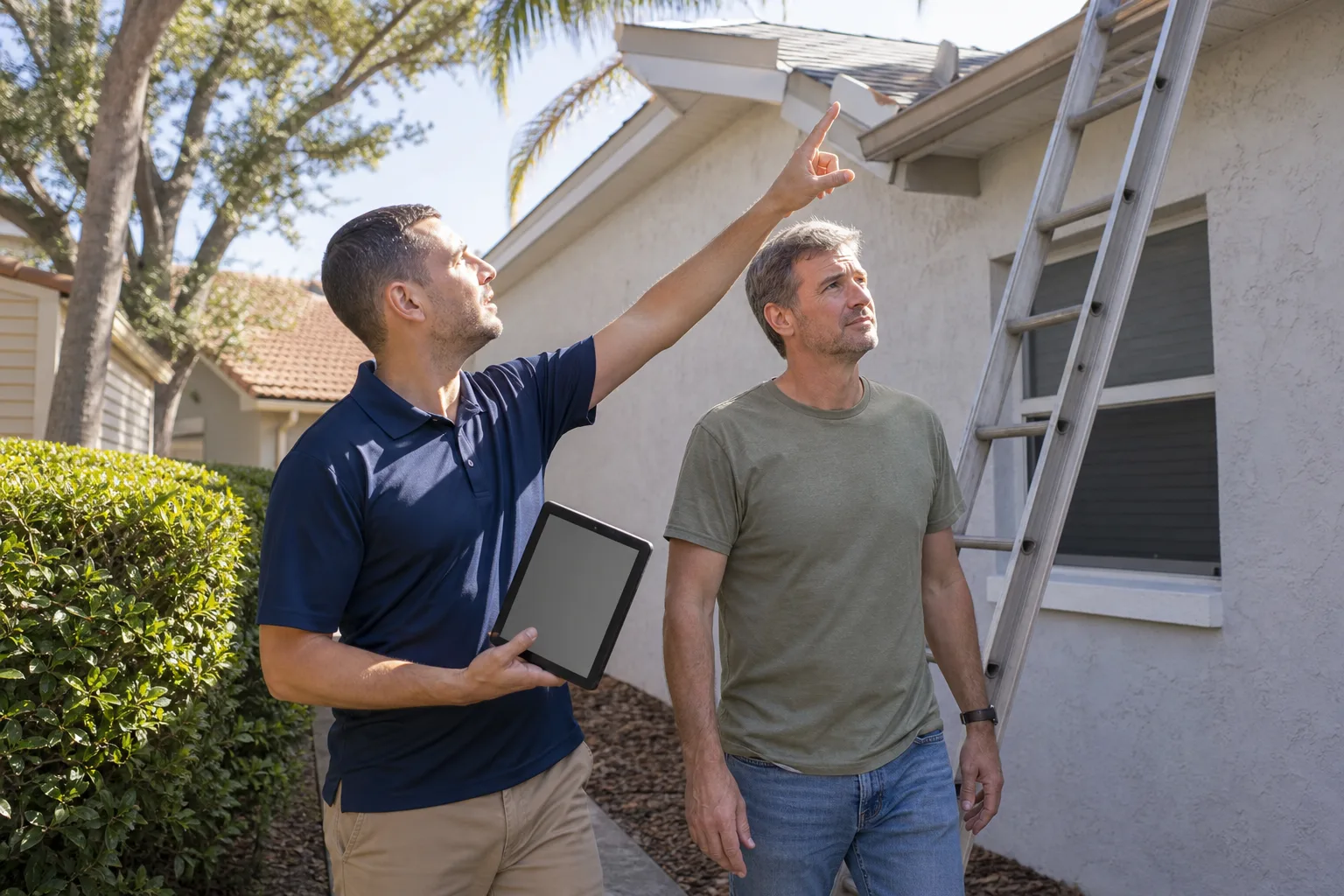
Single-trade roofers pull off the old tile, lay new underlayment, set new tile, and leave. On older Inglewood houses that’s where surprises start. We do a structural assessment of the existing rafters and top plate before a single tile is ordered, and we price the substrate repair into the upfront number so you’re not staring at a change order when the old skip sheathing turns out to be shot. Our technicians have up to 12 years of experience, and they know what a 1950s Inglewood tear-off usually hides.
- Framing and top-plate load check, sized against the tile weight you choose
- Fastener spec for salt air, stainless or coated, written into the bid
- Skip sheathing and decking replacement priced upfront, not discovered mid-job
- Underlayment and flashing addressed around chimneys and valleys
All of it sits under our 730-Day Done Right Promise – if it’s not done right, we make it right. That covers the tile work and the substrate repair alike, backed in writing. As part of the larger build-out, our Roofing service handles the whole scope from tear-off to final cap. See the full range of work on our home page. If your roof project overlaps with a broader plan, our Inglewood service area page shows the related trades.
One safety note we don’t skip: high roofs and tile tear-offs are genuinely dangerous work. Never walk or work an old tile roof yourself, and never try to pull tile to “check” the framing. That’s a trained-professional job with fall protection and load knowledge, and it’s exactly where a structural assessment should happen.
Weighing the two for your specific roof
Here’s the decision framework we walk homeowners through, in order. Start with the framing. If the assessment shows the rafters and top plate can carry concrete’s 9-12 lbs per square foot, concrete is a solid, cost-effective pick and its 20-25 year moisture cycle is a known quantity you can plan around. If weight is tight, or if you’re weighting the coastal-basin climate seriously, clay’s 6-8 lbs and lower porosity tip the scale. Either way, the fastener spec is non-negotiable stainless or coated. And either way, the substrate work gets priced before the tile.
Our technicians have up to 12 years of experience reading exactly this question on Inglewood roofs, and our team writes like a builder who knows the answer is in the crawl space. We work with a curated set of material brands, from IKO and Boral to Atlas, so you’re choosing quality against the climate, not just what’s in stock. House calls are background-checked and uniformed, so the person in your crawl space is who you expected. Upfront pricing means the number you see is the number you pay, and 0% financing for 18 months plus $1,000 off projects over $10,000 takes the sting out of the structural work. Live person answers every call, 24/7 – no voicemail, no waiting until Monday. If you want a no-pressure look at your roof and framing, call (833) 842-7204 for a free estimate.
FAQs
Clay is the better pick for older Inglewood bungalows with tighter framing, because it’s lighter at 6-8 lbs per square foot and handles the marine-layer moisture cycle with less spalling. Concrete is a sound choice when the framing has been assessed and can carry 9-12 lbs per square foot. The framing check comes first either way. Call (833) 842-7204 for an exact look.
Both come in around $8,000-$20,000 for a full roof replacement in Inglewood, and tile roof repair runs $600-$2,500 regardless of which tile you have. The tile material shifts the line item less than substrate and fastener work does, so budget for what’s under the tile. Call (833) 842-7204 for an exact quote – estimates are free.
Yes, on older Inglewood houses you do. Many pre-1950 bungalows with unreinforced cripple walls were never engineered to carry tile load, and the City’s permit reviewers now flag that gap, so a framing assessment of the rafters and top plate should happen before any tile is ordered. Never pull tile or work the roof yourself to check; that’s trained-professional work. Call us and we’ll assess it.
Salt-laden onshore air from the LAX corridor corrodes the metal clips and wire ties that hold tile down, so Inglewood roofs need stainless or coated fasteners rather than the galvanized hardware that works inland. If a tile bid doesn’t name the fastener spec, ask before you sign. Call (833) 842-7204 to have yours checked.
If you’d rather have it looked at, Groundwork Construction Co. of Inglewood offers a no-pressure assessment in Inglewood – call (833) 842-7204. We’ll check the crawl space before you choose a tile, price the whole job upfront, and stand behind it for 730 days.
Written by the team at Groundwork Construction Co. of Inglewood, serving Inglewood, CA.