Last updated November 18, 2026


Free written scope consultation - allowances, timeline, and change-order rules on paper before a single trade is scheduled
Windows & Doors Warning Signs Every Homeowner Should Know
Condensation trapped between two panes of glass looks like nothing. A little fog in the corner of a bedroom window, easy to wipe from the inside, easy to forget. But that fog is on the inside of a sealed unit you can’t reach, and it means the insulated glass has already failed. That window is now performing at roughly the thermal level of a single pane, and it has been for a while. In our experience across Inglewood, the most expensive window and door failures are never sudden. They’re preceded by signs homeowners either didn’t recognize or were told were normal. This guide names what to look for, what each sign actually means, and when it’s time to stop patching and start planning.
Quick Answer
The warning signs that a window or door needs replacement are failed seals (fog or condensation between panes), visible frame separation or rot at the sill, daylight showing at a closed door jamb, rooms that won’t hold temperature, and doors that suddenly stick or lock hard with the seasons. Any one of these means the unit is losing performance or the installation has failed – and both get worse, never better, with time.
Styles & brands we work with
- Kitchen remodeling
- Bathroom remodeling
- Home additions & ADU
- Roofing
- Windows & doors
- Driveway & pavers
- Fence
Table of Contents
- Visual Warning Signs, Ranked by Urgency
- Performance Warning Signs That Don’t Look Like Damage
- Product Failure vs. Installation Failure: Who Pays to Fix It
- Warning Signs a Contractor Is Cutting Corners During Install
- The Inglewood Warning Sign Most Homeowners Miss
- How We Tell a Fixable Problem From a Replacement
- What Waiting Actually Costs You
- Common Mistakes to Avoid
Visual Warning Signs, Ranked by Urgency
Not every sign carries the same weight. Some mean you should start budgeting. A few mean you should stop waiting. Here’s how we rank them when we walk a home in Inglewood, from most urgent to least.
- Wood rot at the sill. The sill is the bottom of the window frame, and it’s where water sits longest. Soft, spongy wood or paint that crumbles to the touch means moisture has been getting in for a while. Rot spreads into the wall framing, so this is the one sign that escalates from a window problem to a structural problem.
- Frame separation. If you can see a gap between the window frame and the surrounding wall, or between the sash and the frame, the unit has shifted. That gap is a direct path for air and water. It’s almost always an installation issue that’s revealing itself.
- Daylight visible at a closed door jamb. Stand inside on a bright day and look at the edges of a closed exterior door. If light comes through, so does air, and so will water in a storm. This points to a warped door slab, a settled frame, or worn weatherstripping – and the first two mean replacement.
- Failed IGU seal (fog between panes). The insulated glass unit is the sealed sandwich of two panes with gas or air between them. When the perimeter seal breaks, moisture enters, and you get that fog or a milky haze you can’t clean off. The glass is done. It’s not urgent the way rot is, but it’s a performance loss you’re paying for every month.
- Cracked or chipped glass, and broken locks or handles. A crack can spread with thermal stress. A lock that won’t engage is a security gap, which is its own category of problem.
Ranked this way, the rule is simple: anything involving water, rot, or a gap in the envelope gets attention first. Cosmetic fog is next in line because it’s silently costing you energy dollars in every Inglewood summer.
Performance Warning Signs That Don’t Look Like Damage
Most homeowners wait for something to look broken. But the majority of failing windows and doors never look damaged at all – they just stop doing their job. These are the signs that hide in plain sight.
- Rooms that won’t hold temperature. If the back bedroom runs hot even with the AC working, or the front room is cold in the morning, check the windows and doors first. A failed seal or a leaky frame turns a room into a sieve, and your HVAC runs longer to compensate.
- Doors that lock hard in summer and fine in winter. This is classic thermal expansion in a frame that’s out of square or settling. A door that fights its own lock is telling you the opening has moved.
- Windows that sweat on the inside in winter. Interior condensation on the glass itself usually means the window surface is cold – a sign of poor insulation value that a modern unit would fix. Condensation between the panes is worse; that’s a failed seal.
- Drafts you can feel with a hand near the frame. Run your hand along the edges of a closed window on a windy day. A steady cool stream means air is moving where it shouldn’t.
- Rising energy bills with no other explanation. If your usage pattern hasn’t changed but the bill keeps climbing, the envelope is leaking. Windows and doors are the biggest single culprit in most homes.
- Outside noise getting louder. Sound travels through air gaps. If a street that used to fade into the background now sounds like it’s in the room, the seals have given up.
These performance signs matter because they’re the earliest possible warning. They show up before rot, before fog, before anything you can photograph. Catching them is how you avoid emergency spending down the road.
Product Failure vs. Installation Failure: Who Pays to Fix It
This is the question almost nobody asks until they’re already in a fight over money: is the window itself defective, or did the install ruin a perfectly good window? The answer decides who pays, and the two failures look different once you know what to check.
Product failure (the manufacturer’s window)
- Fog or condensation between the panes on a unit that’s otherwise square and plumb. That’s an IGU seal failure, a glass defect, and it’s a warranty item with a reputable brand.
- Uniform discoloration or delamination on the glass itself, not at the edges.
- Failed hardware on all units of the same model, suggesting a manufacturing flaw rather than wear.
Installation failure (the contractor’s work)
- Leaks at the frame perimeter, especially around the top and sides, which points to missing or improperly lapped flashing.
- Rot at the sill on a window that’s only a few years old. That’s water getting behind the unit, not the window wearing out.
- Fog appearing in one unit and not another on a window that was recently replaced, often a sign of a twisted or out-of-square frame stressing the glass.
- Doors that never sat right from day one, which points to a bad rough opening or a frame installed out of level.
The reason this distinction matters is accountability. A product defect gets fixed under the brand’s warranty – which is exactly why the brands on your window matter. A quality name like PGT or CGI stands behind their glass. An installation failure, on the other hand, is on whoever put the window in. That’s why the written workmanship guarantee is the thing you should be reading closely before you sign anything.
This is also where our 730-Day Done Right Promise comes in. If it’s not done right, we make it right, for two full years after the job. Not a one-year warranty with fine print. Two years, in writing, on the entire install – glass, frame, flashing and all.
Warning Signs a Contractor Is Cutting Corners During Install
The best time to catch a bad install is while it’s happening. Water damage from a shoddy window job often doesn’t show for a year or more, which is too late to get it fixed for free. If you’re having windows or doors installed and you see any of the following, raise it on the spot.
- No sill pan under the window. A sill pan is a sloped, water-shedding tray that goes under the window before it’s set. Skip it, and any water that gets in has nowhere to drain but into your wall. This is the single most common shortcut.
- Missing or improperly lapped flashing tape. Flashing tape seals the window to the wall. It has to be applied in the right order and lapped so water runs downhill, not uphill. Tape slapped on without the right sequence is worse than no tape at all.
- Dry shimming without fasteners. Shims level the window in its opening, but if they’re just wedged in and not secured, the unit can shift. Shims without fasteners are a sign the installer is moving too fast.
- No spray foam or sealant at the rough opening. The gap between the window and the rough framing must be insulated and sealed. Leaving it open is a direct air and water path.
- The installer never checks level or plumb. Ask. A window or door set 1/8 inch out of square will show up as a door that sticks or a fogged pane in a couple of years.
- No paper trail. A serious contractor gives you a written scope, a line-item price, and a warranty. If none of that exists, that’s a warning sign larger than any of the others.
A good installer will show you the sill pan and the flashing going in. They’re not hiding anything. If you can’t tell what you’re looking at, ask them to explain each step before they cover it up. You’re paying for the work, and you have every right to know it’s being done properly.
The Inglewood Warning Sign Most Homeowners Miss
Inglewood has a climate pattern that quietly ruins more window and door seals than any storm. It’s the inland coastal heat – long stretches of hot afternoon sun with marine-layer humidity rolled in overnight. West-facing windows and doors take the double hit: the sun bakes the frame and glass all afternoon, then the evening dew and cool air roll in and contract the materials. Do that cycle a few hundred times a year, and seals fail faster here than they do inland.
The specific warning sign is frame warping on the west and southwest sides of the house, usually at the sill or the top of the frame, with fog in the glass starting near those same corners. Homeowners miss it because it’s the sun-facing side they use least – the one with the curtains closed to block the afternoon heat. We’ve regularly seen seals fail on west-facing bedroom and kitchen windows five to seven years after install, while the north-facing windows in the same home are still perfect.
When you’re pricing replacements in Inglewood, this is the one place to insist on performance ratings made for the job. West and southwest exposures want a lower solar heat gain coefficient and good condensation resistance. Brands like ES Windows and CWS offer glass packages rated for this exact problem. And on the install side, the flashing and sill pan details matter more here than they do almost anywhere, because that overnight moisture always finds the weak spot.
How We Tell a Fixable Problem From a Replacement
Not every symptom means a whole new window or door. Part of our job is telling the difference, so you don’t spend money you don’t need to. Here’s roughly how we assess a unit in Inglewood.
Usually fixable
- Weatherstripping or door sweeps that are worn or missing. A cheap swap, not a replacement.
- A single fogged pane in a unit under warranty where only the glass failed. Often the IGU can be replaced without touching the frame.
- Hardware and locks that aren’t engaging because the strike plate has shifted.
- A door that sticks because the slab has swelled slightly, which can sometimes be trimmed and refit.
Usually a replacement
- Frame rot at the sill, especially soft wood that’s spread into the wall.
- Repeated fog on a unit past warranty where the frame has gone out of square.
- Frame separation that suggests the rough opening itself was never built right.
- A door with a warped slab that’s been cut down before – it’ll never seal again.
When we quote a job in Inglewood, we give you the line-item price in writing, whether that’s a full replacement or a repair. That way you can see exactly what you’re paying for and make the call yourself. And because we’re backed by brand partners like Marvin and Andersen, we can usually pull a warranty replacement on the glass when that’s the right path. Foundation-to-finish, one contractor, honest about which option actually fits.
While we’re on your home, a lot of Inglewood homeowners are also looking at the bigger envelope – if your windows are failing, the Groundwork Construction Co. of Inglewood home page shows the full scope of what we handle, from a single window swap to a whole-house exterior refresh.
What Waiting Actually Costs You
Homeowners put off window and door work because it’s not a leak dripping down the wall. But delay has a price, and it’s rarely what people expect. Here’s where the money goes.
- Energy loss. A failed IGU performs like a single pane. A whole house of failed seals can add a meaningful percentage to your cooling bill every summer in Inglewood. You’re paying that gap every month you wait.
- Wall damage from water intrusion. This is the big one. A missed install detail lets water into the wall cavity. A window that needed a $400 repair becomes drywall, framing, and mold remediation – which runs into the thousands.
- Spread to the neighbors. Rot doesn’t stay put. A soft sill rots the framing beside it, and that rots the next window over. The scope of the job grows with time.
- Security gaps. A door lock that won’t engage or a broken window latch is an open door to anyone who looks closely.
- Lost warranty windows. Product warranties have time limits. Wait too long and a glass defect that would have been covered out of pocket becomes your cost.
We’re not in the business of scaring homeowners into replacements they don’t need. We are in the business of telling you plainly what a symptom means and what it costs to leave. The cheapest window replacement is always the one you plan for a little ahead of when you have to.
Common Mistakes to Avoid
- Treating fog between the panes as “just condensation.” Condensation on the glass is normal. Condensation inside the sealed unit is a failed seal, and it won’t clear on its own. Wiping the outside won’t fix it because the problem is on the inside of the glass.
- Assuming a door that sticks is just “settling.” In Inglewood, the heat and humidity cycle makes doors swell and contract constantly, so “settling” is the answer people convince themselves of. If the door locks hard all summer, the frame has moved – get it measured.
- Paying for a replacement when only the glass failed. A single failed IGU on a plumb, square window may be a glass swap, not a new unit. Get an itemized quote that shows the glass line and the labor line separately.
- Judging windows only on the frame color and the label. The glass package and the install details decide how long it lasts in this climate. Ask about solar heat gain and condensation ratings, not just the frame.
- Skipping the written warranty. A verbal “we stand behind it” is worth nothing a year later. Get the workmanship guarantee in writing, with the term spelled out. Anything short of a real written guarantee is fine print waiting to happen.
- Replacing one west-facing window and leaving the rest. Seals in this heat fail together. If one fails on the west side, the others on the same exposure are usually close behind. Doing them together saves on labor and lets you match glass performance across the wall.
- Hiring the first quote because it’s the lowest. A low bid on windows most often means the install shortcuts – no sill pan, no flashing. You’ll pay for that detail in water damage long after the saving is forgotten.
See the difference
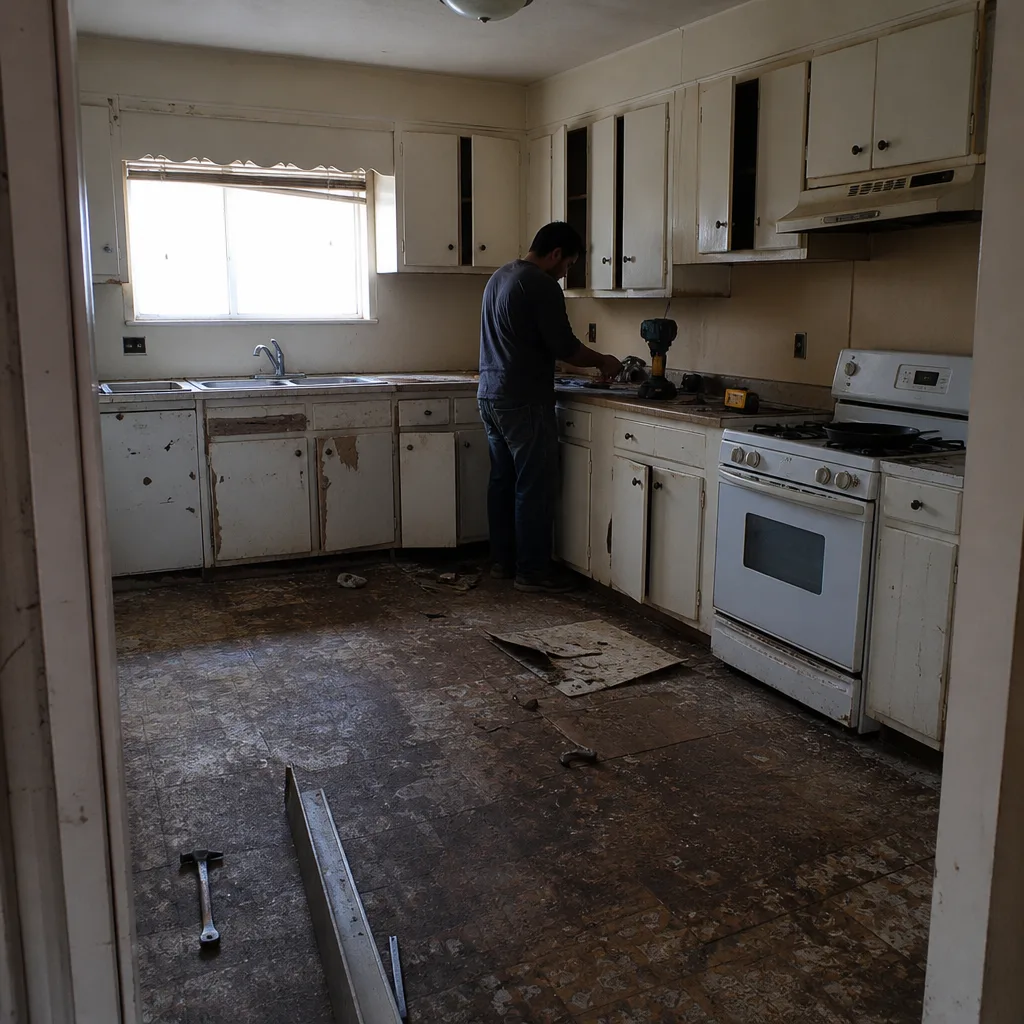 Before
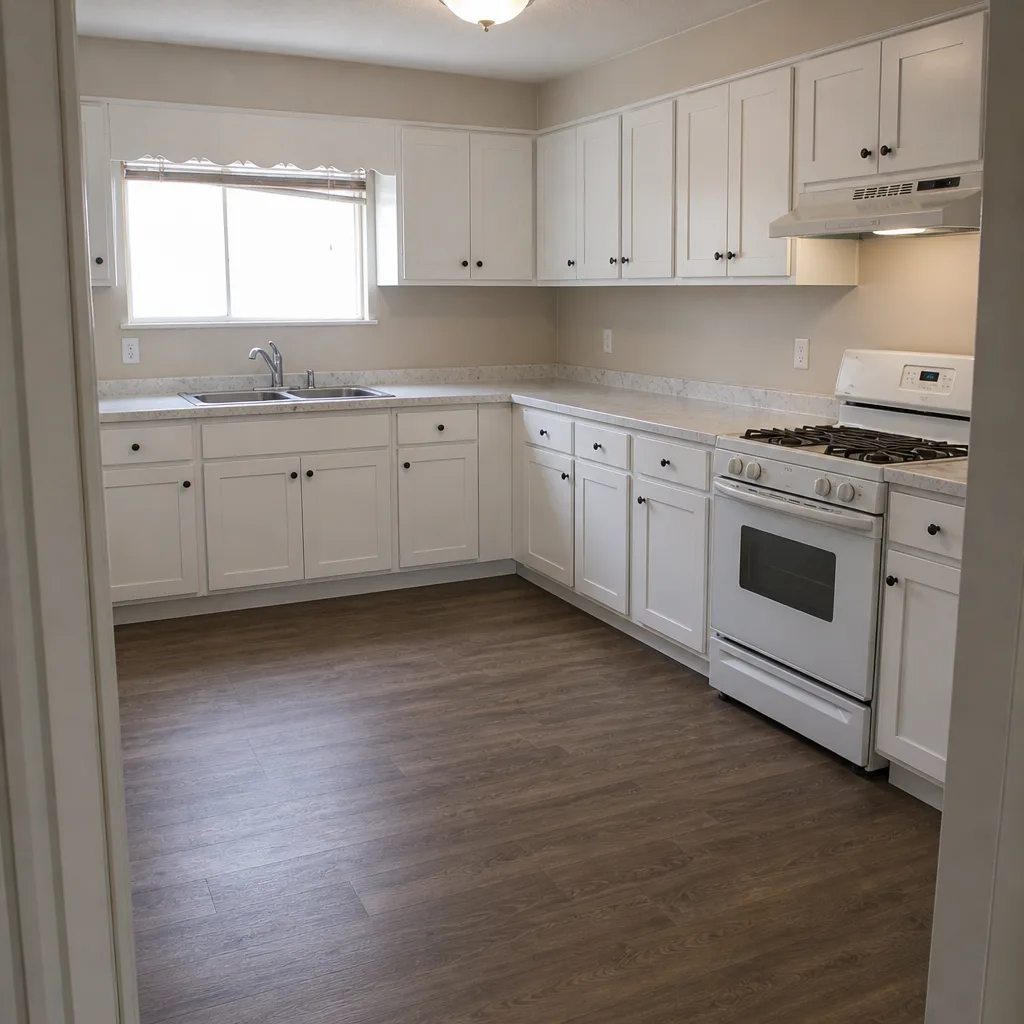 After
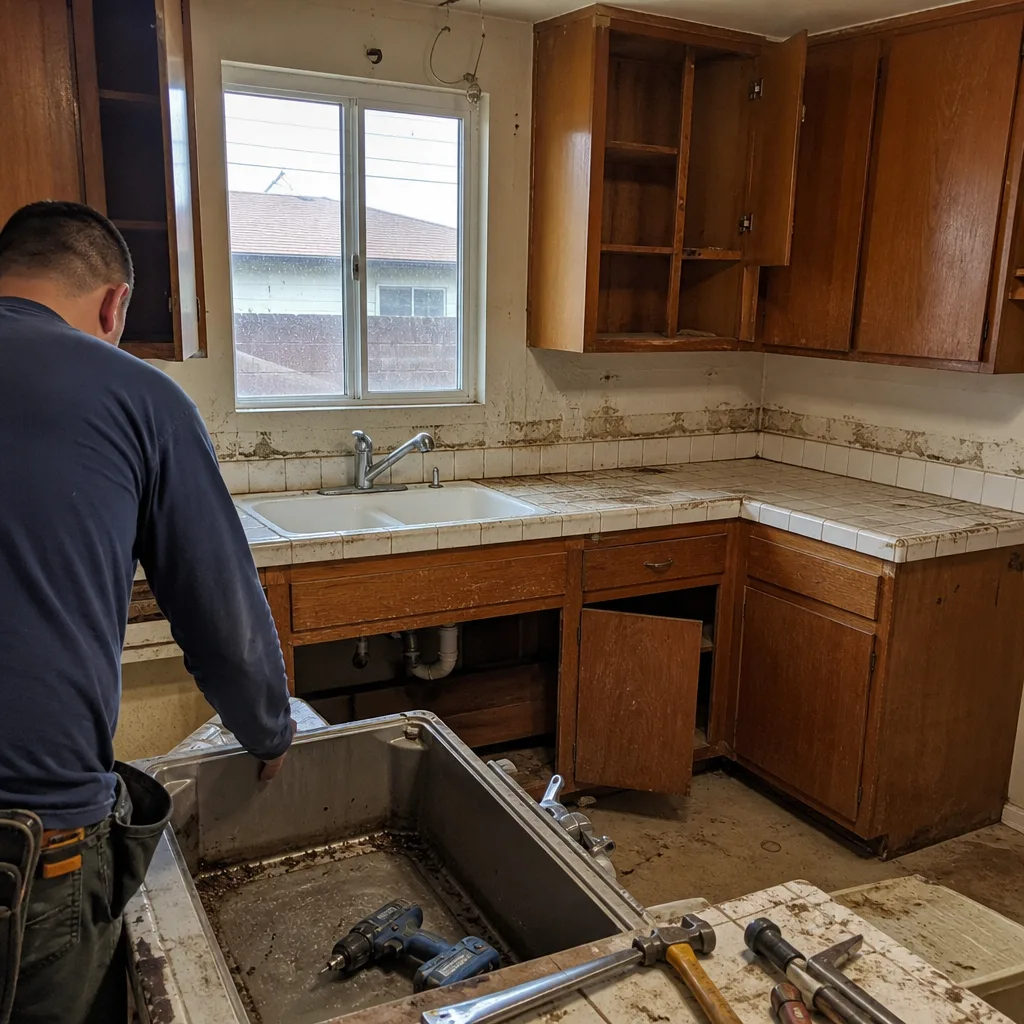 Before
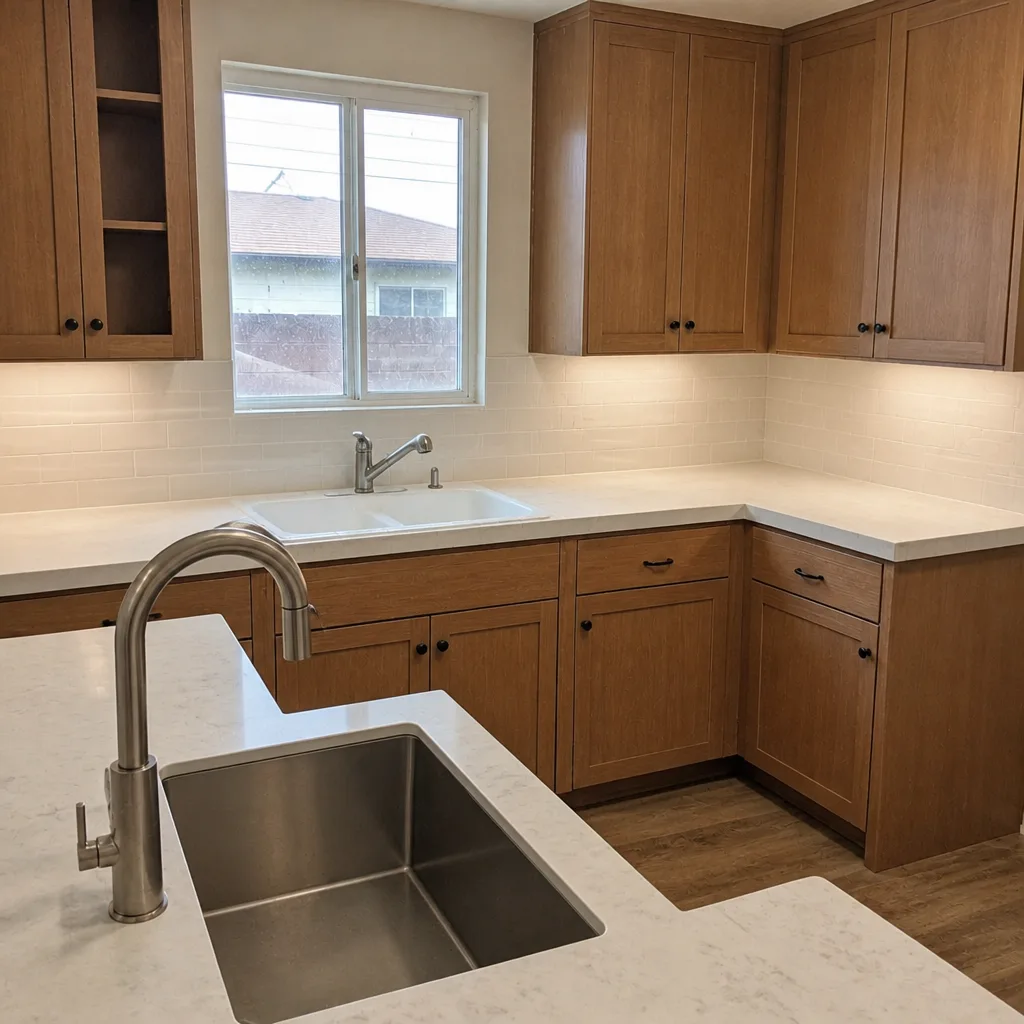 After
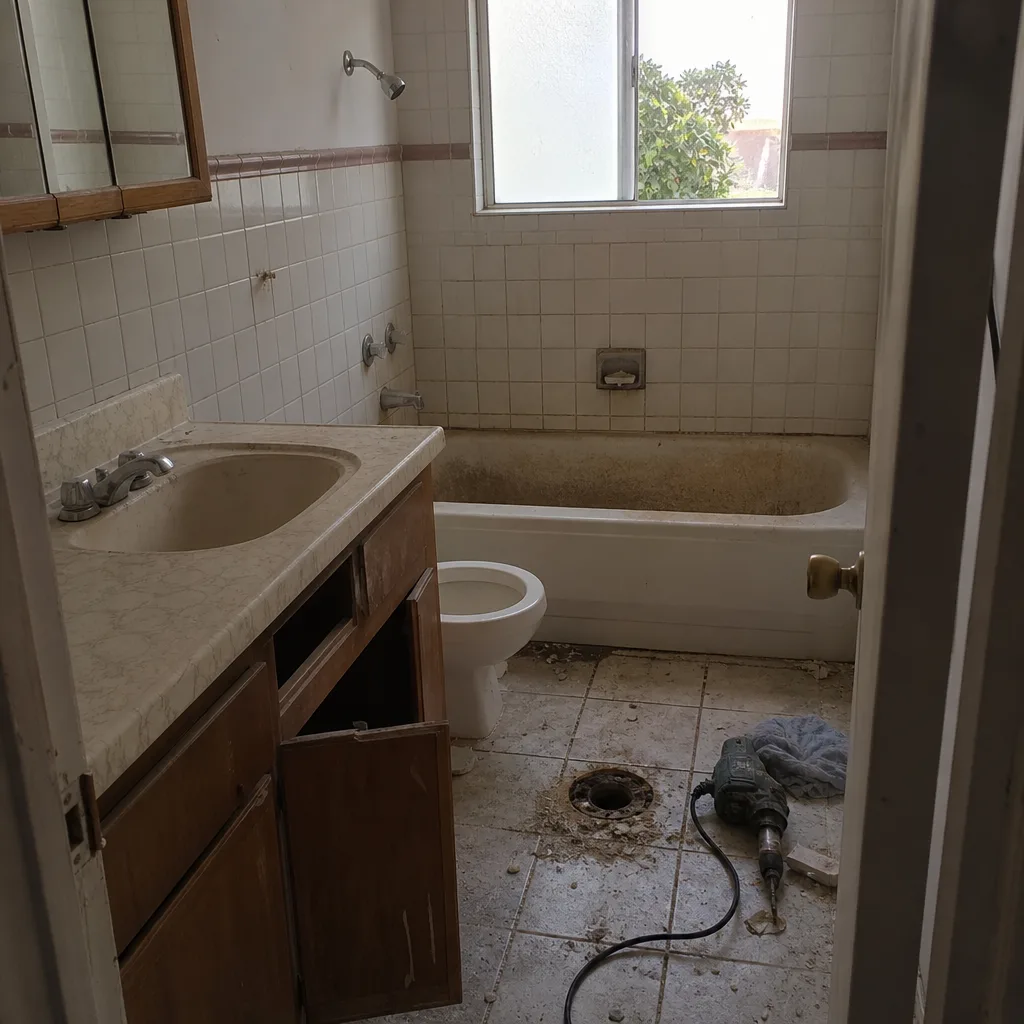 Before
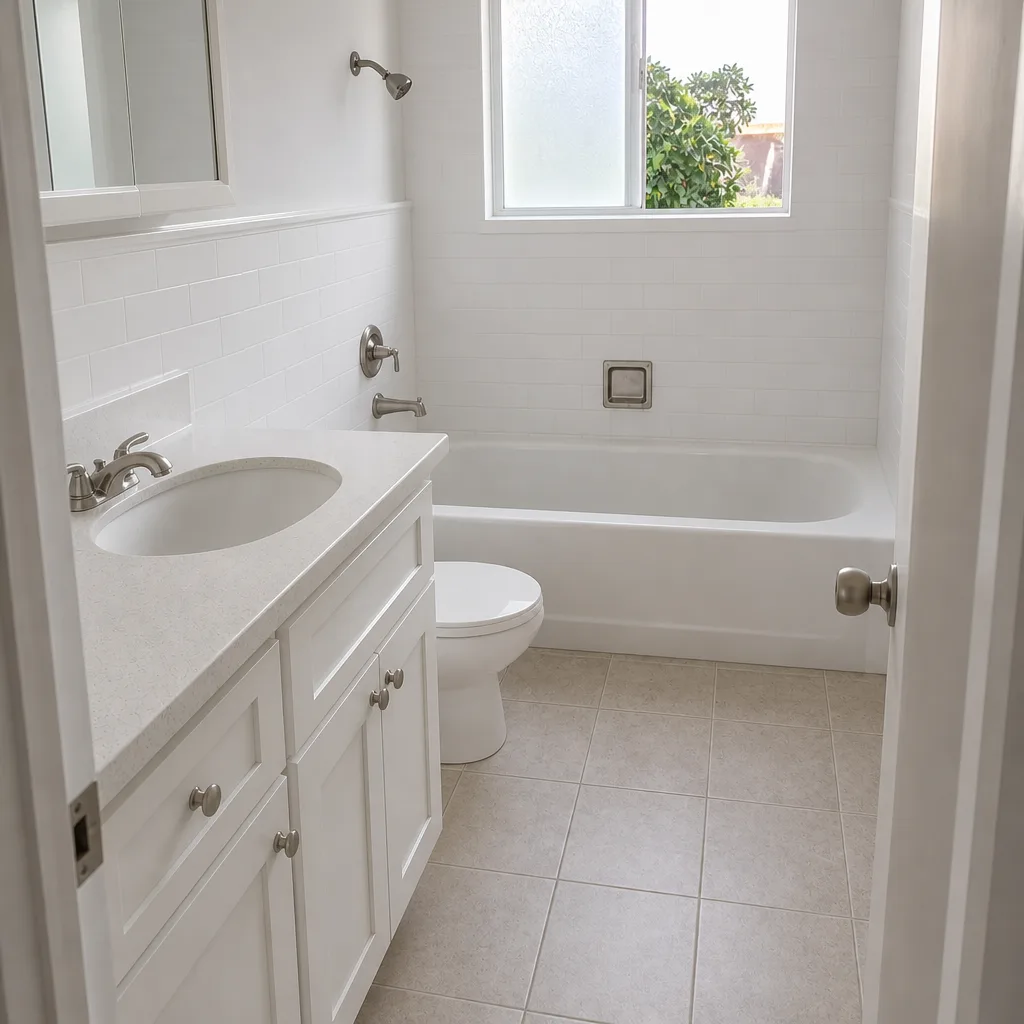 After
When to Call a Professional

Call a pro immediately if you see wood rot at a sill, a gap between the frame and the wall, or water staining on the interior drywall around a window or door – those are active leaks that get worse every rain. Call next if you’ve got fog between panes on more than one unit, a door that won’t lock, or rooms that won’t hold temperature despite working HVAC. Any of these is worth a proper inspection rather than another round of caulk. In Inglewood, our technicians have up to 12 years of experience reading exactly these signs, and we’ll tell you whether you’re looking at a repair or a replacement before you commit to anything.
Groundwork Construction Co. of Inglewood offers free estimates in Inglewood. Call (833) 842-7204 for an upfront, written quote – you’ll get a live person, 24/7, not a voicemail black hole. No-hassle upfront pricing, and the number you see is the number you pay.
If the envelope work is part of a bigger project, this may be the moment to think about the whole exterior. If you’re weighing an addition or a converted space that adds new windows and doors, our Home Additions & ADU in Inglewood page covers how we scope new openings from the rough framing up. And if you’re planning the exterior around the new windows, our Fence Installation in Inglewood and Driveway & Pavers in Inglewood pages cover the yard-side projects that finish the job.
Frequently Asked Questions
Yes. If you can see fog or water droplets trapped between the two panes of a sealed window, the insulated glass unit has failed. Normal condensation forms on the interior surface of the glass and wipes away. Fog inside the sealed sandwich can’t be reached, which means the perimeter seal has broken and the unit is no longer insulating. It should be assessed for a glass swap or replacement.
If the door sticks only in hot weather and clears in cool weather, it’s likely thermal movement or a settled frame. If the door has never sat right since it was installed, or if it’s suddenly hard to lock across all seasons, get the opening measured. A door that sticks and a door that won’t lock are two different problems, and either deserves a look before you trim the slab.
Not automatically. One failed seal on a plumb, square window can often be fixed with a glass replacement. But if the failure is at the frame, or if a west-facing unit failed and the others on the same wall show early fog, it’s usually worth pricing them together. Seals fail in groups in the same exposure, and doing the work at once saves on labor.
Window replacement in Inglewood runs roughly $500 to $1,200 per standard unit depending on size, glass package, and how tricky the install is – with door replacements typically $1,500 to $4,500 depending on style and hardware. West-facing units needing a high-performance glass package sit at the higher end. Call (833) 842-7204 for an exact written quote – estimates are free, and the number you see is the number you pay.
A quality window with a proper install and a good glass package should last 15 to 20 years, and doors can run longer. In Inglewood’s inland coastal heat, though, west-facing units under constant sun-and-dew cycling can fail their seals in five to ten years. If your west-facing windows are fogging well before that, it’s usually a sign the original install missed a flashing or sill detail.
Not always. But windows and doors are the first place to check because they’re the weakest point in most envelopes. If a room won’t hold temperature even after you’ve ruled out the windows, it’s worth a wider look at insulation, attic ventilation, and HVAC sizing. Inglewood homes with big west-facing exposure often need better glazing plus proper attic ventilation working together.
Water gets behind the window and into the wall cavity with nowhere to drain. It doesn’t show up for a year or more, and by then it’s rot and mold behind the drywall – which is far more expensive to fix than a window install. That’s the single most expensive shortcut in window work, which is why a written workmanship guarantee is worth insisting on.
The Bottom Line
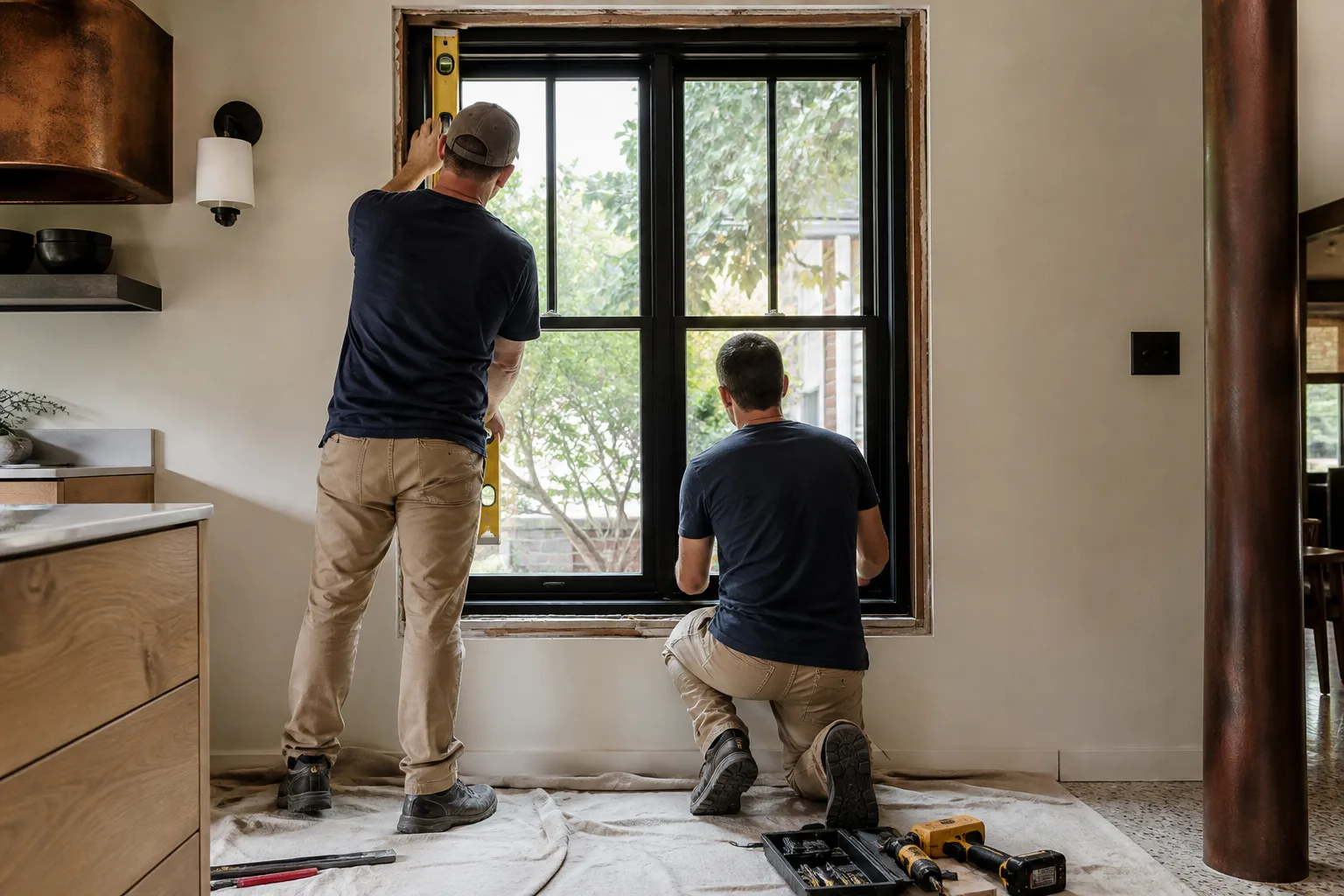
Window and door failures never announce themselves. They build – fog next to a frame, a door that locks hard in August, a sill going soft, room temperatures that won’t behave. Every one of those is a warning you can act on while the fix is small, and ignore until the fix gets big. Read the signs on the west side of your house first, because that’s where Inglewood’s sun cycle works fastest. Then get a written estimate and an itemized quote so you know exactly what you’re buying, and back it with a guarantee strong enough to hold up two years out. That’s how you spend once.
When you’re ready for a straight answer, call (833) 842-7204 for a free estimate with Groundwork Construction Co. of Inglewood. Live person, 24/7. Upfront pricing, no surprises. And a 730-Day Done Right Promise that covers the whole job, in writing.
Written by the team at Groundwork Construction Co. of Inglewood.