Last updated November 18, 2026


Free written scope consultation - allowances, timeline, and change-order rules on paper before a single trade is scheduled
How Long Does Fence Installation Take? Timelines and What to Expect
Here’s the number that blindsides most homeowners: a fence takes 1 – 3 days to build and 10 – 21 days to actually complete. That gap is where projects stall. The crew isn’t slow. The problem is everything that has to happen before a single post goes in the ground: permits, utility marking, HOA sign-off, and material lead times that nobody mentions when they quote you a two-day build. This guide maps the whole clock, not just the fun part. We’ll walk through each phase with realistic day counts, explain how Inglewood’s clay soil changes the schedule, and show you what separates a normal delay from a red flag.
Quick Answer
A typical fence installation in Inglewood takes 10 to 21 days from signed contract to finished fence. Actual on-site construction is only 1 to 3 days of that – the rest is permits, utility locating through DigAlert, HOA approval, and material procurement. Simple repairs or a short stretch of replacement fencing can move faster, while large lots, complex gates, or sloped terrain push toward the longer end.
Styles & brands we work with
- Kitchen remodeling
- Bathroom remodeling
- Home additions & ADU
- Roofing
- Windows & doors
- Driveway & pavers
- Fence
Table of Contents
- The Four Phases of a Fence Project
- Phase 1: Permits and HOA Approval
- Phase 2: Utility Locating and DigAlert
- Phase 3: Material Procurement
- Phase 4: Installation Day and Post Curing
- How Inglewood Soil and Terrain Affect the Timeline
- Normal Delays vs. Red Flags
- Your Project-Start Checklist
- Common Mistakes to Avoid
- Frequently Asked Questions
The Four Phases of a Fence Project
Every fence project runs on four separate clocks. Contractors who only talk about the installation days are hiding the first three. Here’s the full picture so you can plan around it:
- Phase 1 – Permits and HOA approval: 3 to 14 days depending on your property’s zoning and whether you’re in an HOA.
- Phase 2 – Utility locating (DigAlert): 2 to 3 business days from the request. California law requires a ticket before anyone digs.
- Phase 3 – Material procurement: 2 to 10 days for standard materials; longer for custom gates, specialty wood, or wrought iron.
- Phase 4 – Installation: 1 to 3 days on-site for most residential lots, plus a short cure window before you load the fence with anything heavy.
Run these phases in parallel where you can and the whole project squeezes toward the 10-day end. Run them sequentially because nobody coordinated, and you’re looking at three weeks. In Inglewood, where lots are tight and many properties sit near older utility easements, getting the DigAlert ticket moving early is often the single biggest factor in hitting your target date. If you’re also comparing other exterior projects, our guide to Driveway & Pavers in Inglewood breaks down how sequencing multiple hardscape jobs can save you overall time.
Phase 1: Permits and HOA Approval (3 – 14 Days)
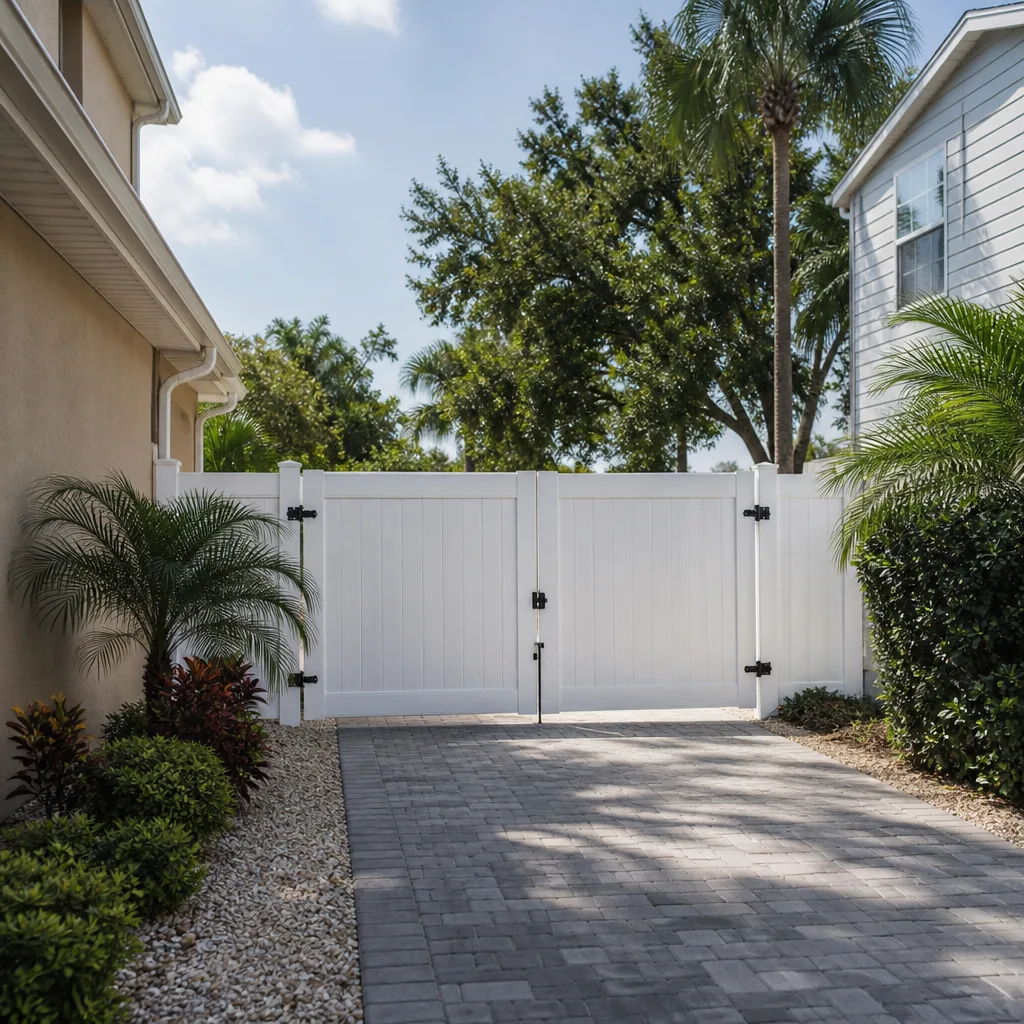
This is the phase homeowners most often underestimate. A standard residential fence in Inglewood typically sits at or below the height threshold that triggers a building permit – often 6 feet for a rear or side fence – but “often” is doing a lot of work in that sentence. Corner lots, front-yard fencing, and fences above 6 feet need a permit and sometimes a survey or site plan. Factor in a 5 to 10 day review window for a straightforward permit.
If you’re in an HOA, add another layer. HOA architectural review boards typically meet monthly, and some require a stamped drawing or a neighbor signature. Miss the meeting and you wait another 30 days. That single detail has pushed more projects than any other administration issue we’ve seen.
What you need to gather before Phase 1 even starts:
- Property line confirmation: A survey or plat map so you’re not building on a neighbor’s lot. Fence-line disputes in older Inglewood neighborhoods are common.
- HOA architectural packet: Get the application form before signing the contract, not after.
- Height and setback rules: Confirm local zoning for front, side, and rear setbacks. These differ block to block.
- Utility easement location: Some easements prohibit permanent fencing over them.
Hand all four to your contractor on day one. A crew that asks for them upfront is doing it right. A crew that skips permits entirely because “it’s just a fence” is a red flag – and one of the fastest ways to end up tearing out work you just paid for.
Phase 2: Utility Locating and DigAlert (2 – 3 Days)
Before any post hole gets dug, someone has to know what’s underground. In California, that’s not optional. Contractors and homeowners must file a ticket with DigAlert, the regional 811 call center, at least two working days before digging. Utility companies then mark their lines – gas, electric, water, sewer, telecom – usually within a couple of days.
Why this matters more than it sounds: In Inglewood, plenty of properties have old utility runs that don’t match the drawings on file with the city. A post hole in the wrong spot can clip a gas line or a private irrigation line. DigAlert only marks public utilities; private lines on your side of the meter are on you or your contractor to identify. That’s why every legit crew does a walk-through with you before marking day to ask where the sprinkler runs, the sewer cleanout, and any buried conduit are.
The DigAlert window is short, but here’s what can go wrong: tickets expire (typically after 14 days) and have to be re-filed if work hasn’t started. If your material order drags past two weeks, the contractor has to re-request markings. Good crews manage this. Overbooked ones forget, and you lose another week. Getting this phase moving on day one – while permits are still in review – is what compresses the whole timeline. Our Fence Installation in Inglewood page covers how we schedule marking around permit review to keep projects moving.
Phase 3: Material Procurement (2 – 10 Days)
Material lead time is where supply and demand can quietly wreck a schedule. Here’s what typical residential fencing runs in the current market:
- Pressure-treated pine or cedar: 2 to 5 days if local stock is available.
- Vinyl or composite: 3 to 7 days, longer for specific colors or profiles.
- Wrought iron and custom metal: 7 to 14+ days, and custom gates add another week.
- Chain link: 2 to 4 days for standard heights.
- Custom or oversized gates: 10 to 14 days is common – the frame and hardware are fabricated, not pulled off a shelf.
Two things worth knowing: order confirmation is not the same as delivery, and a contractor showing up on build day with materials they “picked up this morning” often means they bought whatever the yard had rather than what your contract specifies. Check that delivered material matches the spec before the crew unloads it. In an Inglewood market where drive times across the basin can eat half a morning, verifying delivery status the day before build day saves a cracked schedule. If your project also involves structural work, our Home Additions & ADU in Inglewood team explains how exterior sequencing works on larger builds.
Phase 4: Installation Day and Post Curing (1 – 3 Days + Cure Time)
This is the fun part, and the shortest. Most single-family residential lots in Inglewood with 100 to 150 linear feet of fencing go up in 1 to 2 days. Add gates, corners, and significant level changes and you push toward 3. Custom gates and complex terrain can add a day.
Here’s the step-by-step a professional crew follows on build day:
- Mark the line: Walk the layout with you before digging. Confirm corners, gate openings, and clearance.
- Dig and set posts: Hole depth depends on fence height and soil – typically one-third of the above-ground post height, minimum.
- Pour concrete and let it set: Standard cure is 24 to 48 hours before attaching rails, and 24 to 48 more before attaching pickets or panels, depending on mix and weather. Fast-set mixes trim this.
- Attach rails, pickets, or panels, and hang gates: This is the detailed work – layout, fastening, plumb check.
- Final walk: Gate swing, hardware, finish, and cleanup.
What you can do after build day is limited for the first 48 to 72 hours. Don’t lean anything heavy against the fence, don’t let a dog body-slam the gate, don’t load the posts. Concrete strength continues developing well past the first week, but the initial cure window is when the biggest mistakes happen.
How Inglewood Soil and Terrain Affect the Timeline
Inglewood sits on some of the trickier ground in the LA Basin for post-setting. Much of the area has expansive clay and decomposed granite mixed in with older fill, and both change how a post hole should be dug and how long the concrete needs to set before it’s safe to load.
What that means in practice:
- Expansive clay: Swells when wet and shrinks when dry. Posts set in this soil need deeper footings and, in some cases, a wider bell at the base to resist movement. That’s more time per hole and more concrete.
- Decomposed granite and compacted layers: Slower digging. Manual crews that budget a hole every 10 minutes may need two to three times that long.
- Sloped lots: Inglewood’s rising terrain, especially on the hillside pockets toward the eastern edge, means stepping fence panels up a grade. Every step adds cutting, layout, and sometimes a custom rail detail. A flat-quoted contractor who hasn’t walked the slope will be back on build day asking for a change order – or worse, building something that sags.
- Corner lots and gate placement: A gate opening needs double posts, extra concrete, and hardware that swings square. Add a day if it’s a sliding gate or a double-drive gate.
- Marine layer moisture and winter rain: LA’s coastal humidity can slow concrete curing during the cooler months. Crews working in January or February should plan on the longer side of every cure window.
In neighborhoods with older homes – the flats around Market Street, the historic pockets near downtown Inglewood – we regularly see backyard slabs, old fence stubs, and abandoned irrigation runs that have to be cut out before digging. That’s real time, and any honest estimate should account for it after a site walk.
Normal Delays vs. Red Flags
Not every delay is a problem. Here’s how to tell the difference:
Normal, acceptable delays:
- DigAlert marking runs the full 2 – 3 days. Standard.
- HOA review board meets once a month and you caught the wrong cycle. Annoying, but real.
- Material shipment slips by a day or two from the yard. Common.
- Rain on build day. Crews won’t dig in saturated clay – the hole collapses and the post won’t stay true.
Red flags that suggest a crew is overbooked or undersupplied:
- “We’ll get you on the schedule in the next week or so.” No specific date, no confirmed material order. That’s a crew that hasn’t committed to your project.
- Different materials show up than the contract specifies. A professional verifies the order before build day.
- Nobody asked about underground utilities or filed DigAlert. That is a safety issue, not a scheduling one.
- No site walk before the quote. A “quote” without a walk is a guess, and guesses become change orders.
- “We don’t need a permit for that.” Sometimes true, sometimes not – but a contractor who says it without checking is telling you they’ll skip other steps too.
- Vanished after the deposit. A deposit should be tied to a confirmable material order and a firm start date.
The pattern behind almost every red flag is the same: the crew took your deposit without locking down the two things that actually control the schedule – materials and a marking ticket.
Your Project-Start Checklist
You can’t control the yard or the weather. You can control almost everything else. Here’s what to have in hand before day one so you’re not the reason your fence slips a week:
- Property survey or plat map. Confirm where the fence goes relative to the legal line. Find it or order it before signing.
- HOA architectural packet, complete. Get it from the board, not from memory. Include any required neighbor acknowledgments.
- List of underground private lines. Sprinkler runs, pool lines, detached garage power, sewer cleanout location.
- Gate plan. Where, how wide, what type (single, double, sliding). Decide before the quote, not during build.
- Material spec agreement. Confirm the exact product, style, height, and color on paper.
- Work schedule around the build window. Someone should be home or reachable on build days, especially the layout walk-through.
- Pet and access plan. Dogs in the yard on build day are a real hazard. Plan kennel or off-site time.
Hand that list to a professional and you’ll likely hit the tight end of the timeline. Skip it and you’ll be the reason the schedule slips – which, honestly, is one of the most common causes. Our Groundwork Construction Co. of Inglewood home page lays out how our process handles each of these items so the homeowner isn’t doing the coordination work.
Common Mistakes to Avoid
- Signing before the site walk. A quote built without a walk through your yard is fiction. Slopes, stumps, old slabs, and tight gate openings all change the labor. In Inglewood’s older neighborhoods, that’s the difference between a two-day build and four.
- Waiting on HOA until after the deposit. The architectural review can run a month. File before you sign so the clock doesn’t start after your deposit clears.
- Skipping DigAlert “because it’s just a fence.” Post holes hit gas and irrigation lines more often than anyone would guess. It’s a legal requirement in California and a safety one.
- Choosing materials by price only. A cedar fence in Inglewood’s coastal moisture will outlast a bargain pine by years. Cheaper material is often a shorter fence, and the replacement timeline resets your whole project.
- Not confirming delivery in writing. “It should ship this week” is not a delivery date. Get a confirmed date from the yard before construction is scheduled.
- Overlooking slope in the quote. A contractor who quoted flat ground will hit your hillside lot and ask for a change order on build day. That’s your problem if it’s in writing, and a mystery if it isn’t.
- Assuming fast-set concrete means load-ready immediately. It cures faster, but not instantly. Give posts the time the mix calls for before attaching rails and gates.
See the difference
 Before
 After
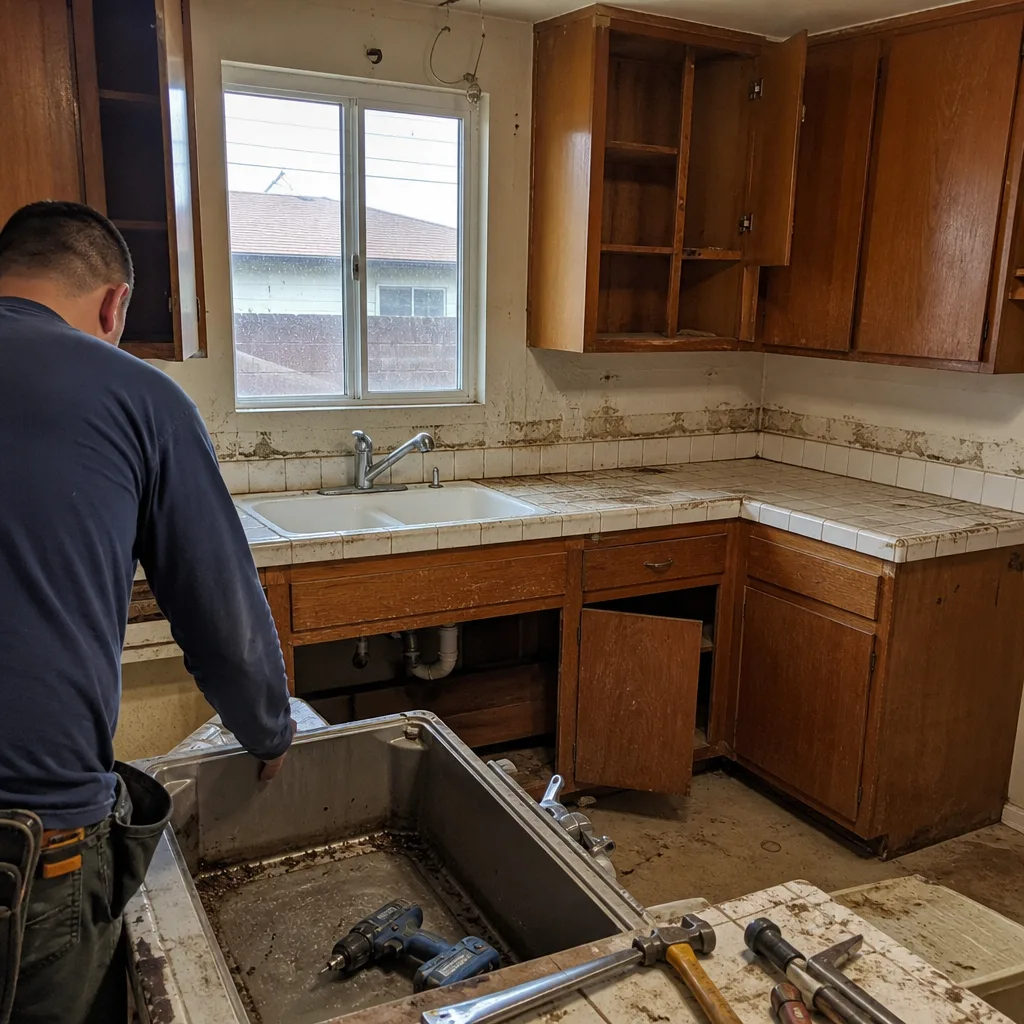 Before
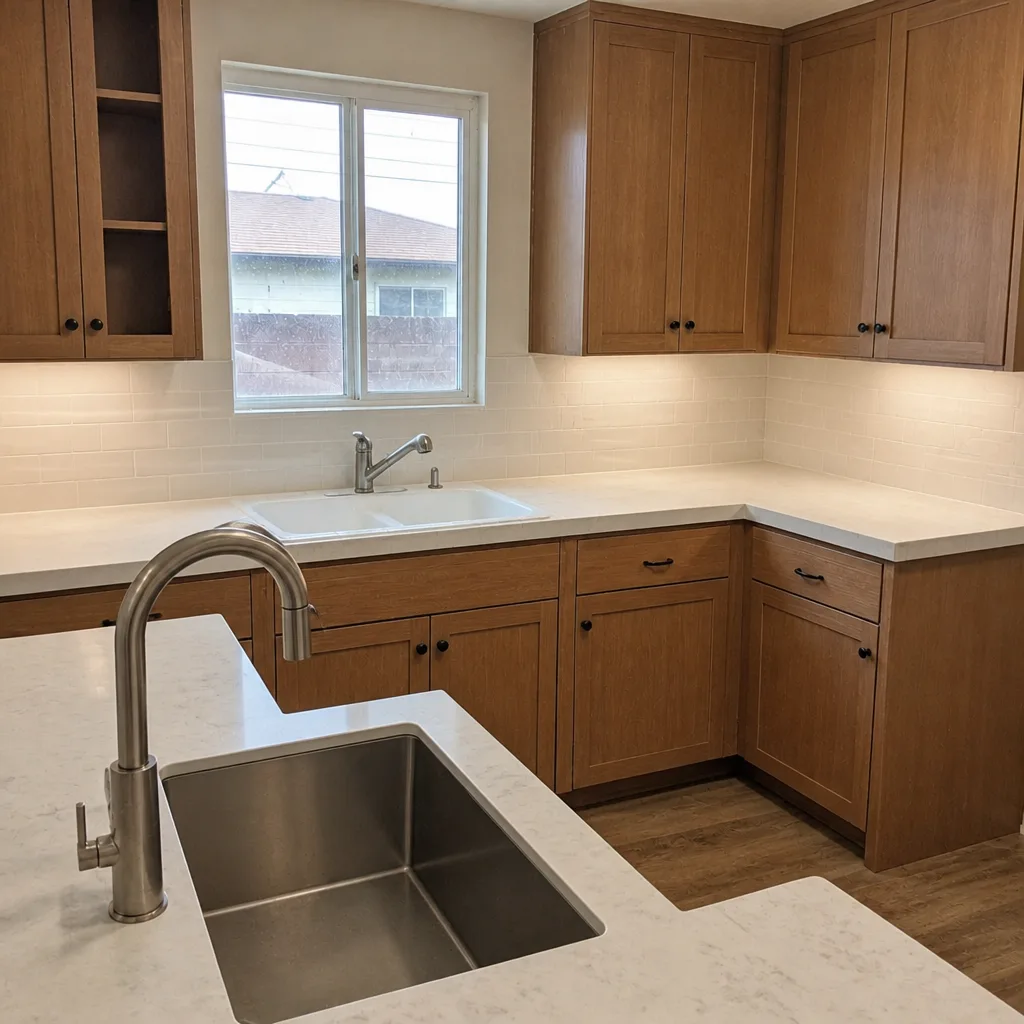 After
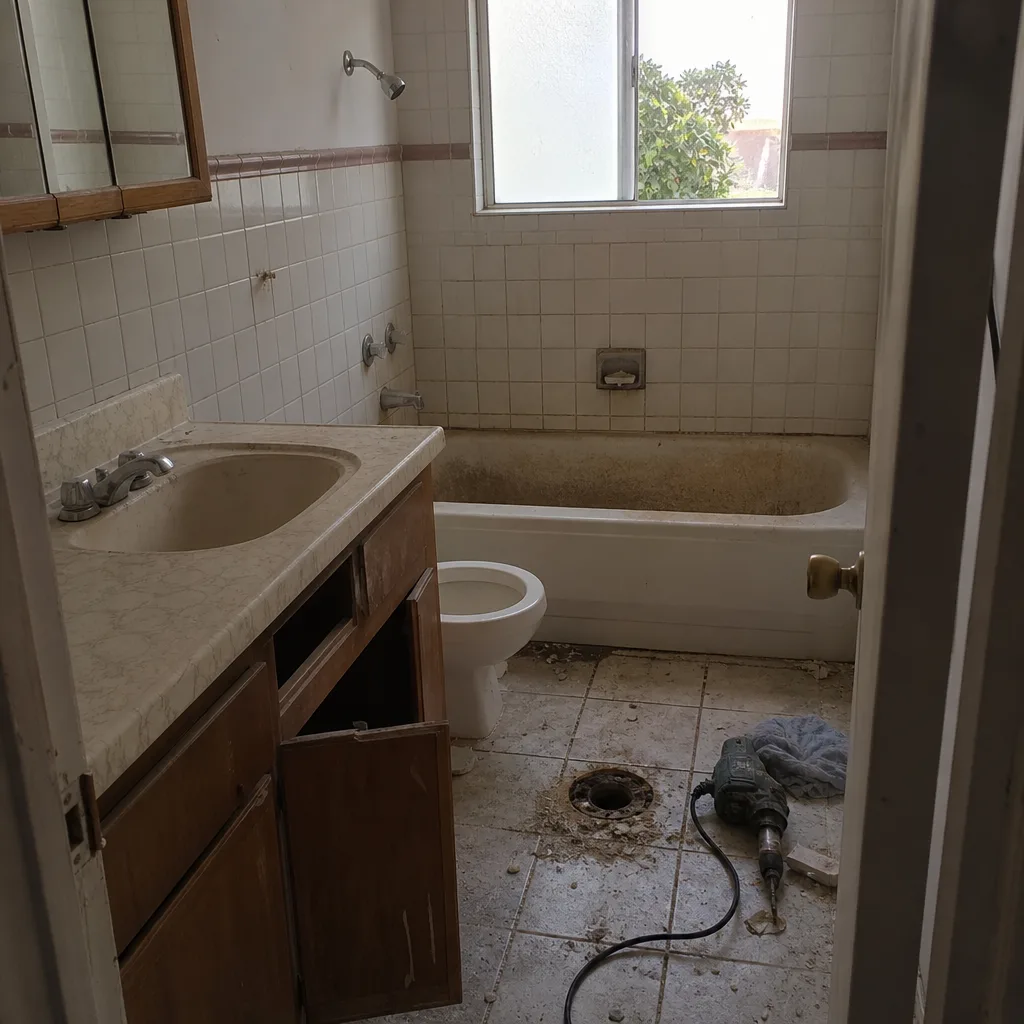 Before
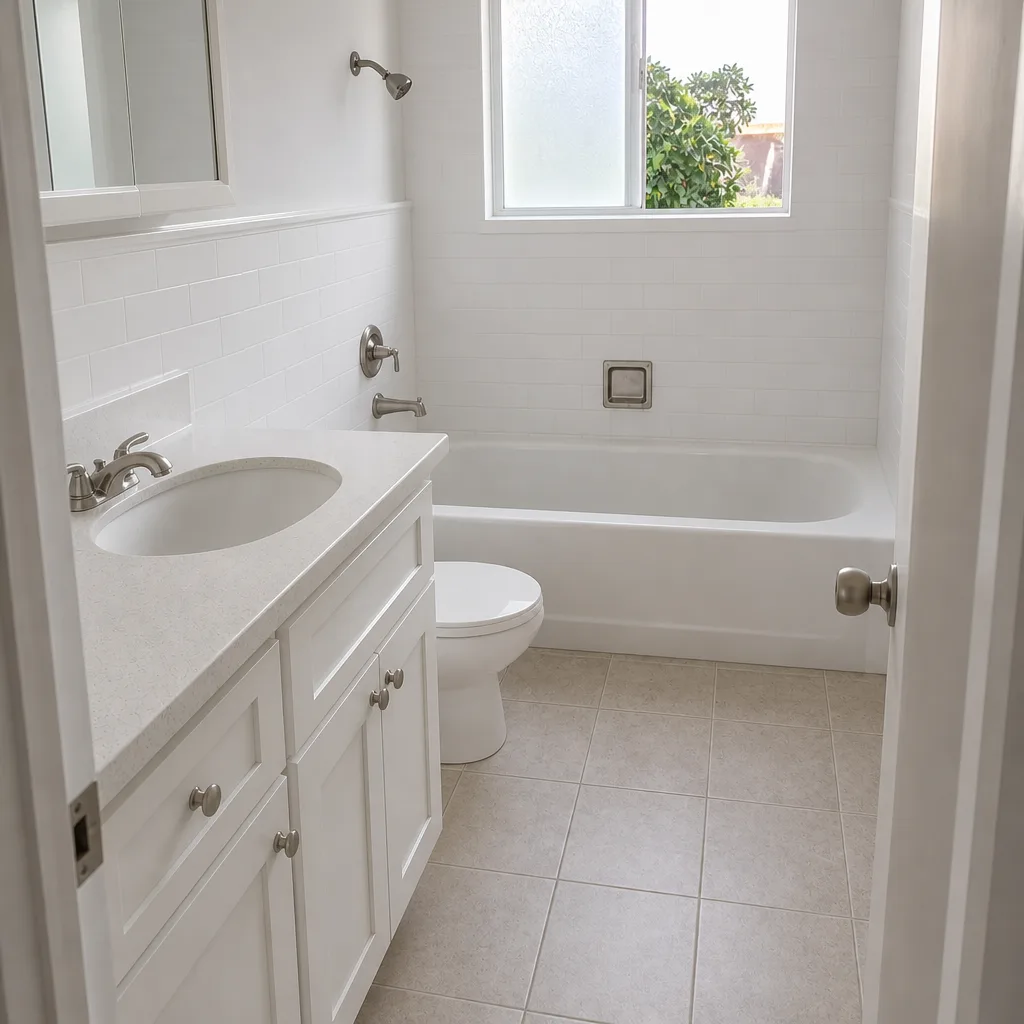 After
When to Call a Professional
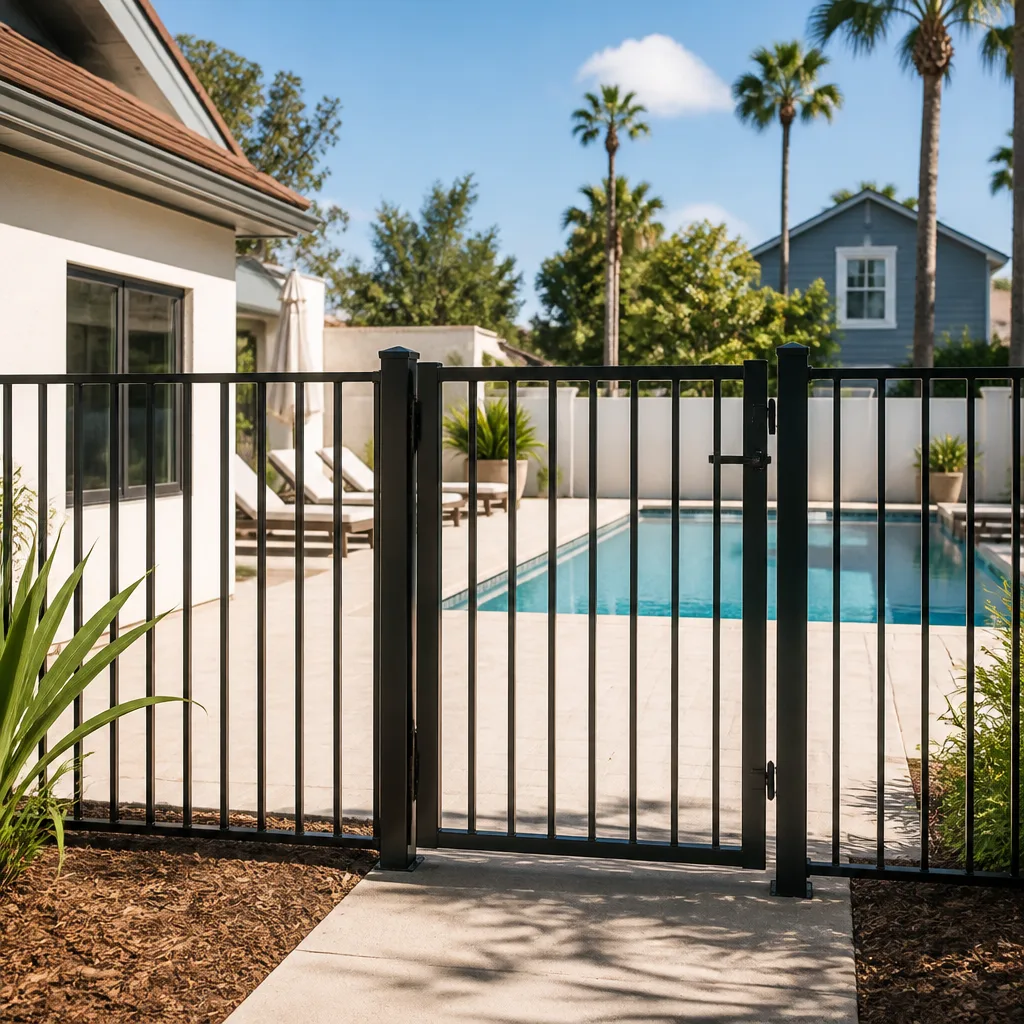
A fence installation is one of the few exterior projects where DIY is genuinely plausible – if the conditions line up. Flat yard, no HOA, short run, no utilities, no slope, standard materials. Outside of that, the complexity goes up fast. Slope and gate work on Inglewood’s varied terrain can turn a weekend build into a sagging fence within a season. Permits, DigAlert, and 24- to 48-hour cure windows on expanded-clay soil all demand experience. Add a corner lot or an HOA architectural review and the schedule is a professional’s job, not a homeowner’s evening project.
Groundwork Construction Co. of Inglewood offers free estimates in Inglewood – call (833) 842-7204. We walk the property, confirm the permit and HOA picture, and give you a line-item quote that reflects what your yard actually needs, not a template. Our technicians have up to 12 years of experience, and every project is covered by our 730-Day Done Right Promise.
Frequently Asked Questions
Most Inglewood fence installations take 10 to 21 days from contract to finished fence, with 1 to 3 of those days being active construction. The rest is permits, HOA approval, DigAlert utility marking, and material delivery. Simple repair work or short replacement runs can finish inside a week. Call (833) 842-7204 for a free estimate tailored to your property.
Because a quote for “two days” usually describes only the build days, not the permitting, utility locating, and material lead time that come first. A straight answer separates those phases with real day counts for each. If a contractor can’t tell you what happens in the two weeks before build day, ask. The answer is a preview of how the project will go.
It depends on fence height and location. A rear or side fence at or under 6 feet often doesn’t trigger a building permit, while front-yard, corner-lot, or taller fencing usually does. HOA architectural review can apply regardless of permit requirements. Confirm the current local rules for your specific property before work starts – call (833) 842-7204 and we’ll walk you through it.
Expansive clay and decomposed granite slow digging and call for deeper footings in many Inglewood lots. That means more concrete and longer cure windows – typically 24 to 48 hours before attaching rails, and another 24 to 48 before hanging pickets or panels. Sloped terrain also adds stepped layout time. An honest estimate accounts for the actual soil on your property.
For a straightforward rear-yard fence on level ground with materials in stock and no permit delay, about 7 to 10 days from contract to finish is realistic – with 1 to 2 days of that being build. DigAlert’s 2-day minimum and shipping on materials are the floor. Anyone promising a 2-day total turnaround is describing the install, not the project. Call (833) 842-7204 for a schedule that reflects your actual yard.
Some weather slows the timeline and some pauses it. Light rain usually doesn’t stop work, but saturated clay can’t hold a post hole cleanly, so crews typically wait a day or two after heavy rain for the ground to drain. Winter curing on posts also runs toward the longer side of every window. Inglewood’s coastal marine layer adds a bit of daily humidity – normal, just slower.
The Bottom Line
Budget 10 to 21 days for a full fence installation in Inglewood, not the 2 or 3 days most contractors quote. The four phases – permits, utility marking through DigAlert, material procurement, and installation – run on separate clocks, and getting them moving in parallel is what keeps your project near the short end. Lay the groundwork first: survey, HOA packet, private utility list, gate plan. Then confirm materials before build day and give post concrete its full cure window, especially on Inglewood’s expansive clay. Skip the red flags, hire a crew that gives you real phase-by-phase dates, and the build is the easy part.
Contact Us
Ready to put a date on your fence project? Fence Installation in Inglewood from Groundwork Construction Co. of Inglewood starts with a free estimate and a site walk – no guessing, no vague timelines. Call (833) 842-7204 and we’ll confirm your property’s permit and HOA picture, lock down your materials, and give you the full phase-by-phase schedule in writing. Straight answers, upfront pricing, and our 730-Day Done Right Promise on every finished fence.
Written by the team at Groundwork Construction Co. of Inglewood.