Last updated November 18, 2026
Free written scope consultation - allowances, timeline, and change-order rules on paper before a single trade is scheduled
Choosing the Right Construction Brand: A Buyer’s Guide for Inglewood
Most homeowners evaluate a contractor’s portfolio but never ask what materials are in those finished projects. Two driveways that look identical on day one can perform completely differently over five years based solely on the material grade the contractor chose to protect their margin. The same holds for a roof, a fence, or a set of windows. This guide teaches you how to read a material specification, spot a quiet substitution, and ask the questions that separate a contractor specifying for performance from one specifying for profit. Inglewood’s climate makes these distinctions cost real money.
Quick Answer
The right construction brand is the one whose specified product tier actually meets your site’s performance demands, not the one with the biggest logo in the bid packet. In Inglewood, that means matching UV-resistant, moisture-rated materials to the specific application, confirming the model or grade number in writing, and weighing the manufacturer’s warranty against the contractor’s workmanship warranty. A premium brand installed to a lower standard still fails. The written spec is where you find out which you’re getting.
Styles & brands we work with
- Kitchen remodeling
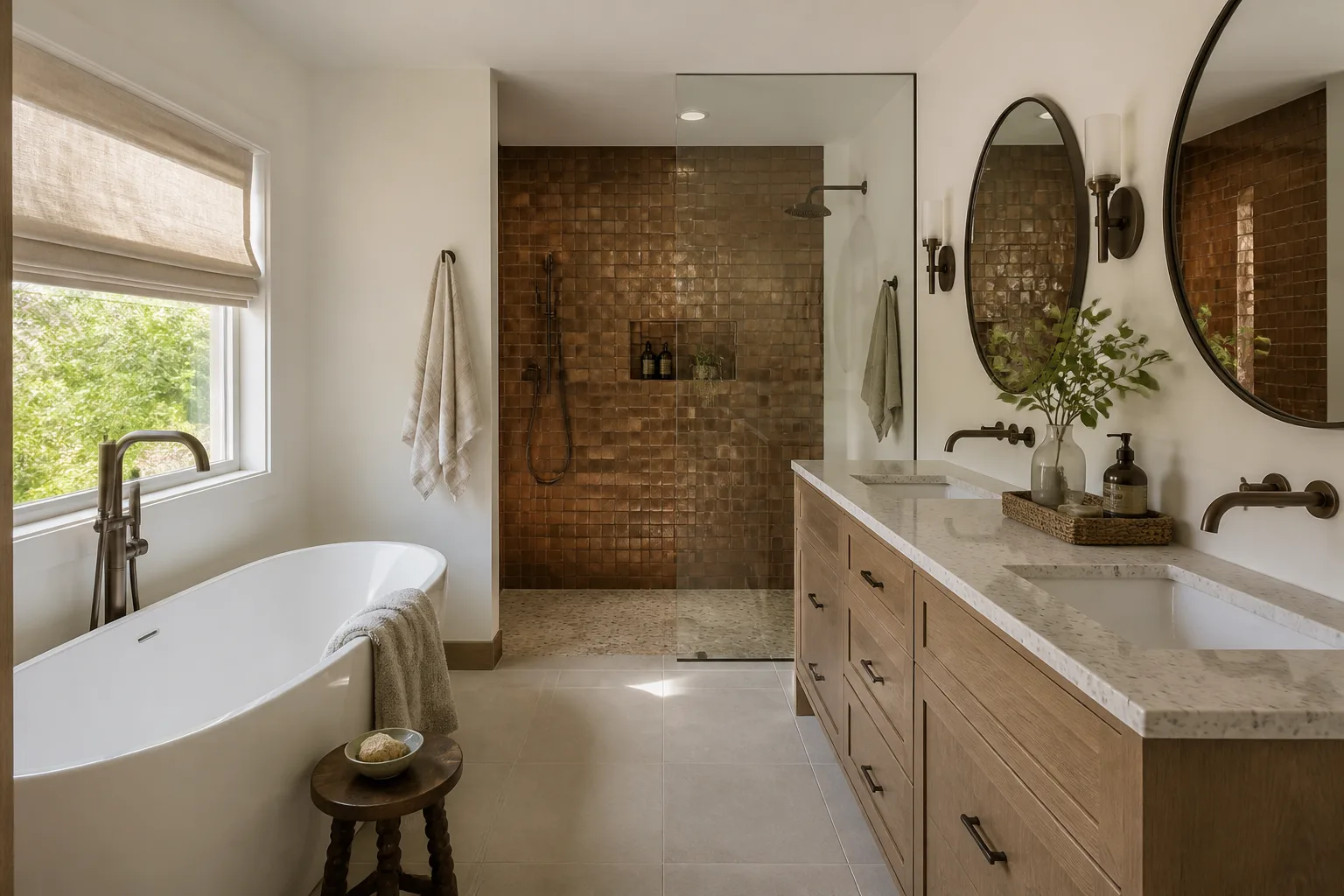
- Bathroom remodeling
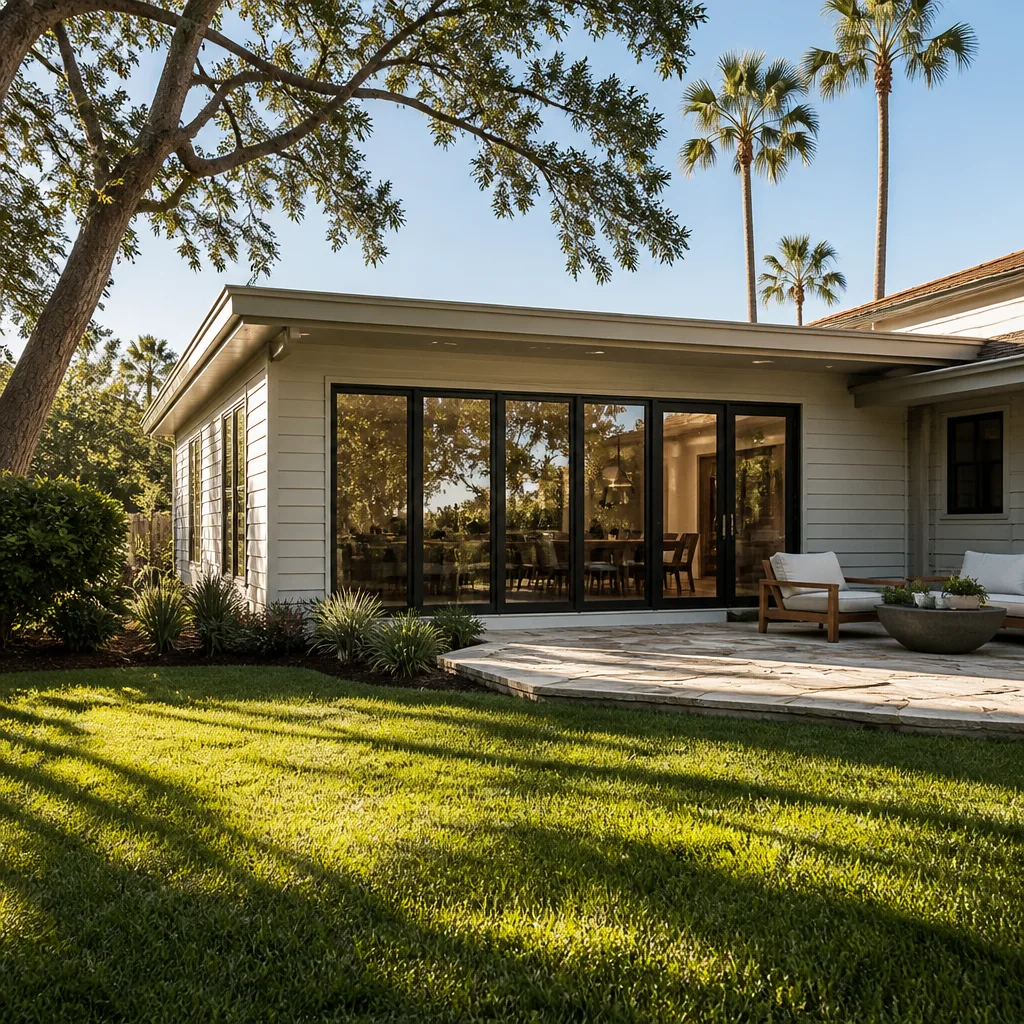
- Home additions & ADU
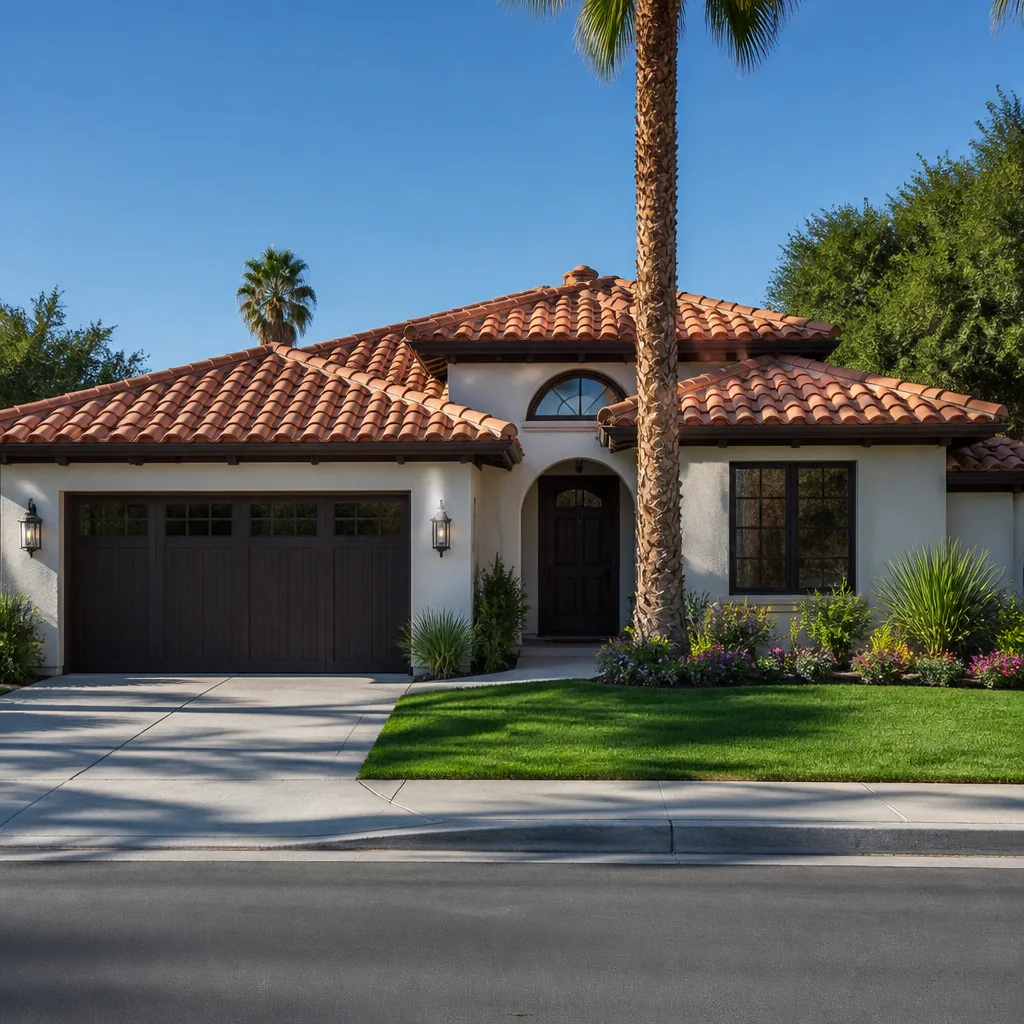
- Roofing
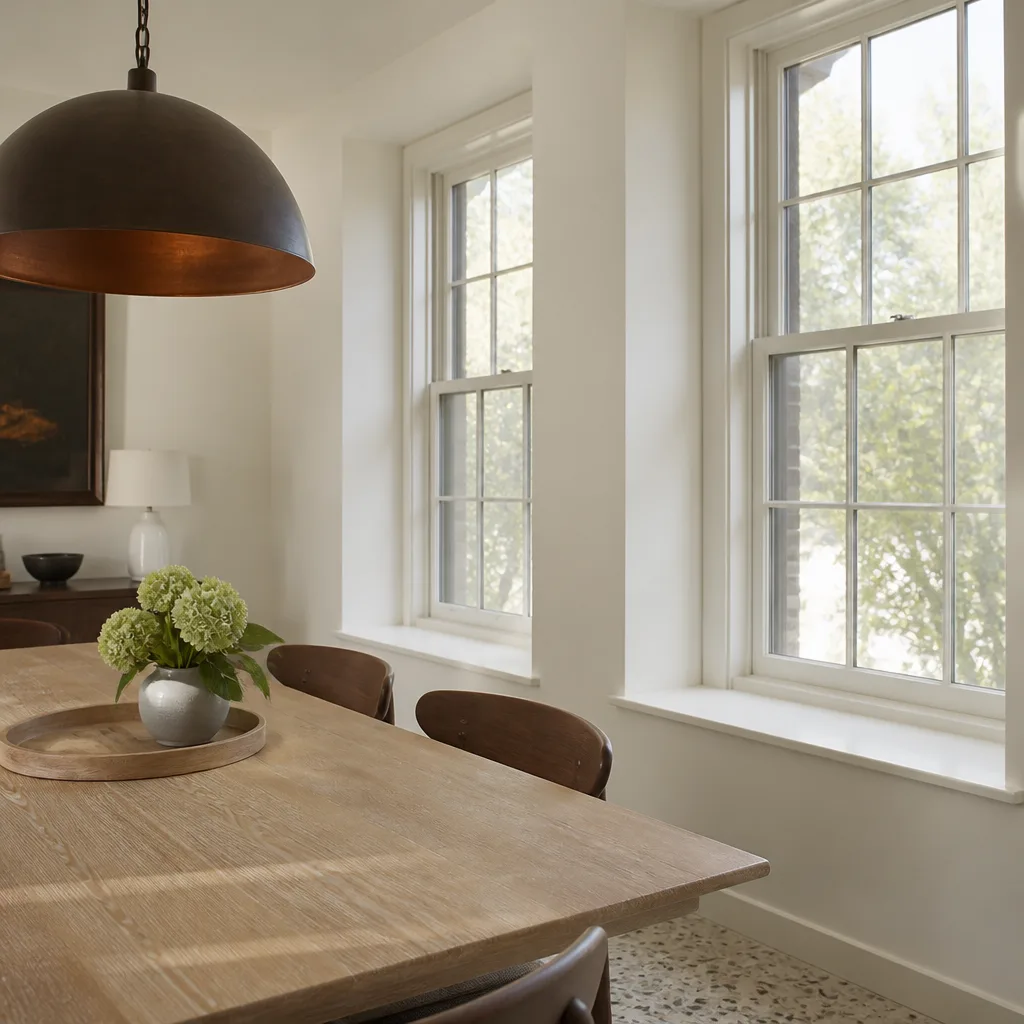
- Windows & doors
- Driveway & pavers
- Fence
Table of Contents
- Why the Brand on the Box Matters More Than You Think
- How to Read a Material Specification in a Bid
- What Inglewood’s Climate Demands From Materials
- Manufacturer Warranties vs. Workmanship Warranties
- How Brand Partnerships Affect What Your Contractor Can Source
- The Sourcing Questions That Reveal a Contractor’s Intent
- Reading Hardscape and Concrete Specs Specifically
- Common Mistakes to Avoid
- When to Call a Professional
Why the Brand on the Box Matters More Than You Think
A brand name in a bid tells you almost nothing until you know the tier. Nearly every major manufacturer sells a builder-grade line, a mid-tier line, and a premium line under the same corporate umbrella. The label on the estimate might read “national brand shingle” for all three, and the price difference between them runs 30% to 60%. The contractor isn’t lying. They’re just not volunteering which tier keeps their margin healthy.
In our experience across Inglewood jobs, this gap matters most in the parts of a home that face weather directly: roofs, exterior trim, fences, driveways, and window frames. Kitchen cabinets and bathroom fixtures get handled indoors, so they mostly survive on build quality alone. The exterior work is where the climate gets a vote, and where a downgraded product tier shows up first. A premium-tier product and a builder-grade product can look the same the day they’re installed. Five summers of Inglewood sun later, one is still doing its job and the other is fading, cracking, or shedding granules.
The practical takeaway: when you review a bid, treat the brand name as only half the specification. The other half is the model, grade, or series number. Ask for both. A contractor who can name the exact SKU or grade for each major component is a contractor who specified on purpose. One who waves at “brand-name materials” without a model number is telling you something too.
A written line-item quote removes the guesswork. When we scope a project in Inglewood, every line names the product, the tier, and the quantity, so you can compare our bid against another apples to apples. That’s how Groundwork Construction Co. of Inglewood home frames it: the number you see is the number you pay, and the spec you see is the spec you get.
How to Read a Material Specification in a Bid
Most bids are structured for a quick signature, not a close read. Here’s how to slow it down and find the substitutions before they cost you. The goal is not to catch a contractor in a lie. It’s to make sure everyone agreed to the same product before a single panel gets ordered.
- Find the product schedule. A serious bid has a line for each major component, with brand name, model or series, and quantity. If you see “roofing: as discussed” or “fence: cedar,” you don’t have a spec. You have a handshake with a price tag.
- Match brand to tier. Look up the series number. If it’s a builder-grade line, that’s fine, as long as the price reflects it and the performance suits the application. A premium-tier line at a bargain price is a red flag, not a deal.
- Check for the word “or equal.” Some bids include a substitution clause: “Brand X or equal.” That phrase gives the contractor room to swap for whatever’s on the shelf. Ask them to strike it or define what “equal” means, in writing, before you sign.
- Look for the seams between components. The most common substitution hides in the small parts: fasteners, flashing, underlayment, edge metal, adhesive. The brand name is front and center on the shingle; the flashing that keeps Inglewood rain out of your roof deck is often listed as “standard.” That’s the kind of cut that causes callbacks.
- Confirm units and thicknesses. “Tile” is a brand-neutral word. A 1-inch-thick paver and a 2.5-inch-thick paver are both tile, and the thin one will crack over a driveway faster than you think. Grade numbers on dimensional lumber, plywood sheathing, and concrete mix (PSI rating) all live in the spec. If those are blank, ask.
- Price the up-tier explicitly. If you’re considering a premium line, ask the contractor to quote both tiers side by side. The difference is often 8% to 15% of total cost. That’s the cleanest way to decide if the upgrade is worth it.
One more habit worth building: ask for the manufacturer’s cut sheet or product data sheet for each major component. These are standardized documents covering warranty, installation requirements, and performance ratings. If the contractor can’t pull them, they may not have used the product recently. If they won’t, you’ve learned something about how they handle questions.
What Inglewood’s Climate Demands From Materials
Inglewood sits within a mile of the coast’s marine layer influence, gets somewhere in the neighborhood of 14 inches of rain a year, and takes a steady dose of UV through long dry summers. That combination creates a specific set of product performance criteria, and not every brand tier steps up.
The two stresses that matter most are UV and moisture cycling. UV breaks down polymers, fades color, and cracks sealants. Moisture cycling is the wet-dry swing: rain saturates a surface, the sun dries it out, and the material expands and contracts with each pass. Materials that absorb water and release it slowly will bow, spall, or delaminate. Materials that hold up are the ones engineered for it.
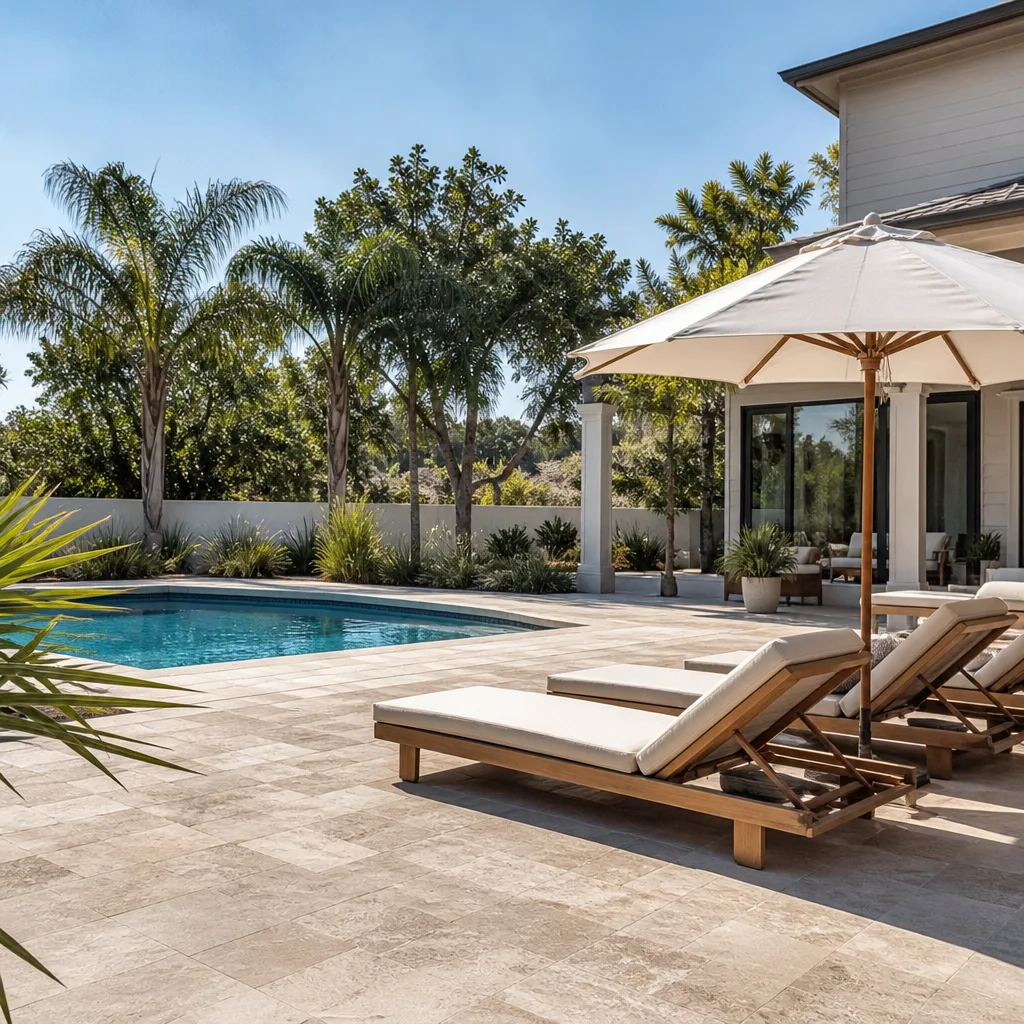
- Paver and concrete color. UV-stable pigments and a sealer rated for exterior use keep color for a decade. Cheap colorants fade toward gray in three or four summers, and the effect is uneven because Inglewood shade patterns vary block to block.
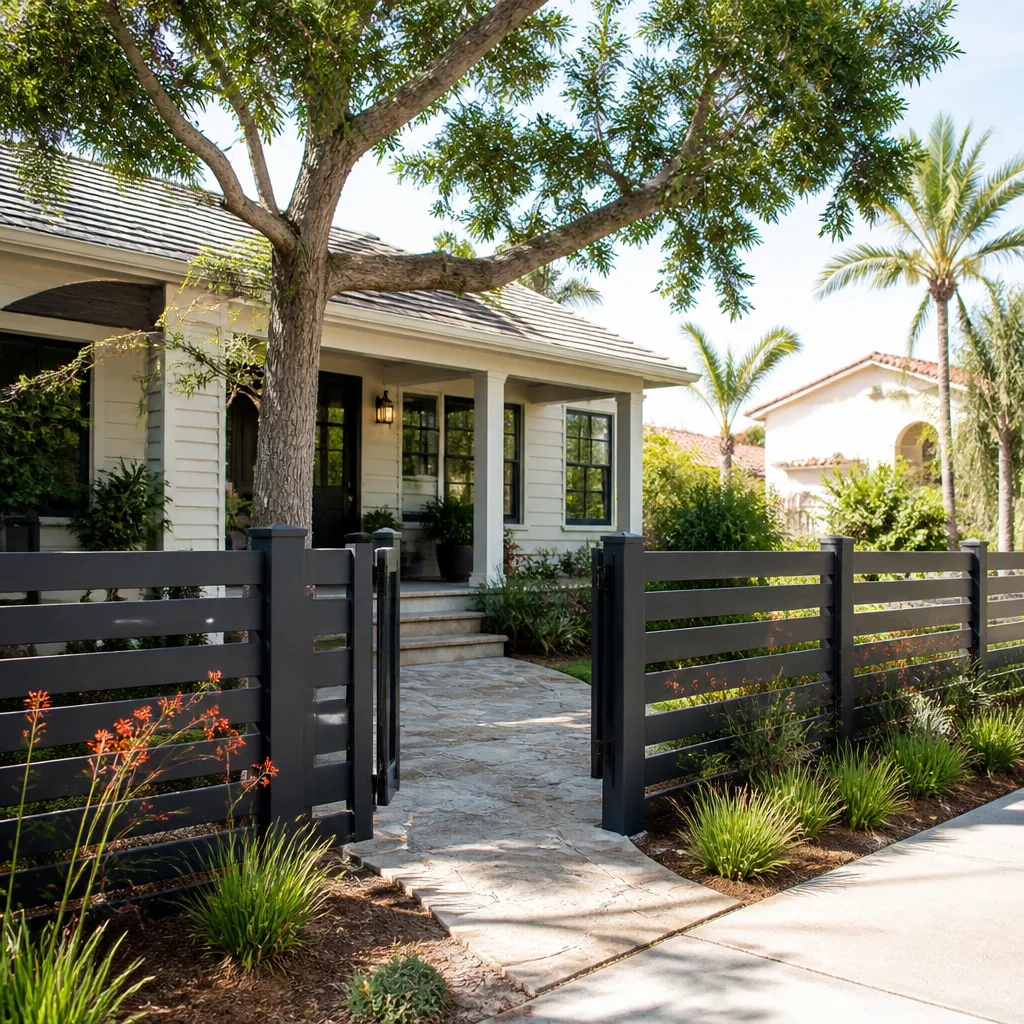
- Fence and gate materials. Pressure-treated pine dries unevenly and will warp at the top rail. Cedar holds up better but needs a quality stain. Composite and steel systems are engineered to skip all of that.
- Roofing underlayment. The shingle takes the sun, but the underlayment handles the rain. In Inglewood, a synthetic underlayment outperforms felt by a real margin on the slope-to-eave run, where water migrates before it drains.
- Window frames and gaskets. Vinyl frames in a lower-tier line can discolor; gaskets can harden and leak. Wood-clad and premium vinyl windows handle the swing better, and the warranty often reflects the difference.
The local geography adds another layer. Sloped lots and older drainage patterns mean runoff collects along certain fences and driveway edges. If the surface material isn’t water-tolerant and the base isn’t engineered for drainage, you’ll see standing water and efflorescence within a season. In Inglewood, that shows up on certain blocks where the grade runs toward the street more steeply than most.
We have that conversation on every estimate. When we scope Driveway & Pavers in Inglewood, the paver series we recommend is driven by the slope of the drive and the amount of sun it takes, not by the logo on the truck.
Manufacturer Warranties vs. Workmanship Warranties
Here’s the piece most homeowners get wrong. The manufacturer’s warranty on a product and the contractor’s workmanship warranty cover two completely different things, and the one most likely to actually pay out is the contractor’s.
Manufacturer warranties cover product defects. They cover what the factory got wrong: a shingle that fails to seal, a paver that cracks from an internal flaw, a window seal that leaks from manufacturing. They don’t cover what the installer got wrong, and the fine print almost always says so explicitly. If the roof leaks because the flashing was installed poorly, the shingle warranty will deny the claim. If the paver fails because the base wasn’t compacted, the manufacturer will deny too. Installed wrong is not the product’s problem.
That’s why the workmanship warranty is the more important document. It covers the installation: the labor, the sequencing, the prep, the details. A solid workmanship warranty holds the contractor responsible when the problem is on the install side, which is where a large share of failures live.
It should also name what’s excluded: normal wear, acts of God, damage from other trades, maintenance items. The best policies are the longest and the clearest. The 730-Day Done Right Promise covers workmanship for two full years on every project, which is one of the longest windows in the residential construction space. If a component we installed fails on our side of the line, we come back and make it right. That’s the kind of language you want to see in writing before work starts.
It’s also where Fence Installation in Inglewood gets interesting. Manufacturer warranties on vinyl and composite fencing exclude wind damage, settlement, and subsurface movement. Workmanship warranties cover the installations that caused those, if the install is the culprit. Ask which warranty you’re relying on, and make sure both documents exist.
How Brand Partnerships Affect What Your Contractor Can Source
A contractor’s relationship with a manufacturer or distributor is a real asset, and it’s also a real limitation. It’s worth learning to tell which one you’re looking at. The question is what they have reliable access to, at what tier, and on what lead time.
Established partnerships give a contractor three things: access to premium lines that aren’t always on the shelf at a big-box store, better pricing on volume, and a direct line for warranty claims and defect resolution. A contractor with real partnerships can name their suppliers, quote a lead time, and get a replacement part in days instead of weeks. A contractor without them is shopping the same aisles you are, just with a truck.
The limitation cuts the other way. A contractor deeply tied to one brand may specify that brand regardless of whether it’s the right fit. The better conversation is to ask each contractor how they select brands. Do they have a portfolio across categories, or one favorite? Can they name a second option at the same tier? In our case, the material portfolio is deliberately broad: KraftMaid and Cambria in kitchens, GAF and CertainTeed on roofs, Andersen and Marvin for windows, Belgard for hardscape, James Hardie for siding. That’s because no single brand dominates every trade, and a contractor specifying for performance needs options.
Fencing is a good example. A contractor can bring Barrette, Master Halco, or Ameristar depending on the application: some are better for privacy runs, some for ornamental steel, some for custom gates. A homeowner who asks “why this brand?” learns a lot about the contractor’s reasoning. One who never asks learns only the pitch.
What you want to hear: a clear reason for the pick, a fallback option at the same tier, and a lead time quoted in weeks (not “when it comes in”). Add a project like a backyard structure or a new roof, and the spec matters even more. The Home Additions & ADU in Inglewood page covers how the brand-tier decisions scale up on larger scopes, where the material cost is a bigger share of the total.
The Sourcing Questions That Reveal a Contractor’s Intent
These are the questions that pull back the curtain. They’re not traps. They’re the natural questions an informed buyer asks, and a contractor specifying for performance will have quick, specific answers.
- “Which distributor are you buying through for this project?” A real answer names a supplier. A vague answer (“our regular guy”) tells you the sourcing isn’t locked in.
- “Why this product tier for this application?” You want a reason tied to your site: sun exposure, drainage, slope, traffic, existing structure. A reason tied only to price is not the answer you need.
- “What would you use if the premium tier weren’t available?” A confident contractor names a specific fallback at the same tier. A vague “we’d figure it out” means the spec wasn’t really designed.
- “What’s the lead time on the premium line, and what’s your backup if it slips?” This question reveals whether the contractor has done premium projects or is planning their first.
- “Which parts of the spec are you most likely to substitute, and under what circumstances?” This is the big one. Even honest substitutions get discussed in advance: “If the color series is back-ordered, we’d move you to the next color in the same series, or wait for the one you chose.” That’s a good answer.
- “Can I see the manufacturer’s cut sheet for each major component?” The cut sheet names the exact product and the performance criteria. Easy yes = easy sign.
- “Who handles the manufacturer warranty claim if the product fails?” A good contractor handles the claim on your behalf as part of the workmanship guarantee. That’s the buyer-friendly answer, and it’s the answer you want.
Pay attention to how the questions land. A confident contractor answers them in plain language. A defensive one changes the subject. The questions themselves do the sorting, and the sorting tells you which contractor is specifying for your benefit.
Reading Hardscape and Concrete Specs Specifically
Hardscape is where quiet substitutions cost the most, and where the difference shows up fastest. Two driveways that look identical the day they’re finished can perform completely differently by year five, and the fault is almost always in the spec that got cut.
The variables that matter most:
- Compacted base depth. The paver or concrete is the face. The base does the work. Driveways need a deeper, better-compacted base than patios. Sub-base depth is normally specified in inches and compaction level in a percentage. If the bid says “properly prepared base,” you need numbers.
- Concrete PSI rating. A standard driveway pour is 4,000 PSI minimum in most residential specs. Lower is cheaper. For driveway loads and Inglewood’s wet-dry cycling, the lower end is a bad bet.
- Reinforcement. Rebar or mesh, and how it’s placed, matters more than the concrete mix on a driveway. “Standard reinforcement” is not a spec.
- Paver thickness. Driveway-grade pavers are thicker than walkway pavers. Skimping here is one of the most common cuts, and it shows up as edge cracking within two or three seasons.
- Joints and drainage. Sand joints, polymeric sand, or mortar. Polymeric sand holds up better on Inglewood’s slope-to-street drives where runoff moves fast.
The brand matters, but brand on the pavers is less important than brand on the base and the joint. A premium Belgard paver on a shallow base will crack. A mid-tier paver on a well-built base will last decades. In our experience, the base and the drainage detail are where the quality almost always lives.
Common Mistakes to Avoid
- Accepting “brand-name materials” without a model or grade number. The brand is half the spec; the tier is the other half. If you can’t name the series in writing, you don’t have a spec to compare against.
- Skipping the “or equal” clause. That little phrase is the contractor’s license to swap. Ask for it to be struck or defined, especially on roofing, windows, and hardscape.
- Judging a manufacturer warranty as if it were a workmanship warranty. The product warranty denies claims when the install is at fault, which is where most failures start. Ask for both documents and read the exclusions.
- Ignoring the base and the underlayment. Inglewood’s wet-dry cycles punish shortcuts you can’t see once the surface goes down. Cheap base under premium pavers is money wasted.
- Choosing on the day-one photo instead of the year-five look. Fresh materials all look great on day one. Ask what the product looks like after several summers and how the warranty responds when it doesn’t.
- Not asking which distributor supplies the job. A named distributor plus a lead time tells you whether the contractor has a real supply chain or is shopping the same aisles you are.
- Failing to get the sub-surface spec in writing. North Inglewood drives with a slope toward the street often need a different drainage detail than flat lots. If that detail is missing, the surface will tell you about it within a year.
When to Call a Professional
Some of this evaluation you can do alone. Reading a spec, comparing warranties, and asking sourcing questions are all buyer-side work. The line to a professional comes when the answers start to depend on-site. If the bid has no spec at all, if the sub-surface details are vague, if the drainage pattern on your lot looks like it will push water toward the fence or the drive, or if you’re planning any project with significant materials cost and a long lead time, that’s the moment. Roofing, structural work on additions, and any concrete pour are not projects to run on hope and a search engine.
Groundwork Construction Co. of Inglewood offers free estimates in Inglewood. Call (833) 842-7204 to schedule yours. The consult includes a written line-item spec, brand and tier called out on every major component, so you can compare before you commit. It’s the cleanest way to know what’s actually going in.
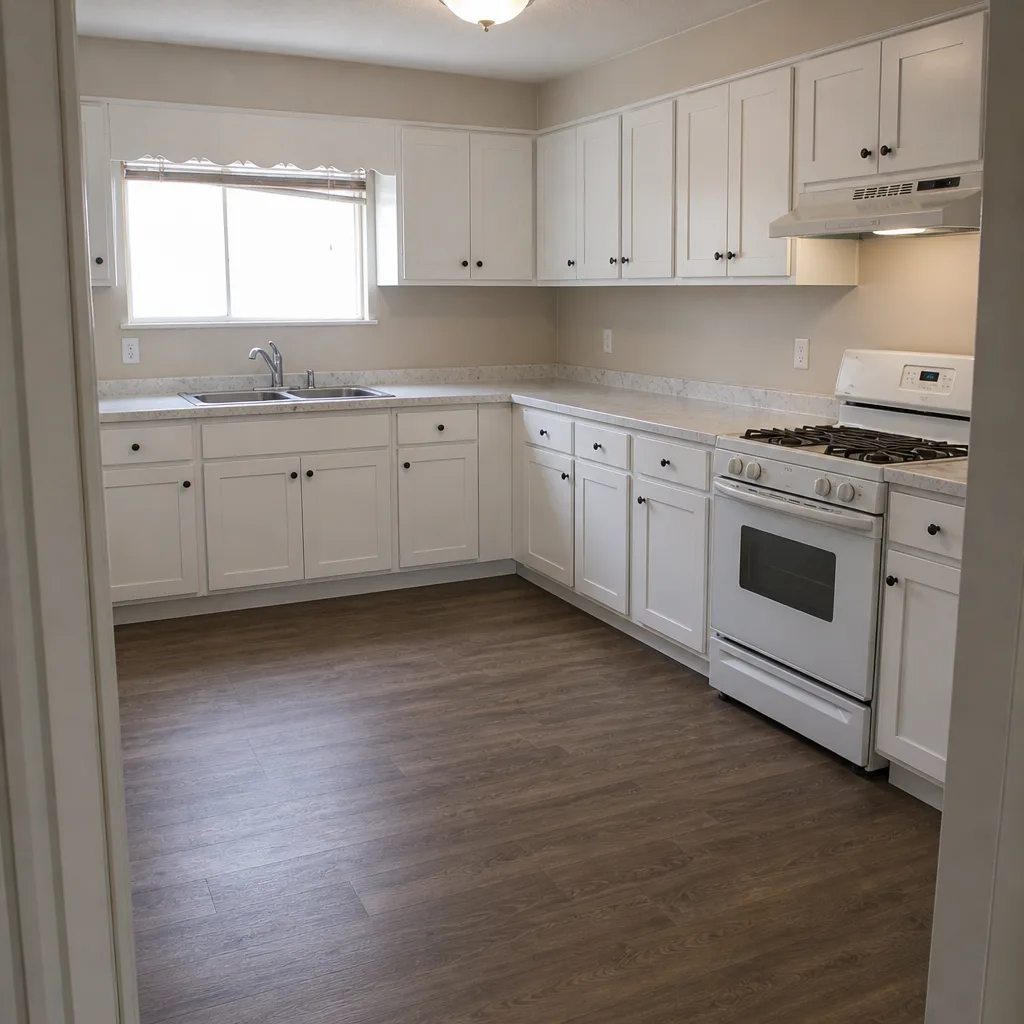
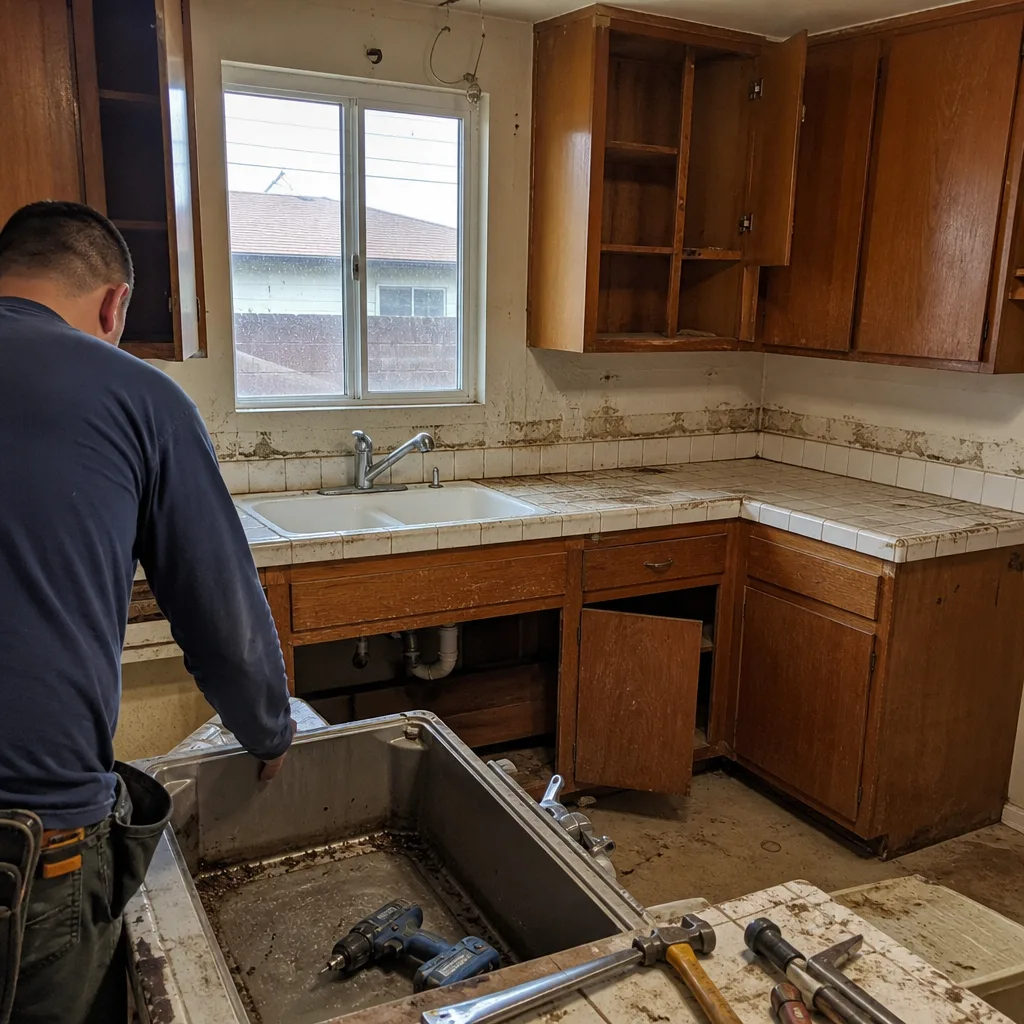
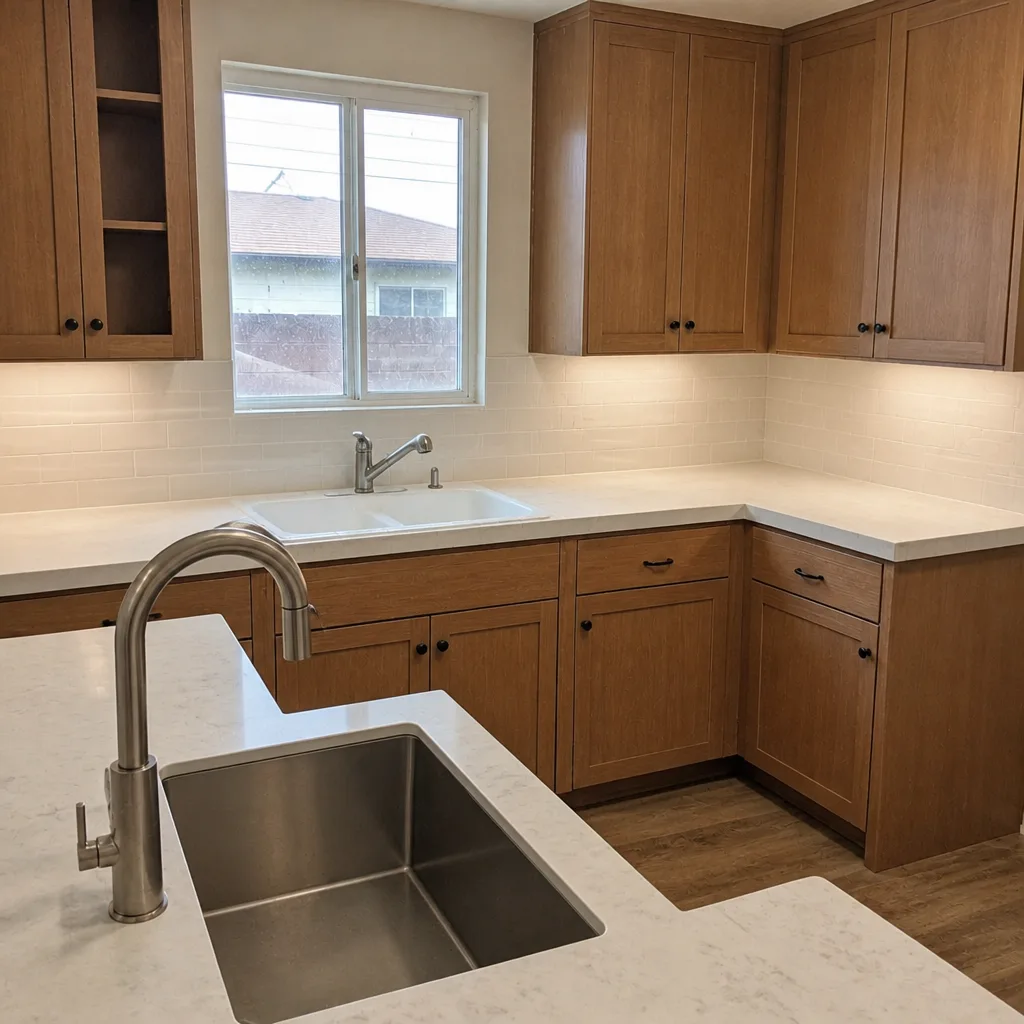
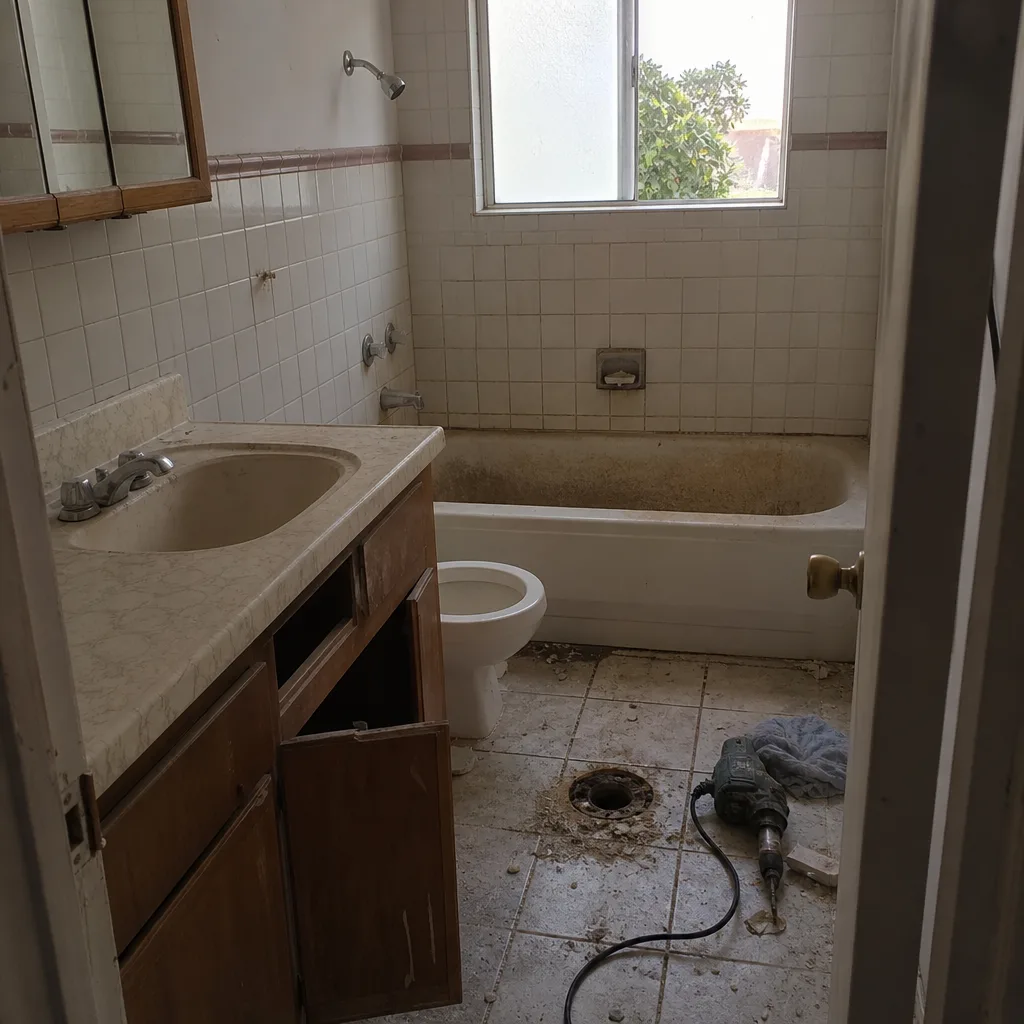
See the difference
 Before
 After
 Before
 After
 Before
 After
Frequently Asked Questions
There’s no single best brand, because the right pick depends on the trade and the specific application. On roofs, GAF and CertainTeed are strong options; on windows, Andersen and Marvin; on hardscape, Belgard; on siding, James Hardie. The more useful question is the tier: a premium line from a mid-size brand often outperforms a builder-grade line from a famous name. Call (833) 842-7204 for a free estimate and we’ll show you the exact products specified for your project.
Compare the installed product against the spec in writing, brand and model number included, before work starts. The most common substitutions hide in the small parts (fasteners, flashing, underlayment) and behind phrases like “or equal” or “standard.” A contractor who gives you the manufacturer’s cut sheet and a written spec is a contractor you can compare apples to apples. Call us if you’re unsure what to look for.
Almost never. Manufacturer warranties cover product defects, not what the installer did wrong, and the exclusions are explicit about it. That’s why the workmanship warranty is the document that usually protects you, and why a long workmanship warranty is worth real money. Our 730-Day Done Right Promise covers workmanship for two full years on every project. Call (833) 842-7204 for details.
The marine layer and wet-dry cycling stress exterior materials harder than most of Southern California, so UV stability and water tolerance matter more than in a drier inland climate. Lower-tier products fade, crack, or spall faster here. The right brand is the one whose line is engineered for the cycle. Ask any contractor how their pick performs in the cycle, not just whether it’s available.
On most residential projects, the up-tier line adds 8% to 15% to the material cost of that component, though the difference shrinks as a share of total project cost. Given the performance gap in Inglewood’s climate, it’s usually the cleanest money a homeowner can spend. Ask your contractor for both tiers quoted side by side. Call (833) 842-7204 for a free quote.
Yes, permits are pulled and inspections are passed on permitted scopes, and the schedule builds in the inspection steps so nothing slips through. Materials that require a permit check to be spec’d before the paperwork goes in. Call (833) 842-7204 to discuss your project and what permits it needs.
The Bottom Line
The brand on the box is only half the story. The tier, the model number, the base that supports it, and the warranty that backs the install matter just as much, and sometimes more. In Inglewood’s marine and dry-summer climate, the wrong tier fails on the brand’s schedule, not yours. Read the spec, confirm the model, weigh both warranties, and ask the sourcing questions that reveal whether your contractor is choosing for performance or for margin. Get it right before you sign, and the project holds up the way it should.
Written by the team at Groundwork Construction Co. of Inglewood.