Last updated November 18, 2026
Free written scope consultation - allowances, timeline, and change-order rules on paper before a single trade is scheduled
The Complete Driveway & Pavers Guide for Inglewood Homeowners
Most driveway paver failures in the LA Basin happen below the surface, not above it. You can spend top dollar on beautiful Belgard pavers and still watch them heave, settle, and crack within a couple of seasons because the base underneath was built for a different climate and a different soil. The expansive clay that runs under a lot of Inglewood is the culprit contractors from outside the area routinely underestimate. This guide covers what actually holds up on Inglewood lots: how the clay moves, what base depth it demands, which materials survive the heat and the rare cold snap, how City of Inglewood permits work, and what the work really costs here in 2024. If you’re budgeting a new driveway or replacing a cracked one, read this before you sign anything.
Quick Answer
A driveway paver project in Inglewood runs roughly $14 to $28 per square foot installed in 2024, and the single biggest factor in whether it lasts is the base: clay-heavy Inglewood soil usually needs 8 to 12 inches of compacted Class II aggregate, deeper than the standard California recommendation, plus a properly sloped subbase for drainage. Skipping that depth is why so many local driveways fail within three to five years. Get the base right and almost any quality paver will perform; get it wrong and the best paver on the market won’t save you.
Styles & brands we work with
- Kitchen remodeling
- Bathroom remodeling
- Home additions & ADU
- Roofing
- Windows & doors
- Driveway & pavers
- Fence
Table of Contents
- Why Inglewood’s Clay Soil Changes Everything
- How Deep Does the Base Need to Be in Inglewood?
- Which Paver Materials Hold Up in Inglewood’s Climate?
- The Drought-and-Rain Cycle and How Drainage Slope Prevents Failure
- Do You Need a Permit for a Driveway in Inglewood?
- What Does a Paver Driveway Cost in Inglewood in 2024?
- The Installation Process, Step by Step
- Keeping Pavers Looking Right in Inglewood
Why Inglewood’s Clay Soil Changes Everything
Inglewood sits on a mix of older alluvial soils and expansive clay, and that clay is the whole ballgame. Expansive clay means the ground under your driveway swells when it takes on water and shrinks when it dries. In a place like Inglewood, where we get long dry stretches followed by concentrated winter rain, that movement is aggressive and cyclical. A slab poured or a paver bed built on top of unstable clay gets lifted, dropped, and torqued every single year.
Contractors who work mostly in sandy or gravelly parts of the county build to a base standard that assumes the ground stays put. On an Inglewood lot, it doesn’t. We’ve seen driveways in the Morningside Park area develop a low spot near the apron within two rainy seasons because the subgrade under the base was never treated as expansive soil. The fix isn’t exotic. It’s about depth, compaction, and keeping water from pooling in the first place.
Three things about Inglewood clay drive the design:
- It moves with moisture. The swell-shrink cycle is the enemy of anything rigid sitting on top of it.
- It drains slowly. Water that gets into the subgrade stays there longer than it would in sandy soil, which keeps the clay in its swollen state and softens the base.
- It varies lot to lot. A lot near a slope or an old drainage path can behave very differently from one a few blocks away. We look at the actual site, not just the zip code.
The takeaway: on Inglewood lots, the base layer and the subgrade prep matter more than the paver brand you pick. That’s the opposite of how most homeowners budget the project, and it’s why we spend the most time talking about what’s under the driveway. For a full look at how we approach the material side, see our Driveway & Pavers in Inglewood page.
How Deep Does the Base Need to Be in Inglewood?
Standard California guidance for a residential paver driveway often cites a compacted aggregate base around 4 to 6 inches for normal soils. On Inglewood’s expansive clay, that number is too thin. For a driveway that takes vehicle loads, we typically build the base to 8 to 12 inches of compacted Class II aggregate, sometimes more on the softest lots, laid in lifts and compacted each one. That’s the difference between a driveway that rides flat for fifteen years and one that rocks and dips by year four.
Here’s the sequence that actually protects an Inglewood driveway:
- Excavate to depth. Remove the existing surface and enough subgrade to reach stable soil, not just enough to fit a thin base.
- Assess and treat the subgrade. If the clay is highly plastic or holding moisture, we address it before any aggregate goes down. Sometimes that means removing and replacing a soft layer, sometimes stabilizing it.
- Lay the aggregate in lifts. Spread the Class II base in 2 to 4 inch layers rather than one thick dump.
- Compact each lift. Plate or roller compaction after every lift is what removes the air voids the clay will otherwise exploit.
- Set the slope for drainage. Build the fall into the base itself, not just the pavers on top.
- Verify grade before the bedding layer. A laser check of the finished base catches problems while they’re still cheap to fix.
You can’t see any of this once the pavers are down, which is exactly why it’s where corners get cut. A homeowner comparing bids on Inglewood driveways will often see one number that’s dramatically lower and not understand why. Usually, the base depth is the reason.
Which Paver Materials Hold Up in Inglewood’s Climate?
Inglewood doesn’t get the brutal freeze-thaw of the mountains, but it does throw two things at pavers that thin or cheap materials handle poorly: sustained UV heat load in summer and the occasional cold snap that pushes temperatures toward freezing on winter nights. Add the clay movement underneath, and the paver has to flex a little rather than crack.
What holds up here:
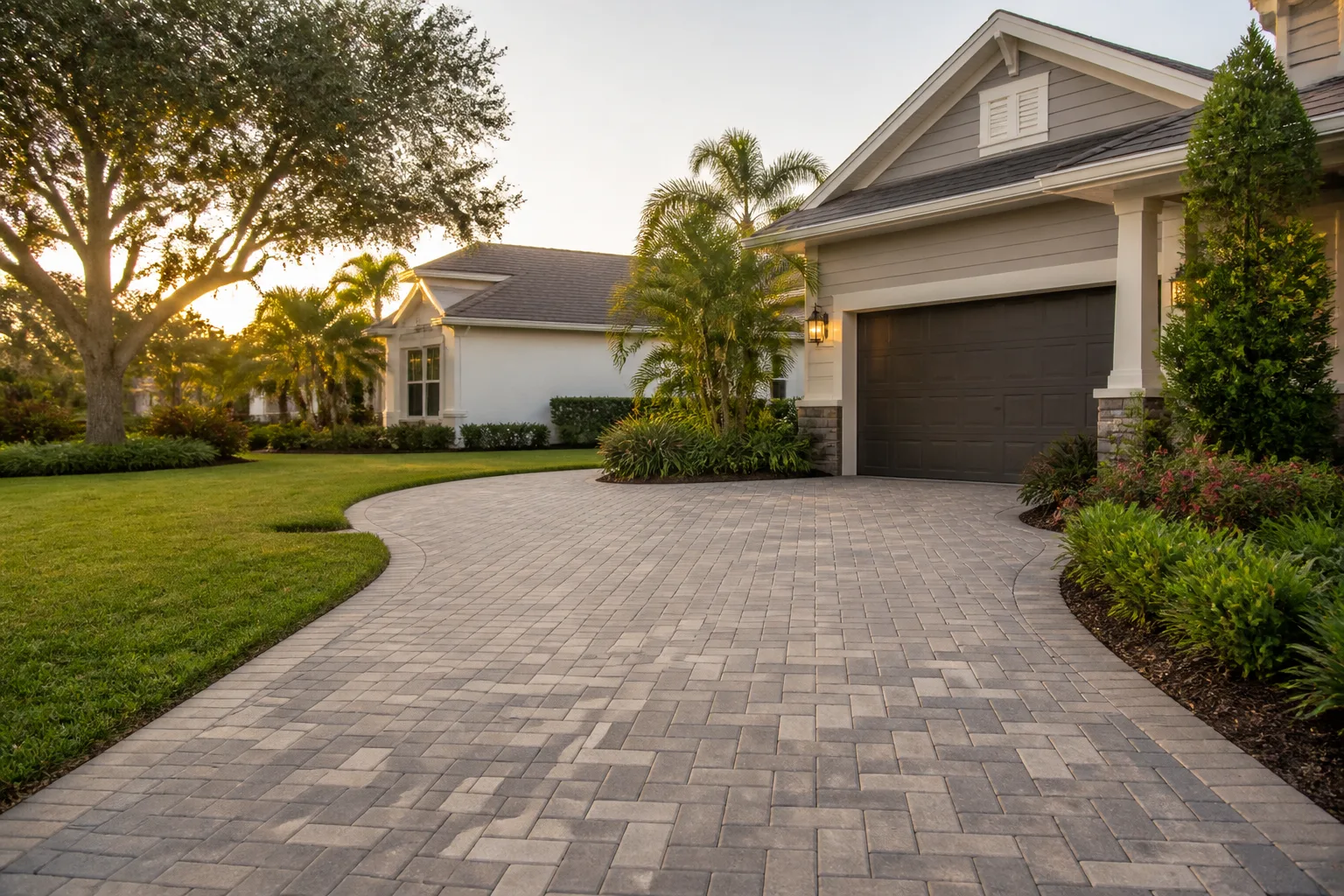
- Concrete pavers, high-density. The workhorse for Inglewood driveways. Interlocking concrete pavers with a low water absorption rating resist fading and handle the minor movement from clay better than anything rigid. This is what most of our Inglewood installs use.
- Clay brick pavers. Genuinely durable and they don’t fade, but they’re heavier, pricier, and less forgiving of a base that moves. They work when the base is built right.
- Permeable pavers. Worth considering where drainage is tight, since they let water pass into a stone reservoir below instead of sheeting across the surface. Requires a properly engineered base to function.
What we steer people away from for an Inglewood driveway:
- Thin, low-density pavers. They chip and fade fast under the heat load.
- Certain natural stone. Beautiful, but some varieties are porous and stain or crack under our conditions. We screen for absorption and freeze resistance.
- Stamped-overlay or veneer products pretending to be pavers. They look the part for a season and then telegraph every crack in what’s below.
Brand matters less than the spec, but quality manufacturers make a difference. We install products from partners like Belgard because the color and density hold up and the supply is consistent, which keeps a project on schedule. If you’re weighing paver material against other upgrades on your property, our Fence Installation in Inglewood page covers how we match hardscape and fencing so the front of the house looks like one coherent plan.
The Drought-and-Rain Cycle and How Drainage Slope Prevents Failure
Here’s the failure pattern that’s specific to our corner of the LA Basin. Through the dry months, Inglewood clay shrinks and hairline cracks open in the subgrade. When the winter rains arrive, water gets into those cracks fast and the clay swells. If the driveway doesn’t shed water properly, that water sits against the base, softens the aggregate, and the pavers start to settle and rock. The next dry season shrinks everything again and the cycle repeats, each round a little worse. Three or four of those cycles is often all it takes to see real damage.
Drainage slope is the fix, and it has to be designed in, not eyeballed after. The base and the finished paver surface both need a consistent fall away from the house and the garage, typically around a 1 to 2 percent slope, so water runs off to a proper outlet instead of standing. Where a lot is graded flat or slopes toward the house, we may add a channel drain, a dry well, or permeable construction so water has somewhere to go that isn’t the clay under the driveway.
Two checks that catch drainage problems early:
- Watch where water stands after a storm. Puddles that linger more than a day in the same spot are a sign the slope is wrong or an outlet is blocked.
- Look at the garage apron and the low edge. Water sheeting back toward the garage is the most common Inglewood drainage mistake, and it threatens the foundation, not just the pavers.
If your current driveway ponds near the garage or the street, that alone is a reason to have it looked at before you decide whether to top it or rebuild.
Do You Need a Permit for a Driveway in Inglewood?
Yes, in most cases. Replacing or substantially reconstructing a driveway in Inglewood generally requires a permit through the City of Inglewood’s Building and Safety Division, and any work in the public right-of-way, such as the approach across the sidewalk or the curb cut at the street, involves additional review through the city’s engineering side. A cosmetic resurfacing over an intact base sometimes falls outside that, but anything that changes the structure, the footprint, grading, or the street approach usually triggers a full review. When in doubt, pull the permit. An unpermitted driveway can cause trouble at resale.
What to expect from the Inglewood permitting process:
- A plan or site drawing showing the driveway footprint, dimensions, slope, and where water drains.
- Grading and drainage details if the site is sloped or the work affects how water leaves the lot.
- Right-of-way approval for any change to the curb, sidewalk, or street approach.
- Inspection milestones, including the base and any subgrade work, before the surface goes on.
We pull permits and schedule the inspections as part of the job, and we build those inspections into the timeline so a homeowner isn’t caught off guard by a stop-work order mid-project. For anyone planning a larger property upgrade that ties into the driveway, like a garage conversion or an Home Additions & ADU in Inglewood, getting the hardscape and the permitting planned together saves a lot of backtracking later.
What Does a Paver Driveway Cost in Inglewood in 2024?
For a standard two-car driveway, most Inglewood paver projects in 2024 land between $11,000 and $28,000, depending on size, material, and how much subgrade work the clay demands. National averages you’ll find online tend to run low for our area because they assume a thinner base and don’t account for LA-area labor and disposal. Here’s a realistic local breakdown:
- Concrete pavers, installed: roughly $14 to $22 per square foot, including base and labor.
- Clay brick pavers, installed: roughly $18 to $28 per square foot.
- Permeable paver systems: roughly $20 to $30 per square foot, given the engineered base and reservoir layer.
- Subgrade stabilization or clay removal: variable, and the line most often underestimated. A soft or highly expansive lot can add meaningfully to the total.
- Permits and right-of-way work: city fees plus any sidewalk or curb restoration at the street.
- Demolition and haul-off: removing and disposing of the old surface and spoils.
A driveway around 400 square feet of pavers commonly runs $6,000 to $10,000 before subgrade extras; a larger 600 to 800 square foot driveway moves into the mid-five figures once you account for proper base depth and drainage. The number you should demand is a written, line-item quote that names the base depth, the aggregate spec, the drainage plan, permit responsibility, and the paver product. That’s what our upfront pricing looks like: the number you see is the number you pay, with no change orders hiding in the fine print. Where a full rebuild is the right call, our Groundwork Construction Co. of Inglewood home page lays out how we scope hardscape work across the property.
The Installation Process, Step by Step
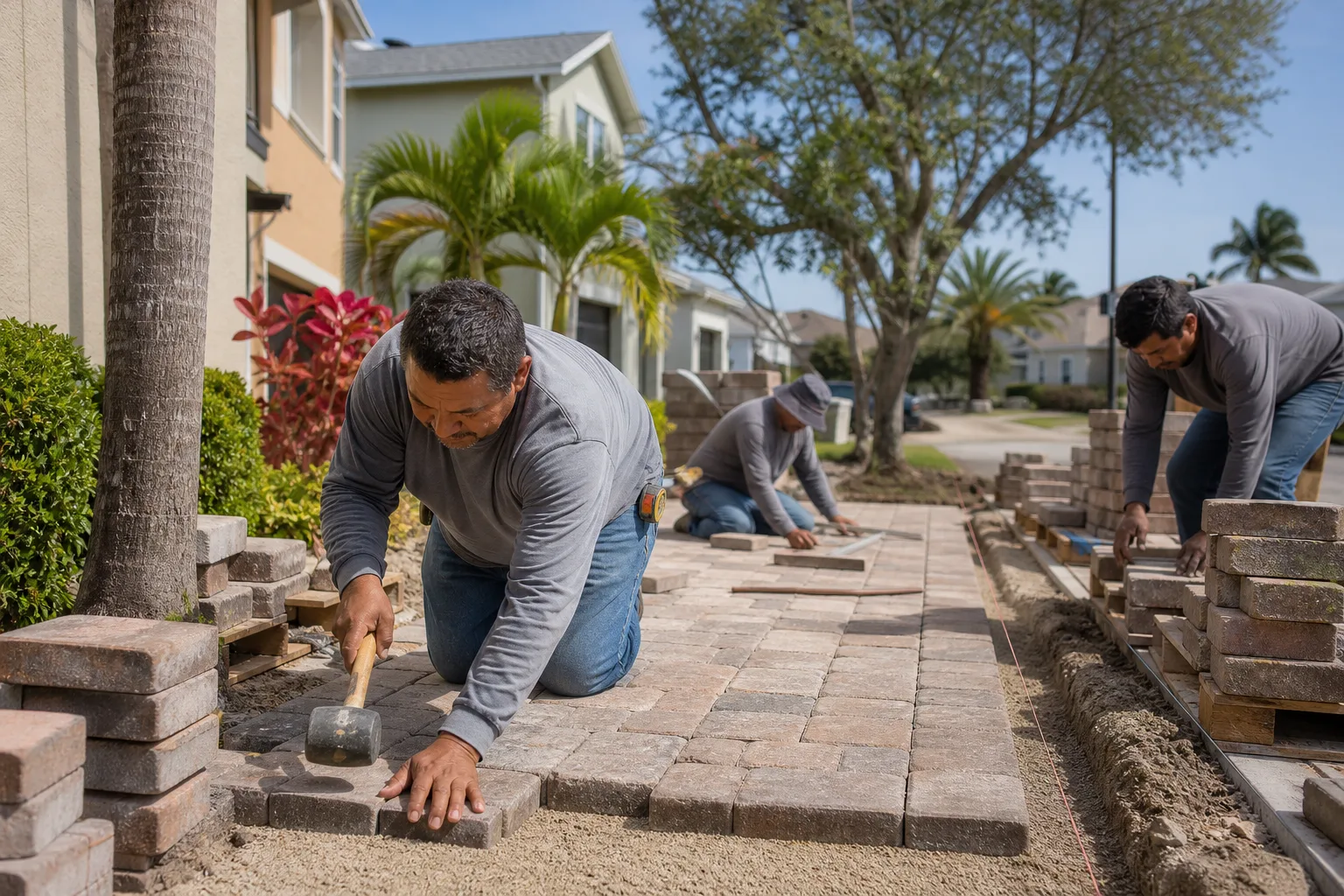
A paver driveway built for Inglewood conditions follows a specific order, and each step protects the next. Here’s how the work actually runs from start to finished surface:
- Site assessment and layout. Confirm the footprint, the drain direction, and the location of any utilities before anything gets cut.
- Permits. Submit the plan, pull the permit, and schedule anticipated inspections up front.
- Demolition. Remove the old surface and haul it off.
- Subgrade prep. Excavate to stable soil and treat the expansive clay as needed so the base has something solid to sit on.
- Base installation in compacted lifts. Class II aggregate, 8 to 12 inches, each 2 to 4 inch lift compacted and checked.
- Bedding layer and edge restraint. A thin sand or fine-aggregate bedding layer and a fixed edge restraint that stops the pavers from creeping.
- Paver installation. Set the pavers in the chosen pattern, cut clean at the edges and around drains.
- Compaction and joint sand. Compact the finished surface and work polymeric joint sand into the joints for stability and weed resistance.
- Final drainage and cleanup. Confirm water sheds correctly, run the final inspection, and clean up.
Most residential driveways take several days to a couple of weeks depending on size, subgrade conditions, and inspection scheduling. A job that skips steps four through six will look finished, and it’ll look great the day it’s done. That’s the trap.
Keeping Pavers Looking Right in Inglewood
A properly built paver driveway is low-maintenance, not no-maintenance. Under Inglewood’s sun and dry spells, a few habits keep it in shape and catch small problems before the clay turns them into big ones.
- Refresh joint sand when it washes out. Winter rain can erode the joints; refilling them keeps water out of the base.
- Clear the drainage path. Keep channel drains, gutters, and the street approach clear of leaves and sediment.
- Re-sand and spot compact after any settling. A single rocking paver means something under it moved; deal with it early.
- Seal only if needed. Sealing isn’t required for durability, but it helps with color retention and stain resistance. Avoid over-sealing, which traps moisture.
- Watch the edges and the apron. The two places most likely to fail first in Inglewood, so inspect them after each rainy season.
None of this is heavy work. The point is that a driveway built right on this soil makes maintenance the small stuff, not structural repairs.
Common Mistakes to Avoid
- Building to a thin, out-of-town base standard. Four to six inches of aggregate works on sandy soils; on Inglewood clay it’s a setup for heaving and settling within a few seasons.
- Ignoring the expansive clay under the base. Contractors who don’t deal with the subgrade are building on ground that will move under their work.
- Getting the drainage slope wrong. A driveway that ponds or sheds toward the garage invites the drought-and-rain failure cycle and threatens the foundation.
- Choosing pavers on looks alone. Thin, porous, or low-density materials fade and crack fast under Inglewood’s heat load. Match the spec to the climate.
- Skipping the permit. An unpermitted driveway or an unapproved change to the street approach can cause real trouble at resale and during any future property review.
- Comparing only the bottom-line number. The cheapest quote is usually cheaper because the base is thinner. Compare line items, not totals.
- Letting joint sand wash out. Empty joints let water into the base, and water in the base is what breaks down a paver driveway here.
See the difference
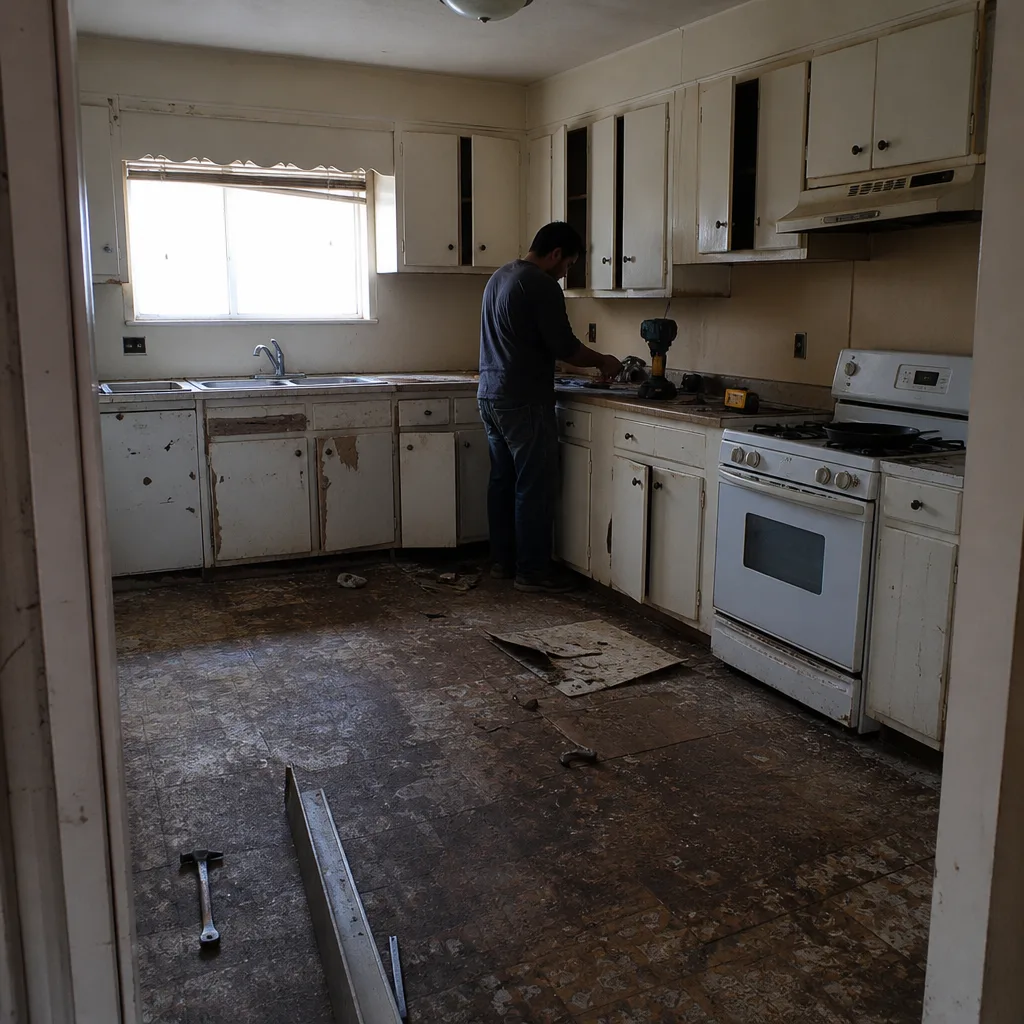 Before
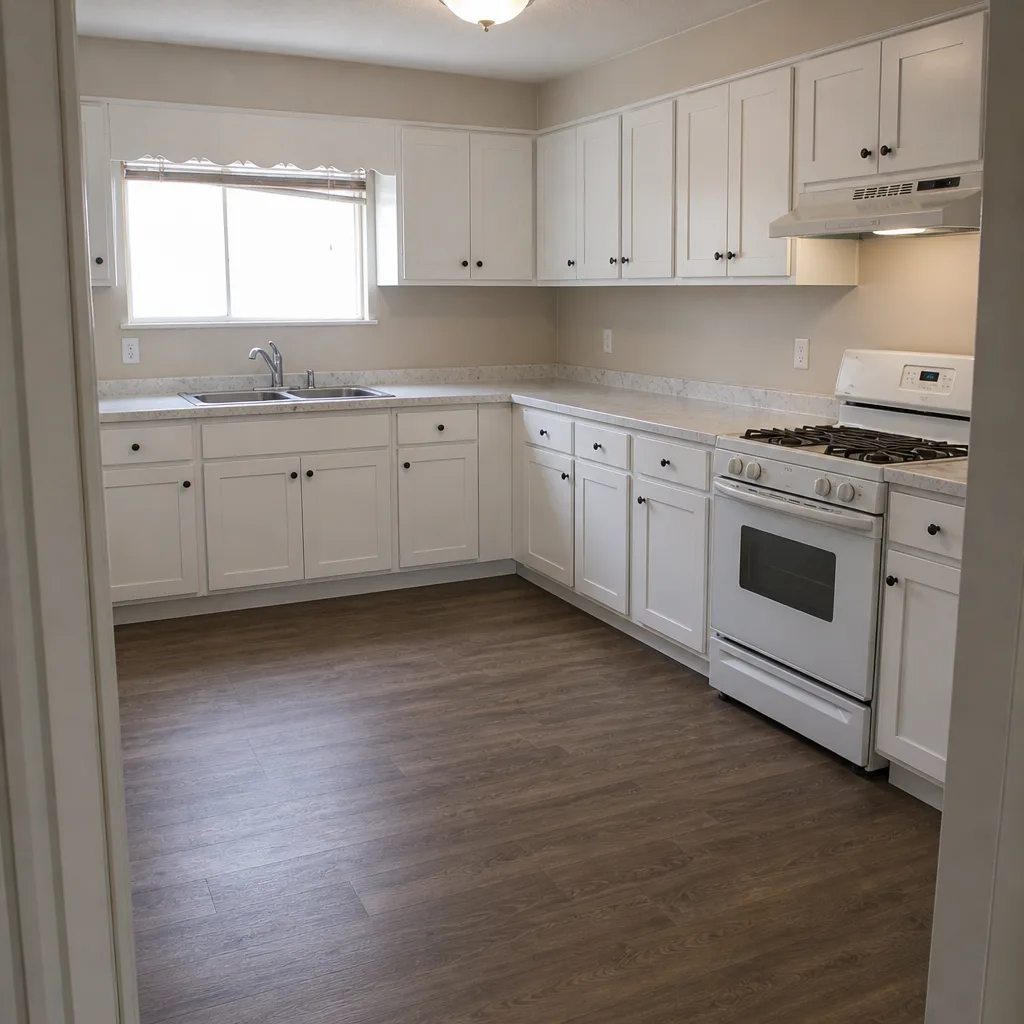 After
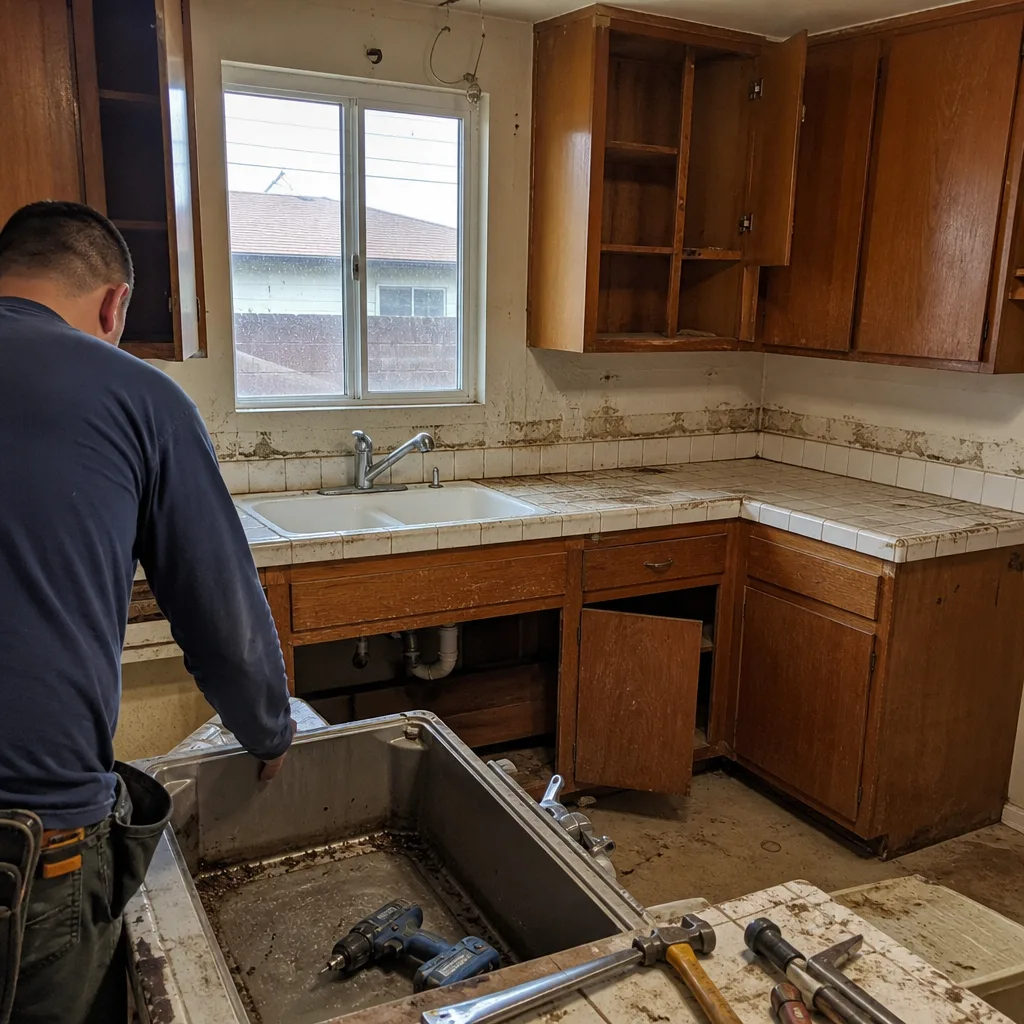 Before
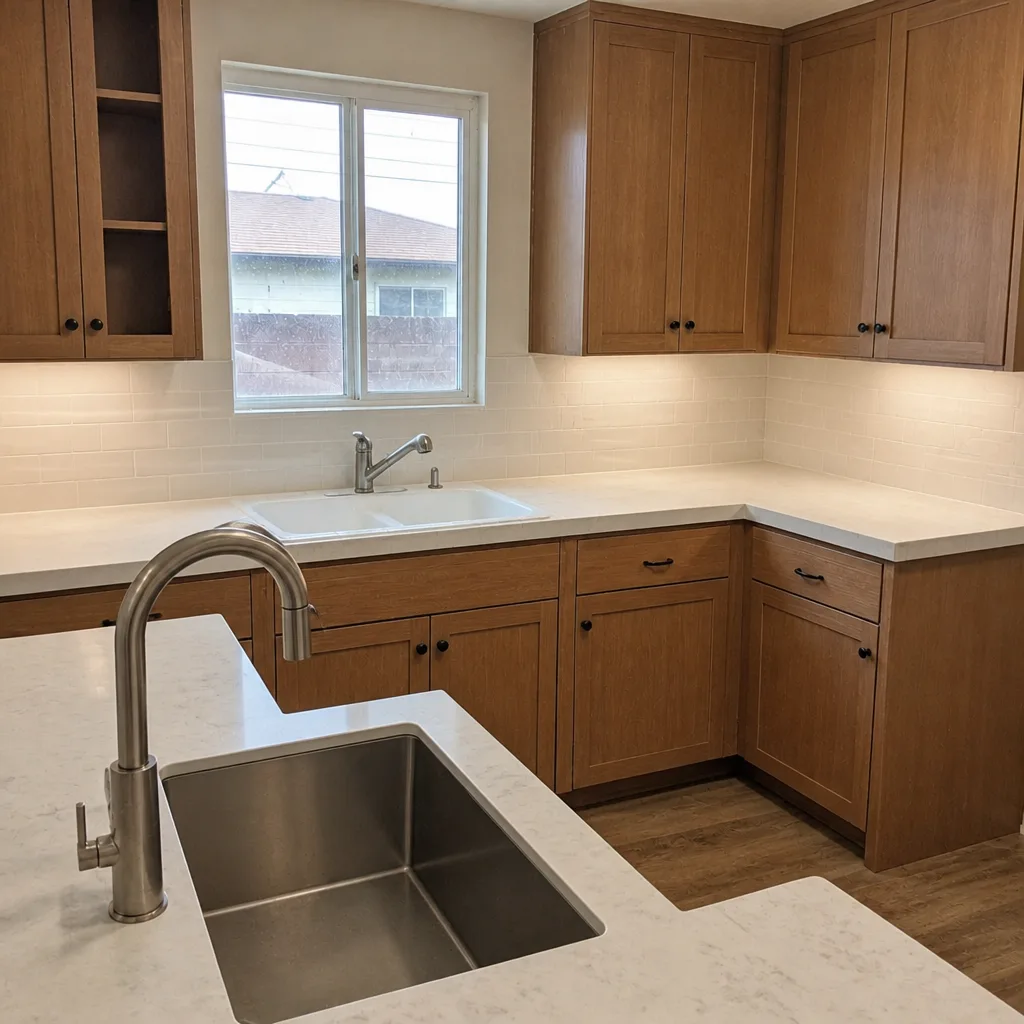 After
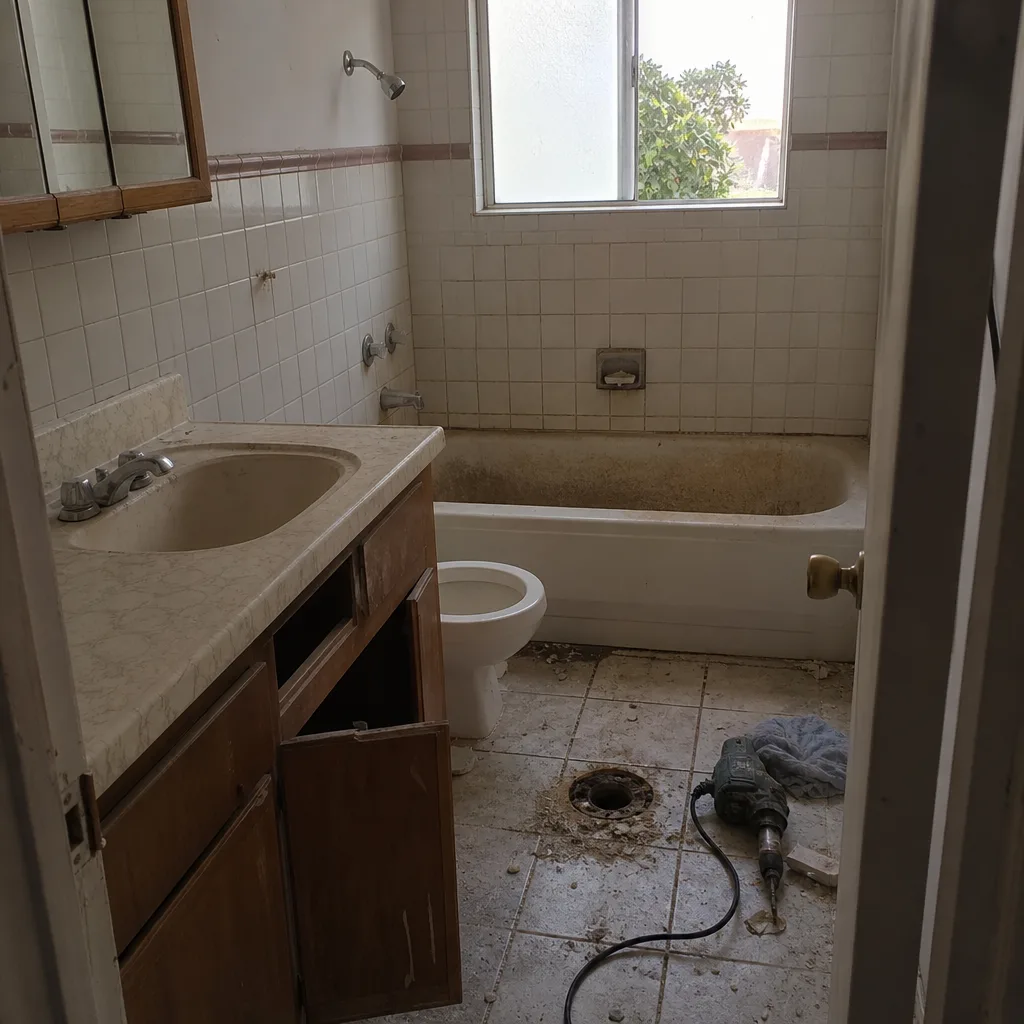 Before
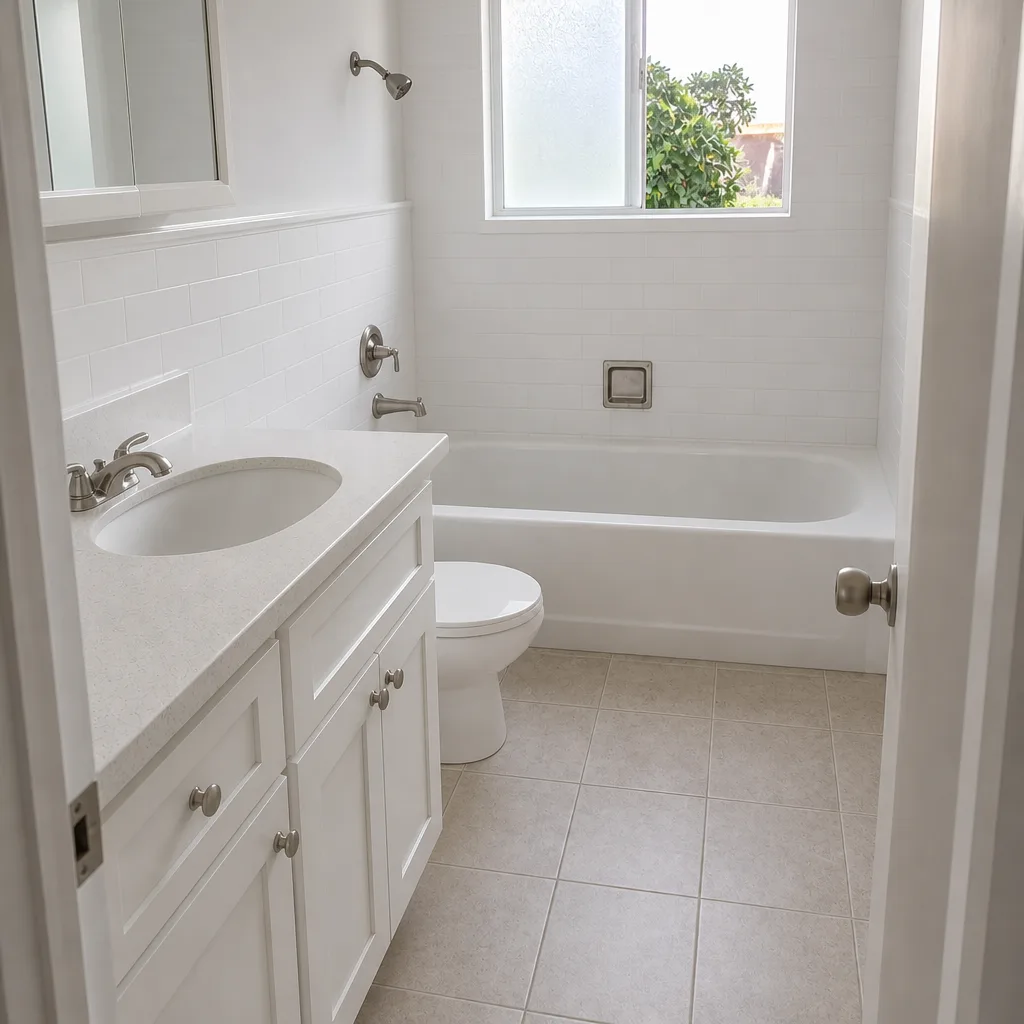 After
When to Call a Professional
Some driveway issues are fine to watch for a season. Others need a trained eye now. Call us when pavers are rocking or dipping in a pattern, when water ponds near the garage or the street after rain, when you see cracks widening year over year, or when you’re weighing a rebuild against a repair and need a straight answer on which makes sense. Expansive clay doesn’t fix itself, and the earlier the base problem gets caught, the cheaper it is to correct. Replacing the structural layer under a driveway is safe, heavy work best left to a crew built for it. Groundwork Construction Co. of Inglewood offers free estimates in Inglewood, with a written line-item quote and our 730-Day Done Right Promise behind the workmanship. Call (833) 842-7204 to schedule yours.
Frequently Asked Questions
Most Inglewood paver driveways in 2024 run about $14 to $28 per square foot installed, or roughly $11,000 to $28,000 for a typical two-car driveway, with clay subgrade work adding to the total on softer lots. Call (833) 842-7204 for an exact quote on your property. Estimates are free and line-item, so you can see the base and drainage costs broken out.
Most failures below the surface come from expansive clay soil that swells and shrinks with the seasons, moving the base and the pavers on top of it. A base built to a thin, out-of-town standard can’t hold up to that movement. Get the base depth and drainage right and the driveway lasts; skip it and three to five years is often the limit.
Yes, most substantial driveway replacements in Inglewood require a permit through the City of Inglewood, and any change to the street approach or right-of-way needs additional review. We pull the permits and handle the inspections as part of the job. Call (833) 842-7204 and we’ll tell you what your specific project will need.
High-density concrete pavers hold up best for most Inglewood driveways because they resist fading under our heat load and flex slightly with the clay instead of cracking. Clay brick and properly built permeable systems are solid options on the right base. The base and drainage matter more than the brand you choose.
A driveway built with a properly deep, compacted base and correct drainage can last twenty years or more in Inglewood. One built on a thin base over untreated clay often shows real damage within three to five seasons. Longevity is set by what’s under the pavers.
Often, yes. A localized problem can sometimes be lifted, re-based, and reset, but the fix only works if the base and drainage are corrected, not just the pavers reset on top. Call (833) 842-7204 for a free assessment of whether a repair or a rebuild makes sense. We’ll give you the straight answer.
The Bottom Line
On Inglewood lots, your driveway’s lifespan is decided below the surface. The expansive clay under this city swells and shrinks with every wet and dry cycle, so a base built to a generic California standard is the reason so many local driveways heave and crack within a few years. Get the base depth right (8 to 12 inches of compacted aggregate on most Inglewood lots), set a proper drainage slope, choose a high-density paver, and pull the City of Inglewood permit. Do those four things and the driveway rides flat for the long haul. Skip them and no paver, no matter how expensive, will hold. Upfront pricing, a written quote, and real workmanship protection make the decision simpler.
Groundwork Construction Co. of Inglewood builds driveway and paver work for Inglewood homeowners with background-checked, uniformed technicians, brand partners like Belgard, and our 730-Day Done Right Promise behind every project. Our technicians have up to 12 years of experience. We bundle the standing offers that make a big hardscape project easier to budget: a free project estimate and design consult, 0% financing for 18 months, and $1,000 off projects over $10,000. Call (833) 842-7204 to schedule your free estimate. Our line is answered by a live person 24/7, so you’ll reach a real person, not a voicemail.
Written by the team at Groundwork Construction Co. of Inglewood.