

Free written scope consultation - allowances, timeline, and change-order rules on paper before a single trade is scheduled
Styles & brands we work with
- Kitchen remodeling
- Bathroom remodeling
- Home additions & ADU
- Roofing
- Windows & doors
- Driveway & pavers
- Fence
See the difference
 Before
 After
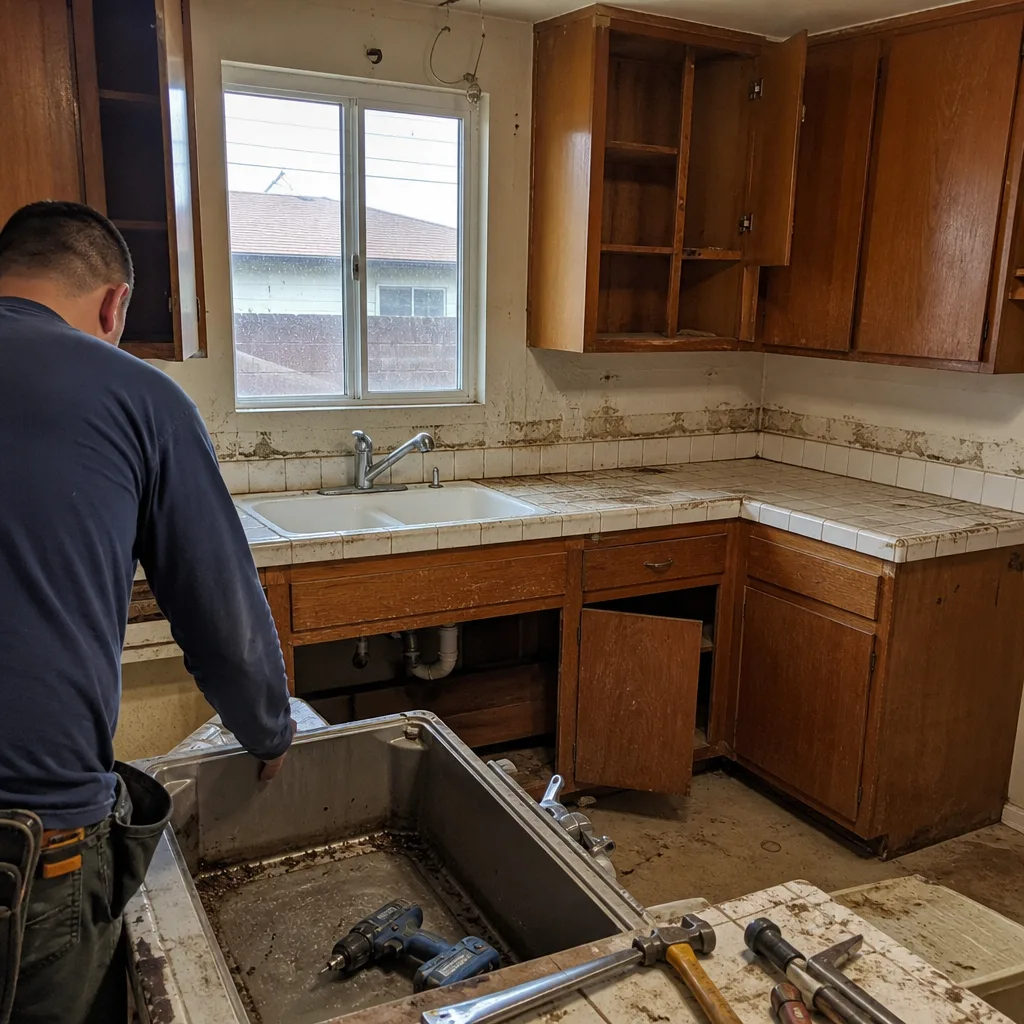 Before
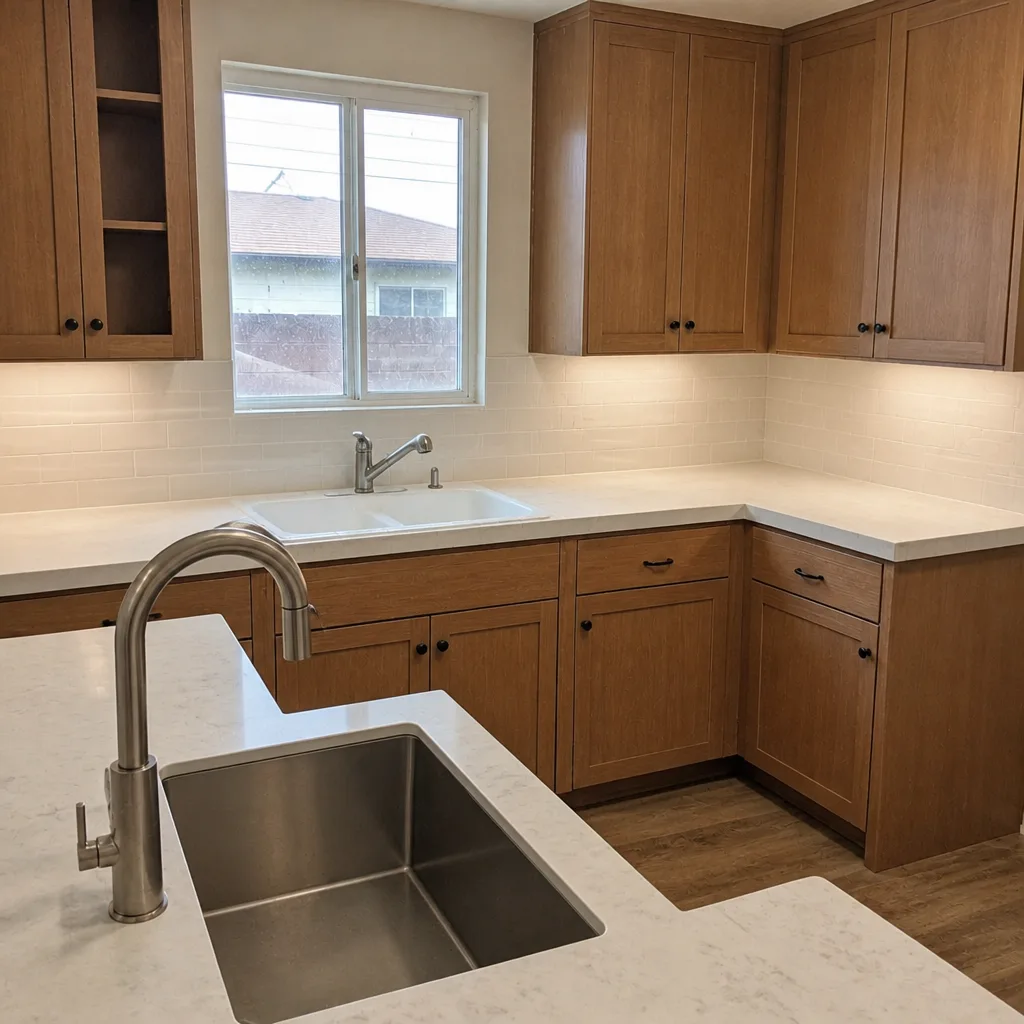 After
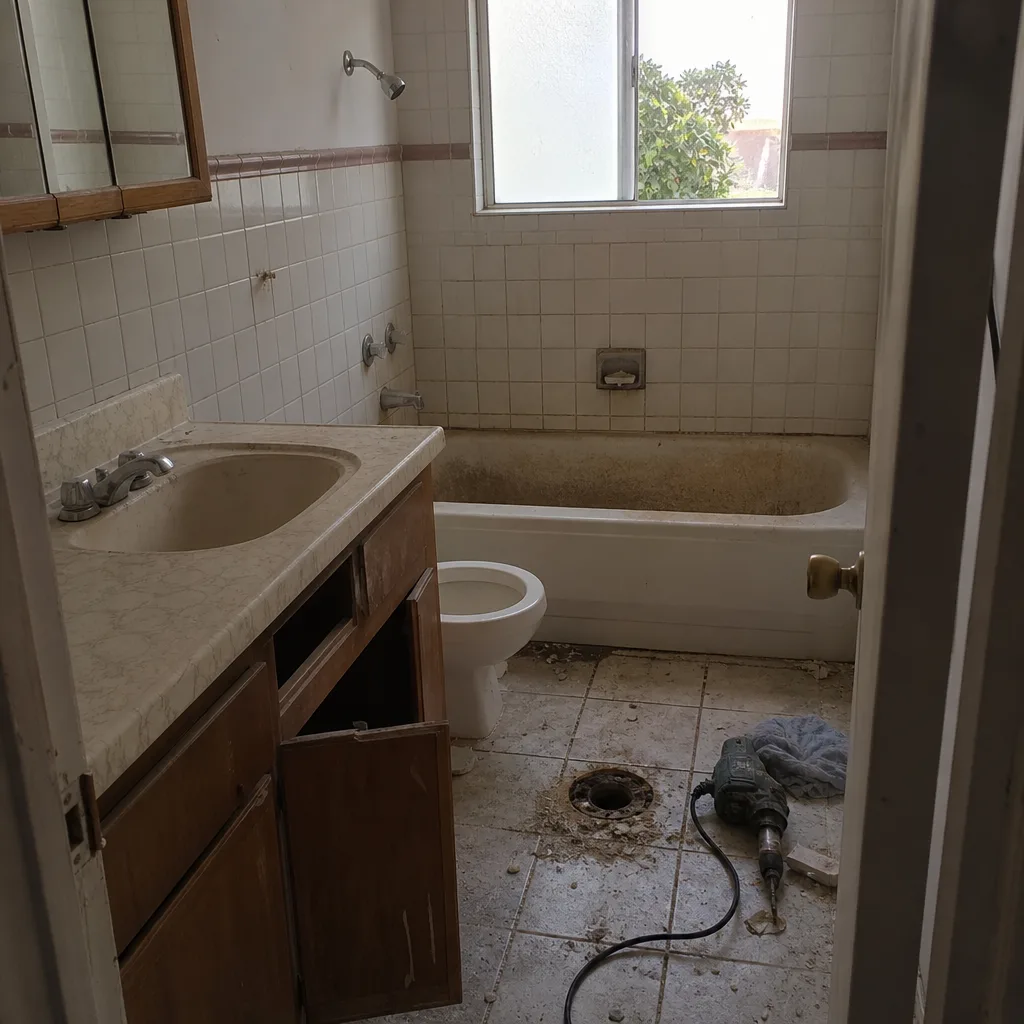 Before
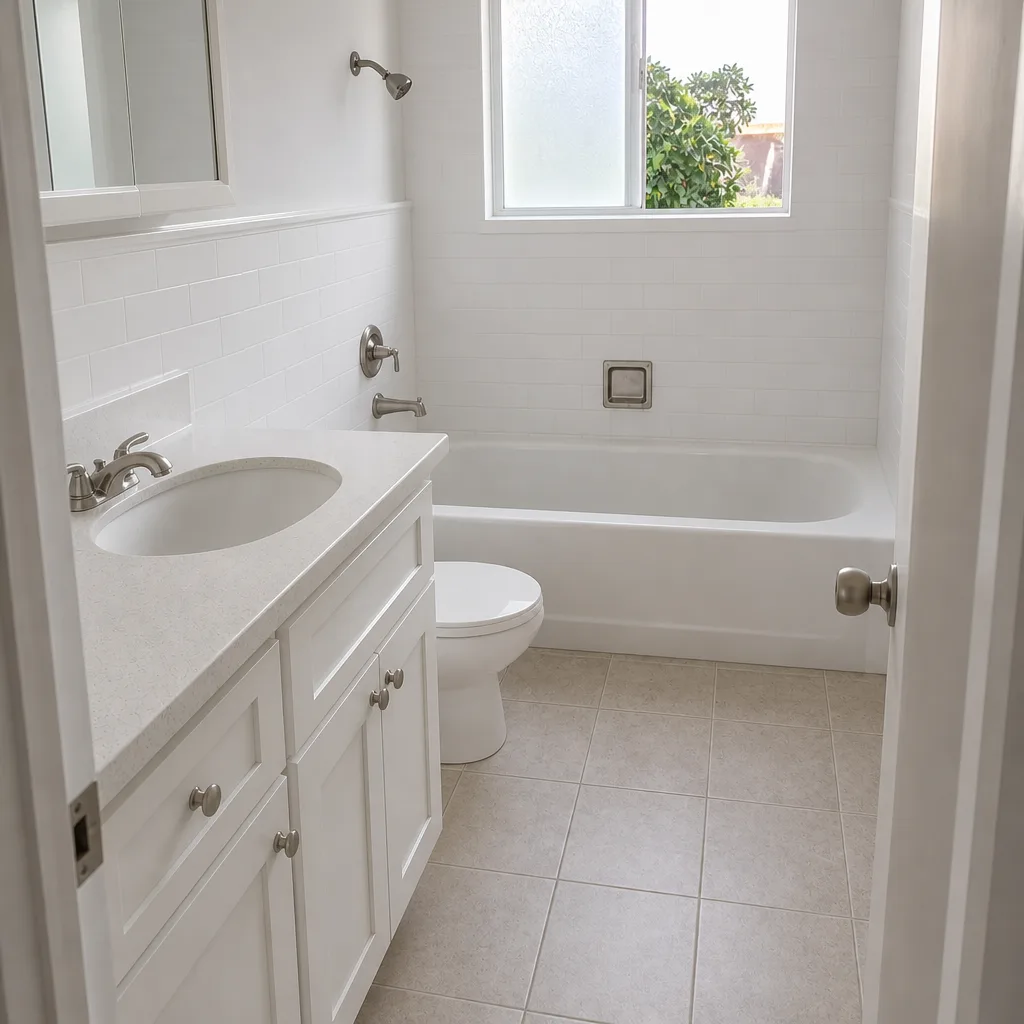 After
How to Repair a Chain Link Fence in Inglewood, CA: Fix the Corrosion, Not Just the Dent
Most chain-link fence repairs in Inglewood aren’t caused by a car backing into the fence or a fallen branch. They start from the inside out: the galvanized coating on standard chain-link mesh breaks down quietly in the salt-laden onshore air that rolls in off the LAX coastal corridor, and by the time one section is visibly rusted, the mesh 10 feet in either direction is already weakened. That single fact changes how you repair it. The right fix isn’t a patch over the ugly spot, it’s a full assessment of the corrosion zone before you spend a dollar on parts. For a diagnosis before you buy anything, call (833) 842-7204.
Key Takeaways
- In Inglewood, chain-link failure is usually corrosion, not impact damage.
- Tap-test the mesh with a screwdriver handle before you repair anything.
- Post sleeve corrosion at grade is the most common underlying failure.
- More than 25% surface rust scaling means patching is a short-term fix.
Why Inglewood Chain-Link Fails Faster Than Inland Fences
Standard Class 1 galvanized chain-link is rated to hold up 20-plus years in dry, inland conditions. Within a mile or so of the LAX coastal corridor, that same material can show surface rust in 8 to 12 years. The marine layer moisture combined with salt in the air attacks the zinc coating that protects the steel underneath. Once that coating thins, the wire rusts from the middle of the strand outward.
This is where a lot of homeowners get the repair wrong. They see one rusted panel near the driveway and assume it’s an isolated problem. But the corrosion exposure was the same across the whole run, so the section next to the “good” mesh is usually right behind it. In Inglewood’s tight-lot bungalows west of Prairie Avenue, where fences sit close to stucco walls that trap moisture, we regularly see half a fence run fail within a two- or three-year window rather than piece by piece.
The good news: because the galvanizing failure is so predictable here, it’s also easy to test for before you commit to a repair or replacement. That’s the step most homeowners skip.
Assess Before You Repair: The Tap Test and the Galvanizing Timeline
Start with a screwdriver handle, not a wrench. Tap the mesh sharply at several points a few feet apart, working well past the visible damage in both directions. A crisp metallic ring means the wire is still sound. A dull thud means rust has eaten into the wire itself, even if the surface still looks intact. A rust-weakened strand will tear at the next tension point once the fabric is loaded, so the real repair zone is always larger than the damage you can see.
Walk the whole run and check four things:
- Mesh integrity: tap-test along the entire length, not just the damaged panel.
- Coating condition: look for white or chalky powder (early zinc oxide) and brown scaling (advanced corrosion).
- Post bases at grade: this is where most Inglewood fences actually fail first.
- Tension and top rail: sagging mesh often points to a loosened post, not a stretched panel.
If the tap test comes back dull across more than a quarter of the run, keep reading, because the honest repair answer changes.
The Inglewood Failure Mode: Post Sleeve Corrosion at the Concrete Line
The most common structural failure we find on Inglewood chain-link is at the base of the posts. The galvanized steel post meets the concrete footing right at grade, and that junction holds moisture and salt against the metal year-round. The coating fails first at that line, then the post corrodes and the fence loosens before the mesh ever shows a problem. Re-tensioning a sagging fence without addressing that corrosion just resets the clock on a post that’s already failing.
The correct repair on a corroded post base means grinding the rust back to bare steel, treating the surface with a rust converter, and fitting a galvanized sleeve patch over the repaired section to carry the load again. On a post that’s corroded through, the honest fix is a new post, not a patch. If you want to see how we handle the full build side of this, our team covers it on the Fence Installation service and the Fence Installation in Inglewood page.
This is real, physical work near concrete and loaded wire, and a fence under tension can snap without warning. Cutting and re-tensioning chain-link is a job for a trained professional with the right tools, not a weekend project.
Repair or Replace? The 25% Rule for Inglewood Chain-Link
Surface oxidation (a light rust haze that wipes off) is cosmetic and worth a spot repair. Surface rust scaling (flaking, layered rust you can pick off with a fingernail) is different. If more than 25% of the mesh shows scaling, patching is a one-to-two season fix at best. The corrosion is already spread through the surrounding wire, and the next panel will fail shortly after you pay to fix the last one.
In that case, the honest recommendation is full mesh replacement on the existing posts, keeping the posts that pass the base check and the tap test. You get new galvanized mesh without paying for a whole new fence. Most of these jobs fall in the $3,500 to $9,000 range in Inglewood, depending on run length, gate count, and how many posts need to come out.
| Scope | Typical Inglewood Range |
|---|---|
| Spot repair (one panel, sound posts) | Lower end of $3,500-$9,000 |
| Post base sleeve repair (per post) | Quoted per post within project range |
| Full mesh replacement on existing posts | Mid to upper $3,500-$9,000 |
| Full chain-link install (new) | See vinyl and aluminum ranges on our service pages |
Upfront pricing, no surprises: you’ll know the number before work starts. And if you’re weighing chain-link against another material, we also install vinyl fencing and aluminum fencing, which hold up differently in salt air. Homeowners comparing materials often ask us about fence repair versus a fresh install, and it’s a fair question worth talking through.
Why Groundwork Backs Chain-Link Repairs in Writing
Groundwork Construction Co. of Inglewood treats a chain-link repair like any other work we put our name on, which means it’s covered by our 730-Day Done Right Promise. If the repaired section fails or corrosion spreads through it within two years, we come back and make it right. Very few fence contractors put that in writing on repair work, and it’s the difference between a patch that lasts a season and one backed in writing.
Our technicians have up to 12 years of experience reading corrosion on coastal fences, and they show up background-checked and in uniform. Calls are answered by a live person, 24/7, so you’re not waiting until Monday to find out whether a post is sound. We use quality brand partners across every trade, and we bring the same standard to a repair that we do to a full build. From foundation to finish line, one contractor, built to last.
If your fence is near a house with older stucco or a detached garage, the same moisture cycling that eats fence posts is worth a look on the structure too. We handle stucco repair, roofing, and window replacement for Inglewood homes dealing with the same coastal wear, and neighbors in Lawndale and Hawthorne face the same salt-air conditions.
FAQs
Chain-link fence repair in Inglewood typically runs within a $3,500 to $9,000 range depending on how much mesh and how many posts are involved, with spot repairs toward the low end and full mesh replacement on existing posts toward the top. Call (833) 842-7204 for an exact quote, estimates are free.
Sometimes, but only if the surrounding mesh passes a tap test and the post bases are sound. In Inglewood’s salt air, a visibly rusted section usually means the mesh beside it is already weakened, so a single-panel patch can fail within a season or two. The tap test tells you which case you’re in.
Repair is cheaper when the damage is under 25% of the run and the posts are solid. Once surface rust scaling covers more than a quarter of the mesh, replacing the mesh on sound existing posts is the better value, because patching a compromised run is a short-term fix. Call (833) 842-7204 and we’ll tell you honestly which one your fence needs.
Class 1 galvanized chain-link that lasts 20-plus years inland can show surface rust in 8 to 12 years within a mile of the LAX coastal corridor because the salt air breaks down the zinc coating faster. Regular assessment, and fixing post-base corrosion early, is what stretches that timeline.
If you’d rather have it looked at than guess, Groundwork Construction Co. of Inglewood offers a no-pressure assessment in Inglewood. We’ll tap-test the run, check the post bases, and tell you straight whether it’s a repair or a replace. Call (833) 842-7204 for a free estimate.
Written by the team at Groundwork Construction Co. of Inglewood, serving Inglewood, CA.