Free written scope consultation - allowances, timeline, and change-order rules on paper before a single trade is scheduled
Styles & brands we work with
- Kitchen remodeling
- Bathroom remodeling
- Home additions & ADU
- Roofing
- Windows & doors
- Driveway & pavers
- Fence
See the difference
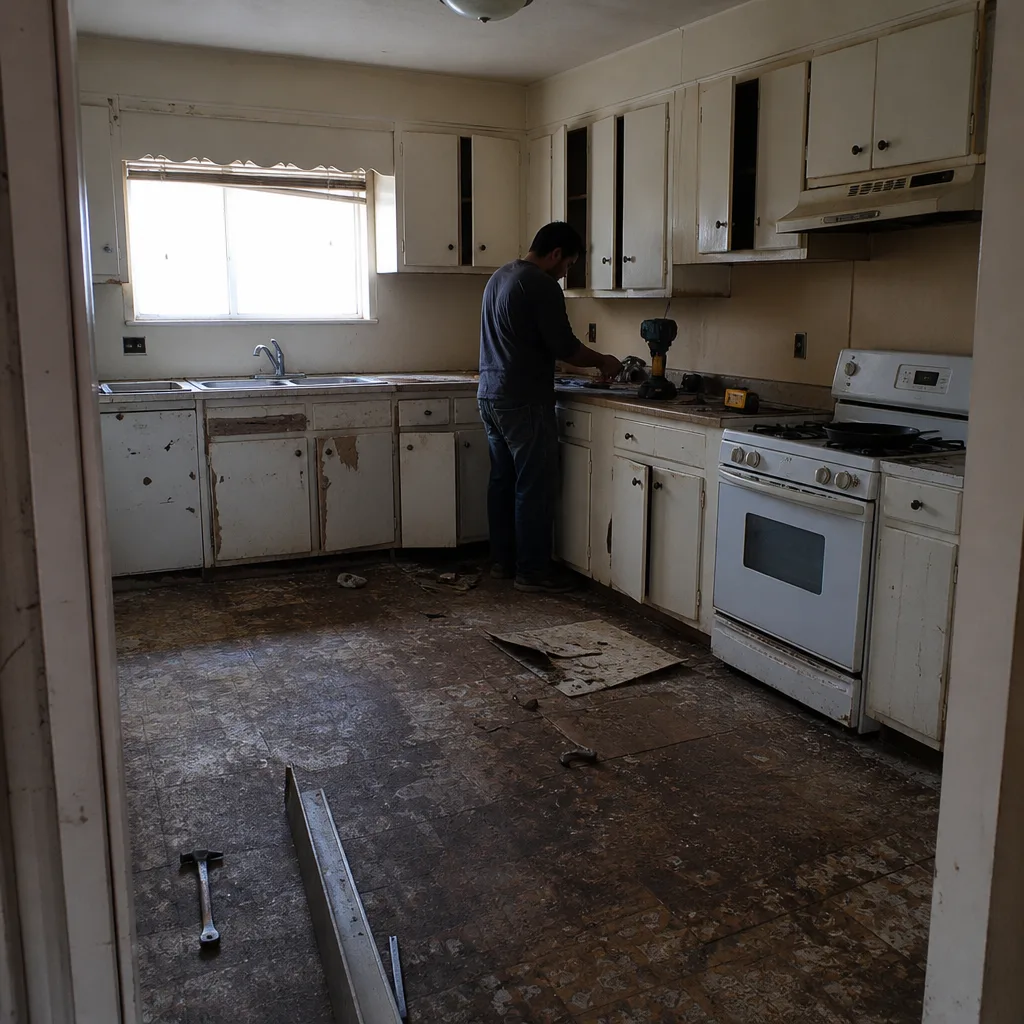 Before
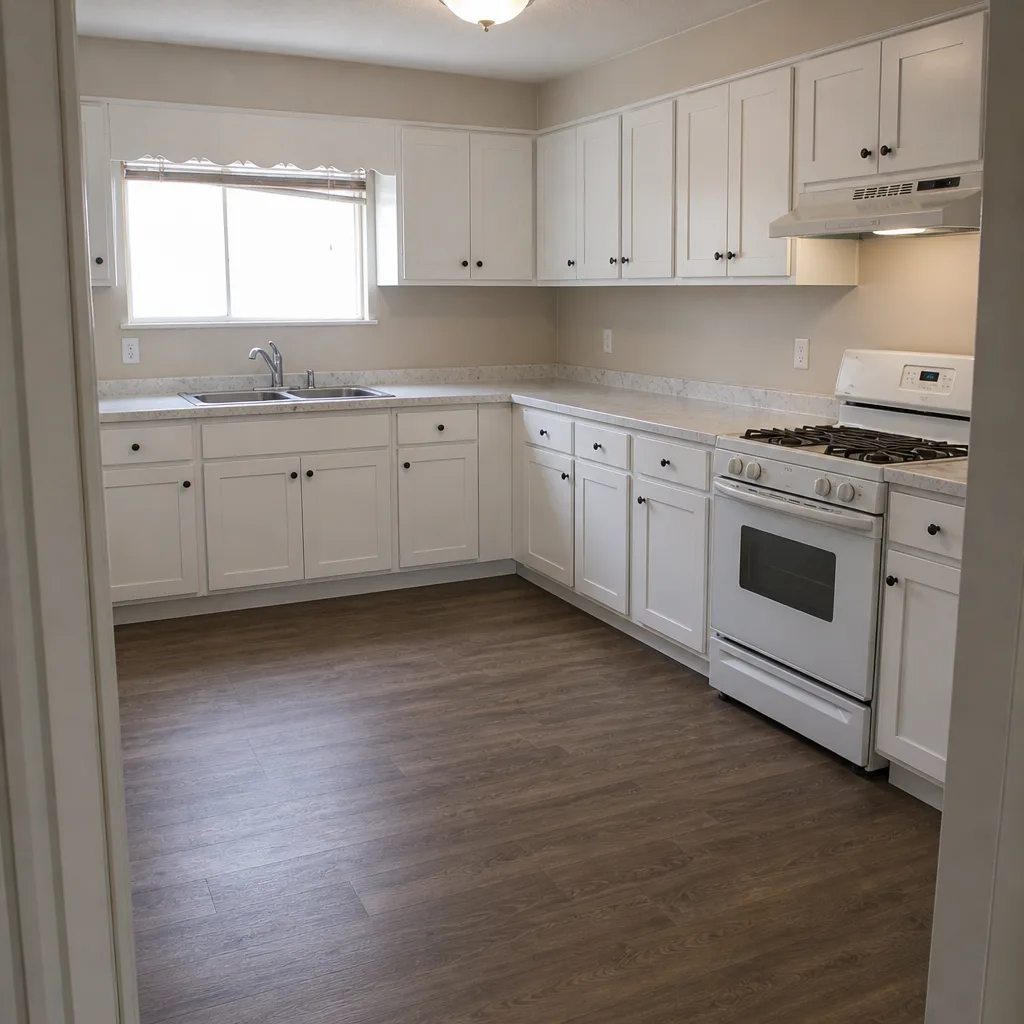 After
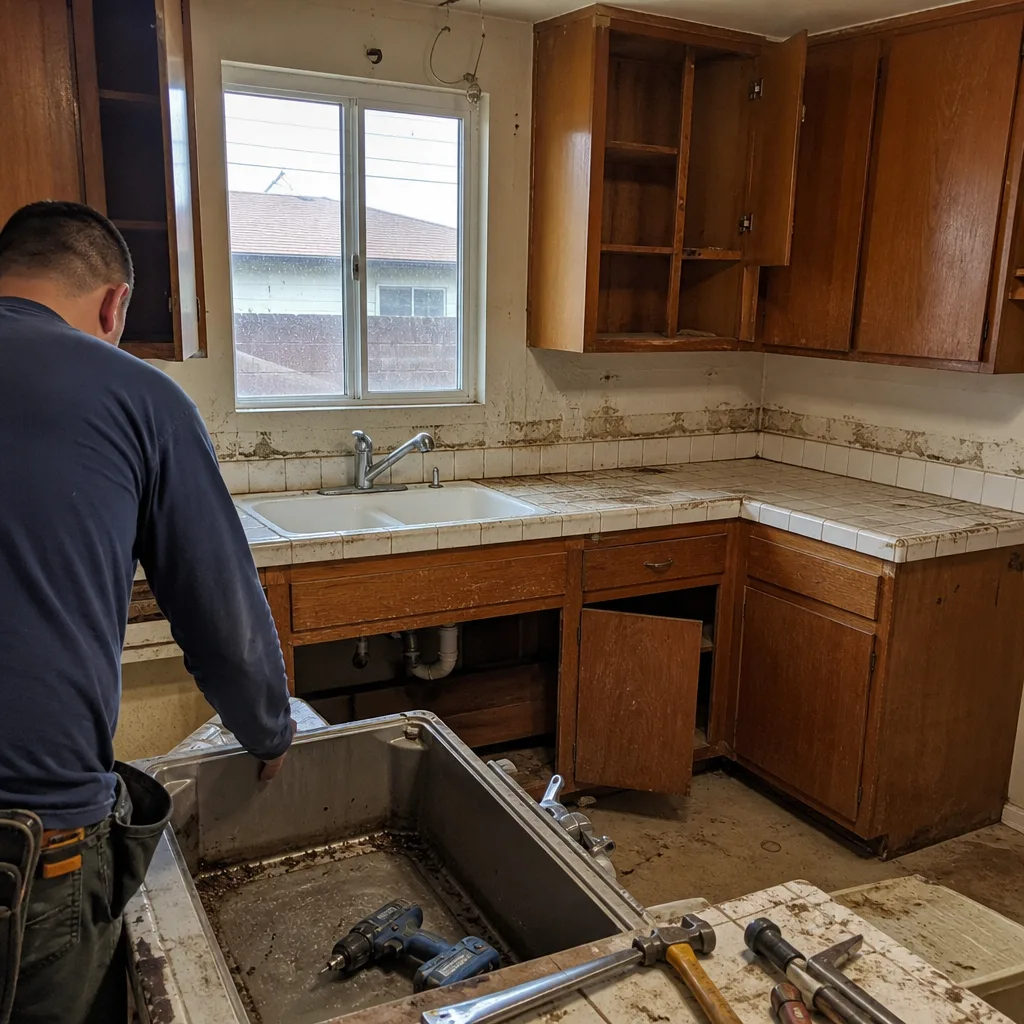 Before
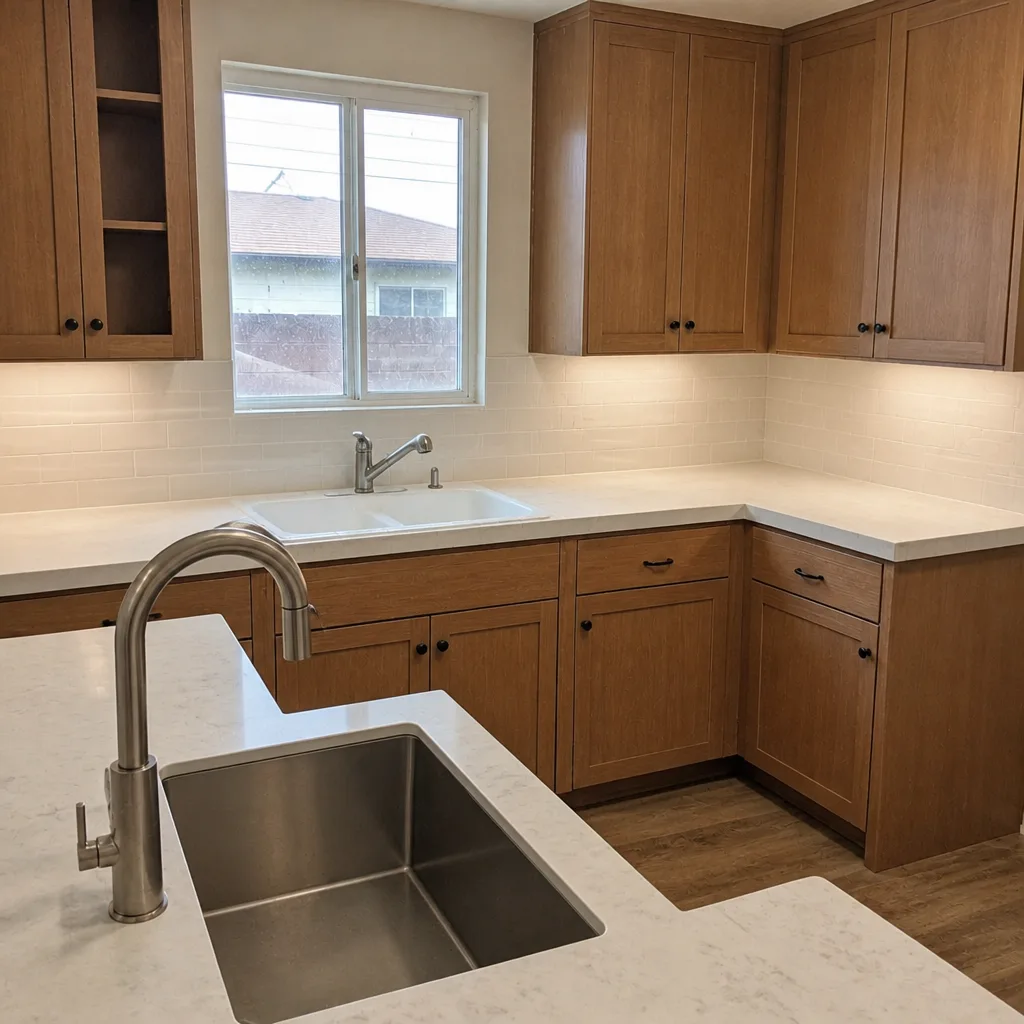 After
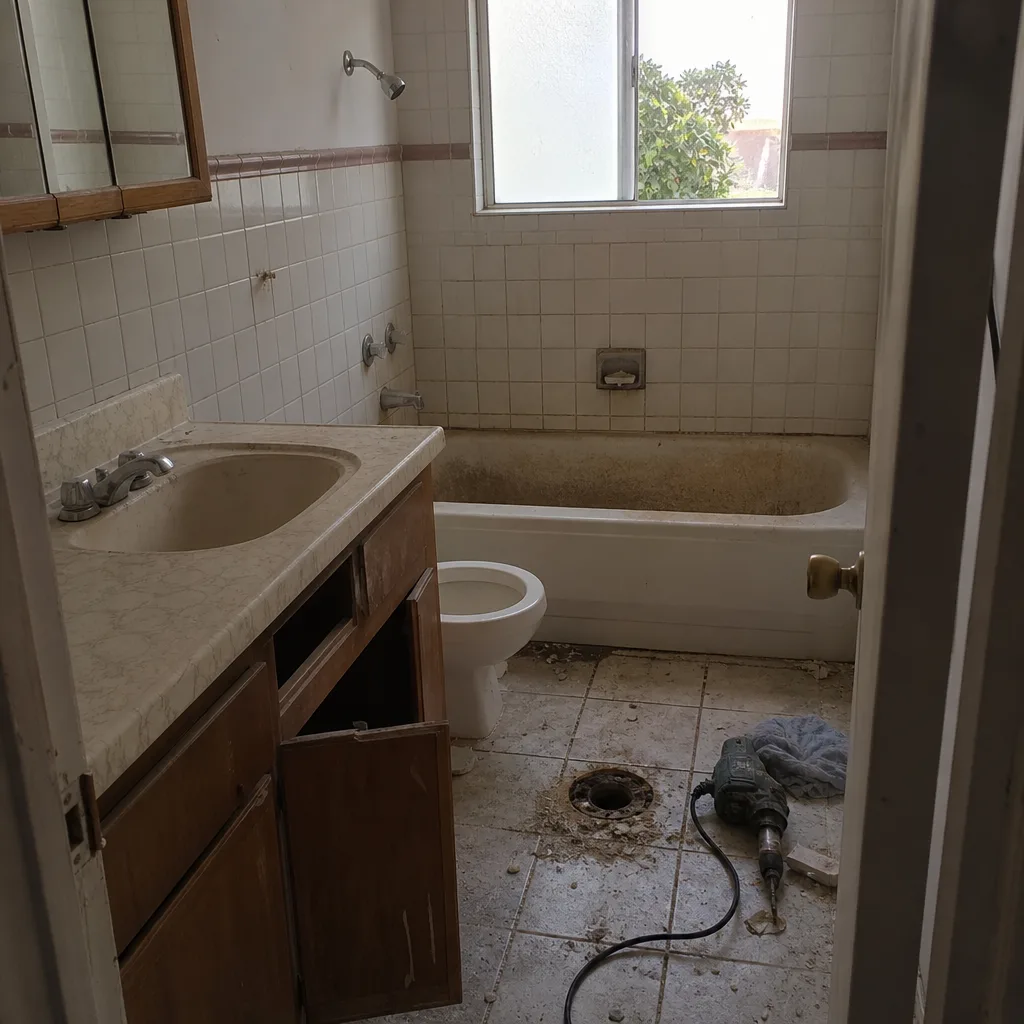 Before
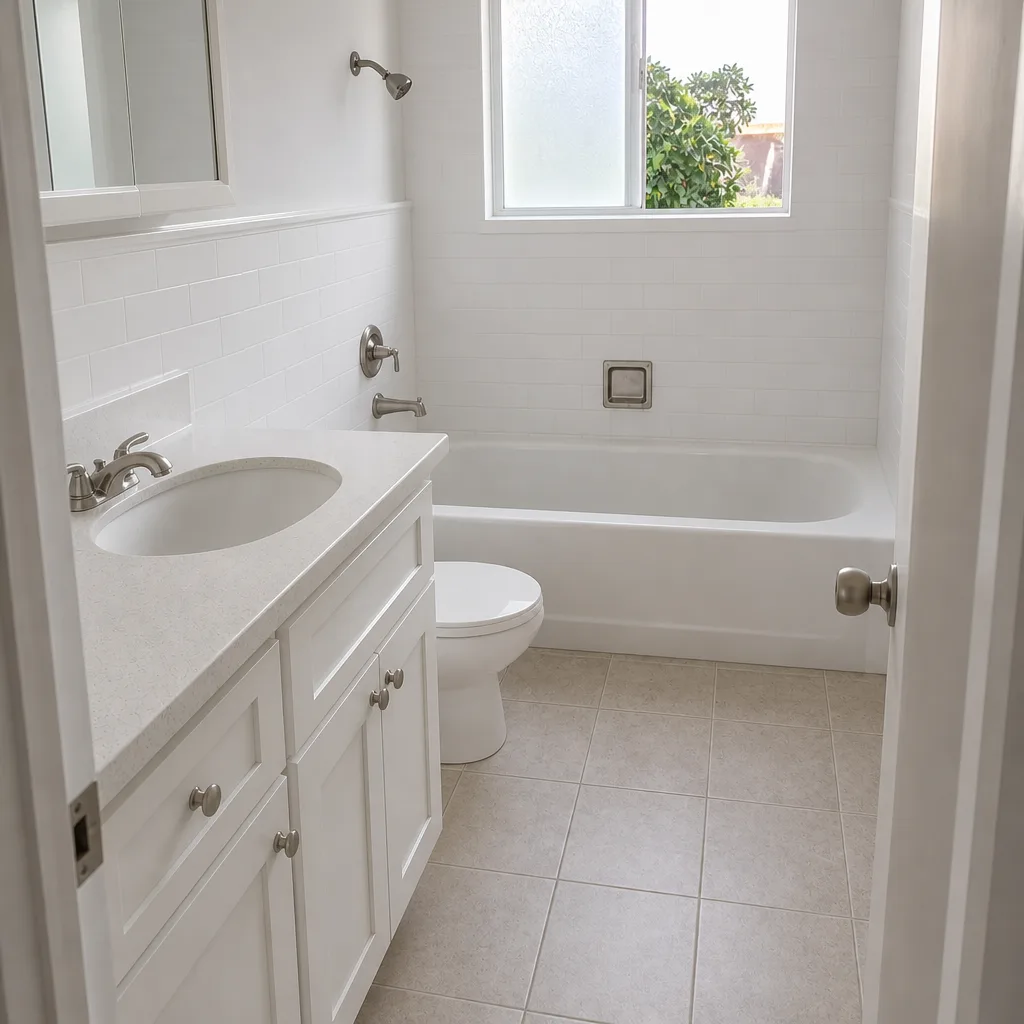 After
The Best Roofing Material in Inglewood, CA Comes Down to What Your House Can Actually Hold
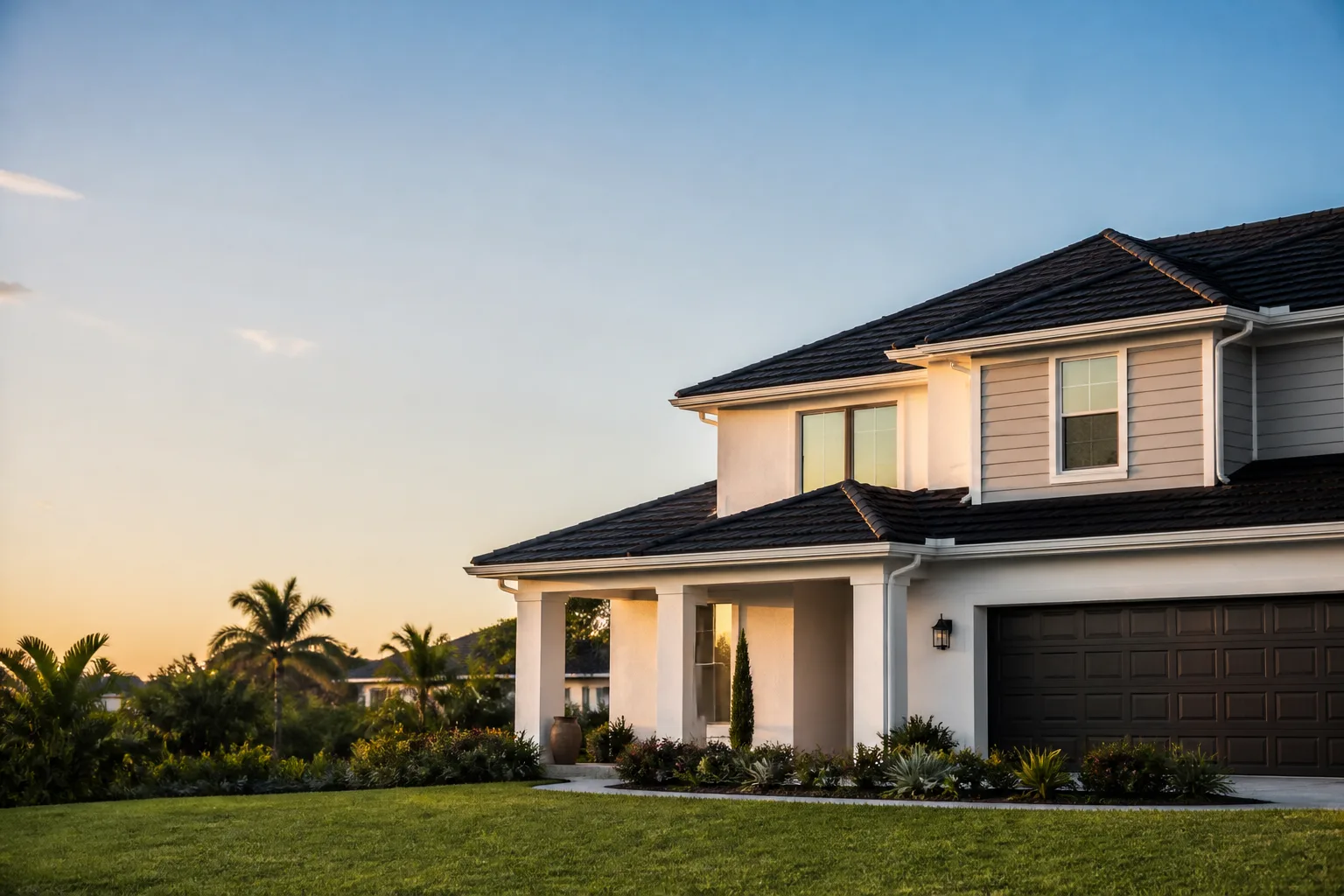
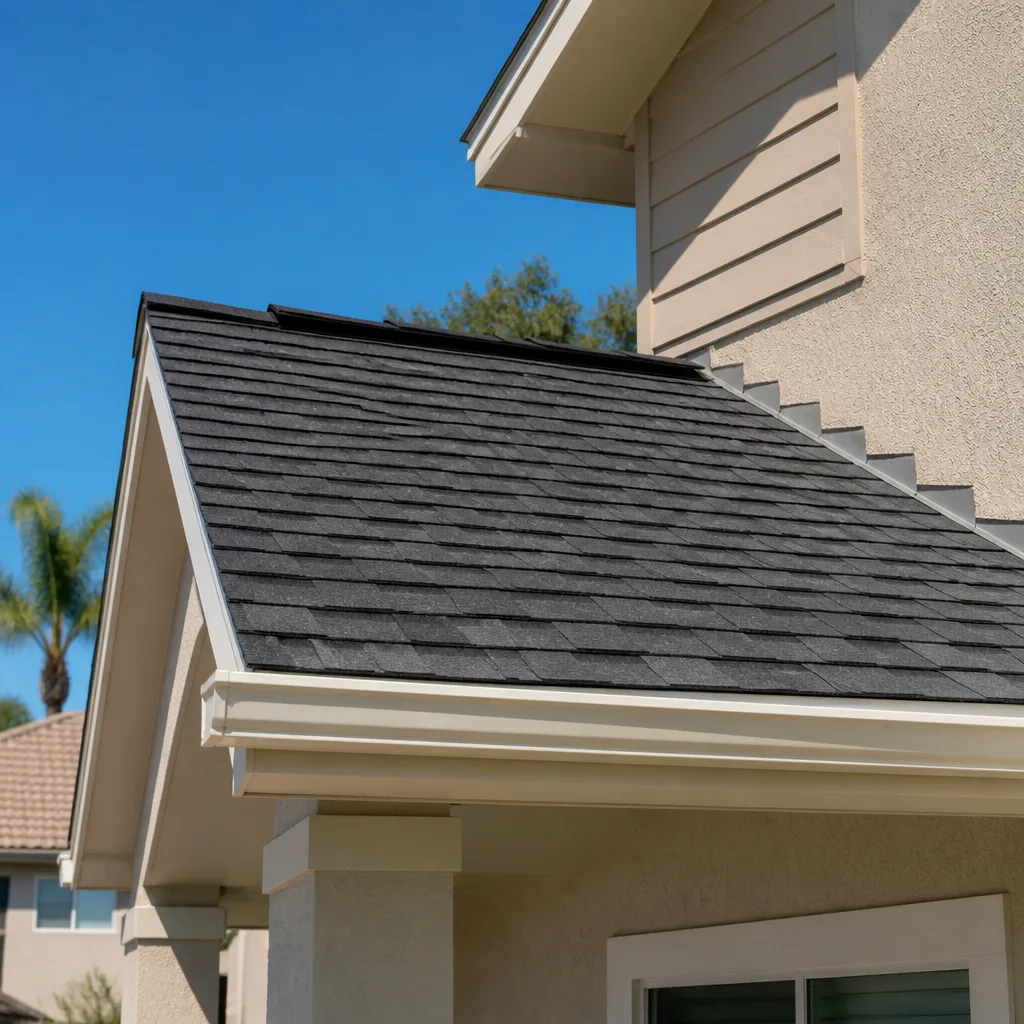
For most Inglewood homes, the best roofing material is an asphalt shingle system from GAF or Owens Corning unless you’re set on a 50-year metal roof or your house has been engineered for tile. The “best” material here isn’t decided by a national ranking. It’s decided by what your 1940s framing can carry, what the City of Inglewood’s permit office will approve, and what survives LAX’s salt air. Call (833) 842-7204 for a free estimate and we’ll walk your roof before you commit to anything.
That answer surprises people who expected tile. Inglewood sits in the coastal-influenced LA basin near LAX, so every roof here faces marine-layer moisture, salt-laden onshore air that eats exposed fasteners, and a climate that almost never freezes. That last part matters more than it sounds. Materials praised in national guides for freeze-thaw resistance aren’t solving the problem your roof actually has, which is repeated wetting and rapid UV drying. Meanwhile the housing stock pushes back: most of Inglewood’s single-family homes are 1920s to 1950s bungalows and small stucco duplexes built on framing that was never spec’d for heavy roofing. The best material is the one that clears all three filters at once.
Key takeaways
- Weight rules first. Pre-1950 bungalow framing in Inglewood often can’t carry clay or concrete tile without a structural review.
- Salt air is the real enemy. Fasteners and exposed metal corrode faster than the shingle field does.
- Marine-layer cycling, not freeze-thaw, drives how exterior materials fail here.
- Install quality beats material brand every time. The best tile installed badly still leaks.
- Realistic Inglewood numbers: roof replacement $8,000-$20,000, metal $15,000-$40,000, repairs $400-$1,800.
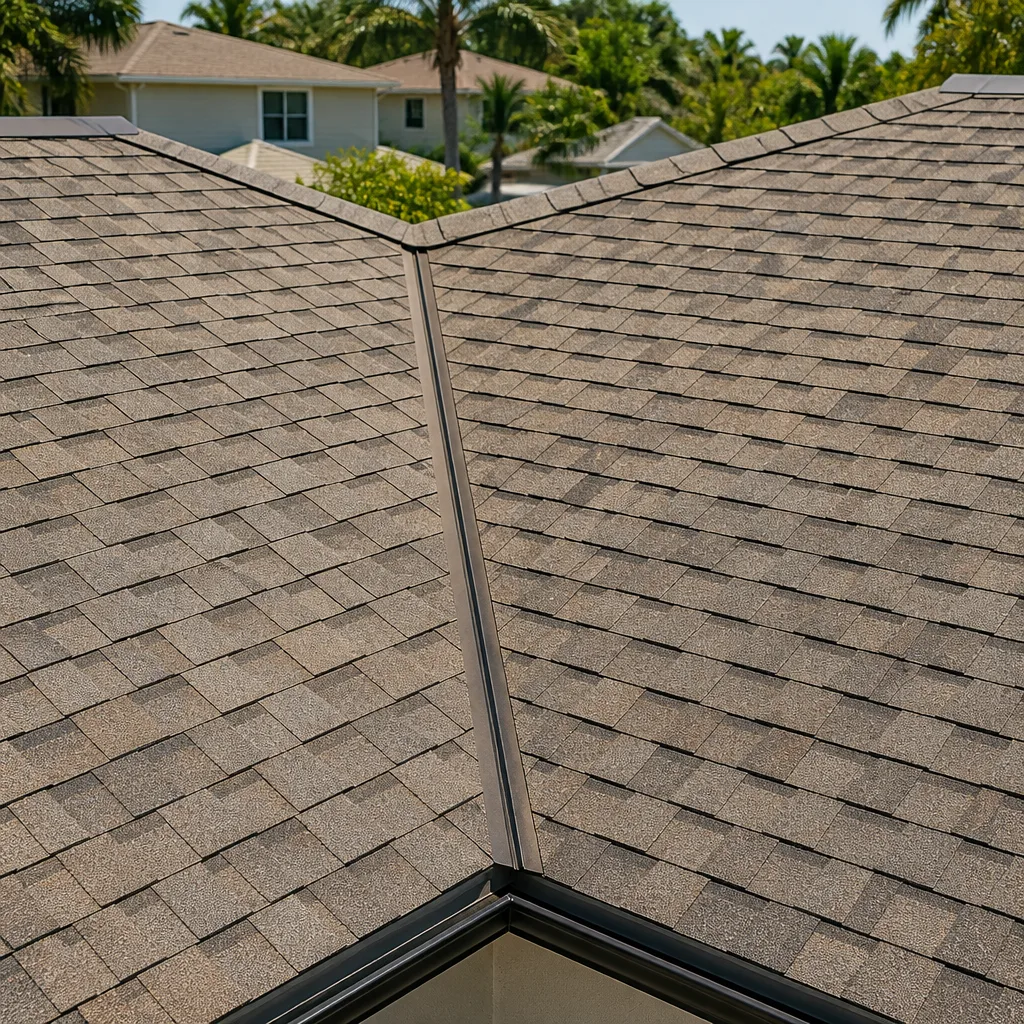
The Inglewood Decision Matrix: Four Filters That Eliminate Options Before Price Enters the Room
Most “best roofing material” articles rank aesthetics, lifespan, and cost. In Inglewood, three technical filters cut the field before you ever get to those. Here’s how each option actually fares against the constraints this city imposes.
| Material | Weight vs. bungalow framing | Salt-air / moisture behavior | Permit pathway | Realistic 30-yr cost (installed) |
|---|---|---|---|---|
| Asphalt shingle (GAF, Owens Corning) | Light - clears almost all legacy framing | Good with corrosion-rated fasteners; field holds up well, watch penetrations | Standard re-roof permit | $8,000-$20,000 |
| Standing-seam metal | Light | Excellent if the finish and fasteners are spec’d for coastal air | Standard, sometimes engineering note | $15,000-$40,000 |
| Clay / concrete tile | Heavy - frequently triggers structural engineering review on pre-1950 stock | Very good; individual tiles repairable | Adds 2-4 weeks and $500-$1,500 for engineer’s stamp | High base + engineering + framing work |
| Cedar shake | Moderate | Soaks and holds marine-layer moisture here in ways freeze-climate guides don’t flag | Standard | $12,000-$25,000 (verify with us) |
| Fiber cement (CertainTeed) | Moderate | Handles wet-dry cycling well; heavy relative to shingle but lighter than tile | Standard | Mid-range, quote-dependent |
The single most common surprise in Inglewood is the weight problem. Tile is a beautiful roof and a 50-year roof. But on a 1940s bungalow off the flats west of Prairie Avenue, the framing was sized for wood shingles or tar paper, not 900+ pounds per square of clay. When the City of Inglewood’s building department sees a tile re-roof on older stock, they want a structural engineer’s assessment before they’ll issue. That’s not obstruction, it’s appropriate. It also adds two to four weeks and $500-$1,500 to your timeline. On a lighter shingle or metal system, that step usually disappears entirely.
Why coastal moisture cycling changes the material conversation
Cedar shake and some fiber cement products get top marks in national rankings because they handle freeze-thaw cycling. Inglewood doesn’t freeze. What it does instead is soak roofs in marine-layer moisture overnight, then dry them fast under strong UV the next morning. Repeated hundreds of times, that cycle attacks different things: it drives moisture into end grain, works at seams and penetrations, and corrodes fasteners long before the roofing surface fails. This is the operator detail most guides miss. When we spec a coastal California installation, the fastener and flashing choices matter more than the shingle brand on the wrapper.
What to Look For in a Roofing Material for This City
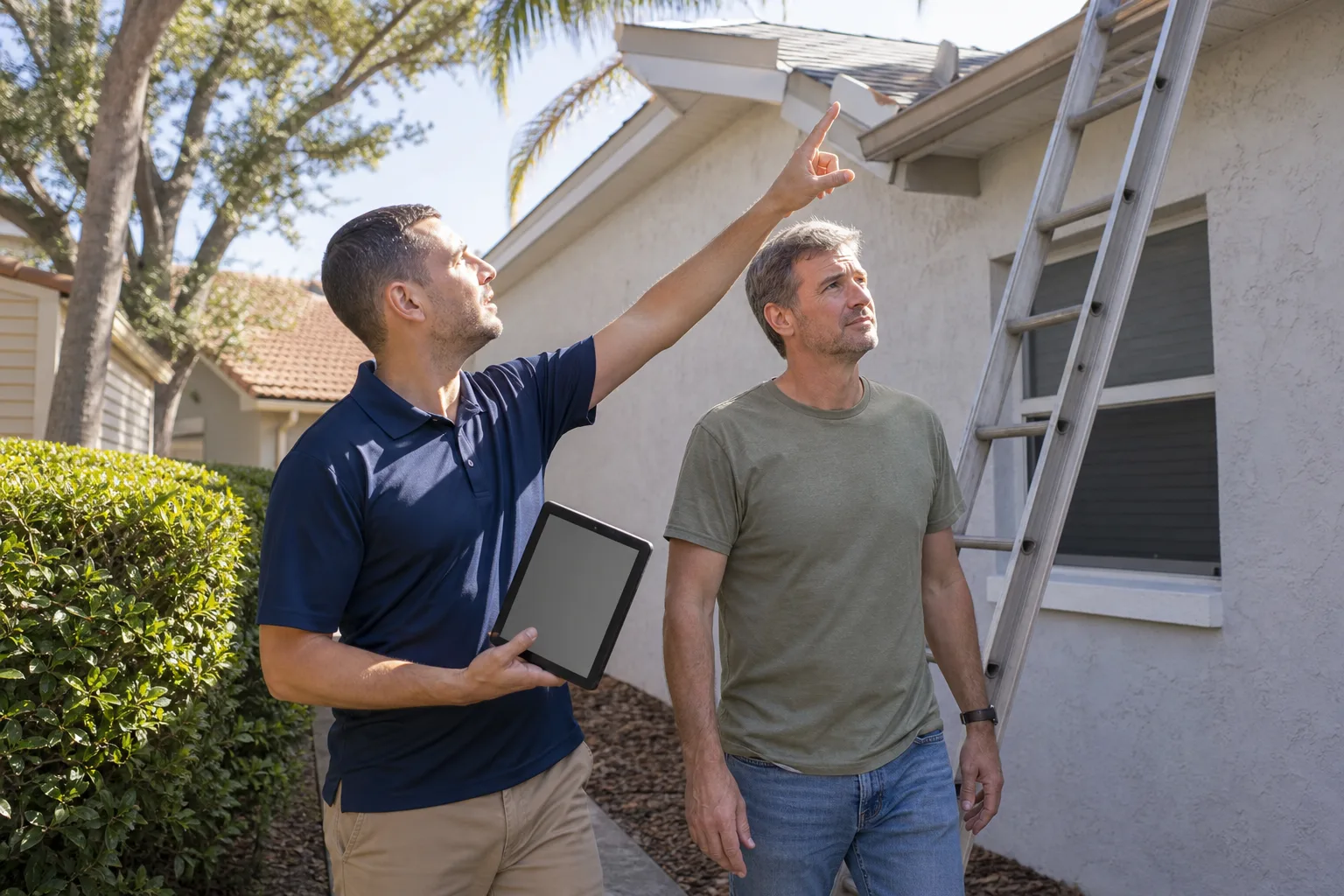
When you’re weighing options, run each candidate through this checklist. It’s the same sequence we run on every Inglewood roof we assess.
- Framing capacity. What was this roof originally built to carry? If there’s tar paper under newer layers, there’s a story about the original build you need to know before you add weight.
- Fastener and flashing corrosion rating. Salt-laden onshore air eats exposed metal. Specify the fasteners for coastal air, not just the shingle.
- Permit pathway. Shingle and metal usually move through the City of Inglewood’s permit process cleanly. Tile on old framing often doesn’t. The post-SoFi enforcement climate means legacy unpermitted layers get scrutinized now.
- Moisture-cycling behavior. Ask how the material handles repeated overnight saturation and rapid UV drying. That’s the failure mode here, not freeze-thaw.
- Realistic 30-year cost, not sticker price. Include the engineering review, any framing work, and the repairs you’ll actually face.
Groundwork Construction Co. of Inglewood works from a curated roster of GAF and Owens Corning shingle and metal systems, plus CertainTeed fiber cement, so “best material” arrives with verified wind and moisture ratings for coastal California installations, not generic national specs. If you want to see how our Roofing work runs from assessment through install, that page breaks it down.
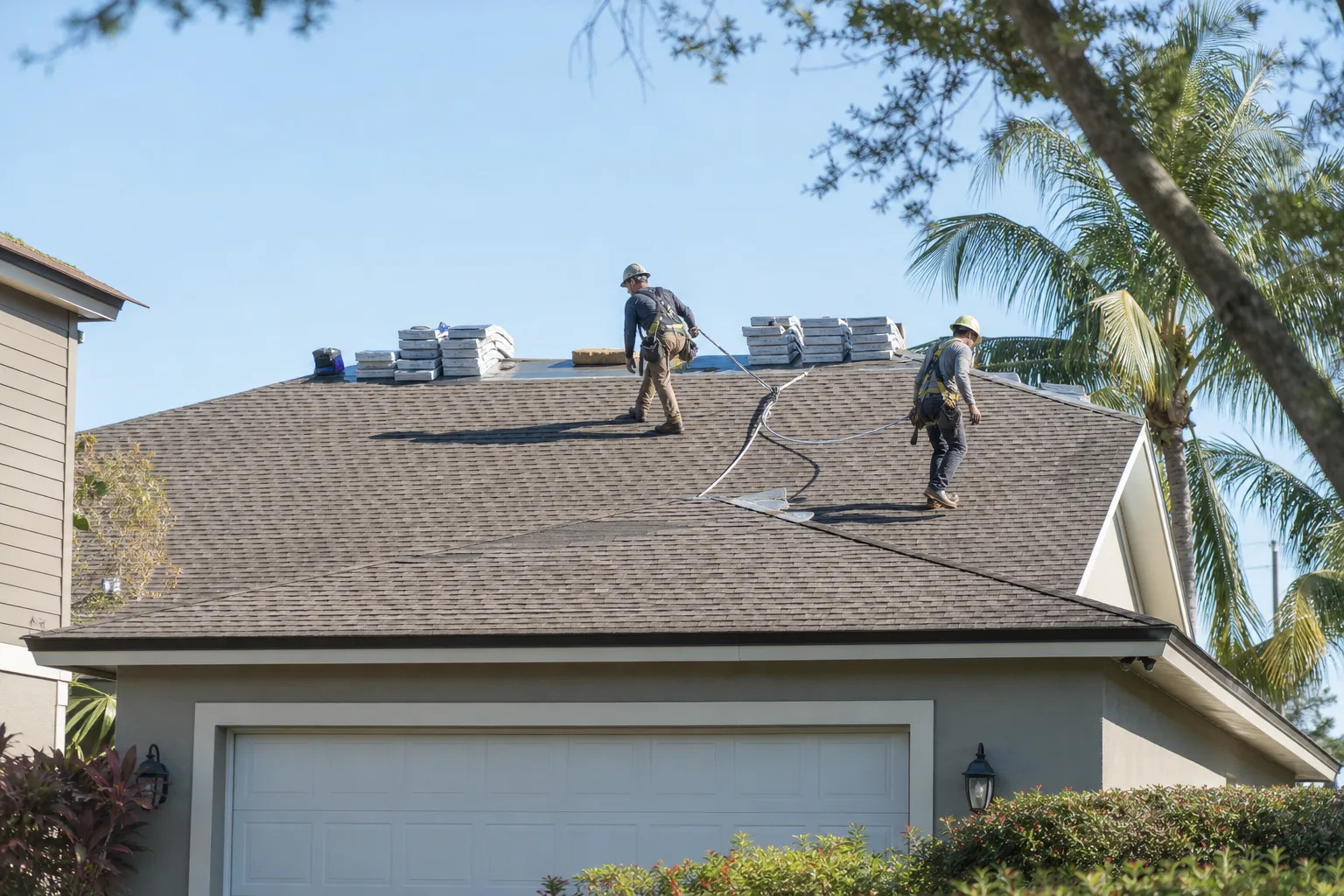
What Does Each Material Cost in Inglewood?
Here are the market-calibrated numbers we work from. These are real ranges for Inglewood, not national averages pulled from a blog.
- Roof replacement (asphalt shingle): $8,000-$20,000
- Metal roof installation: $15,000-$40,000
- Roof repair: $400-$1,800
- Tile roof repair: $600-$2,500
- Structural engineering review (tile on old framing): adds $500-$1,500 and 2-4 weeks
Upfront pricing, no surprises: the number you see is the number you pay. If you’re weighing a large project across the home, our home services overview shows how roofing fits alongside other trades, and our Inglewood service area page covers what we handle locally.
Why the Material Recommendation Is Only Half the Answer
The best material installed poorly still fails. That’s the part most “best material” content skips. A GAF shingle system only performs to its wind and moisture rating if it’s installed to spec, with the right underlayment, the right flashing, and fasteners rated for coastal air. The material and the installation are the same conversation. That’s why every project we complete is covered by the 730-Day Done Right Promise: if it’s not done right, we make it right. It’s one of the longest workmanship guarantees in residential construction, and it’s what turns a material recommendation into an accountable commitment. Our technicians have up to 12 years of experience, arrive background-checked and in uniform, and calls are answered by a live person 24/7. Repairs are most often completed in a single visit.
FAQs
Asphalt shingle from GAF or Owens Corning is the best roofing material for most Inglewood houses, because it’s light enough for 1940s-1950s bungalow framing, clears the City of Inglewood permit process without a structural review, and holds up to coastal marine-layer cycling. Metal is the best upgrade if you plan to stay decades and want a longer service life. Call (833) 842-7204 for a free estimate.
Often yes, on pre-1950 housing stock. Clay and concrete tile are heavy, and older Inglewood bungalow framing wasn’t sized for that load, so the City of Inglewood’s permit office frequently requires a structural engineer’s assessment before issuing. Expect that to add 2-4 weeks and $500-$1,500 to the project compared to a lighter shingle or metal system. Call (833) 842-7204 and we’ll assess your framing first.
Both can perform well near LAX, but metal’s advantage is only real if the finish and fasteners are specified for coastal air. Standard fasteners corrode from salt-laden onshore air even when the roofing field is fine. Shingle with corrosion-rated fasteners handles it well at a lower entry cost. Call (833) 842-7204 for an exact quote on your roof.
Roof replacement in Inglewood typically runs $8,000-$20,000 for asphalt shingle and $15,000-$40,000 for metal installation, with repairs from $400-$1,800. Add $500-$1,500 and 2-4 weeks if your project requires a structural engineering review for a heavier tile system. Estimates are free, and 0% financing for 18 months plus $1,000 off projects over $10,000 make a full replacement easier to budget. Call (833) 842-7204.
If you’d rather have it looked at than guess, Groundwork Construction Co. of Inglewood offers a no-pressure assessment anywhere in Inglewood. We’ll walk the roof, weigh the framing reality honestly, and give you a straight recommendation with upfront pricing. Call (833) 842-7204 for a free estimate and design consult.
Written by the team at Groundwork Construction Co. of Inglewood, serving Inglewood, CA.