Last updated November 18, 2026

Free written scope consultation - allowances, timeline, and change-order rules on paper before a single trade is scheduled
How Long Does Driveway & Pavers Take? Timelines and What to Expect
Here’s the part most homeowners don’t hear until it’s too late: the paver installation itself is often the shortest phase of the entire job. On a typical Inglewood driveway, the crews laying pavers are on site for a few days. The weeks that stretch out before and after them – permit processing, material lead times, base excavation and compaction, and the curing window – are where timelines actually live. Contractors who quote you the quick number and skip the warning create the friction. This guide walks every phase with the realistic buffers experienced crews build in, so you can plan an Inglewood driveway project around a schedule that holds.
Quick Answer
A standard driveway paver installation in Inglewood takes 2 to 4 weeks from permit submission to final seal, with the actual paver-laying portion accounting for just 2 to 4 of those days. The rest is permit review, demolition and haul-off, base prep and compaction, and drainage or inspection scheduling. If your project needs a new base, drainage corrections, or a specialty paver brand on order, plan for 4 to 6 weeks. Property access and existing surface type can push a tight Inglewood lot toward 6 weeks.
Styles & brands we work with
- Kitchen remodeling
- Bathroom remodeling
- Home additions & ADU
- Roofing
- Windows & doors
- Driveway & pavers
- Fence
Table of Contents
- Phase-by-Phase Timeline for a Driveway Paver Project
- What Drives Timeline Variation in Inglewood
- Permits and Material Lead Times: The Two Hidden Weeks
- Curing, Settling, and What “Done” Really Means
- Red Flags in a Contractor’s Timeline Quote
- Sealing and the Final Finish Window
- Pre-Project Checklist Before Day One
- Frequently Asked Questions
Phase-by-Phase Timeline for a Driveway Paver Project
A driveway paver installation is five distinct phases, and each one has its own realistic day count. Contractors who quote a single number without breaking it down are telling you they haven’t thought hard about your specific site. Here’s how a standard Inglewood driveway typically unfolds, and how we sequence it when we quote the work.
- Permit submission and plan check – 3 to 15 business days. Inglewood projects that touch the public right-of-way, alter drainage, or expand impervious surface area require a permit and, often, a plan check with the city. Simple like-for-like replacements can move faster, but drainage-tied projects can sit a week or more in review. This clock starts the day paperwork is submitted, not the day you call.
- Demolition and haul-off – 1 to 2 days. Removing existing concrete, asphalt, or old pavers, breaking the slab, loading and hauling debris. A difficult-access lot, a long driveway, or a pour-in-place slab with rebar adds a day. Concrete haul-off is heavier work than most homeowners assume.
- Base excavation and compaction – 2 to 3 days. This is where the job earns its long-term durability. We excavate to the design depth, add aggregate base in lifts (usually 4 to 8 inches depending on soil and load), and compact each lift. Poor soil, a prior asphalt-over-slope, or a drainage swale can push this to 3 to 4 days.
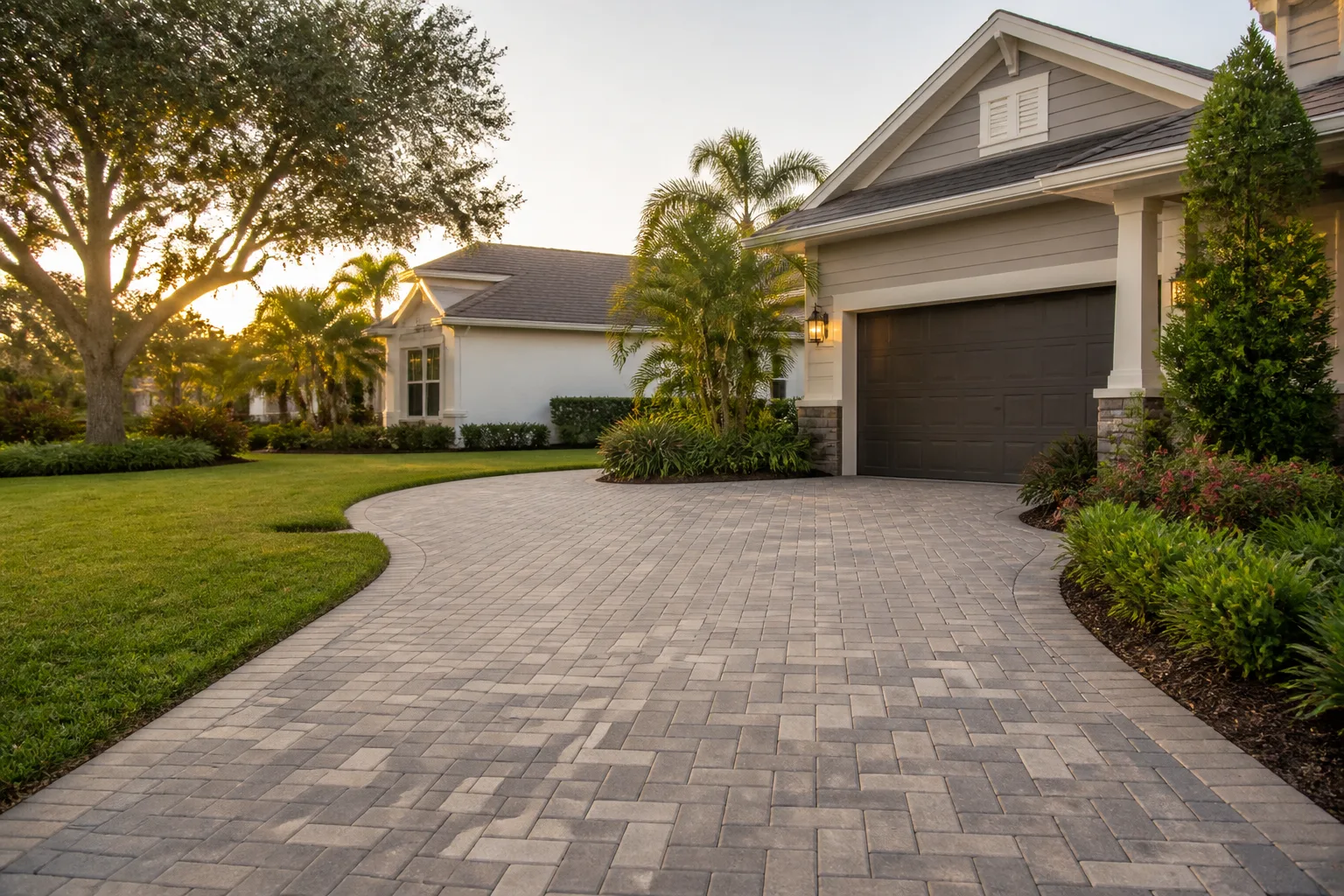
- Paver installation – 2 to 4 days. Setting the bedding layer, cutting and laying pavers, cutting edges for curves or borders, and installing restraints. A standard two-car Inglewood driveway runs about 400 to 600 square feet. Simple running bond goes faster; a herringbone pattern or a complex border adds a day.
- Jointing, sealing, and final inspection – 1 to 2 days, plus a curing gap. Sanding joints, applying sealer (if the project includes it), and a final walkthrough. We don’t seal on the same day we finish laying pavers – the installation needs time to settle before the sealer goes down, and the sealer itself needs dry weather to cure.
Add those up and you land at 2 to 4 weeks on a straightforward Inglewood driveway, with a specialty brand or a drainage-tied project stretching to 5 or 6 weeks. The paver-laying portion is the fastest phase. Everything around it is where the time actually goes.
What Drives Timeline Variation in Inglewood
Two driveways the same size on the same block don’t always take the same number of weeks. Inglewood has specific patterns that change the schedule – some of them are site conditions, some are city and climate factors, and some are simple logistics. These are the ones we see most often when we scope an Inglewood project.
Lot access constraints
A lot with a narrow side yard and a tight drive approach (common in the denser residential pockets between Manchester and Century) slows demolition and materials delivery. If a dumpster or materials pallet can’t sit in the drive while it’s being poured, haul-off stretches and materials staging eats an extra day.
Existing surface type
Replacing a 4-inch concrete slab that’s cold-jointed and free-draining is a faster removal than a thick asphalt-over-rebar surface with old paver edging still buried in the base. Asphalt is easier to break out. Old pavers can be lifted and recycled. Concrete is the heaviest to haul. Which one you have changes the demolition day count.
Drainage work required
Inglewood’s clay-heavy soils hold water, and many driveways were originally graded to shed water into a swale that no longer works. If we need to add a channel drain, a trench drain, or a slope re-grade during base prep, that work adds 1 to 3 days and can trigger a plan check if it alters site drainage. Flat or negative-grade driveways need a hard look before a paver is ever laid.
Inspection scheduling
Where your project requires an inspection (typically after base prep and before paving), the inspection date is the city’s schedule, not ours. We build a 1 to 3 day buffer around inspections. Skipping an inspection isn’t an option – it can void a permit – so the buffer stays in the estimate.
Weather and heat
South Bay summers can push afternoon concrete and sealer surface temperatures past 120°F. Hot-weather sealers cure faster than manufacturers intend, which means we may schedule sealing for an early morning window or wait a day for cooler temps. The seasons here rarely stop paver work, but summer heat can shift a sealing day by 24 to 48 hours.
These are the variables the schedule has to be built around. If you’re planning a wider outdoor renovation that includes fencing or a garage-side structure, the Groundwork Construction Co. of Inglewood home page lays out how the full-scope projects sequence alongside the driveway work.
Permits and Material Lead Times: The Two Hidden Weeks
If you only track the day-count for laying pavers, you’ll underestimate the job by two weeks or more. The two most common timeline killers in Inglewood are permit review and material availability, and they often run in parallel – which means one can hide the other.
Permit processing in Inglewood
Under Inglewood’s current residential permitting setup, small like-for-like replacements move through fast-track review, but projects that add impervious surface area, change drainage, or affect the public right-of-way need a plan check. Plan check can take 3 to 10 business days, and corrections add another round if the city comes back with comments. We submit permit applications at the signed-estimate stage, not the day the crew shows up – that one sequencing decision saves a week on most projects.
Material lead times for quality paver brands in the LA market
Big-box stock pavers are typically available with 3 to 5 day lead times, and they work fine for a basic driveway. Specifying a premium concrete paver from a manufacturer like Belgard or a clay paver from the natural-stone/specialty side of the market, though, means ordering through a dealer and waiting for a truck from a regional plant or warehouse. Here’s how the current LA market usually breaks down:
- Standard concrete pavers in stock at regional dealers: 3 to 7 business days from order to delivery on site.
- Premium concrete paver lines (Belgard and similar): 1 to 3 weeks, depending on color and thickness availability at the Southern California plant.
- Clay pavers and imported natural stone: 3 to 6 weeks, sometimes longer if the shipment is coming from out of state.
- Custom color blends or split-face finishes: add 1 to 2 weeks for production.
The practical takeaway: choose pavers and lock in your order the same week you sign the estimate, not the week demolition starts. Material sitting on a staging pallet in the driveway while base prep proceeds is a schedule that stays on track. Materials that haven’t arrived yet are a schedule that stalls. If your plan involves a bigger remodel alongside the driveway (an ADU or a home addition), coordinating material orders across both projects can compress the total schedule – the Home Additions & ADU in Inglewood page shows how those projects sequence with site work.
Curing, Settling, and What “Done” Really Means
“Done” and “ready for daily use” are two different days on a paver project, and this is where most written timelines go quiet. The crews finish, the site is clean, the invoice is signed – and then there’s a settling window before you can park on it with confidence. That gap isn’t a delay or a defect. It’s a real physical requirement.
What “done” means
The paver surface is laid, edges are restrained, joints are sanded, and any specified sealing is complete. The site is walkable and the driveway looks finished. From the street, nothing further is expected. This is usually the final walkthrough day, and it’s the day you’ll want to record with a camera.
What “ready for daily use” means
Vehicles roll on pavers after the base has fully settled and, if the project included sealing, the sealer has cured. On an unsealed installation, we typically ask homeowners to keep vehicles off for 24 to 72 hours after final sanding. Sealed installations usually need 24 to 48 hours of dry, warm weather before vehicle traffic. Heavy trucks, moving vans, or loaded equipment ideally wait 5 to 7 days. The first month is also when we watch for settling at the edges and any joint sand loss, and top up the sanded joints if needed – that follow-up is normal maintenance, not a callback.
Why the gap matters
Parking a two-ton vehicle on a fresh paver installation before the base has settled can cause surface deviations and ruts that void the work. Sealer, if applied too early, can lift if it hasn’t cured. Understanding the gap lets you plan around it: if you need your driveway back within 24 hours, tell your contractor at the scoping stage, so the schedule is built around that. Every project we run through Groundwork Construction Co. of Inglewood carries the 730-Day Done Right Promise – if anything’s off after the fact, we make it right – and that includes the settling window.
Red Flags in a Contractor’s Timeline Quote
Some timelines are too good to be true, and the shortcuts behind them show up months later. If a bid sounds unusually fast for an Inglewood driveway, here’s what’s usually being cut out of the schedule to make that number work.
Fast quote: “We can be done in 4 days”
A 4-day quote on a 500-square-foot driveway with any base work typically means the permit is being skipped, the base is being installed at minimum depth without proper compaction, and the drainage grade isn’t being corrected. What you save in days you may lose in cracking pavers, ponded water, and an inspection failure that has to be redone. A trained crew and a stacked truck can lay pavers fast. A full installation can’t be compressed below its base and settling requirements without consequence.
Fast quote: “No permit needed”
Some driveway changes don’t require a permit, and some do. Whether yours does depends on impervious surface coverage, drainage, and right-of-way work – not on the contractor’s preference. Skipping a required permit in Inglewood can mean having to pull it after the fact, or dismantling the work. Ask for a written answer on the permit requirement, in the estimate, before you sign.
Fast quote: “We’ll seal it the same day we finish”
Sealing over fresh pavers that haven’t had time to settle or dry is a shortcut that shows up as hazy sealer, uneven sheen, or sealer that peels in the first season. If your project includes sealing (it’s often quoted separately), the sealer has its own separate day, not the same one.
Fast quote: no material lead time mentioned
If your chosen paver brand isn’t on site or in the dealer’s yard, delivery timing has to be in the quote. A timeline that ignores material availability will crash on or around demolition day. Any quote worth trusting names the paver brand, notes whether it’s a stock item or a special order, and states when it’s scheduled to arrive.
Other red flags worth writing into your notes
- No written line-item estimate – a verbal square-foot price gives you nothing to hold anyone to.
- No mention of base depth, compaction method, or edge restraint. These are the three things that determine how long the pavers last.
- No permit answer, or a promise to “look into it.”
- No settling-window guidance. A professional will tell you exactly how long to keep vehicles off.
- Prices that change when the crew shows up. Upfront pricing, no surprises, is the standard to hold every bid to.
Sealing and the Final Finish Window
Sealing is the phase most homeowners underestimate in both time and sequence. It’s not something you tack onto the same day as paving – it’s its own phase with its own weather requirements, and it can move your true “completion” date by several days to several weeks, depending on the project schedule.
Quality paver sealing typically happens 30 to 90 days after installation, once the base has settled and the joints are fully jointed. The reason is practical: sealing a fresh installation traps moisture, hides settling issues, and produces an uneven finish. When sealing day arrives, we plan for a dry window of at least 48 hours with temperatures that let the sealer cure at the manufacturer’s spec. South Bay heat can push us to early-morning application.
On a sealed driveway, the paver installation is 3 to 4 weeks from permit to finished install, then the sealer is a separate scheduling window. If your project includes sealing, plan on having your full driveway back about 10 to 12 weeks after the first day of work, with the sealer as a short, weather-dependent final phase. If you want the schedule to be honest from the first conversation, ask for sealing to be quoted with its own line item, in writing, on the estimate.
Pre-Project Checklist Before Day One
Most of the delay that catches homeowners off guard is preventable with a week or two of planning. Here’s what to line up before demolition day so the schedule holds.
- Clear the driveway and approach the weekend before. Move vehicles, bins, and anything the crew will need to relocate. Clean the side yard so materials have a staging spot.
- Confirm the paver order is placed and the delivery date is scheduled. Not “ordered.” Scheduled, with a date, on the dealer’s calendar.
- Ask for the permit submission date in writing. The estimate should list when the permit is going in, and which requirement applies to your project.
- Plan for access disruption. Have a plan for how you and your household are getting around while the driveway is out of service. Most Inglewood driveways are off-limits for 2 to 4 weeks total, with the settling window factored in.
- Choose the sealer and whether it’s included. Sealing is often a separate line item. Decide upfront whether you want it in the project so the schedule accounts for it.
- Ask about the settling window and the follow-up visit. A professional will tell you exactly how long to keep vehicles off and when they’ll check joints and top up sand.
- Coordinate with any adjacent work. If you’re planning a fence or a garage-side structure alongside the driveway, sequencing the work may save a week or more. The Fence Installation in Inglewood page shows how fencing typically sequences with driveway and hardscape work.
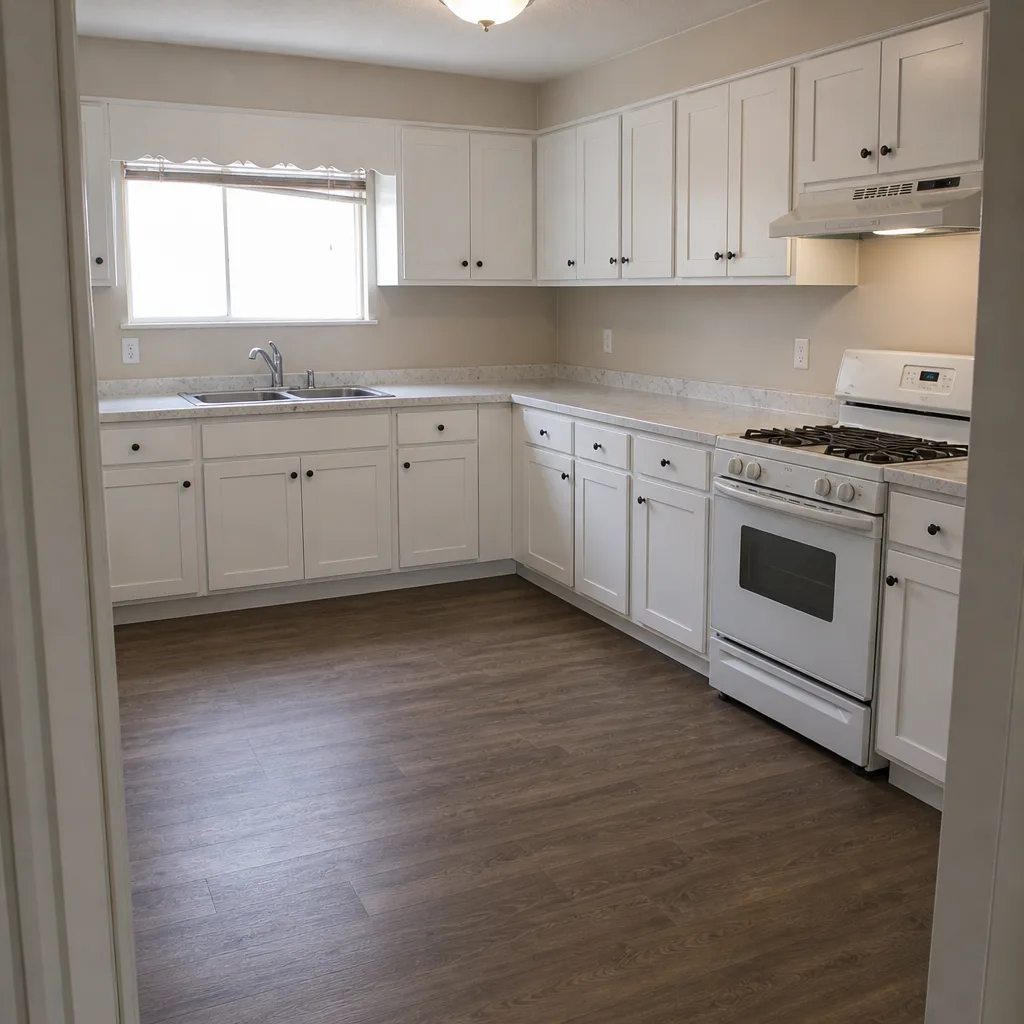
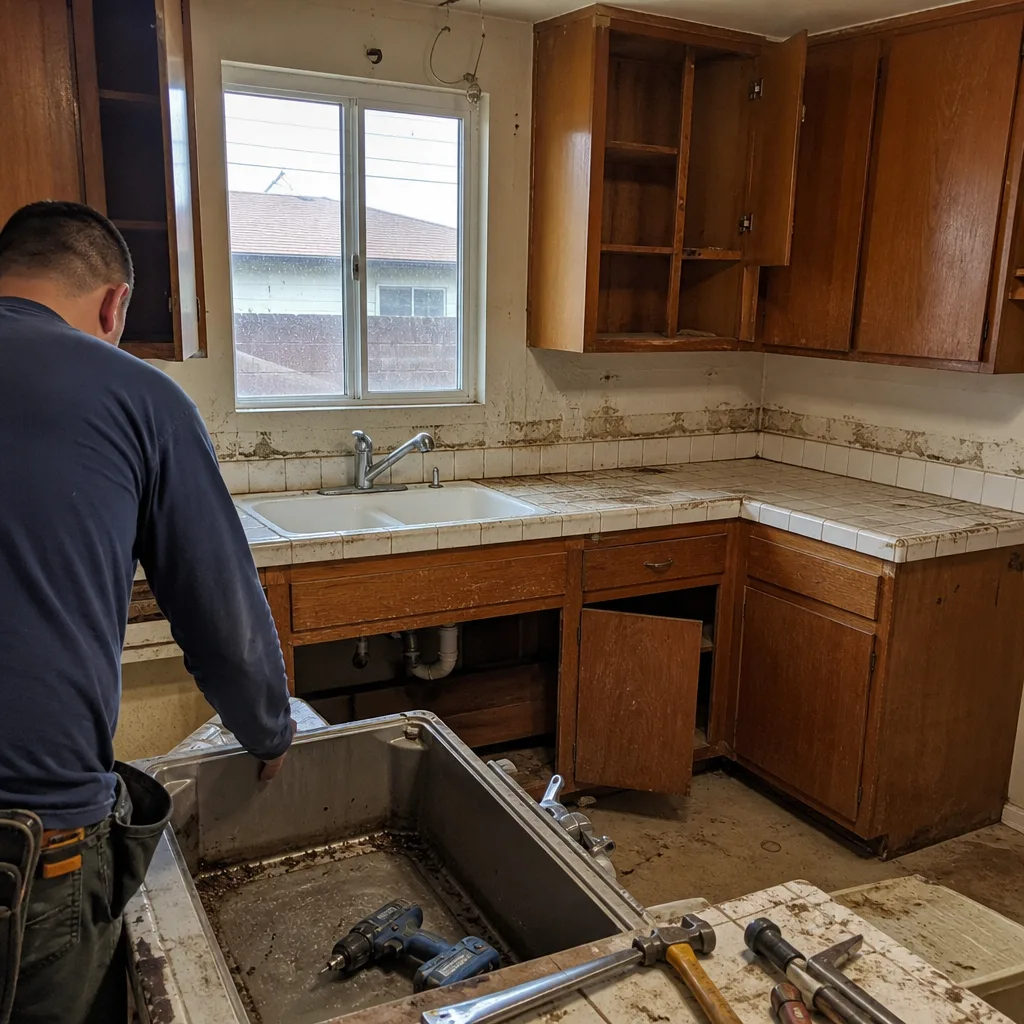
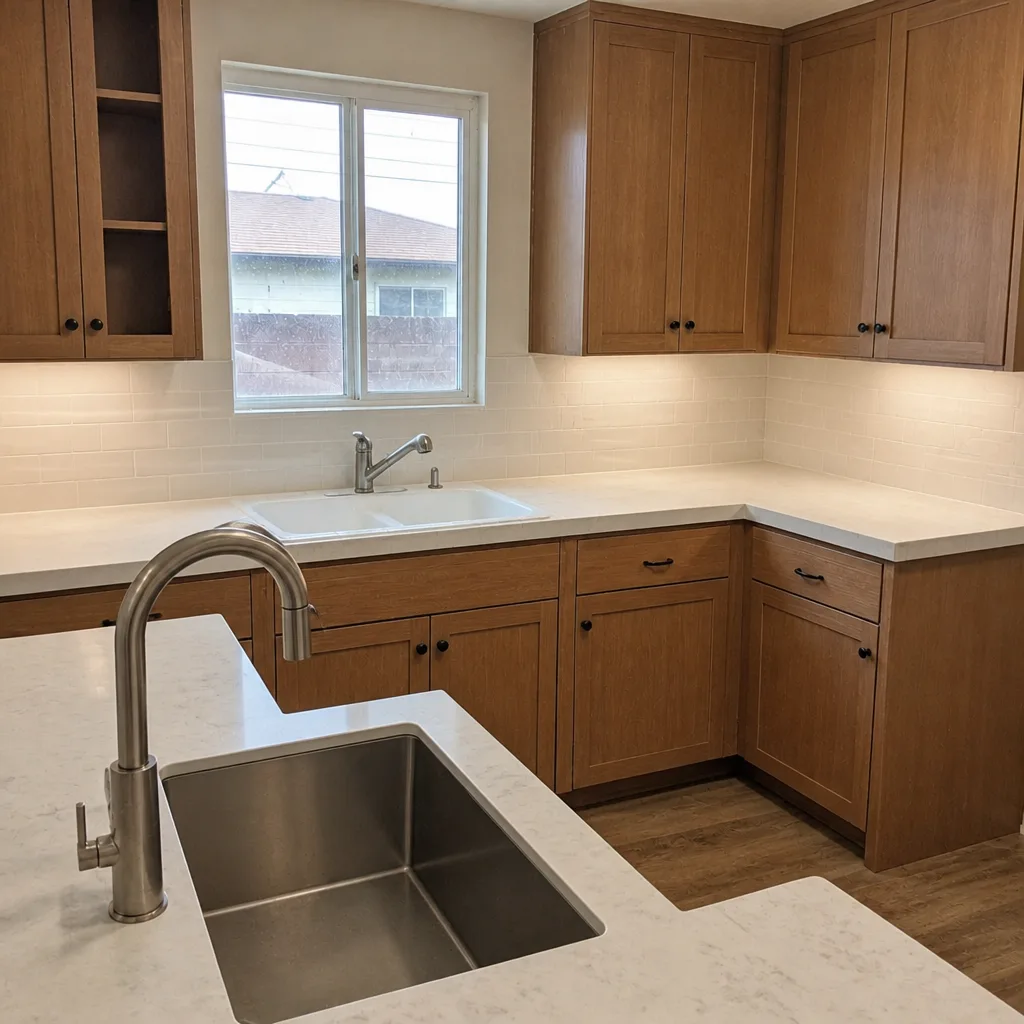
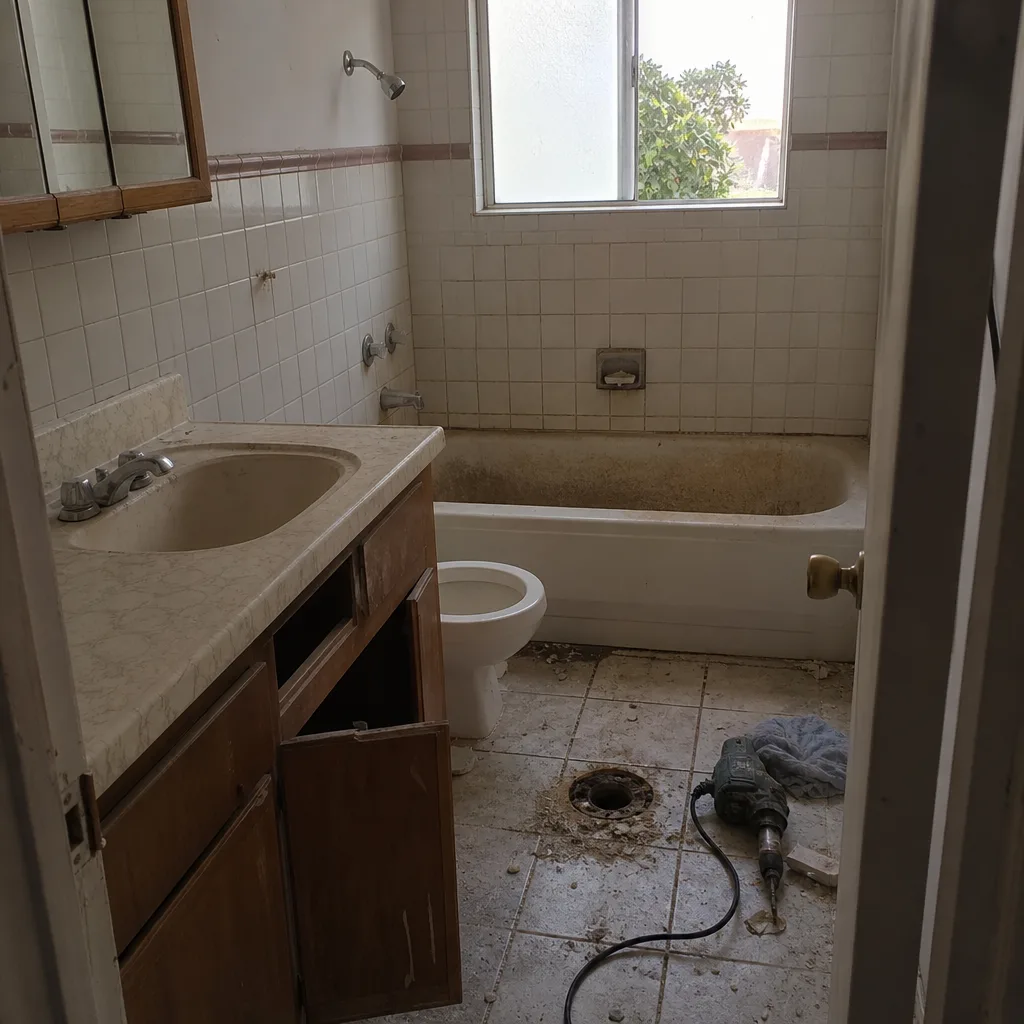
See the difference
 Before
 After
 Before
 After
 Before
 After
Common Mistakes to Avoid
- Booking the crew before the materials are ordered. A scheduled installation date with no paver delivery date is a project that stalls on demolition day. Place the order at estimate-signing.
- Planning around the shortest phase. Laying pavers is 2 to 4 days. The schedule you plan around is 2 to 4 weeks. Get the whole timeline in writing.
- Skipping the permit because “it’s just a driveway.” Inglewood projects that touch drainage or impervious coverage need a permit and often a plan check. Skipping it can mean tearing the work out later.
- Parking on the driveway the day it’s finished. The settling window is real, and it protects the work you just paid for. Keep vehicles off for at least 24 to 72 hours after final sanding, longer for sealed or heavy-load use.
- Putting off the base work. Base depth and compaction are the whole reason pavers last decades instead of a few seasons. Do not accept a quote that underrewards the base.
- Ignoring drainage in a clay-heavy yard. Inglewood’s soils hold water. A driveway graded to shed water into a failing swale starts to pond within the first rainy season.
- Choosing a contractor by price instead of written scope. A cheaper number that doesn’t itemize base, compaction, permit, and sealing leaves the missing phases for you to discover later – usually as a change order.
When to Call a Professional
If your project touches an existing slab that’s cracked or heaved, sits on a slope, requires new drainage, or has any question about permit coverage, it’s time for a professional scoping. A driveway that ponds after the fact is expensive to unwind. Pavers on an improperly compacted base show their hand within a season or two – and by then a homeowner has already paid for the work. If you’ve been quoted a timeline that sounds suspiciously fast, or a verbal price with no line items, get a second opinion in writing. Groundwork Construction Co. of Inglewood offers free estimates in Inglewood – call (833) 842-7204. Our technicians have up to 12 years of experience, and every project is covered by the 730-Day Done Right Promise. Calls are answered by a live person, 24/7.
Frequently Asked Questions
A standard Inglewood driveway paver installation takes 2 to 4 weeks from permit submission through final seal, with 2 to 4 of those days allocated to laying pavers. The full cycle includes permit review, demolition and haul-off, base excavation and compaction, installation, jointing, and a settling window. Projects with drainage work or specialty paver brands typically run 4 to 6 weeks. Call (833) 842-7204 for an exact quote – estimates are free.
An Inglewood paver driveway needs a permit when it changes impervious surface area, alters site drainage, or touches the public right-of-way; simple like-for-like replacements can move through faster or skip plan check. If your drainage swale is being re-graded or a new channel drain added, expect a plan check. Get the answer in writing on your estimate so you know the permit status before the crew starts. Call (833) 842-7204 to get a written answer for your specific site.
It shouldn’t. A properly scoped paver driveway is priced upfront, itemized by phase, with no change orders for the standard scope. Price changes should only happen when you, the homeowner, request a scope change or when a hidden condition in the base is discovered and you approve the fix in writing. If a contractor won’t commit to a line-item price, that’s a warning sign. Call (833) 842-7204 for an upfront quote – estimates are free.
Plan on 24 to 72 hours after final sanding before driving on unsealed pavers, and 24 to 48 hours of dry weather before driving on sealed pavers. Heavy trucks and moving vans should wait 5 to 7 days. The settling window matters more than most homeowners expect, because pressing a vehicle onto a fresh installation before the base settles can cause surface deviations that are difficult to correct. Call (833) 842-7204 if you want the settling guidance in writing on your estimate.
Standard concrete pavers in stock at regional dealers typically ship in 3 to 7 business days, premium concrete paver lines (Belgard and similar) run 1 to 3 weeks depending on the color and thickness, and clay or imported natural stone can run 3 to 6 weeks. Custom color blends add 1 to 2 weeks for production. The right move is to place the paver order the same week you sign the estimate, not the week demolition begins. Call (833) 842-7204 if you want help locking in product and lead time before you commit to a start date.
Plan an extra 1 to 3 days for the drainage correction itself, plus a possible plan check if the work alters site drainage. Inglewood’s clay-heavy soils often hide grade problems until the old surface comes out. That doesn’t have to blow the schedule if the drainage work is scoped and permitted up front. Call (833) 842-7204 for a free site check – estimates are free.
The Bottom Line
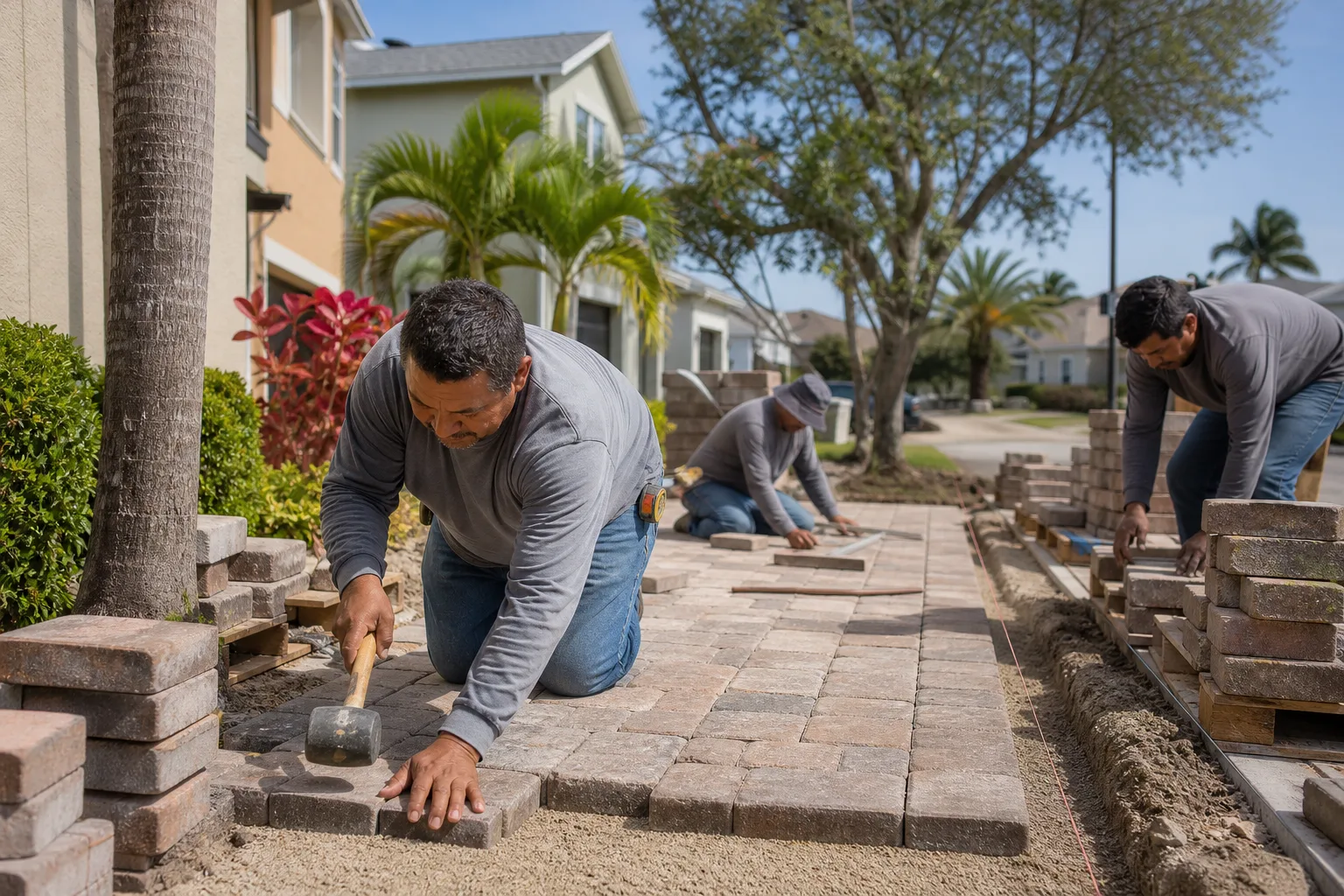
The paver installation itself is the shortest portion of the job – 2 to 4 days on a typical Inglewood driveway. The real timeline, 2 to 4 weeks from permit to final seal and longer if drainage or specialty materials are involved, is set by permit review, demolition and haul-off, base excavation and compaction, inspection scheduling, and the settling window before daily use. Material lead times are a phase you control, not a variable you wait on. Don’t plan around a fast quote that skips any of these; a written, line-item estimate from a professional crew is the only timeline that holds. From foundation to finish line, every project we run through Groundwork Construction Co. of Inglewood is covered by the 730-Day Done Right Promise – if it’s not done right, we make it right – and every estimate is free.
Call (833) 842-7204 to schedule your free estimate. Our team answers live, 24/7, so you don’t wait until Monday for a straight answer about your driveway timeline.
Written by the team at Groundwork Construction Co. of Inglewood.