Last updated November 18, 2026
Free written scope consultation - allowances, timeline, and change-order rules on paper before a single trade is scheduled
Construction Cost Breakdown: The Inglewood Homeowner’s Reference for 2026
The average Inglewood homeowner gets three bids on a construction project and picks the middle one. That strategy feels safe, but it tells you nothing about whether any of those three numbers actually reflects what your project requires. Bids come in wildly different because contractors hide their math in different places: buried permit costs, allowances with no basis, and labor rates that don’t match the South Bay market in 2026. This guide gives you a line-by-line framework for understanding exactly what you’re paying for, what a fair markup looks like in Inglewood, and how to force every contractor to compete on the same page so you can compare apples to apples.
Quick Answer
In Inglewood, most whole-room and exterior construction projects in 2026 run roughly $150 to $350 per square foot for interior remodels, with roofing, fencing, and pavers quoted by the unit instead. A bid is only trustworthy when it shows labor rates, material markup, permit and inspection costs, and allowances as separate line items rather than one lump sum. If a contractor won’t itemize those four things in writing, you can’t actually compare that bid to anyone else’s.
Styles & brands we work with
- Kitchen remodeling
- Bathroom remodeling
- Home additions & ADU
- Roofing
- Windows & doors
- Driveway & pavers
- Fence
Table of Contents
- What are real labor rates for Inglewood construction in 2026?
- How much should materials be marked up?
- What do Inglewood permits and inspections actually cost?
- What does an allowance in a contract really mean?
- How do you compare bids line by line?
- Which line items do most bids bury or omit?
- Where do costs run higher in Inglewood?
- Common mistakes to avoid
What Are Real Labor Rates for Inglewood Construction in 2026?
National averages published in cost guides are close to useless in Inglewood. Labor here tracks the broader Los Angeles metro, which sits well above the national number, and the South Bay specifically carries a premium for trades that need to travel. When we scrub a bid, the labor line is the first place we look, because it’s where an honest number and a padded number diverge fastest.
Here’s the range we see for common trades in the Inglewood and South Bay market in 2025 to 2026:
- General carpentry – $75 to $110 per hour
- Framing crews – $65 to $95 per hour
- Plumbing (licensed) – $110 to $165 per hour
- Electrical (licensed) – $95 to $150 per hour
- Tile setting – $55 to $90 per hour
- Drywall finishing – $50 to $80 per hour
- Roofing labor – $60 to $100 per hour, often quoted per square of roofing instead
- Concrete finishing – $70 to $105 per hour
Rates run toward the top of those ranges on tight lots, on second-story work, and wherever a crew has to protect finished floors or haul materials through a narrow driveway. A bid showing labor well below these numbers is often a bid that will come back for change orders, or one where the crew isn’t carrying workers’ comp. Ask how the labor line was built and watch whether the answer is specific or fuzzy.
Our technicians have up to 12 years of experience across the trades, and that experience is what lets us read a bid’s labor line and know which number it’s hiding. When you’re pricing out a larger addition, the same logic applies, and our guide to Home Additions & ADU in Inglewood walks through how labor scales on bigger footprints.
How Much Should Materials Be Marked Up?
Material markup is the part of a bid homeowners almost never see, because most contractors quote materials as one blended number. Every contractor buys materials for less than you’d pay at the counter, and the difference between that cost and what they charge you is the markup. There’s nothing dishonest about markup. The problem is when it’s hidden and unaccounted for.
For Inglewood projects in 2026, a fair markup range sits somewhere between 10 and 25 percent above the contractor’s material cost. A single-specialty contractor who buys in volume can legitimately land on the low end. A full-scope contractor who coordinates across trades, handles delivery scheduling, and accepts returns may sit higher. What should raise your eyebrow is anything above roughly 30 percent without an explanation, and any bid that won’t state its material markup at all.
You can pressure-test this by pricing a few governed materials yourself. Ask which brands will be used. If the bid names Caesarstone quartz for the kitchen, you can pull the retail range for that line and see how the quoted material figure compares. A contractor markup above 25 percent on a named brand with a known street price is worth a question. We work with a curated set of brand partners across every trade, which gives our material lines solid grounding, and the same names (KraftMaid, Kohler, Moen, GAF) appear in bids across the city because they’re the brands homeowners recognize and can price-check.
The other markup to watch is the “materials plus” line that quietly absorbs a delivery and shopping fee. It’s fair for a contractor to charge for those, but they belong on the bid as their own line, not folded silently into the material figure. If you can’t see the material cost and the markup as two numbers, ask for them apart.
What Do Inglewood Permits and Inspections Actually Cost?
Permits are the most frequently buried line item in an Inglewood bid, and they’re also the one most likely to turn into a change order after work starts. A contractor who omits permits is either pulling none (a serious risk to you at resale) or planning to bill them later. Both problems are avoidable if you insist the line is in the bid.
Permit fees in Inglewood are set by the city and scaled to project valuation, so a small bathroom and a full addition are in different territory. Most interior remodels that require permits fall in the low hundreds to roughly the low four figures depending on scope, while larger structural work and additions scale higher. The bid should show the permit fee as its own line, plus a separate line for the contractor’s time to pull it, gather plans, and meet the inspector.
Here’s how to make sure the permit line is real:
- Ask the contractor to list every permit and inspection your project will require, by name.
- Confirm in writing who pays the city fee, you or the contractor.
- Ask whether a plan check or engineering sign-off is needed, and whether that’s included.
- Get the anticipated inspection schedule in the bid, not a verbal promise.
- Verify the permit will be pulled in the contractor’s (or their sub’s) licensed name, not yours.
If a contractor insists permits aren’t needed for your scope, get that in writing too, because it means something if you sell the house. Some Inglewood neighborhoods have older homes with prior unpermitted work, and a knowledgeable contractor will flag that early rather than discovering it after the inspector does.
What Does an Allowance in a Contract Really Mean?
An allowance is a placeholder number a contractor puts in the bid for materials not yet chosen – tile, fixtures, cabinets, countertops – with the understanding that you’ll pick actual products later and pay the difference if they run above the allowance. Allowances are the single most common source of cost overruns homeowners didn’t see coming, because the bid looks complete and fixed when it’s really neither.
Here’s what an honest allowance does and doesn’t do:
- It names a specific material category – “bathroom floor tile, 60 square feet” rather than “tile.”
- It states a per-unit dollar amount – so you can compare against real showroom pricing.
- It states whether installation is inside or outside the allowance.
- It says how a change above the allowance is billed – at cost plus a stated markup, or a fixed upcharge.
What it should never do is sit as a single number with no category and no unit. “Lighting allowance: $2,000” tells you nothing about whether that’s one fixture or ten. In our experience, allowances set at retail-mid pricing with a clear overage formula are where a project stays on budget; allowances set low so the headline bid looks smaller are where the overruns live.
Before signing, add up every allowance in the bid and ask yourself whether you can actually furnish your project at those numbers. If you can’t, the bid you’re comparing is not the bid you’ll pay. The better move is to walk through real product choices alongside the numbers – your material brands matter here. Kohler fixtures, a Blanco sink, and Moen faucets each carry real line pricing, and a contractor who works with those brands regularly can set a realistic allowance instead of a placeholder.
How Do You Compare Bids Line by Line?
The cleanest way to compare bids is to force every contractor to put the same items on the same lines, so the only differences left are the numbers. Instead of asking each contractor to send their own format, build one shared framework and ask them to fill it in. Inglewood homeowners who do this stop guessing and start seeing.
Here’s the framework:
- Demolition and disposal – days, crew size, dumpster cost.
- Labor by trade – one line per trade, at an hourly rate or a flat amount per scope.
- Materials – named brand, quantity, unit cost, and the markup percentage.
- Permits and inspection fees – city fee, plan check, contractor time to pull.
- Allowances – broken out by category with per-unit dollar amounts.
- Contingency line – an explicit figure for unknowns, usually 8 to 15 percent on remodeling.
- Schedule – start, milestone inspections, completion target, and a stated fee for delays.
- Change order policy – how a change is priced and how it’s approved before work proceeds.
Once all three bids live on that same skeleton, the mystery nearly evaporates. If one contractor quotes labor of $3,000 on bathroom tile and another quotes $6,000, you know exactly where the difference sits and can ask each to explain it in person. If one lists a $4,000 allowance for cabinets and another lists $1,200, you know which bid is going to grow after the fact.
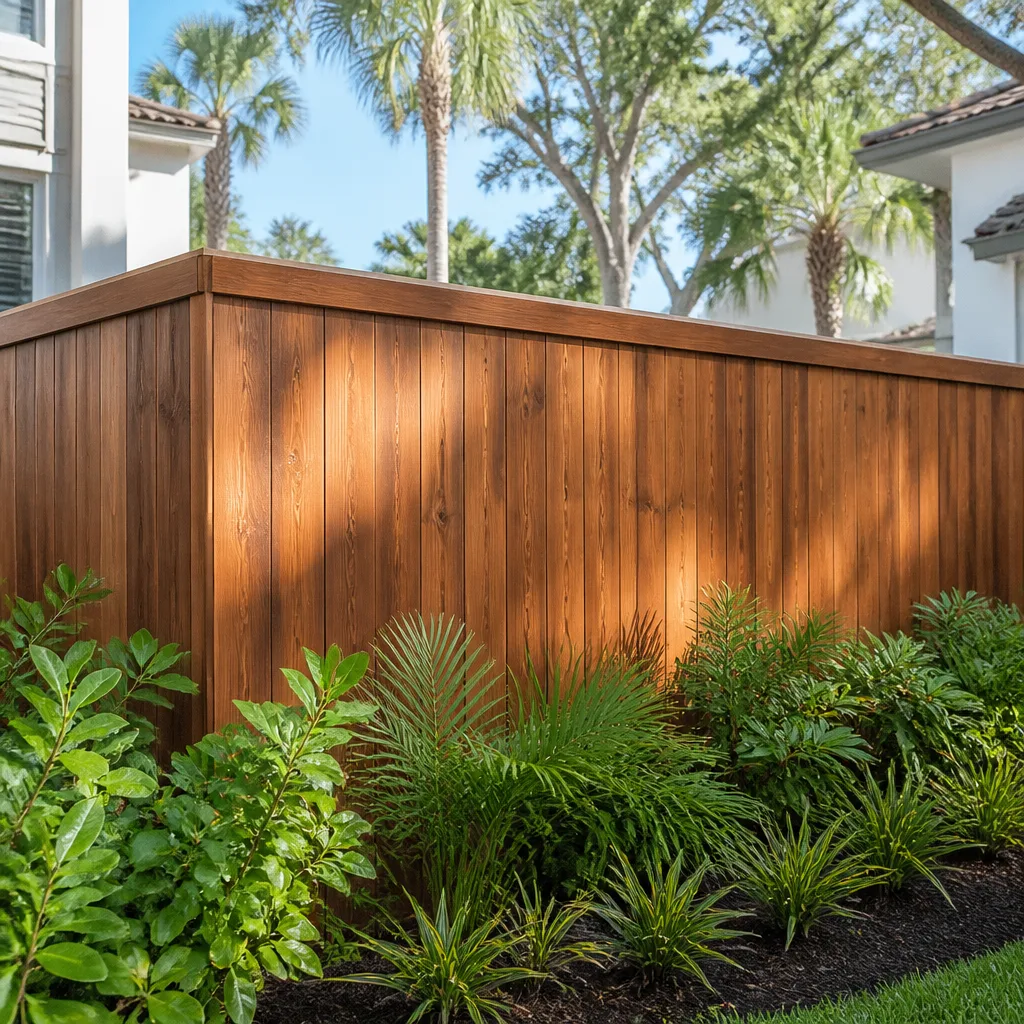
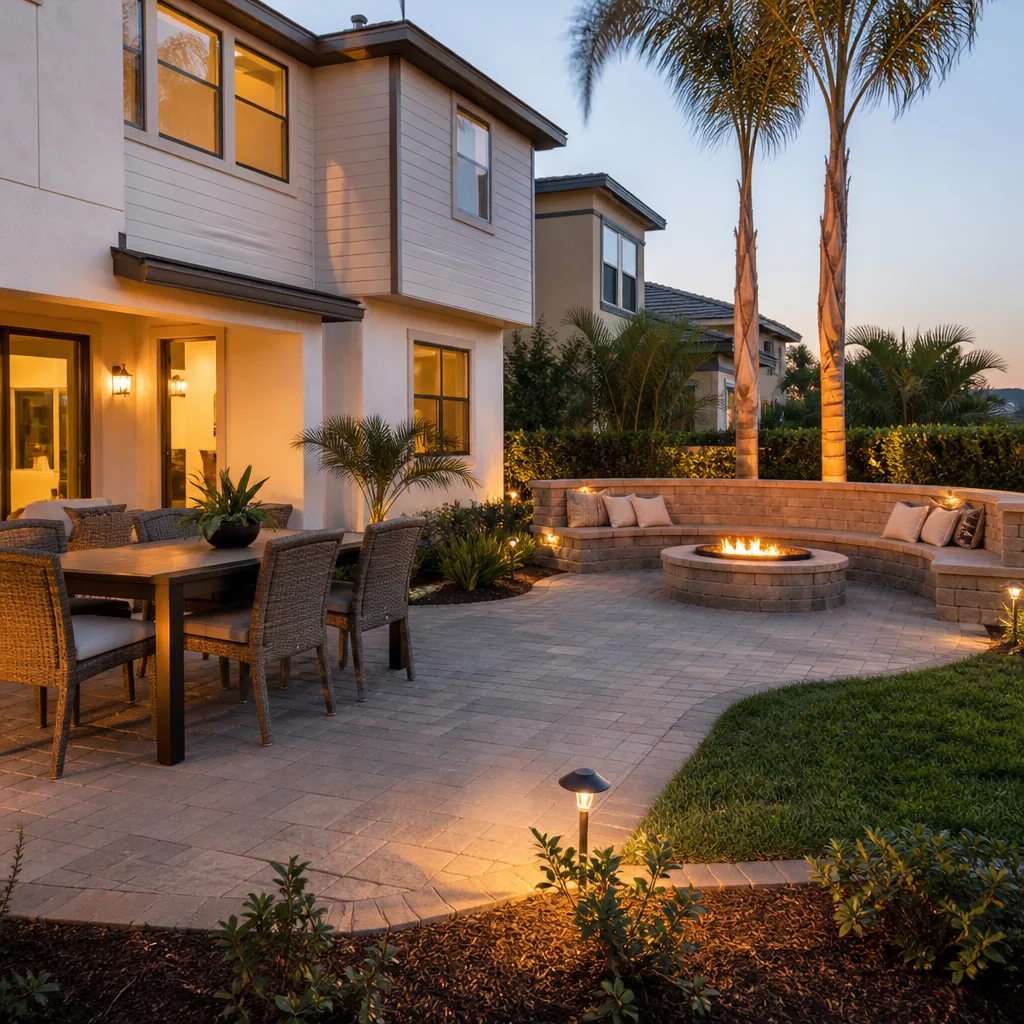
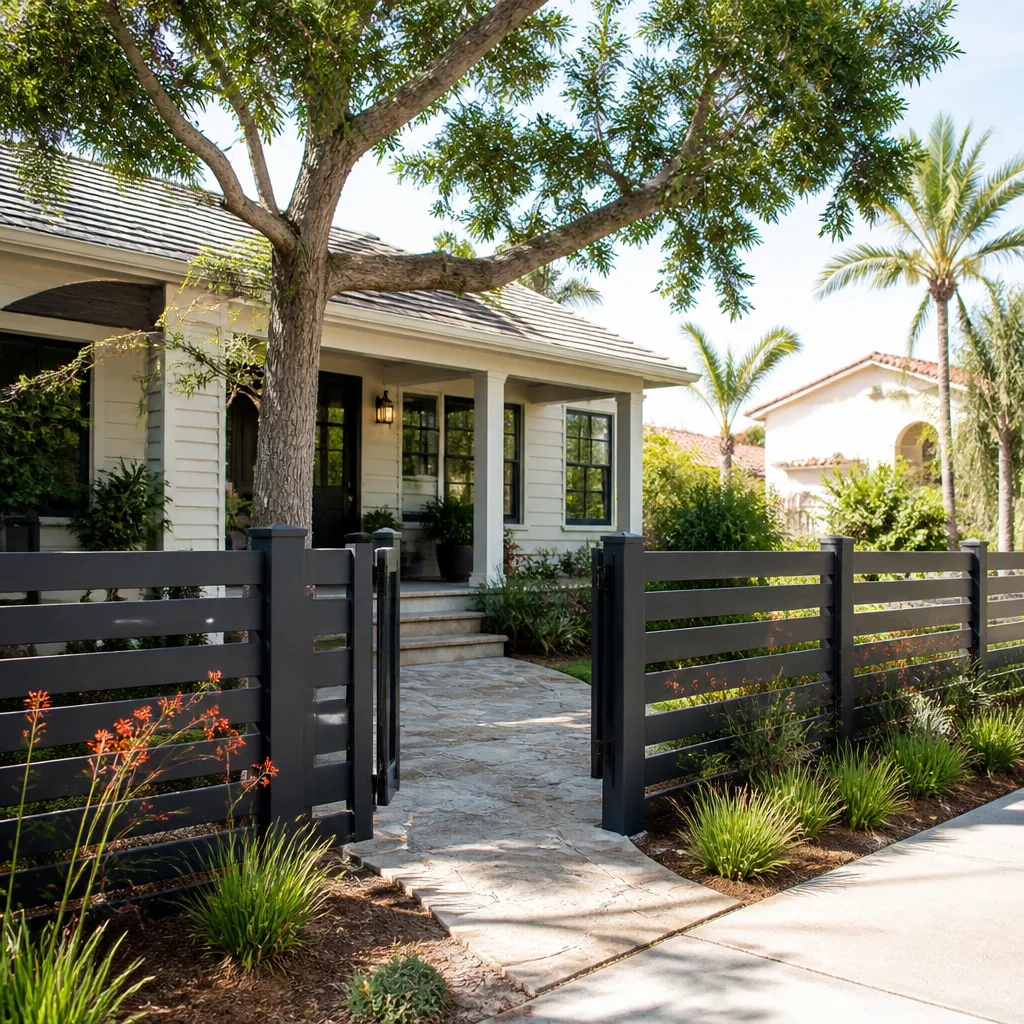
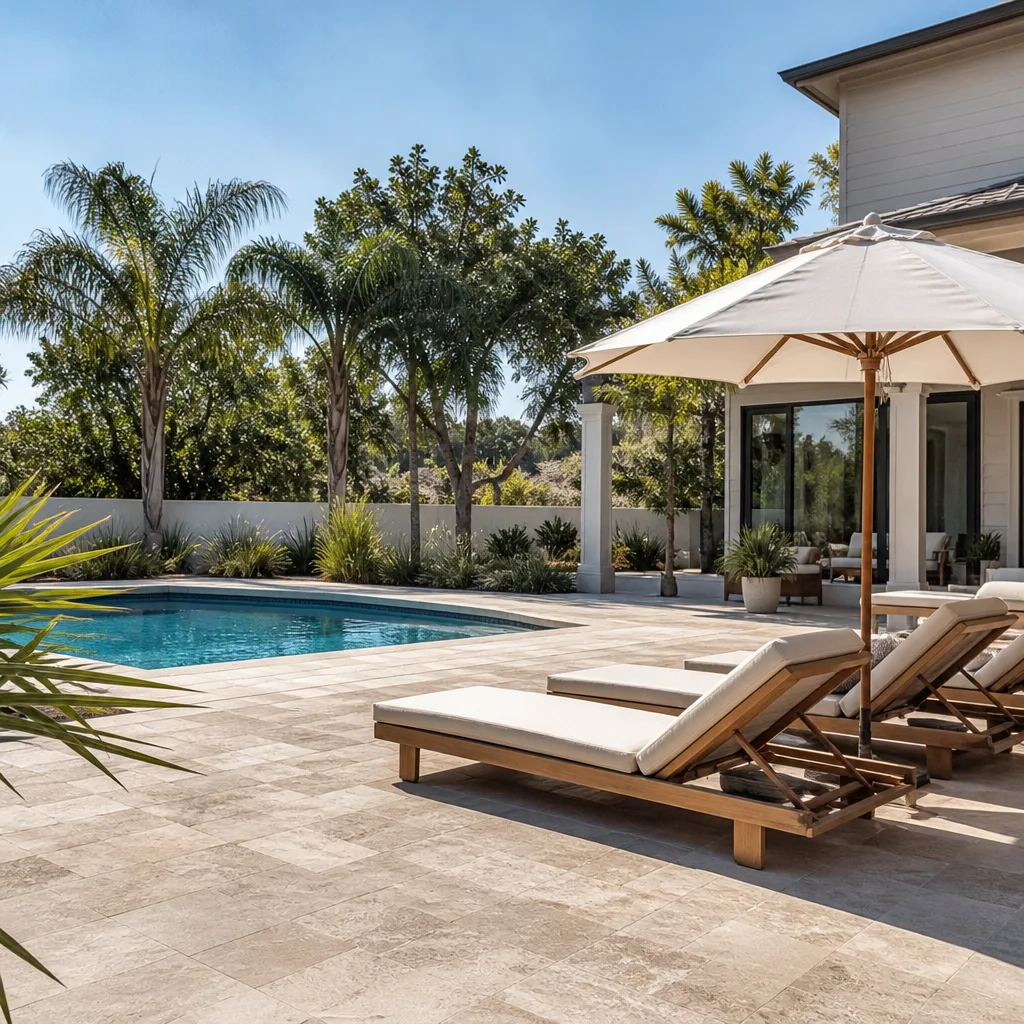
This same framework works for exterior projects: a Driveway & Pavers in Inglewood job is priced by square footage plus base prep plus edge restraints, and seeing those three lines side by side from three contractors immediately tells you who’s cutting corners on the base. The same applies to a Fence Installation in Inglewood bid, where you want post depth, material spf, gates, and disposal on separate lines. Force the skeleton. Watch what surfaces.
Which Line Items Do Most Bids Bury or Omit?
Even a well-structured bid usually skips a handful of costs, either by accident or on purpose. In Inglewood, the same six or seven lines go missing most often, and they’re worth adding to your comparison as a checklist on the back of the framework you hand each contractor.
- Dumpster and disposal fees – real money for tile demolition, roofing, and paver removal. Should be its own line, per load.
- Electrical and plumbing rough-in allowances – a bid that only covers finish work may leave rough-in invisible until inspection.
- Patch and paint after trade work – the drywall box-out and repaint after rough-in is often billed separately.
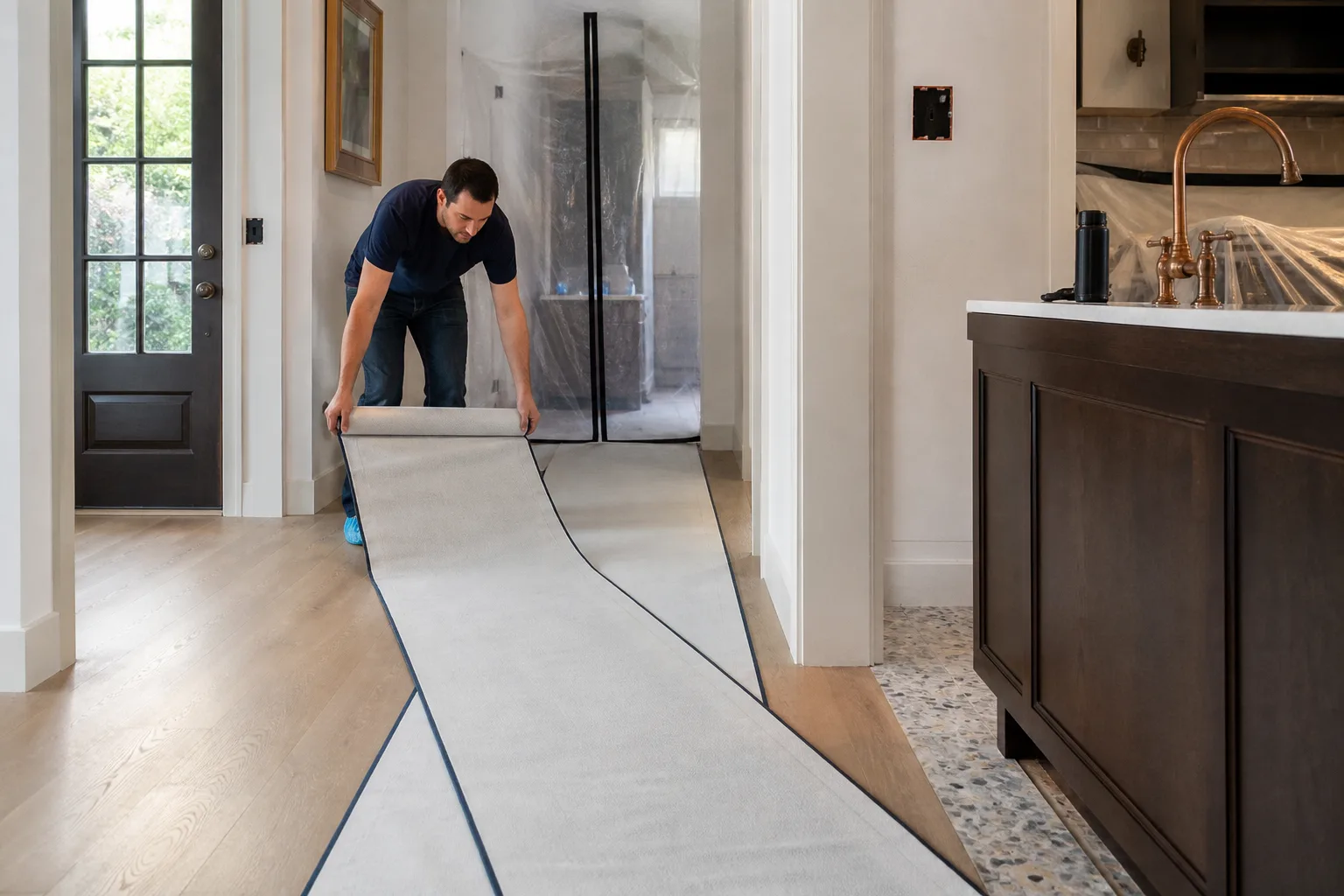
- Protection and cleanup – floor protection, dust walls, and job-site cleanup. Small numbers, real value.
- Delivery and tax – delivery on cabinets, windows, and other large material; sales tax on materials and sometimes labor.
- Final walk-through and punch list – confirm it’s included, not an extra “punch service” charge.
- Warranty terms – a written workmanship warranty and a manufacturer warranty on materials both belong in the bid, not in a brochure you never open again.
These lines don’t all need to be big. They just need to be there. A bid that shows its disposal, delivery, and cleanup lines is a bid written by someone who’s done the work before, not someone estimating from a template. And a written workmanship warranty belongs in writing, in the contract, in plain language you can point back to. Ours is the 730-Day Done Right Promise – if it isn’t done right, we make it right – and it’s the number we’re most comfortable being held to.
Where Do Costs Run Higher in Inglewood?
Inglewood is not uniform on pricing, and a contractor who quotes the same numbers across every neighborhood is quoting from a spreadsheet, not a site visit. The specific block, lot, and housing stock push a project’s real cost up or down in ways that don’t show up in citywide averages.
Here’s where we see the cost landscape shift:
- Older homes in Morningside Park and North Inglewood – more frequent discoveries of unpermitted prior work, out-of-date wiring, and galvanized plumbing once walls open. Plan a contingency of 10 to 15 percent, not 5.
- Tight lots near the Inglewood business district – material staging is harder, dumpsters need street permits, and crews lose hours hauling materials through narrow side passages. Costs run several hundred dollars higher on average.
- Westchester and LAX-adjacent blocks – jobs near flight paths and busy corridors have tighter scheduling windows and less after-hours work, which pushes labor toward the top of the range.
- Areas close to SoFi Stadium and the surrounding development – construction scheduling, delivery windows, and disposal options are affected by event traffic, and crews plan around it.
- Homes near the coast-influenced inland climate – the marine layer and cooler, wetter winters affect roofing life and exterior paint cycles, which factors into how often surfaces need redo.
When a contractor quotes a flat per-square-foot rate for every Inglewood address, ask what changes on your specific lot. The answer is usually the difference between an honest number and a starting number you’ll pay past.
See the difference
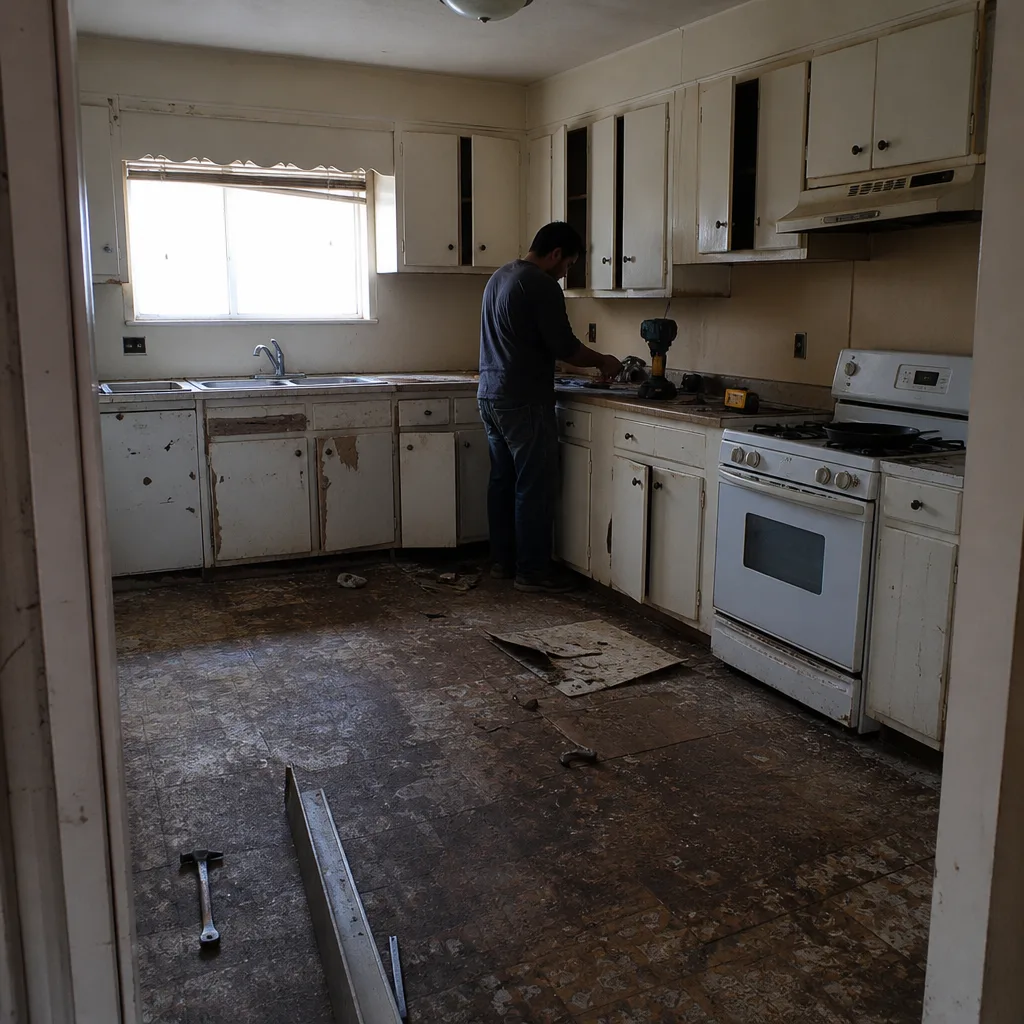 Before
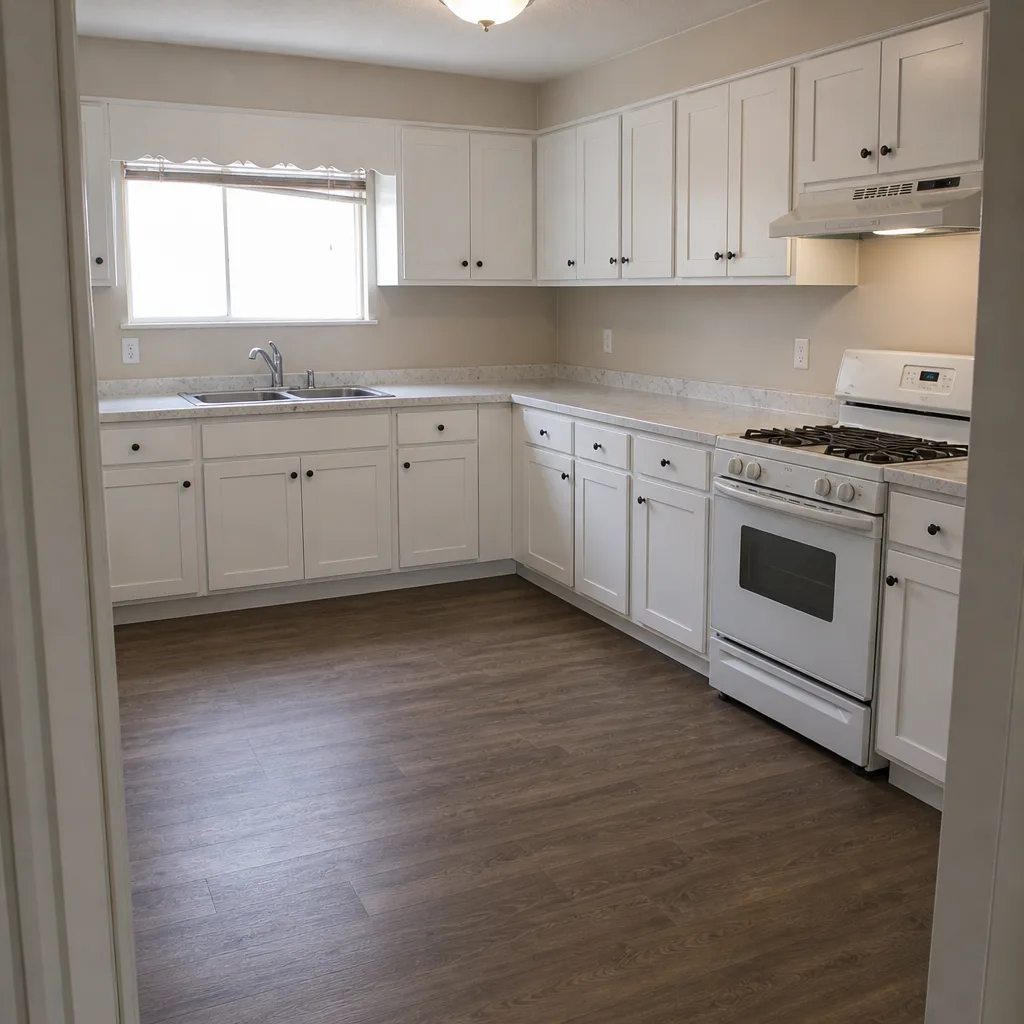 After
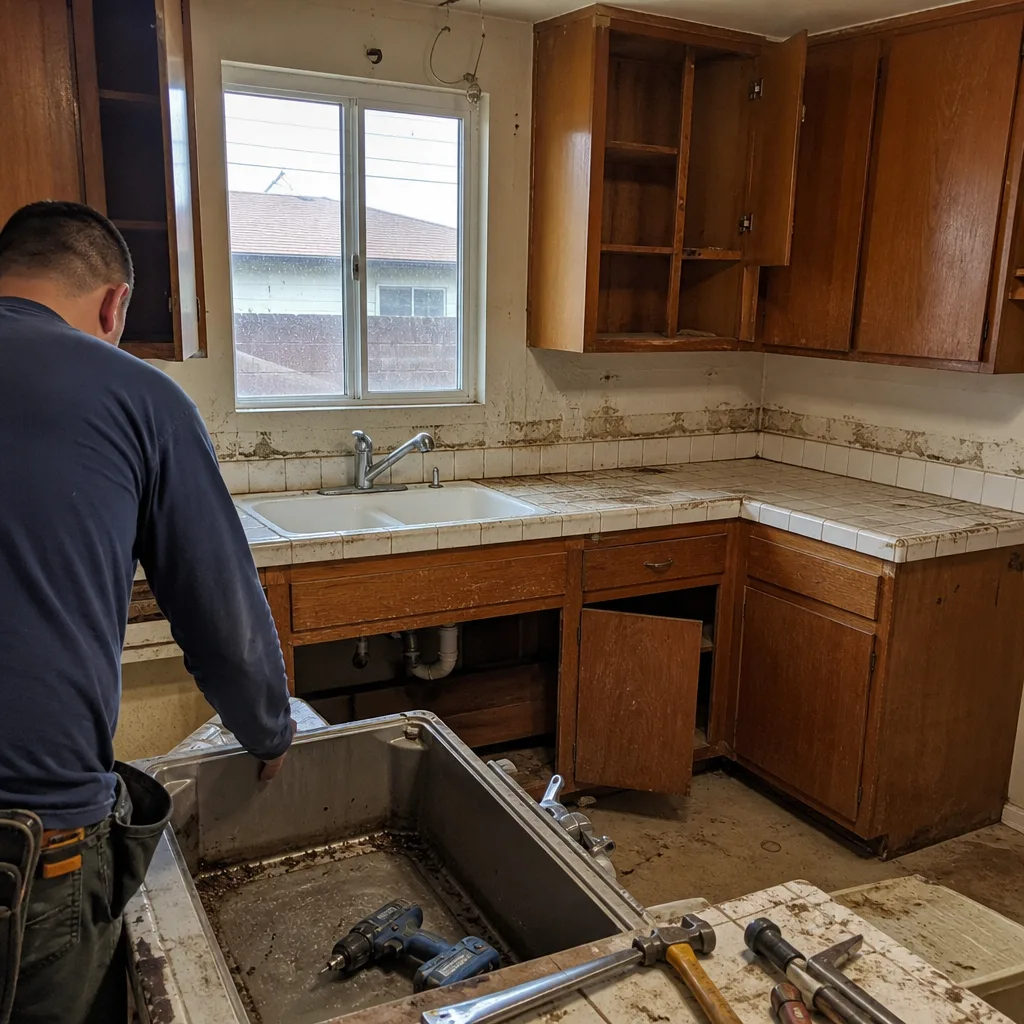 Before
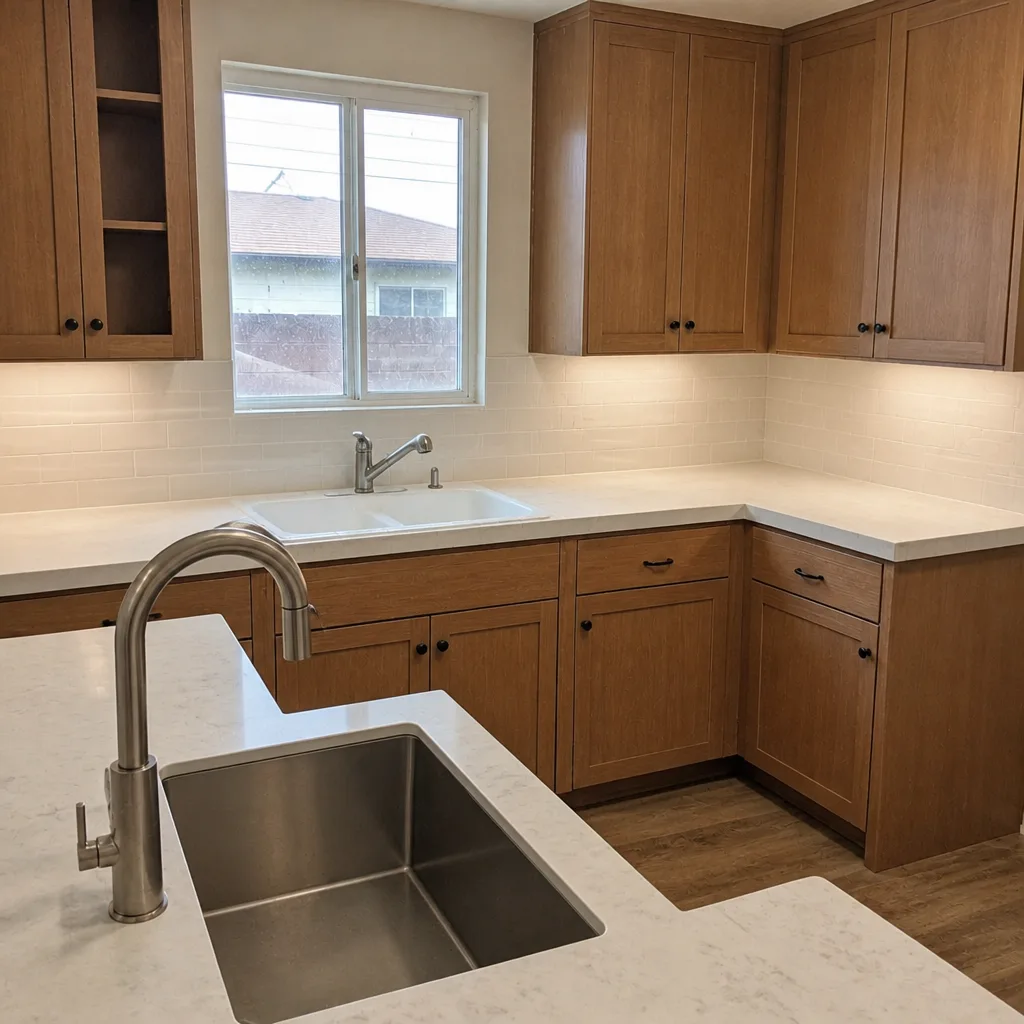 After
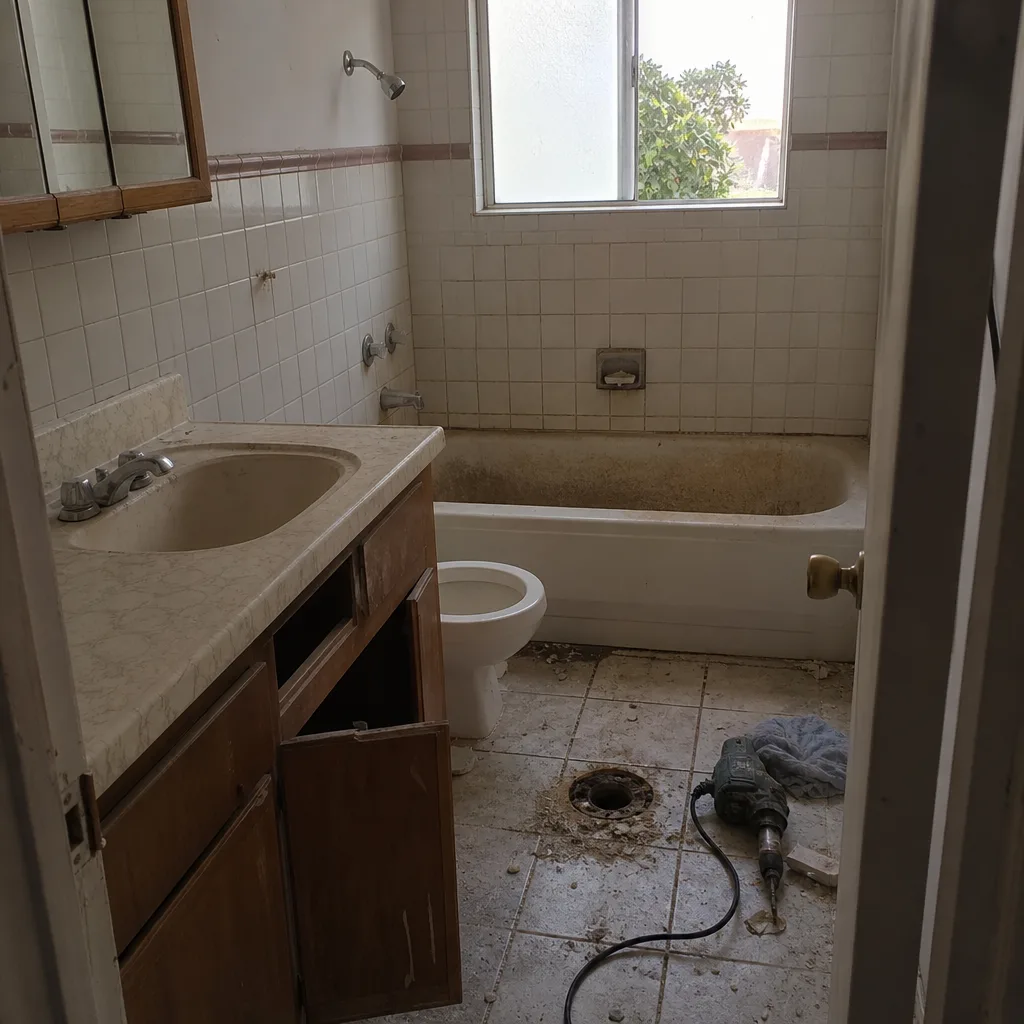 Before
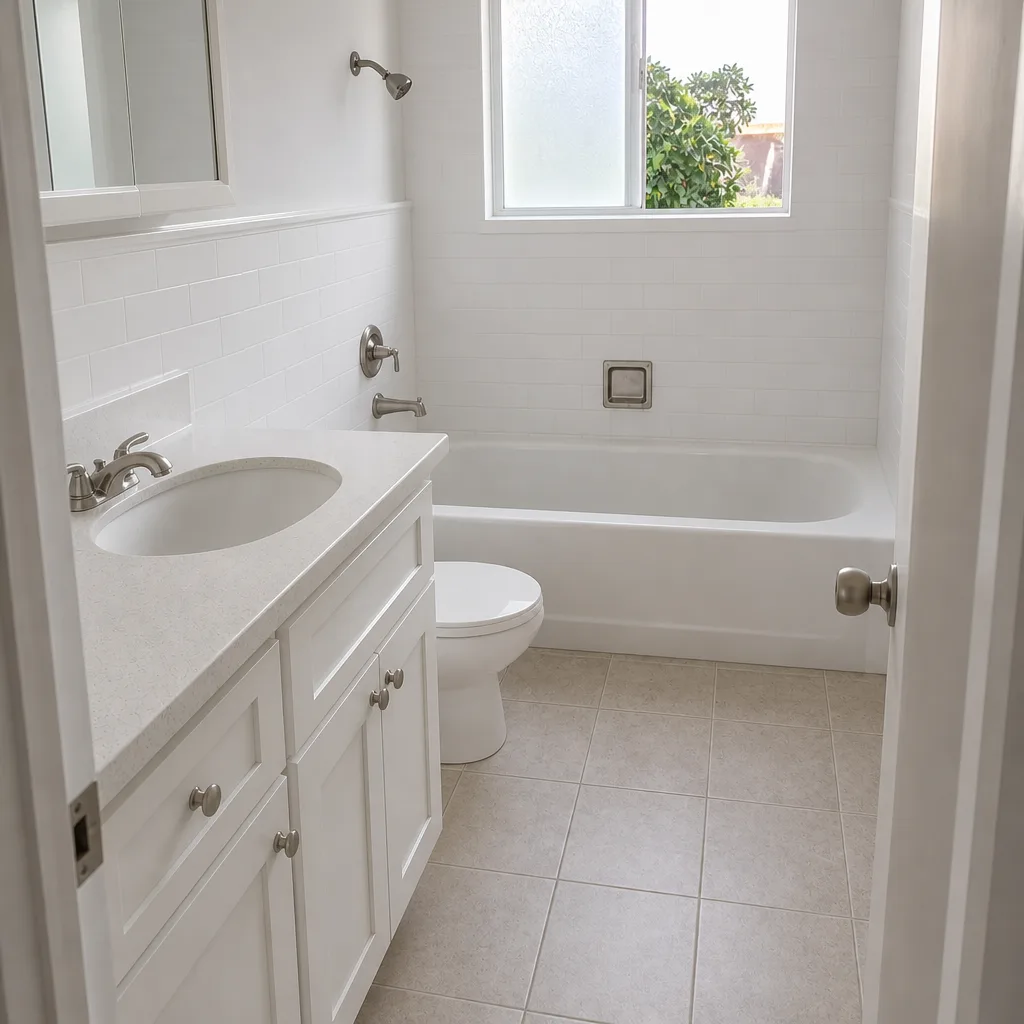 After
When to Call a Professional
Some projects are ready for a free estimate and some are ready for a permit and a plan. Any work that involves structural changes, opening walls, electrical panels, gas lines, plumbing rough-in, a roof, or anything that touches a permit is work for a licensed, insured local professional who will pull permits in their own name and stand behind what they build. The same goes for any project where the bid itself is unclear – bringing in a contractor who itemizes can help you understand what the other bids are actually offering before you sign. Groundwork Construction Co. of Inglewood offers free estimates in Inglewood – call (833) 842-7204 to get a line-item quote you can actually compare.
Frequently Asked Questions
Most Inglewood home remodels in 2026 fall between roughly $150 and $350 per square foot for interior work, with whole-kitchen and whole-bath projects landing in the wider range depending on fixtures, layout changes, and how much existing plumbing and electrical has to move. A full itemized estimate is the only way to know your specific number. Call (833) 842-7204 for an exact quote – estimates are free.
The price should not change on scope that was properly estimated. What changes price is scope you add, or conditions no one could see – like a wall opening to reveal old wiring. The way to control this is a bid with an explicit contingency line, an itemized allowance schedule, and a change-order policy that requires written approval before the change happens. Upfront pricing means the number you see is the number you pay on agreed scope. Call (833) 842-7204 and ask us to walk through the change-order policy in your estimate.
Yes, permitted work is pulled in the licensed contractor’s name and passes inspection before final payment. The permit and inspection line should appear on every bid for work that requires it, and you should see the city permit, any plan check fee, and the contractor’s time to pull and meet inspection as separate charges. Call (833) 842-7204 to have the permit scope for your project spelled out in writing.
Because markup reflects what each contractor carries: overhead, insurance, warranty reserve, coordination across trades, and the material brands they buy at volume. A fair markup on materials in the Inglewood market in 2026 lands roughly between 10 and 25 percent, with the low end from single-trade shops and the higher end from full-scope contractors who coordinate everything. Anything above 30 percent without explanation deserves a question. Call (833) 842-7204 and we’ll show ours line by line.
An allowance is a placeholder for a material you haven’t chosen yet, and a bid line is a fixed cost for a defined scope. Allowances are the most common cause of budget overruns because they look like part of the total bid when they’re really a starting point. A trustworthy allowance names a specific product category and per-unit dollar amount, so you can see whether it reflects real showroom pricing. Call (833) 842-7204 and we’ll build your allowances from real product selections.
A bathroom often runs three to five weeks, a kitchen six to ten weeks, a full addition four to seven months including permit review, and a roof or paver project days to a few weeks. Timelines depend heavily on Inglewood permit processing and inspection scheduling, which is why the schedule belongs in the bid with your inspection milestones. Call (833) 842-7204 to get a written timeline for your project.
The Bottom Line
A construction bid is only as trustworthy as the math inside it. When you force every contractor to itemize labor by trade, name material brands and markup percentages, show permits and inspections as their own lines, and list allowances with real per-unit dollar amounts, the wild swings between bids stop being mysterious and start being useful. Inglewood pricing in 2026 rewards homeowners who compare on structure, not on sum. Start at the Groundwork Construction Co. of Inglewood home page or call our team for a line-item estimate you can hold every other bid up against. From foundation to finish line, the number should make sense.
Call (833) 842-7204 for a free estimate on your Inglewood project. We answer live around the clock, we put the price in writing, and every job comes backed by the 730-Day Done Right Promise. Our technicians have up to 12 years of experience, and everything we do is covered by that written guarantee – if it isn’t done right, we make it right.
Written by the team at Groundwork Construction Co. of Inglewood.