
Last updated November 18, 2026




Free written scope consultation - allowances, timeline, and change-order rules on paper before a single trade is scheduled
Construction Warning Signs: An Inglewood Homeowner’s Reference Guide
A hairline crack in your driveway is not always cosmetic, and a door that suddenly sticks is not always humidity. Both can be the first quiet signals of foundation movement – a problem that costs a few hundred dollars to address at the warning stage and tens of thousands to fix once it turns structural. Inglewood sits on ground that expands, contracts, and shifts with our wet winters and dry summers, and most of the damage we see started as something a homeowner walked past for two years. This guide teaches you to read your home the way a contractor does: what to measure, what to monitor, and what to call in a professional for. By the end you’ll have a triage framework you can use this weekend.
Quick Answer
Most serious construction problems in Inglewood announce themselves long before they become catastrophic. Watch for cracks wider than 1/8 inch, doors and windows that stick in one season and free up in another, water pooling against the foundation after heavy rain, and floors that slope or feel springy underfoot. Any one of these is a monitoring item; two or more together, or any crack actively widening, warrants a professional inspection within 30 days – and a crack you can fit a coin into, a sagging roofline, or a wall pulling away from the house needs attention now.
Styles & brands we work with
- Kitchen remodeling
- Bathroom remodeling
- Home additions & ADU
- Roofing
- Windows & doors
- Driveway & pavers
- Fence
Table of Contents
- How to Tell a Cosmetic Crack from a Structural One
- Why Inglewood’s Soil Moves – and What It Does to Your Foundation
- Interior Warning Signs That Point to Exterior Problems
- Drainage Warnings: What Inglewood’s Rain Events Expose
- The Exterior Walkaround: Stucco, Masonry, and Roof
- The Triage Framework: Monitor, Call Within 30 Days, or Act Now
- How to Document What You Find
- Common Mistakes to Avoid
- When to Call a Professional
- Frequently Asked Questions
How to Tell a Cosmetic Crack from a Structural One
Not every crack matters. Concrete shrinks as it cures, stucco hairline checks are normal, and a 1/32-inch crack in a driveway slab is almost always surface movement you can ignore. The cracks that matter share measurable traits. You don’t need a contractor’s eye to check for them – you need a ruler, a pencil, and five minutes.
Here’s the sequence we walk homeowners through:
- Measure the width. Anything under 1/8 inch (about the thickness of a quarter’s edge) is typically cosmetic. Between 1/8 and 1/4 inch is a monitoring item. Over 1/4 inch, or a crack you can slide a coin into, is a structural question.
- Check the shape. Vertical or diagonal cracks in stucco that follow a straight line are usually movement. Cracks that stair-step through masonry joints, or that form a V or an inverted V above a doorway, follow the way the structure carries load and deserve a professional look.
- Check the two sides. Run your hand across the crack. If one side sits higher than the other (we call it displacement), the two sides are moving independently – that’s structural movement, not shrinkage.
- Watch it over time. Date the crack with a pencil or place a strip of tape across it. If the tape stretches or tears within a season, the crack is active.
- Check the corners. Cracks radiating from window and door corners in a stucco wall often signal that the framed opening is moving relative to the surrounding wall – worth an inspection.
In our experience walking Inglewood homes, the confusion comes from treating all cracks the same. A 1/16-inch shrinkage crack in a 40-year-old driveway slab is a nothing. A 3/16-inch stair-step crack in the brick veneer at the corner of a house is a question that needs answering. The difference is measurement and pattern, not gut feeling.
Why Inglewood’s Soil Moves – and What It Does to Your Foundation
Inglewood sits on a mix of older alluvial soils and clay-heavy sections that behave very differently wet and dry. That clay expands when it soaks up winter rain and shrinks hard through the long dry season. The cycle is the engine behind most of the foundation movement we see in neighborhoods like Morningside Park, Norte Vista, and the streets near Edward Vincent Jr. Park.
What that looks like on a real house:
- Seasonal door and window sticking. A door that drags in February (wet season, soil expanded) and swings free in September (dry, soil shrunk) is signaling that the perimeter foundation is moving through the year. If it happens on multiple doors on the same side of the house, that’s a pattern.
- Diagonal stucco cracks that appear after rain. The soil under one corner heaves up with moisture and the stucco skin at that corner cracks along the stress line. These often close again in the dry months, which makes homeowners dismiss them.
- Slab cracks that mirror the movement below. A garage slab or patio that cracks in a line parallel to the house is often reflecting perimeter footing movement rather than an isolated slab problem.
The Inglewood pattern that catches people: the damage accumulates quietly over multiple seasons. By the time a homeowner calls, the crack has been opening and closing for years and the cosmetic repair (patching stucco, re-caulking a joint) has been done two or three times. Each repair is cheap; the underlying movement is what needs addressing. One genuine repair to correct the cause costs less over a decade than four cosmetic patches.
For homeowners planning a larger project – a room addition or an accessory dwelling unit – soil behavior is not a background concern, it’s a design input. Concrete footings, drainage, and site grading all need to account for how Inglewood’s ground moves through the year. Our Home Additions & ADU in Inglewood page covers how that plays into design.
Interior Warning Signs That Point to Exterior Problems
The most reliable early indicators of foundation movement show up inside the house, long before anything is visible outdoors. The common mistake is treating interior signs as cosmetic or seasonal – rehanging a sticky door, painting over a wall crack – which masks the signal without changing it.
Here’s what to check, and what each sign is telling you:
- Doors and windows that stick or have square corners. If a door catches on the strike plate or a window feels tight in the frame, the wall around it is moving. Check the top corners of the frame for a diagonal crack: a crack running from a top corner diagonally indicates that the framed opening is skewing.
- Floors that slope or feel springy. Walk the perimeter of each room barefoot. A slope toward a corner or a floor that gives underfoot (especially in older homes with wood-framed floors) is worth a professional look.
- Wall and ceiling cracks. Vertical cracks in drywall above doorways and windows often track exterior movement. Ceiling cracks in a straight line are usually drywall seam failure and are cosmetic. Ceiling cracks in a spiderweb pattern above a single spot are a different animal – check the roof above that point.
- Gaps at the baseboard or crown. A baseboard that pulls away from the wall in one area is the room’s framing settling relative to the finished surface. If the gap is at one end of a long wall, that end is the moving end.
- Cracks at the wall/ceiling junction. A line that opens at a top corner of a room where the wall meets the ceiling is often a sign of roof or second-floor framing movement.
- Tile cracks. A cracked tile isn’t a big deal on its own. A grid of tiles that crack along a straight line, or grout that cracks in a pattern, indicates that the substrate below is moving.
If you find two or more of these signals together on the same side of the house, treat it as a call within 30 days, not a monitoring item. In our experience walking Inglewood homes, that pattern alone is enough to justify a professional look before anything more expensive happens.
Drainage Warnings: What Inglewood’s Rain Events Expose
Inglewood gets intense but infrequent rain – a few big storms through the winter, then long dry stretches. That pattern is exactly why drainage problems get missed. A homeowner can go months without seeing the water that’s actually doing damage, then a single storm shows them a foot of standing water against the foundation.
The drainage warning signs to watch for after any meaningful rain:
- Water pooling within 3 feet of the foundation. Any puddle that lasts more than a few hours after rain has stopped is a drainage problem. Foundation soil absorbing standing water expands, and the foundation above it moves.
- Soil washing away from the foundation edge. Look for a gap between the soil surface and the base of the stucco wall. If you can see the footing or the foundation stem wall exposed, soil is eroding.
- Downspouts discharging at the foundation. A downspout that drops water directly against the house – or worse, into a planter bed against the house – is depositing that water in the worst possible spot. Extensions of at least 6 feet are the standard.
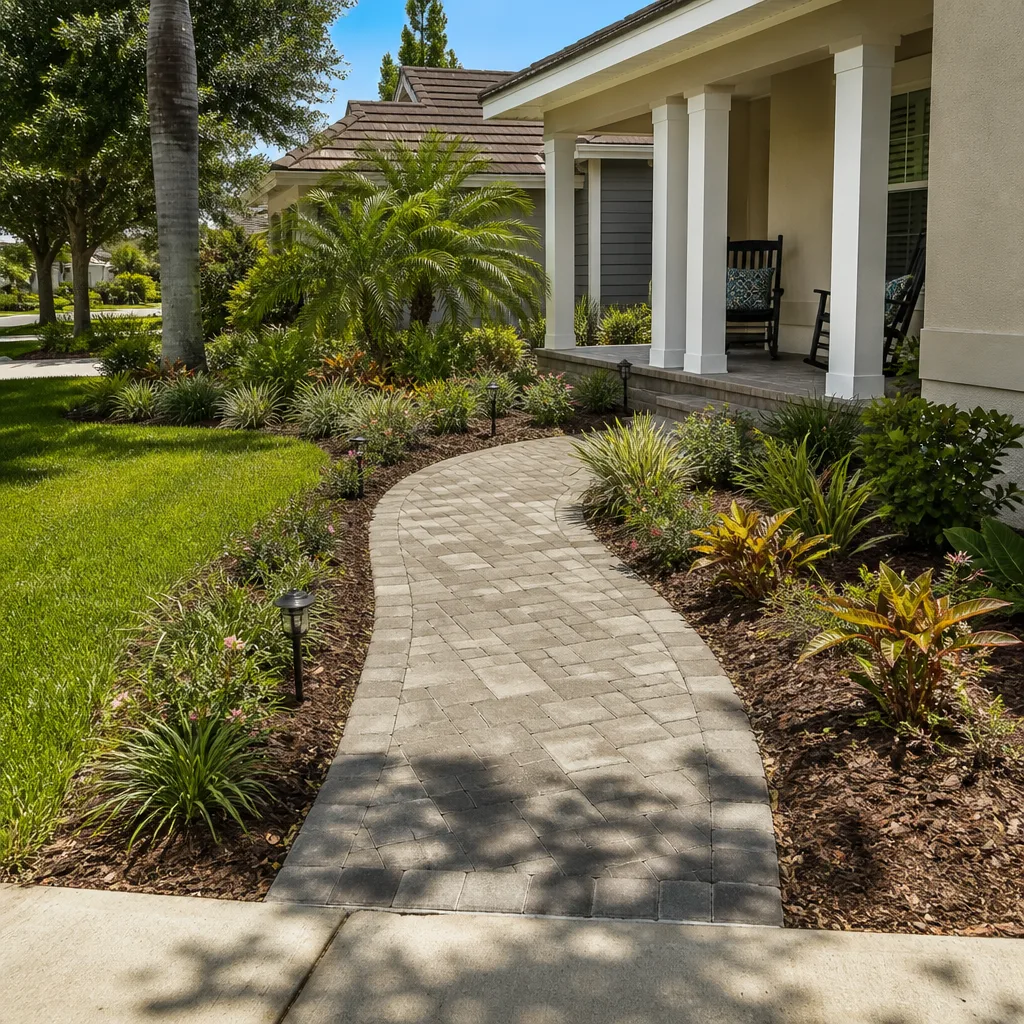
- A driveway that slopes toward the garage. After rain, check your garage slab. Any water running toward the door is water running toward the house. This is a hardscape and grading repair issue, not a house framing issue – our Driveway & Pavers in Inglewood page covers how we correct it.
- Cracks along the top of a low retaining wall. A retaining wall that has moved or cracked along its cap is holding back saturated soil – worth professional attention, because the failure mode is catastrophic.
- Moss or mineral staining on stucco near the base. A green patch or a white mineral line at the bottom of a wall is water that stood there long enough to leave a mark.
The damage sequence is usually: water pools, soil expands, a footing corner lifts, stucco cracks along the corner, the crack widens over the next two seasons. Addressing the drainage at step one costs a fraction of what addressing the crack – or the footing – costs at step three. If your home has a raised foundation, the crawlspace after rain is also worth checking: standing water or damp soil under there is water finding its way in.
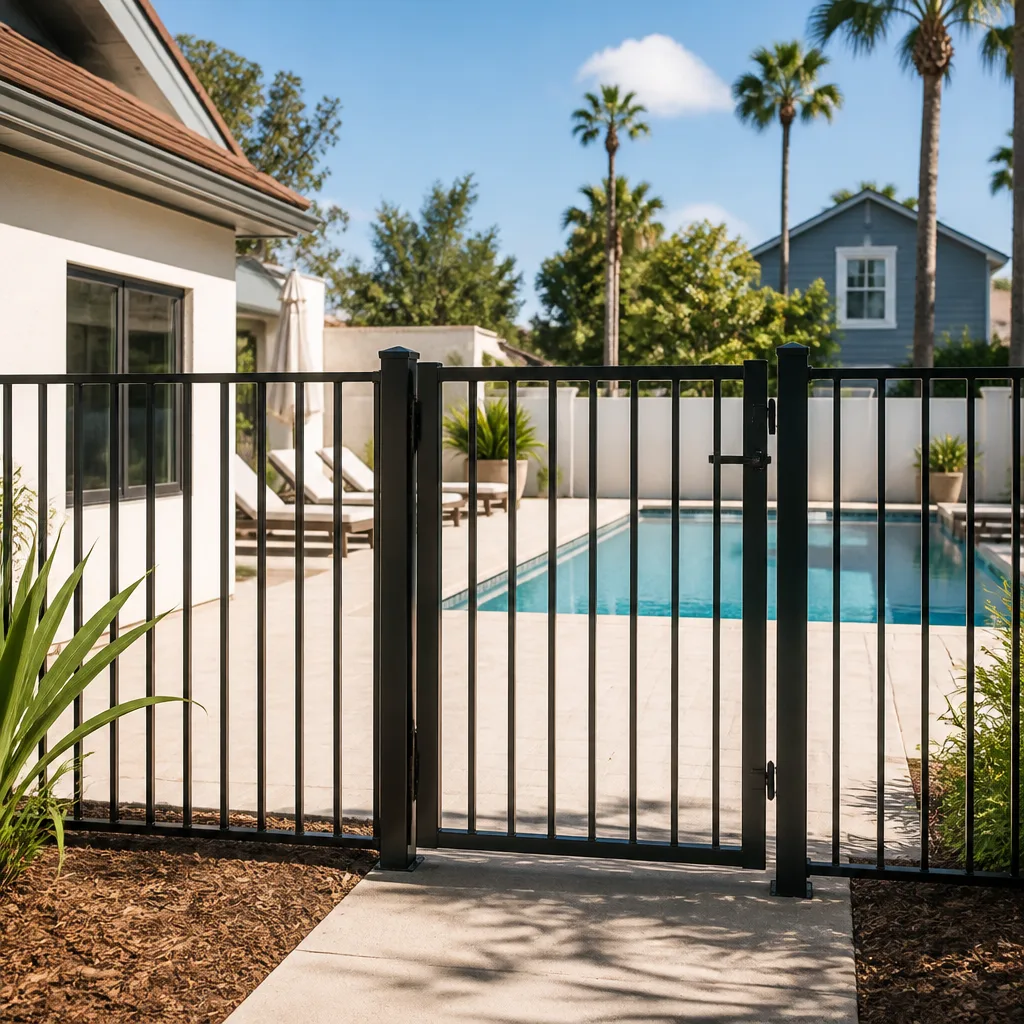
Fence lines along the property perimeter have their own drainage interaction – a fence post hole that has been sitting in pooled water for a season will start to lean, and a leaning fence is often the first visible sign of a bigger water problem. Our Fence Installation in Inglewood page goes into how we set posts to handle local water patterns.
The Exterior Walkaround: Stucco, Masonry, and Roof
A 15-minute lap around the house every spring and fall catches most of what matters. Here’s what to look for.
Stucco. Check for cracks, but focus on the ones that stand out – the ones that are wider than a hairline, that run diagonally from a window corner, or that have appeared since your last walkaround. Feel for hollow spots by tapping lightly with your knuckles; a section of stucco that sounds hollow has separated from the substrate underneath, and that’s worth a look.
Masonry (brick or block veneer). Check the mortar joints. Stair-step cracks through the mortar (following the joints like a staircase, not through the brick itself) indicate movement between the wall and the structure behind it. A single hairline joint crack is cosmetic; a stair-step pattern spanning three or more courses is not.
Foundation stem wall. Look at the visible foundation (the concrete strip between the soil and the bottom of the stucco). Look for horizontal cracks, which are more serious than vertical cracks, and for any section that has moved or has visible displacement at a joint.
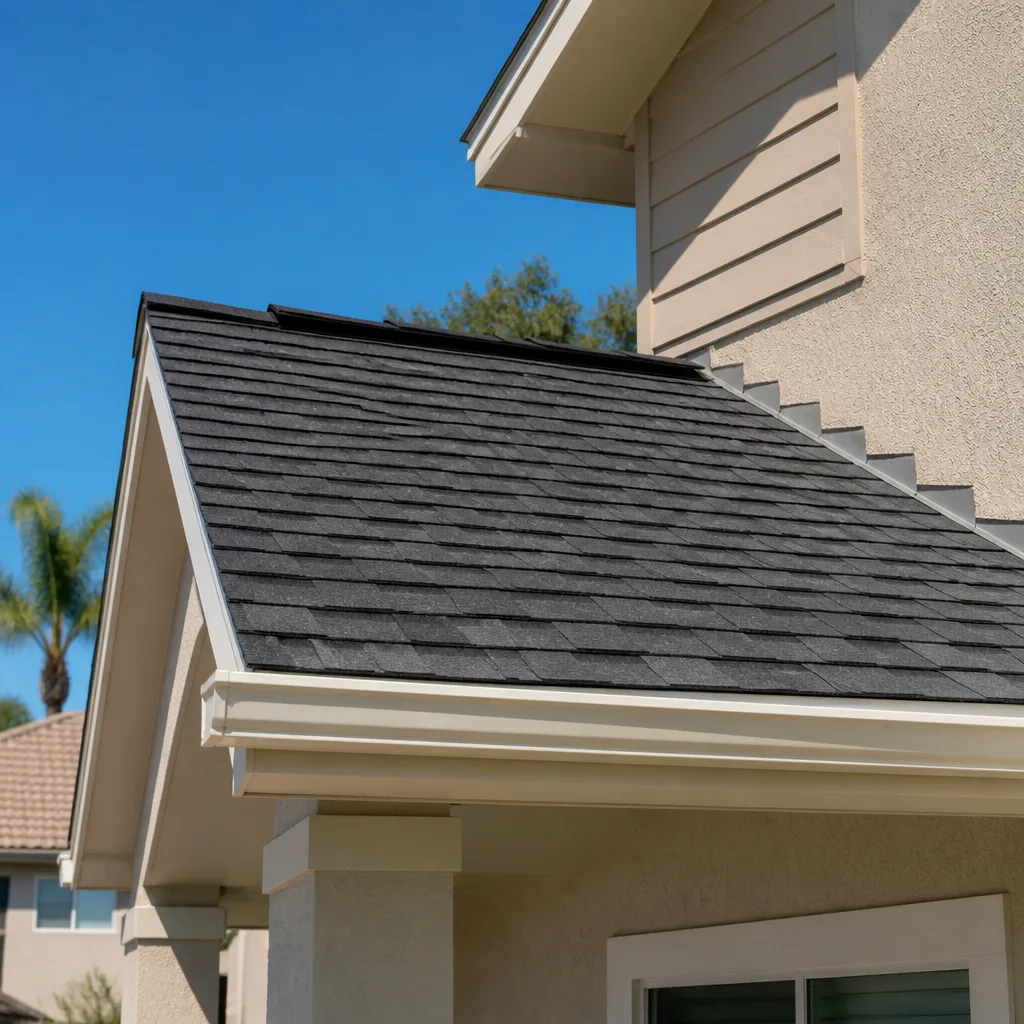
Roof and gutters. From the ground: check the roofline for sagging (worst on long, unsupported spans) and check the gutter line for any section that has separated from the fascia or sagged away from the roof. Check the fascia board for rot or water staining. A single missing shingle is a repair; a roofline that dips near a valley or a chimney is a structural question about the rafters and sheathing below.
Windows and exterior doors. Open and close each. Check that the gap between sash and frame is even when the window is closed. Uneven gaps mean the frame is no longer square. For older homes, frames that have started to skew may be worth replacing wholesale – our Groundwork Construction Co. of Inglewood home page lists the window and door products we install, including PGT and CGI units that are rated for our local wind and rain loads.
Chimney and parapets. For homes with a chimney or a flat roof parapet, check the stucco for cracks at the corner. Chimneys concentrate lateral loads and are often the first exterior element to show settlement.
Do this walkaround after a dry spell following the rainy season, when the soil has started to dry back. That’s when the seasonal movement is most visible in the cracks and gaps.
The Triage Framework: Monitor, Call Within 30 Days, or Act Now
Once you’ve done a walkaround, sort what you found into one of three buckets. The distinction is what saves money: some things need a $40 repair now, some will hold for months, some are a call today.
Bucket 1 – Monitor. You write it down, date it, and check again in 60-90 days.
- Cracks under 1/8 inch (check with a ruler).
- Shrinkage cracks in concrete or stucco that haven’t changed since you bought the house.
- One door that sticks, or one window that’s tight, on a single opening.
- Cosmetic staining on stucco (cosmetic and drainage – note it and correct the downspout).
- Any single sign on the interior check that isn’t paired with another.
Bucket 2 – Call within 30 days. Not an emergency, but not something to keep ignoring.
- Two or more interior signs on the same side of the house.
- Cracks between 1/8 and 1/4 inch, or any crack that is visibly wider than when you last looked.
- A stair-step crack through masonry joints spanning three or more courses.
- Water pooling at the foundation that hasn’t corrected after a drainage fix attempt (or that’s chronic).
- A slope in a floor that you can verify with a level or a marble.
- A roofline you can see dip from the ground.
Bucket 3 – Act now. Call today. These are the ones where waiting a season makes the repair materially larger.
- Any crack wider than 1/4 inch, or one you can slide a coin into.
- Visible displacement (one side of a crack offset from the other).
- A stucco crack that’s opening at more than 1/8 inch per season.
- A retaining wall that has visibly moved.
- A chimney that’s leaning or has opened a crack at the roofline.
- Water pouring into a crawlspace or basement during rain.
- Any time a wall, floor, or ceiling has visibly changed in the last 30 days (springs suddenly giving, a floor sagging overnight, drywall cracking in a new location).
Writing those three buckets on a single piece of paper and keeping it taped inside a closet door is how we recommend homeowners track it. It’s simple, it’s measurable, and it prevents the slow drift into the costly bucket.
How to Document What You Find
Showing a contractor a photo of a 3/16-inch crack taken six months ago, with the same crack photographed today at 5/16 inch, gets a much clearer answer than “there’s a crack in this wall.” Documentation also protects you at resale and at insurance. Here’s what to do:
- Take a wide shot and a close shot of each item. Wide shot identifies the location (which wall, which corner). Close shot shows detail (width, pattern, displacement).
- Place a reference object in the close-up. A coin or a pencil alongside the crack gives a scale reference that doesn’t depend on remembering the ruler.
- Put a date on it. Write the date on a piece of paper next to the crack, or label the photo file with the date. The date is what gives the documentation its value.
- Track the crack across seasons. Re-shoot the same cracks in the wet and dry seasons. Seasonal opening and closing is its own diagnostic – it tells the contractor the movement is soil-driven, not settling from construction.
- Note water and weather. For any pooling water or post-rain staining, note the date and the storm. “Pooled 4 inches deep on Jan 15 after 2 inches of rain, drained by Jan 16” is a diagnosis waiting to happen.
- Collect the small stuff. Any contractor’s estimate you received, any inspection report, any prior repair receipt. The paper trail is part of the story.
None of this is complicated, but almost nobody does it, which is why homeowner reports to contractors are often “the wall looks cracked.” Photos and dates are cheap and change the conversation.
Common Mistakes to Avoid
- Patching a crack without diagnosing it. If the crack is active, patching it just hides the signal until the next patch. Diagnose the movement first, then repair.
- Attributing every interior sign to “settling.” Every home settles in the first few years. Movement in a 40-year-old house is not settling – it’s a soil or foundation issue that needs a real look.
- Ignoring a drainage problem because it “only floods in a big storm.” In Inglewood, the big storms are what do the damage. The pooling water is the warning, not the exception.
- Adding a room or ADU without checking the existing foundation first. A new addition ties into the existing structure at one or more walls. If the existing footing is marginal, the new work will make the problem worse. Any honest addition project starts with a foundation look.
- Treating a leaning fence as a fence problem. A fence post that heels over is usually a drainage problem – the post hole is holding water. Rebuilding the fence without fixing the water is a repeat problem.
- Skipping the annual walkaround. Two hours a year catches the majority of what we see turn costly. Most homeowners only look after something’s already broken.
- Making a large repair decision on a single contractor’s opinion. On anything in bucket 2 or bucket 3, get the estimate in writing, get the scope in writing, and compare. Ask about warranty on the repair itself – because the meaningful question isn’t just the price, it’s what happens if the crack reappears next season.
When to Call a Professional
A few scenarios warrant calling in a professional promptly. Any crack over 1/4 inch, or a crack that’s visibly widening season over season. Any stair-step crack through masonry. Any water intrusion into a crawlspace or at the base of a wall that hasn’t improved after you’ve corrected a downspout or grading issue. Any roofline sag or chimney lean. Any two or more interior warning signs (sticking doors, baseboard gaps, wall cracks) on the same side of the house. Any addition or ADU project where the existing foundation hasn’t been inspected in the last decade. And any time you’re about to spend $5,000 or more on a repair you don’t fully understand, get a second read from someone who does.
Groundwork Construction Co. of Inglewood offers free estimates in Inglewood – call (833) 842-7204. A live person answers any hour, and the estimate is written, line-item, and yours to keep even if you never call us back. Our technicians have up to 12 years of experience reading exactly these signals, and we’d rather tell you the problem is a $200 repair than sell you a $20,000 one.
Frequently Asked Questions
Any crack 1/8 inch or wider is a monitoring item, and 1/4 inch or wider warrants a professional inspection. Measure across the widest point, and note the date – a crack that’s 1/8 inch this April and 3/16 inch next April is an active crack and worth a call. If the two sides are also offset (one side sits higher), call regardless of width. Call (833) 842-7204 for a free estimate in Inglewood.
A single door that sticks slightly in the wet season and frees up in the dry season is common and usually not a large problem – it’s the perimeter soil expanding and moving the wall microseconds. Multiple doors on the same side of the house, or a door that has stopped swinging free in the dry season too, is a pattern worth a professional look. Our technicians can look at it as part of a free estimate – call (833) 842-7204.
Standing water that lasts more than a few hours after rain stops, or that pools within 3 feet of the foundation, is a real problem. The soil under the foundation expands when it soaks this up, and the foundation moves. Fix the source (grading, downspouts, hardscape slope) before fixing the resulting crack – repairing the crack first is the costly order. Call (833) 842-7204 and we’ll take a look at the drainage as part of a free estimate.
If it’s under 1/8 inch and hasn’t moved in a season, waiting is fine – with dates and a photo to compare against. If it’s 1/8 inch or over, growing, or has an offset, the cheaper path is almost always to diagnose and repair now rather than wait. Every season of active movement adds cost. Call (833) 842-7204 for a written, line-item estimate on the repair – no change orders, no surprises.
The estimate cost depends on the scope – a visual walkaround on a single-family home is often bundled with a free estimate, and a full structural inspection involving an engineer runs more. Groundwork’s free estimate in Inglewood is a written, line-item look at what we find and what we’d recommend, at no charge. Call (833) 842-7204 to schedule.
Yes, but the foundation needs a proper look first. An addition ties into the existing structure, and if the existing footing is already moving, the new work has to account for that. In some cases the fix is minor (correcting drainage, adding a crack-stitching repair, re-grading the site); in others, the addition is a moment to address the existing issue properly. Visit our Home Additions & ADU in Inglewood page or call (833) 842-7204 to talk it through.
The Bottom Line
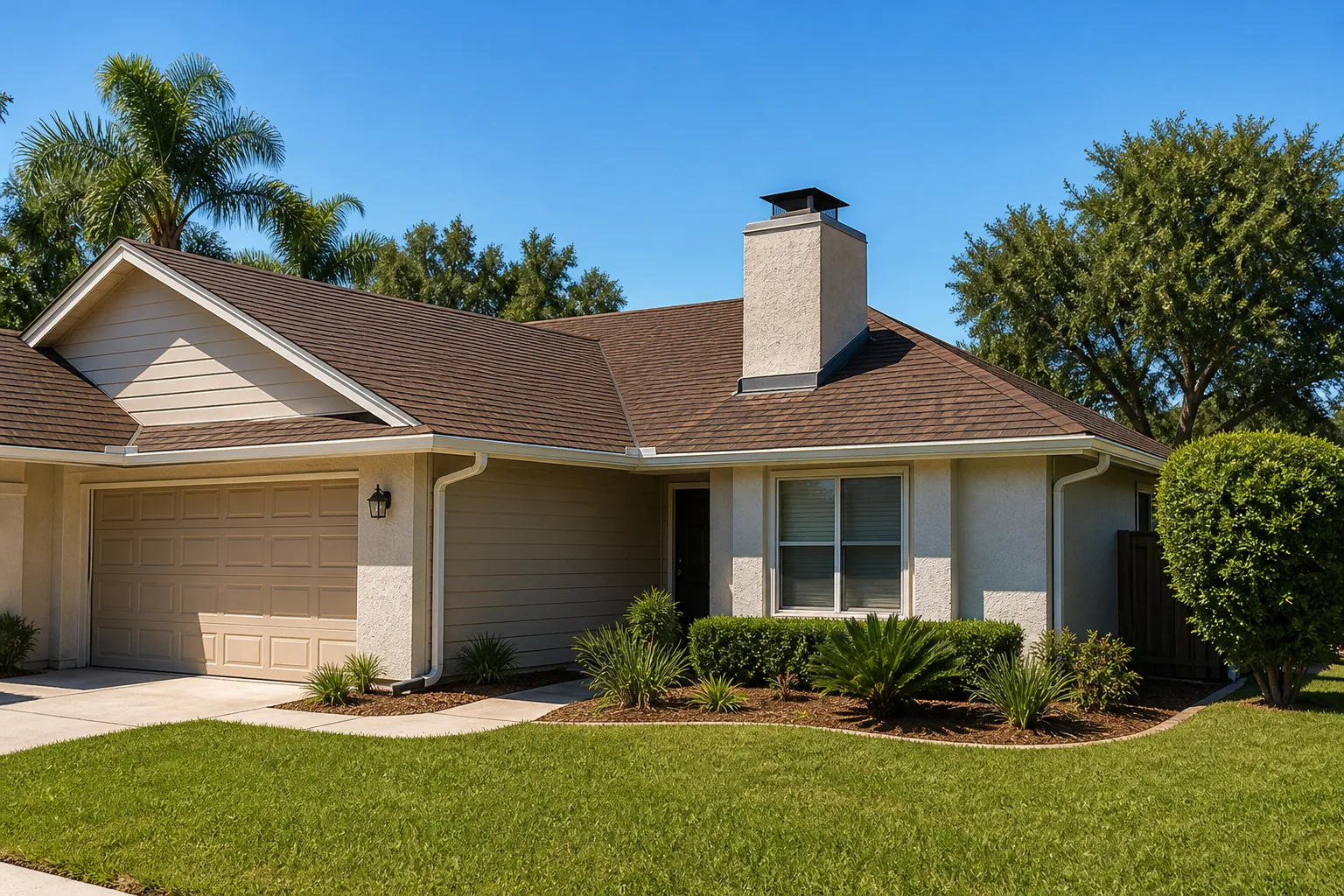
The pattern across nearly every costly construction problem we see in Inglewood is the same: signals that were present and ignored, over multiple seasons, until a small repair turned into a large invoice. The fix is reading your home deliberately – walk the exterior twice a year, check the interior shows, measure your cracks with a ruler, track your drainage after every meaningful rain. Sort what you find into the three buckets, and act on the right bucket. That single habit separates a $400 repair from a $40,000 one more reliably than anything else. When you hit a bucket 2 or bucket 3 item, a free estimate costs nothing – and it’s the difference between acting on a diagnosis and reacting to a failure.
Call (833) 842-7204 any hour for a free estimate. A live person picks up, our technicians have up to 12 years of experience, and the written estimate is yours even if you go elsewhere. We’re happy to be the second read.
Written by the team at Groundwork Construction Co. of Inglewood.
See the difference
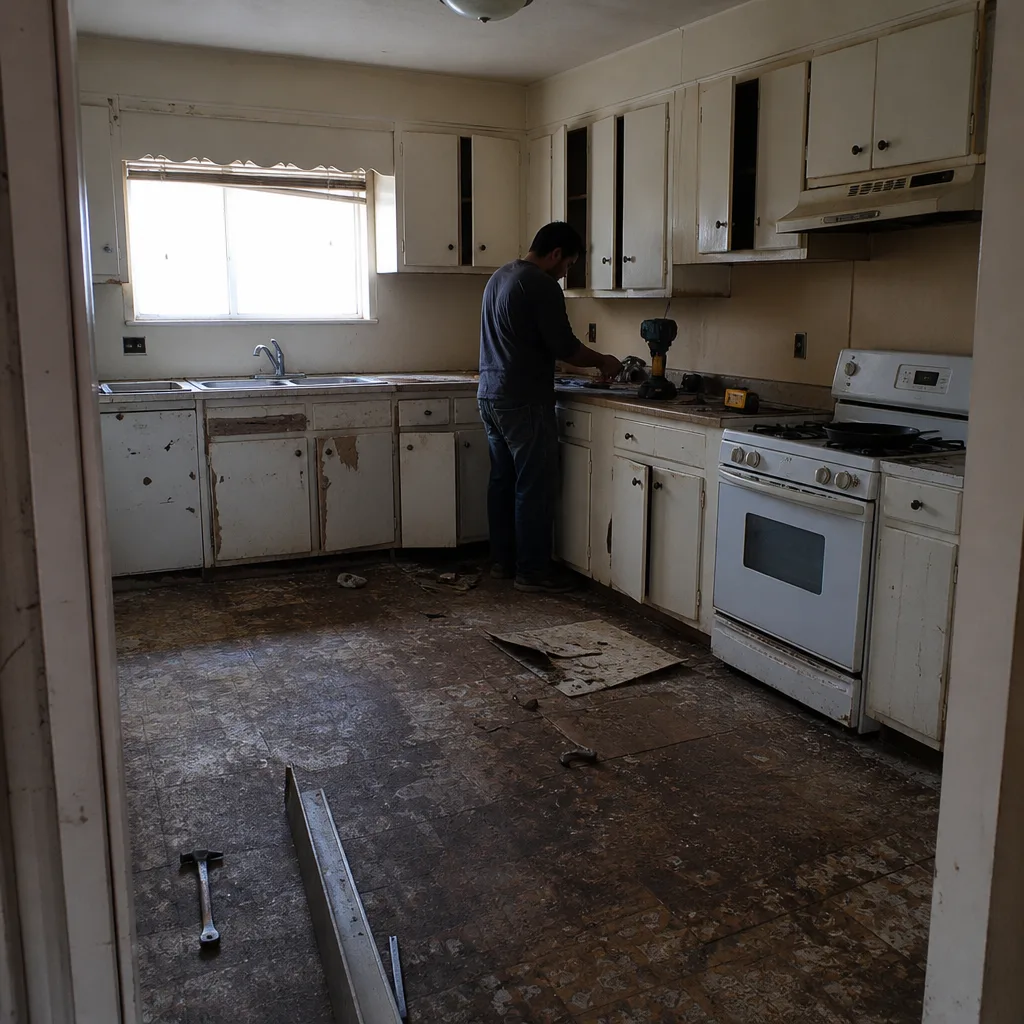 Before
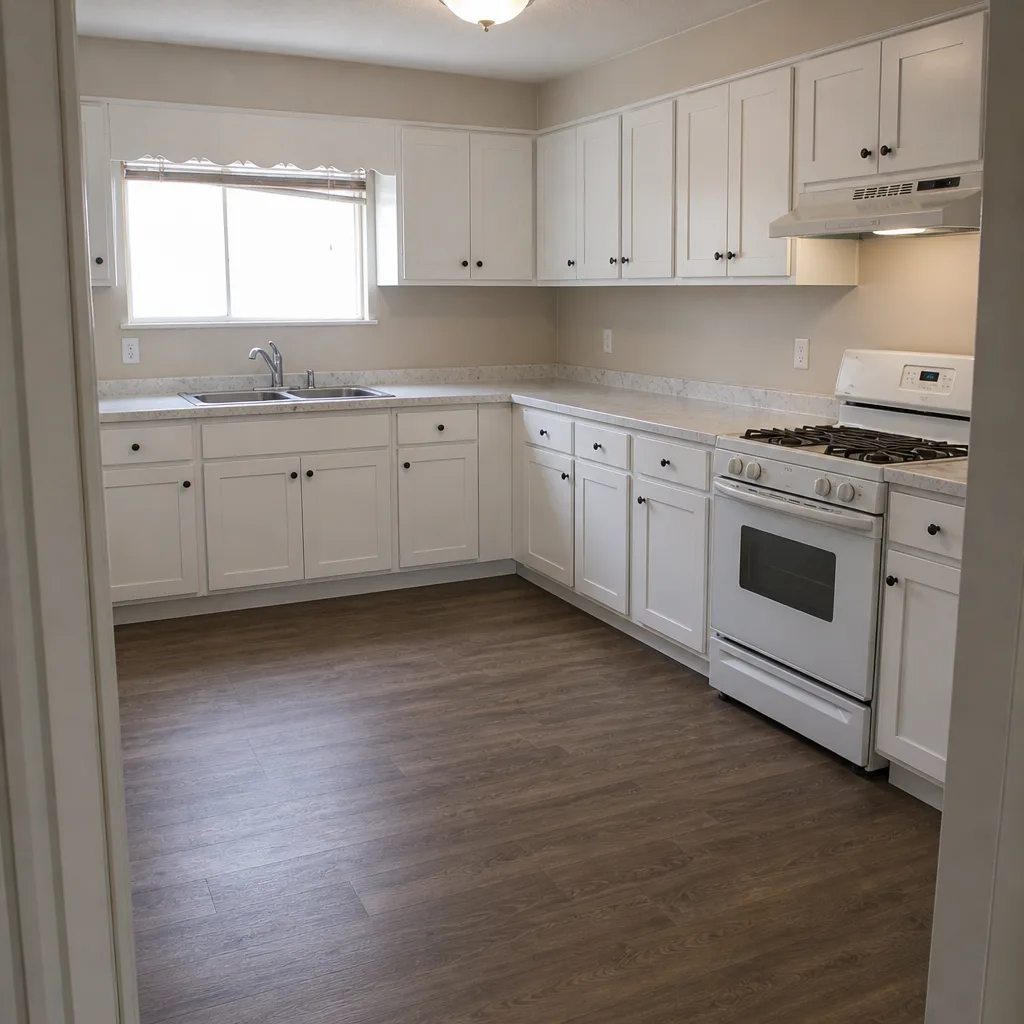 After
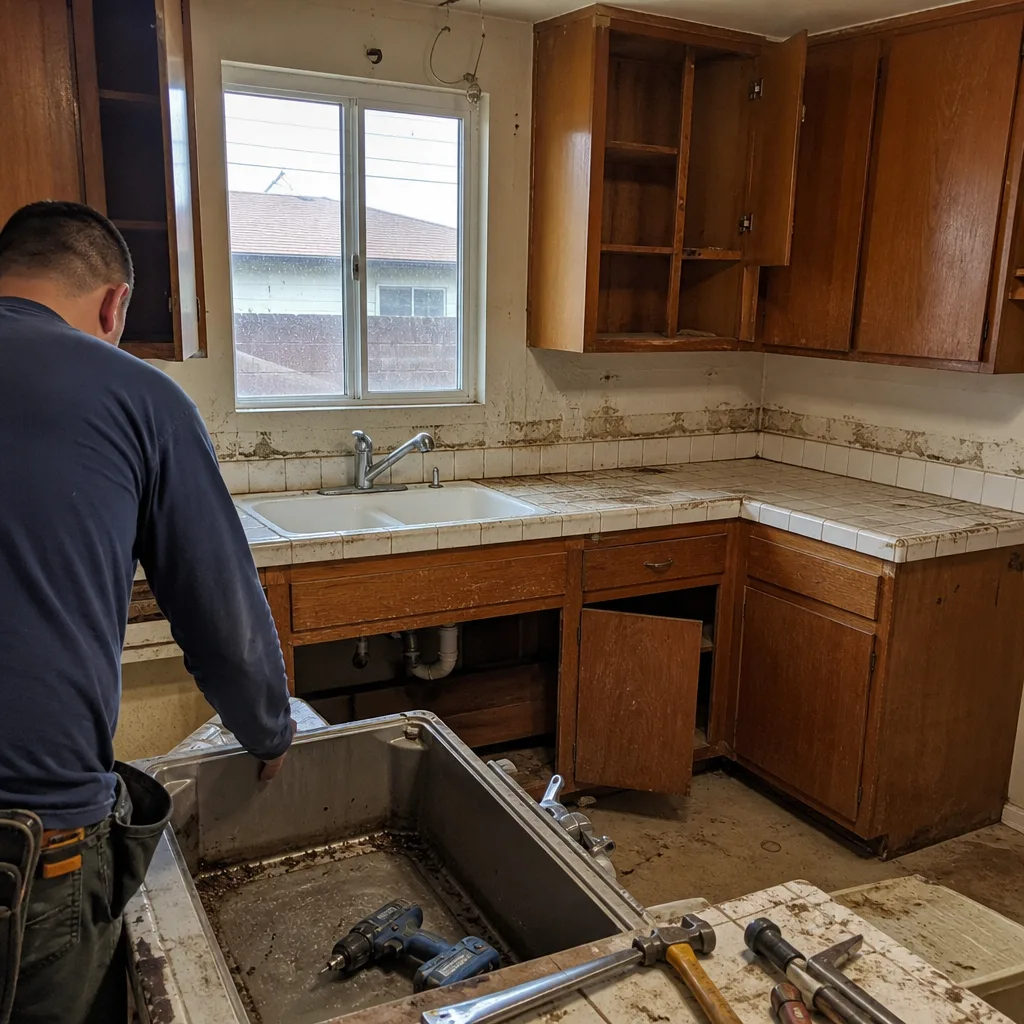 Before
 After
 Before
 After