



Free written scope consultation - allowances, timeline, and change-order rules on paper before a single trade is scheduled
Styles & brands we work with
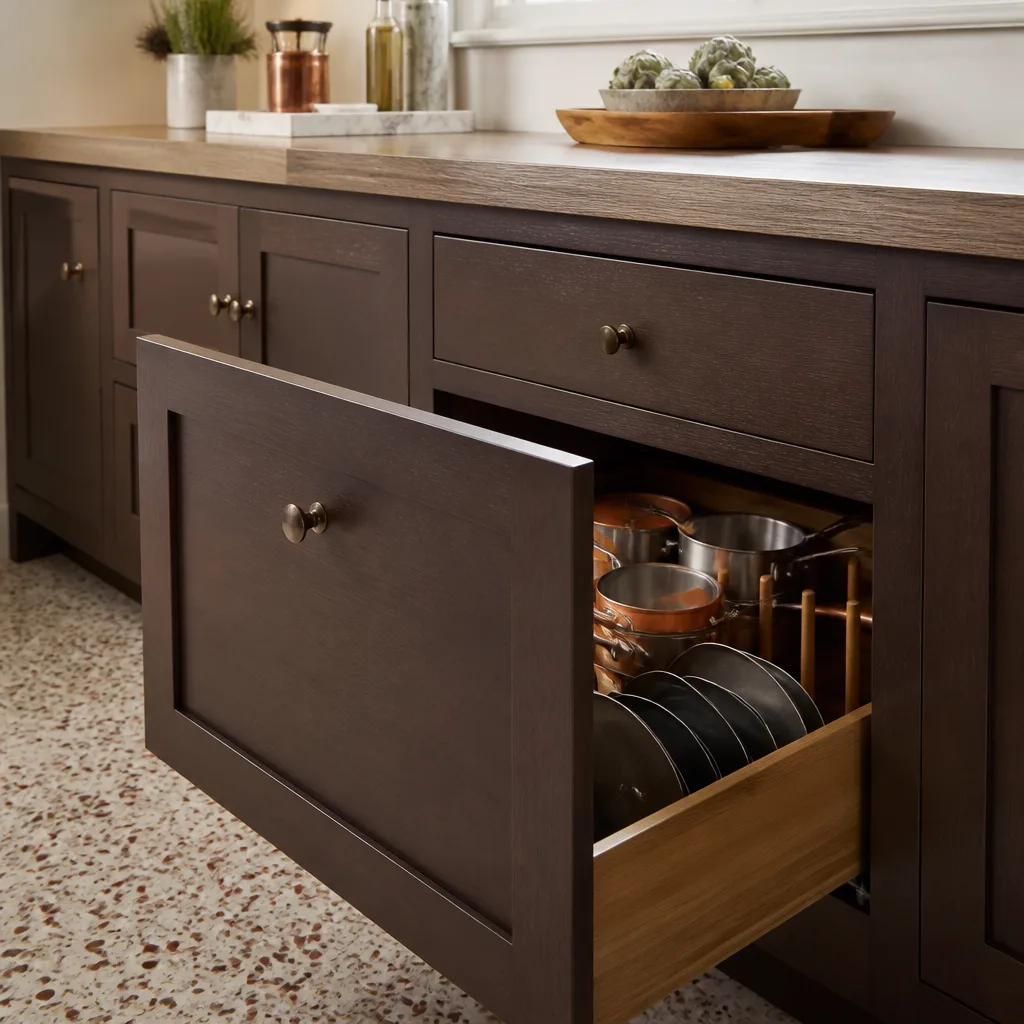
- Kitchen remodeling
- Bathroom remodeling
- Home additions & ADU
- Roofing
- Windows & doors
- Driveway & pavers
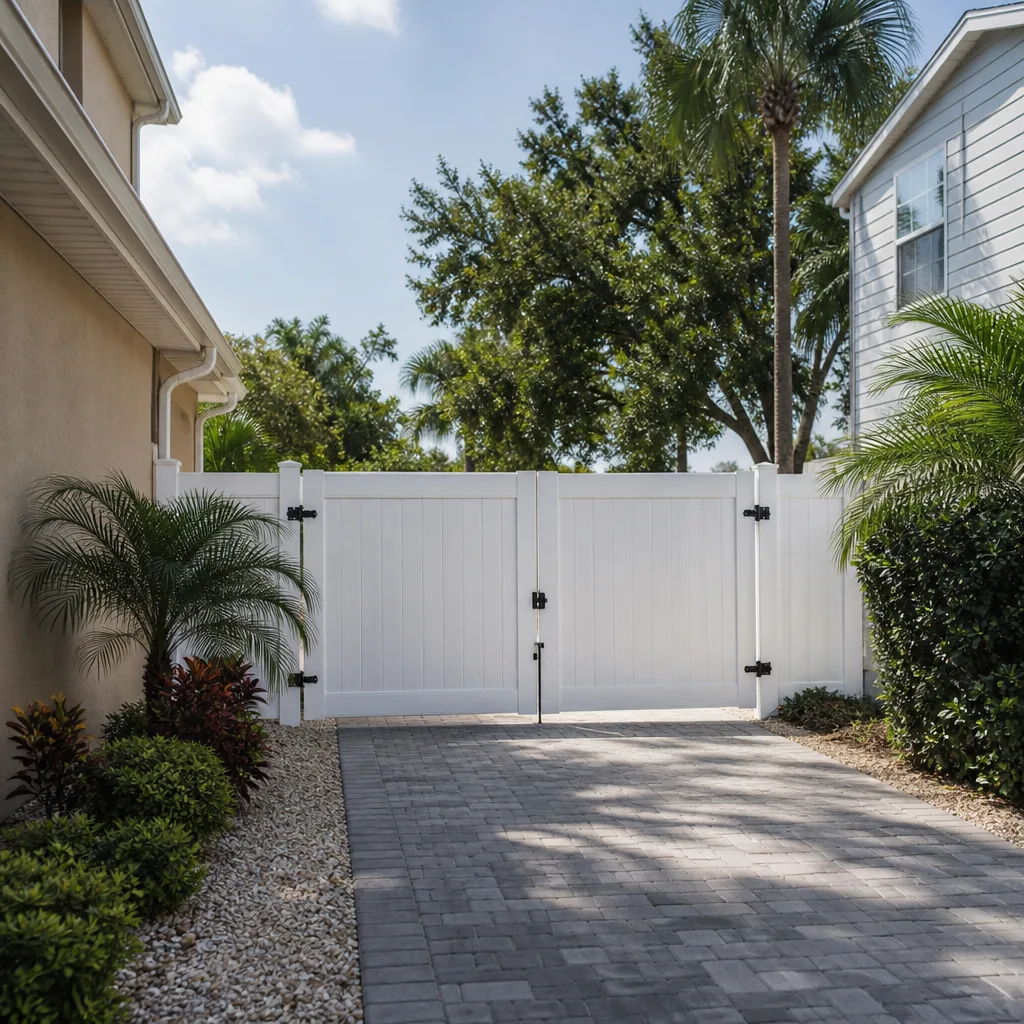
- Fence
See the difference
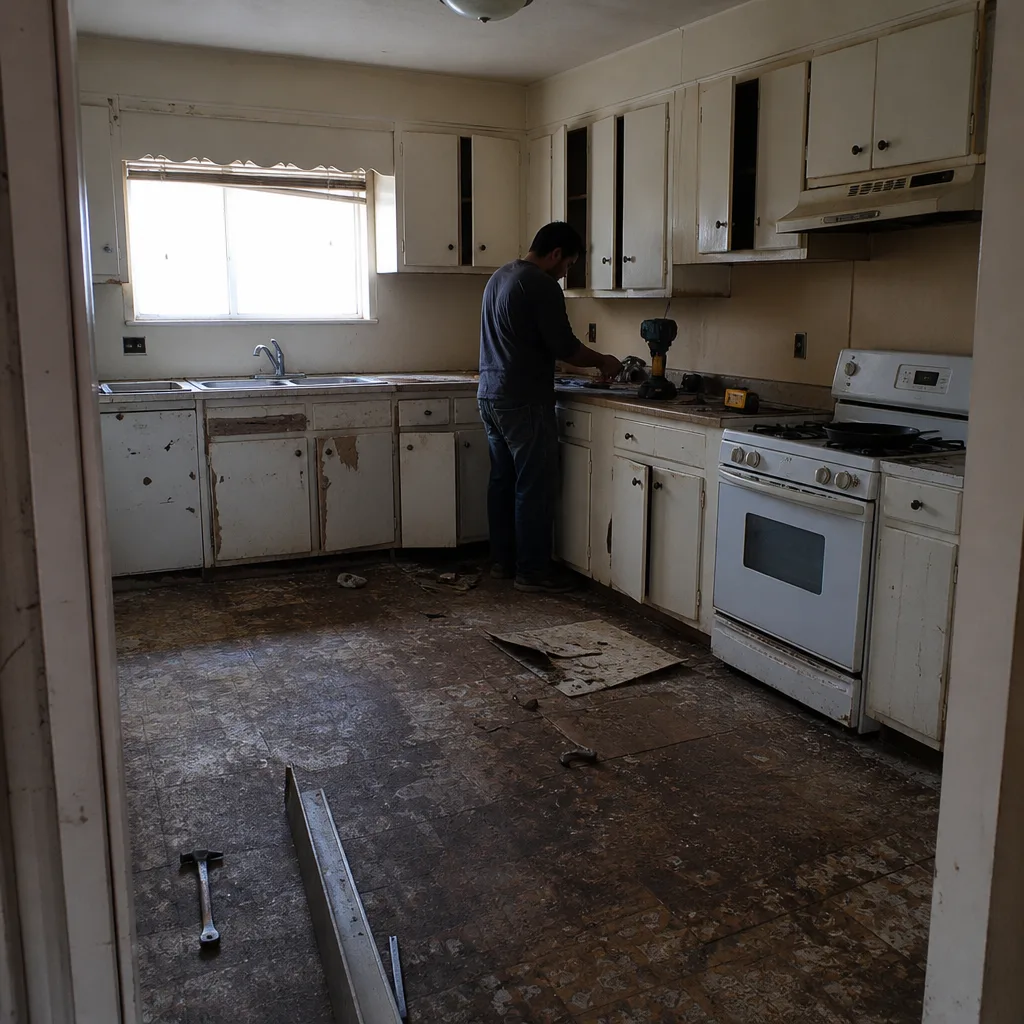 Before
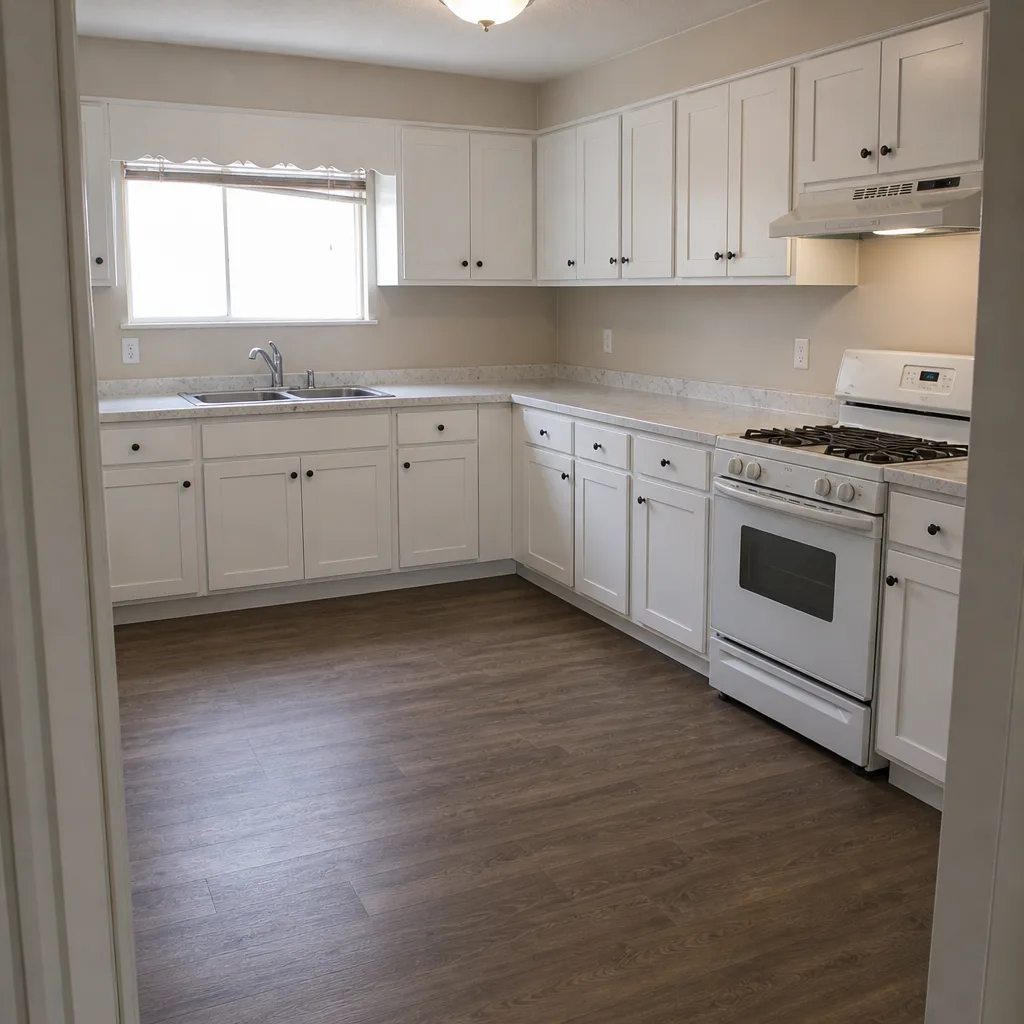 After
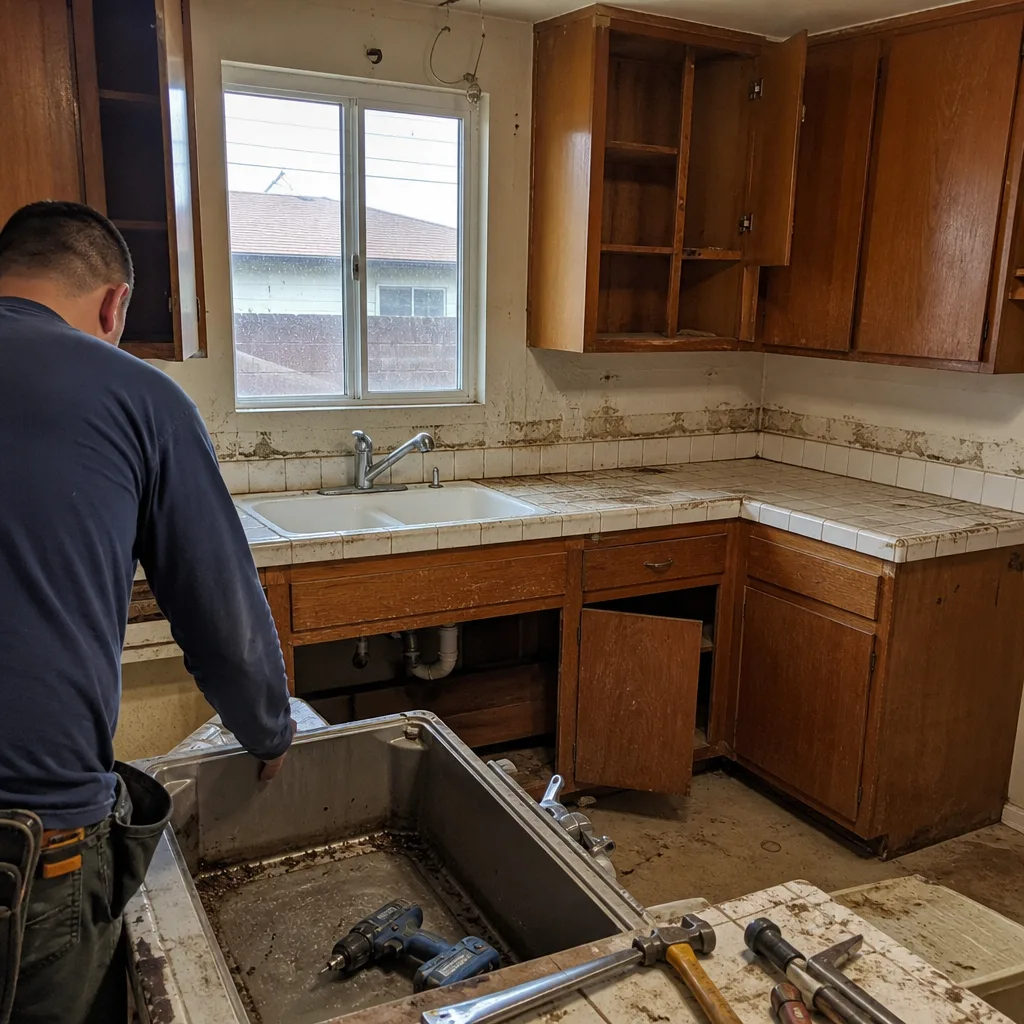 Before
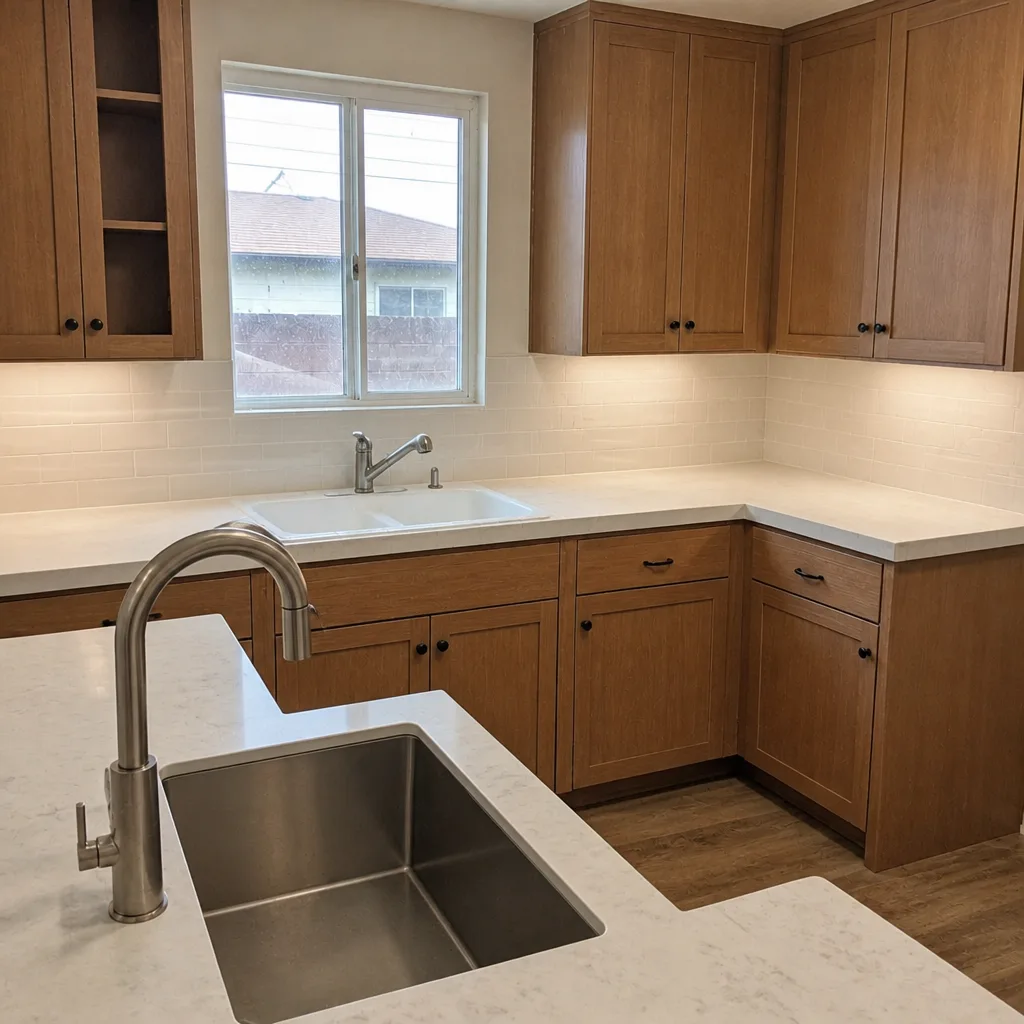 After
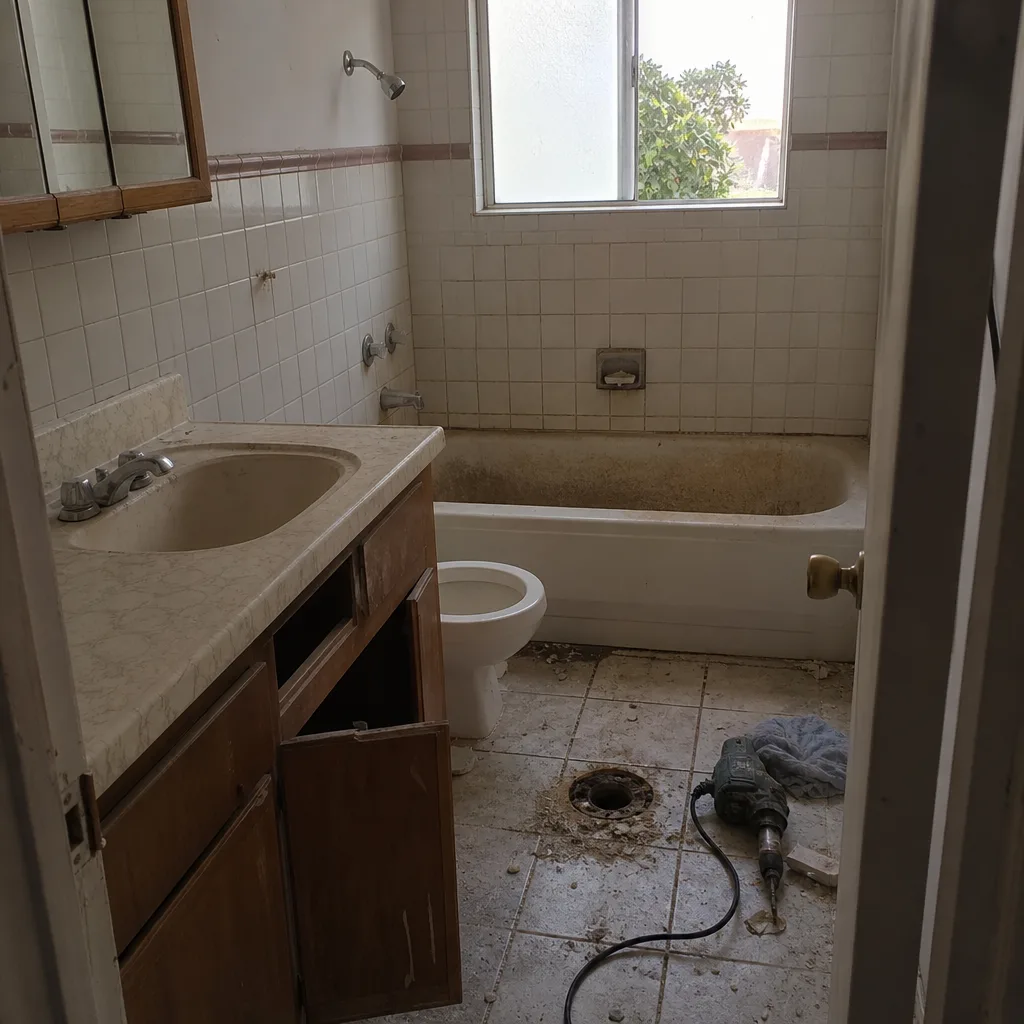 Before
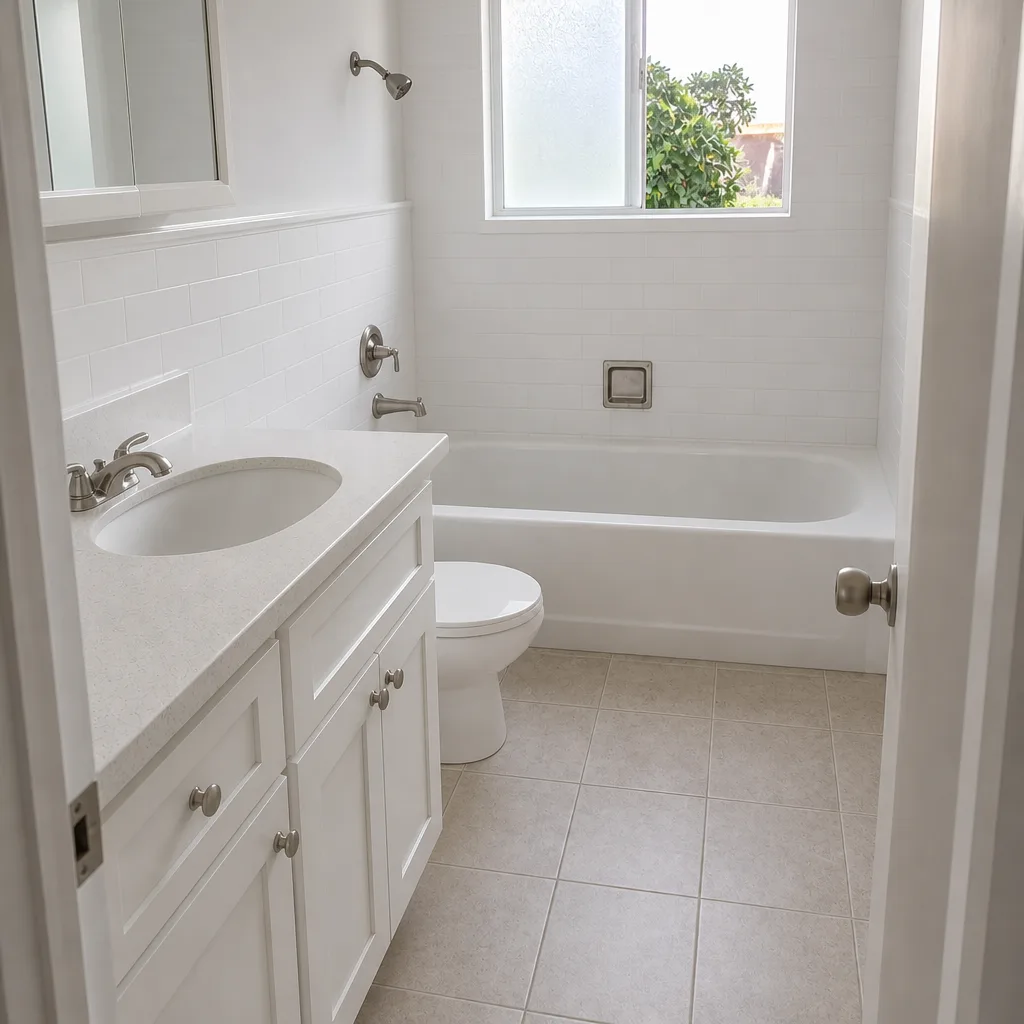 After
What Roof Hail Damage Actually Looks Like in Inglewood, CA (And Why Standard Guides Get It Wrong)
The most reliable signs of roof hail damage in Inglewood are small impact dimples on soft metal, not the circular bruises on shingles that insurance guides describe. Hail here runs marble-sized or smaller, so it rarely pits asphalt directly; instead it accelerates granule shedding on shingles that marine-layer moisture has already aged. And Inglewood gets hail at meaningful size less than once a decade, which is exactly why it slips past homeowners. If a storm has rolled through and you want eyes on it, call (833) 842-7204 for a free inspection.
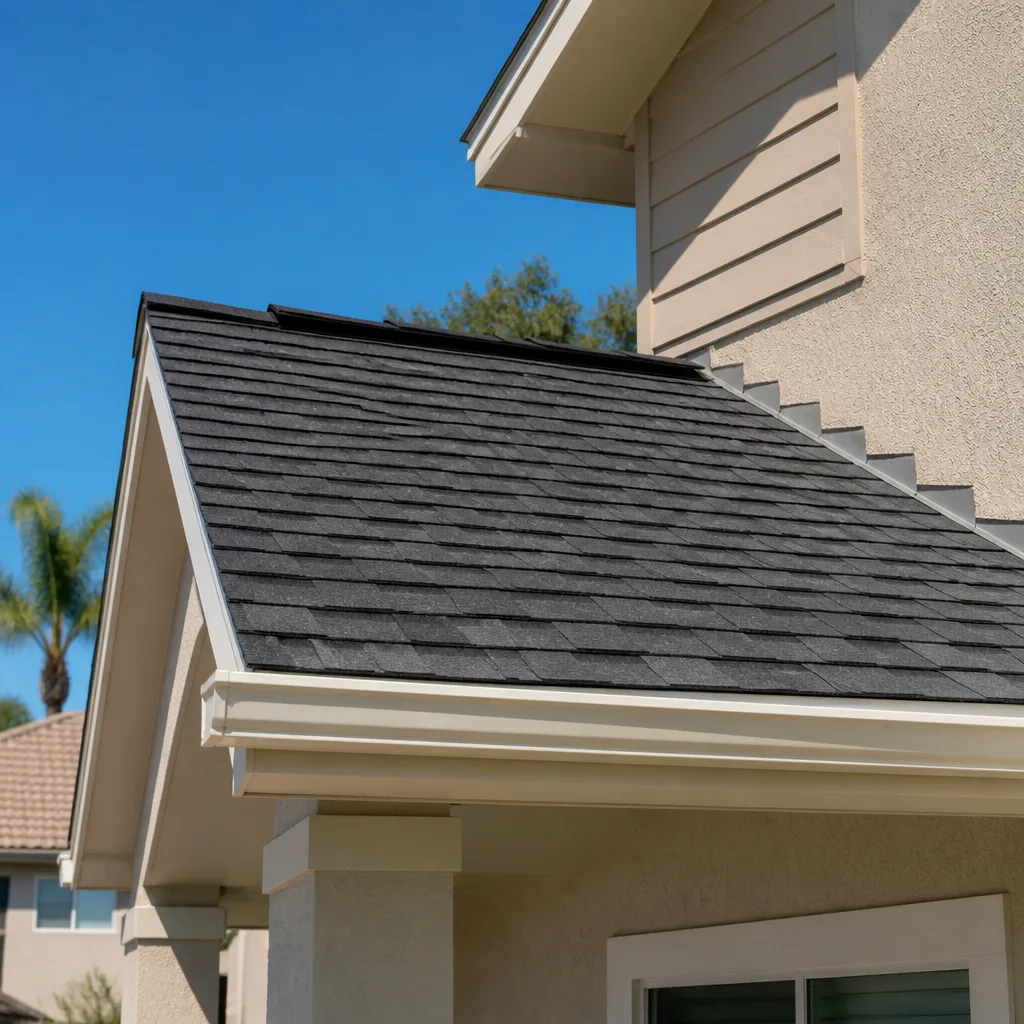
Why Inglewood Hail Damage Doesn’t Match the Playbook
Most hail damage content is written for Texas, Oklahoma, and the Midwest, where golf-ball hail genuinely crushes shingle mats and leaves that tight circular bruising pattern adjusters are trained to photograph. Those guides get copied onto California roofing sites, and the advice lands sideways. The LA basin almost never sees hail in that size class. What we get is smaller, brief, and easy to miss.
That small hail still matters, and it matters more in Inglewood than in a newer inland suburb. This city sits in the coastal-influenced basin near LAX, and the marine layer keeps exterior surfaces damp through much of the year. Salt-laden onshore air works on exposed fasteners and metal trim while stucco and roofing age by moisture cycling rather than freeze-thaw. The housing stock tells the rest of the story: 1920s to 1950s single-family bungalows and small stucco duplexes packed onto tight lots, many still carrying their original roofs or multiple layers added on top. Shingles that have been moisture-cycling for 15-plus years have brittle mat cores. An impact that would bounce off a five-year-old roof can crack the mat core of a 40-year-old one.
The old-Inglewood side of that housing stock is also the side that so often goes undocumented. Crews working the flats west of Prairie Avenue regularly find original knob-and-tube wiring and 1950s tar-paper roofing sitting under newer layers on houses that never had a permitted addition, and the City of Inglewood permit office scrutinizes that legacy work closely these days. A roof that’s been layered over without permits has a different failure profile under hail, and it can complicate an insurance claim later. That tension between old Inglewood bungalows and the event-district build-out around SoFi Stadium and the Intuit Dome is real, and it shapes what we find on roofs across the city.
The Signs That Actually Show Up on an Inglewood Roof
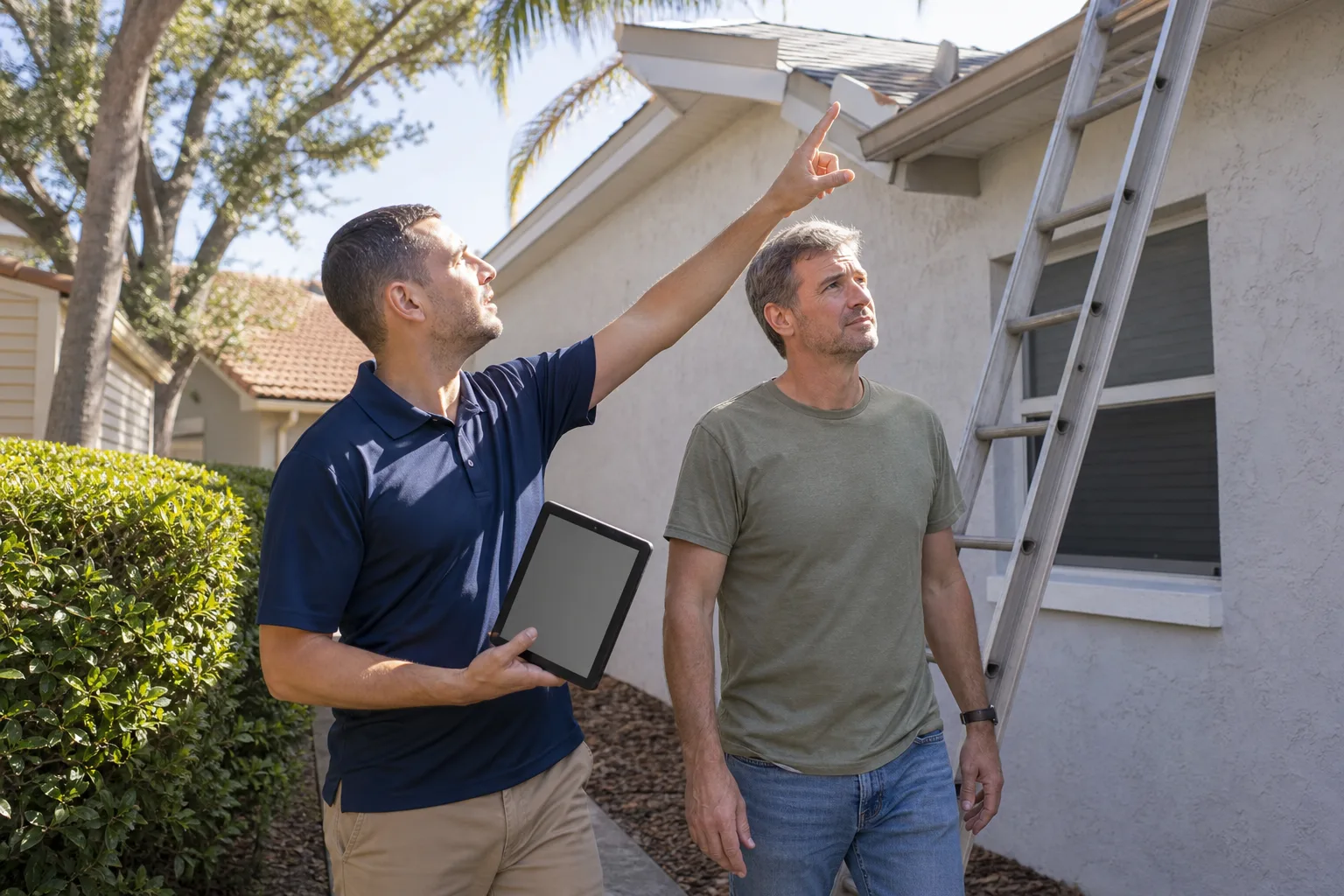
If you want to check your own roof from the ground after a storm, these are the tells worth looking for. Stay off the roof itself. Walking an aged, brittle roof is how small issues become big ones, and it’s genuinely dangerous on a steep pitch. Binoculars from the yard and a close look at ground-level metal will get you most of the way.
- Dimpling on aluminum gutter faces. This is the fastest and most reliable diagnostic point on an Inglewood bungalow. Soft aluminum holds impact craters long after shingles have shed their evidence, and it doesn’t lie.
- Small dents in painted fascia and downspout elbows. Same principle. Painted soft metal records hits that a weathered shingle surface conceals.
- Dings on AC line covers and rooftop vents. These sit up high, catch hail directly, and are easy to inspect without climbing.
- Fresh granule accumulation in gutters and at downspout outlets. A little is normal aging. A sudden flush of dark grit after one storm is a signal.
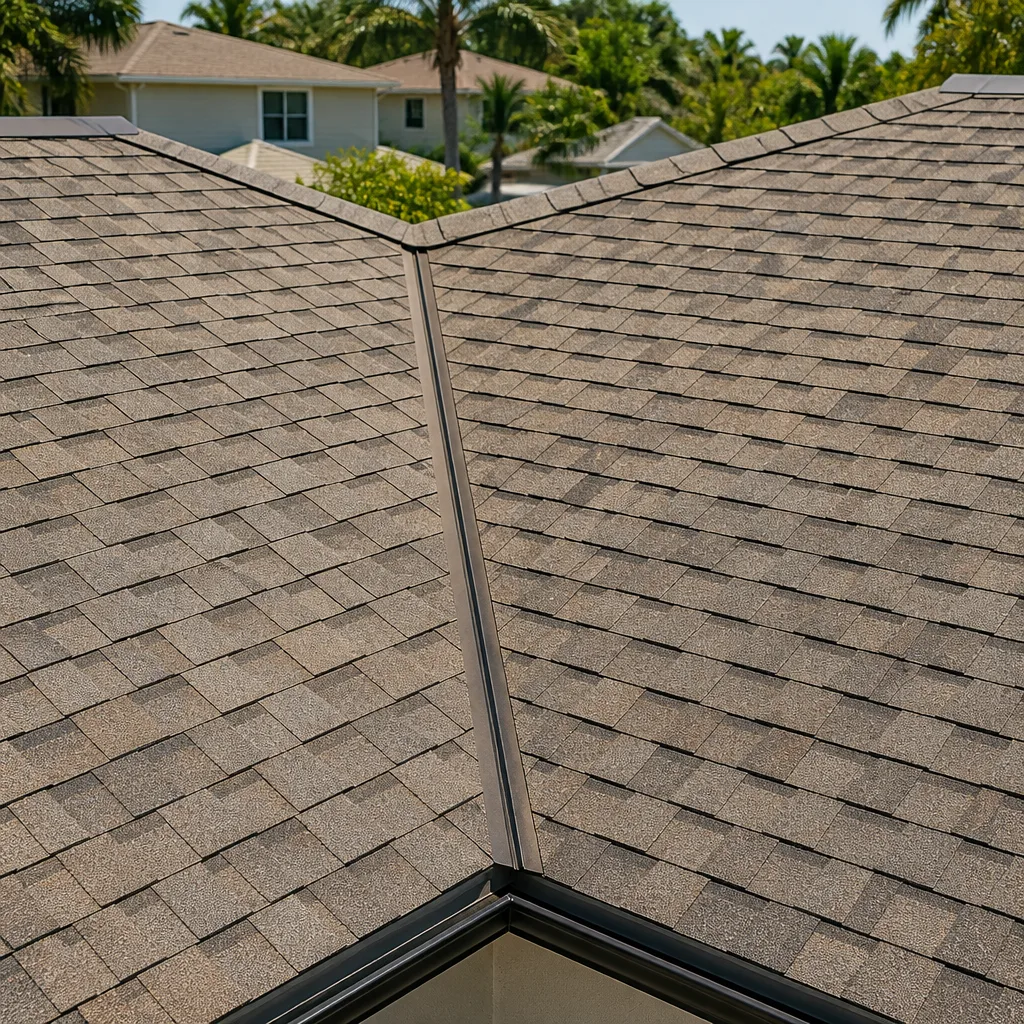
- Exposed felt or mat on field shingles. If you can see the substrate where granules used to be, that area has already lost its protective layer and will fail faster from here.
- New hairline cracks or bruising at shingle edges. On older, brittle shingles, impact shows as edge fracturing more often than as a clean round bruise.
One more thing worth saying plainly: on a roof that’s moisture-weakened and already near the end of its service life, “repair the hail spots” is often throwing money at a surface that’s going to be replaced within a few years anyway. That’s a judgment call, and it deserves an honest one rather than an upsell. Our technicians have up to 12 years of experience reading exactly this kind of roof, and they’ll tell you which case yours is.
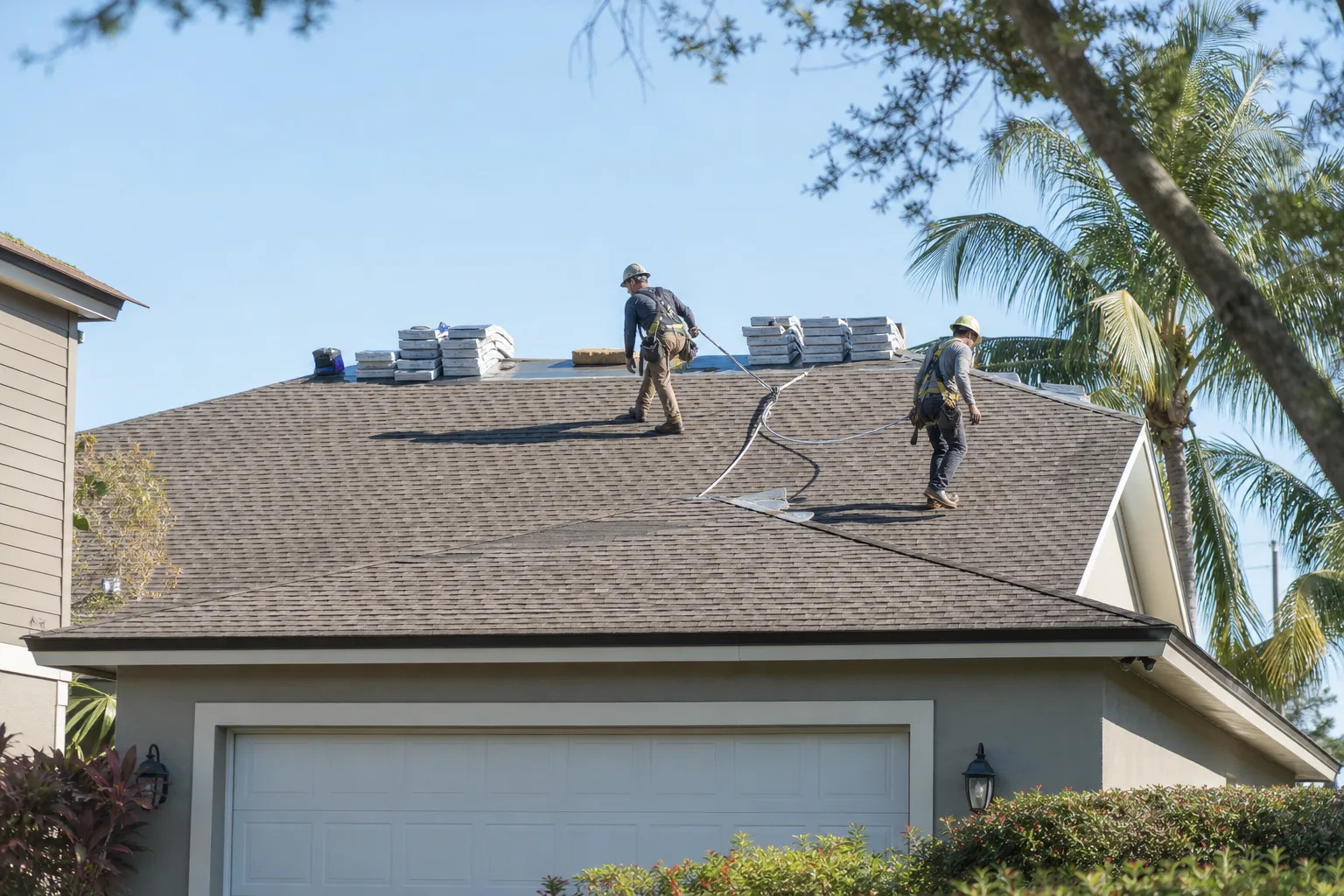
How to Document Hail Damage for an Insurance Claim
The order in which you photograph matters more than most homeowners realize. Do it right and the claim stands up; do it out of order and it gets harder to prove. Here’s the sequence that protects claim legitimacy:
- Photograph gutters and downspout elbows first, before cleaning anything. These hold impact craters longest, and once you wash them out you’ve erased the best evidence on the property.
- Capture the gutter faces and fascia from several angles, with something for scale. A hand, a coin, a tape measure. Adjusters need to gauge crater size.
- Move to the roof and document any exposed felt or mat on field shingles. These are the shots that show granule loss has reached the substrate.
- Photograph vents, AC line covers, and any soft metal at height. They corroborate the pattern.
- Only then clean the gutters. Note the granule volume you found before you wash it away.
Our background-checked, uniformed inspection team puts all of this into a written condition report after any storm, which is what insurance companies need for a submission. A verbal walkthrough that leaves nothing on paper won’t hold up. The report is the point. If a repair or replacement does turn out to be needed, we quote from the published ranges below, and the material brands we work with on the roof side include GAF and CertainTeed. From foundation to finish line, we handle it as one scope. When the work runs beyond the roof into windows or fencing, we bring in partners like Therma-Tru and Mr-Glass, so it stays a single accountable project.
| Service | Typical range |
|---|---|
| Roof repair (small hail damage, patching) | $400-$1,800 |
| Roof replacement (asphalt shingle) | $8,000-$20,000 |
| Tile roof repair | $600-$2,500 |
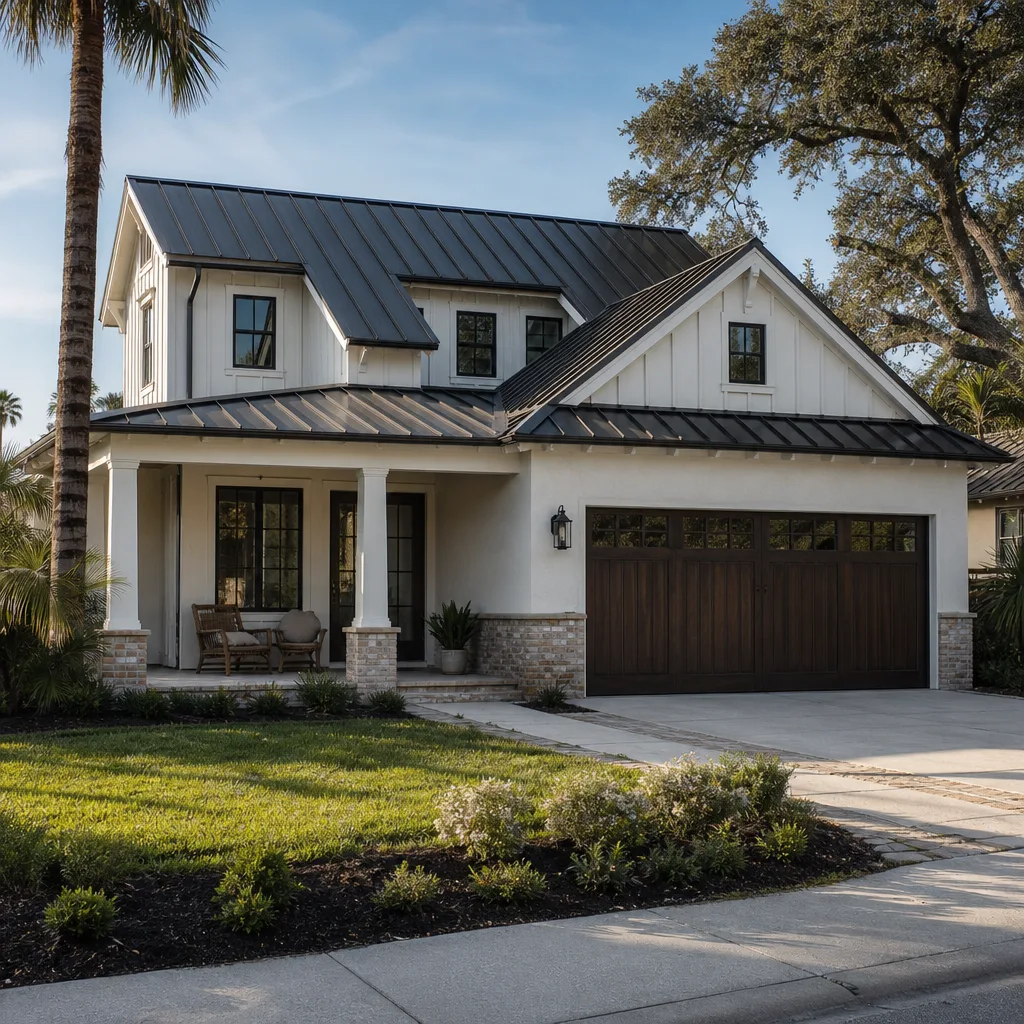
| Metal roof installation | $15,000-$40,000 |
Every roofing project is covered by our 730-Day Done Right Promise: if it’s not done right, we make it right. Pricing is upfront, so the number you see is the number you pay. Larger projects qualify for $1,000 off work over $10,000, and 0% financing for 18 months is available. If you want the deeper picture on materials and full scope, our Roofing page covers it. You can also see everything we handle in the wider Inglewood service area.
Vetting the Pro Who Inspects Your Roof
A hail inspection is only as useful as the person doing it. Here’s what to confirm before anyone gets on your ladder. Ask whether the inspection is documented in writing or just a verbal opinion. Ask what they’ll photograph and in what order. Confirm the crew is background-checked and arrives in uniform, not in an unmarked van. And find out whether the quote is a fixed upfront number or a vague ballpark that balloons later. Groundwork Construction Co. of Inglewood meets each of these, and calls are answered by a live person 24/7, so you’re not routing through voicemail to get a straight answer.
FAQs
Hail damage shows up as fresh granule loss concentrated after a single storm plus dimpling on nearby soft metal, while normal aging is gradual and spread across the whole roof. The metal tells are the tiebreaker. If gutters and fascia are dimpled, the storm did something. If the roof is uniformly worn with no fresh impact evidence, you’re looking at age. Call (833) 842-7204 for a free inspection if you’re not sure which one you’re seeing.
No, but homeowners with roofs over 15 years old should check once after any storm that produced visible hail, because marine-layer-weakened shingles can lose integrity from small impacts that a newer roof would shrug off. Inglewood sees meaningful hail rarely, which is exactly why it gets overlooked. A quick look at the gutters from the ground is often enough to know whether to call. Estimates are free, so the call costs you nothing.
Repair is cheaper when the damage is isolated and the roof has useful life left; replacement is the better value when the shingles are past their service life or damage is widespread. On an older Inglewood bungalow, patching small impacts on a roof that’s already near replacement age rarely pays for itself. Call (833) 842-7204 for an honest read on which case yours is, with upfront pricing before anything starts.
Coverage depends on your policy and how well the damage is documented, and a written condition report with the right photo sequence makes the difference in how a claim is reviewed. Photograph soft metal and exposed mat before any cleaning. That documentation is what we provide in writing after a storm. Call (833) 842-7204 to schedule an inspection.
Have It Looked At
Hail in Inglewood is rare and quiet, which is why small impacts go unnoticed until granule loss exposes the underlayment. You don’t need to climb up there to find out. Groundwork Construction Co. of Inglewood offers a no-pressure assessment in Inglewood, documented in writing and priced upfront. Call (833) 842-7204 for a free estimate, and we’ll tell you honestly whether you have a claim, a repair, or nothing at all.
Written by the team at Groundwork Construction Co. of Inglewood, serving Inglewood, CA.