Free written scope consultation - allowances, timeline, and change-order rules on paper before a single trade is scheduled
Styles & brands we work with
- Kitchen remodeling
- Bathroom remodeling
- Home additions & ADU
- Roofing
- Windows & doors
- Driveway & pavers
- Fence
See the difference
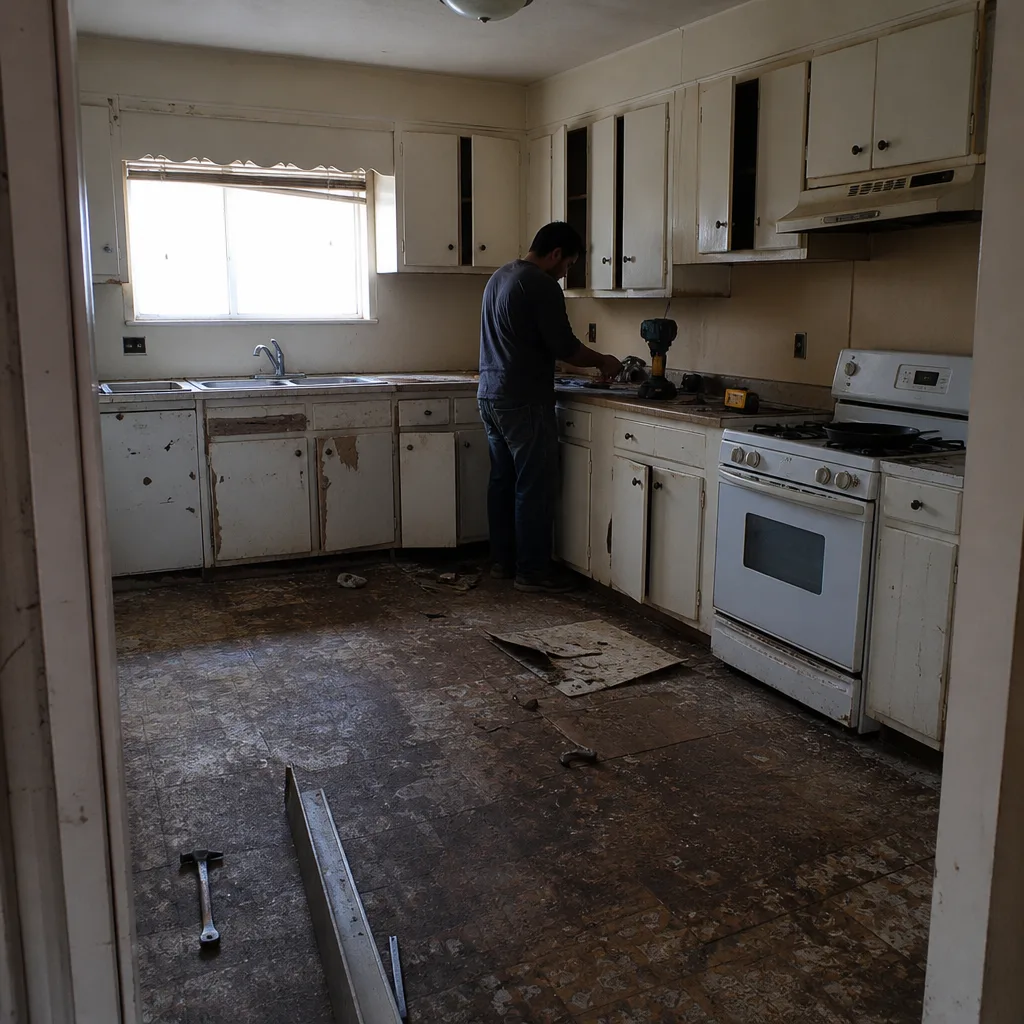 Before
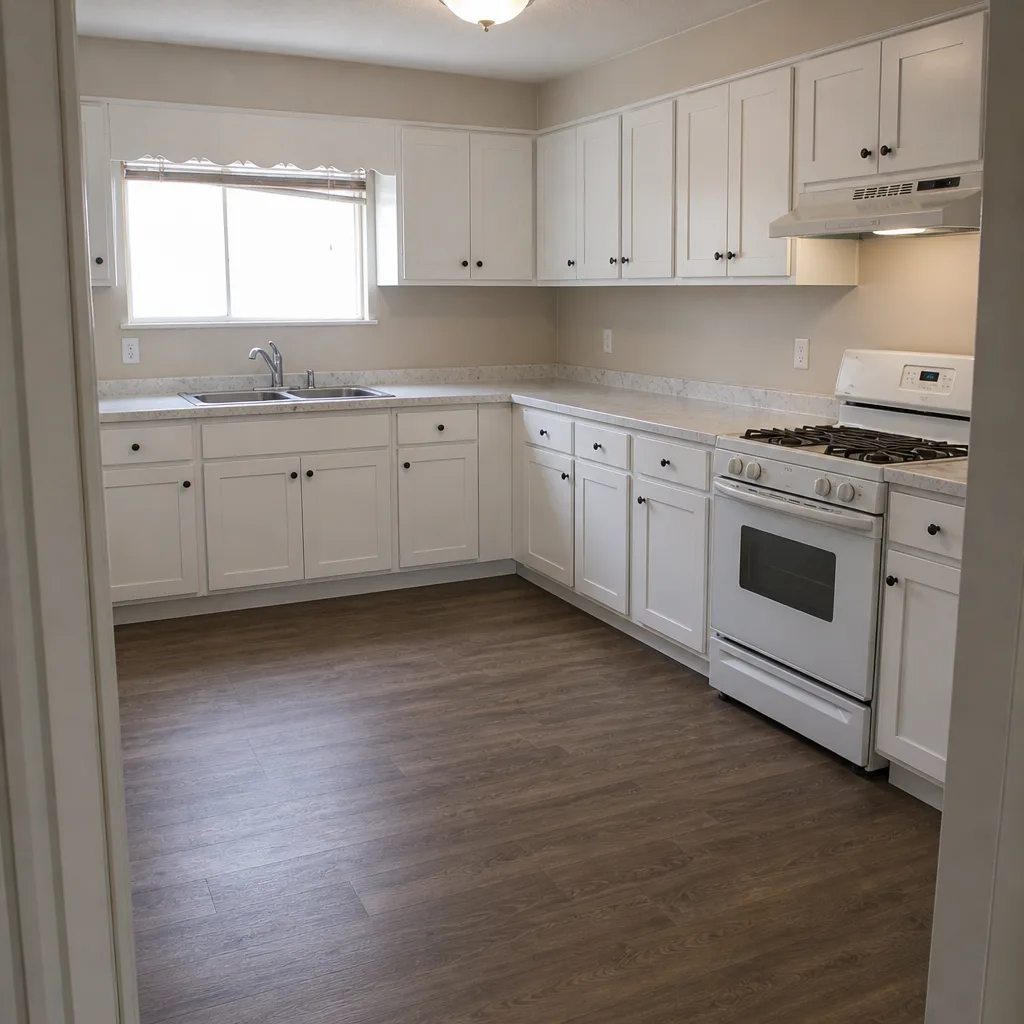 After
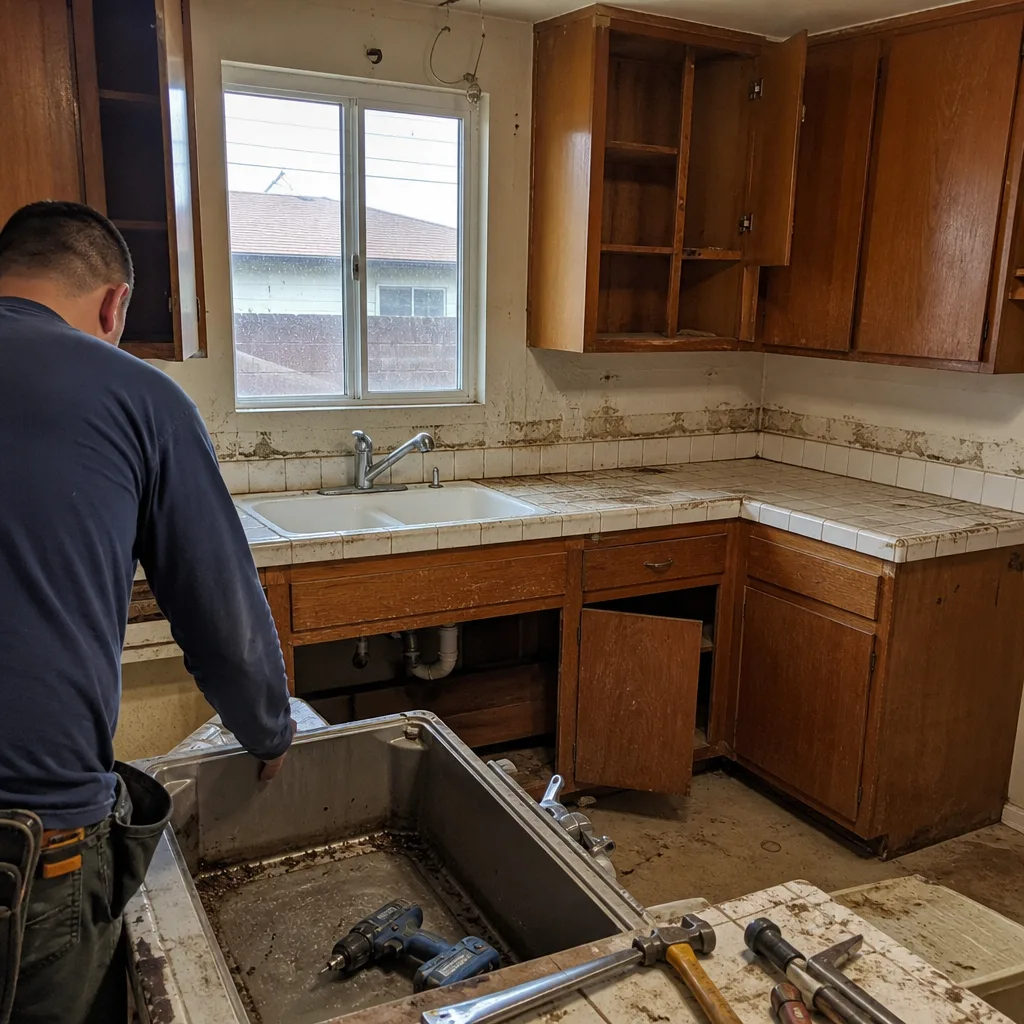 Before
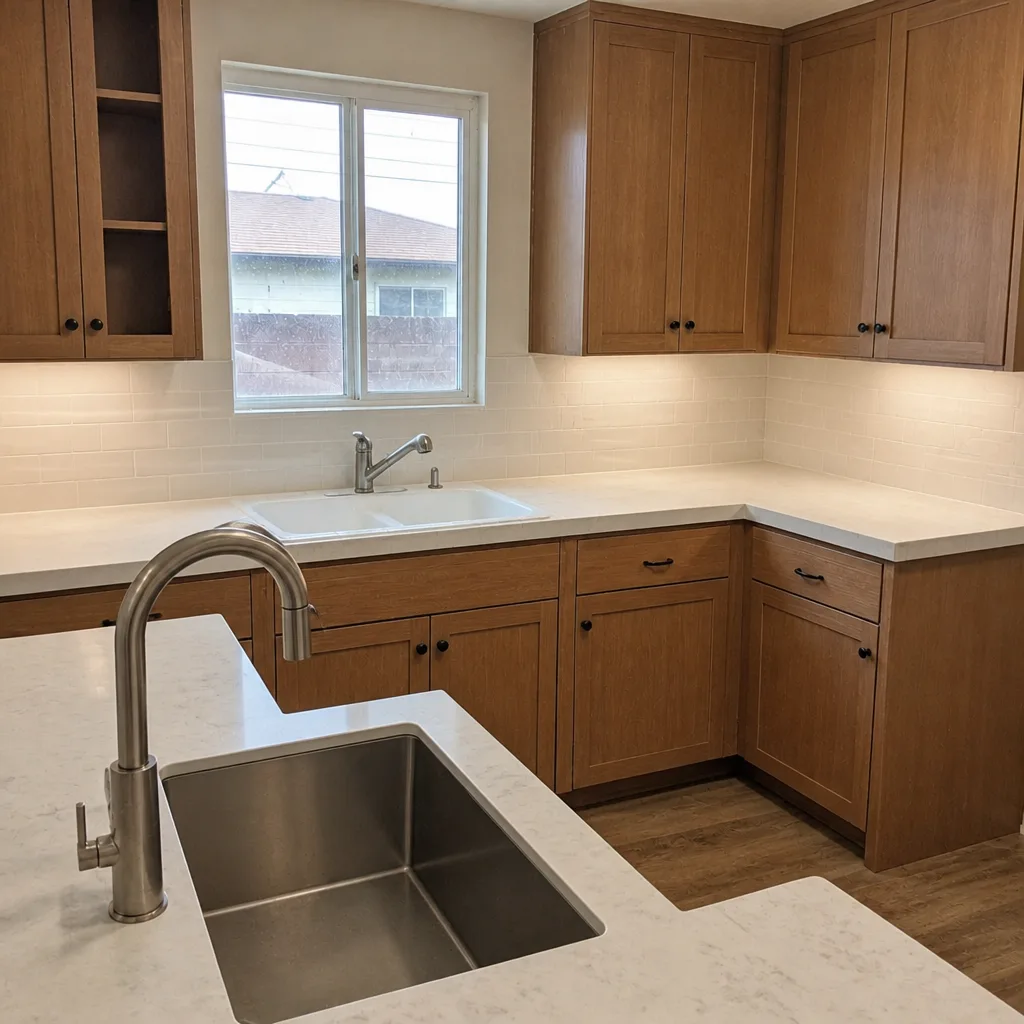 After
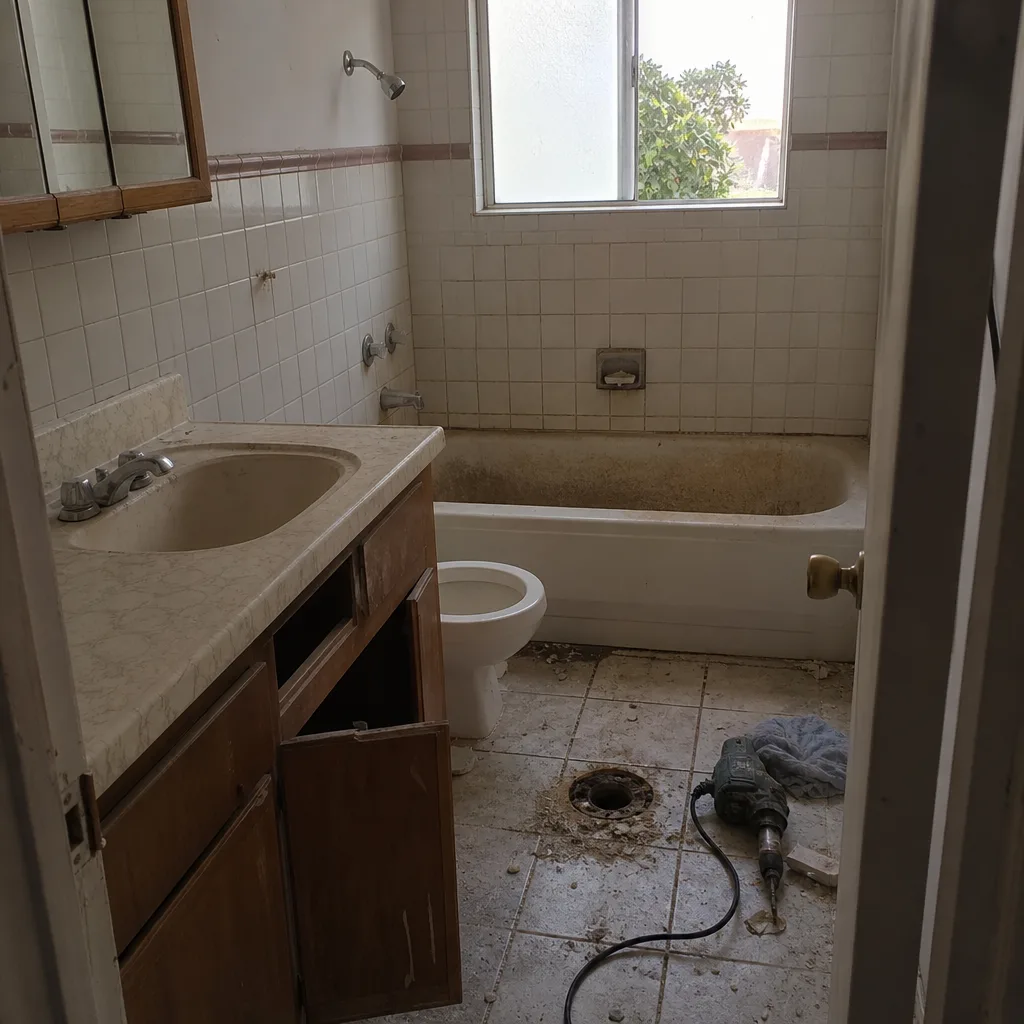 Before
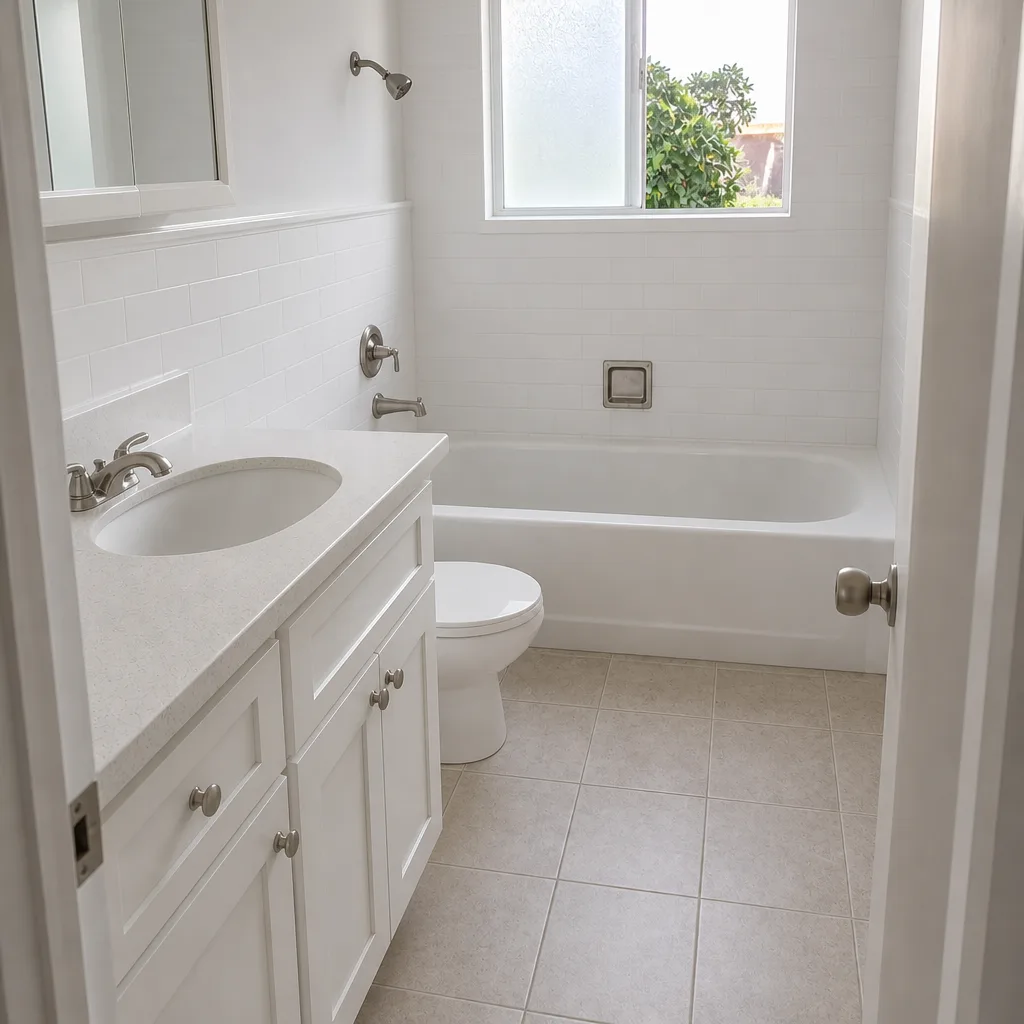 After
New Construction vs. Replacement Windows in Inglewood, CA: Which One Your House Actually Needs
Choose replacement (insert) windows only when the existing wood frame and sill are sound, square, and dry. On an Inglewood bungalow built before 1950, that’s often not the case, and new-construction windows with a nailing fin become the more honest long-term choice even at $200-$400 more per opening. The decision is structural and permitting, not cosmetic. Call (833) 842-7204 and we’ll tell you which one your frame can actually take.
Key Takeaways
- Replacement inserts slide into the existing frame pocket; no trim comes off, but the frame must be sound and square.
- New-construction windows attach to the rough framing with a nailing fin and require trim removal, plus a permit when the opening changes.
- Pre-1950 Inglewood openings are rarely standard modern sizes, and shimming to fit an insert can shrink the glass area 2-4 inches per dimension.
- Coastal marine air cycles moisture through original sill plates for decades, so we inspect before recommending a method.
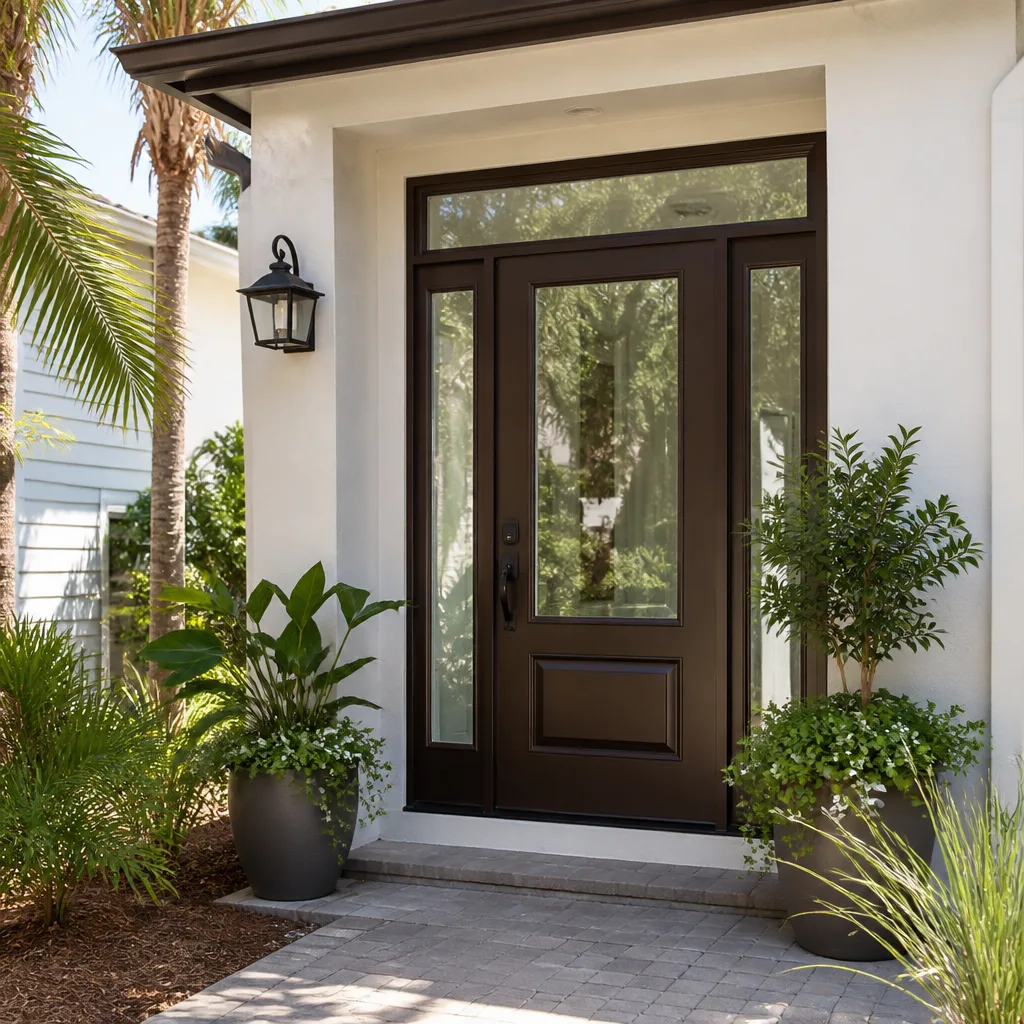
What’s the actual difference between new-construction and replacement windows?
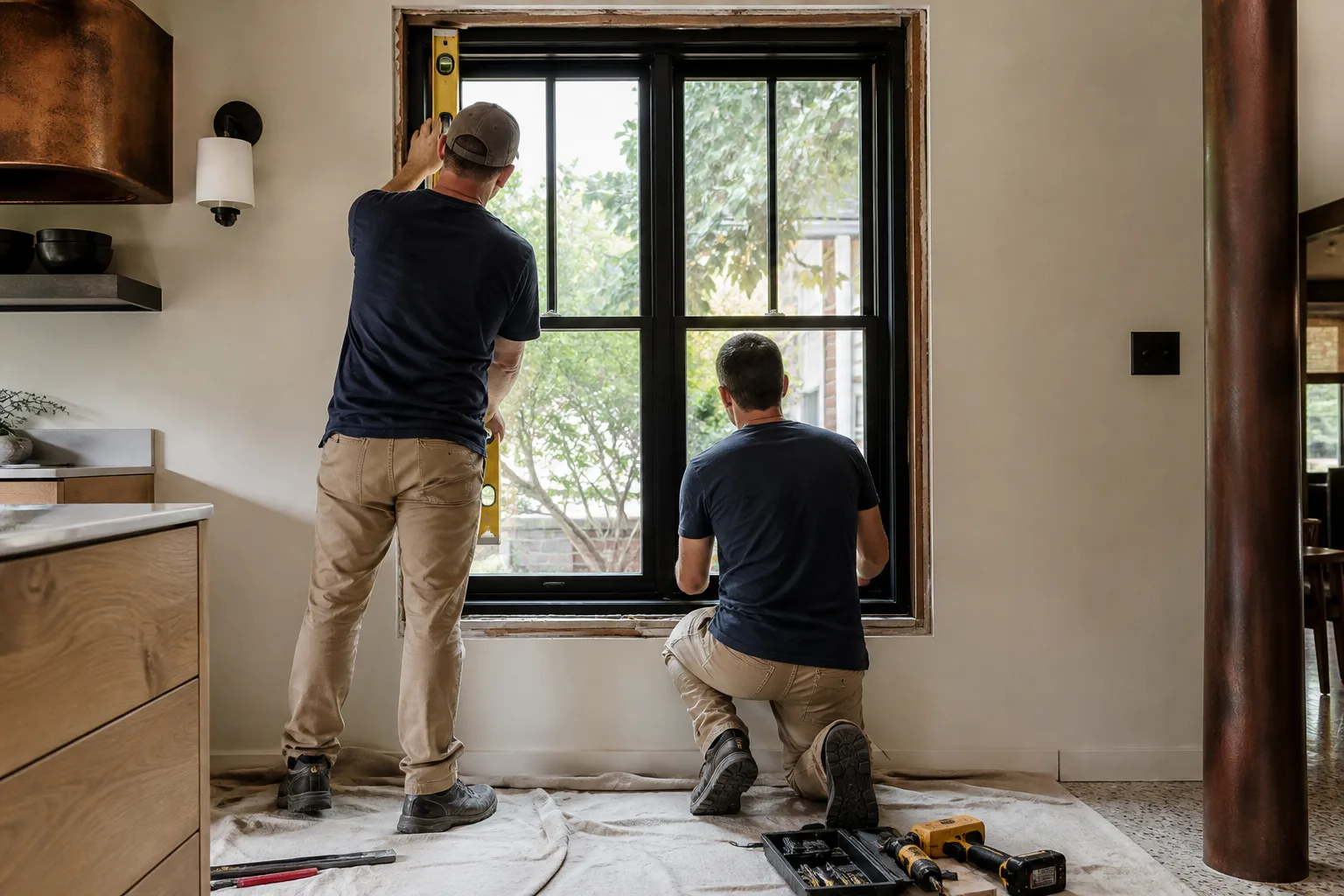
New-construction windows have a nailing fin around the perimeter that fastens to the rough framing of the house. Installing one means removing interior and exterior trim, setting the unit into the opening, flashing it, and rebuilding the trim. Replacement windows, often called inserts or pocket replacements, come without a fin and slide into the existing frame after the old sash is pulled. No trim removal, no framing work, faster job.
The tradeoff is simple. An insert inherits whatever the old frame is. If that frame is straight, solid, and properly dimensioned, an insert is a clean, cost-effective upgrade, and on a 1990s tract home in the flats it usually is. If the frame is out of square or the sill is soft, you’re installing a new window into a failing substrate. That’s the whole argument in two sentences.
Inglewood adds a wrinkle most window comparisons skip. The city’s housing stock is dominated by 1920s-1950s bungalows and small stucco duplexes, and those original rough openings were sized for single-pane wood sash units, not modern stock sizes. True-dimension lumber from that era doesn’t match today’s nominal framing either. A pocket replacement in a nonstandard opening usually needs shimming, and shimming eats glass area, typically 2-4 inches per dimension. You lose daylight and you lose the view, quietly, one window at a time.
Why the marine layer matters more here than most window guides admit
Inglewood sits in the coastal-influenced LA basin near LAX. Marine layer moisture and salt-laden onshore air work on exterior metal and wood continuously, and the climate rarely freezes, so the damage comes from moisture cycling rather than freeze-thaw. Original fir sill plates in a 1935 bungalow have been cycling wet and dry for close to nine decades. When we pull interior trim on these homes, soft sills and checked jambs are routine, not exceptional.
That’s why Groundwork Construction Co. of Inglewood recommends a sill and frame inspection before we recommend a method. In roughly 40% of the pre-1960 homes we open up, the frame condition makes new-construction the more defensible choice. The other 60% take a replacement insert without trouble and save the trim work and the framing time.
The exterior finish tells the same story. West of Prairie Avenue we routinely find original knob-and-tube wiring and 1950s tar-paper under newer roofing layers on houses that never had a permitted addition. City of Inglewood permit review now looks hard at unpermitted legacy work because of the post-SoFi enforcement climate. Window work is a chance to see what’s behind the wall while the wall is open. Window and door installs are one of our Windows & Doors services, and the inspection is part of the estimate, not an upsell.
Side-by-side: which installation fits your Inglewood house?
| Factor | Replacement (insert) | New-construction (nailing fin) |
|---|---|---|
| Trim removal | None | Interior and exterior trim comes off |
| Frame requirement | Sound, square, dry | Old frame removed; new opening built to spec |
| Glass area | Shimming can cost 2-4 in. per dimension | Full opening size retained |
| Inglewood permit | Same-opening insert typically doesn’t trigger a full permit | Opening modification triggers a permit and current Title 24 energy compliance |
| Typical extra cost | Baseline for the project | $200-$400 more per opening |
| Best fit | Post-1960 frames in good condition | Pre-1960 bungalows with soft or out-of-square frames |
That last row in the cost column is where homeowners get stuck, so here’s the honest math. Our Inglewood window replacement projects generally land in the $4,500-$15,000 range, and impact-rated units run $8,000-$25,000. The per-opening premium for new-construction work is real, but good replacement inserts still come with upfront pricing and no surprise line items, in either method.
Do new-construction windows trigger a permit in Inglewood, and is that a problem?
A replacement insert set into the same opening typically doesn’t require a full permit. A new-construction window that modifies the rough opening does, and that permit path also requires meeting current Title 24 energy compliance. Most homeowners hear “permit” and wince. The reality cuts the other way: Title 24 compliance usually means a more efficient unit with a documented performance value, and documented efficiency is what energy incentive programs look at. The permit isn’t a penalty. It’s the paperwork that makes the upgrade count.
There’s a practical bonus. Opening the wall lets us see what the frame was hiding: rotten sills, undersized headers, the occasional unpermitted prior replacement. The City of Inglewood building department has been under real volume pressure from stadium-district construction, so coming in with accurate drawings and a clean scope keeps review moving. We plan for that on the front end.
Common Inglewood scenarios we run into
A 1941 bungalow off Manchester with original wood sash. The openings don’t match stock sizes, the sill has surface rot on the south exposure, and the homeowner wants a modern look. A pocket insert needs shimming and would shrink two of the four windows by nearly 3 inches. New-construction wins here.
A 1955 stucco duplex near Morningside Park. Frames are straight and dry, the window sizes are close enough to stock, and the homeowner has six units to do on one budget. Inserts keep the trim intact and the stucco patch work minimal. Replacement wins.
A new-build or recent addition near the stadium district. Rough openings are modern dimensions, Title 24 is already satisfied, and this is plain new-construction territory regardless of what the neighbor did.
And the recurring one: a homeowner who got a quote for inserts by phone, sight unseen. When we open the trim, the frame is soft. That’s the call we’d rather make before the deposit, not after. If a method doesn’t fit the house, we say so. It’s part of how the 730-Day Done Right Promise works in practice: if it’s not done right, we make it right, and the promise covers the installation method, not just the unit.
Frequently Asked Questions
New-construction windows typically cost $200-$400 more per opening than a replacement insert, plus trim and framing work. A full Inglewood window replacement project generally runs $4,500-$15,000, and impact-rated units run $8,000-$25,000. Call (833) 842-7204 for an exact quote on your house; estimates are free.
No, and any contractor who says otherwise by phone is guessing. Frame condition only shows itself once the interior trim comes off and we can probe the sill and check the framing for square. We pull trim on the estimate, look, and give you the method the frame can actually support.
Yes. Our Andersen and Marvin window lines cover both insert and new-construction configurations. We don’t steer homeowners toward one method because of what’s in stock or where the margin sits; the frame decides the method, the brands stay available either way.
Repairs are often the right call on a sound frame with a single failed sash or a bad seal, and far cheaper than a full project. Once the sill is soft or the frame is out of square across multiple openings, repair money goes into a frame that keeps failing. Call (833) 842-7204 and we’ll tell you which side of that line you’re on.
Yes, especially where you’re replacing single-pane wood sash. Title 24-compliant units cut heat gain on west-facing walls, and Inglewood’s marine-moderated climate means the gains come from solar control and air sealing rather than heating load. Quantifying it takes a look at your exposures.
Let’s look at your frames before you commit
If you’d rather have it looked at than argued about, Groundwork Construction Co. of Inglewood offers a no-pressure assessment in Inglewood. We’ll pull a sample of trim, inspect the sills, and tell you insert or new-construction per opening, in plain language. Call (833) 842-7204 to book the visit. You get the answer before the estimate, and the estimate before you commit. Background-checked technicians, live people answering the phone, and the Inglewood service area covered door to door.
Written by the team at Groundwork Construction Co. of Inglewood, serving Inglewood, CA.