



Free written scope consultation - allowances, timeline, and change-order rules on paper before a single trade is scheduled
Styles & brands we work with
- Kitchen remodeling
- Bathroom remodeling
- Home additions & ADU
- Roofing
- Windows & doors
- Driveway & pavers
- Fence
See the difference
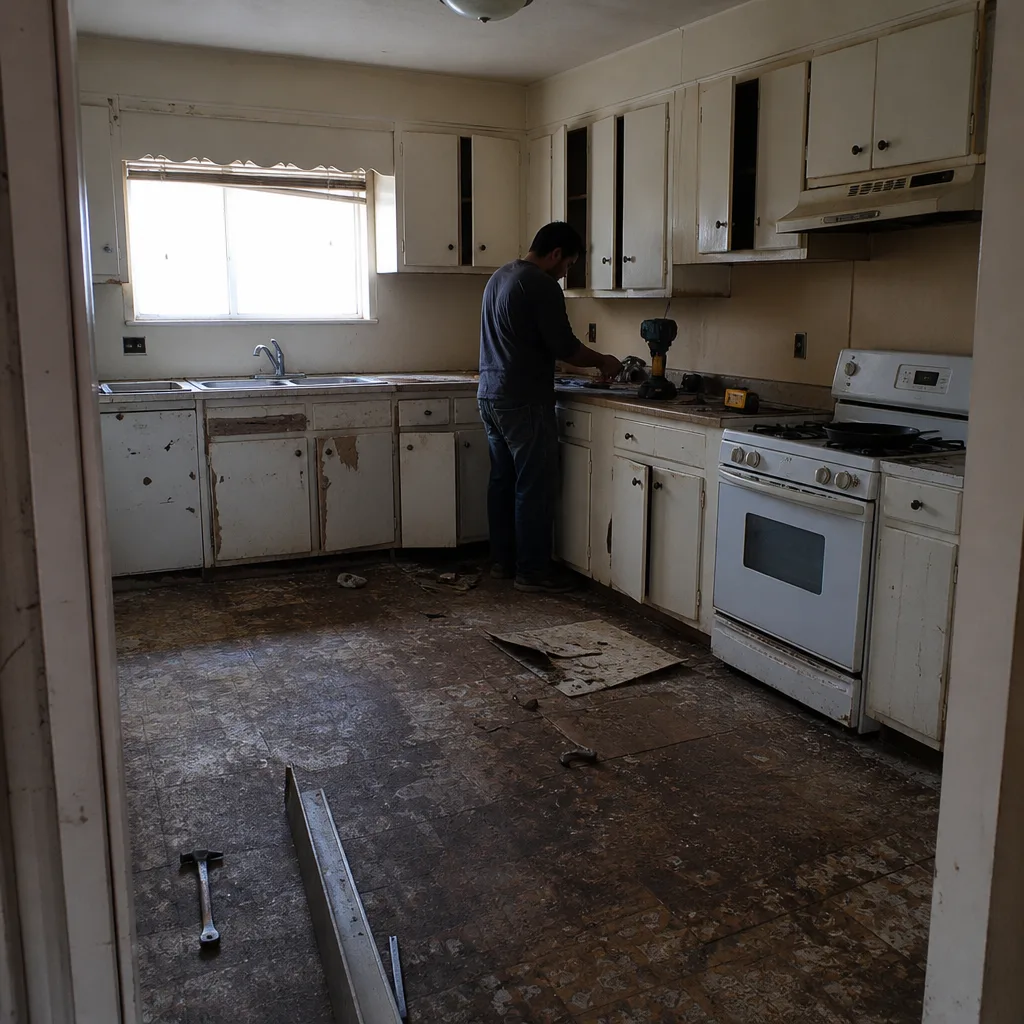 Before
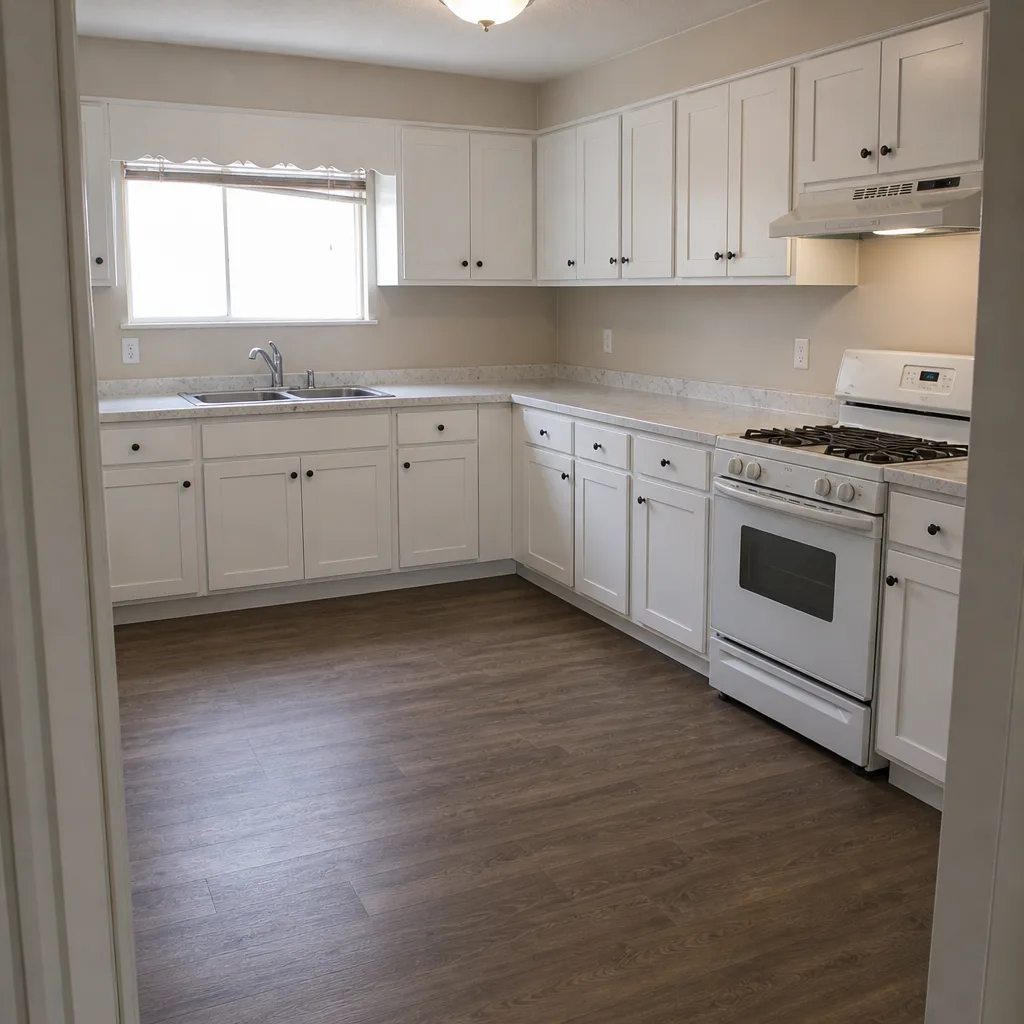 After
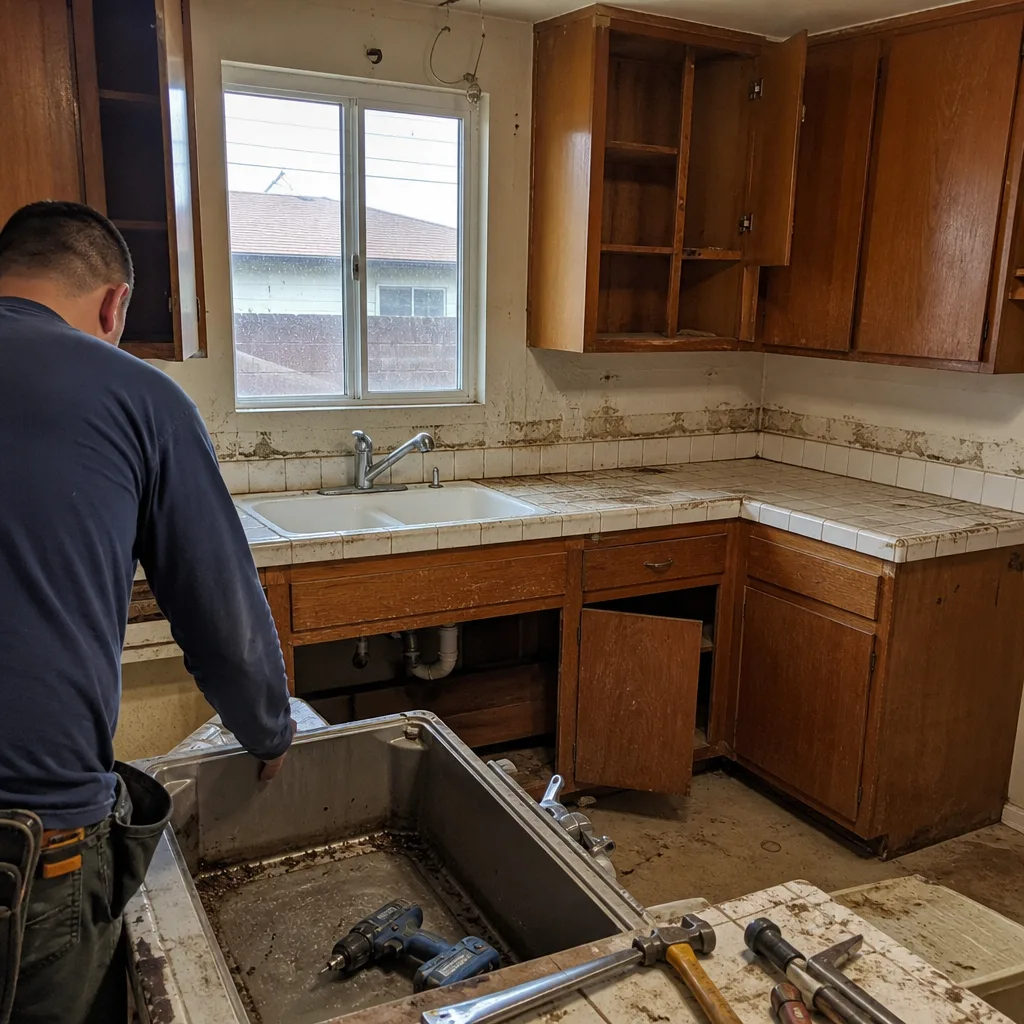 Before
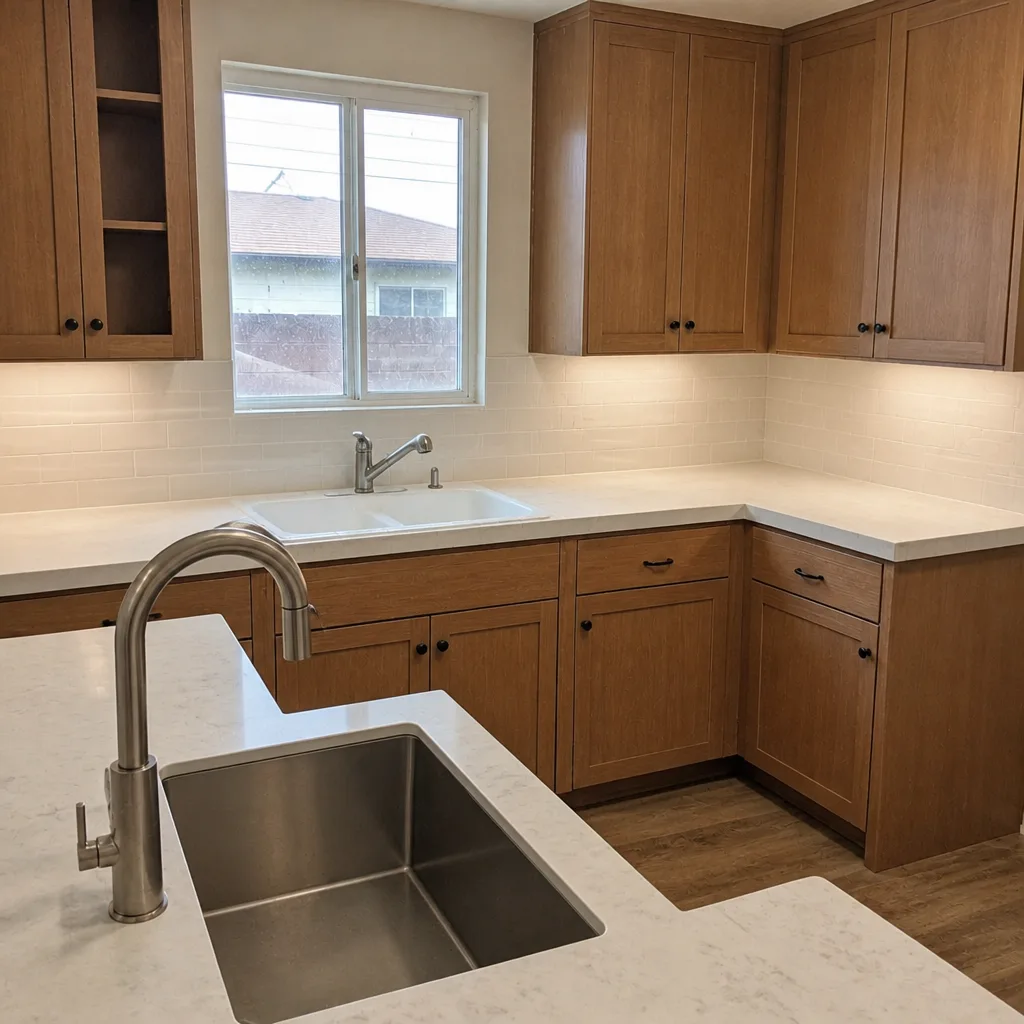 After
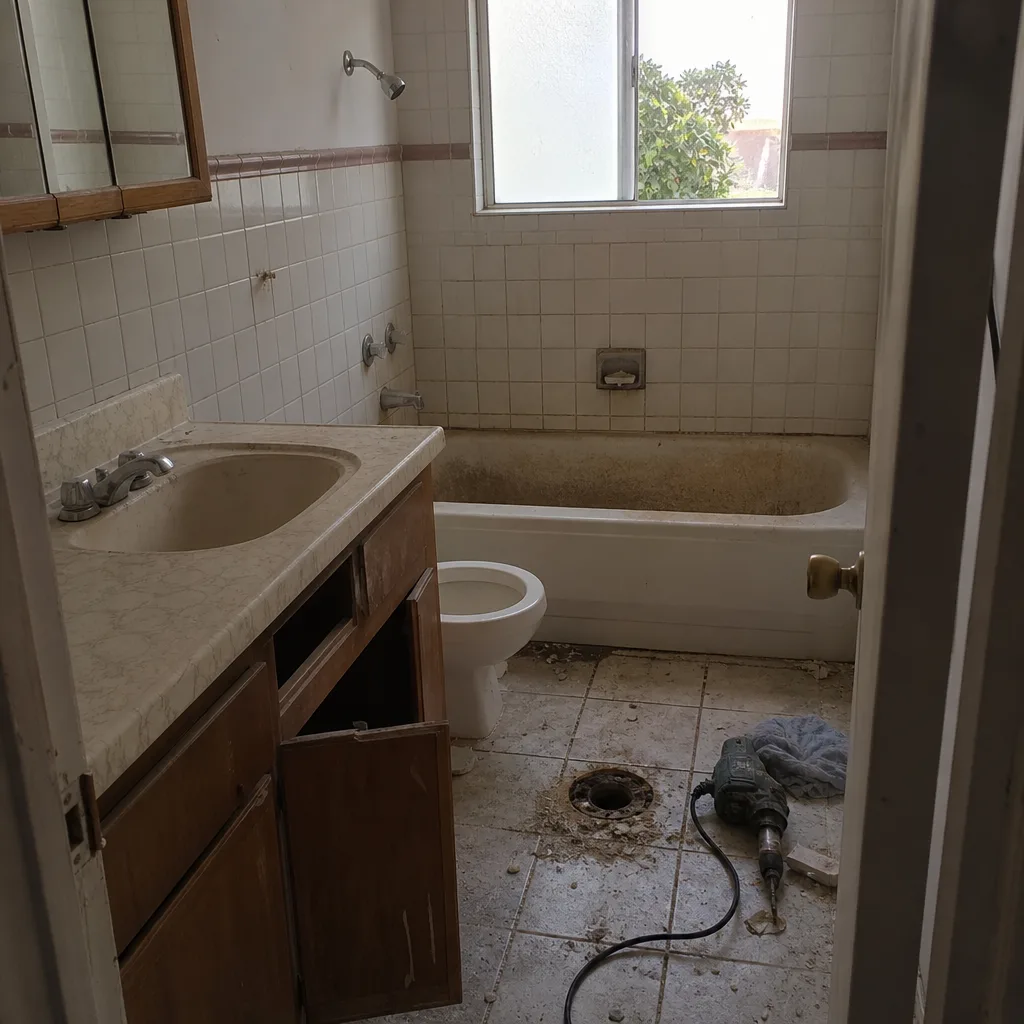 Before
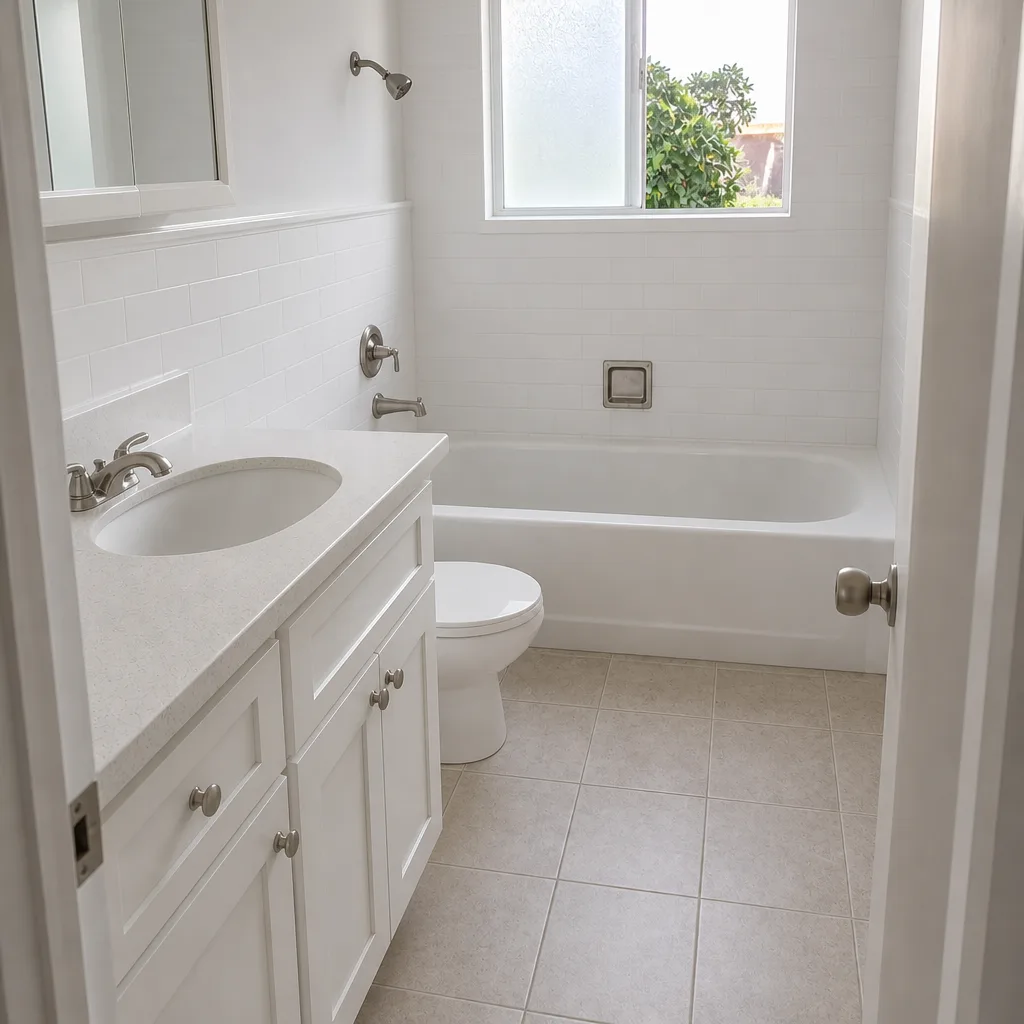 After
The short answer: a sinking driveway is fixed by treating the cause under the slab, not the surface on top of it. In Inglewood, that cause is usually expansive clay soil that swells and shrinks with moisture, and the correct fix is either polyurethane foam injection to lift a settled slab or, when the soil itself has failed, compaction grouting or mudjacking with soil stabilization. Cosmetic patching or a fresh pour over bad sub-base will sink again.
If your Inglewood driveway is dipping toward the garage with no clear reason, there’s a good chance the same clay that’s pulling the slab down is also working on your house foundation. Before anybody quotes you a surface fix, it’s worth knowing which problem you’re actually solving. Groundwork Construction Co. of Inglewood walks through that diagnosis below. Call (833) 842-7204 if you’d rather have a technician look at it in person.
## Why Inglewood driveways sink differently than most of Southern California
Inglewood sits in the coastal-influenced LA basin near LAX, so we get marine layer moisture, salt-laden onshore air, and a climate that almost never freezes. That matters because the usual story about sinking concrete is freeze-thaw damage, and it barely applies here. Instead, we deal with persistent moisture cycling: the marine layer keeps the upper soil damp, the sun dries it out, and it repeats. Over twenty or thirty years, that slow expansion and contraction hollows out the sub-base under carports, driveways, and garage aprons on the flats.
Compounding it, Inglewood is dominated by 1920s-1950s single-family bungalows on tight lots, many with detached garages in back. Those lots were filled and graded decades ago with clay-heavy soils that were never engineered for modern loads. When a slab is poured over that fill without proper compaction and drainage, the clay does what clay does. It moves.
## Isolated slab settlement or systemic soil failure? The test we use
This is the distinction most DIY guides skip, and it’s the one that determines whether your fix lasts five years or thirty.
Isolated slab settlement means the concrete panel itself has dropped but the soil underneath is still roughly in place. You’ll typically see one or two cracked panels, a trip-edge along a control joint, and the rest of the driveway still flat. Here, polyurethane foam injection is a real solution: a high-density expanding foam is injected through small holes, lifts the slab, and fills the void beneath. It’s fast, the driveway is usable within hours, and there’s little mess compared to a full tear-out.
Systemic soil failure means the sub-base itself has degraded, voided, or washed out. Warning signs are broader: multiple panels stepping at different heights, water pooling against the house or garage, doors that stick or gaps that appear at the sill, and cracks that keep reopening after patching. This is the pre-1950 Inglewood lot scenario, and here foam alone won’t hold. You need compaction grouting or mudjacking combined with soil stabilization, and often corrected drainage so water stops routing under the slab.
A quick way to tell the difference without equipment:
– Walk the driveway and note where the low spots are. One dip means a settled panel. A slope toward the house or garage means a drainage problem.
– Hoses a garden hose at the top of the driveway and watch where water pools. If it runs under the garage threshold, the soil is likely wet underneath.
– Check the garage. A detached garage is a separate structure with its own footing, and if the driveway is dropping toward it, the garage slab and foundation may be doing the same thing.
## The detached-garage check nobody does before quoting
On Inglewood’s tight-lot bungalows, roughly half the driveways we look at run alongside or up to a detached garage built in the 1930s or 1940s. When that driveway is sinking toward the garage apron, the garage foundation deserves a look before anyone touches the surface. We’ve seen plenty of cases where a homeowner was quoted a driveway overlay, and three months later the garage door stopped latching because the door-header footing had subsided the same two inches the driveway had.
Our background-checked, uniformed technicians are trained to flag foundation red flags during a driveway assessment. If the garage slab is dropping with the driveway, we recommend a structural assessment before we quote a surface fix. No upsell pressure: sometimes the answer is “your driveway needs foam and your garage is fine.” Sometimes it isn’t. We tell you which.
## What a fix actually costs in Inglewood
Upfront pricing, no surprises, is how we work. Here’s what Inglewood homeowners typically see for driveway work, and what the repair options run:
| Scope | Typical Inglewood range |
|---|---|
| Full concrete driveway replacement | $4,500-$12,000 |
| Full driveway replacement (any surface) | $5,000-$14,000 |
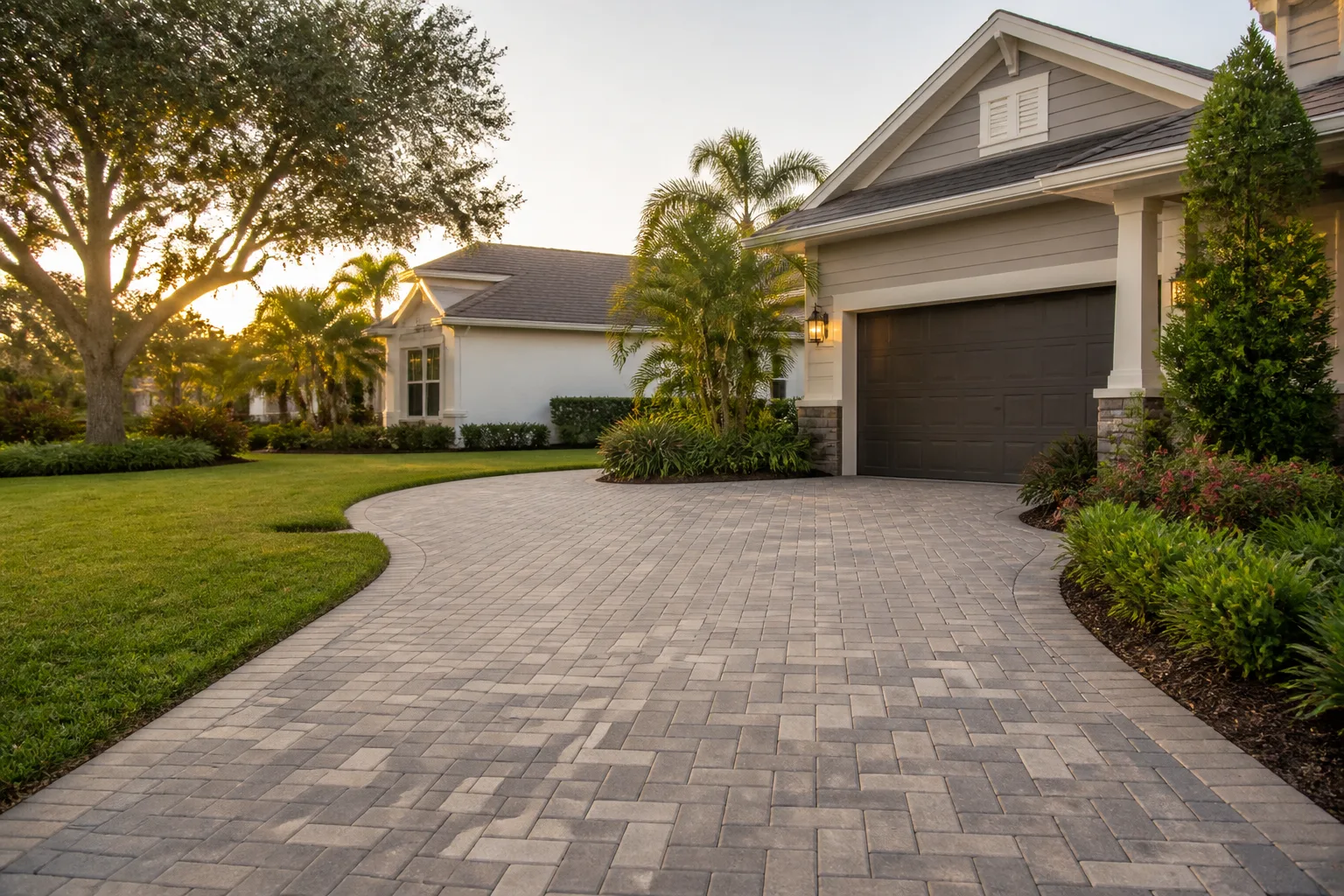
| Paver driveway installation | $7,000-$18,000 |
| Driveway sealing (maintenance) | $250-$700 |
| Asphalt driveway paving | $3,500-$9,000 |
Slab lifting via polyurethane injection or mudjacking is usually a fraction of a full replacement, though the exact quote depends on square footage and access. If a full replacement is the right call, we use Tremron, Techo-Bloc, and Cambridge Pavers on paver jobs so the finished driveway is built to last and backed in writing. For the full scope of what we install, see our Driveway & Pavers page.
Financing softens the number: 0% financing for 18 months, plus $1,000 off projects over $10,000, and a free project estimate and design consult to start. The home page has the full service menu.
## The Inglewood permit reality on older properties
Inglewood’s building department has been under intense scrutiny and volume pressure since the 2021-2026 transformation around SoFi Stadium, the Intuit Dome, and the Kia Forum. That enforcement pressure reaches ordinary residential work. Excavation or structural sub-base repair on a 1940s bungalow can surface unpermitted legacy additions, and the City of Inglewood permit office now scrutinizes those hard.
In practice, that means you want a contractor who expects it and plans for it, not one who discovers it mid-job and disappears. We pull the right permits, we know what inspectors are looking for on older flats properties, and we tell you up front if the scope might trigger a legacy-work review. Ten years in business (since 2014) and 42 years of local community service in our markets means we’ve been through these jobs before. Our technicians have up to 12 years of experience on driveway and hardscape work.
## Red flags that mean you should call a pro now
Some of the warning signs under an Inglewood driveway are beyond surface repair. If you see any of these, get a structural assessment before you spend a dollar on the surface:
– Water pooling against the house, garage, or foundation stem wall
– Doors, windows, or garage doors that have started sticking or racking
– A vertical crack in the garage stem wall wider than a hairline
– Sinkholes, voids, or bubbling in the driveway surface
– Dips that reappear after patching within one or two rainy seasons
High-volume slab lifting and soil stabilization are not a homeowner DIY job. Foam injection, grouting, and surface excavation carry real risk to structures and to anyone underneath. Our team is background-checked, uniformed, and answers calls with a live person 24/7, so you’re never waiting until Monday morning to get an answer.
## FAQs
How do I fix a sunken driveway in Inglewood?
You fix it by addressing the sub-base, not the surface: polyurethane foam injection lifts isolated settled slabs, while systemic soil failure from Inglewood’s expansive clay fill needs compaction grouting or mudjacking plus drainage correction. Call (833) 842-7204 for a free assessment and an exact quote.
Is it cheaper to lift a driveway slab or replace it?
Slab lifting is usually the cheaper option when the problem is isolated settlement and the concrete is still sound; a full replacement makes more sense when the sub-base has failed or multiple panels are stepping at different heights. Call (833) 842-7204 and we’ll tell you which one you’re looking at, honestly.
Can a sinking driveway damage my house foundation in Inglewood?
Yes, especially on pre-1950 lots where the driveway slopes toward the house or garage. The same expansive clay and poor drainage under the driveway can work on the foundation, so we check for foundation red flags before quoting a surface repair. Call (833) 842-7204 to schedule the check.
Does Inglewood require a permit to repair or replace a driveway?
Driveway repairs that involve excavation, structural sub-base work, or a change in impervious surface area typically require a City of Inglewood permit, and older flats properties can surface unpermitted legacy additions during review. Call (833) 842-7204 and we’ll walk you through what your specific address will need.
If you’d rather have it looked at, Groundwork Construction Co. of Inglewood offers a no-pressure assessment in Inglewood - call (833) 842-7204. A live person answers 24/7, the estimate is free, and every job is covered by our 730-Day Done Right Promise.
Written by the team at Groundwork Construction Co. of Inglewood, serving Inglewood, CA.