Free written scope consultation - allowances, timeline, and change-order rules on paper before a single trade is scheduled
Styles & brands we work with
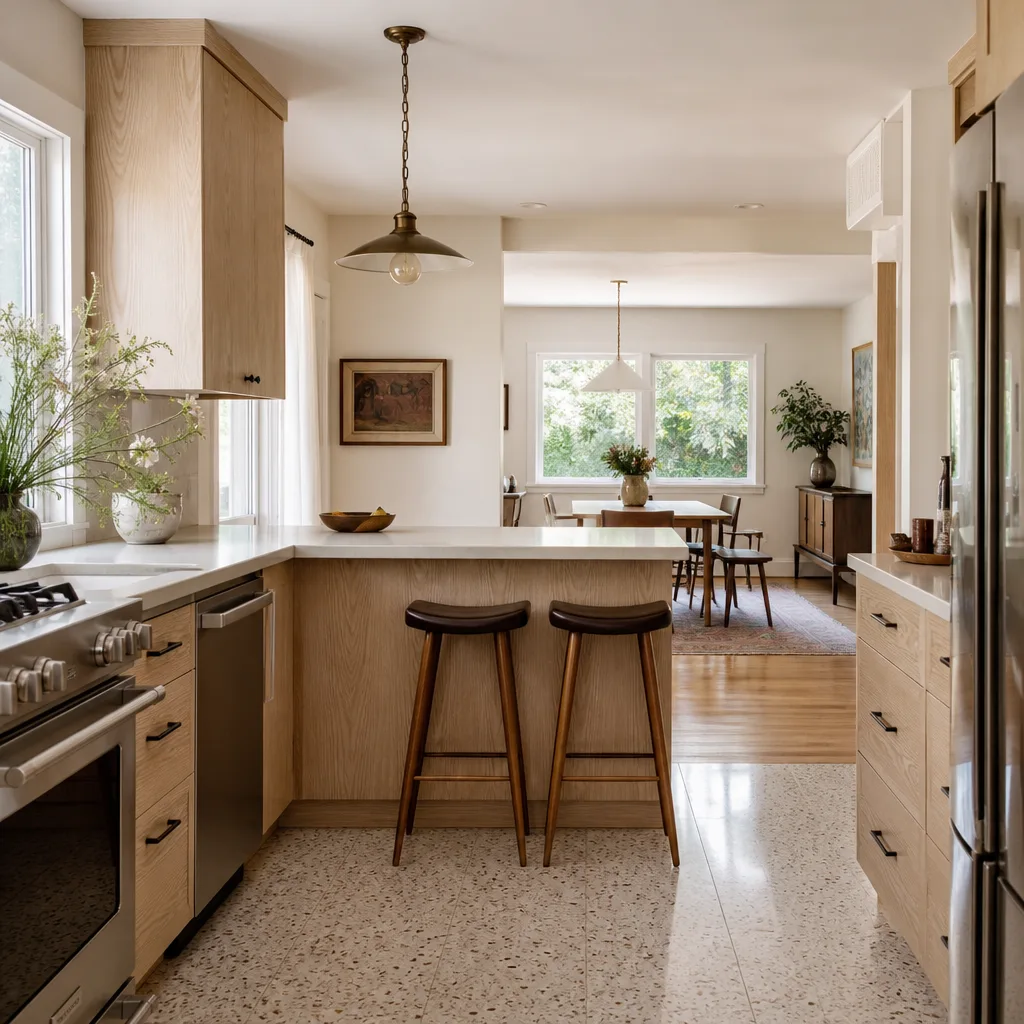
- Kitchen remodeling
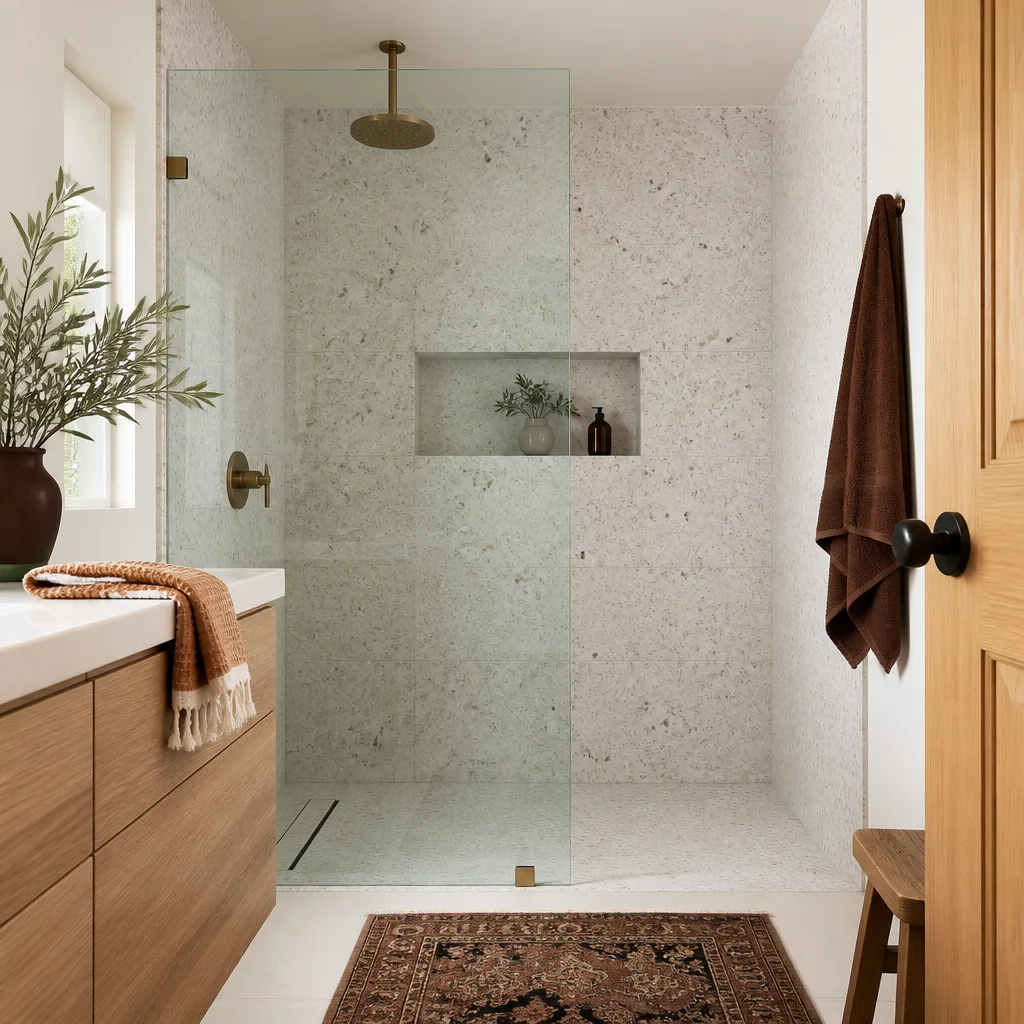
- Bathroom remodeling
- Home additions & ADU
- Roofing
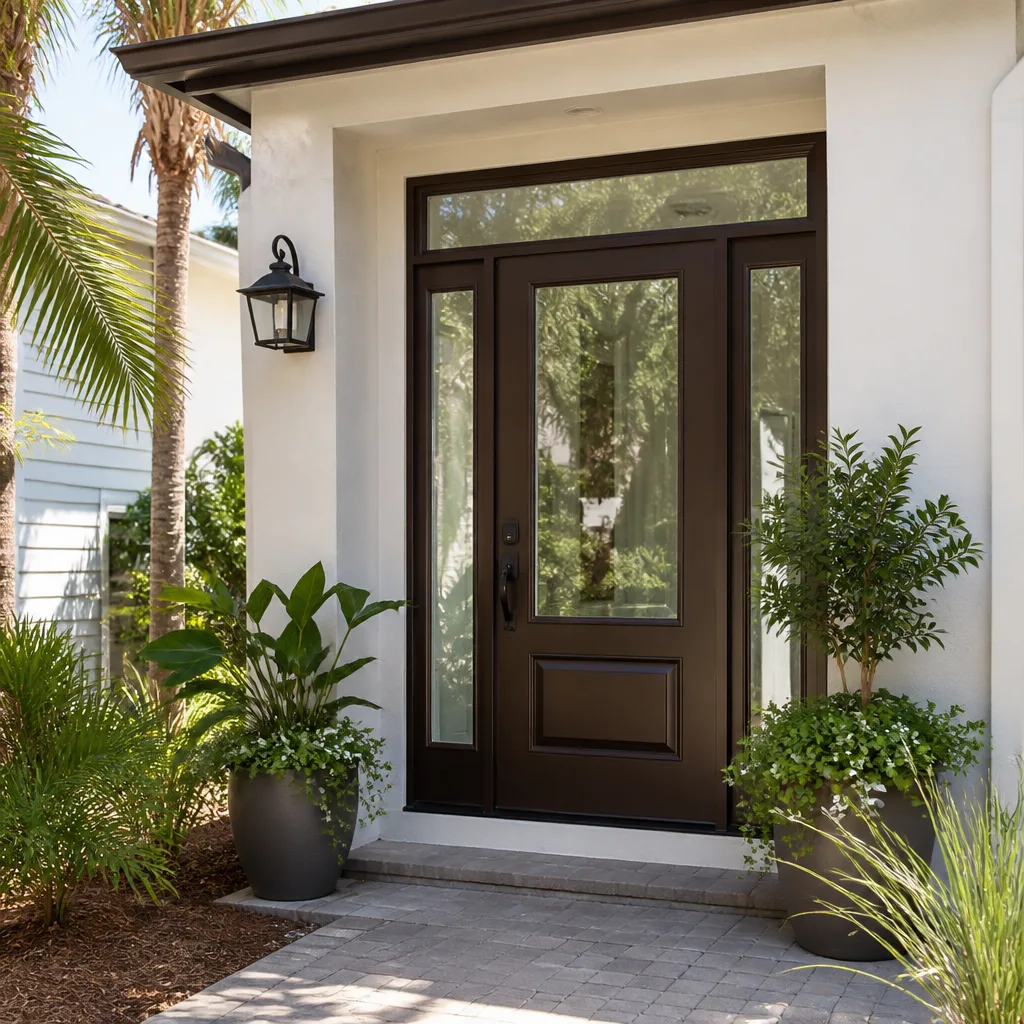
- Windows & doors
- Driveway & pavers
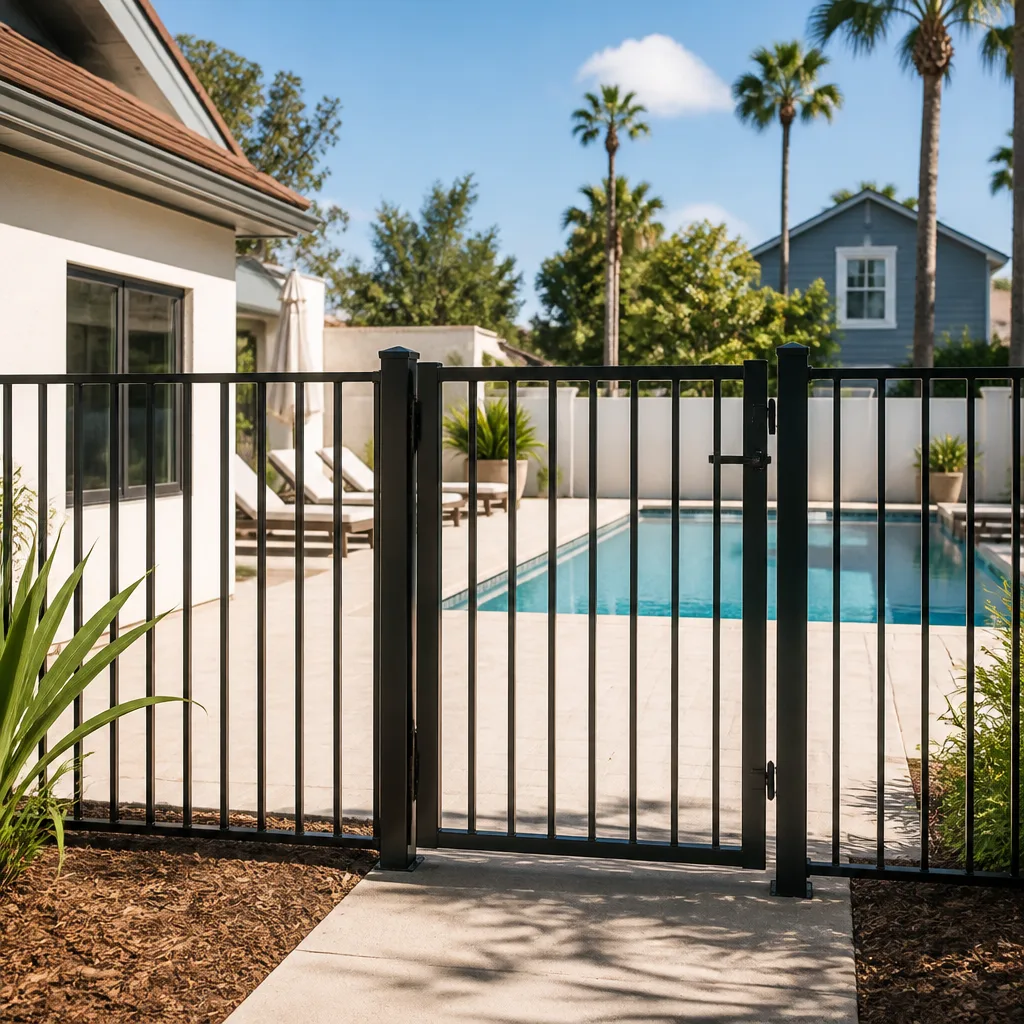
- Fence
See the difference
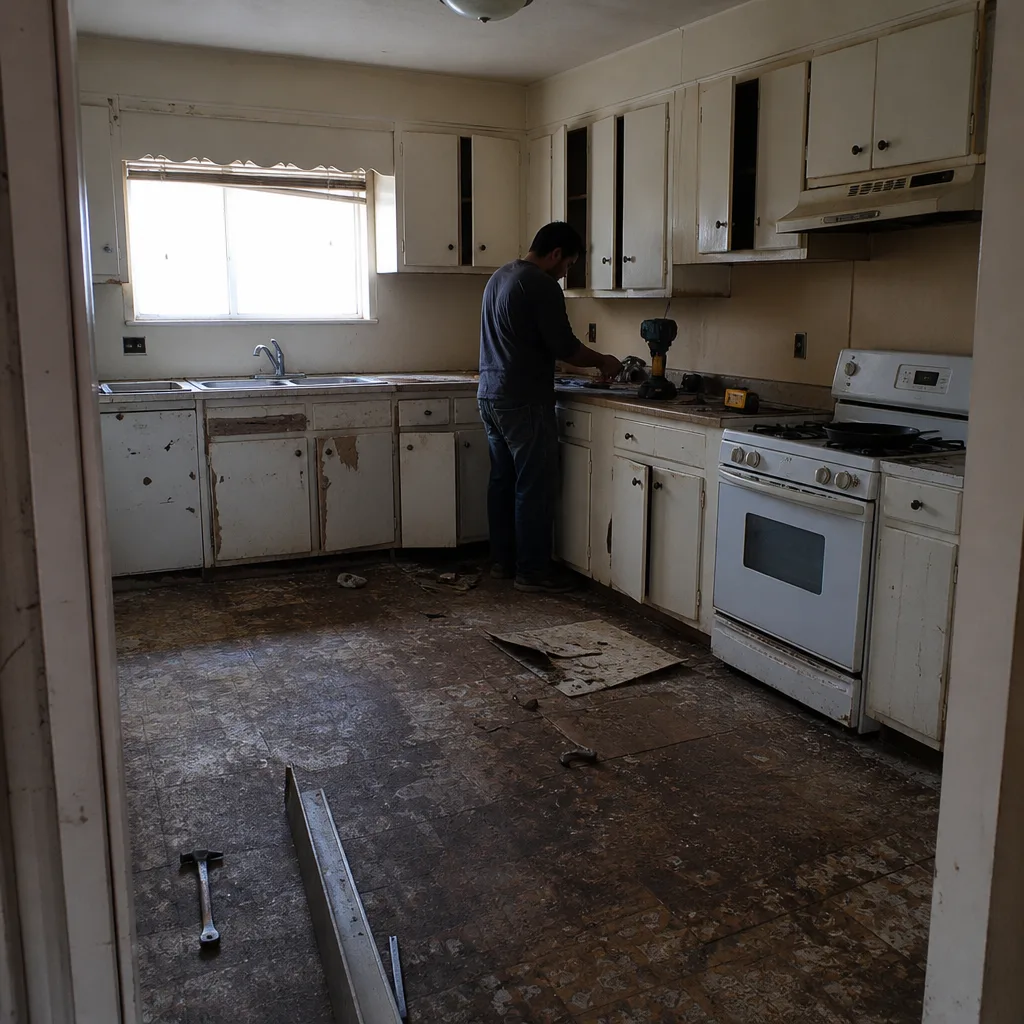 Before
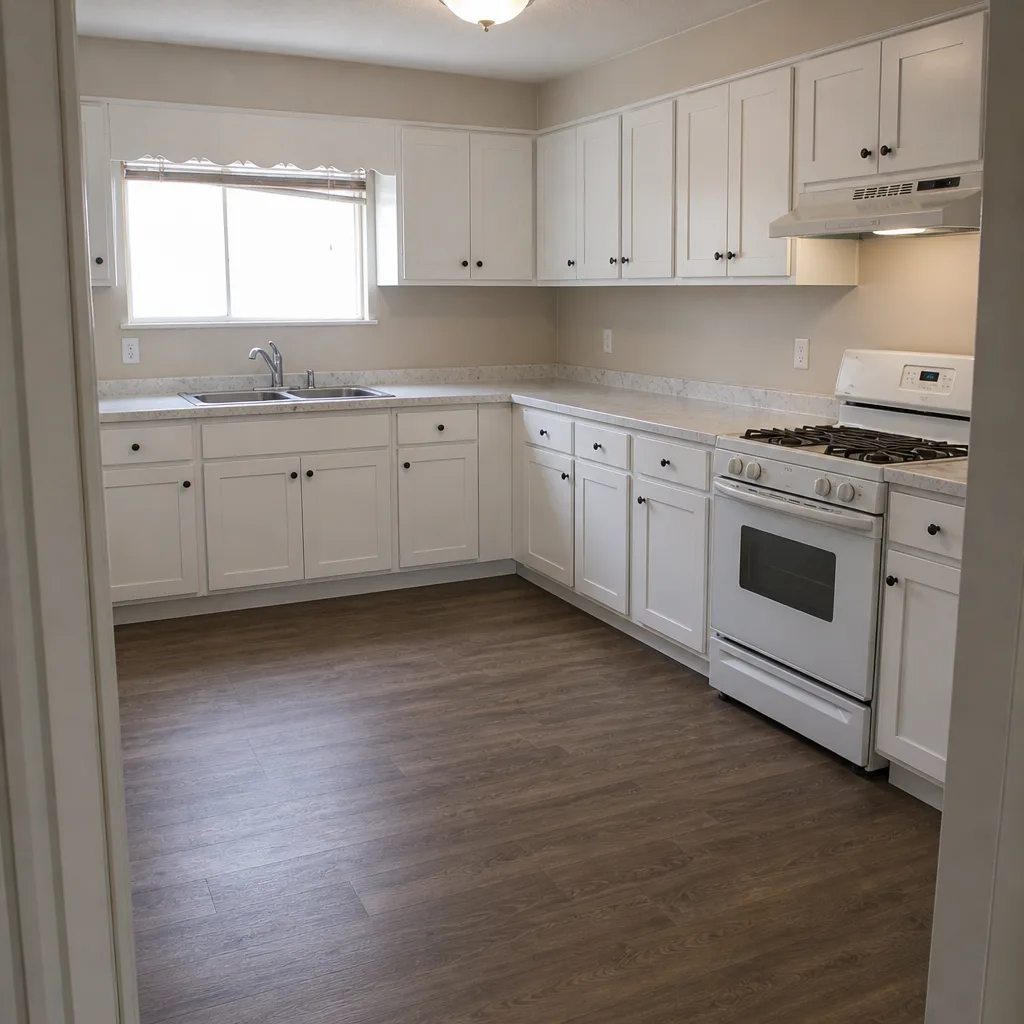 After
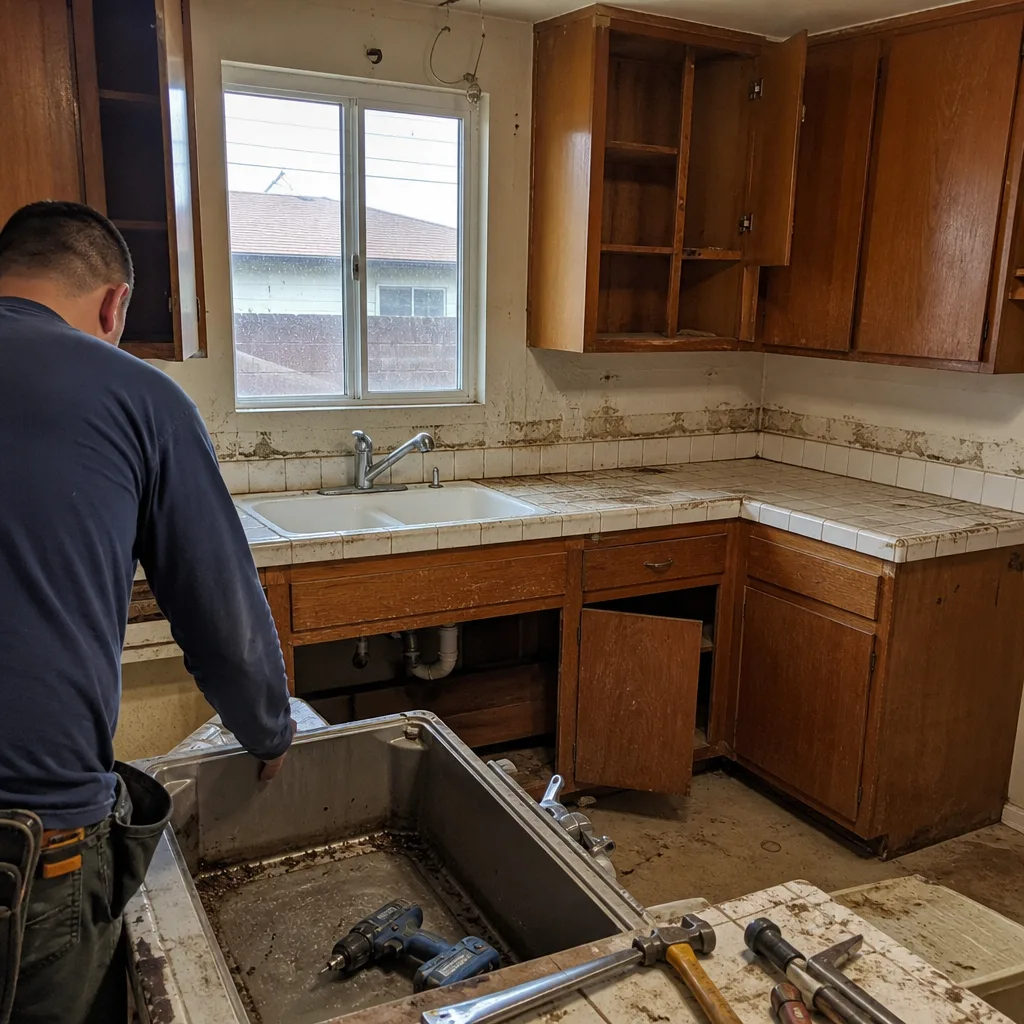 Before
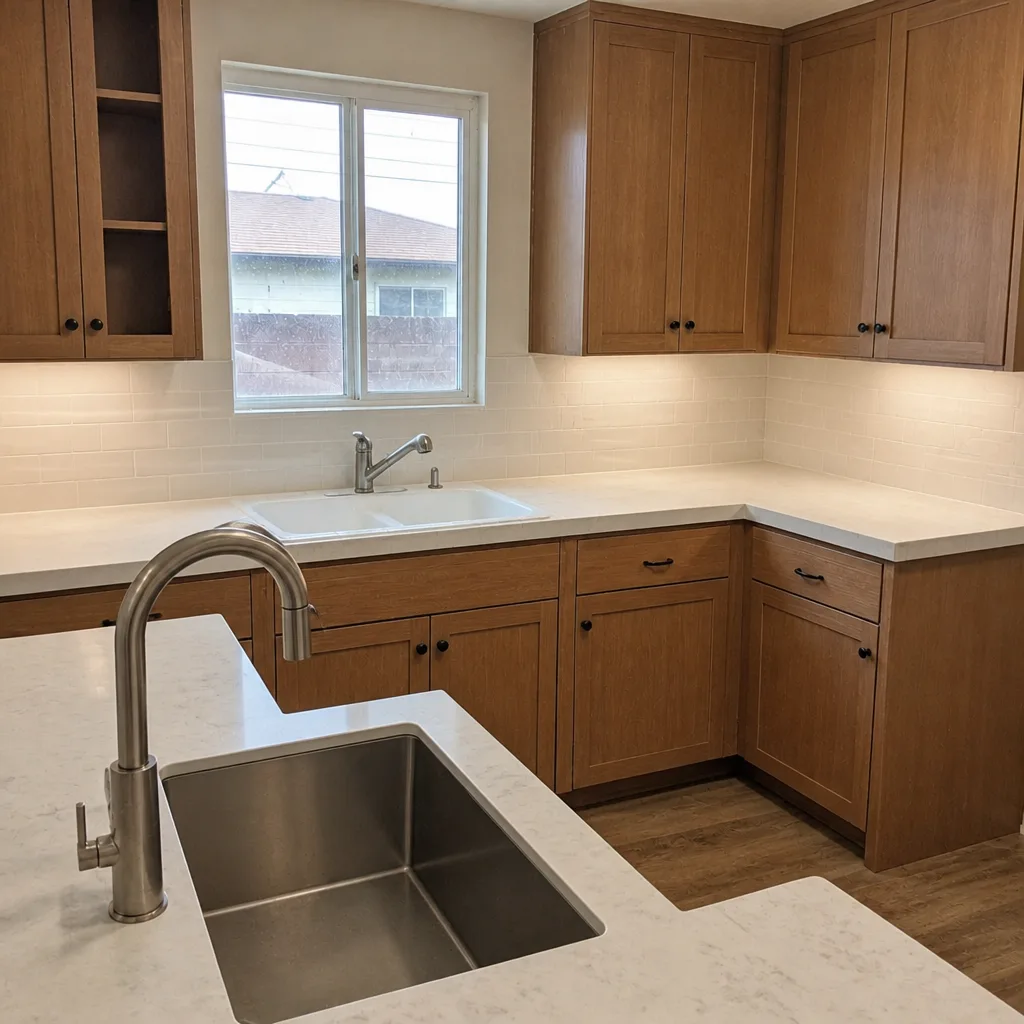 After
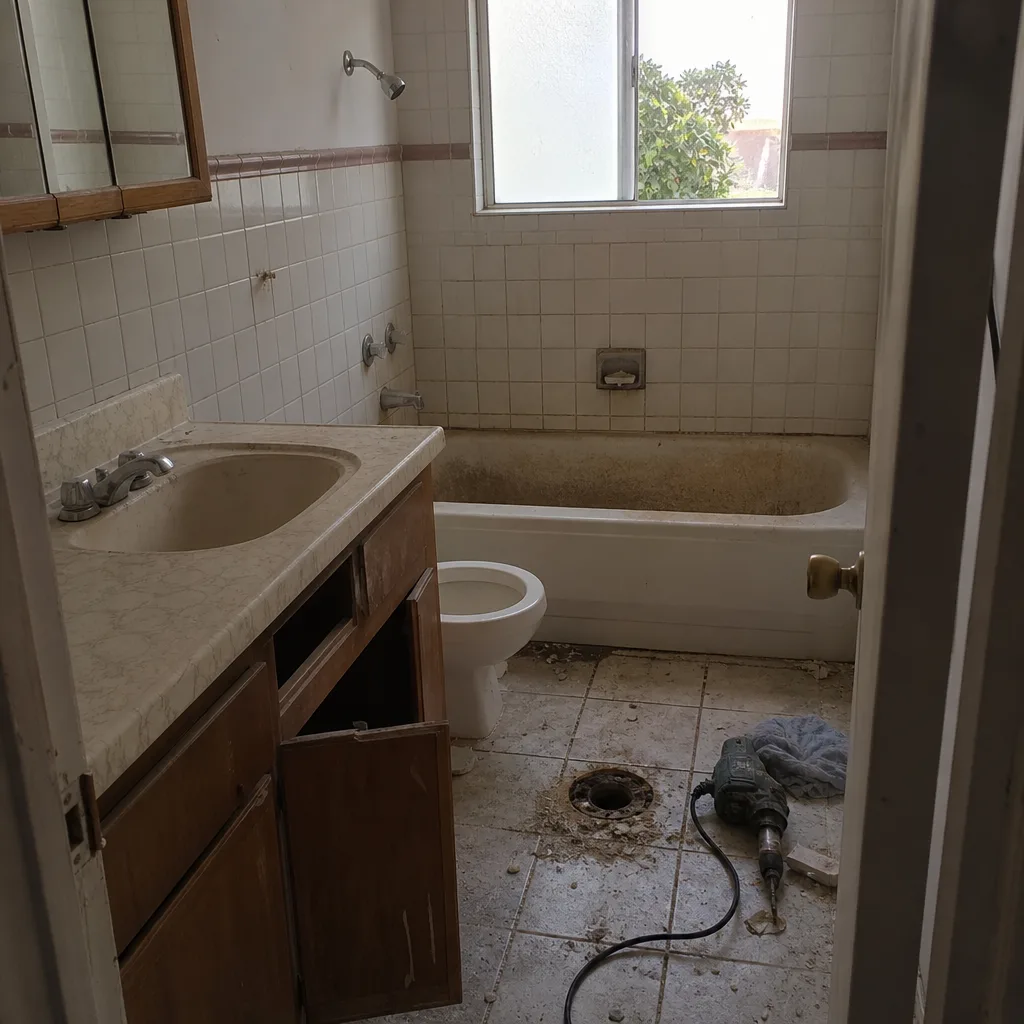 Before
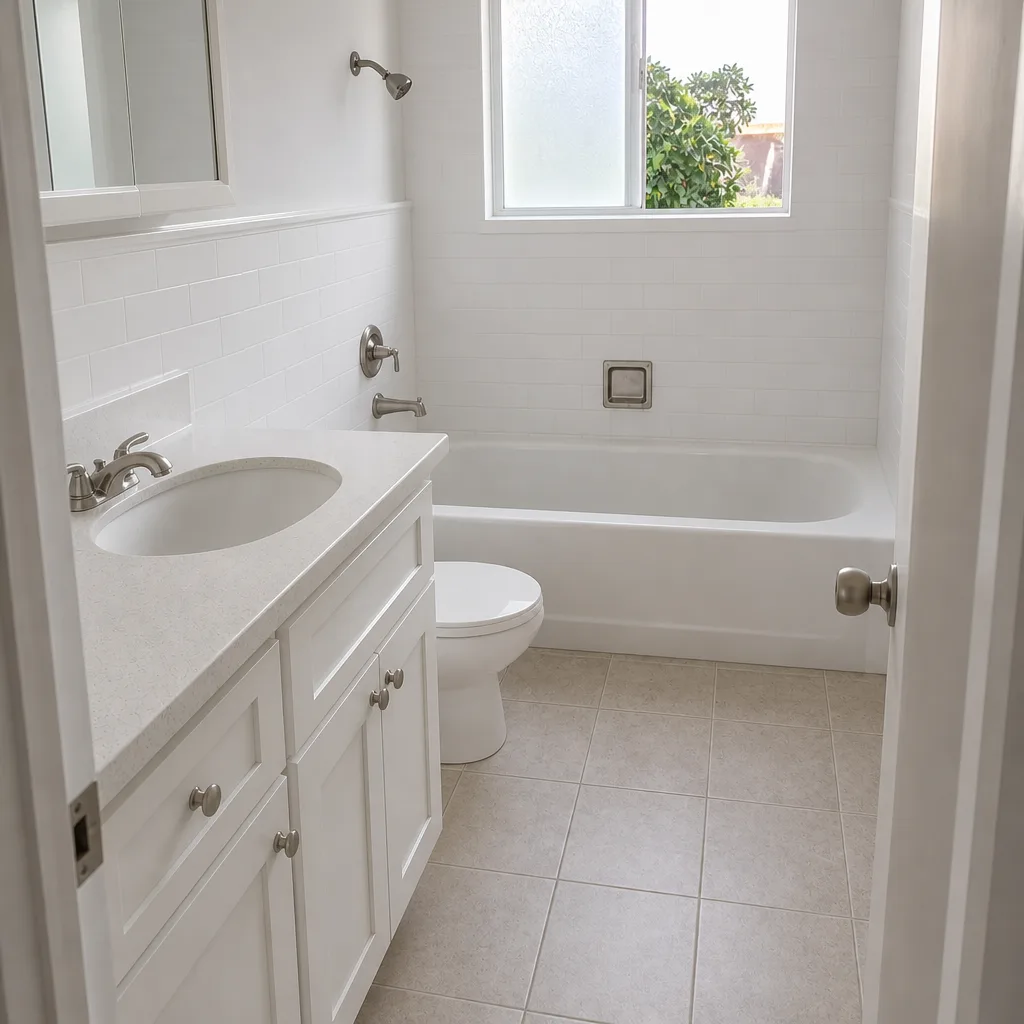 After
When to Seal a New Asphalt Driveway in Inglewood, CA
In Inglewood, plan on waiting 120 to 180 days before sealing new asphalt, not the 90 days most online guides suggest. The marine layer that rolls in off the LAX air corridor keeps pavement cooler and damper than inland Los Angeles, and that humidity slows the curing process enough to push the safe sealing window out by a month or more. Seal too soon here and you’ll trap the oils still working their way out of the asphalt, which softens the surface from underneath instead of protecting it.
That’s why the question isn’t just when but what you’re sealing with and who’s reading the pavement. Most failed first-time seal coats west of Prairie Avenue happen in that 90-to-110-day stretch when a homeowner assumes a chalky-looking surface means “ready.” It usually means the opposite. If you want a second set of eyes on a driveway you’ve just had paved, call (833) 842-7204 and we’ll look at it before you spend money on a seal that doesn’t stick.
What the 90-day rule gets wrong on the flats
The standard advice assumes a dry, hot, high-desert curing curve. Drive it a few miles from the ocean and that curve bends. Around the flats and up toward the Morningside Park side, the overnight marine layer leaves condensation on fresh asphalt most mornings through the summer. Those beads of water don’t just sit on top – they pull heat out of the blacktop and slow the evaporation of the light oils that have to leave before a sealer will bond.
In desert-climate guides, the driveway gets hot enough to finish curing in three months. Here, we routinely see asphalt installed in spring take until late summer, sometimes early fall, before it’s genuinely ready. That’s a real schedule difference, not a technicality: seal a driveway in month four because the calendar says so and you risk a cloudy, blistered sealer that peels in strips by the following winter.
How Inglewood’s Salt Air and Old Housing Stock Change the Timeline
The salt-laden onshore air that corrodes exposed roofing fasteners and metal gates around Inglewood and the adjacent LAX corridor does the same thing to asphalt binders, just more slowly. It oxidizes the surface and dries out the top layer, which is precisely why the first sealing window matters so much. Skip it, or mistime it, and the surface starts raveling – those loose, sand-like stones that come up underfoot and gather at the foot of the garage door.
On Inglewood’s older housing stock this matters more than it does on a new build in the stadium district. A 1940s bungalow with an original detached garage often has a driveway that’s already been patched and re-topped once or twice. Fresh asphalt laid over that older base will cure unevenly, and the edge near the old approach slab is where the first raveling shows up. That’s a driveway-by-driveway read, and it’s why a written follow-up date is worth more than a rule of thumb.
Why a morning seal can trap last night’s moisture
This is the mistake we catch most often. An Inglewood morning can read 68°F with the pavement looking dry at 9 a.m., when there’s still a film of marine-layer moisture sitting in the pores of newer asphalt. Seal over that and the coating can’t bond; it traps condensation underneath. By the afternoon sun it looks cured, but by the next foggy morning you’ve got lifting edges.
The reliable window is midday to early afternoon, once the surface has had several hours of sun and the overnight damp has actually left. Pavement that feels warm and looks dry to the touch is the only starting point worth trusting. If you’re mid-project and unsure, that’s a fine moment to bring in a pro rather than guess – a bad first seal costs more to fix than a well-timed one costs to apply.
What Sealing Costs in Inglewood – and What’s Usually Included
Sealing a residential driveway in Inglewood typically runs $250 to $700 depending on square footage, surface condition, and whether any crack filling or edge work is part of the job. For new asphalt, the more useful number is the whole first-year plan: the paving itself, the written cure-and-seal schedule, and the seal coat applied at the right time. Typical Inglewood ranges for the broader job look like this:
| Service | Typical Inglewood Range |
|---|---|
| Asphalt driveway paving | $3,500 – $9,000 |
| Driveway sealing (single coat) | $250 – $700 |
| Concrete driveway installation | $4,500 – $12,000 |
| Paver driveway installation | $7,000 – $18,000 |
| Driveway replacement | $5,000 – $14,000 |
Every asphalt driveway we pave comes with a written sealing timeline handed over before the crew leaves, so you know the exact follow-up date rather than trying to remember “sometime in four or five months.” That date is part of the scope, and the work behind it is covered by our 730-Day Done Right Promise – if the seal or the paving behind it isn’t right, we make it right. Live person, 24/7 when you call with a question about it.
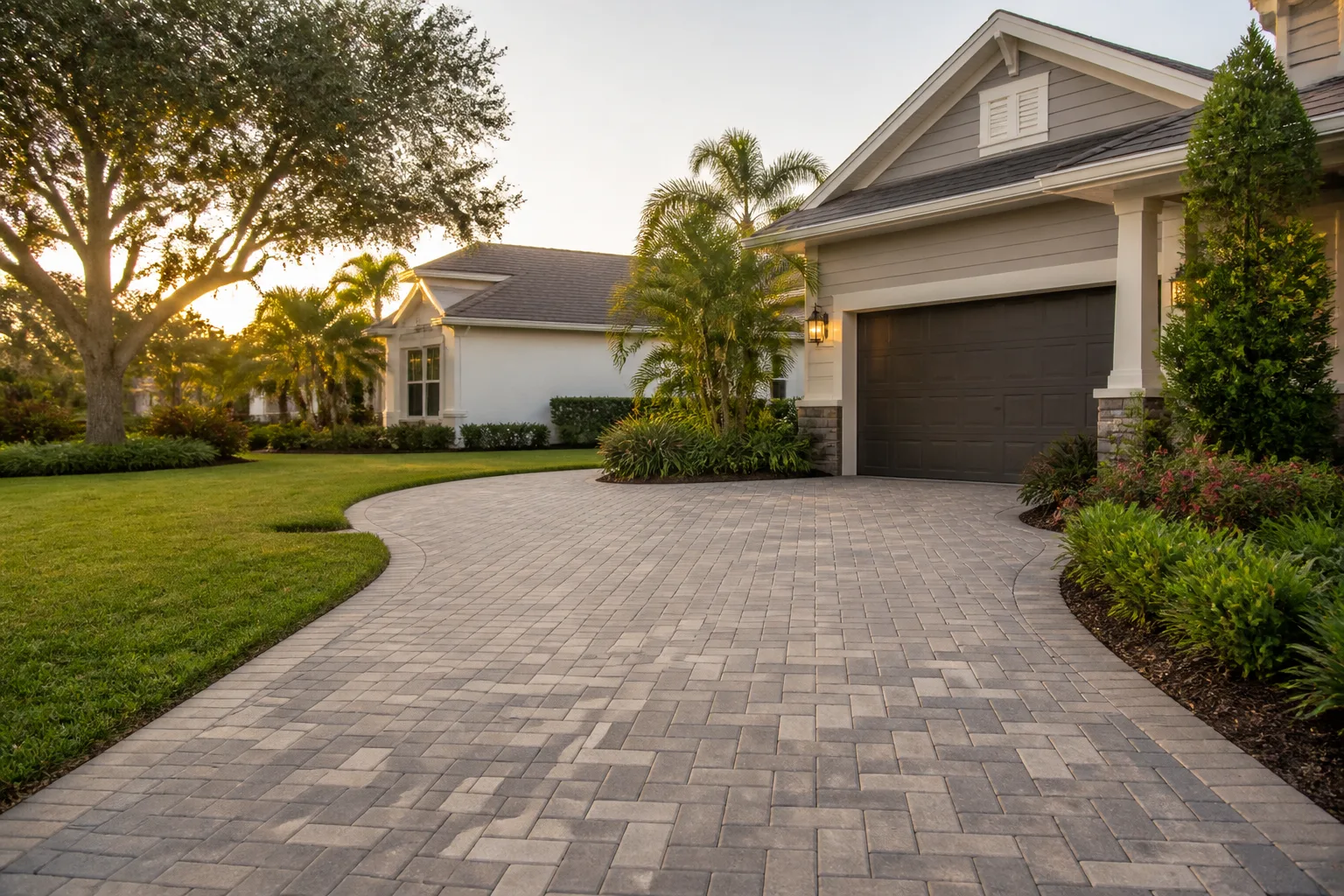
We also handle the paver and concrete side of the same job, so if you’re weighing options before you commit to asphalt, our Driveway & Pavers in Inglewood page covers how each material handles the coastal climate. A stamped paver or poured concrete drive reads a little differently against the stucco bungalows and the newer build-out near SoFi, and the maintenance rhythm is different too.
Common local scenarios we run into
- A spring paving on an old fairway-adjacent lot: installed in April, still curing through the marine-layer summer, ready to seal in September or October – not July.
- A re-topped driveway over a 1950s base: the asphalt along the approach slab cures faster than the middle, so the seal date gets set by the slowest section, not the average.
- A homeowner who sealed at 90 days and got blotching: usually a morning application over overnight condensation; the fix is stripping and re-sealing, not a second coat on top.
- Pre-1950 lots near the stadium district: resurfacing can trigger City of Inglewood site drainage compliance, so the sealing schedule gets planned around permitting rather than the other way around.
That last point is one most DIY sealing guides skip entirely. If your driveway sits on an older Inglewood lot, changes to the grade or drainage during resurfacing can pull in a city review before the seal goes down. Best to check that before you schedule anything. If it’s an unpermitted legacy addition or an old drainage pattern that needs sorting, we can walk the lot with you and tell you what the city will want to see.
Frequently Asked Questions
Often yes – 90 days is the inland rule, and in Inglewood’s coastal microclimate the safe window is usually 120 to 180 days. Marine layer humidity slows the release of the light oils in fresh asphalt, so a surface that looks dry at 90 days may still be curing underneath. When in doubt, wait and let the pavement tell you it’s ready rather than trusting the calendar.
You can seal it yourself, but the two things that go wrong – sealing too early and sealing over morning condensation – are hard to spot without experience reading fresh asphalt. A pro can time the application to the right window, apply the correct sealer for your pavement’s age, and handle edge and crack prep. If your driveway is new or recently re-topped, that read is worth the call.
A chalky, light-gray surface on new asphalt is normal oxidation and usually means the pavement is curing, not that it’s ready to seal. In Inglewood’s salt air, that oxidation happens a little faster than inland, which is why the first sealing matters – but chalky doesn’t mean “seal now.” It means it’s on schedule and you should be watching for a consistent, even color before booking the seal.
The sealant needs pavement above roughly 50°F and rising, with a dry forecast for at least 24 hours. Inglewood rarely freezes, so cold isn’t your main enemy here – moisture is. Aim for a midday start once the morning marine layer has burned off and the surface is genuinely dry, and avoid sealing ahead of a foggy overnight.
Want a Second Opinion Before You Seal?
If you’d rather have it looked at, Groundwork Construction Co. of Inglewood offers a no-pressure assessment in Inglewood – call (833) 842-7204 and we’ll tell you honestly whether your new asphalt is ready to seal or needs more time. Upfront pricing, no surprises, and a written timeline you can actually hold us to. The technicians who assess it have up to 12 years of experience reading coastal pavement.
When the date does come, you can see the full scope of how we handle paving, sealing, and the alternatives on our Driveway & Pavers service page, or start from the home page to see every trade we cover from foundation to finish line.
Written by the team at Groundwork Construction Co. of Inglewood, serving Inglewood, CA.