
Free written scope consultation - allowances, timeline, and change-order rules on paper before a single trade is scheduled
Styles & brands we work with
- Kitchen remodeling
- Bathroom remodeling
- Home additions & ADU
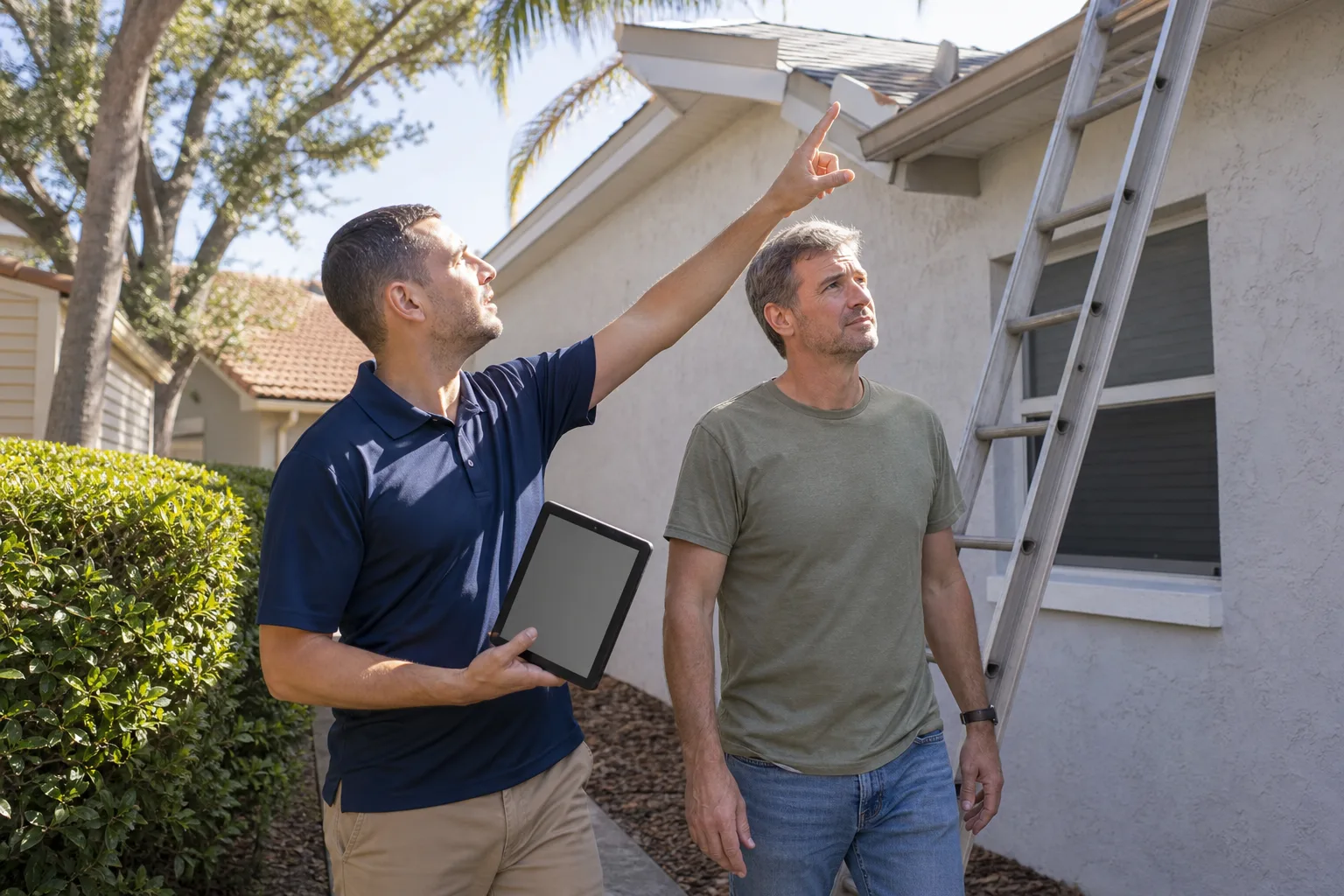
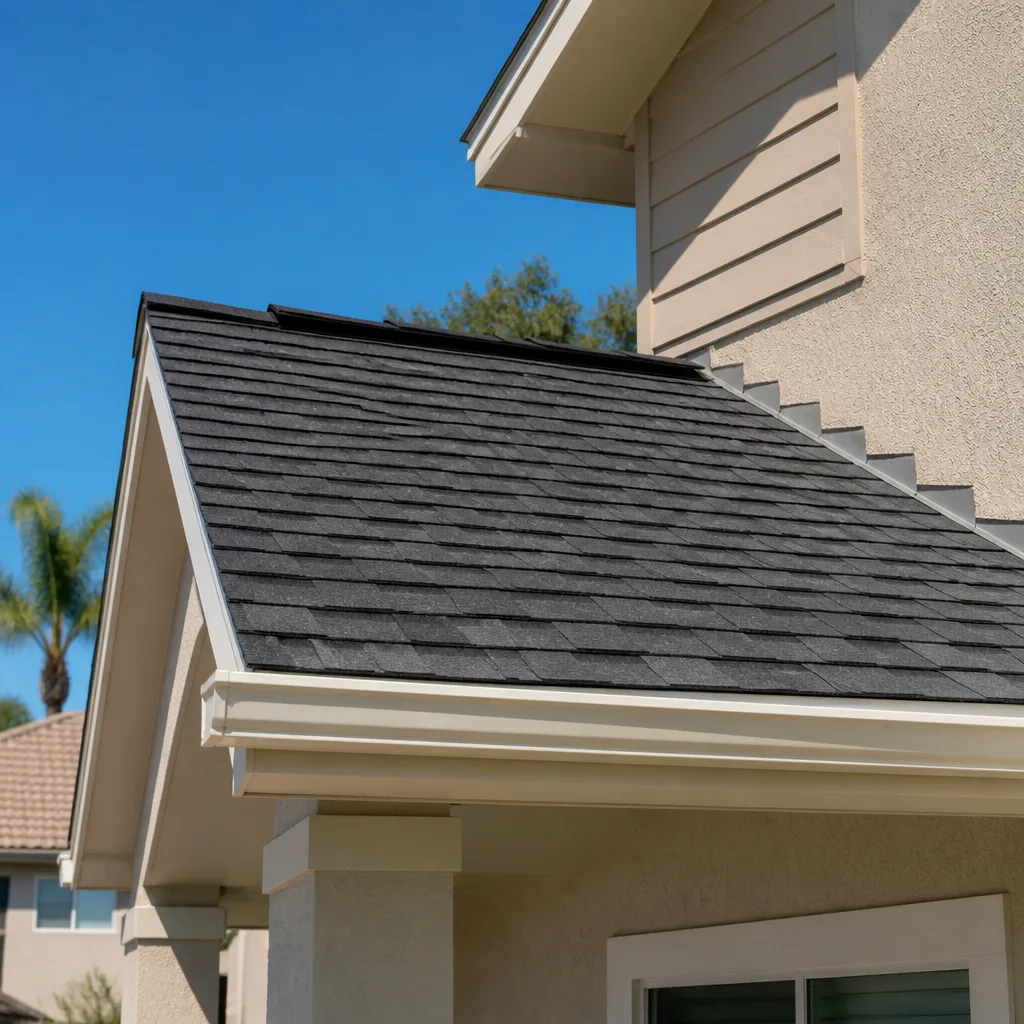
- Roofing
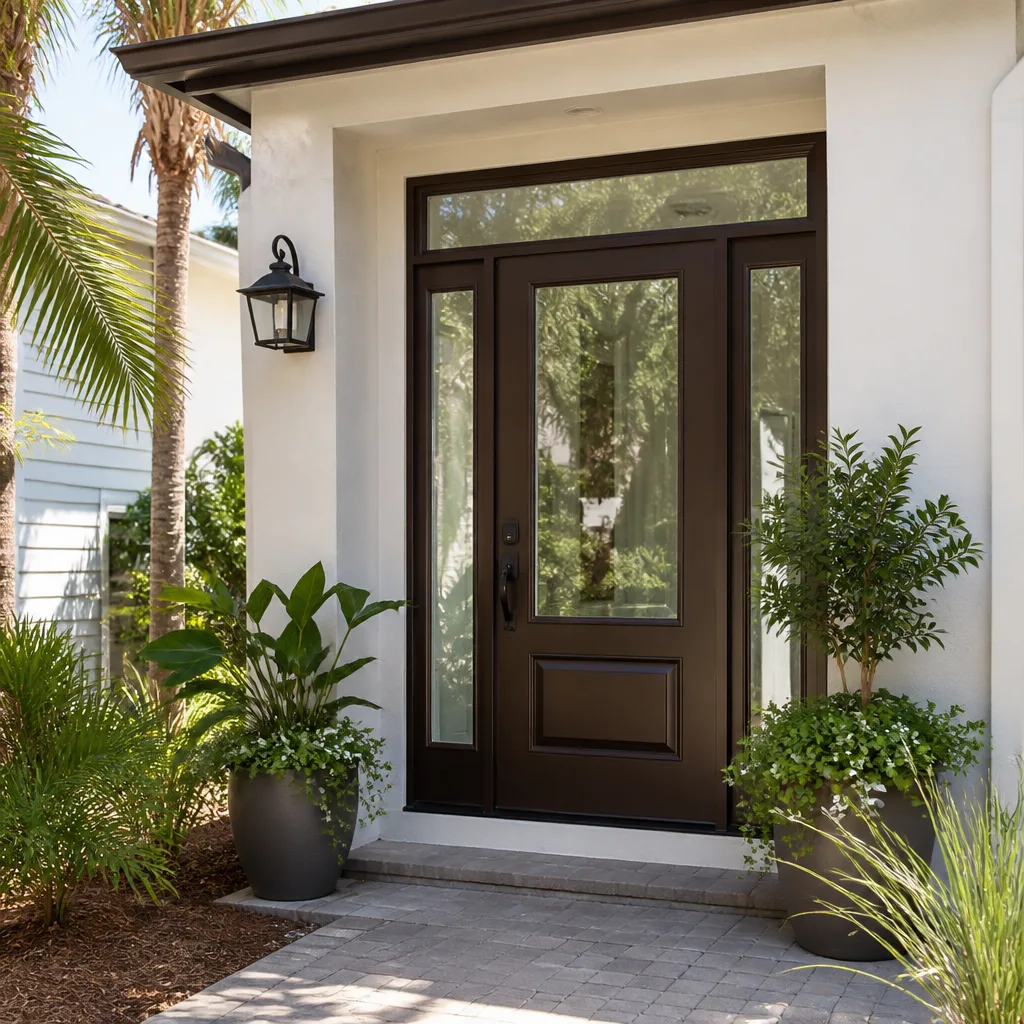
- Windows & doors
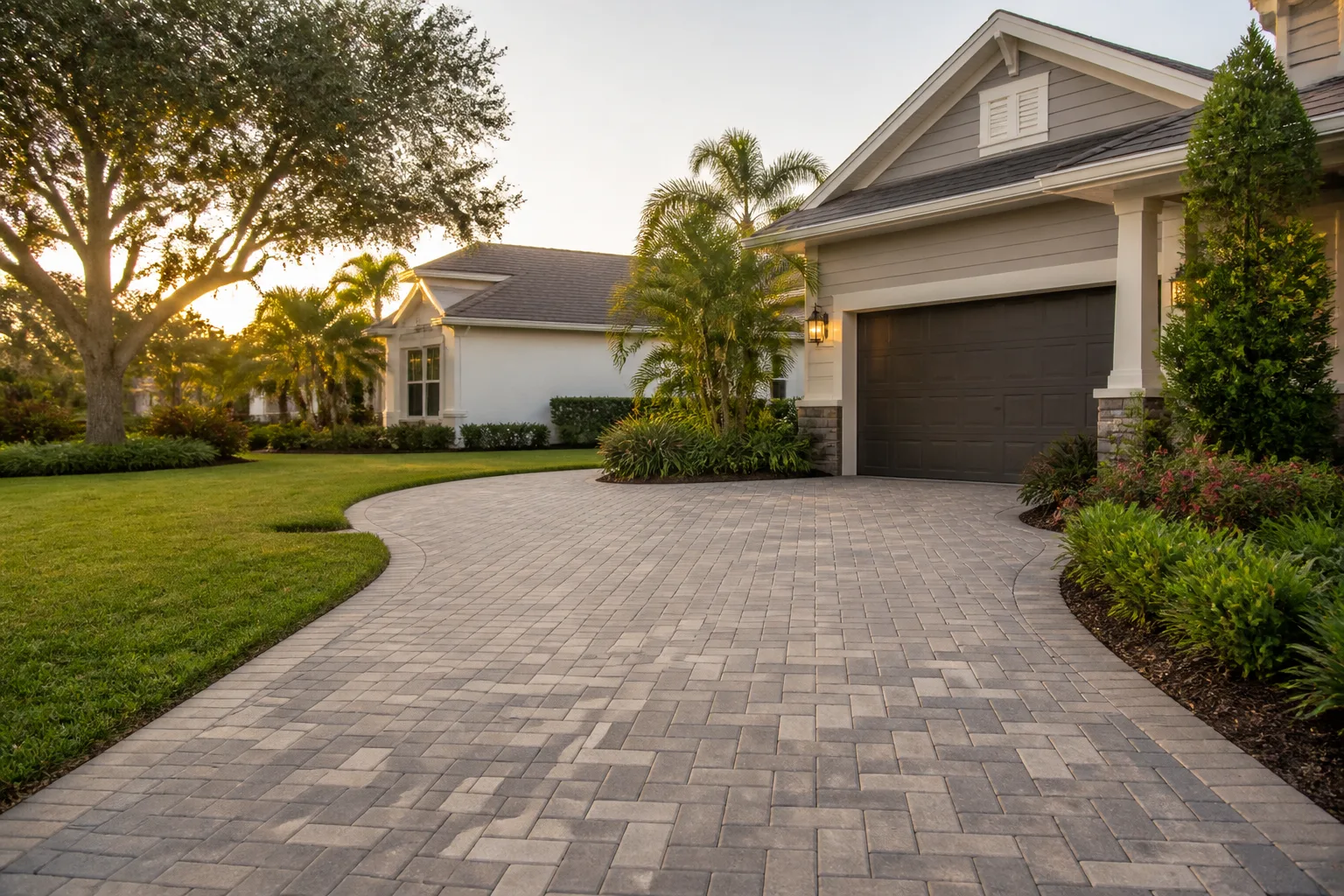
- Driveway & pavers
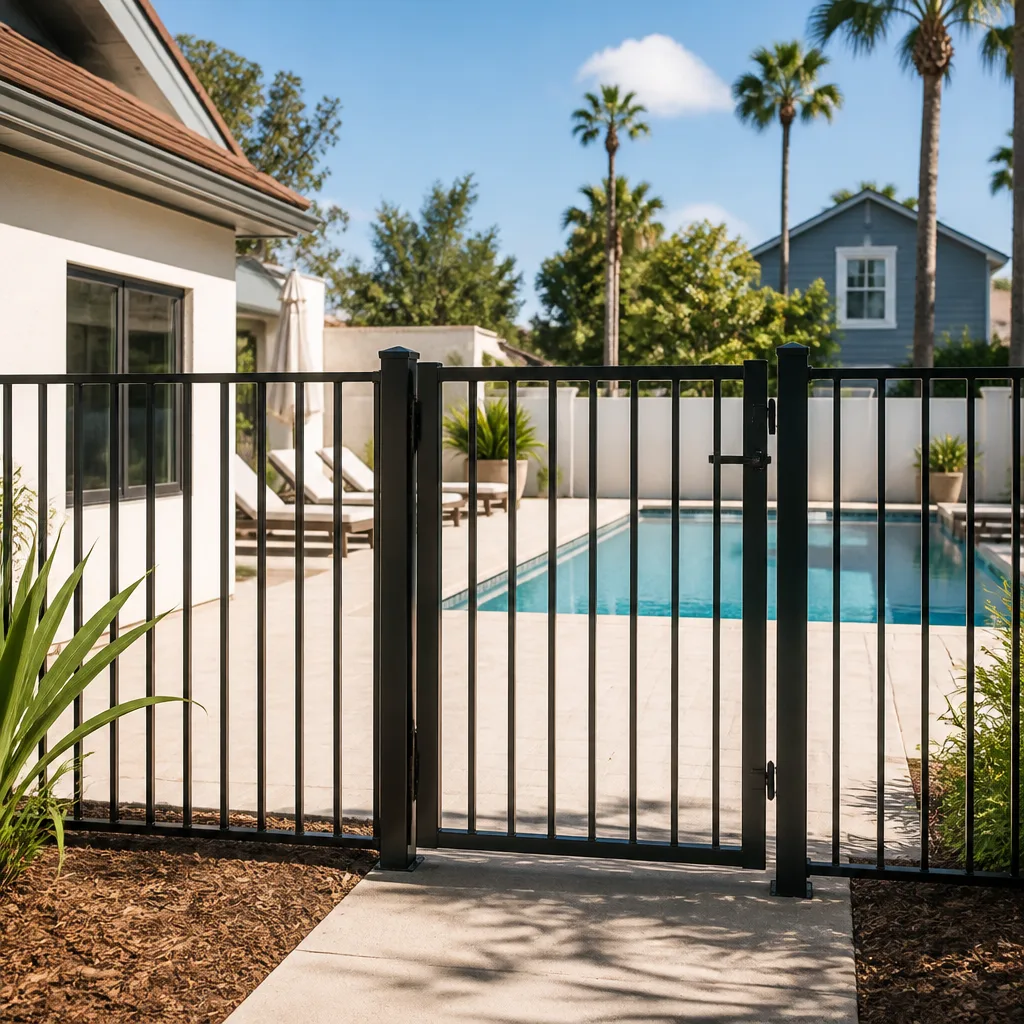
- Fence
See the difference
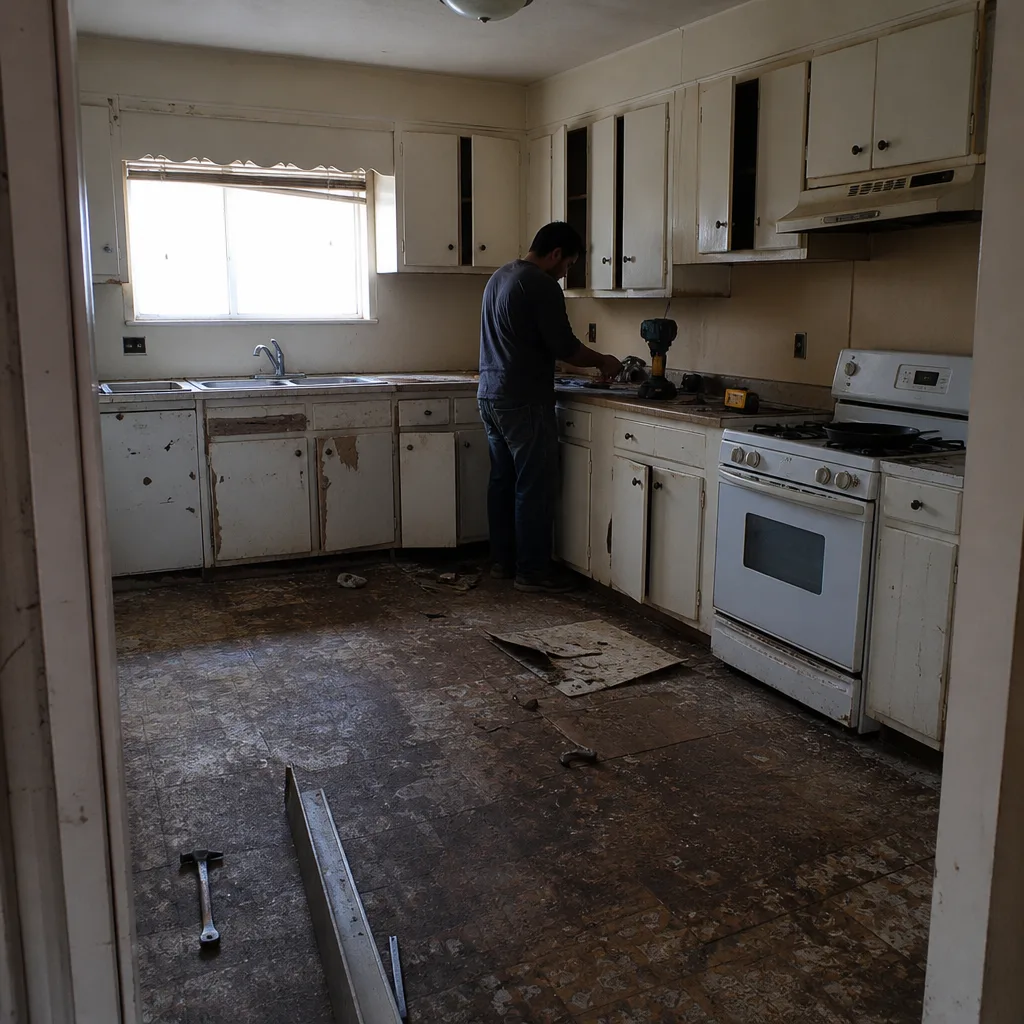 Before
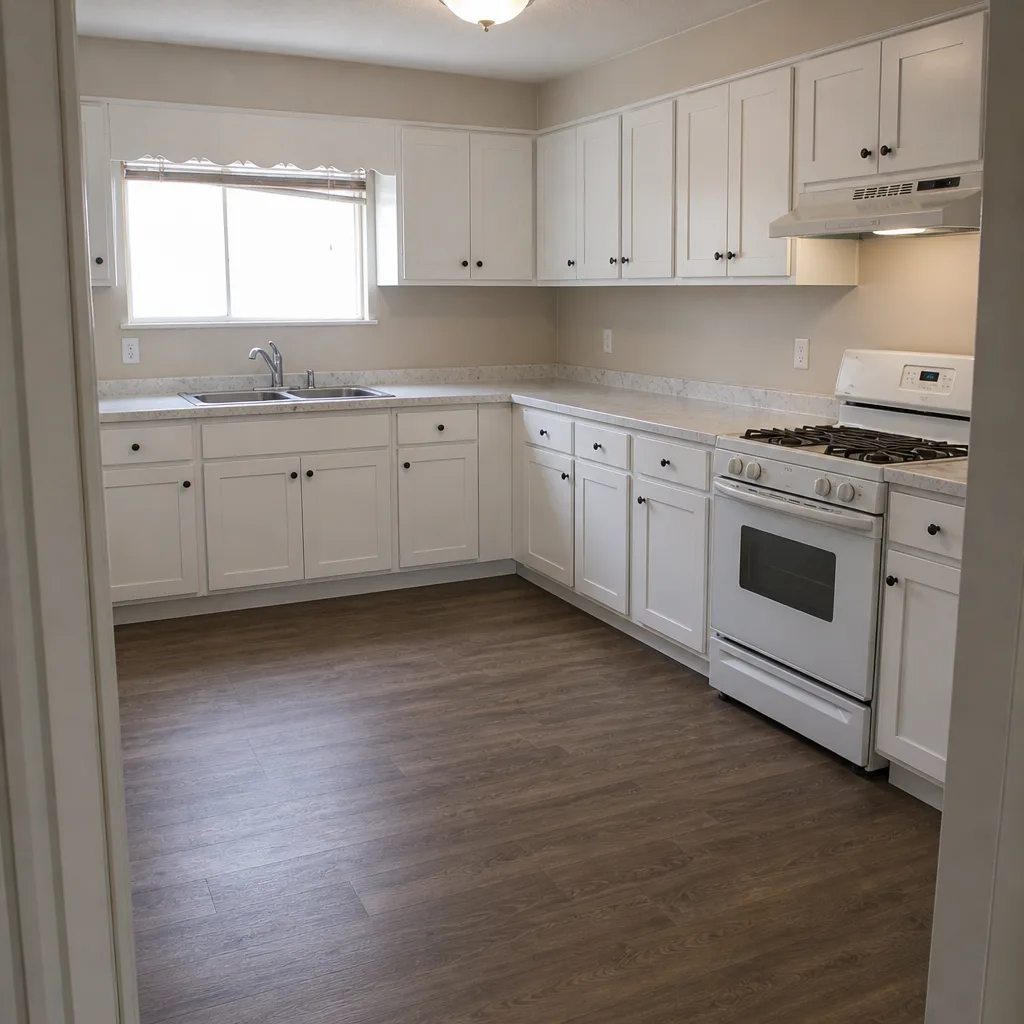 After
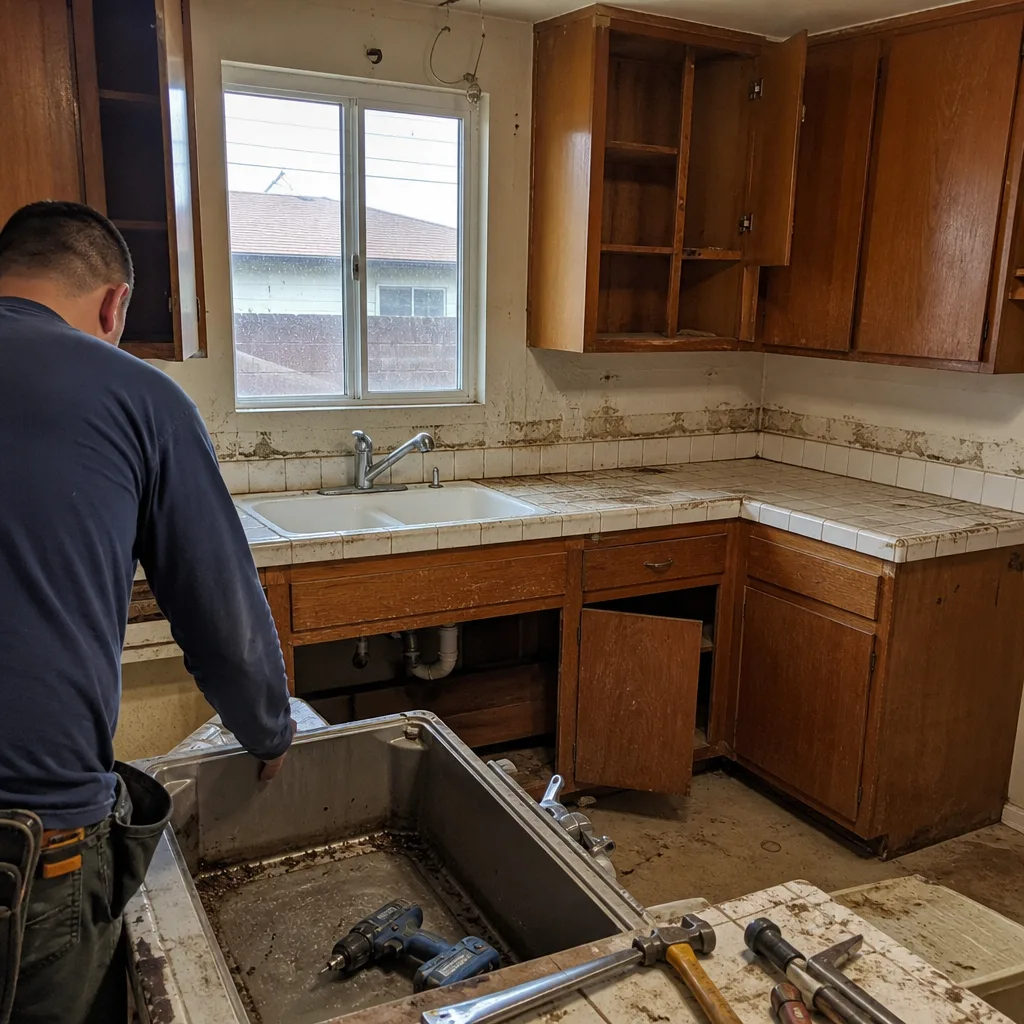 Before
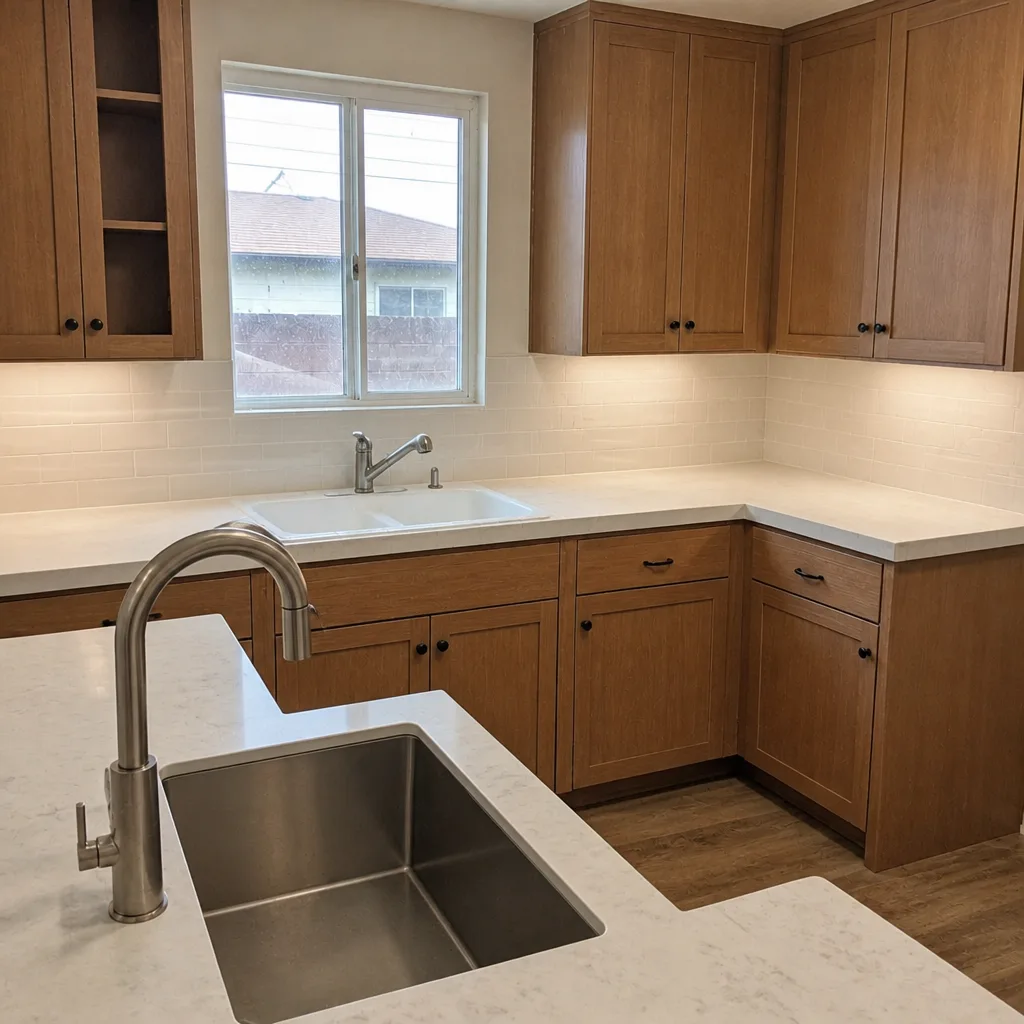 After
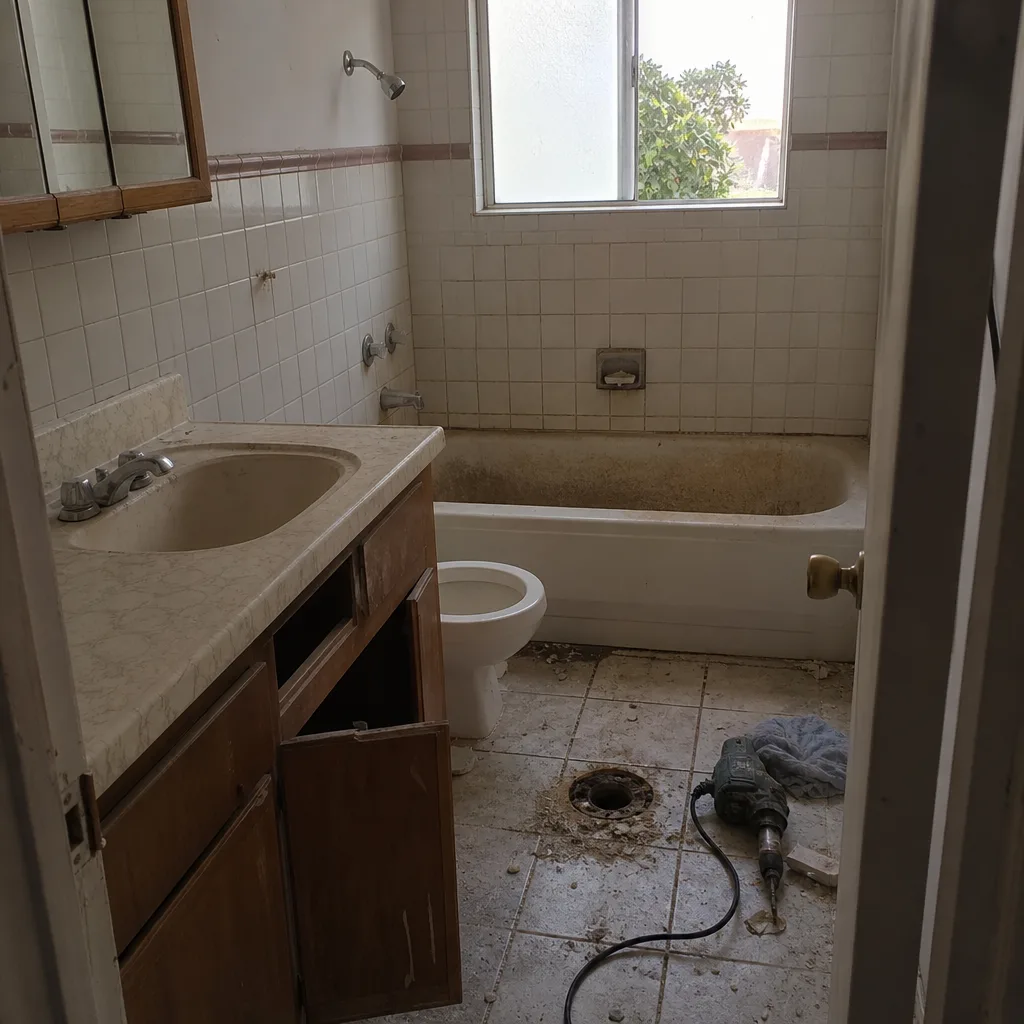 Before
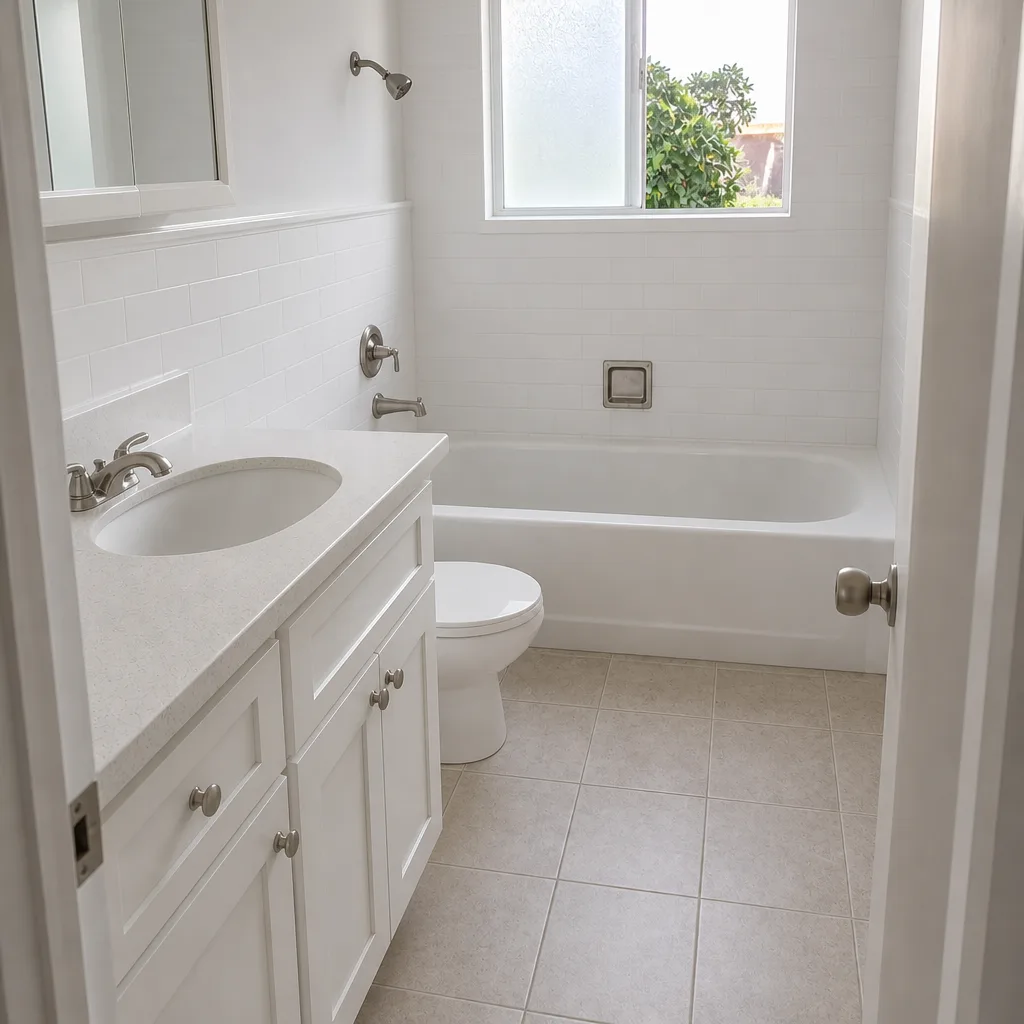 After
How Thick Should a Concrete Driveway Be in Inglewood, CA?
Four inches is the minimum code answer for concrete driveway thickness, and it works fine for a passenger car on engineered soil. On an Inglewood bungalow lot with decades of unengineered fill and expansive clay underneath, that minimum is a liability, not a standard. For most west-side Inglewood properties, the right answer is a 5-inch slab poured over a compacted, verified base with #3 rebar on 18-inch centers, control joints cut every 10 feet, and a mix design of at least 4,000 PSI. Anything thinner on these lots is a slab we expect to see scaling and cracking within a handful of years.
Call (833) 842-7204 and we’ll talk through what your specific driveway footprint needs before a single form board goes down.
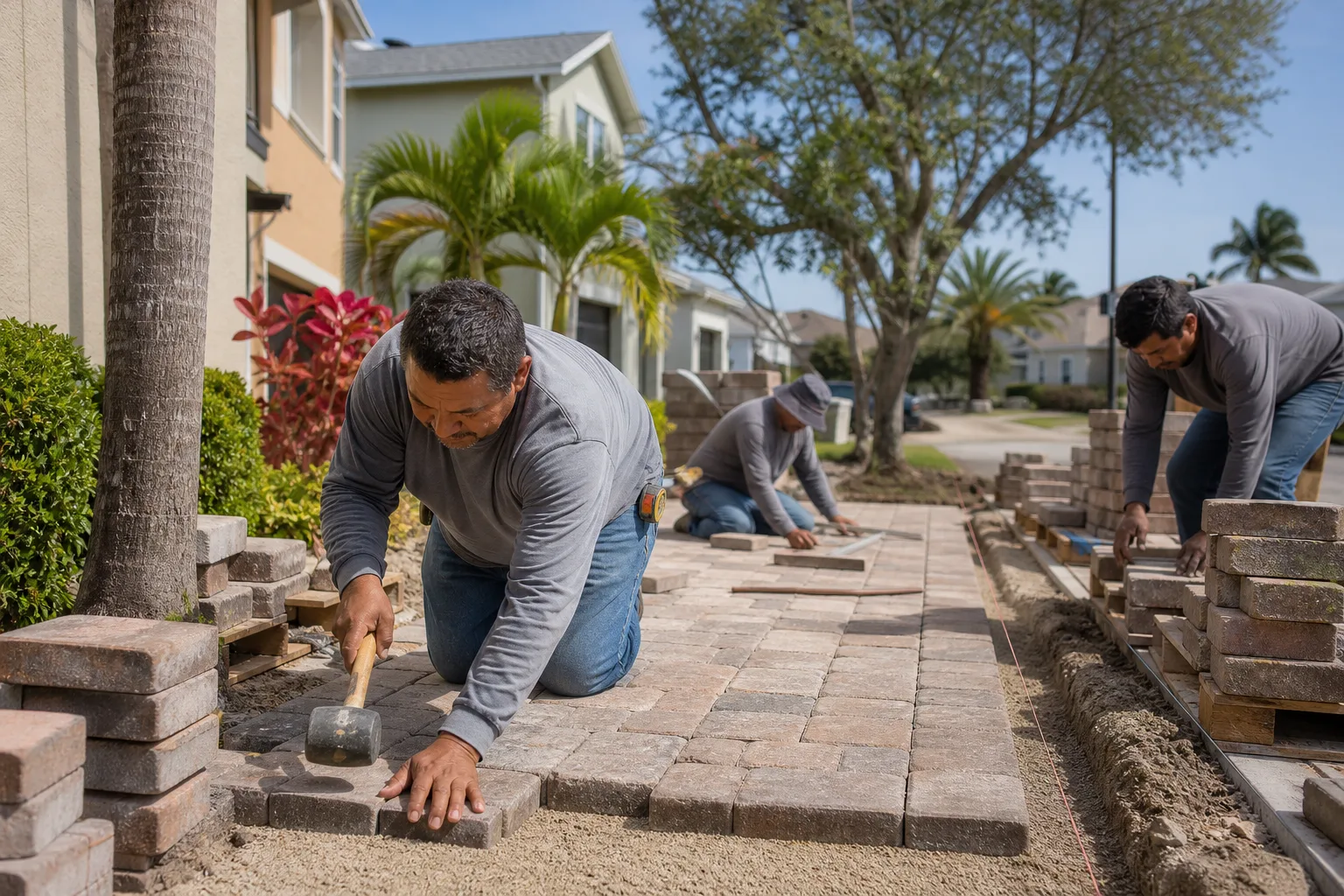
Why the 4-Inch Rule Doesn’t Hold on Inglewood’s Older Lots
The 4-inch figure in the building code was written for a slab sitting on stable, compacted, properly drained subgrade. It assumes the ground underneath is doing its job.
Inglewood’s flats tell a different story. The housing stock here is dominated by 1920s to 1950s single-family bungalows on tight lots, and those lots were graded informally by the standards of the day. Builders backfilled with whatever was on hand: clay dug out of the excavation, demolition debris, old footings, broken concrete. Nobody tested bearing capacity. Nobody compacted in lifts.
The result is that soil conditions can swing dramatically across a single driveway footprint. The front half of your driveway might sit on decent native soil. The back half might be sitting on three feet of loose fill that’s been slowly settling since the Truman administration. Pour a uniform 4-inch slab across both and the thin section over the fill is the one that cracks first, usually within the first wet season or two.
This is why we don’t quote slab thickness until someone has actually looked at the ground. A simple probe test, or a visual assessment during excavation, tells us what we’re pouring on. That single step separates a driveway that lasts 30 years from one that needs replacing in 8.
What Thickness and Reinforcement We Actually Specify in Inglewood
Here’s the practical spec we put in writing for most Inglewood driveways, based on the soil we find and the vehicles that will park on it:
- Slab thickness: 5 inches minimum for mixed vehicle use. The 4-inch code minimum was designed around passenger car loads. Inglewood households often have two or three vehicles on a tight lot, including SUVs and light trucks. Five inches is the correct practical minimum for that load.
- Reinforcement: #3 rebar on 18-inch centers, set on chairs so it sits in the middle third of the slab. Fibermesh alone doesn’t cut it on clay.
- Mix design: 4,000 PSI minimum. Anything lower scales faster in the coastal moisture we get here.
- Base: 4 to 6 inches of compacted Class II base over verified subgrade, with positive drainage away from the garage.
- Control joints: cut to one-quarter the slab depth, spaced no more than 10 feet apart in both directions.
Why Coastal Moisture Makes Thin Slabs Fail Faster Here
Inglewood sits in the coastal-influenced LA basin near LAX, which means marine layer moisture and salt-laden onshore air cycle through the slab far more than they do in inland LA. We rarely freeze. That’s good for the concrete in one sense and irrelevant in another, because the failure mechanism here isn’t freeze-thaw.
It’s moisture cycling and surface scaling. A thin, under-reinforced slab absorbs and releases moisture unevenly, and the top surface begins to spall and flake. On a 4-inch unreinforced slab in Inglewood, we typically see scaling show up 3 to 5 years earlier than on a properly spec’d 5-inch reinforced slab. That’s a difference you feel in your wallet, not just your eyes.
Temperature matters too. Even without freezing nights, the marine layer’s daily swing drives expansion and contraction. An unjointed slab in this climate will crack within 2 years. Joints at 10-foot intervals aren’t cosmetic; they’re what keeps the cracking controlled and out of sight.
What a Proper Inglewood Driveway Specification Costs
Thickness changes the price. Here are the ranges we quote for concrete driveway work in Inglewood, and what drives placement within them:
| Scope | Typical Inglewood Range |
|---|---|
| Concrete driveway installation (new pour) | $4,500-$12,000 |
| Driveway replacement (demo + new slab) | $5,000-$14,000 |
| Paver driveway installation | $7,000-$18,000 |
| Asphalt driveway paving | $3,500-$9,000 |
| Driveway sealing (maintenance) | $250-$700 |
A thicker slab, rebar instead of mesh, and a longer base prep push you toward the higher end. A straightforward pour on good soil sits at the lower end. What we won’t do is quote you a number that hides the thickness question, then “discover” the extra cost after the pour. Upfront pricing, no surprises is the whole point. The number you see is the number you pay, and it specifies slab thickness, reinforcement, PSI, and joint spacing in writing before we start.
If you’re weighing concrete against pavers, our Driveway & Pavers page covers how the two compare on these lots. Paver systems flex with soil movement in a way rigid concrete can’t, which is worth knowing on a lot with old fill under it. We install paver driveways using Driveway & Pavers in Inglewood grade materials from Techo-Bloc and Cambridge Pavers, and the right choice often comes down to how much movement we expect in the soil.
Why Inglewood Is a Two-Worlds Job Site
Driveway work here means reading the lot correctly. The 2021-2026 transformation around SoFi Stadium, the Intuit Dome, and the Kia Forum has pulled a wave of permitted ADU construction, seismic retrofit, and commercial build-out right alongside blocks of pre-1950 houses that were never built to modern codes. Contractors working the flats west of Prairie Avenue routinely find original knob-and-tube wiring and 1950s tar-paper roofing under newer layers on houses that never had a permitted addition, and the City of Inglewood’s permit office now scrutinizes legacy unpermitted work hard in the post-SoFi enforcement climate.
That matters for your driveway because drainage and grade corrections often touch the same footprint as an unpermitted addition or an old garage. If your driveway project pulls a permit and the inspection reveals undocumented work underneath or beside it, you want a contractor who has seen it before and knows how to handle it. Groundwork Construction Co. of Inglewood has been working these lots since 2014, and our technicians bring up to 12 years of experience to every pour.
Every driveway we build is covered by our 730-Day Done Right Promise. If it’s not done right, we make it right. That’s a written guarantee that outlasts the first round of coastal moisture cycling by a wide margin, which is exactly the window where a thin slab starts to show its problems.
When to Call a Professional
Concrete driveway work is not a weekend project. The subgrade assessment, the base compaction, the reinforcement placement, the joint layout, and the finishing all have to be right in sequence or the slab fails early no matter how good the mix is. If you’re seeing new cracks, scaling, or a section of driveway that’s settled and holds water, that’s a sign the original slab was underspec’d for the soil under it. Get an assessment before you pour over the problem again.
FAQs
For an SUV or light truck, 5 inches is the correct minimum, not 4. The 4-inch code minimum assumes passenger car loads and stable soil, and Inglewood lots with old fill don’t meet the second assumption. Add #3 rebar on 18-inch centers at 5 inches and the slab handles mixed vehicle use for the long haul. Call (833) 842-7204 for a free estimate that specifies thickness before work starts.
Often yes, because 4 inches meets minimum code for a residential driveway. Passing inspection and lasting 30 years are two different questions. On a lot with unengineered fill or expansive clay, the 4-inch slab will scale and crack years ahead of a 5-inch reinforced design. We’d rather give you the spec that holds up.
It depends on how widespread the cracking is. A localized repair might run a few hundred dollars. If the cracks are map-cracking across the whole slab or a section has settled, replacement is usually the smarter spend, and a full driveway replacement in Inglewood typically runs $5,000-$14,000. Patching a failing slab often means paying twice. Call (833) 842-7204 for an honest look at which way makes sense.
A properly spec’d 5-inch reinforced slab on verified, compacted base with joints cut every 10 feet will hold up for decades in Inglewood’s coastal climate. The soil assessment and base prep are what do the heavy lifting, along with the reinforcement and control joints. Thin, unreinforced slabs on old fill are the ones that fail early here.
Get a Straight Answer on Your Driveway
If you’d rather have it looked at, Groundwork Construction Co. of Inglewood offers a no-pressure assessment in Inglewood, with a written quote that spells out slab thickness, reinforcement, and joint spacing before anyone pours. Calls are answered by a live person, 24/7. Save $1,000 on projects over $10,000, and 0% financing for 18 months is available on approved projects. Call (833) 842-7204 for your free estimate and design consult.
Written by the team at Groundwork Construction Co. of Inglewood, serving Inglewood, CA.