Free written scope consultation - allowances, timeline, and change-order rules on paper before a single trade is scheduled
Styles & brands we work with
- Kitchen remodeling
- Bathroom remodeling
- Home additions & ADU
- Roofing
- Windows & doors
- Driveway & pavers
- Fence
See the difference
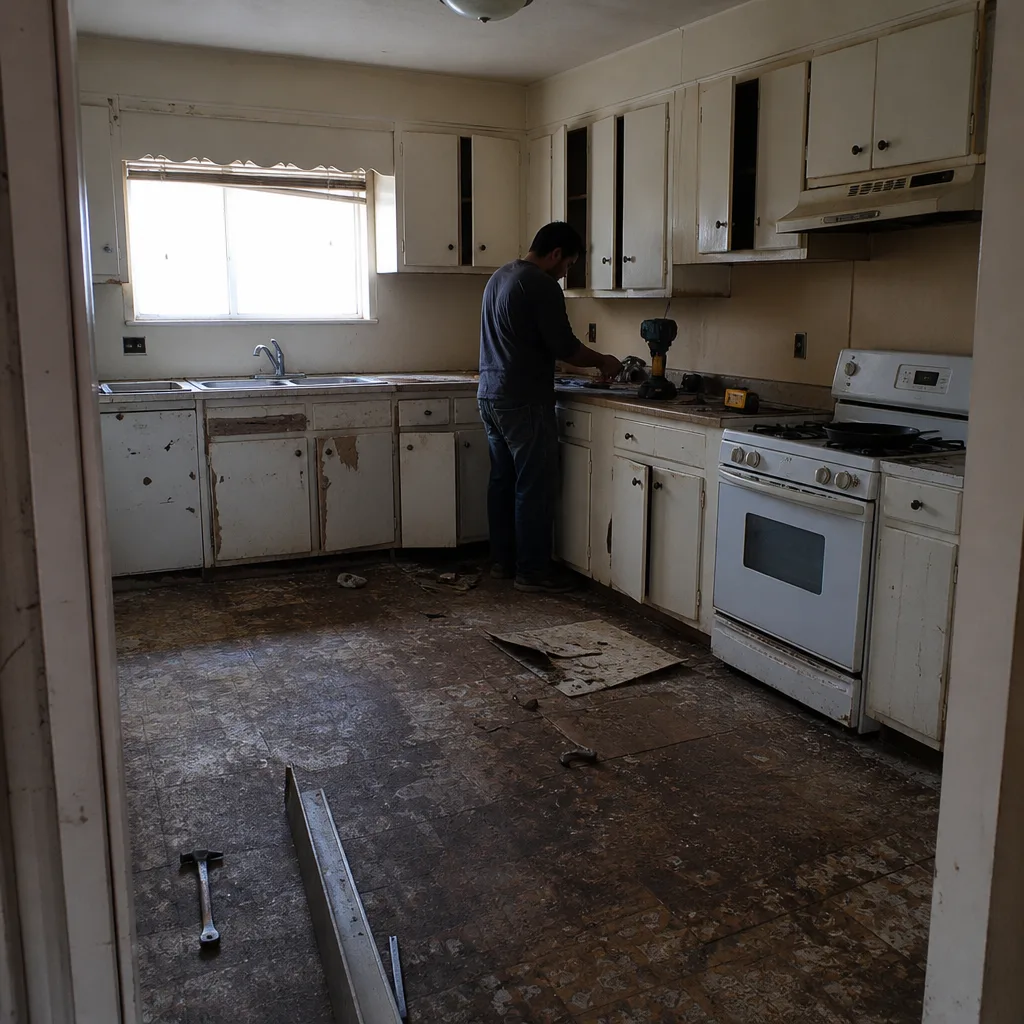 Before
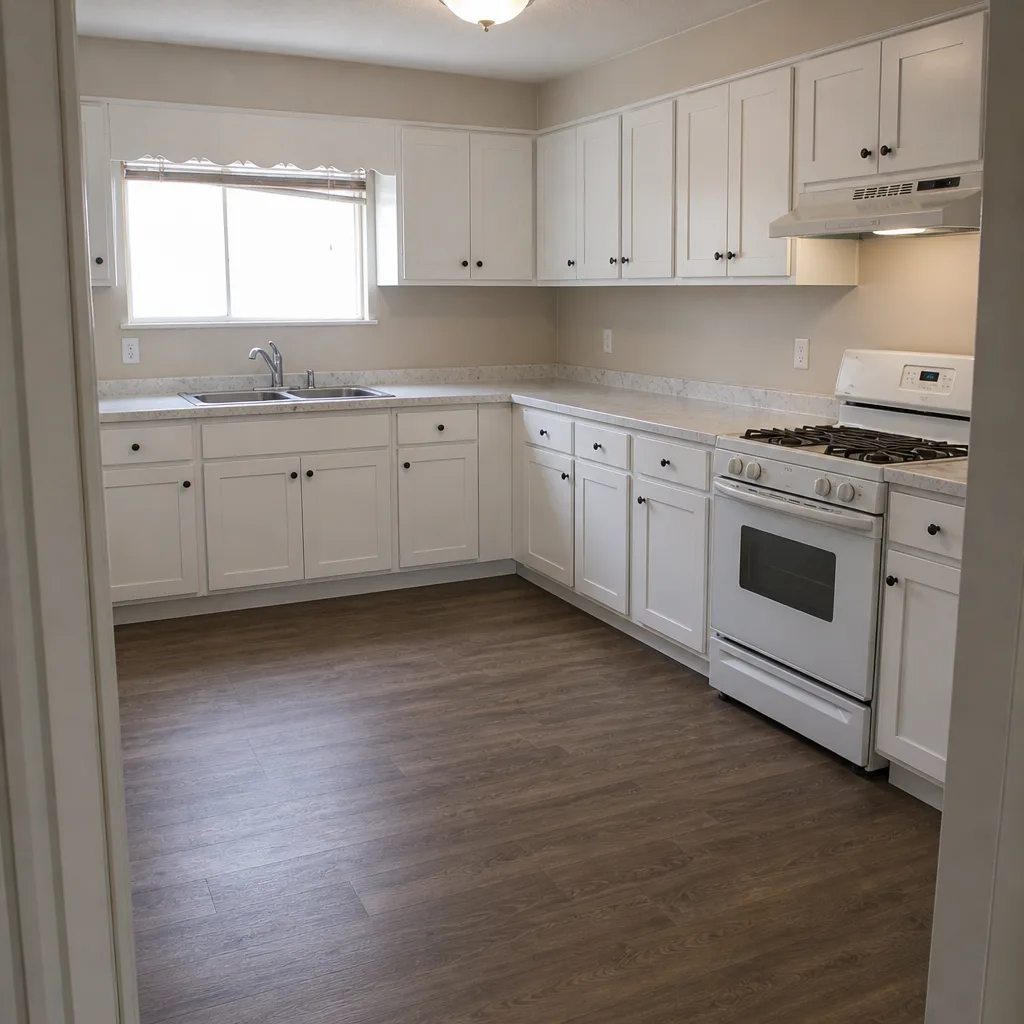 After
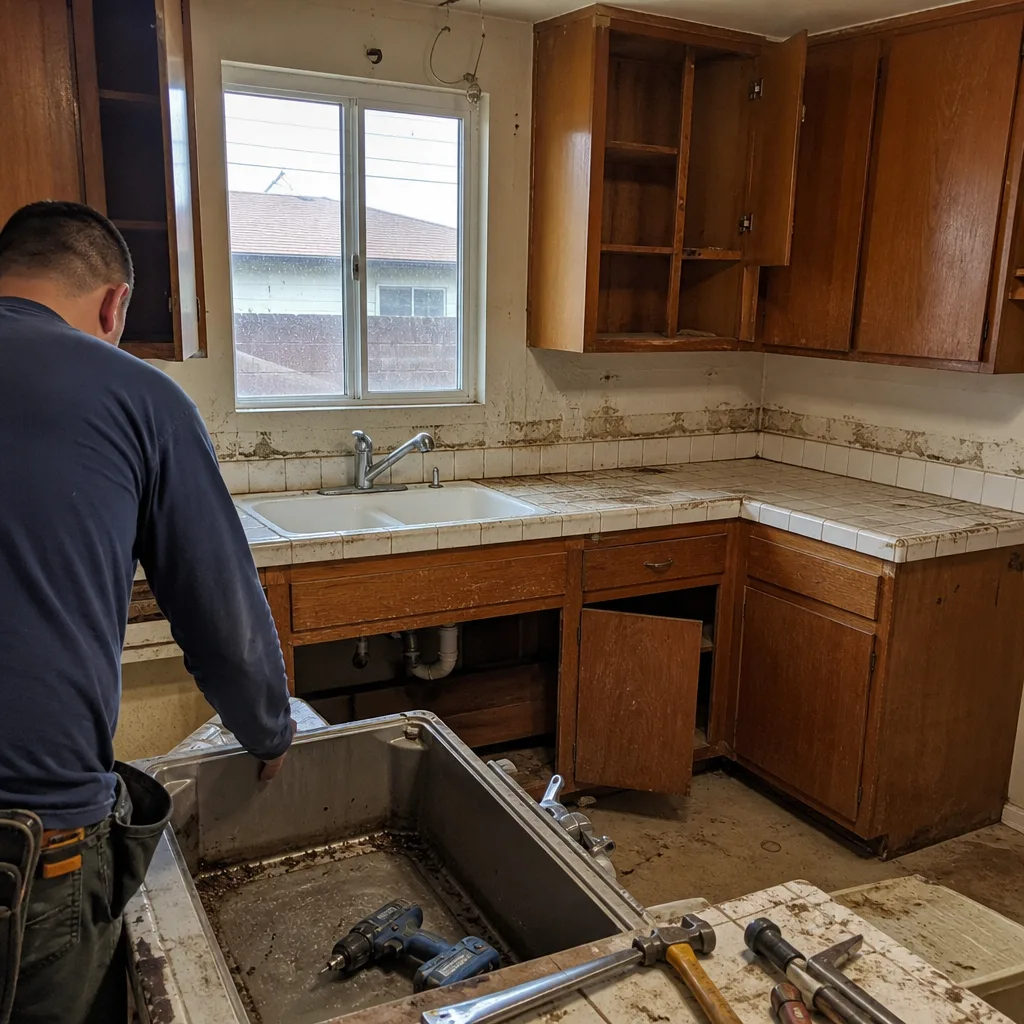 Before
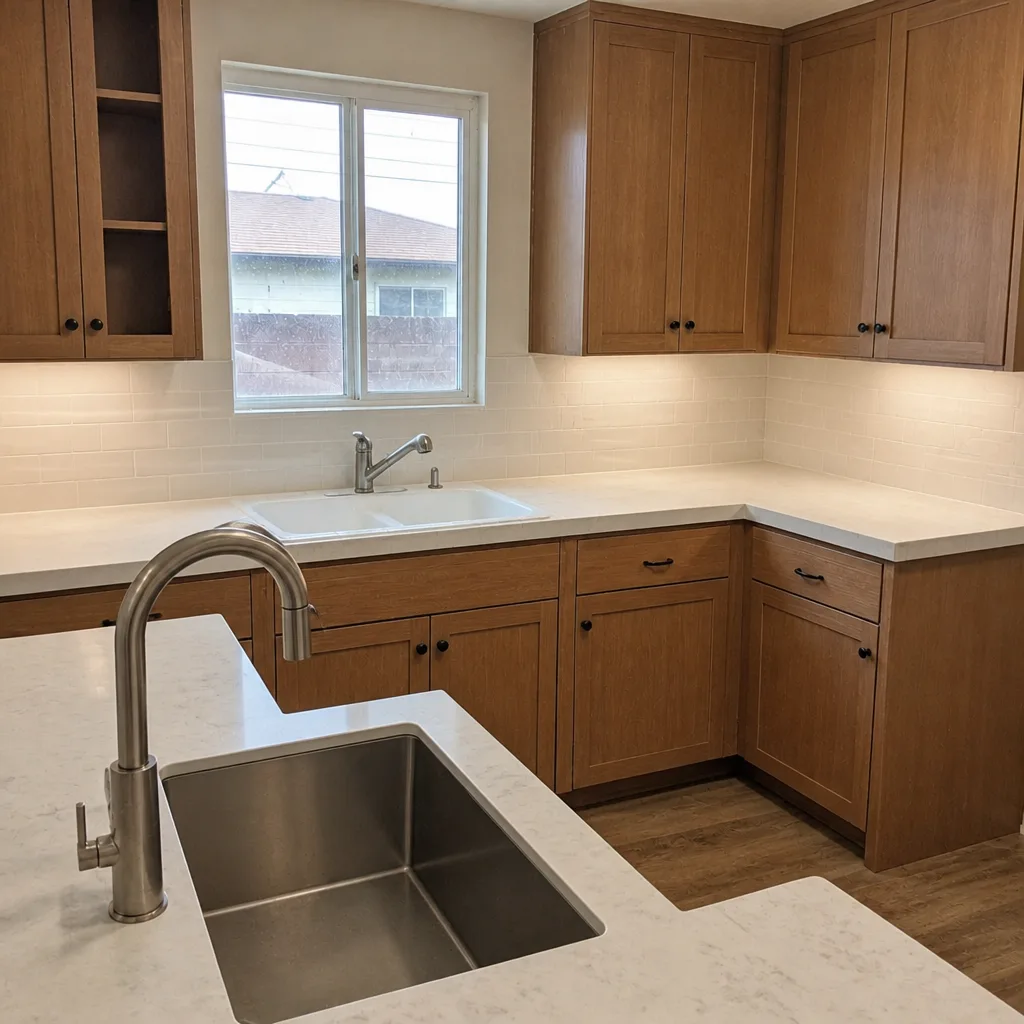 After
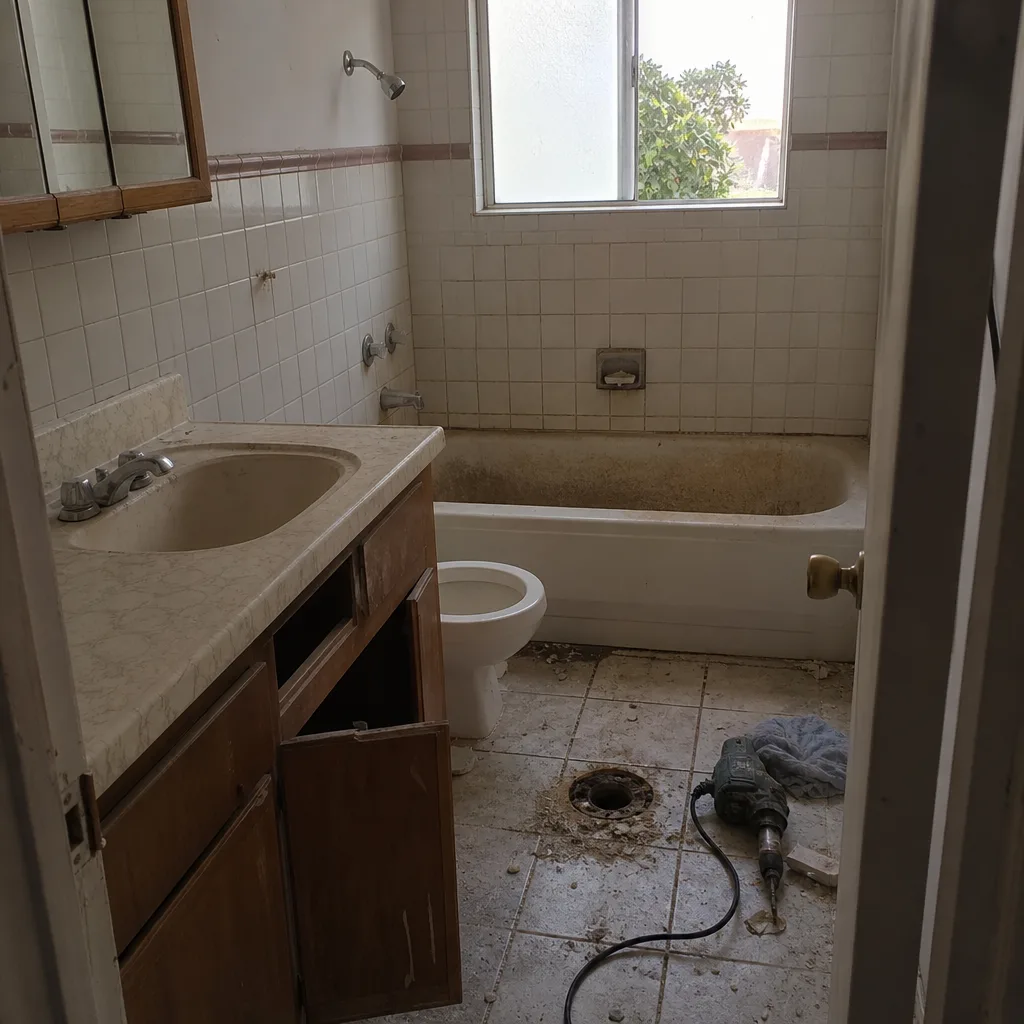 Before
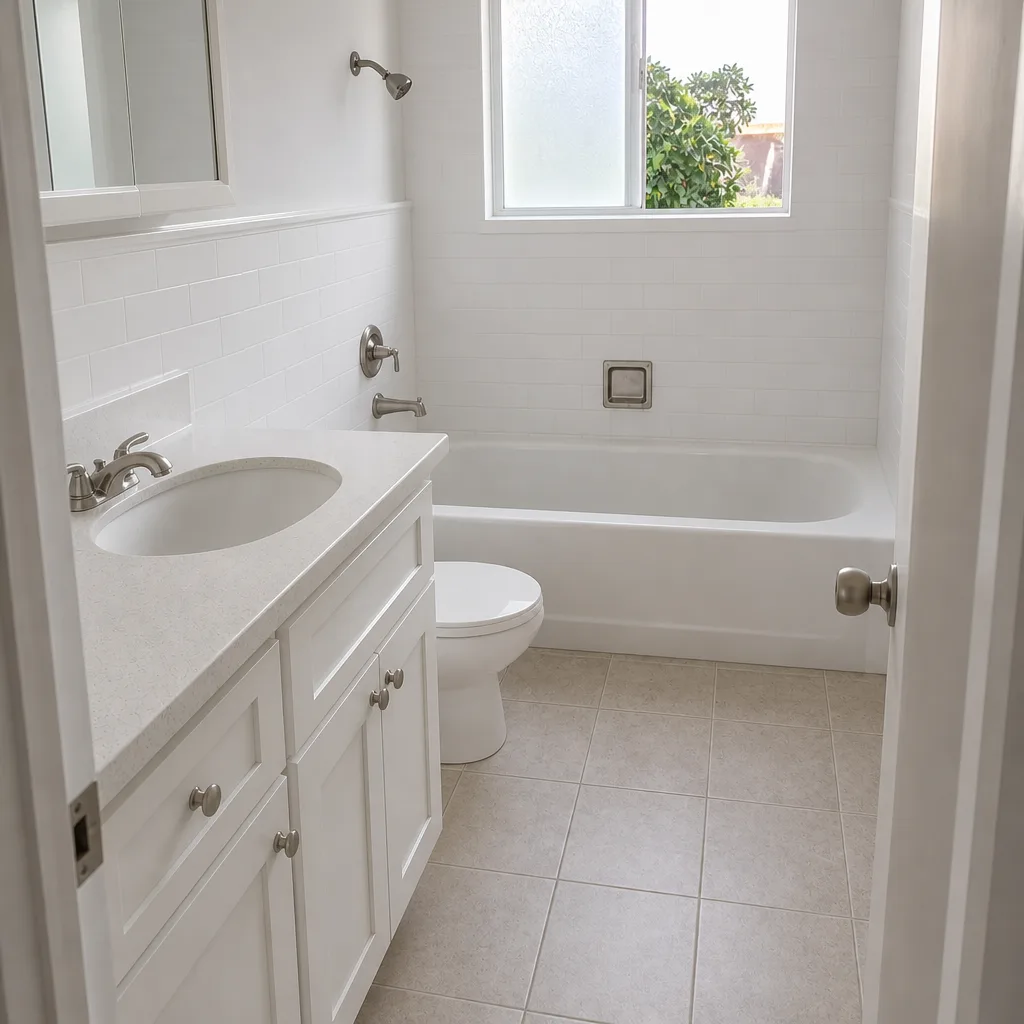 After
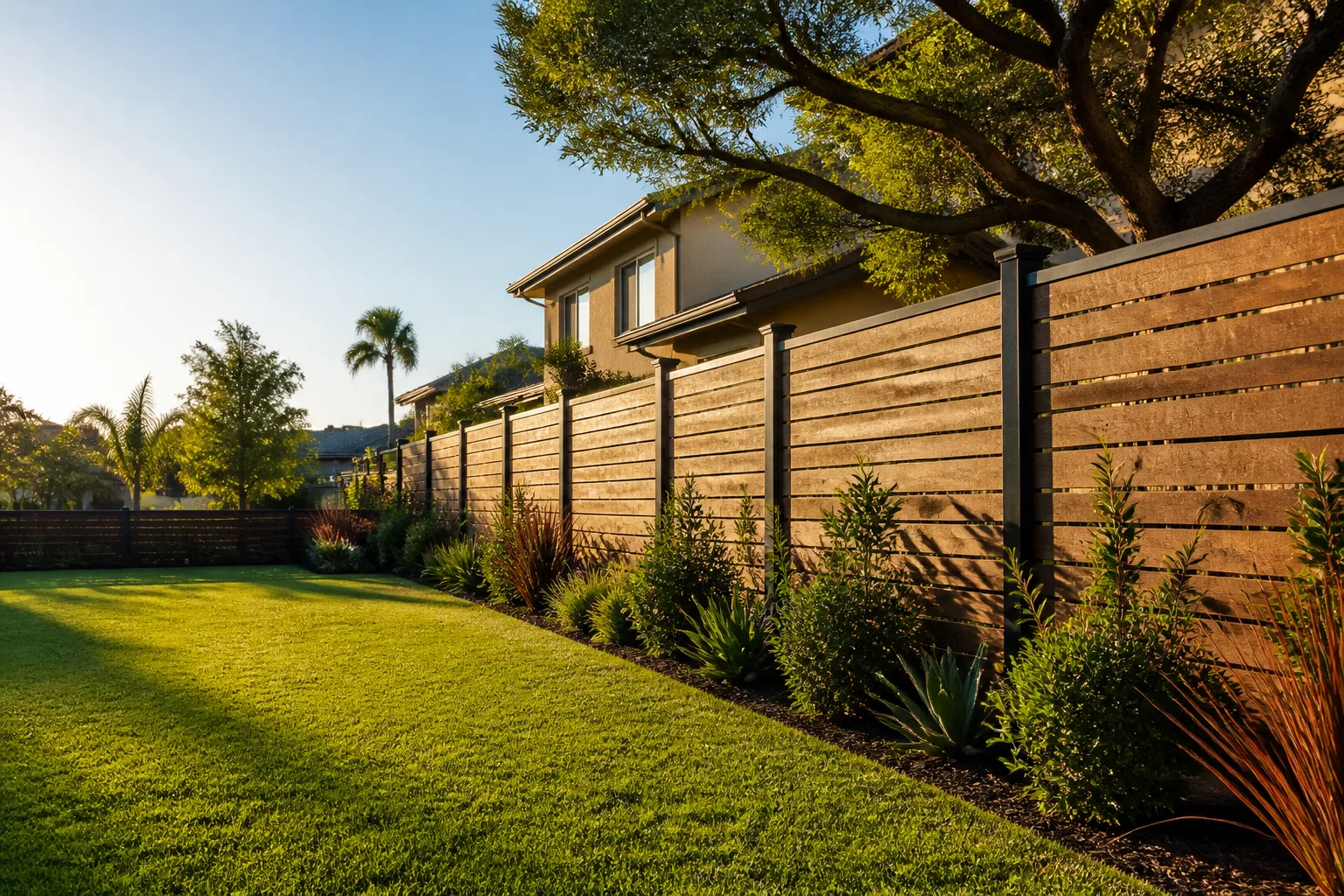
Vinyl vs Aluminum Fence in Inglewood, CA: Which One Survives the Coastal Sun and Salt?
Choose vinyl if you’re fencing a tight side yard as a privacy buffer between your house and an ADU or neighbor. Choose aluminum if the fence faces the street and needs to hold curb appeal. That’s the short answer. The longer answer matters more in Inglewood, because this city’s coastal sun-and-salt cycle punishes both materials in different ways, and most comparison articles never mention either one. Calls come to a live person at (833) 842-7204, day or night.
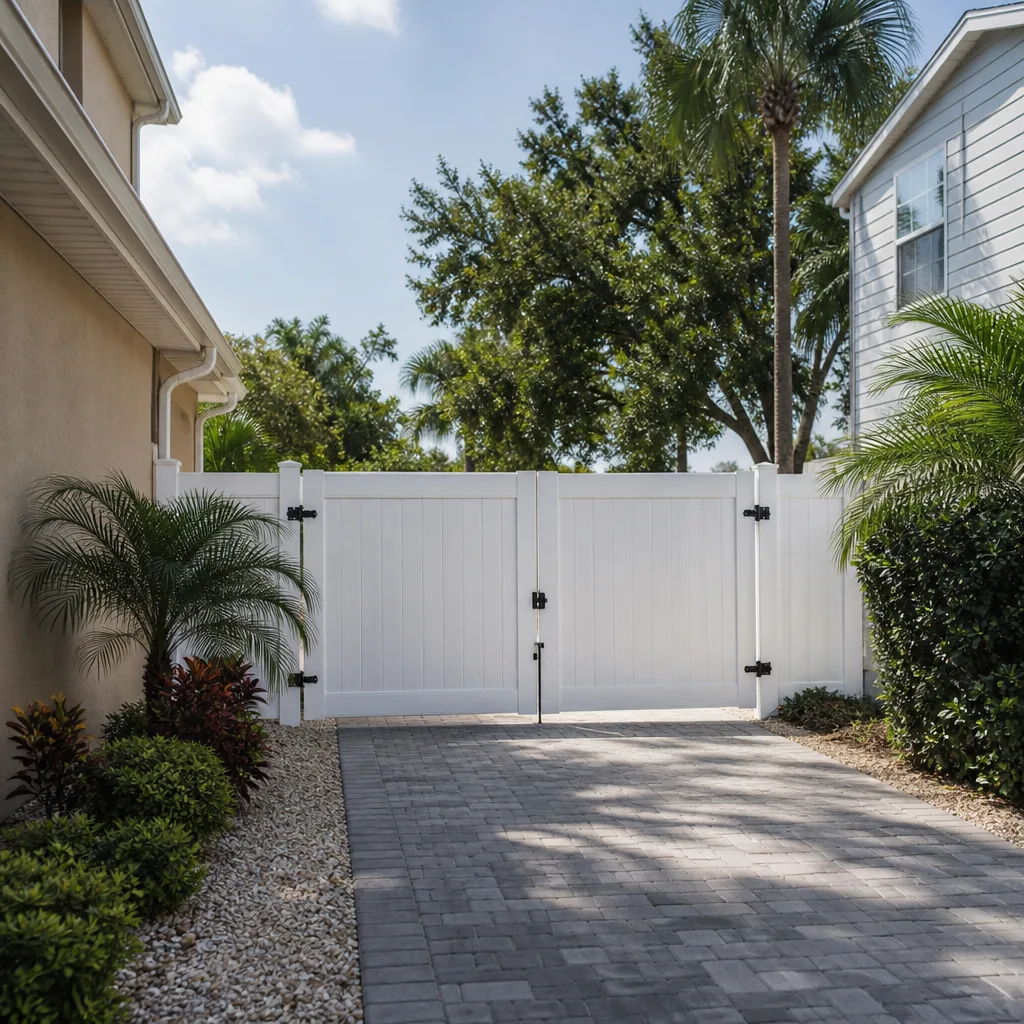
Why the Usual “Privacy vs. Ornamental” Framing Falls Apart Here
Most vinyl-vs-aluminum guides split the decision into privacy versus looks and call it done. In Inglewood that framing misses the variable that actually decides how a fence ages: long-term surface performance. This city sits in the coastal-influenced LA basin near LAX, where marine layer moisture and salt-laden onshore air work on exposed surfaces year-round. Afternoon sun breaks through the marine layer with high UV load but without the inland heat that bakes and dries a panel. That combination – steady UV, steady moisture, no dry-out buffer – is what makes each material fail in its own predictable way.
Vinyl doesn’t rust. Aluminum doesn’t rot. But each one has a failure mode, and knowing which failure you’re signing up for changes the decision entirely. Here’s how Groundwork Construction Co. of Inglewood lays it out for homeowners who ask us to compare honestly.
How Vinyl Fails in Inglewood’s UV Exposure Pattern
Vinyl fails by UV degradation, and in Inglewood the exposure pattern accelerates it. Non-UV-stabilized vinyl panels yellow and turn brittle within 7 to 10 years under this sun-then-marine-layer rhythm. The brittleness is the real problem: a panel that still looks acceptable from ten feet away can crack at a post bracket from a single hard knock. Budget contractors selling whatever sat on the supplier’s lot that week are the usual source of that vulnerable low-grade vinyl.
It’s a fixable problem, not a reason to rule vinyl out. Groundwork specifies only UV-stabilized, commercial-grade vinyl on Inglewood projects, and that grade is written into the project scope so you know exactly which product you’re getting. Manufacturers in this tier build their panels for sustained sun exposure. The material cost gap between budget and commercial-grade vinyl is smaller than the cost of replacing brittle panels in year eight.
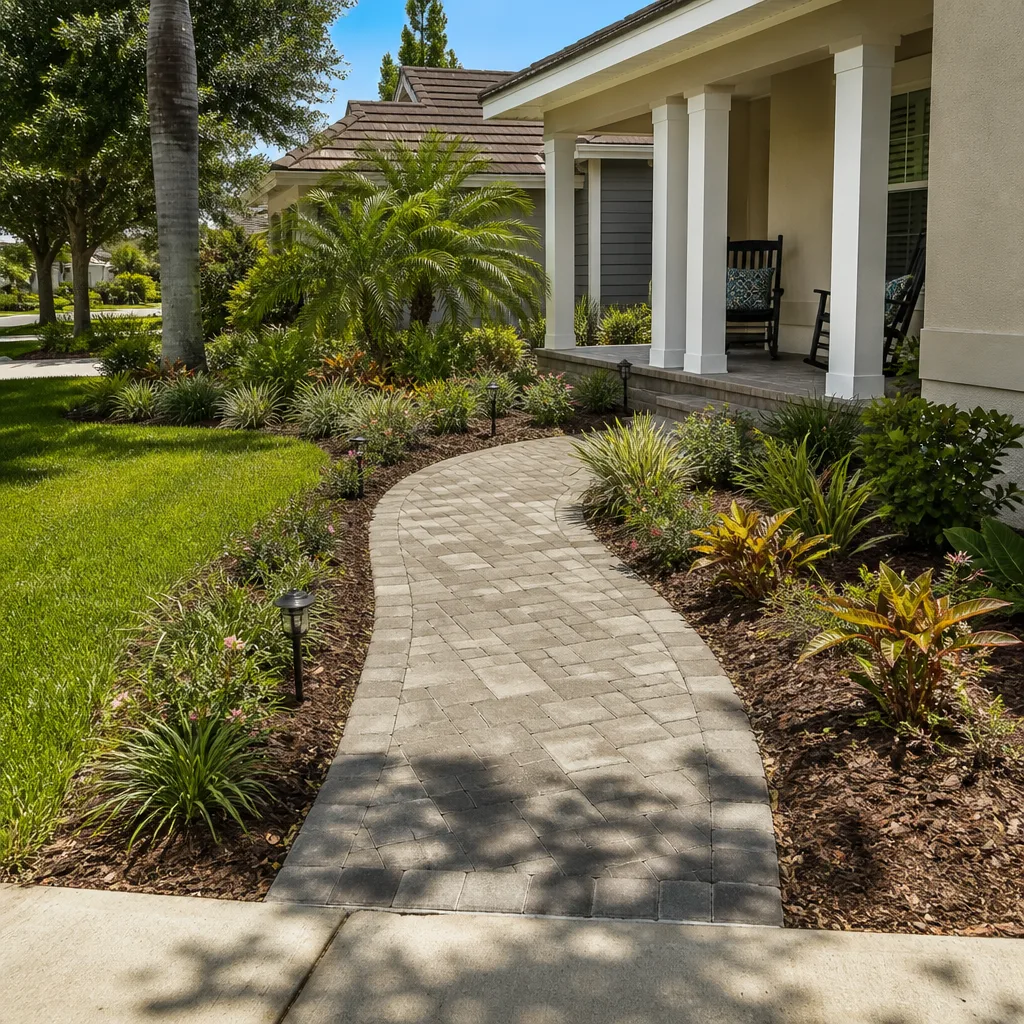
How Aluminum Fails in the Salt-Air Coastal Corridor
Aluminum’s weak point is its coating, not its base metal. The powder coat protects the aluminum until something penetrates it – a chip from a string trimmer, a scratch from a ladder, a fastener driven through the surface. Any of those becomes a corrosion initiation site. In salt-laden onshore air, corrosion spreads laterally under intact powder coat, a process called filiform corrosion, and you won’t see it until the paint starts bubbling from the inside out.
The fastener detail is the one most installers miss. Every screw hole through an aluminum rail is a potential entry point for salt air, which is why a polyester powder-coated aluminum product – applied properly and sealed at every penetration – holds up dramatically better than a thin-coated or site-painted panel. Groundwork specifies polyester powder-coated aluminum for Inglewood jobs, in writing.
Side-by-Side: Vinyl vs. Aluminum in Inglewood Conditions
| Factor | Vinyl (UV-stabilized, commercial-grade) | Aluminum (polyester powder-coated) |
|---|---|---|
| Primary failure mode here | UV yellowing and brittleness, roughly 7-10 years on non-stabilized panels | Filiform corrosion under the powder coat at chips and fastener points |
| Salt-air performance | Unaffected by salt | Good if intact; vulnerable at any penetration |
| Santa Ana wind load | Flexes; can fracture at post brackets under sustained lateral pressure | Rigid; handles lateral pressure without flex-fracturing |
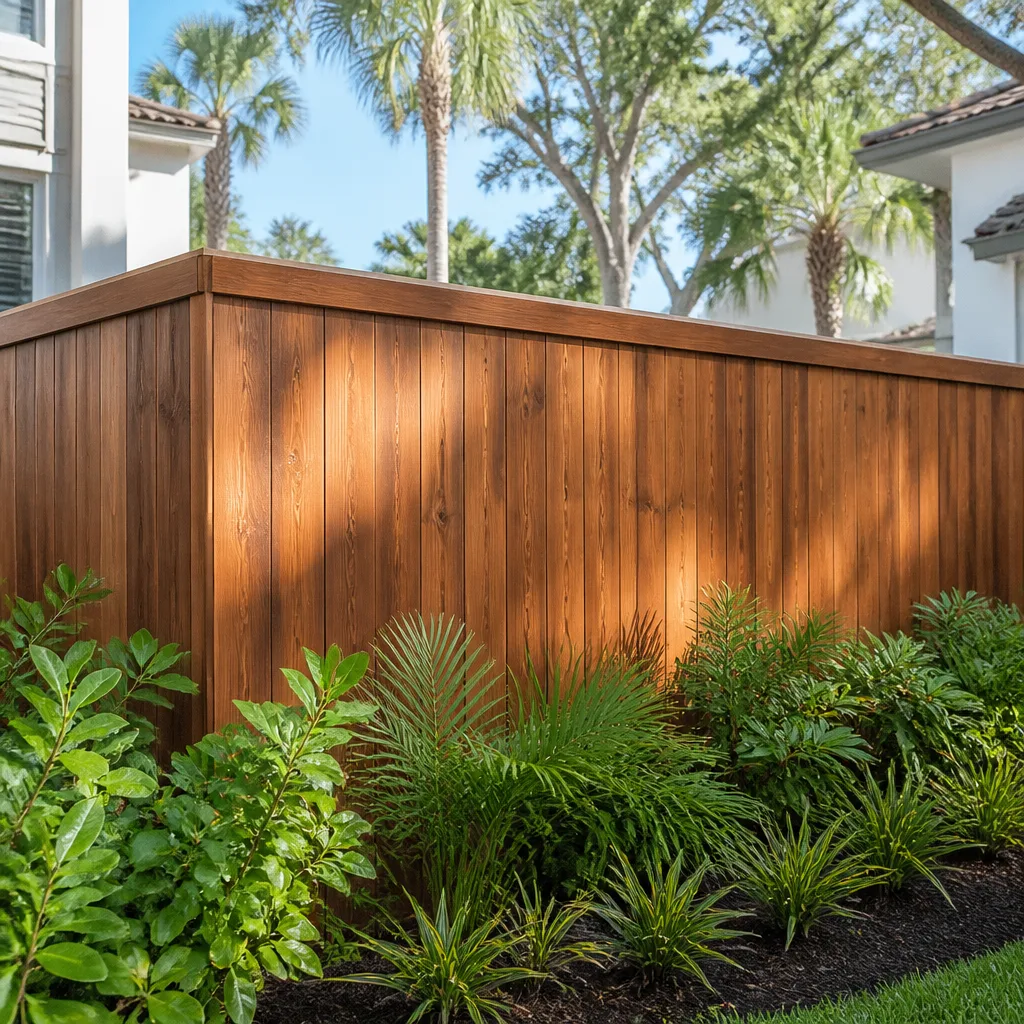
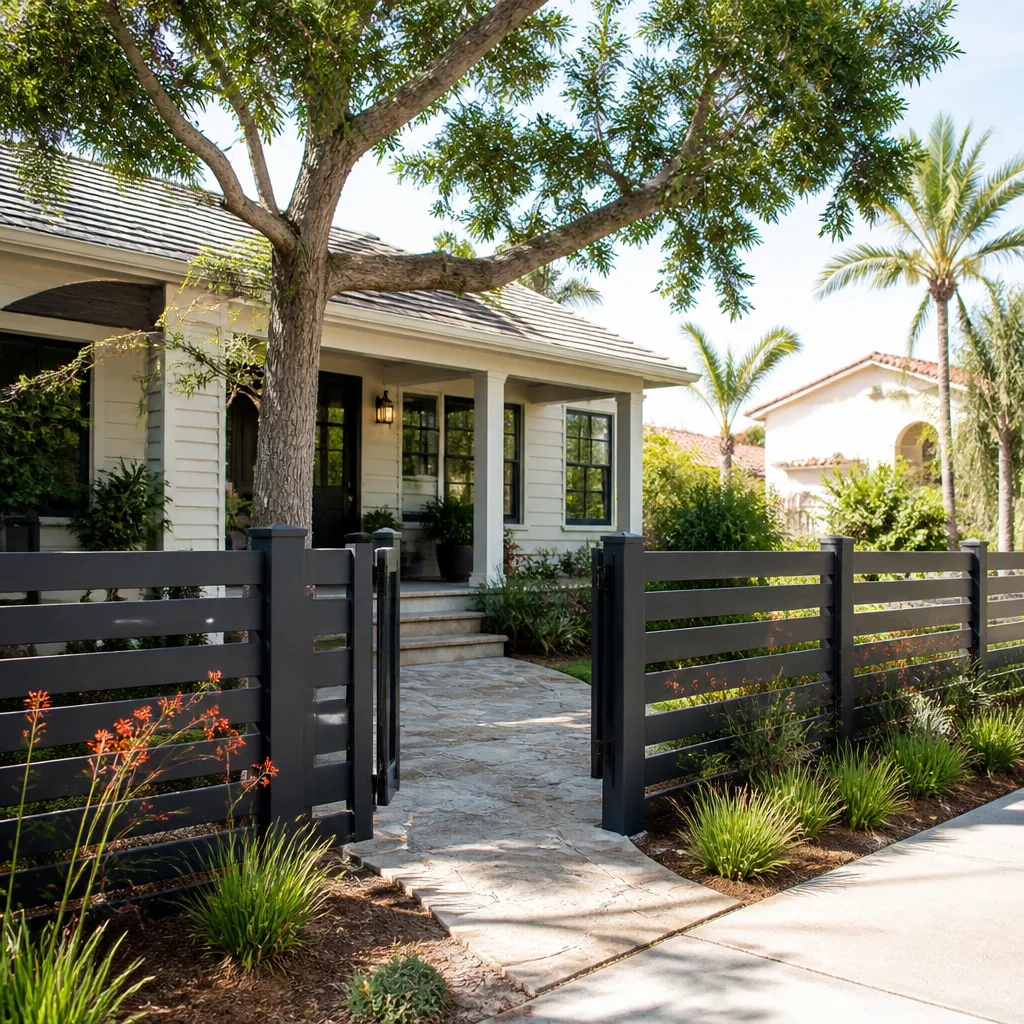
| Visual strength | Solid privacy screen | Ornamental profile with a street-facing premium |
| Typical Inglewood installed cost | $3,500-$9,000 | $4,000-$10,000 |
The Santa Ana Wind Factor
Aluminum panels carry higher wind-load ratings than comparably priced vinyl because the metal’s rigidity absorbs lateral pressure instead of flexing. That spec matters across the LA Basin, where Santa Ana wind events regularly push gusts past 50 mph. A fence that flexes under that load stresses its post brackets every time, and a brittle vinyl panel can fracture at exactly those points. If your property sits on an exposed corner or a lot with a long uninterrupted run of fence, that wind-load difference is worth real money over the life of the installation.
Our Application Recommendation for Inglewood Lots
Inglewood’s housing stock pushes the decision in a specific direction. The city is dominated by 1920s-1950s single-family bungalows and small stucco duplexes on tight lots, many with detached garages being converted to ADUs. Those narrow side yards get used as privacy buffers between the house and a neighboring structure or a new ADU, and vinyl is the practical answer there. It delivers full visual screening at a lower installed cost, and salt air doesn’t touch it.
Front yards are a different job. The transformation around SoFi Stadium, the Intuit Dome, and the Kia Forum has pushed curb appeal up across the stadium district, and aluminum’s ornamental profile commands a visual premium vinyl can’t match on a street-facing run. If you’re weighing a full exterior refresh alongside the fence, our Fence Installation in Inglewood page covers the installation process in detail, and our main Fence Installation page lays out the full service.
What Vinyl and Aluminum Fence Installation Costs in Inglewood
Vinyl fence installation in Inglewood typically runs $3,500-$9,000 for a standard residential run, and aluminum lands at $4,000-$10,000 depending on height, gate count, and the ornamental profile you choose. Those ranges reflect commercial-grade materials, not builder-grade stock. Our technicians have up to 12 years of experience installing both, and pricing is upfront with no surprises – the number you see is the number you pay. Projects over $10,000 qualify for $1,000 off, and 0% financing for 18 months is available. Every installation is covered by the 730-Day Done Right Promise: if it’s not done right, we make it right.
Key Takeaways
- Vinyl fails by UV yellowing and brittleness in Inglewood’s sun-and-marine-layer cycle; commercial-grade UV-stabilized panels resist it.
- Aluminum fails by filiform corrosion spreading under the powder coat from chips and fastener holes in salt air.
- Vinyl wins for tight side-yard privacy buffers; aluminum wins for street-facing curb appeal.
- Aluminum holds up better under Santa Ana wind loads above 50 mph.
- Specify the material grade in writing before work starts so you’re not getting whatever was on the lot.
FAQs
Vinyl fence installation in Inglewood runs $3,500-$9,000, and aluminum runs $4,000-$10,000 for a standard residential run. The gap narrows when you compare commercial-grade vinyl against entry-level aluminum; the gap widens when you add ornamental profiles and gates on the aluminum side. Call (833) 842-7204 for an exact quote – estimates are free.
Properly specified aluminum typically outlasts vinyl in Inglewood because metal doesn’t go brittle, but only if the powder coat stays intact. A chipped aluminum panel in salt air can corrode faster than a UV-stabilized vinyl panel degrades. UV-stabilized vinyl usually gives 15-20 years of service here; budget vinyl can fail in 7-10. Call (833) 842-7204 to talk through which fits your lot.
Most standard residential fence runs are completed in a single visit. Longer runs, custom gates, and properties needing post replacement or grading work may take two or three days. We confirm the schedule before we start, and a live person answers the phone around the clock at (833) 842-7204 – no voicemail, no waiting until Monday.
Inglewood fences generally fall under height limits by zone and require a permit once a fence exceeds the standard residential height, and the City of Inglewood’s permit office now scrutinizes projects harder than it did before the post-SoFi enforcement push. We check your specific lot’s requirements before ordering material. Call (833) 842-7204 and we’ll walk you through what your property needs.
Get a Straight Answer on Your Fence
If you’d rather have it looked at, Groundwork Construction Co. of Inglewood offers a no-pressure assessment in Inglewood – call (833) 842-7204. We’ll tell you which material actually fits your yard, put the grade in writing, and back the work with the 730-Day Done Right Promise. Free estimates, upfront pricing, and a live person on the line whenever you call.
Written by the team at Groundwork Construction Co. of Inglewood, serving Inglewood, CA.