Free written scope consultation - allowances, timeline, and change-order rules on paper before a single trade is scheduled
Styles & brands we work with
- Kitchen remodeling
- Bathroom remodeling
- Home additions & ADU
- Roofing
- Windows & doors
- Driveway & pavers
- Fence
See the difference
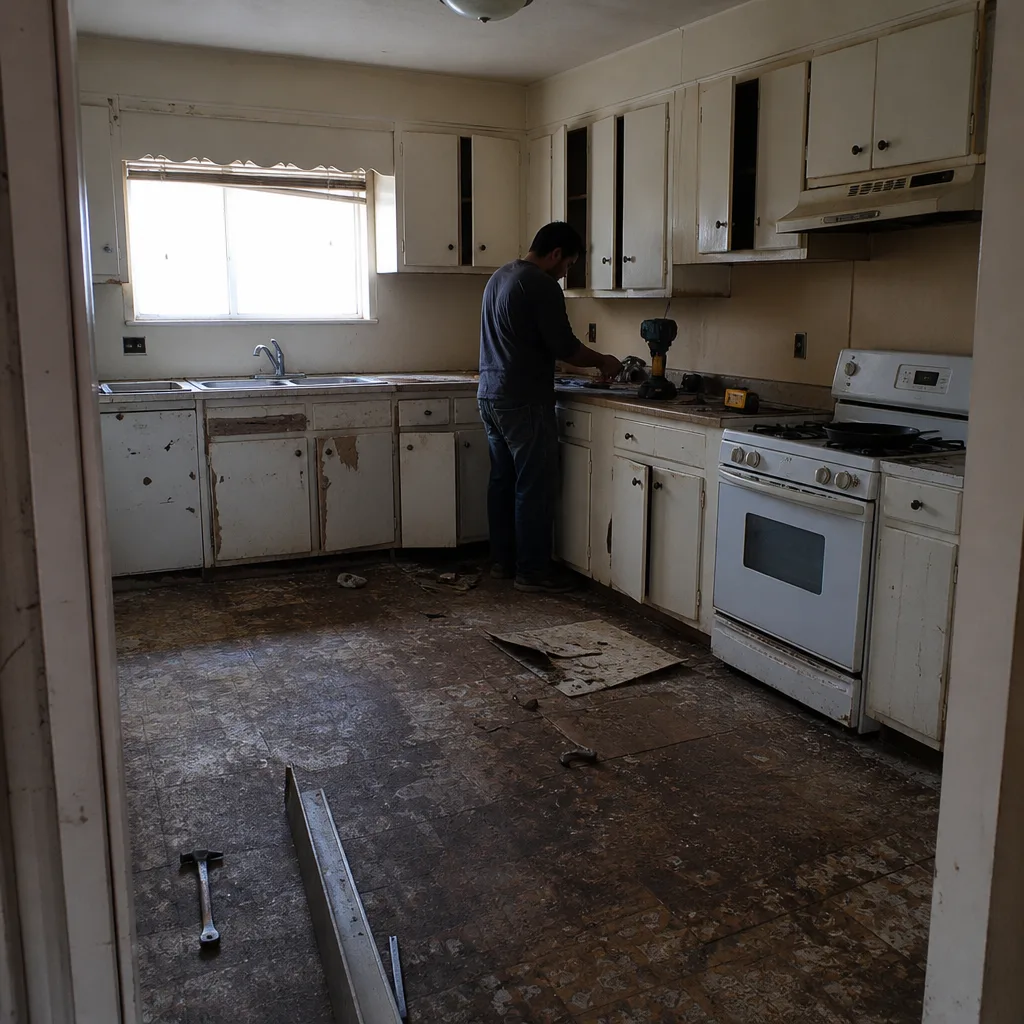 Before
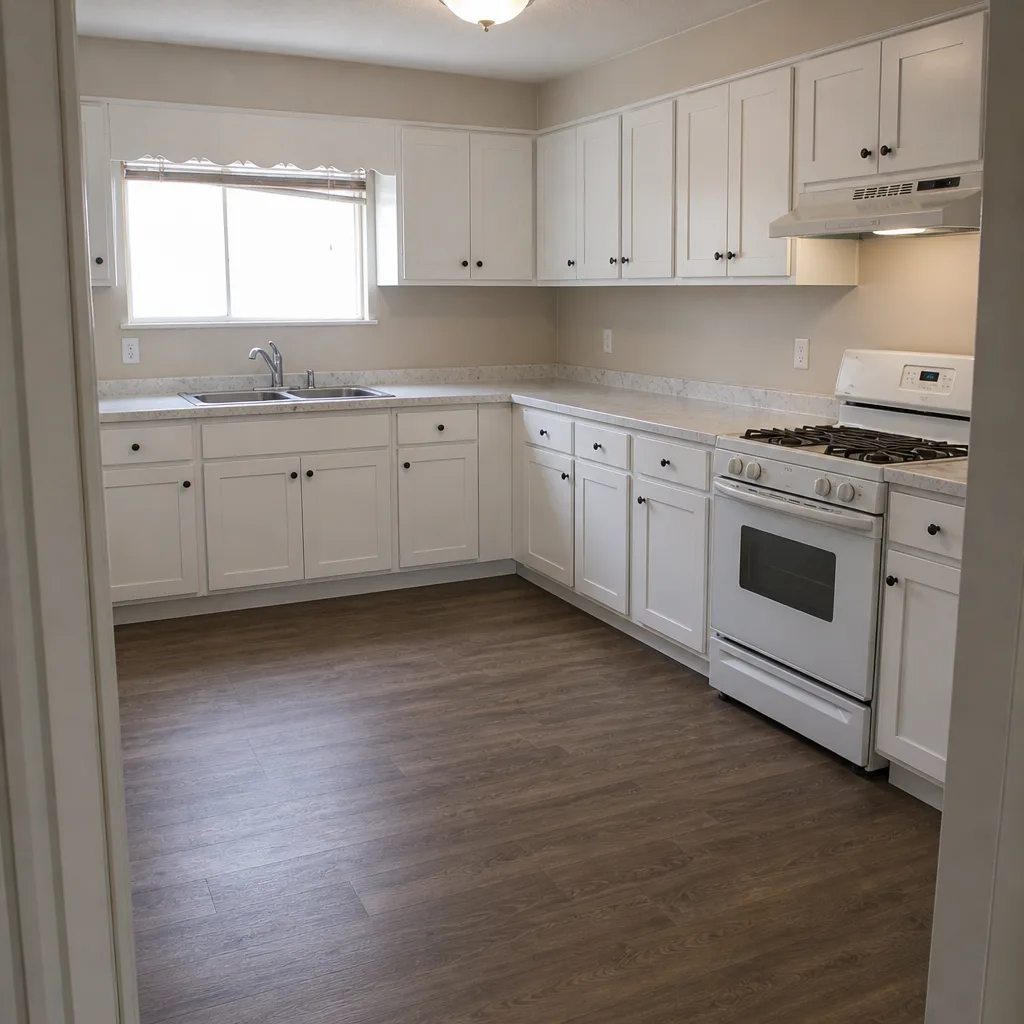 After
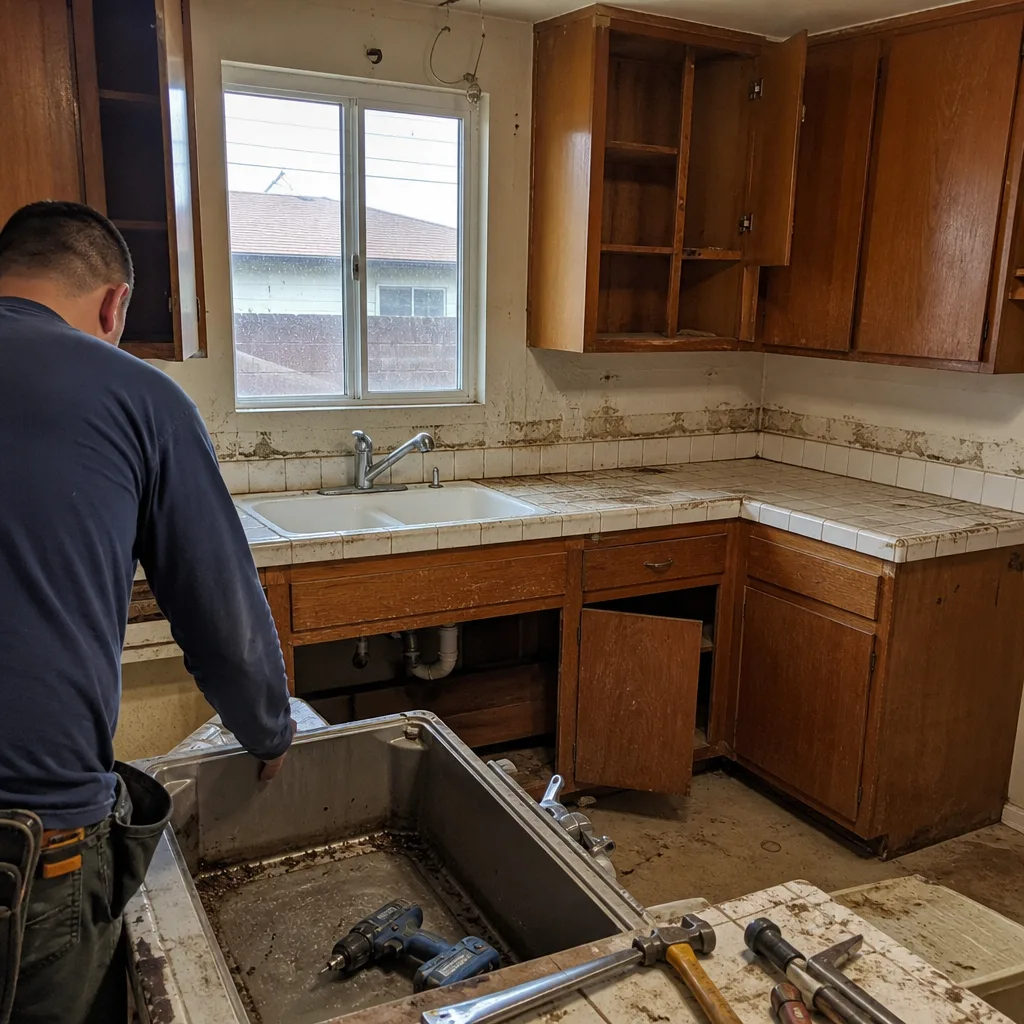 Before
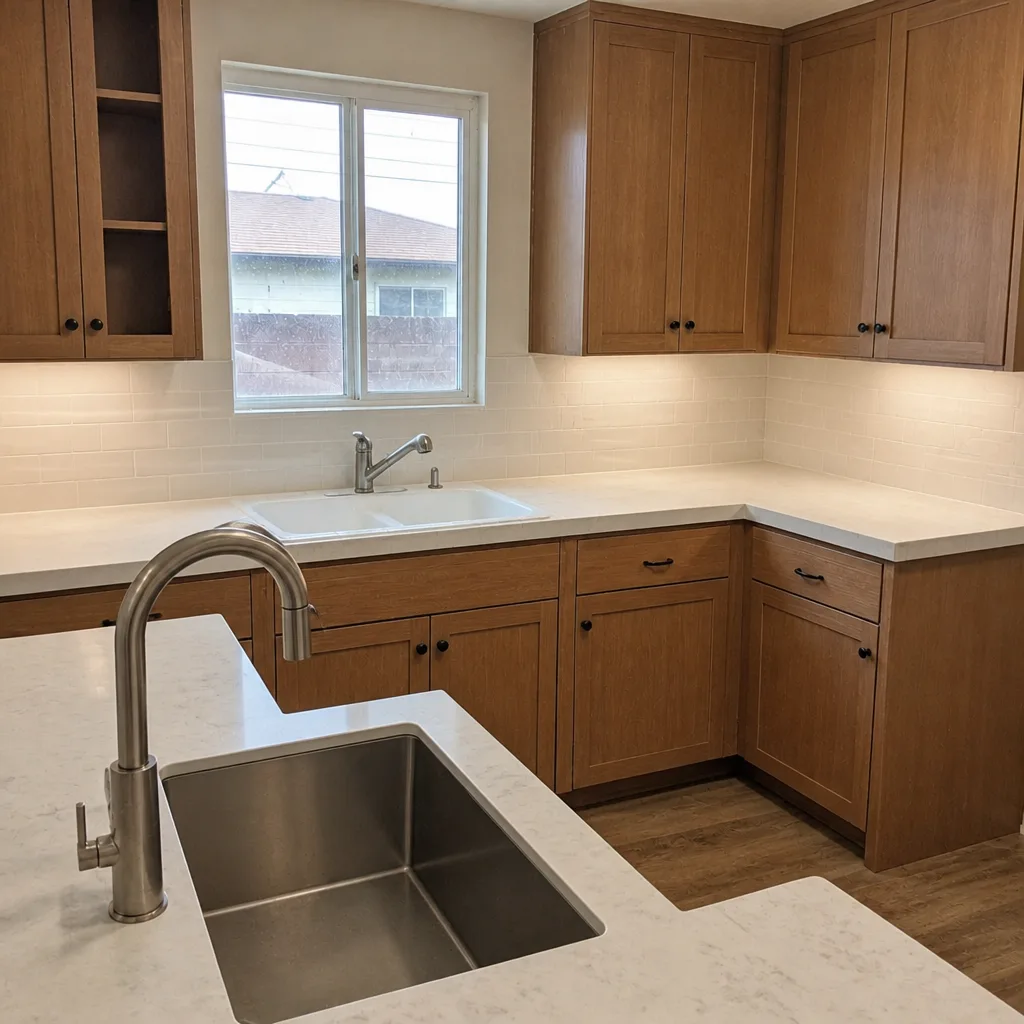 After
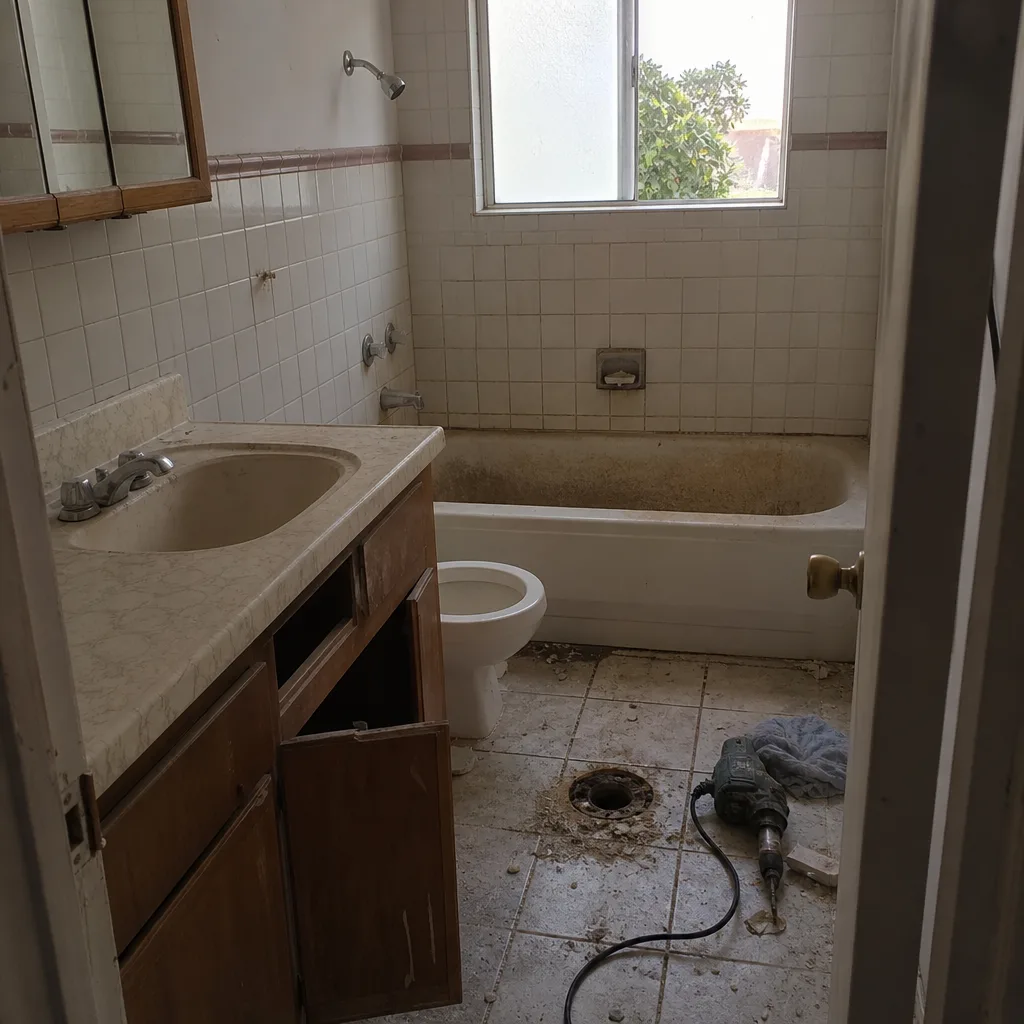 Before
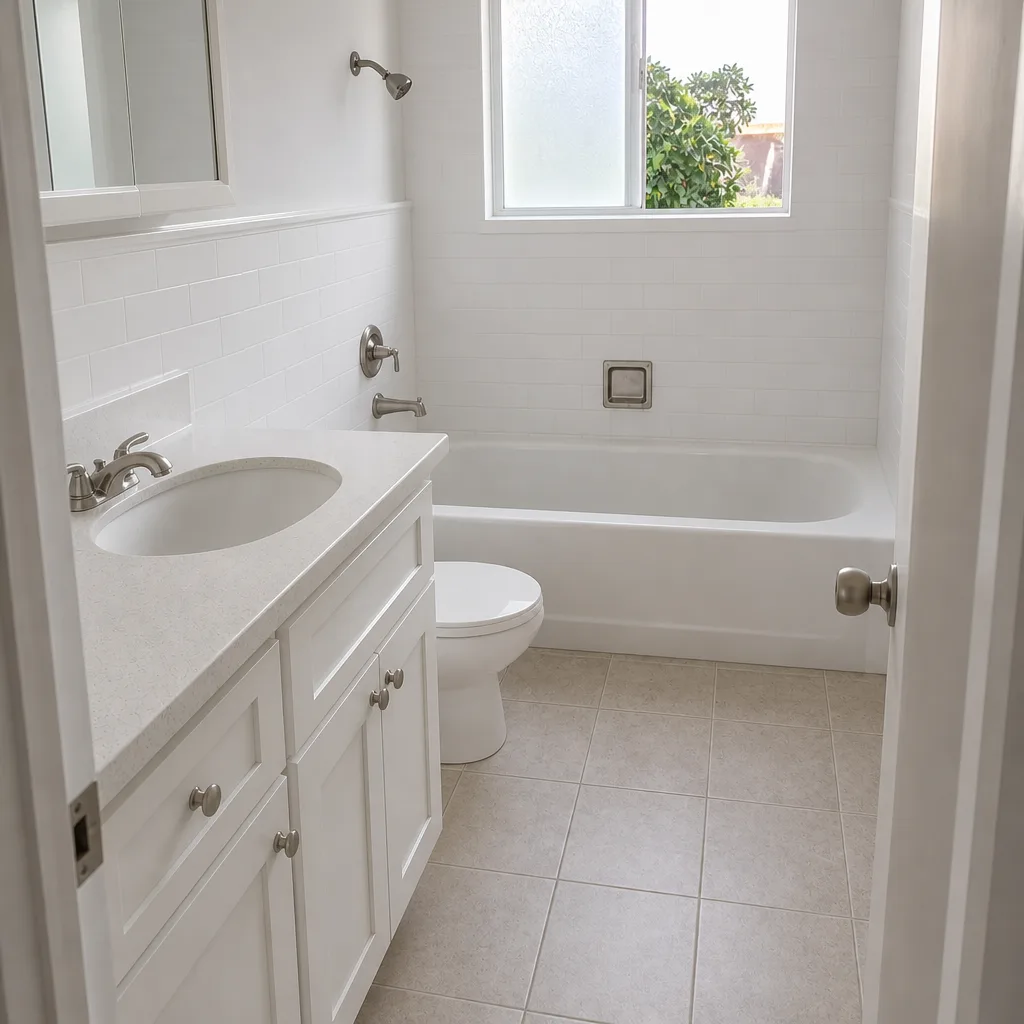 After
Vinyl vs Fiberglass Windows in Inglewood, CA: An Honest Answer
Choose fiberglass for south- and west-facing walls within about two miles of the coast, and choose vinyl for north-facing and interior-facing openings where the sun never hits the frame directly. That’s the honest split, and it comes down to physics rather than price. Inglewood bungalows live in a marine-moderated thermal regime where a cool 55-62°F marine-layer morning can turn into a 90°F+ wall temperature by 2 p.m. on the same wall, and that daily swing treats your window frames harder than most comparison articles admit. Calls to (833) 842-7204 reach a live person any hour, and we’ll walk you through which exposure wins before you spend a dollar.
Key Takeaways
- Vinyl (PVC) expands and contracts roughly 5× more than glass and about 7× more than fiberglass across a temperature swing.
- Inglewood’s marine-layer mornings plus direct afternoon sun are the exact condition that stresses the glass-to-frame seal.
- Fiberglass runs 15-30% more upfront but carries longer manufacturer warranties and fails less in coastal California climates.
- North-facing and shaded openings: vinyl is a fully rational choice at a lower price point.
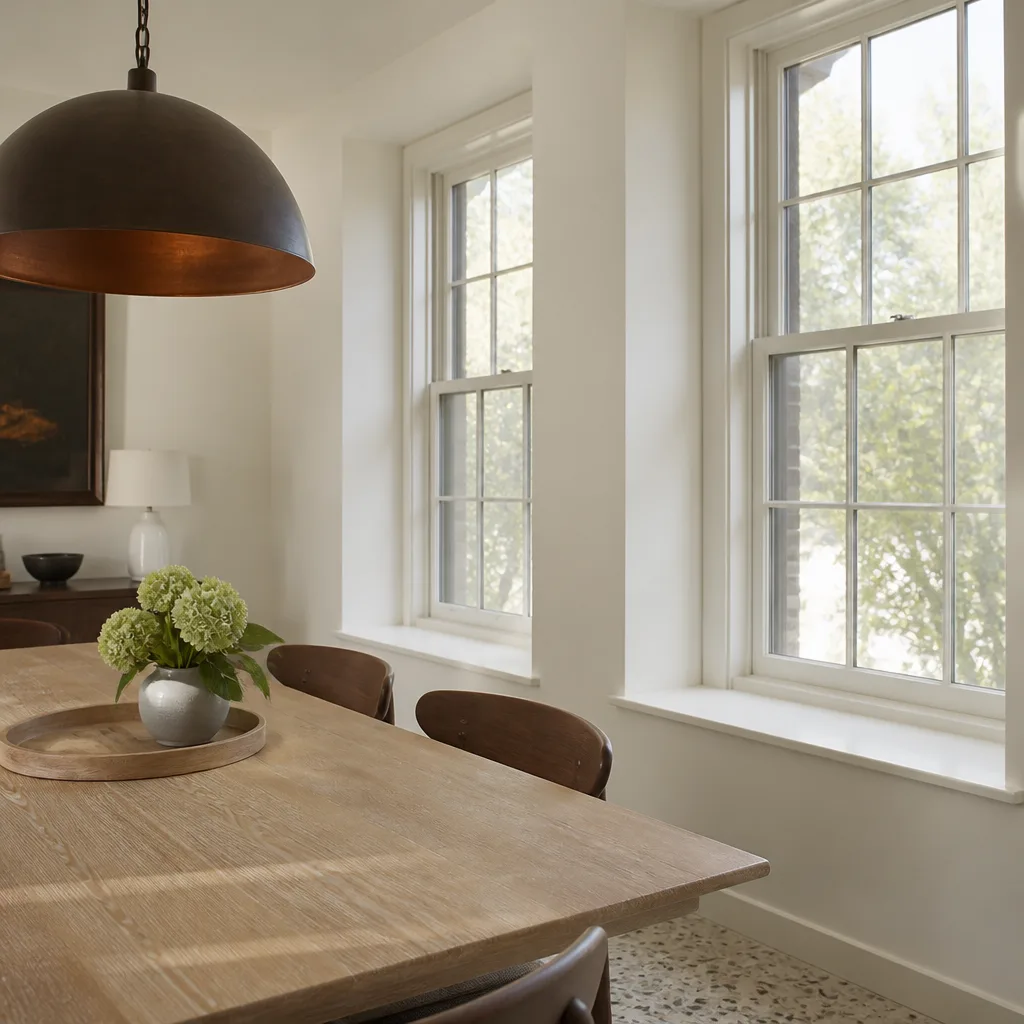
Why the Inglewood Climate Changes the Answer
Most vinyl-vs-fiberglass comparisons stop at cost and forget the wall they’re going into. Inglewood sits in the coastal-influenced LA basin near LAX, so the air carries marine-layer moisture and salt, and freezing nights are rare. That means our exterior materials age by moisture cycling rather than freeze-thaw. Windows are no different, and the salt-laden onshore air quietly works on exposed metal and fasteners around the frame while the temperature itself does the structural damage.
Here’s the number that matters. Vinyl has a coefficient of thermal expansion roughly five times that of glass. Fiberglass is roughly one-seventh of vinyl’s movement. On a west wall that’s cool at 8 a.m. and baking by mid-afternoon, that differential opens and closes a tiny gap at the glass-to-frame seal every single day. Those micro-movements compound over years into air infiltration, condensation between panes, and eventually a failed insulating glass unit (IGU). On a north wall that never sees direct sun, that same cycle barely registers, which is why we don’t push fiberglass everywhere.
This is also where old Inglewood homes get complicated. Many of the 1920s-1950s bungalows on the flats went through additions and re-glazing over the decades without permits, and the City of Inglewood’s permit office now scrutinizes that legacy work closely because of the post-SoFi enforcement climate. When we open a wall to replace a window, we sometimes find the opening was never framed to modern standards. That’s a conversation worth having before the order is placed, not after. You can see how we handle the full scope on our Windows & Doors service for the wider picture.
Vinyl vs Fiberglass Side by Side
Both options are good products. The question is which one matches your specific wall, and the table below shows where they diverge on the factors that actually affect longevity in Inglewood.
| Factor | Vinyl (PVC) | Fiberglass |
|---|---|---|
| Thermal expansion (vs glass) | ~5× more movement | ~0.7× (far closer to glass) |
| Frame profile | Thicker extruded frame | Can be milled to thinner profiles |
| Paintability | Limited; color is usually baked in | Accepts paint cleanly |
| Upfront cost | Lower | 15-30% higher |
| Manufacturer warranty | Standard | Typically longer |
| Coastal California failure rate | Higher on sun-baked exposures | Materially lower |
| Best use in Inglewood | North and shaded walls | South and west walls near the coast |
The brands we specify make the fiberglass decision concrete rather than abstract. Andersen’s 100 Series uses their Fibrex composite, a wood-polymer blend engineered to hold its dimensions, and Marvin’s Elevate line is a true fiberglass frame. Both accept paint, both hold a thin sight line, and both are products a homeowner can verify independently on the manufacturer’s own site before signing anything. We carry them because they hold up, not because they’re easy to sell.
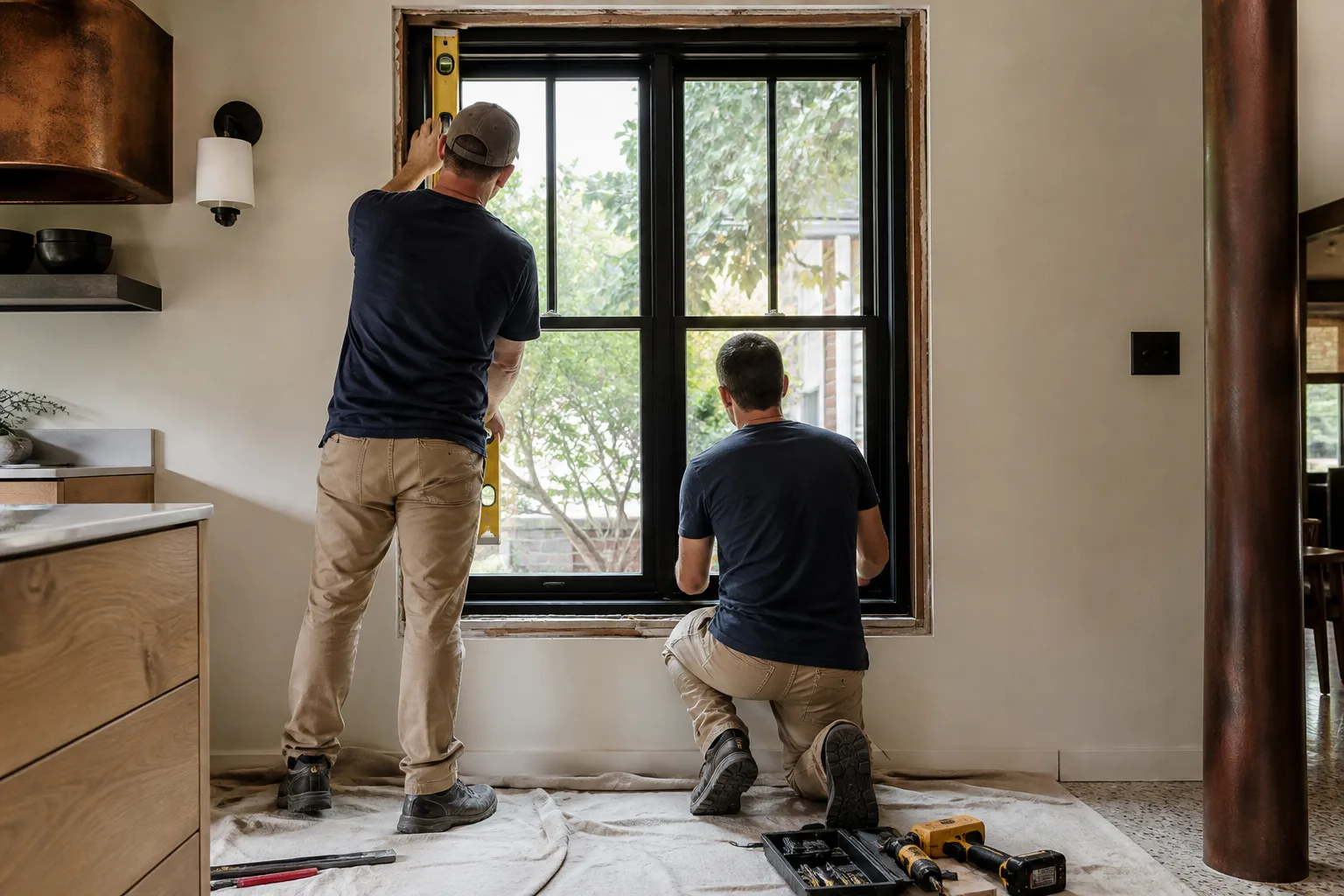
What to Look For in an Inglewood Window Replacement
Original 1930s-1950s wood sash windows have thin sight lines that vinyl’s thicker frames don’t replicate. If you’re in one of Inglewood’s older neighborhoods, that detail matters aesthetically, and it can matter with design review too. Fiberglass lets us mill a frame closer to the original profile and paint it to match, so the house keeps its historic character instead of looking retrofitted.
Here’s what we tell Inglewood homeowners to check before choosing any window:
- Exposure. Walk the house at 2 p.m. and note which walls are in direct sun. That single step separates the west-wall fiberglass candidates from the north-wall vinyl ones.
- Distance to the coast. Within about two miles, salt and marine moisture favor the lower-movement material on sun-facing walls.
- Sight lines. Measure the visible glass width of an existing sash. A frame that eats an inch of glass per side changes how the room feels.
- Warranty length in years. Compare the manufacturer’s IGU and frame warranty side by side, not just the installer’s labor coverage.
- Whether the opening was ever permitted. On older Inglewood stock, a rough opening that was enlarged without a permit can mean reframing before a new unit fits correctly.
We back every installation with our 730-Day Done Right Promise: if it’s not done right, we make it right. That’s one of the longest workmanship guarantees in the residential construction space, and it’s the reason we’d rather steer you to the right material than the more expensive one. The local pro for any permitted work is licensed and insured as California requires, and our technicians have up to 12 years of experience across the trades.
How much do windows cost in Inglewood?
Window replacement in Inglewood runs $4,500-$15,000 for a typical whole-home or multi-opening project, and impact-rated window installation runs $8,000-$25,000 depending on count and glazing specs. Fiberglass units sit at the higher end of that window-replacement band, which is why we frame the decision as cost per year of service rather than sticker price. A vinyl unit that fails a seal in year nine on a west wall can cost more over its life than a fiberglass unit that holds its IGU for twenty. We also offer 0% financing for 18 months and $1,000 off projects over $10,000 to spread the difference. Call (833) 842-7204 for an exact quote; estimates are free.
Compare that against the rest of the work your older Inglewood home likely needs. A Inglewood service area homeowner budget is often already committed to seismic retrofit and panel upgrades, so planning windows alongside other projects makes sense. You may also want to price related work in nearby communities. See what we do in home construction across the region, plus our guides for bathroom remodeling and kitchen remodeling if the window project overlaps with a larger renovation. If your older home has a detached garage the previous owner eyed for conversion, our garage conversion page covers the permitting side.
Is it cheaper to repair or replace old windows in Inglewood?
Repair is cheaper when the frame and sash are sound and only the glazing or weatherstripping has failed, and replacement wins once the frame itself has warped, rotted, or separated from the glass. On a 1930s Inglewood bungalow we inspect the sash first; a single sash rebuild often costs far less than a full unit swap. Replacement makes more sense when the seal has already fogged, because a failed IGU is a replacement job, not a repair. Call (833) 842-7204 and we’ll tell you which one you’re looking at.
FAQs
Fiberglass is better than vinyl on south- and west-facing walls in Inglewood because it moves roughly seven times less than vinyl across a temperature swing, which protects the glass-to-frame seal through the marine-morning-to-afternoon-sun cycle. On north-facing and shaded openings, vinyl performs well and costs less. Choose by exposure, not by a blanket rule.
Vinyl windows typically last 15-20 years in coastal California, with sun-baked west walls often landing at the shorter end because daily thermal cycling stresses the seal. Fiberglass frames generally outlast that on the same exposure. Manufacturer warranty length is the clearest public signal of how long the maker expects the unit to hold.
Yes. Fiberglass can be milled to a thinner sight line than extruded vinyl and it accepts paint, so it can replicate the slender profile of original wood sash windows on Inglewood’s 1930s-1950s homes. That matters for historic character and for design review in older neighborhoods.
Most single-window jobs are completed in a single visit, while whole-home replacements across a bungalow with eight to twelve openings typically run two to three days. We confirm timing in the estimate so you know exactly what to expect. Call (833) 842-7204 to schedule a free assessment and a firm number.
Get a Straight Answer on Your Windows
If you’d rather have it looked at than guess, Groundwork Construction Co. of Inglewood offers a no-pressure assessment in Inglewood. We’ll walk the walls with you, note the exposures, and give you an upfront price with no surprises. Call (833) 842-7204 for a free estimate, and we’ll put the recommendation in writing before you commit to a single pane.
Written by the team at Groundwork Construction Co. of Inglewood, serving Inglewood, CA.