Free written scope consultation - allowances, timeline, and change-order rules on paper before a single trade is scheduled
Styles & brands we work with
- Kitchen remodeling
- Bathroom remodeling
- Home additions & ADU
- Roofing
- Windows & doors
- Driveway & pavers
- Fence
See the difference
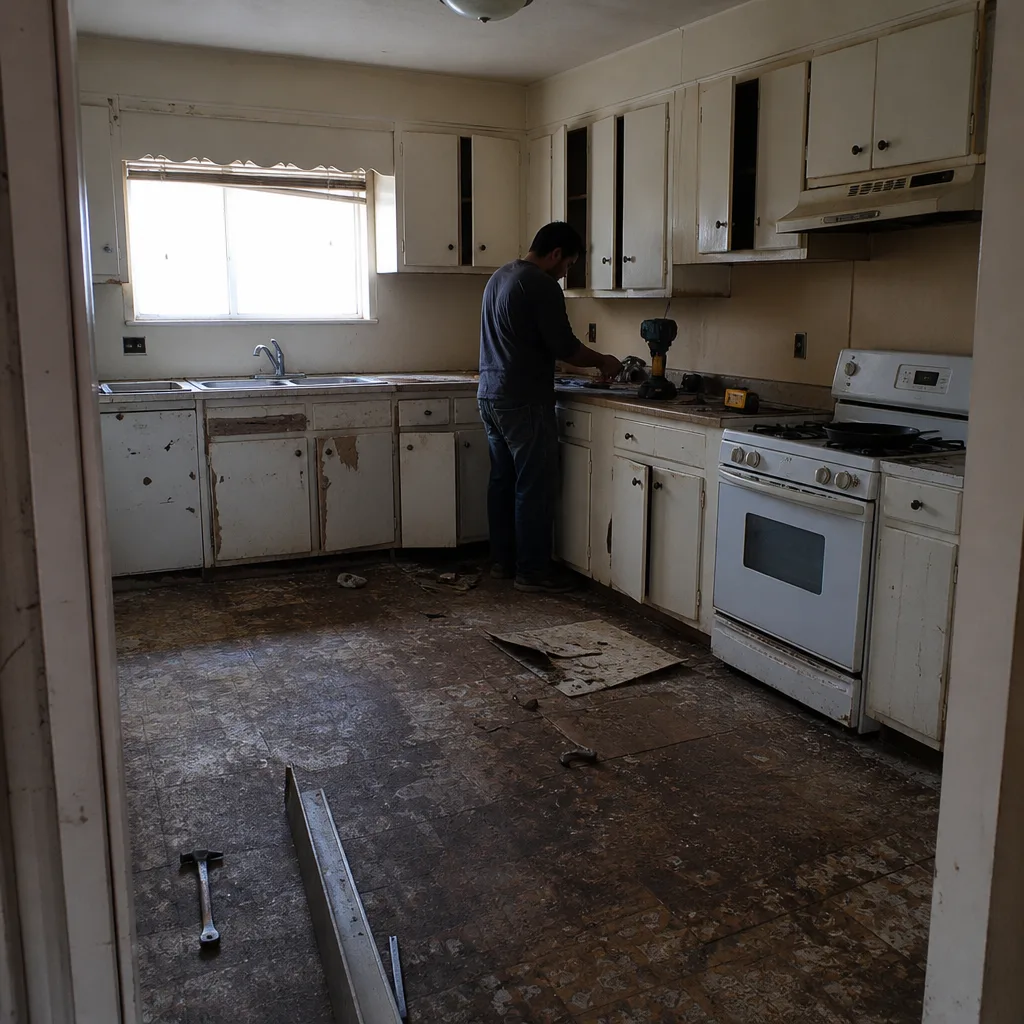 Before
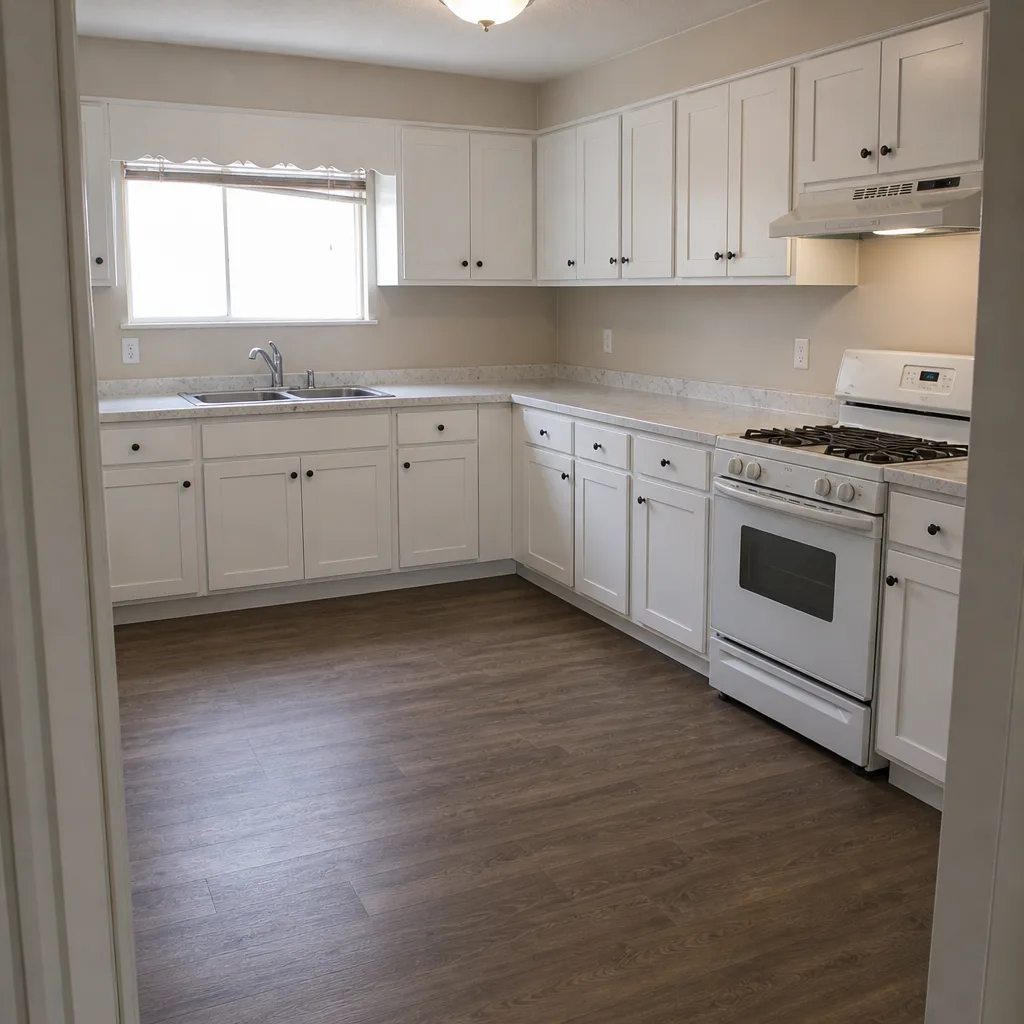 After
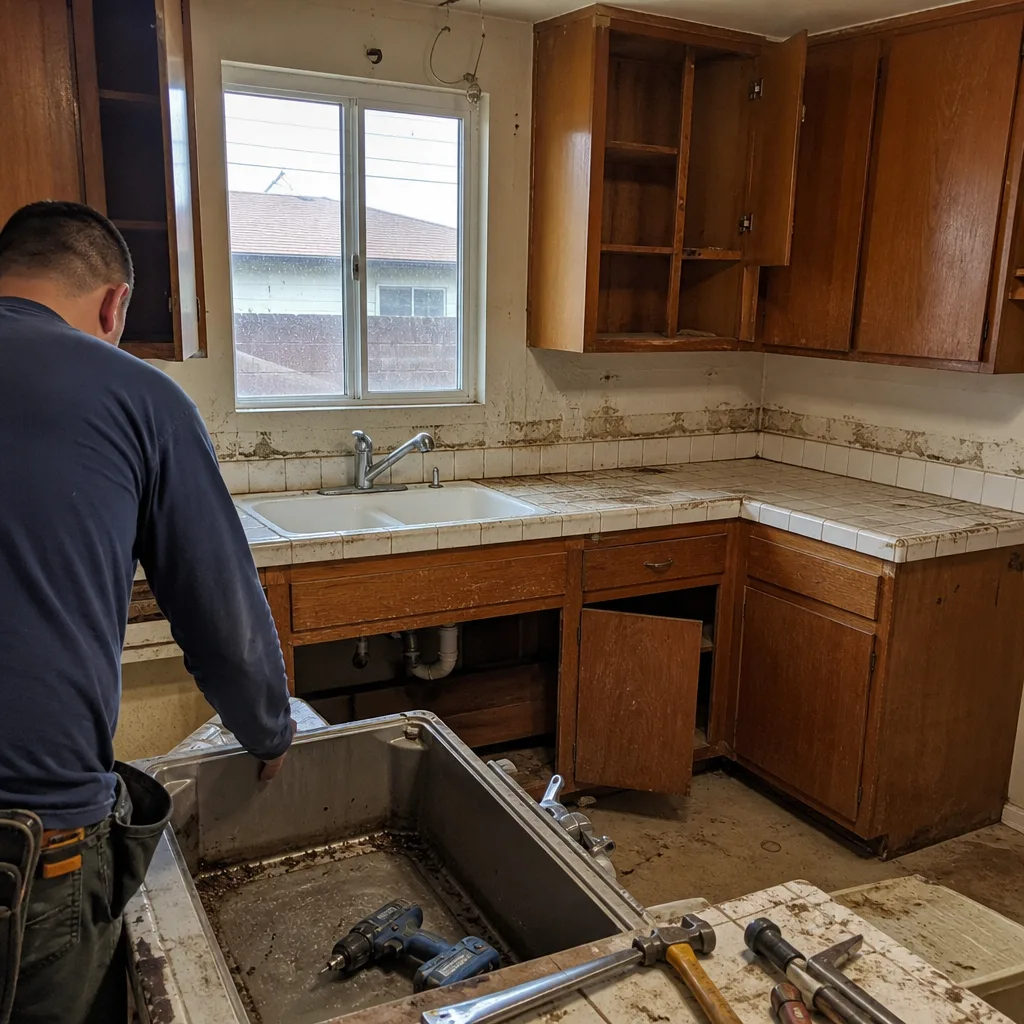 Before
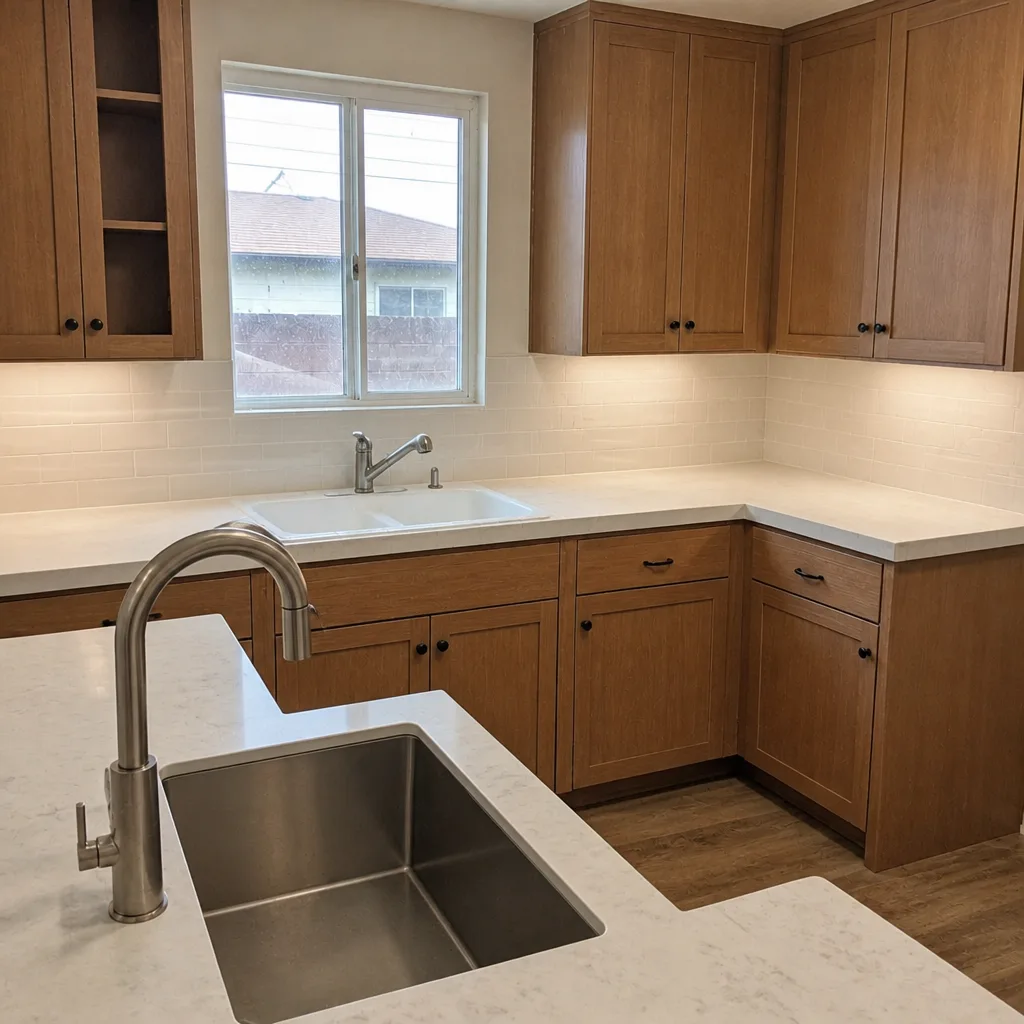 After
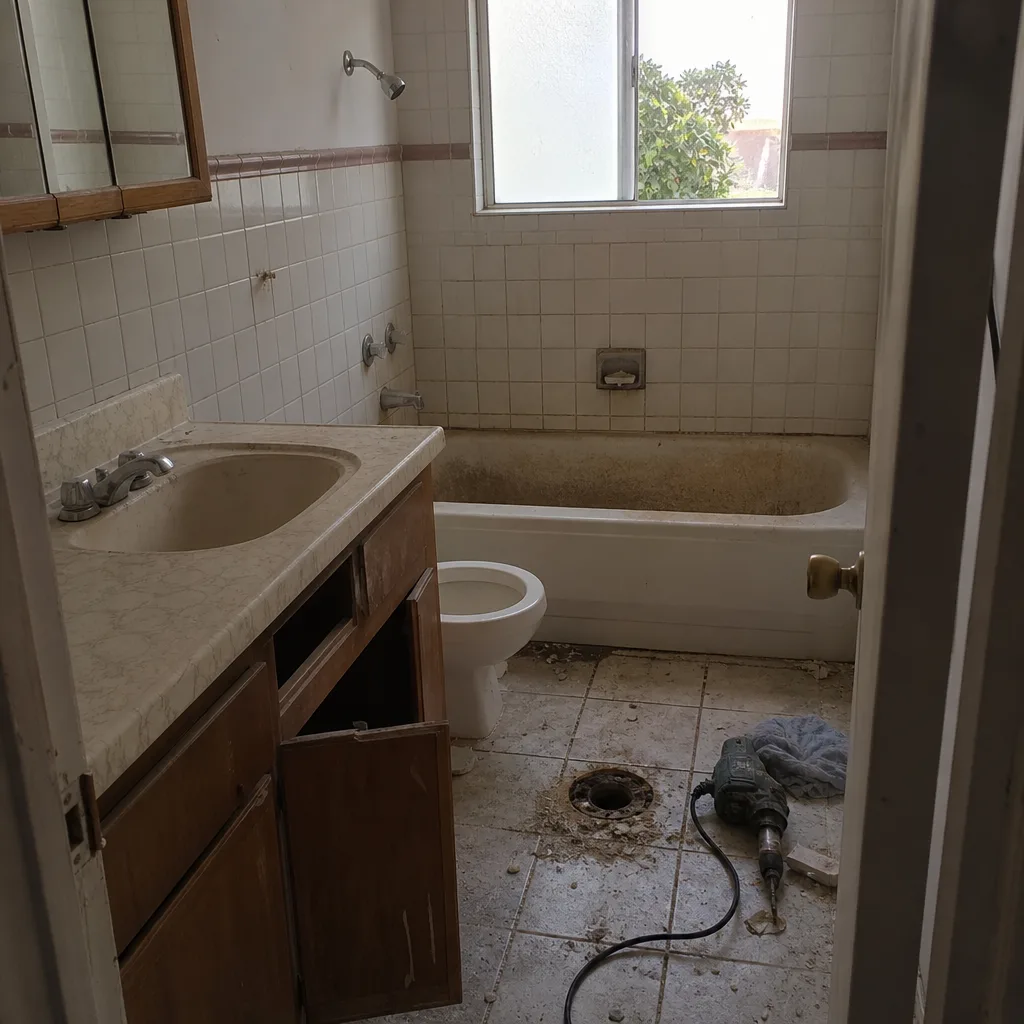 Before
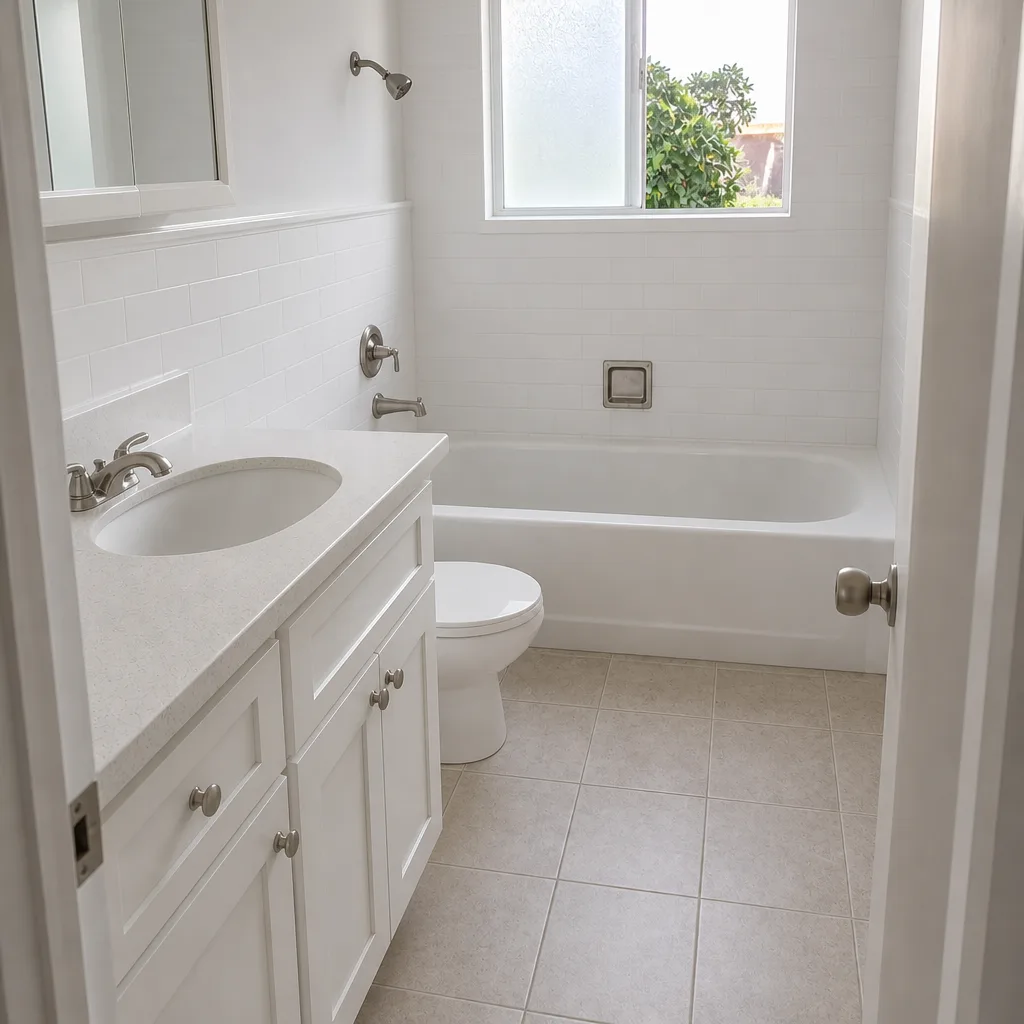 After
How Custom Windows Are Made – And Why It Matters for Inglewood, CA Homes
Custom windows are made by milling or extruding a frame to a specified dimension, building an insulated glass unit (IGU) from cut glass, spacer bar, desiccant, and gas fill, then fabricating sashes, setting hardware, and running quality control – all to tolerances as tight as ±1/16 inch. Here in Inglewood, CA, that factory process determines whether a window survives two years or twenty in marine-layer air, salt-laden onshore wind, and the out-of-square rough openings common to pre-1950 bungalows. Call (833) 842-7204 and we’ll walk you through the spec before anything is ordered.
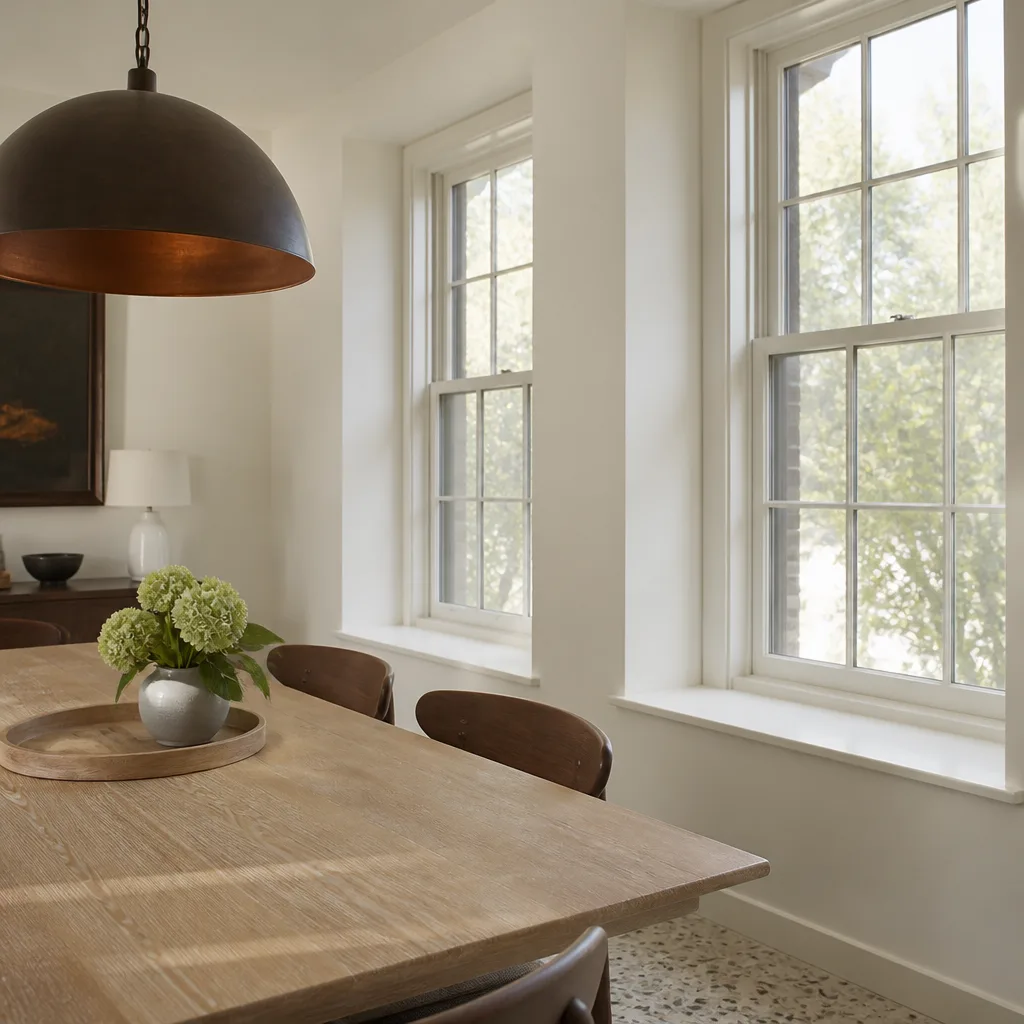
What actually happens between the order and the truck: the manufacturing sequence
Most homeowners see the finished unit and never think about what came before. The order of operations is where performance gets decided. At every stage, the choice made in the factory has a coastal consequence down the line.
- Frame milling or extrusion. Vinyl gets extruded; wood and fiberglass get milled; aluminum gets extruded and thermally broken. Andersen and Marvin units are cut to the tolerances specified on the order, which is why the measurement has to be right the first time.
- IGU assembly. Two panes are cut, cleaned, and joined to a spacer bar. The perimeter seal is applied in two stages – primary sealant and secondary sealant – because one barrier alone will not hold a vacuum-tight cavity over years of thermal cycling.
- Spacer bar selection. This is the single most underrated spec on the sheet. Aluminum spacers conduct heat and cold straight across the edge. Warm-edge spacers (stainless, hybrid, or non-metal) cut that conduction path and keep the glass edge closer to room temperature, which limits condensation on a cool Inglewood morning.
- Gas fill. Argon is the standard fill and suits a mild, marine-moderated climate well. Krypton costs more and is only worth it in very thin cavities.
- Sash fabrication and hardware. Sashes, frames, locks, and operators are fitted. The hinge and lock alignment is what determines whether the window seals tight enough to actually perform.
- QC. Spacer integrity, gas concentration, glazing, and dimensional check. This is the step that separates a premium brand from a bargain one.
Why the seal matters more on the flats than most of LA
Walk a block west of Prairie Avenue and you’ll notice it: the marine layer sits heavier here, and exposed metal on older homes corrodes faster than in dryer parts of the basin. That air works its way into the wrong parts of a window. Inside the spacer bar sits a desiccant load – the beaded drying agent that absorbs whatever moisture gets past the primary seal. A quality IGU carries enough desiccant that a small intrusion over a decade goes unnoticed. A cheap one saturates in a few years, and the seal lets go.
That failure shows up as fogging between the panes, and it typically happens at the 3-to-5-year mark on a low-end unit rather than the 15-to-20-year window a well-built one delivers. For an Inglewood home, that difference is the whole game. It’s also why we lean on Andersen and Marvin for custom work – the seal engineering is already there, so you’re not gambling on it.
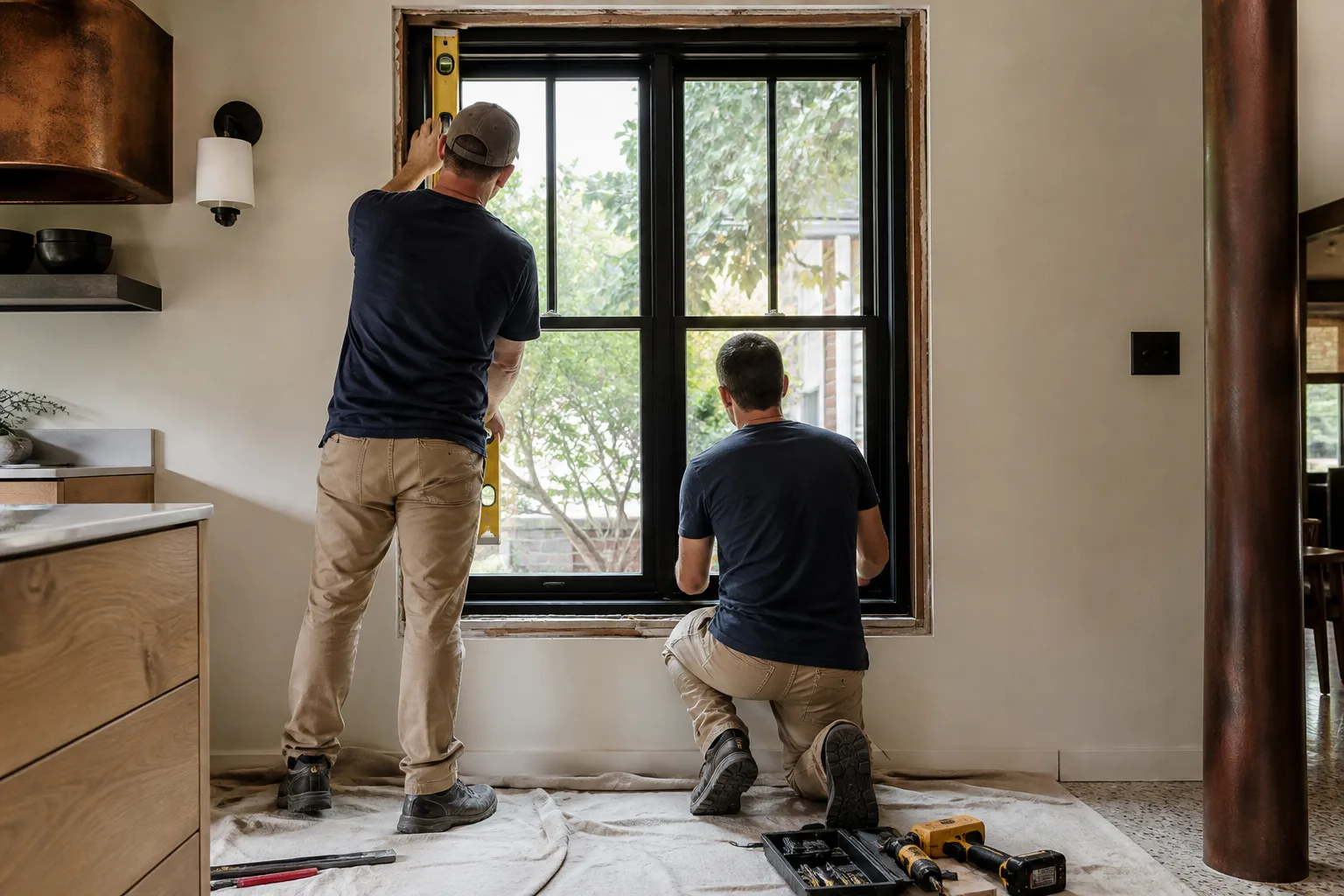
Stock windows, custom windows, and the out-of-square reality of an Inglewood rough opening
A “stock” window is built to a nominal size – something like 36 x 60 – and rarely fits a pre-1950 bungalow rough opening without modification. Old framing is out of square, studs have moved, and openings have been patched across decades. This isn’t a defect. It’s normal for a house built between 1920 and 1950, and Inglewood is full of them.
Here’s what the manufacturing tolerance actually buys you. A custom Andersen or Marvin window is made to ±1/16 inch on the spec’d dimension. So when the rough opening is a quarter-inch wide on one corner, that doesn’t disqualify a custom order – a skilled installer shims and flashes to the real opening and sets a window that was made to the real spec. A stock retrofit just doesn’t have that flexibility. It either fits or it doesn’t, and “almost fits” is how you end up with a draft that no amount of caulk will fix.
This is one reason a single Windows & Doors conversation covers measurement, glazing package, hardware, and installation sequence together instead of treating them as separate purchases.
Factory finish vs. field paint: the difference you find out about at year three
Andersen’s and Marvin’s factory-applied exterior finishes are baked on and salt-tested. Field-painted windows installed in Inglewood’s marine air are a moisture-performance liability most homeowners only discover a few years in, when the paint around the sill starts blistering and the wood underneath has already begun to soften. Two things happen. The coat that went on at the factory is a bonded finish, not a skin. And the salt testing is measured, not asserted. If you’ve ever wondered why two windows at the same price point feel so different ten years later, this is it.
How our brand partnerships fit the custom process
Groundwork Construction Co. of Inglewood handles the specification – size, glazing package, finish, hardware – as part of the project scoping conversation, not as an afterthought tacked on at the end. You choose the variables before the order goes in, not after. Every installed unit is covered by our 730-Day Done Right Promise, which runs through the initial failure-risk window for IGU performance and seal integrity. That covers the period when a bad batch actually reveals itself.
For a home that’s also getting a driveway or patio refreshed while the windows are out, we work with Belgard and Unilock on the hardscape side, so the whole exterior scoping happens in one pass.
FAQ
Plan on roughly 6 to 12 weeks for a full custom window order, depending on size, glazing package, and current factory backlog; installation itself usually takes one to two days for a typical Inglewood house. If you’re scheduling around work or a tenant, the order lead time is the number to anchor to. Call (833) 842-7204 and we’ll give you a real timeline on your specific spec – estimates are free.
Custom windows are typically worth it in Inglewood once your rough opening is out of square or your house is pre-1950, because stock units almost never fit cleanly and the retrofit costs stack up. Window replacement runs $4,500 to $15,000 in this market, and impact window installation runs $8,000 to $25,000, which gives you a sense of the gap between a straightforward retrofit and a full custom spec. For a house on the flats with years of deferred maintenance on the envelope, custom is often the cheaper path long-term.
Yes – that’s exactly what custom manufacturing is for. The rough opening gets measured, the window is built to ±1/16 inch on that dimension, and the installer shims and flashes to the real opening. A skilled installer is the other half of the process; the tolerance only pays off if the set is done right. We’ll assess your openings during a no-pressure estimate.
Check the spacer type (warm-edge over aluminum), the gas fill (argon is right for Inglewood’s mild climate), the finish (factory-applied, not field-painted), and the brand’s seal warranty. Bring the spec sheet to the estimate and we’ll walk through it together. A quick call to (833) 842-7204 is the fastest way to start.
If you’d rather have it looked at
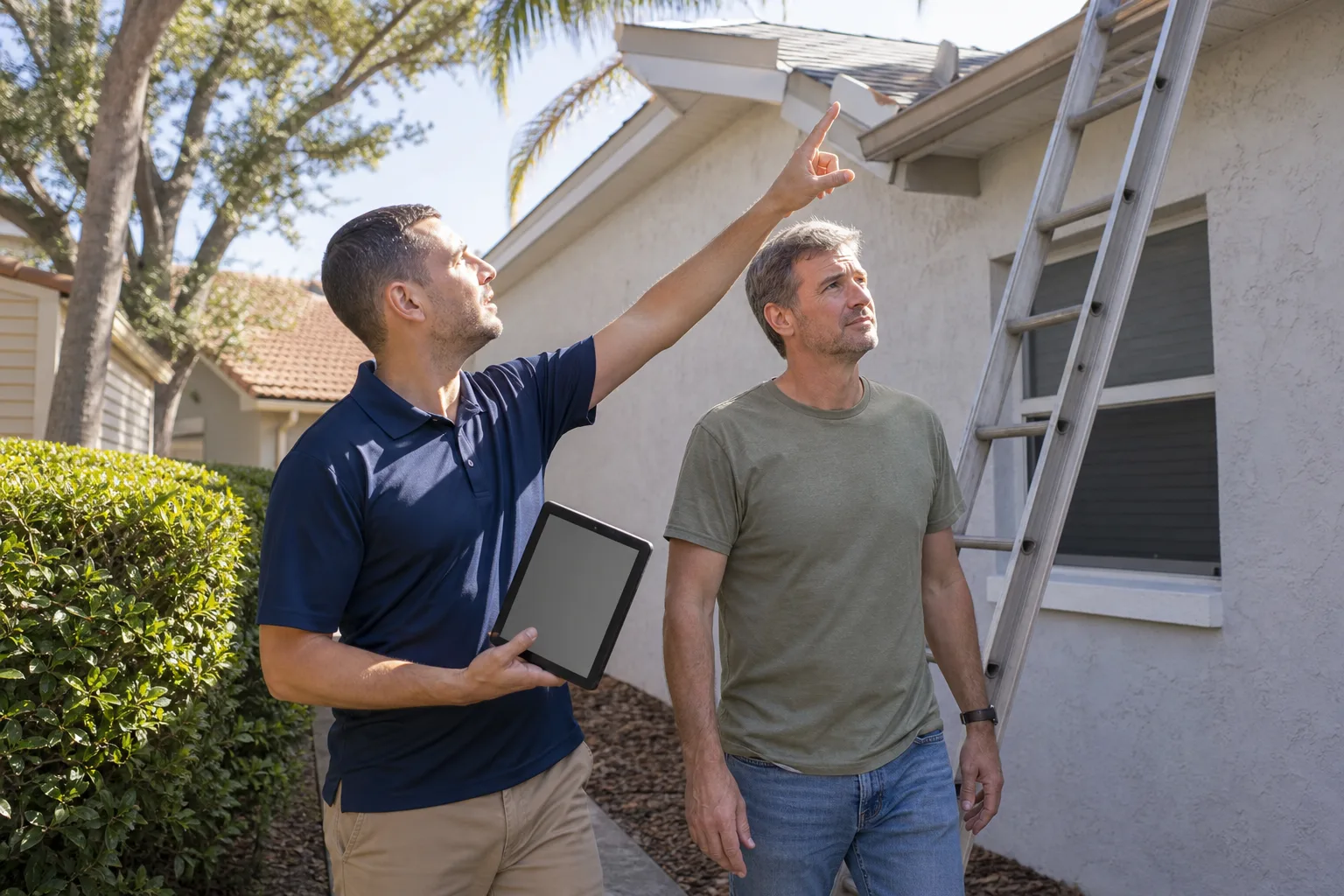
If you’d rather have it looked at, Groundwork Construction Co. of Inglewood offers a no-pressure assessment in Inglewood – call (833) 842-7204 for a free estimate. You’ll get a straight answer on whether your openings need custom windows or can take a stock retrofit, with upfront pricing and no surprises.
Written by the team at Groundwork Construction Co. of Inglewood, serving Inglewood, CA.