Free written scope consultation - allowances, timeline, and change-order rules on paper before a single trade is scheduled
Styles & brands we work with
- Kitchen remodeling
- Bathroom remodeling
- Home additions & ADU
- Roofing
- Windows & doors
- Driveway & pavers
- Fence
See the difference
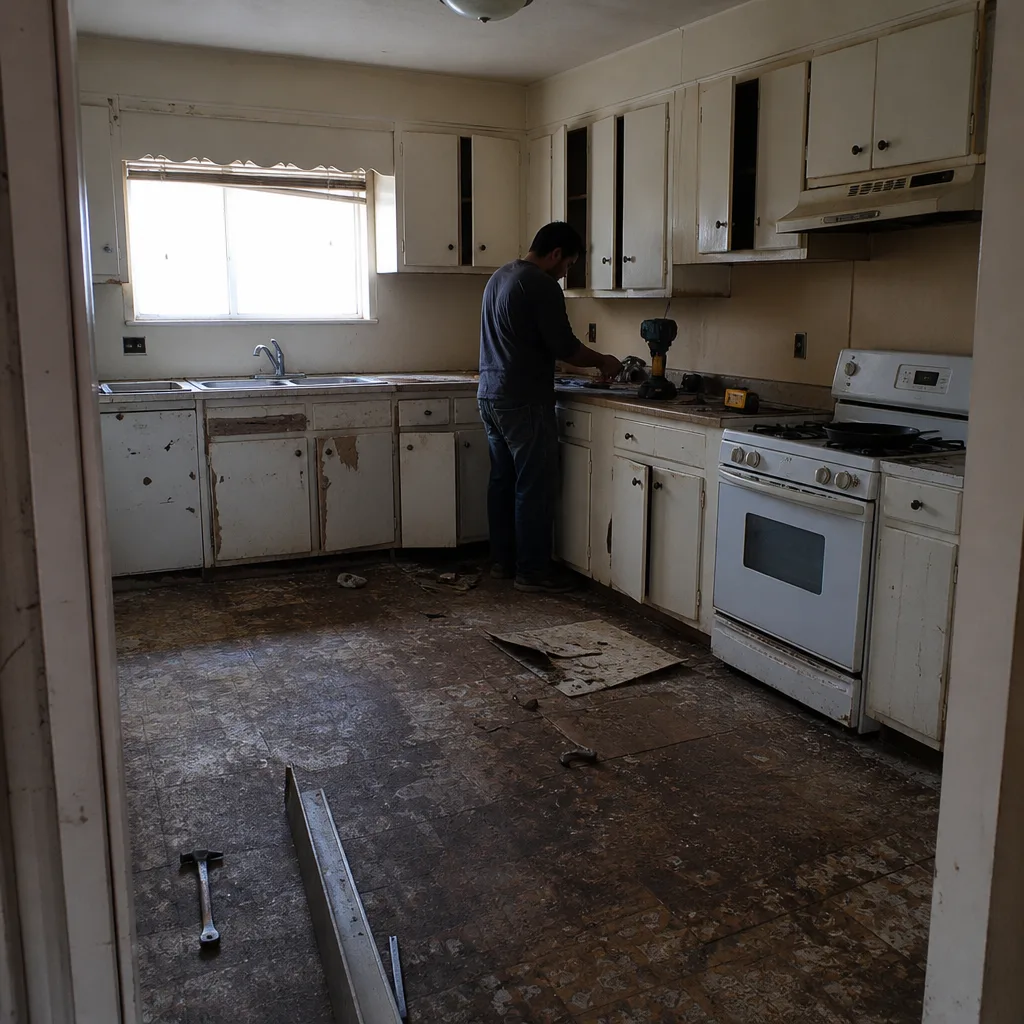 Before
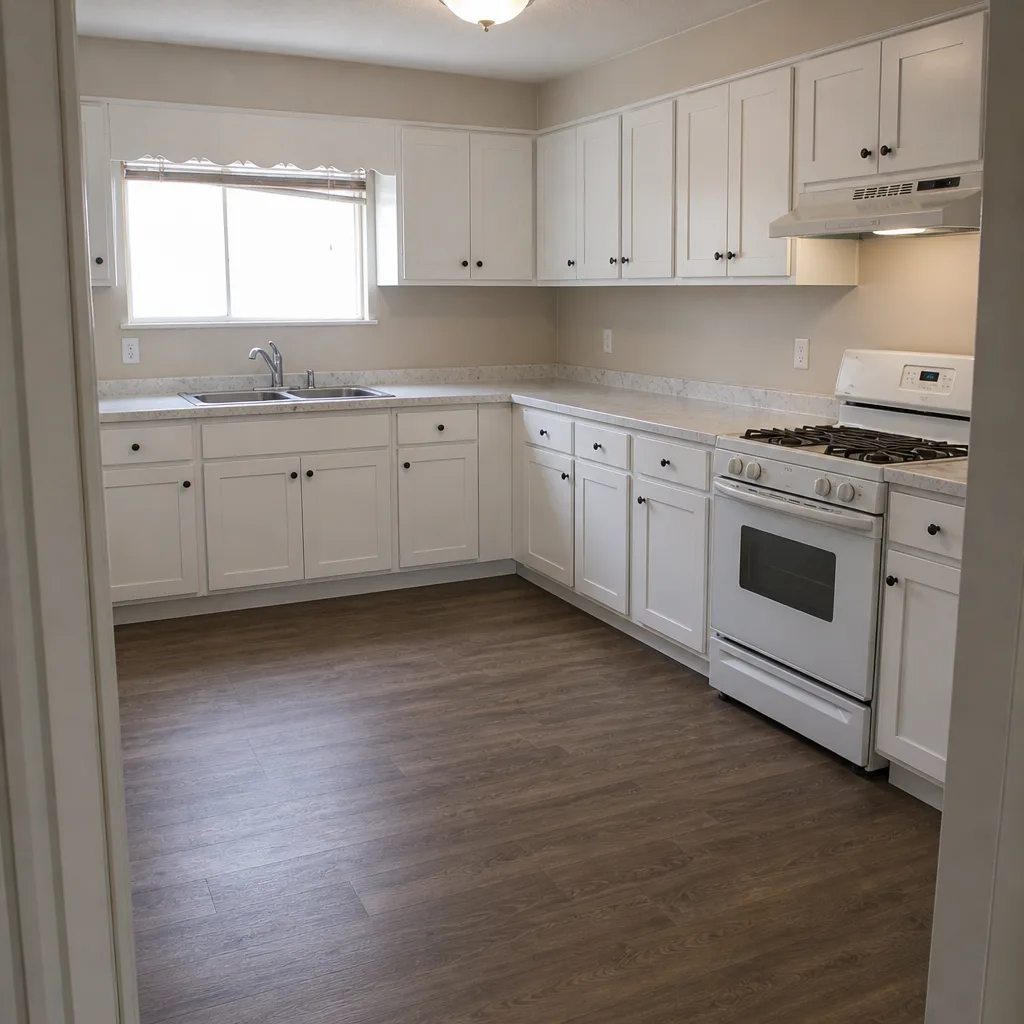 After
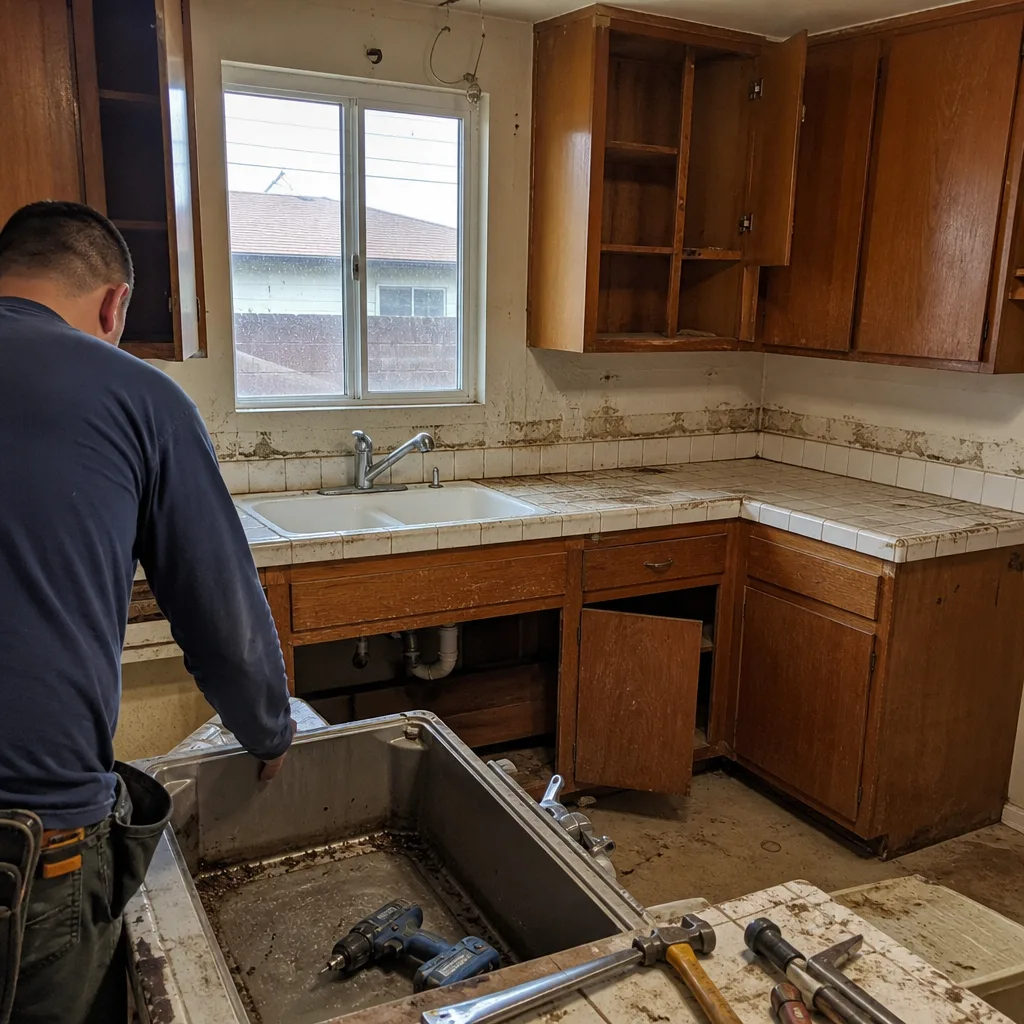 Before
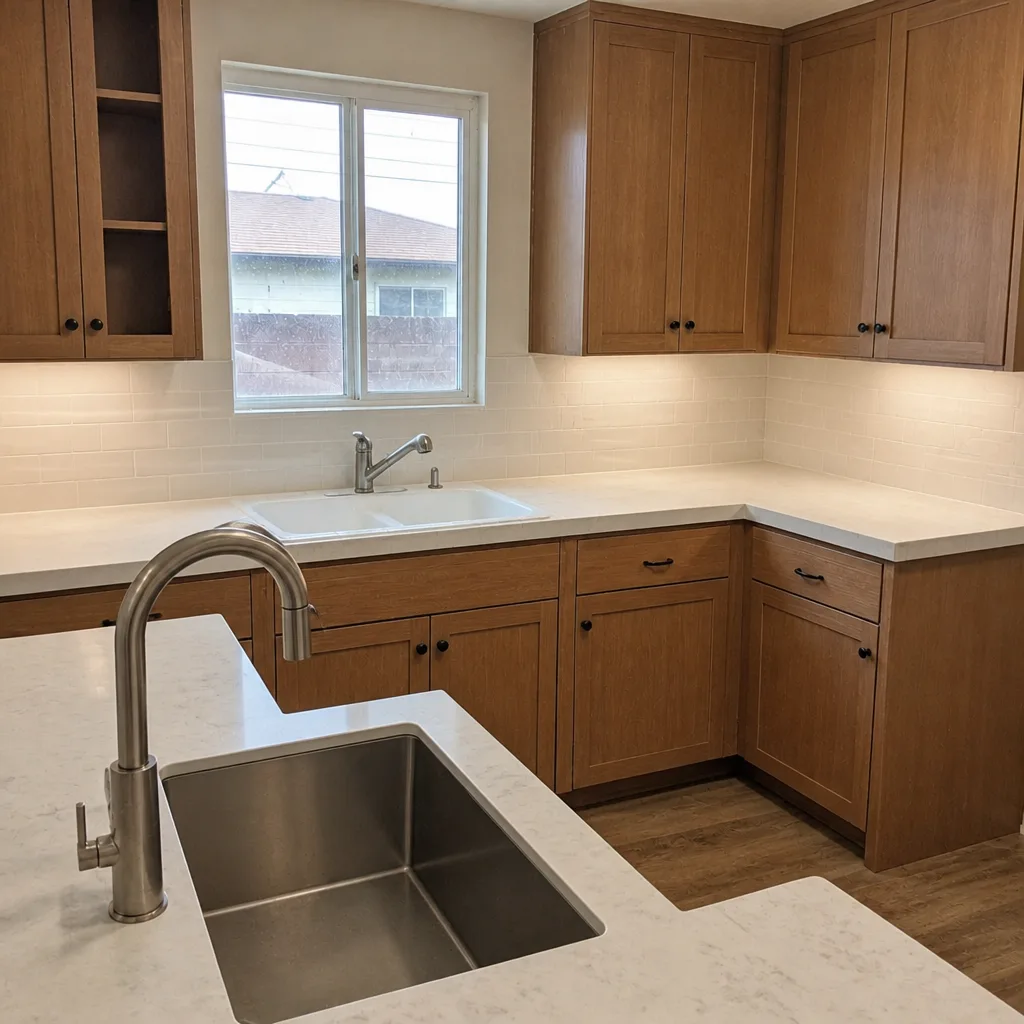 After
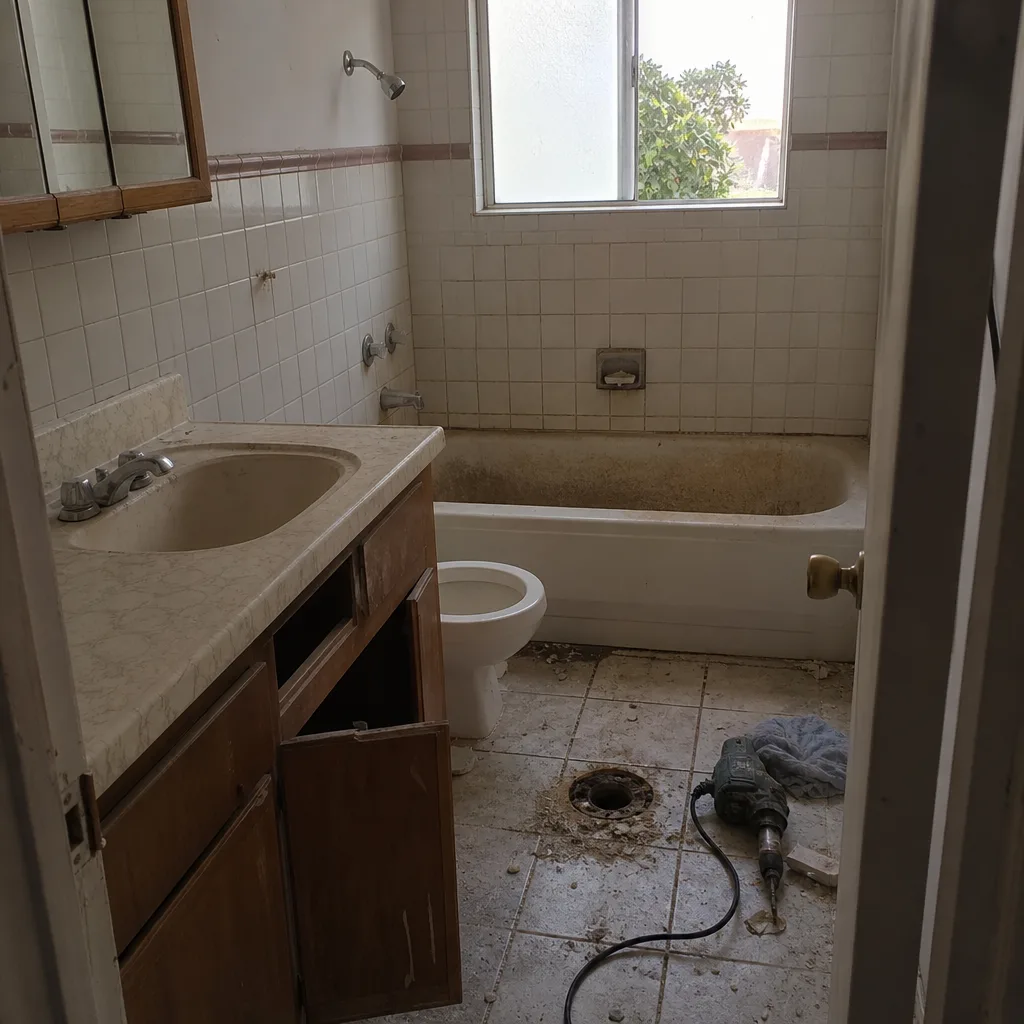 Before
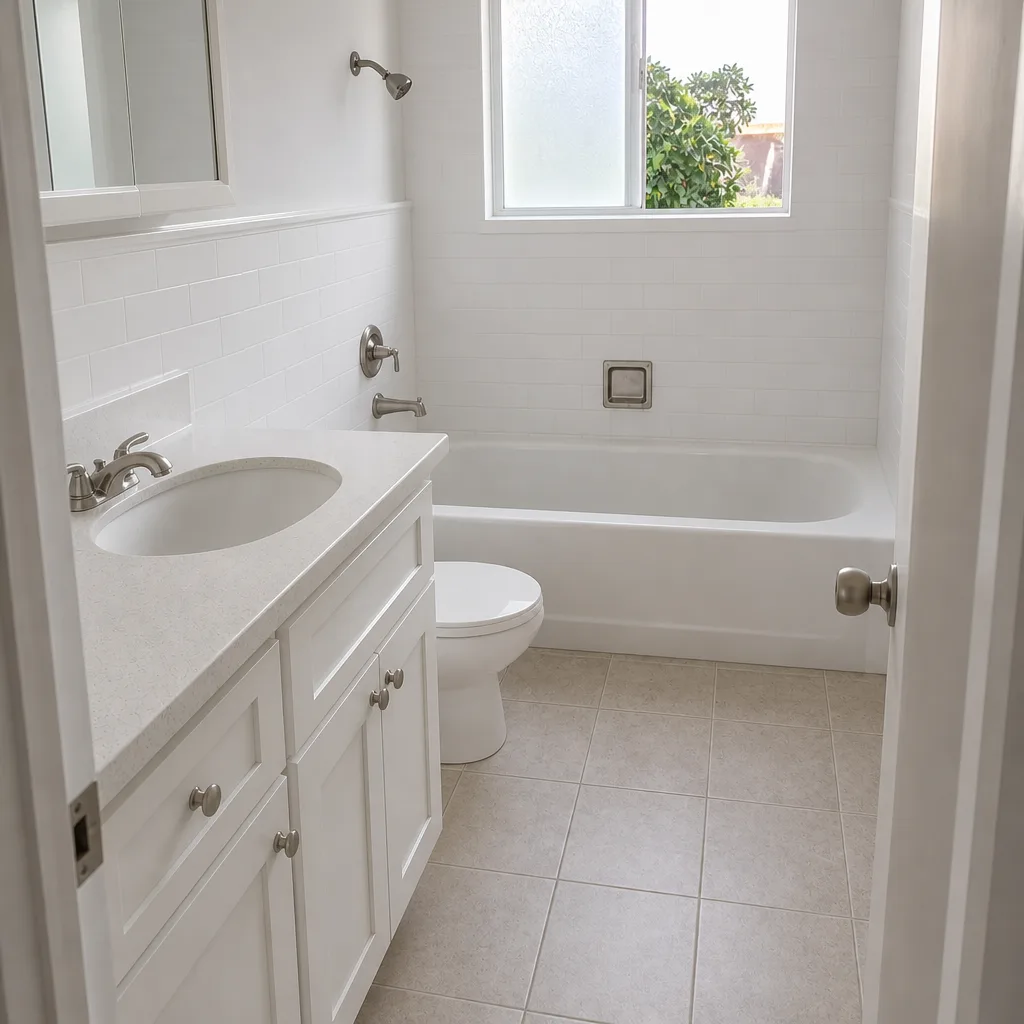 After
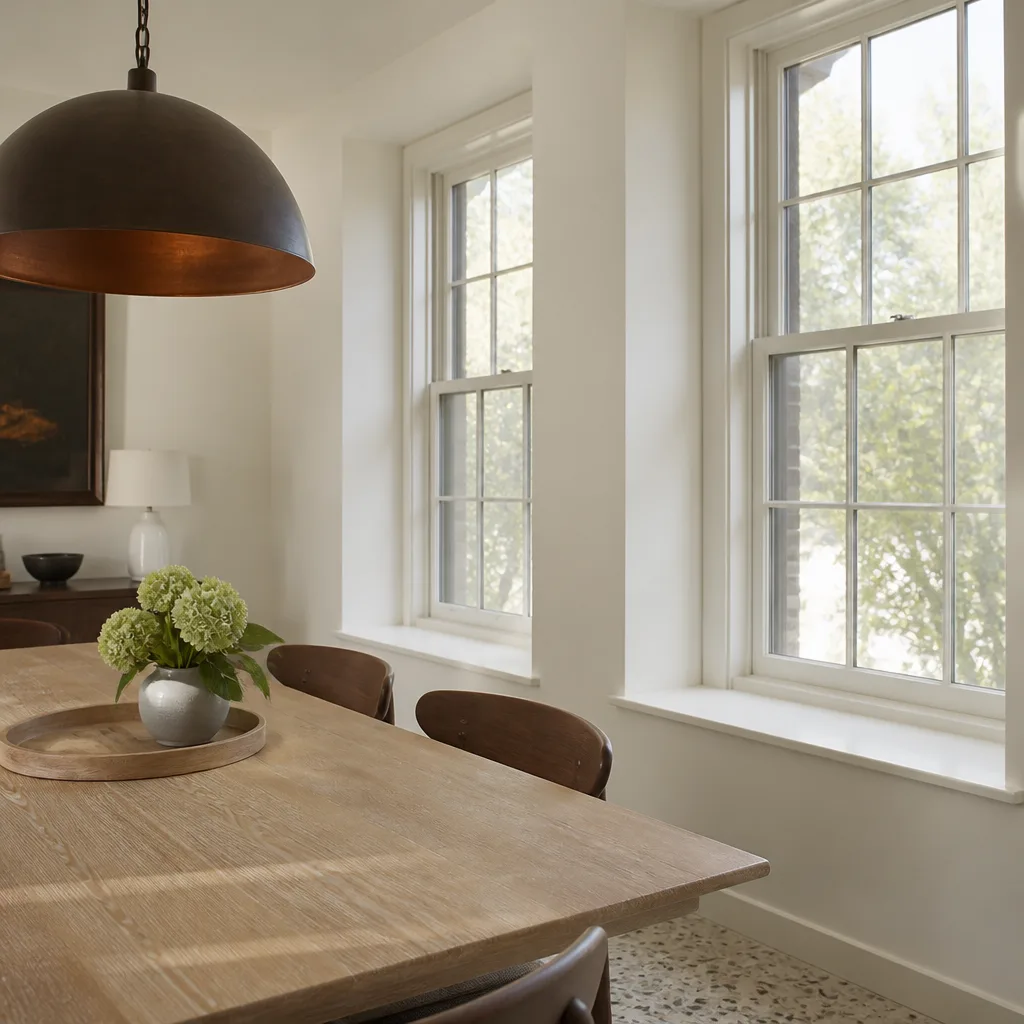
How to Measure a Window for Replacement in Inglewood, CA
Measure the rough opening in three places each way – top, middle and bottom for width, left, center and right for height – then run the diagonal check, corner to corner both ways. If those two diagonals differ, the opening is racked, and no stock window will seal in it. That’s the short answer for a modern, square opening. For an Inglewood bungalow built before 1955, the standard “measure width at three heights” guide will get you a window that doesn’t fit. Here’s why – and what to measure instead. If you’d rather skip the tape measure, call (833) 842-7204 and we’ll assess it in person.
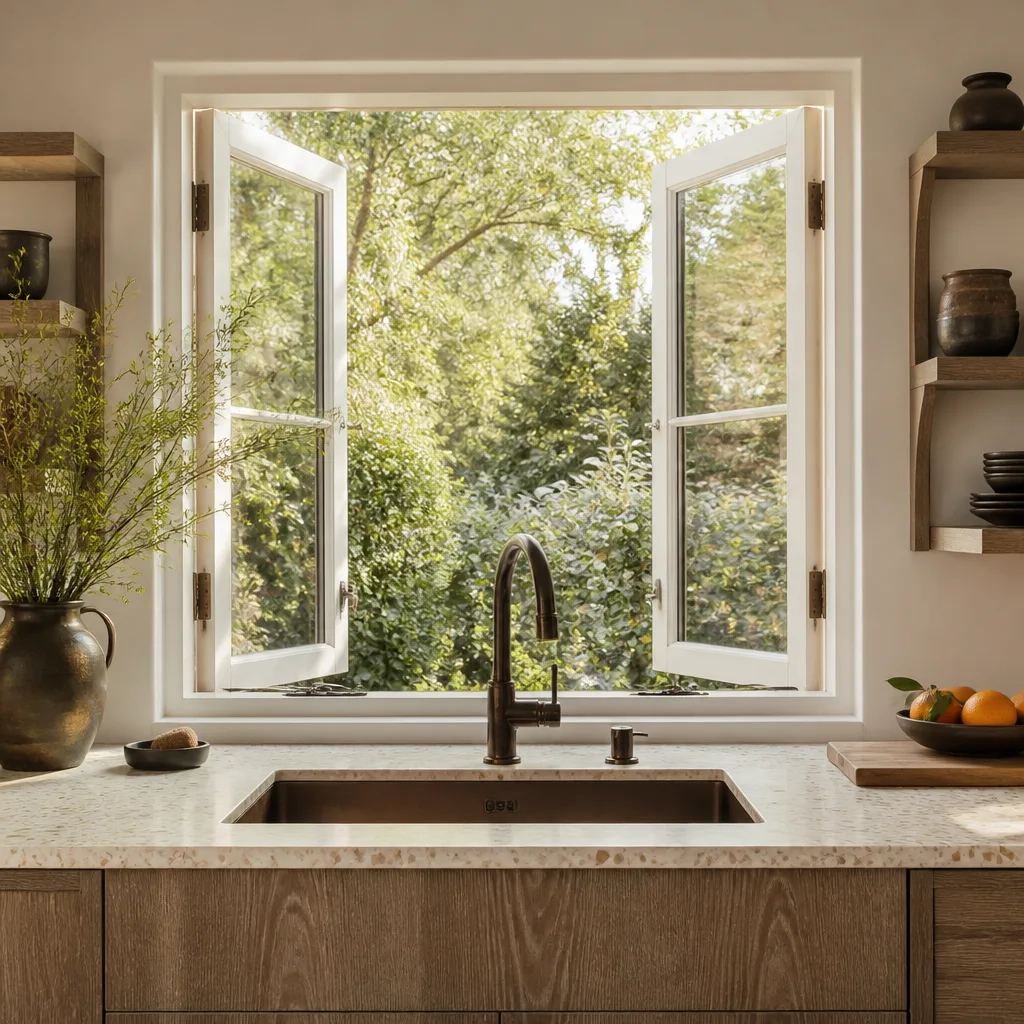
Why the standard measuring guide fails on Inglewood’s older bungalows
Walk any block of the flats west of Prairie Avenue and you’ll see the same thing house after house: 1920s to 1950s single-family bungalows and small stucco duplexes on tight lots. A lot of them still hide original knob-and-tube wiring and 1950s tar-paper roofing under newer layers, because they’ve never had a permitted addition. The framing underneath is just as original. Balloon framing and early platform framing from that era doesn’t settle evenly. It racks. A corner drops a half inch, a sill bows, and sixty-plus years of marine-layer moisture cycling through the stucco does the rest.
The result is a rough opening that’s out of square in two planes at once. Patching stucco over the decades makes the visible frame look plumb when it isn’t. Measure that opening the generic way – one width, one height – and you order a unit sized to a rectangle that doesn’t exist in the wall. It arrives, it doesn’t seat, and the delivery day surprise begins.
That’s not an Inglewood-only problem – older LA basin housing has it everywhere. But a city dominated by pre-1950 single-family stock, sitting a few miles from the $3 billion venues around SoFi Stadium and the Intuit Dome, has a lot of it. Old Inglewood and event-district Inglewood share the same few square miles, and the older half is where window replacement gets tricky.
Insert replacement vs. full-frame replacement: which one your opening calls for
There are two ways to replace a window, and the measurement you take depends entirely on which one you’re doing.
- Insert (pocket) replacement fits a new sash and frame inside the existing window frame. You measure the inside of the old frame, and the new unit is slightly smaller so it seats into the pocket. Fast, less exterior disruption, but it only works when the existing frame is sound and square.
- Full-frame replacement pulls the entire window and frame out to the rough opening and installs a new unit with new flashing and exterior trim. You measure the rough opening itself. More work, better long-term sealing, and the only reliable option when the frame is rotted, out of square, or sitting in stucco that’s been patched and re-patched.
On Inglewood’s older stock, the full-frame approach is the common one. Insert replacement assumes a plumb, square, sound pocket. Decades of foundation movement and stucco patching usually take that assumption off the table.
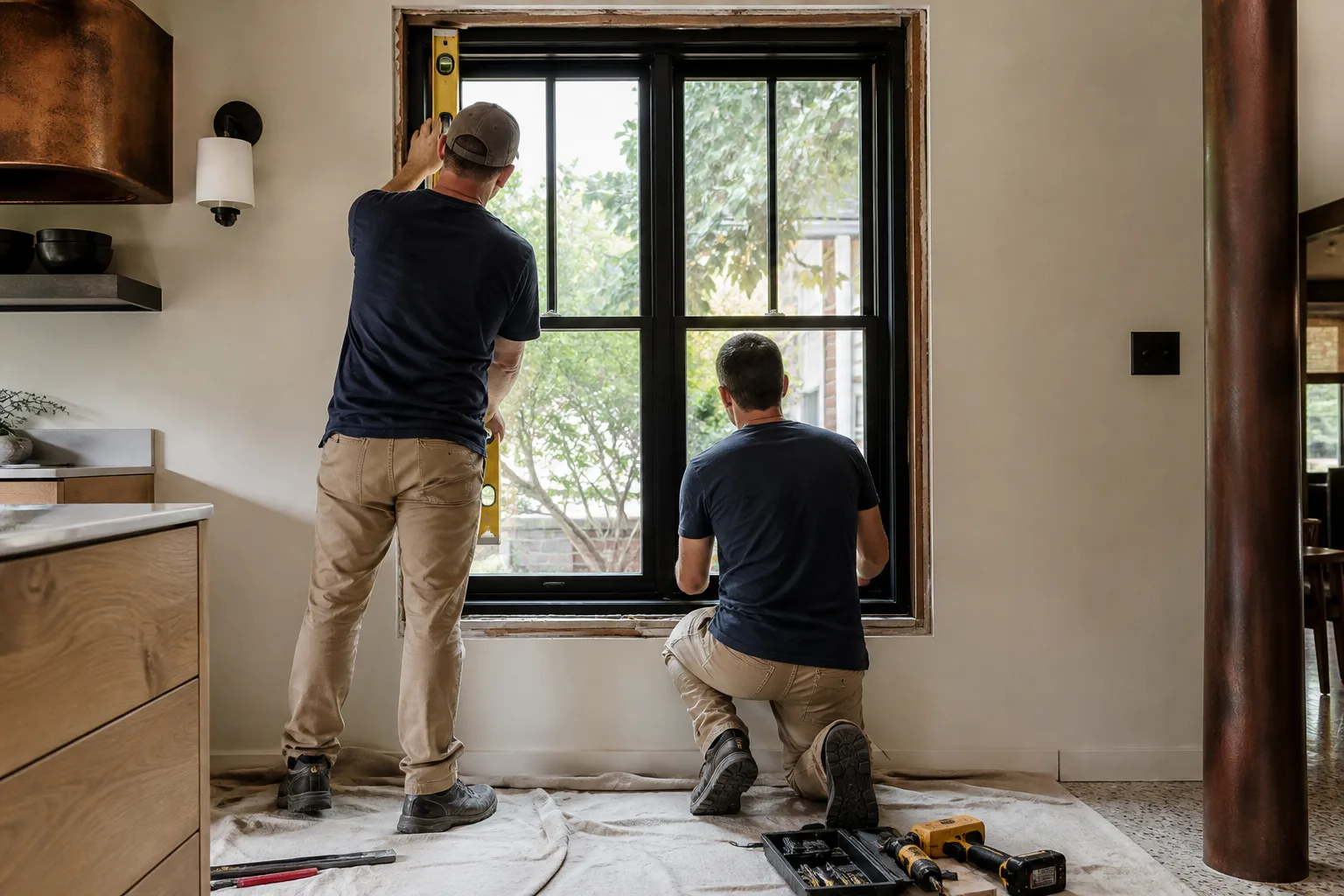
Do the diagonal check – the step generic guides skip
Here’s the measurement no how-to article puts front and center, and it’s the one that matters most in a racked opening. Measure corner to corner across the rough opening both ways. On a square opening, the two diagonals match or come within about an eighth of an inch. On a racked opening, they won’t.
What that difference tells you: a stock window sized to the width and height won’t seal, because the opening is a parallelogram, not a rectangle. Either the window gets custom-sized to the actual geometry, or the opening gets re-framed and re-squared before a standard unit will sit and seal properly. Skip the diagonal check and you find out the hard way on installation day. That’s why a rough-opening assessment happens before a price is committed.
Measuring stucco depth in a stucco-clad Inglewood home
Wood-frame and vinyl-sided homes don’t have this dimension. A stucco-clad bungalow does. In Inglewood, marine-layer moisture and salt-laden onshore air from the LAX direction work on stucco and exposed metal continuously, which means the window has to be sized to account for the stucco reveal depth and the flashing plane. Measure from the framing, not from the face of the stucco. Get that wrong and the new unit sits proud or recessed, the flashing plane doesn’t line up, and water finds the gap within a couple of seasons. That detail is absent from every generic measuring guide because most were written for siding.
Which way does the wall face? Title 24 changes the answer
California’s Title 24 energy code sets maximum U-factor and solar heat gain coefficient by orientation. A south- or west-facing window in Inglewood may need a different glazing spec than a north-facing window of identical physical size, because it takes far more solar gain and heat load. So measuring for replacement here isn’t just width and height. Note which compass direction the wall faces before you spec the glass. Measuring for a south wall the way you’d measure for a north wall can land you a unit that meets the size and misses the code. That’s where a trusted brand partner matters – Andersen, Pella, Marvin and similar lines let you match the right glazing spec to the orientation instead of taking whatever’s in stock.
What replacement windows run in Inglewood
Concrete ranges help you budget before anyone climbs a ladder. These are what we see for Inglewood homes, and an out-of-square opening needing custom sizing or re-framing lands toward the higher end.
| Scope | Typical range in Inglewood |
|---|---|
| Standard window replacement (insert or full-frame, typical opening) | $4,500-$15,000 |
| Impact window installation | $8,000-$25,000 |
| Custom sizing / re-framing for a racked opening | Adds to the above, quoted at assessment |
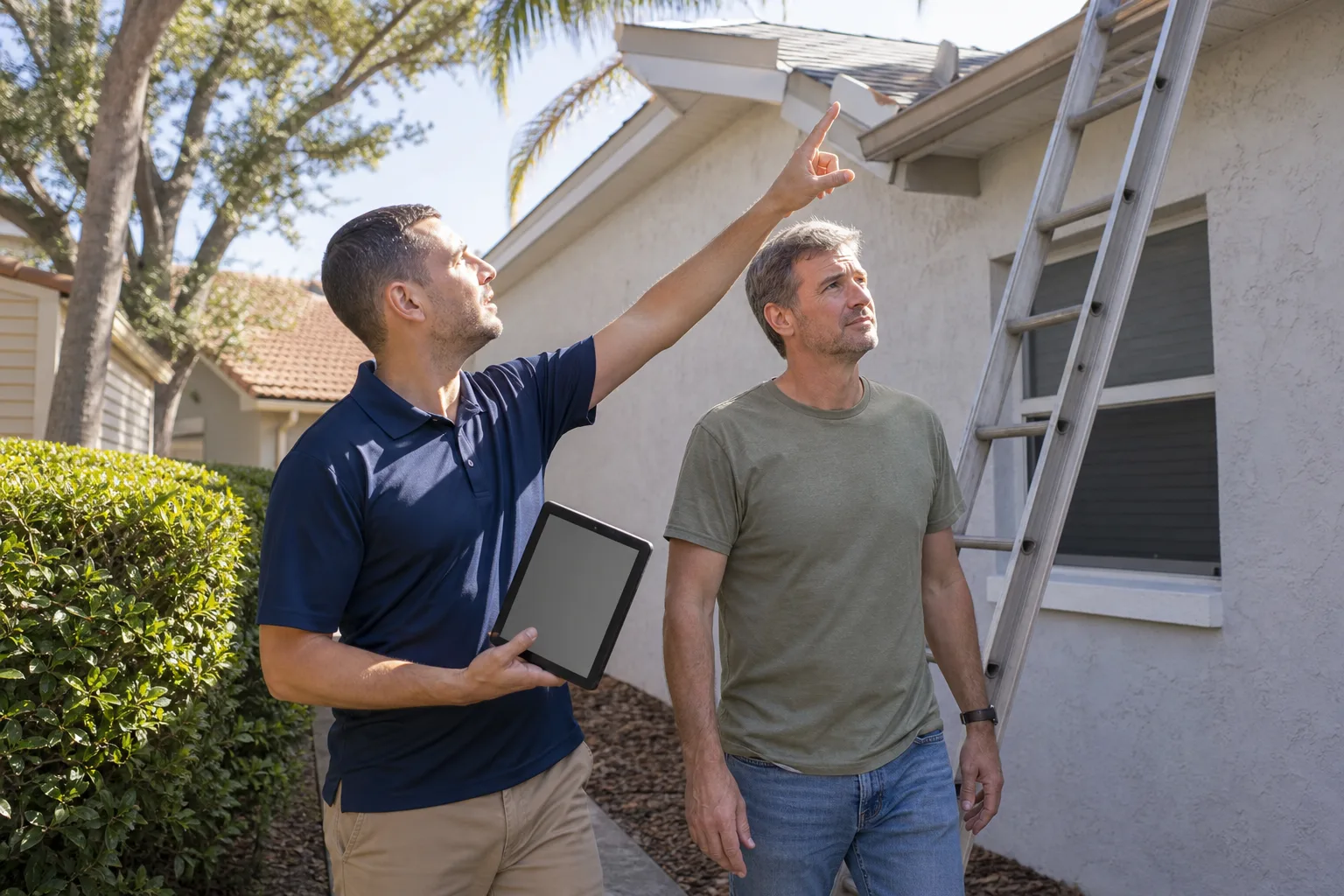
Every quote from us comes from a physical rough-opening assessment at each window before a number is committed. That’s what makes a written quote hold – the width, height, diagonals, stucco depth and wall orientation are all in hand before pricing, so it doesn’t blow up on delivery day the way phone quotes from other contractors do.
Key takeaways:
- Measure width at top, middle and bottom; height at left, center and right.
- Run the diagonal check both ways – a difference means a racked opening.
- In stucco homes, size to the framing and account for stucco reveal and flashing plane.
- Note which compass direction the wall faces for Title 24 glazing.
- Pre-1955 Inglewood bungalows usually need full-frame, not insert, replacement.
When the opening is racked, or you’re unsure whether it needs re-framing, that’s the point to bring in a pro rather than guess. Our technicians have up to 12 years of experience with exactly this kind of older housing stock, and every window job is backed by the 730-Day Done Right Promise – if it isn’t done right, we make it right.
FAQs
Measure the rough opening’s width at the top, middle and bottom, and its height at the left, center and right, then run corner-to-corner diagonals both ways. Use the smallest width and largest height to size the unit, and if the two diagonals differ, treat the opening as out of square and get it assessed before ordering. Diagonals that don’t match mean a stock window won’t seal. Call (833) 842-7204 for a free assessment if you’d rather have it checked.
Most pre-1955 Inglewood bungalows need full-frame replacement, because the original frames are rarely plumb or square after decades of foundation movement and repatched stucco. Insert replacement only works when the existing frame is sound and square. If the frame is rotted or racked, full-frame is the reliable route. Call (833) 842-7204 to have the opening assessed and the right approach priced – estimates are free.
Window replacement in Inglewood typically runs $4,500-$15,000, with impact window installation at $8,000-$25,000. A racked opening that needs custom sizing or re-framing pushes toward the higher end. Call (833) 842-7204 for an exact quote after a physical assessment – estimates are free.
Taking a single width and height and skipping the diagonals. A racked opening measures fine at the middle and fails at the corners, so the new unit won’t sit flush. Measure corner to corner both ways before you trust any number. Call (833) 842-7204 and we’ll verify it on site, free.
If you’d rather have it looked at, Groundwork Construction Co. of Inglewood offers a no-pressure assessment in Inglewood – we measure the rough opening, run the diagonals and check the stucco depth before any number is written. Our Windows & Doors work is backed by the 730-Day Done Right Promise, brand partners like Andersen, Pella and Marvin, and calls answered by a live person, 24/7. See our Inglewood service area for the neighborhoods we cover. Reach us at (833) 842-7204 for a free estimate.
Written by the team at Groundwork Construction Co. of Inglewood, serving Inglewood, CA.