



Free written scope consultation - allowances, timeline, and change-order rules on paper before a single trade is scheduled
Styles & brands we work with
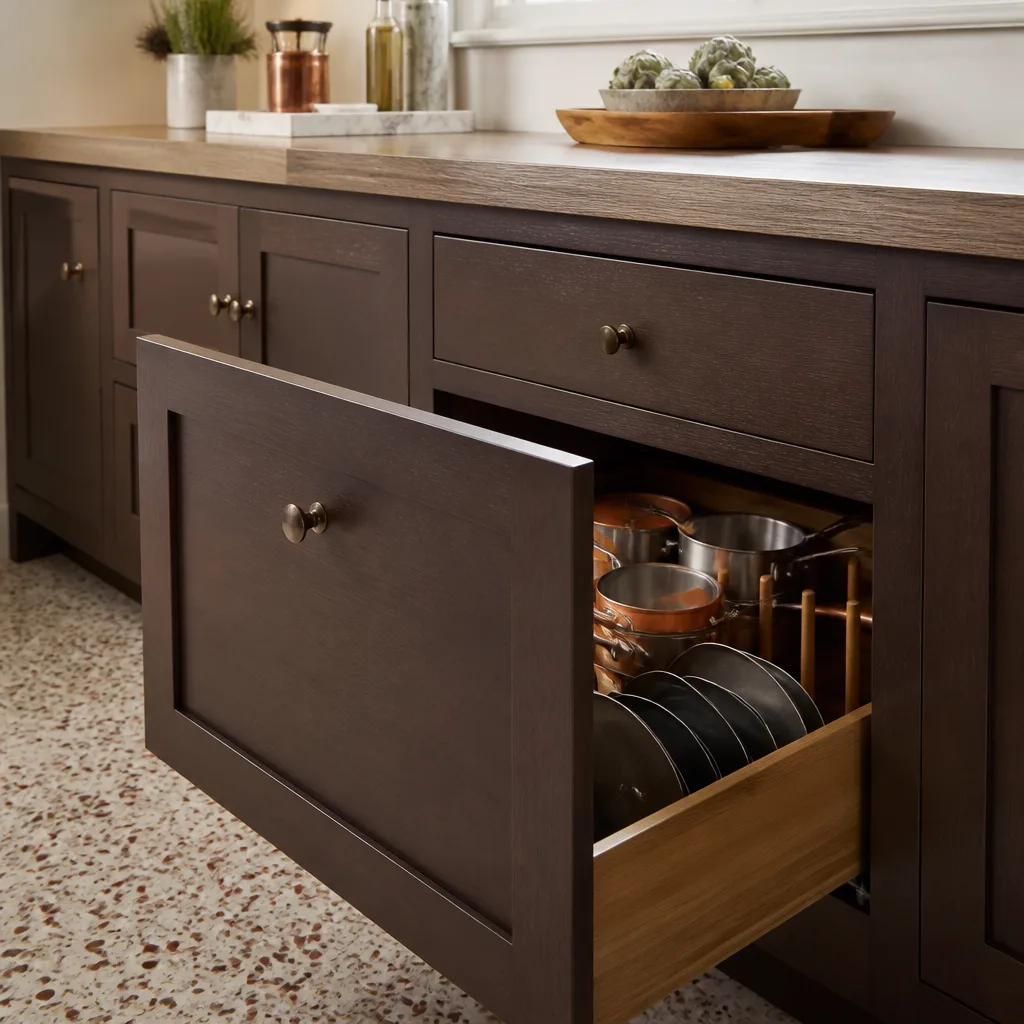
- Kitchen remodeling
- Bathroom remodeling
- Home additions & ADU
- Roofing
- Windows & doors
- Driveway & pavers
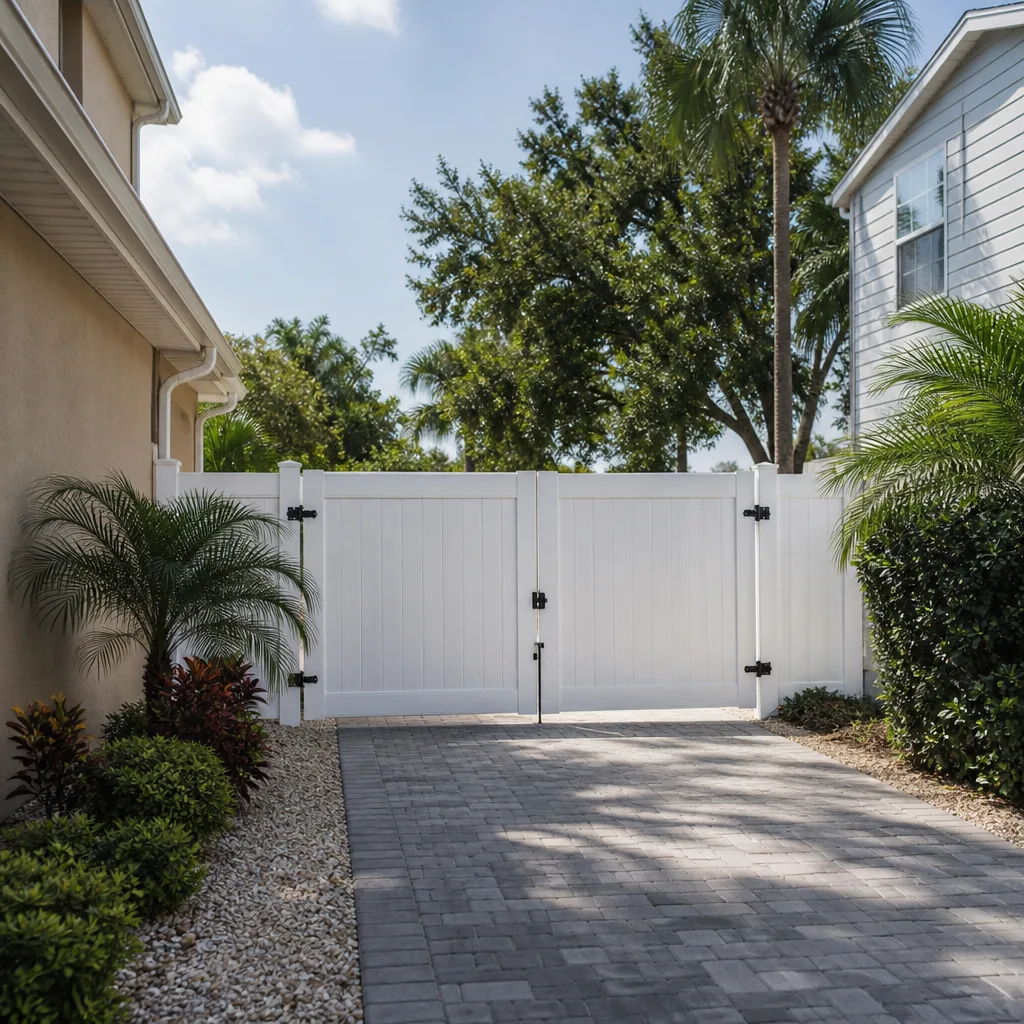
- Fence
See the difference
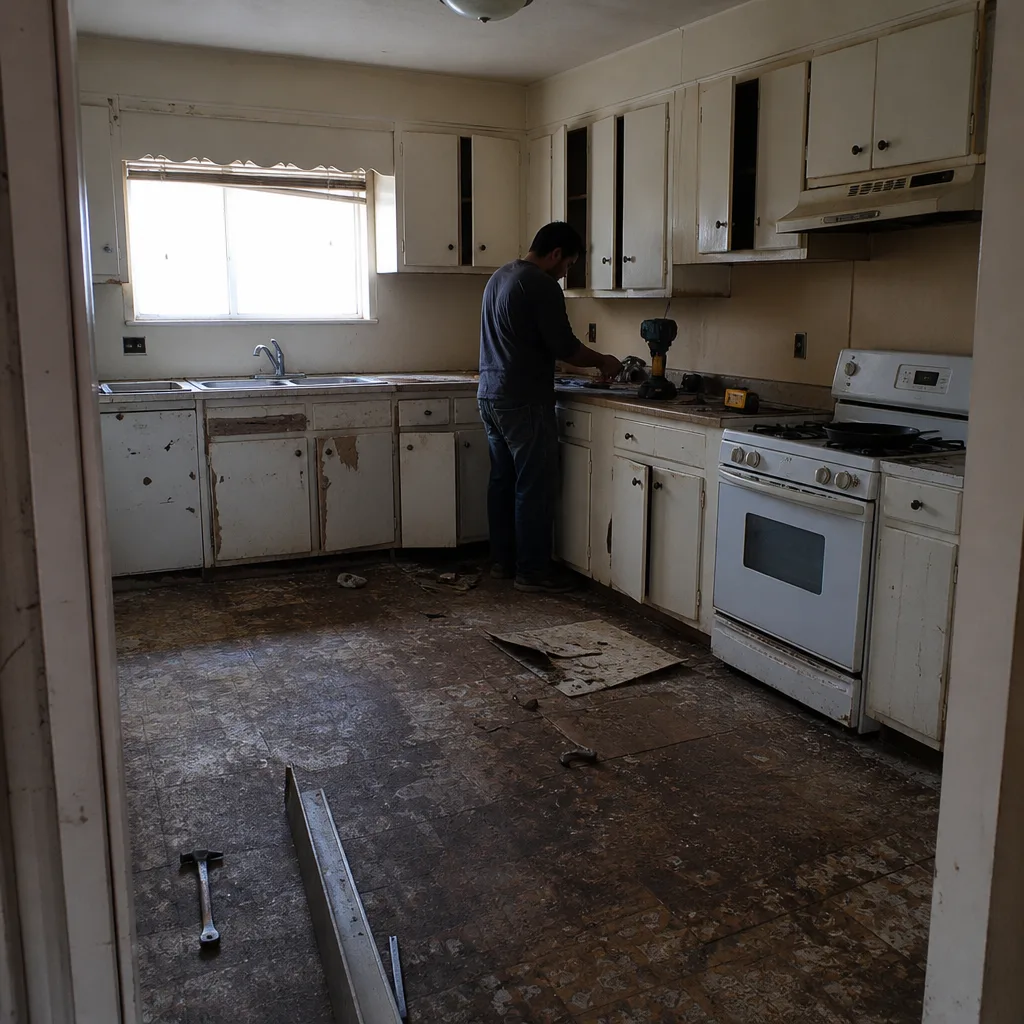 Before
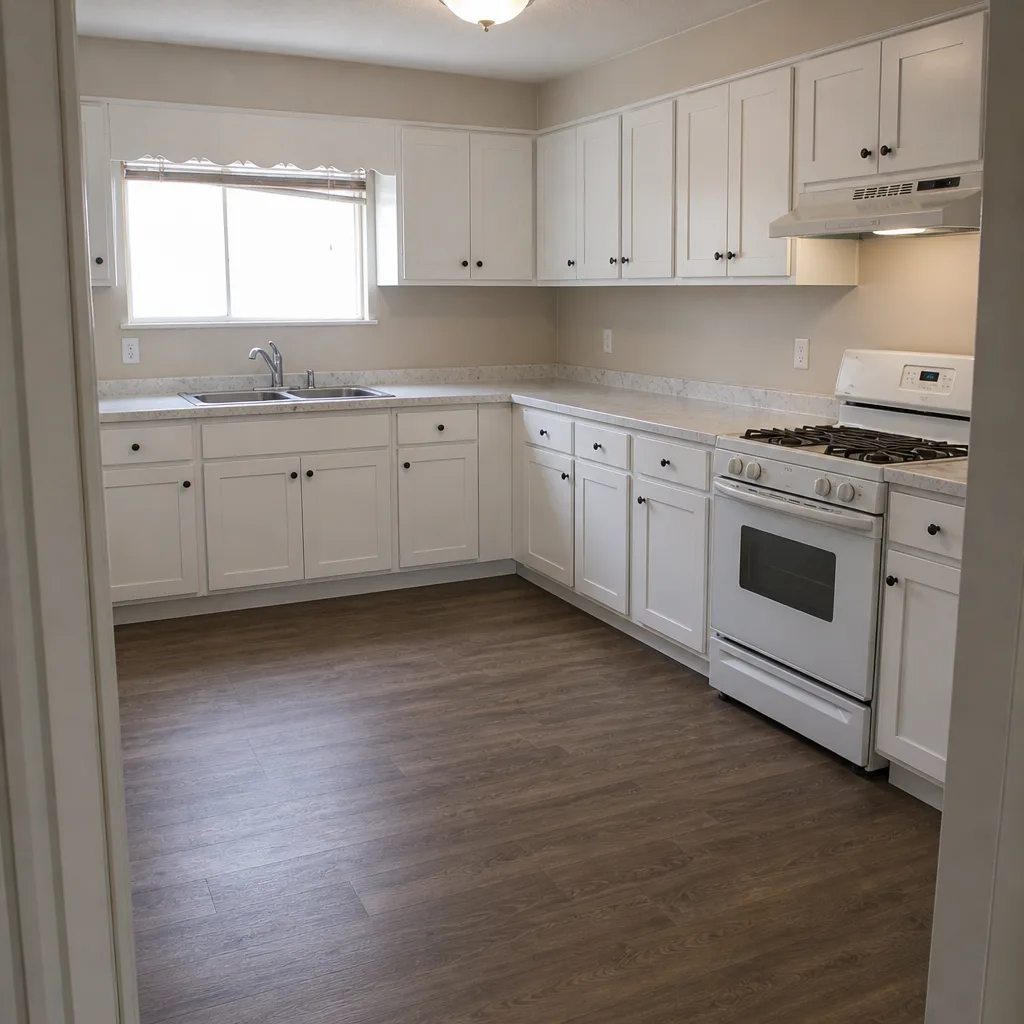 After
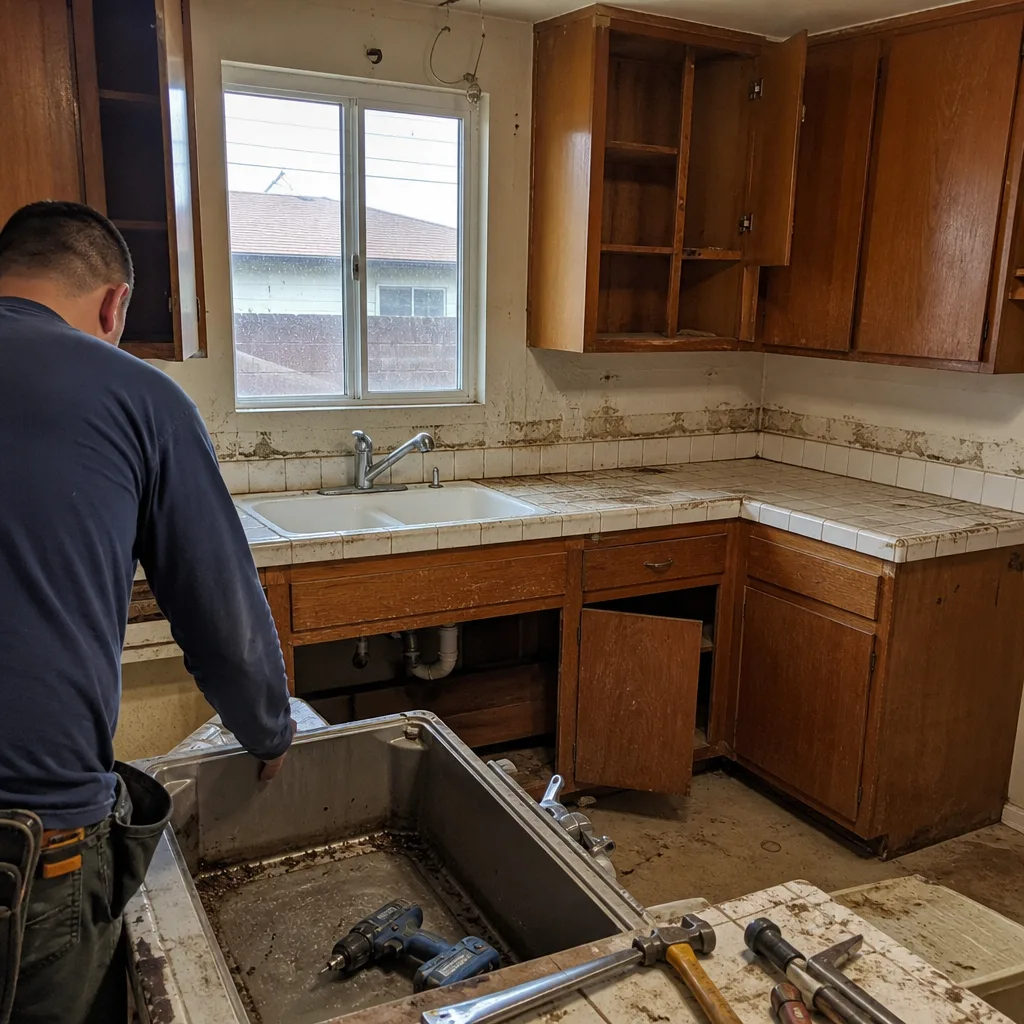 Before
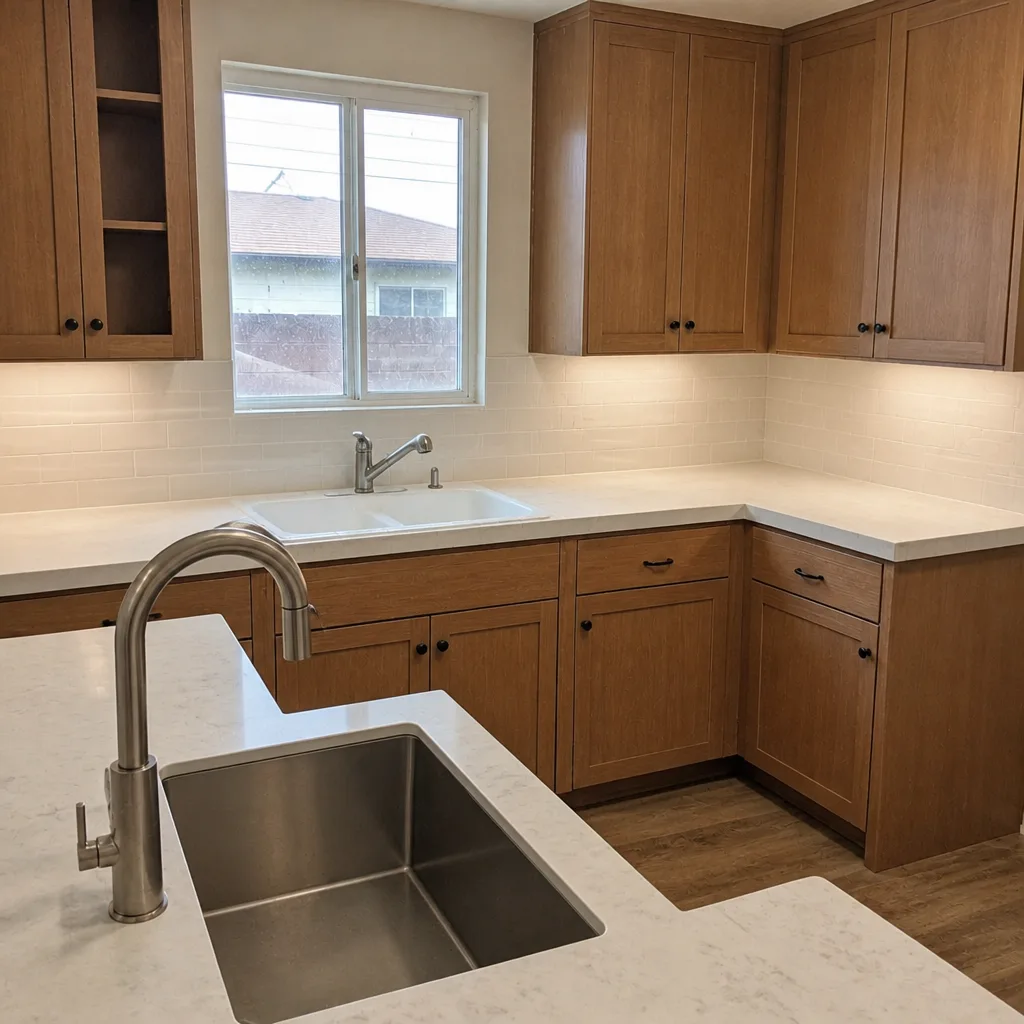 After
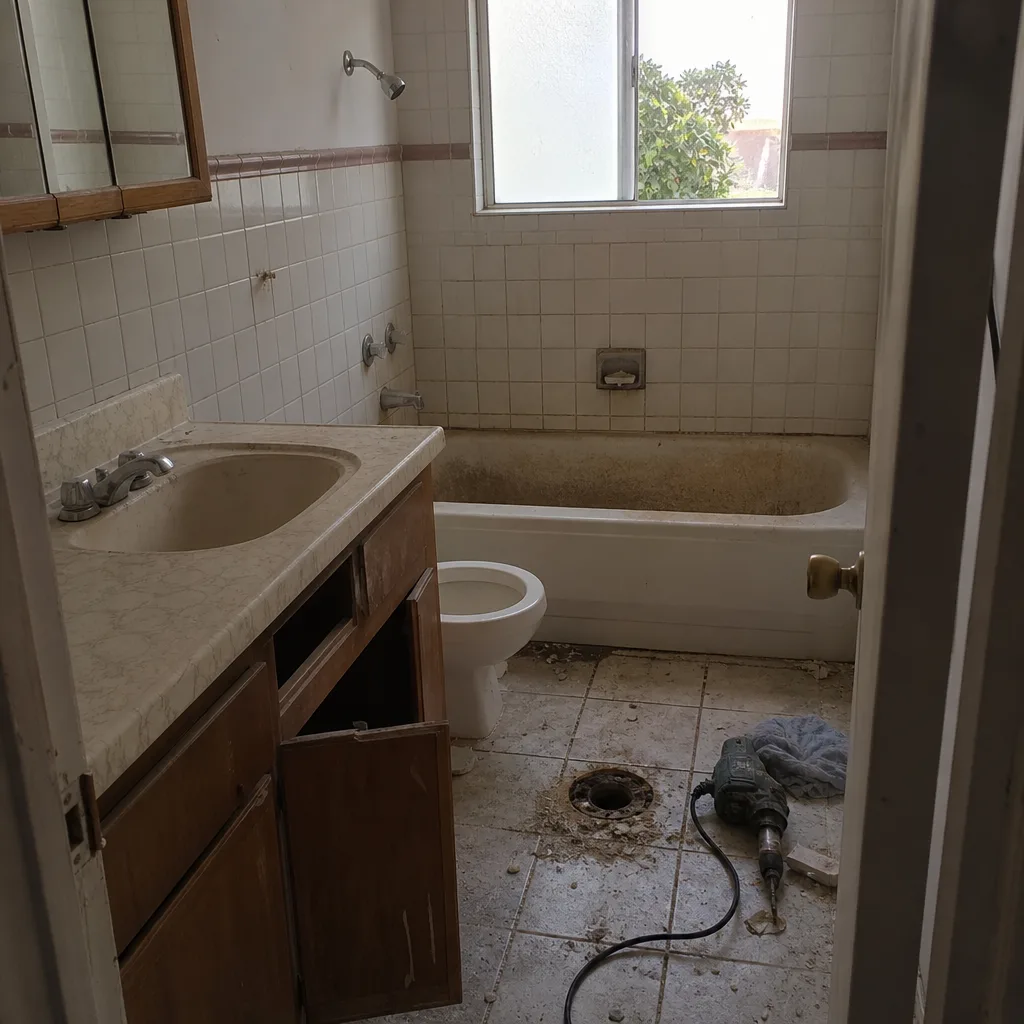 Before
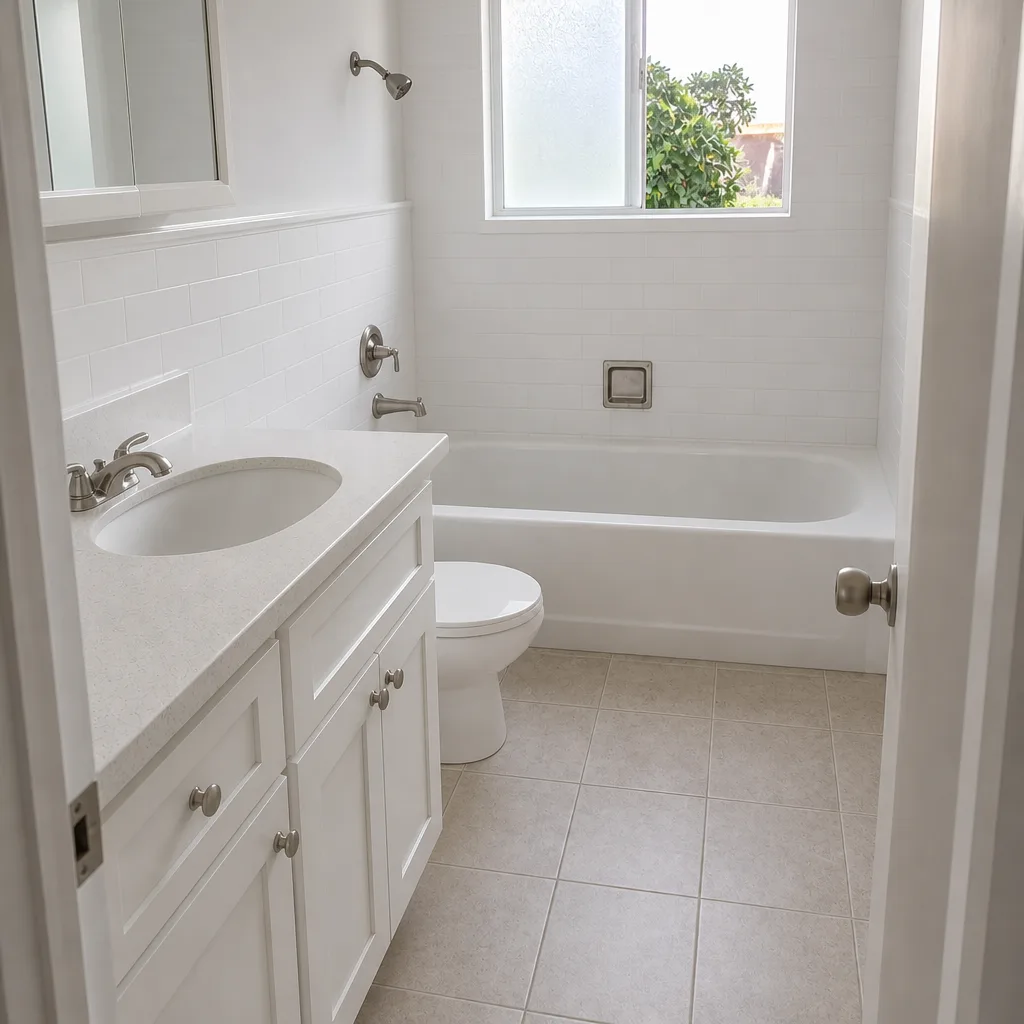 After
How to Find a Roof Leak on an Inglewood Bungalow (Answer First)
To find a roof leak, start at the lowest suspect transition on the exterior, not at the ceiling stain, and work upward in short test intervals. On most Inglewood houses, the entry point sits three to eight feet away from the wet spot, and on homes with an unpermitted rear addition the failure is usually at the seam where the original roofline meets the new one. The stain is the last stop on the water’s path, not the first. Call (833) 842-7204 for a live person, 24/7, if water is actively coming through during a storm.
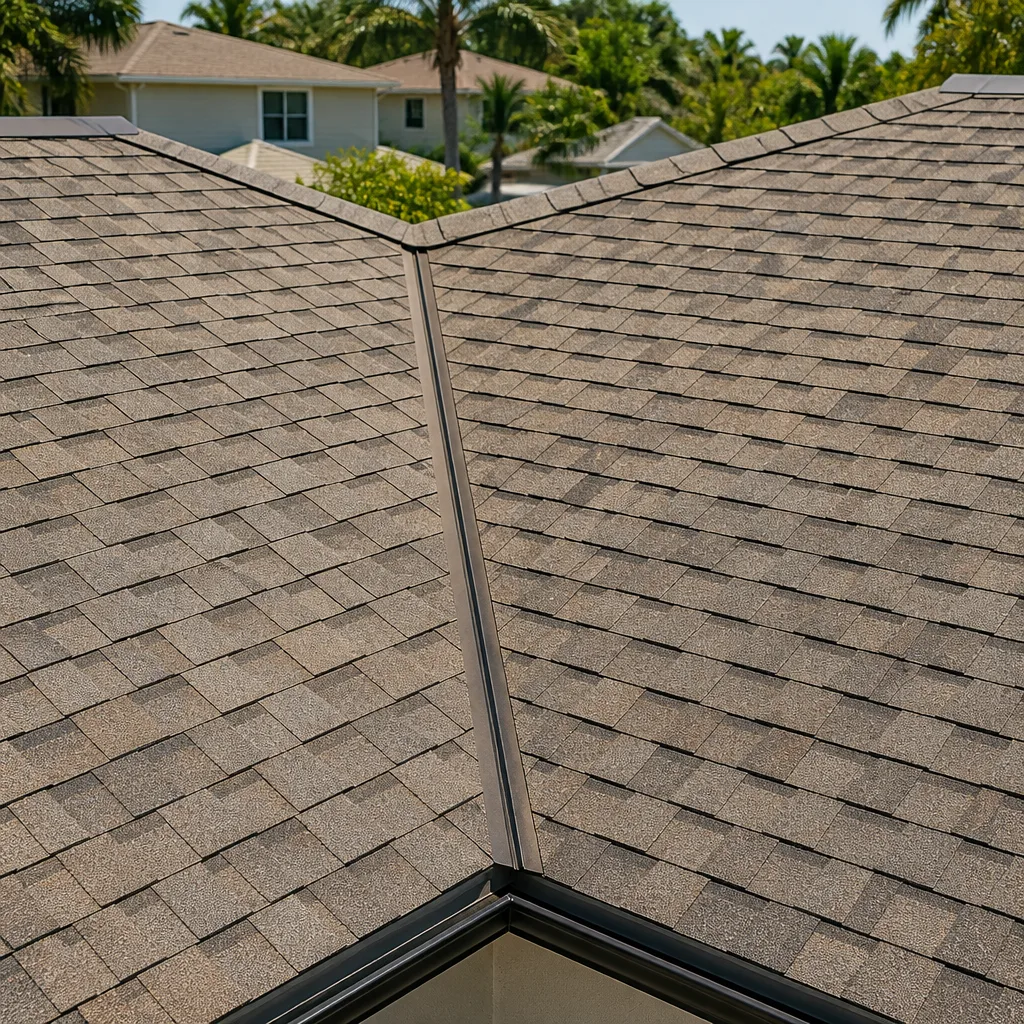
Why Inglewood Leaks Start in Different Places
Inglewood sits in the coastal-influenced LA basin near LAX, so onshore air carries salt and the marine layer keeps surfaces damp long after the rain stops. The housing stock east and west of Prairie Avenue leans heavily on 1920s through 1950s single-family bungalows and small stucco duplexes, and a large share of them have had a rear room or converted garage added without a permit. When that happens, the old roof edge gets tied into a new one, and the flashing at that intersection is where water finds its way in. The post-SoFi enforcement climate also means the City of Inglewood permit office now looks closely at legacy additions, so a roofer tracing a leak will want to know which roof planes were permitted and which were not. That history shapes the diagnosis before anyone climbs a ladder.
Two other failure points show up on Inglewood roofs again and again. Corroded step flashing at a chimney base that dates to 1940s construction is common, and so are deteriorated pipe boot flashings around 1950s plumbing vents. Salt-laden air eats the fasteners and the metal on both faster than inland homeowners expect.
What to Look For: A Local Leak Map vs. the Generic Checklist
Standard leak-tracing guides send you to the field shingles first. That order is wrong for most Inglewood roofs. Use this priority instead.
Highest-Probability Entry Points
- Original-to-addition roofline intersections. On unpermitted rear rooms, the tie-in is the first suspect every time. Check the valley and the transition flashing where old meets new.
- Chimney step flashing. On 1940s construction, look for lifted, rusted, or missing step flashing and any gap where the stucco meets the chimney.
- Pipe boot flashings. 1950s plumbing vents often have cracked rubber boots that split at the collar, a small opening that leaks only when wind pushes rain sideways.
- Weep screed on stucco walls. Salt-air moisture wicks behind deteriorated weep screed and can travel 18 to 36 inches horizontally before entering the ceiling assembly. Tracing from inside the house is close to useless here without an exterior check, because the water has already moved sideways by the time you see it.
Comparison: Where the Water Actually Enters
| What you see inside | What it usually means on an Inglewood home |
|---|---|
| Stain near a rear wall, ceiling | Flashing at an old-to-new roofline seam, not the shingles overhead |
| Damp patch at a chimney corner | Corroded step flashing on original 1940s construction |
| Small spot near a ceiling penetration | Split pipe boot on a 1950s plumbing vent |
| Stain 18 to 36 inches in from an exterior wall | Water wicked behind the stucco weep screed and carried horizontally |
The Marine-Layer Test: Is It Rain or Condensation?
Ask yourself one question before you blame the roof: does the leak appear only on heavy-dew mornings or overnight condensation, with no rain in days? If yes, the problem is likely ventilation failure and moisture migrating through degraded underlayment, not an open hole in the roof. Marine-layer moisture is the same reason a “leak” can show up on a clear morning in Inglewood while the sky stays dry all week. That changes the fix, and it changes how we diagnose in the first place. Treat it as a ventilation and underlayment question, not a patch-and-seal job.
The Hose Test, Done in Inglewood Order
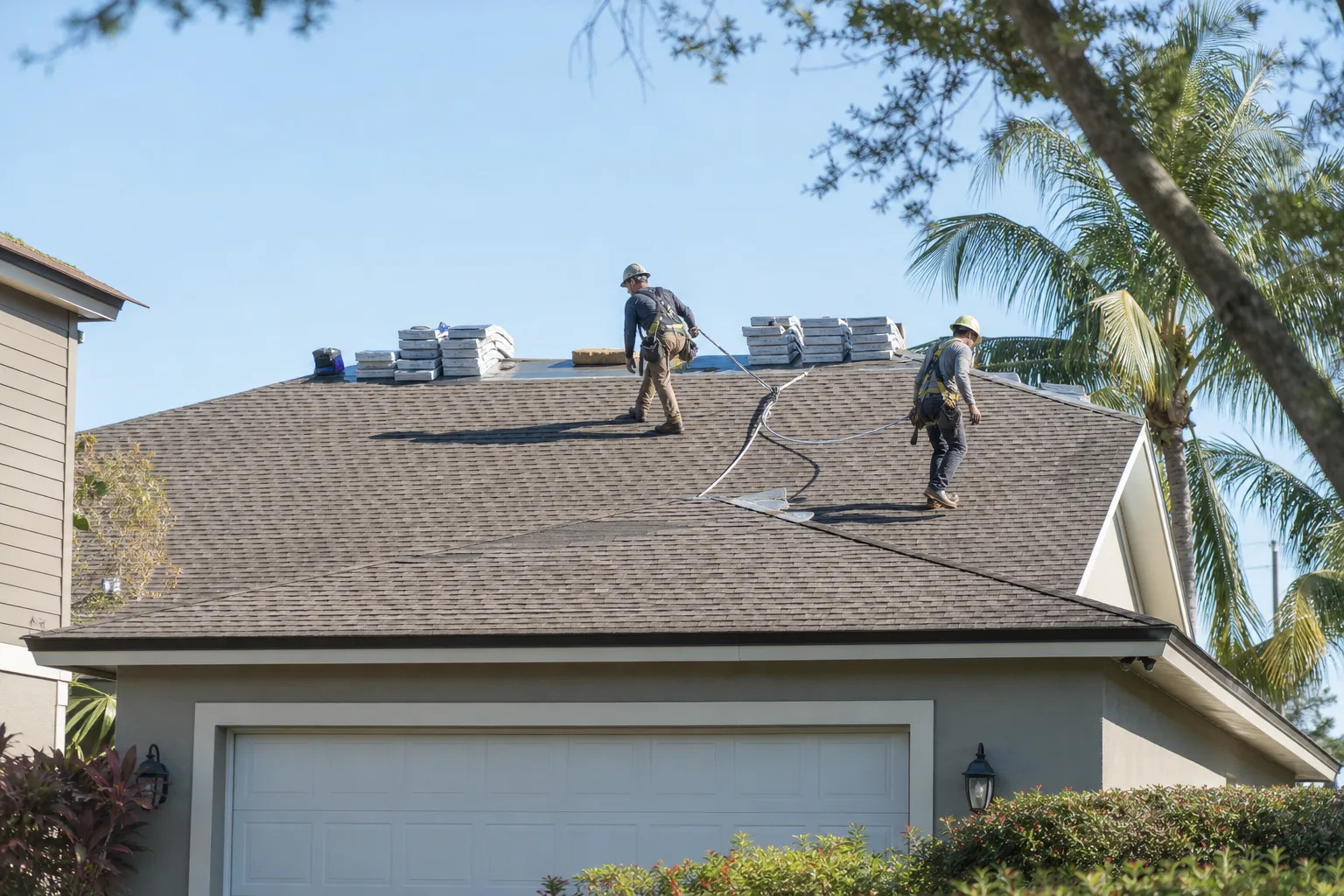
A controlled hose test is a sane way to narrow down a leak, and the sequence matters more than the water. Two things to hold to: never climb a wet roof, and don’t head straight for the ridge. Most flashing failures sit at mid-roof transitions, not at the peak, so a ridge-first test wastes hours.
- Start at the lowest suspicious transition, usually the old-to-new roofline seam or the chimney base.
- Run water at low pressure for 10-minute intervals, then check inside before moving up.
- Work upward methodically. Flashing and penetrations first, field shingles last.
- Watch the chimney step flashing and the pipe boots at each stop, since these fail slowly then suddenly.
If you’re not comfortable on the exterior, or the roof pitch or condition makes it unsafe, stop and have it inspected. Water and a compromised roof are not a good combination for a homeowner on a ladder. When you’re ready to stop guessing, our Roofing team handles leak diagnosis, repair, and full replacement.
Real-Time Triage During Active Rain
Self-diagnosis often stalls mid-storm, and that’s the moment to call. Groundwork Construction Co. of Inglewood answers calls with a live person 24/7, and we can walk you through a real-time checklist during active rain, including whether the situation needs emergency tarping or can wait for a daylight inspection. From foundation to finish line, the same crew that diagnoses the leak can repair or replace the roof.
Roof Repair and Replacement Pricing in Inglewood
Upfront pricing, no surprises. Here’s what roofing work and related exterior projects typically run in the Inglewood market.
| Service | Typical Inglewood range |
|---|---|
| Roof Repair | $400-$1,800 |
| Tile Roof Repair | $600-$2,500 |
| Roof Replacement | $8,000-$20,000 |
| Metal Roof Installation | $15,000-$40,000 |
| Window Replacement | $4,500-$15,000 |
For a bigger picture of what we handle across the area, see our Inglewood service area, and start from our home page for the full scope of work.
We use GAF and Owens Corning products so the repair or replacement is built to last, backed in writing by the 730-Day Done Right Promise: if it’s not done right, we make it right. Background-checked, uniformed technicians arrive on every job, and you can put existing promotions to work: $1,000 off projects over $10,000, a free project estimate and design consult, and 0% financing for 18 months.
FAQs
The stain is almost always three to eight feet from the actual entry point, so trace outward on the exterior instead of straight up from the spot. Start at the old-to-new roofline seam if there’s a rear addition, then the chimney step flashing, then the pipe boots.
If the leak shows up when it’s damp but not raining, you’re likely seeing condensation and ventilation failure moving moisture through degraded underlayment, not an open penetration. That points to ventilation and underlayment work rather than a spot patch.
Yes, a controlled hose test done from the lowest suspect transition upward in 10-minute intervals is a reliable way to narrow it down. Never do it on a wet roof or a roof you’re not comfortable climbing; call a professional first.
It does. Salt-laden onshore air near LAX corrodes metal flashing and roofing fasteners faster than many homeowners expect, which is why chimney step flashing and pipe boots fail here. A repair using GAF or Owens Corning materials with proper corrosion-resistant flashing holds up longer.
If you’d rather have it looked at, Groundwork Construction Co. of Inglewood offers a no-pressure assessment in Inglewood. We answer live 24/7, so during a storm you reach a person, not a voicemail. Call (833) 842-7204 for a free estimate.
Written by the team at Groundwork Construction Co. of Inglewood, serving Inglewood, CA.