Free written scope consultation - allowances, timeline, and change-order rules on paper before a single trade is scheduled
Styles & brands we work with
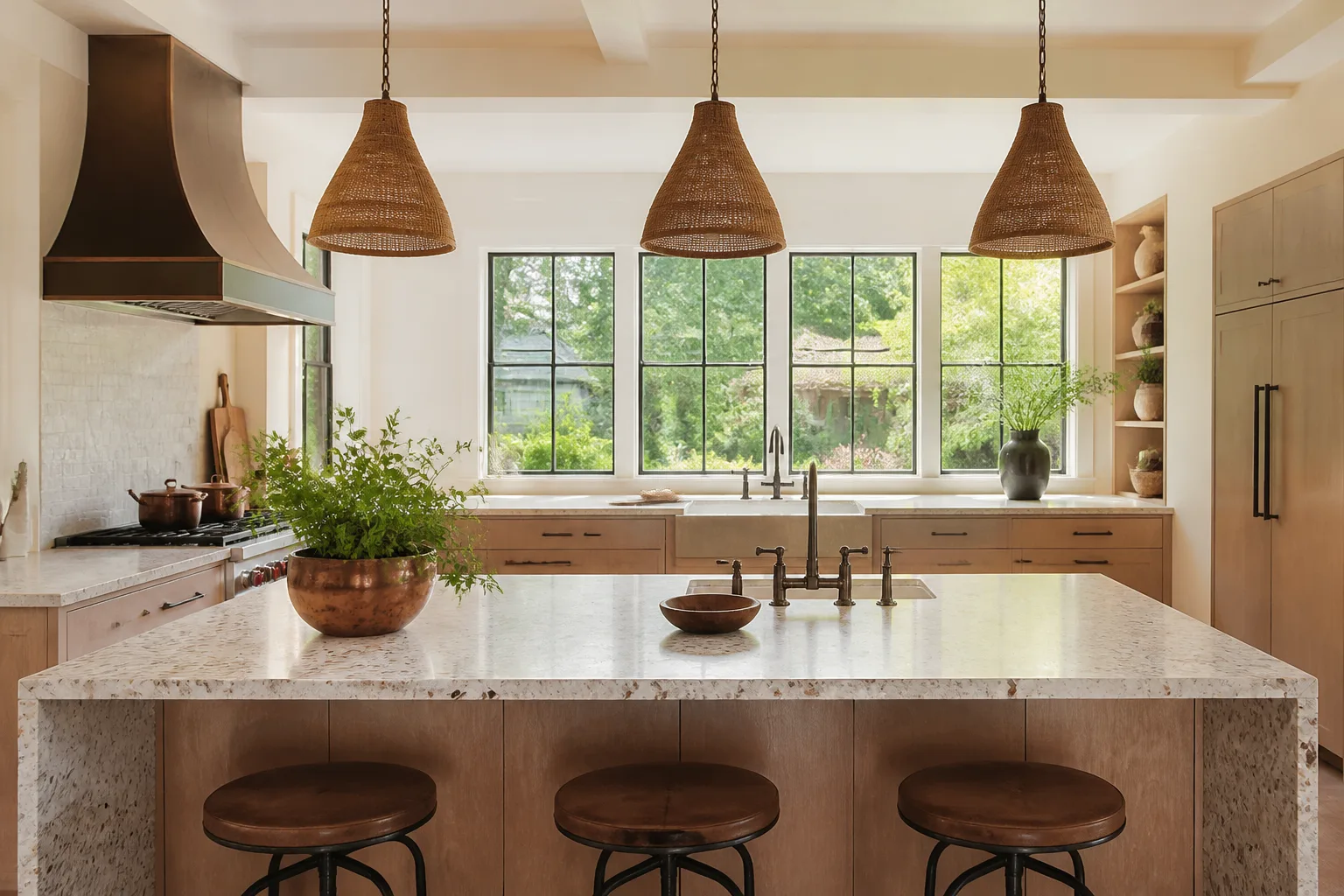
- Kitchen remodeling
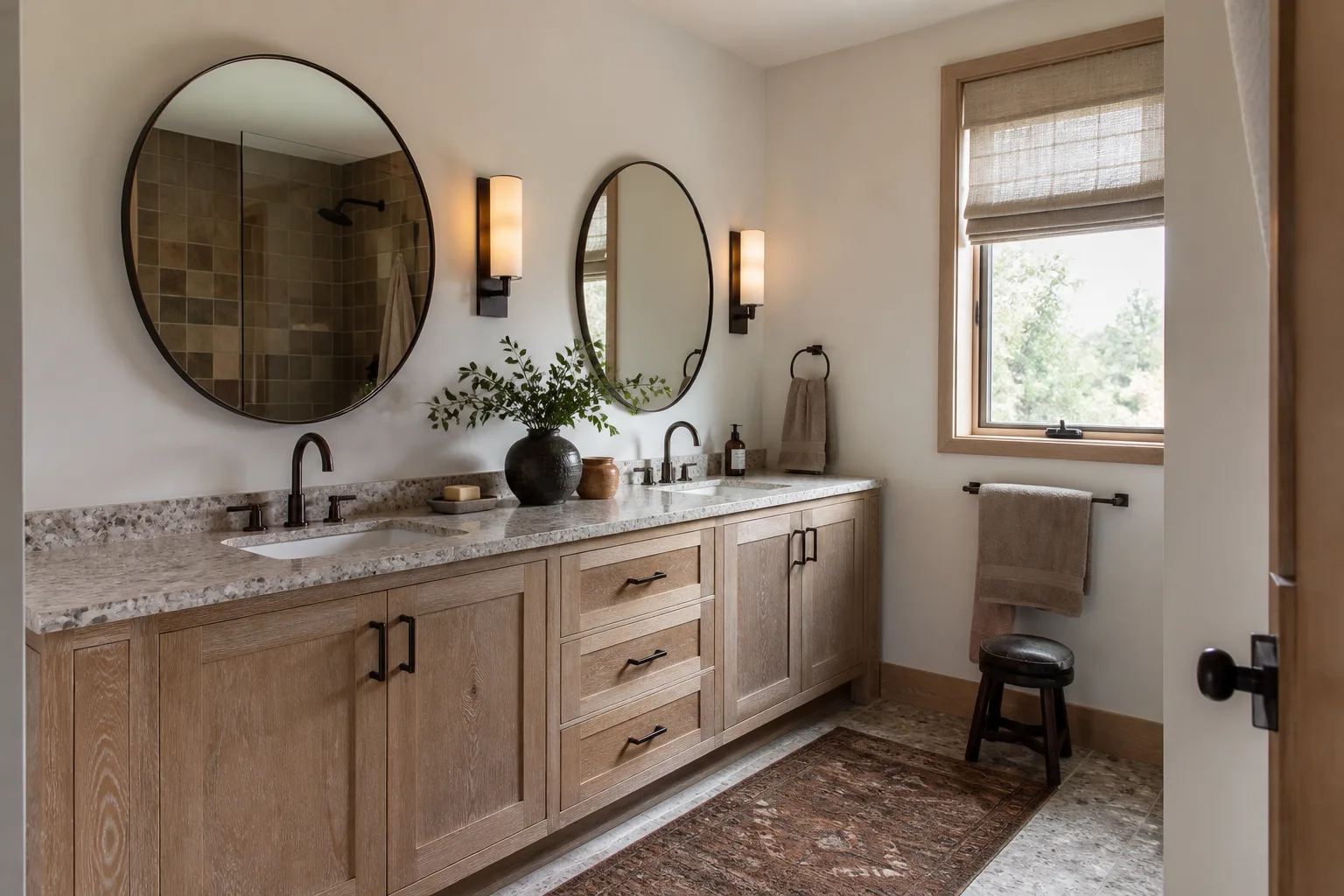
- Bathroom remodeling
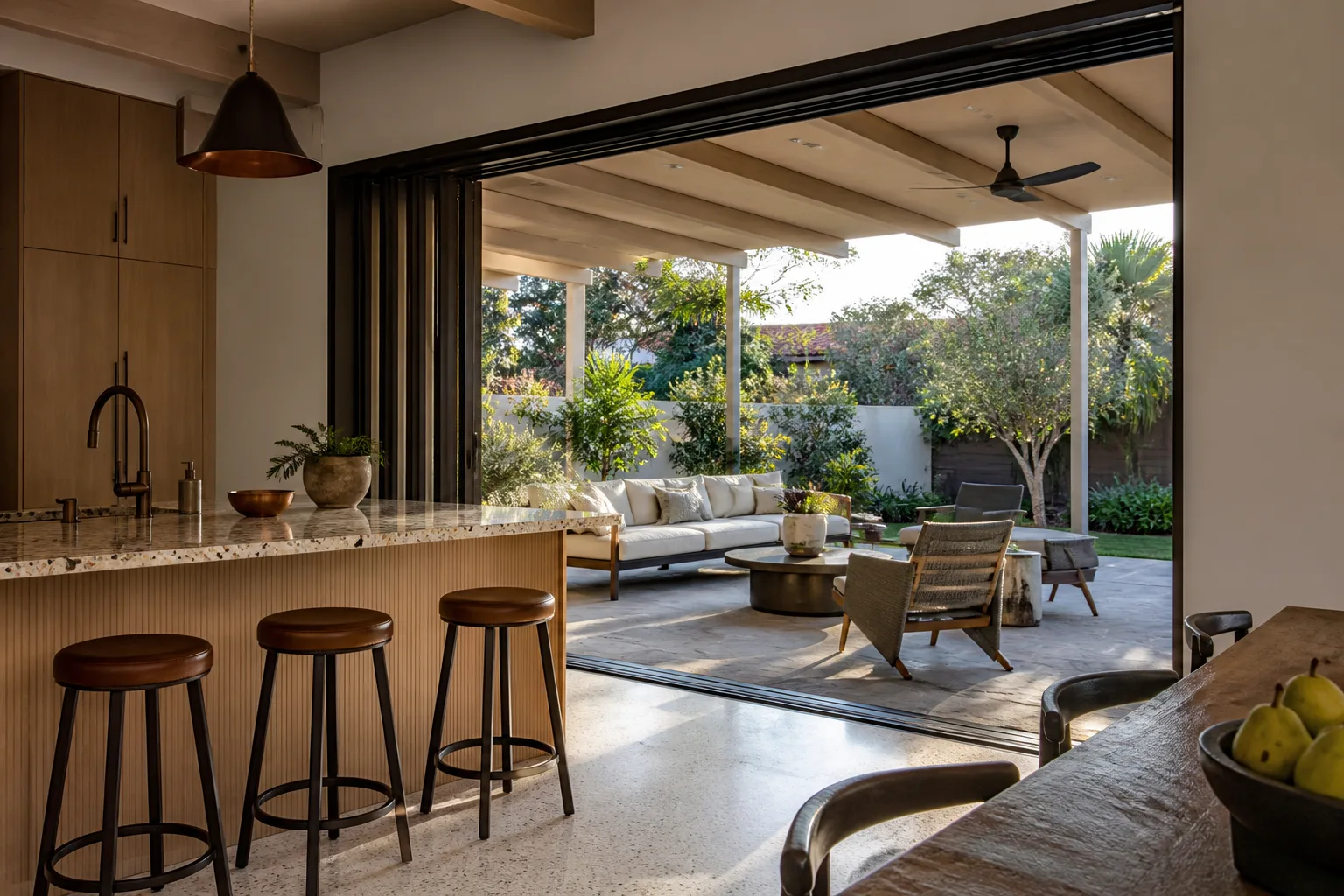
- Home additions & ADU
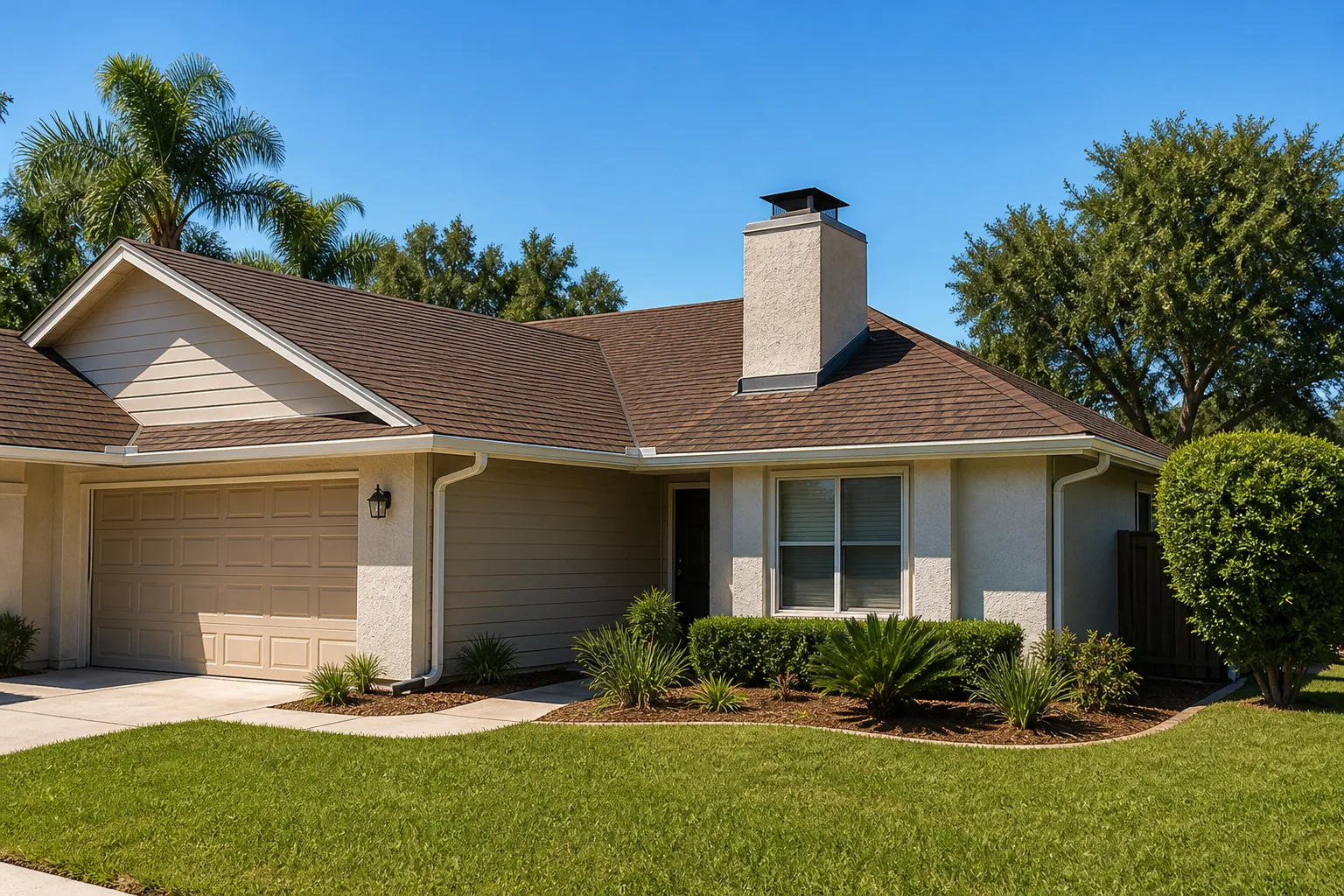
- Roofing
- Windows & doors
- Driveway & pavers
- Fence
See the difference
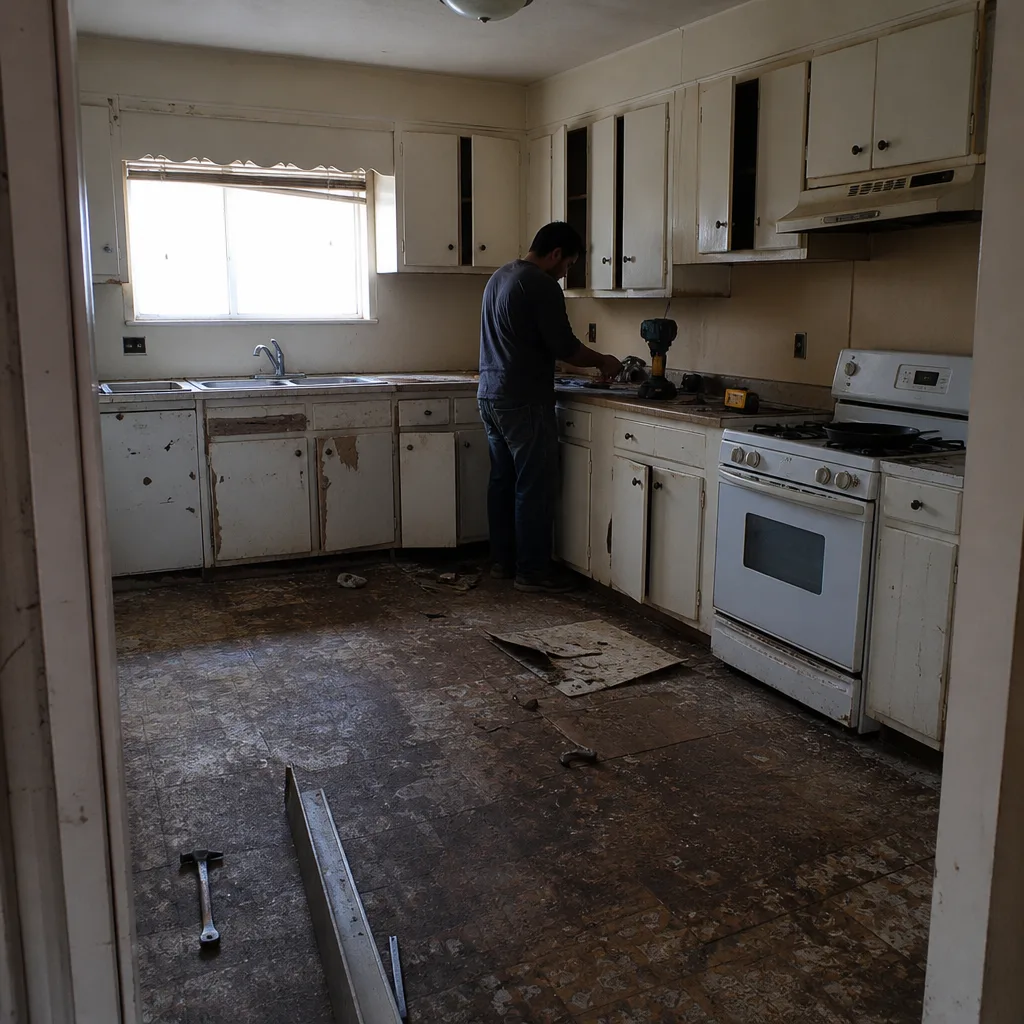 Before
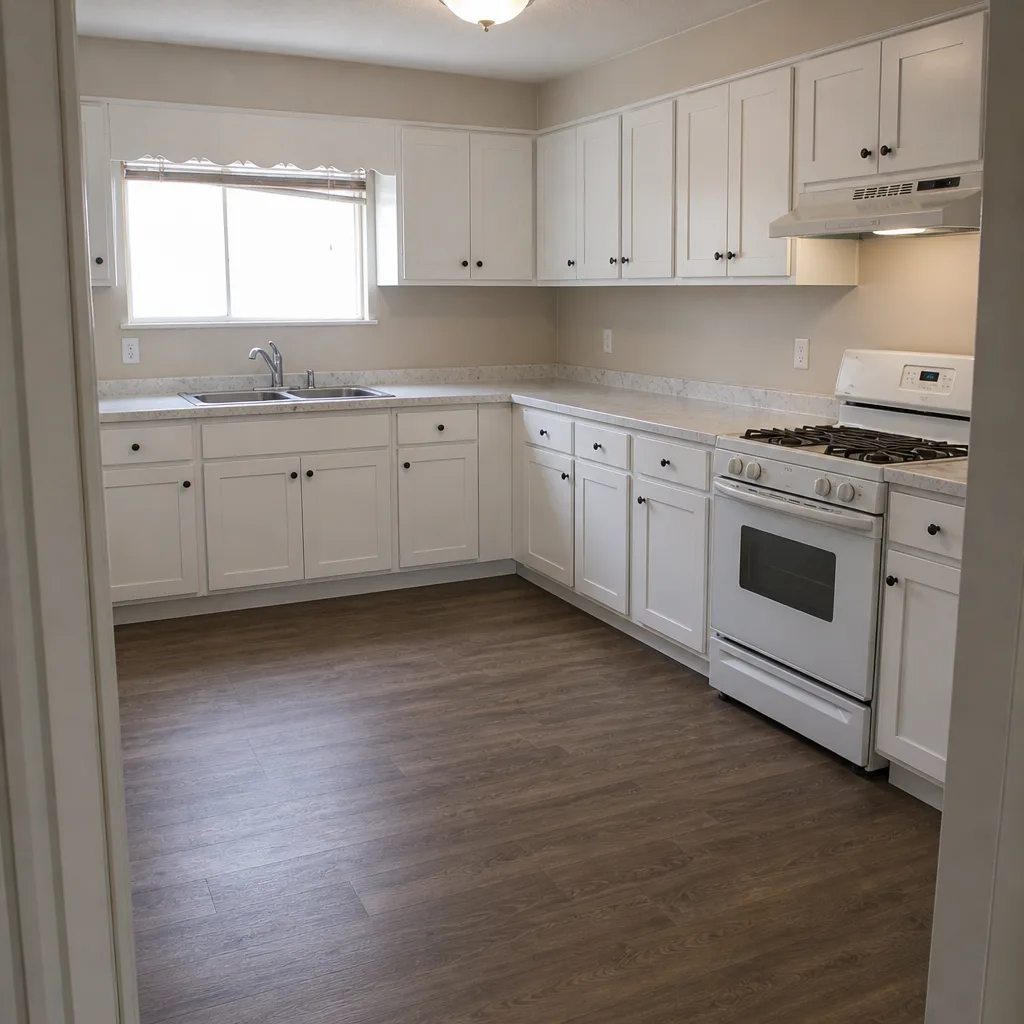 After
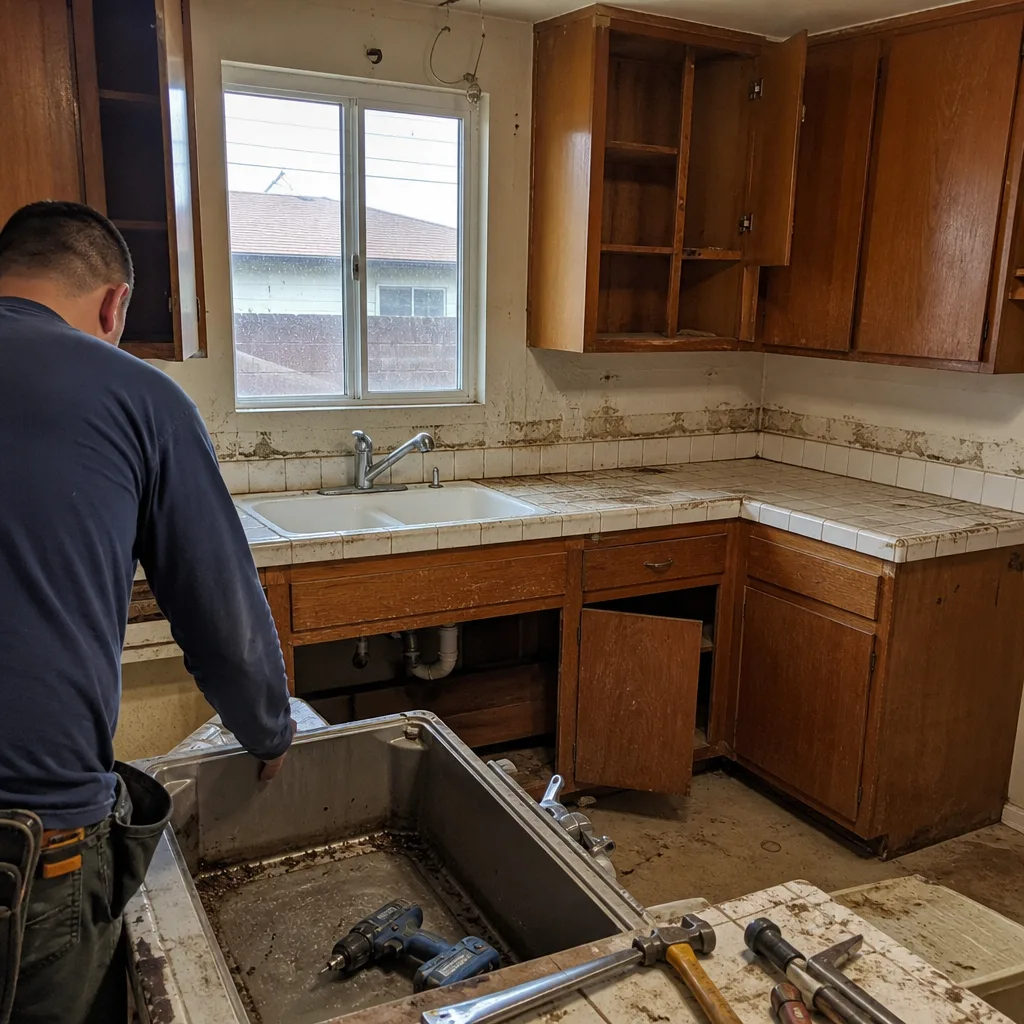 Before
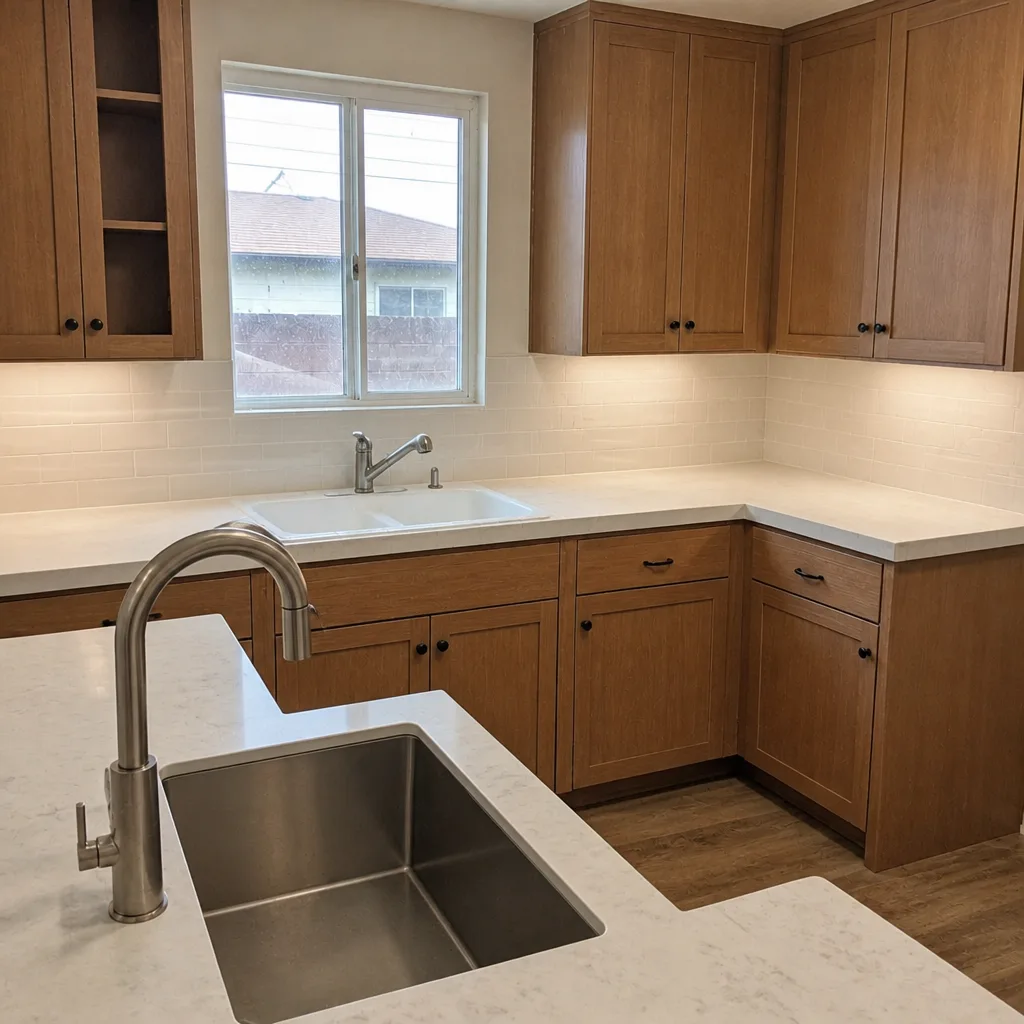 After
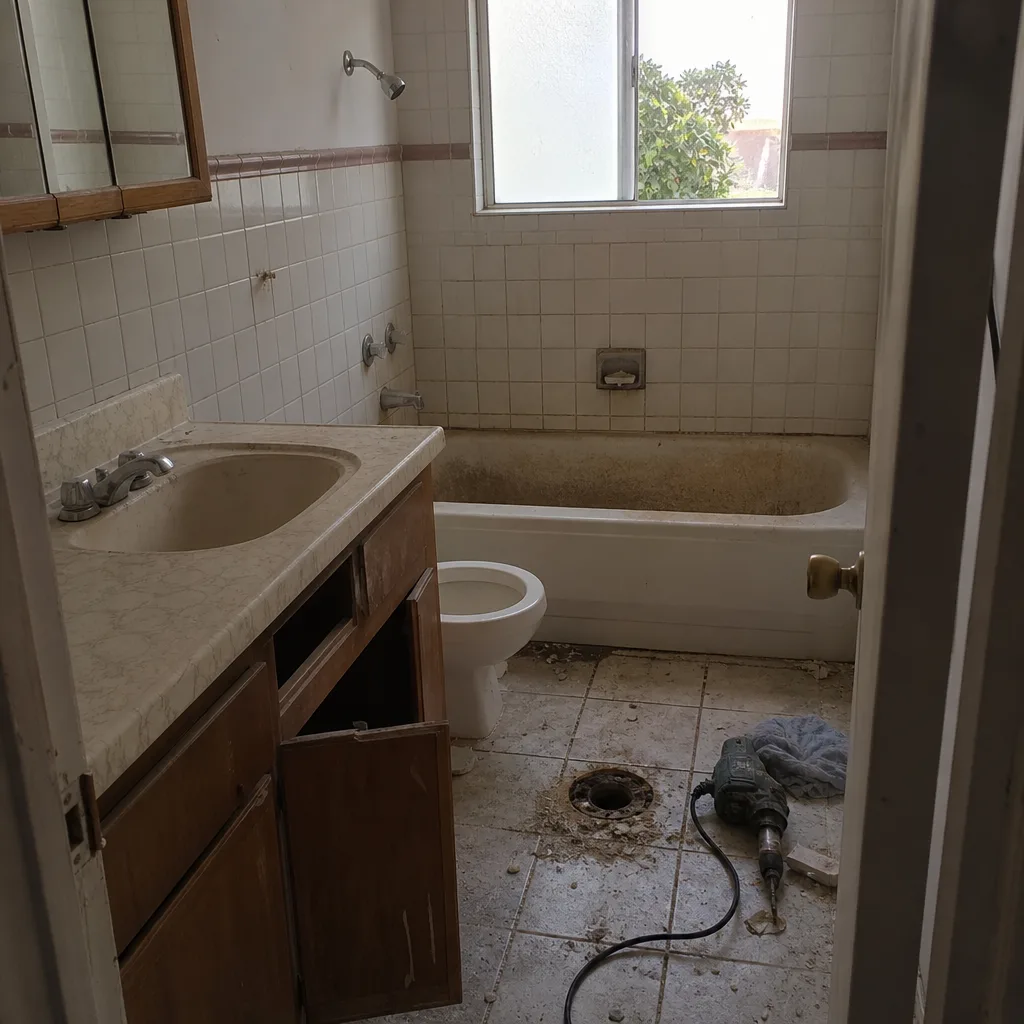 Before
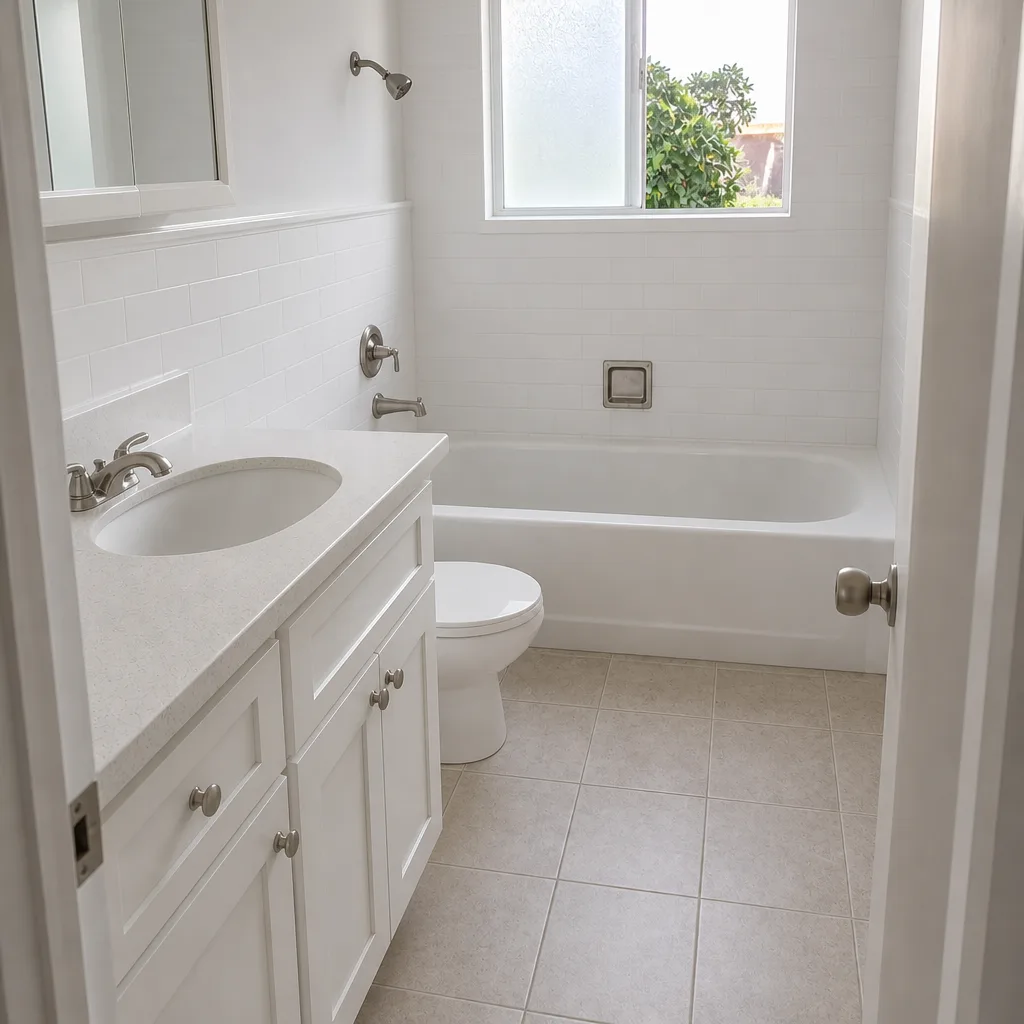 After
What Does a General Contractor Do in Inglewood, CA? The Answer Has More to Do With Permit Strategy Than Most Homeowners Realize
A general contractor in Inglewood plans, permits, sequences, and supervises your entire project from first drawing to final inspection, and is the single licensed party accountable when anything goes wrong. That’s the short answer. In Inglewood specifically, the job also means reading the City’s permit backlog and inspection cadence well enough to keep a residential remodel from getting buried behind stadium-district commercial volume. Call (833) 842-7204 and a live person answers, day or night, to talk through what your project actually needs.
Here’s the part most people don’t ask about: in Inglewood right now, a GC who can’t sequence a permit application around the inspection queue pressure created by SoFi Stadium-adjacent commercial work is a GC who will add months to your residential timeline. That job belongs to your contractor. Homeowners rarely know to ask.
Why the Inglewood Permit Office Changes What the Job Looks Like
Most explanations of what a general contractor does treat permits as paperwork. In Inglewood, permit strategy is closer to scheduling a surgery around an operating room that’s doubling as an emergency ward. The City of Inglewood’s building department has been working under intense volume pressure from the 2021-2026 transformation around SoFi Stadium, the Intuit Dome, and the Kia Forum. Commercial build-out, ADU applications, and seismic retrofit permits are all moving through the same counters.
What a skilled GC actually does with that:
- Plans the application around the City’s current intake cadence, so plans land in the right review window instead of the wrong one.
- Sequences trade permits in the correct order – structural, electrical, plumbing, mechanical – because filing them out of order means resubmittal and lost weeks.
- Knows which inspections are checkpoints that unlock the next phase, and which can be combined or scheduled back-to-back.
- Coordinates the inspector’s visit so the right trade is on site when the inspector arrives, not 20 minutes away picking up material.
That’s project management work you’re paying for whether you know it or not. It shows up on your calendar as a project that finishes, versus one that sits in limbo.
What a GC Does on a Pre-1960 Inglewood Bungalow
Inglewood is dominated by 1920s-1950s single-family bungalows and small stucco duplexes on tight lots. Plenty of them have never had a permitted addition. Contractors working the flats west of Prairie Avenue routinely find original knob-and-tube wiring and 1950s tar-paper roofing under newer layers, and the City now scrutinizes unpermitted legacy additions hard because of the post-SoFi enforcement climate. That makes existing-condition assessment a core part of the job, not an afterthought.
On an older Inglewood home, the GC should:
- Assess existing conditions before the bid is finalized – including what’s under the roof layers and behind the stucco.
- Flag unpermitted legacy additions early, so you can disclose them and plan the legalization path instead of discovering it at resale.
- Sequence foundation and electrical work before cosmetic trades – you don’t hang cabinets over a soft-story retrofit, and you don’t finish a bathroom then discover it needs a panel upgrade.
- Own the scope change when findings shift the budget, with upfront pricing, no surprises.
Two Inglewood-specific conditions make this matter more here than in neighboring cities. First, the housing stock itself: so many decades of deferred maintenance on the same blocks. Second, the climate. Inglewood sits in the coastal-influenced LA basin near LAX, so marine layer moisture and salt-laden onshore air corrode exposed fasteners and roofing hardware, and exterior finishes age by moisture cycling rather than freeze-thaw. A GC who doesn’t factor that into material selection is guessing.
The Subcontractor Management Function, in Plain Terms
When you hire us, the subcontractors work for the contractor, not for you. That’s the difference between one relationship and six.
A general contractor vets, contracts, schedules, and supervises every licensed trade on your job – plumbing, electrical, HVAC, structural – so you don’t spend Saturday mediating between an electrician and a drywall crew who disagree about who goes first. When trades conflict, the contractor absorbs the liability, not you. Our technicians have up to 12 years of experience, and every technician is background-checked and arrives in uniform on every project. You’ll know who’s on your property.
Material specification is part of the same job. Choosing a full-scope home construction partner who carries real product knowledge means the difference between a roof that hits its rated lifespan and one that doesn’t. Picking a GAF shingle over a commodity product, an Andersen window over a no-name unit, or a Cambria quartz over generic stone isn’t just an aesthetic call. It’s a performance and warranty decision, and it should be guided by someone who’s installed all of them. That’s how we get to built to last, backed in writing. Every project we take on is covered by the 730-Day Done Right Promise: if it’s not done right, we make it right.
What It Costs, and What the GC’s Role Is in the Money
Here’s where the general contractor function shows up as dollars. Nobody handles money on your project but the contractor, and the contractor is the entity the permit and warranty run to.
| Project | Inglewood Market Range |
|---|---|
| Small bathroom remodel | $5,000-$12,000 |
| Full bathroom remodel | $9,000-$28,000 |
| Kitchen remodel | $14,000-$45,000 |
| Roof replacement | $8,000-$20,000 |
| Window replacement | $4,500-$15,000 |
| Home addition | $45,000-$130,000 |
| ADU construction | $90,000-$220,000 |
The contractor holds the primary permit, carries the insurance the state requires of licensed contractors, is the licensed party of record, and is the entity your warranty runs to. Homeowners who hire unlicensed or underinsured labor to save money absorb all of that liability themselves: the stop-work order, the failed inspection, the injury on site. That’s the GC’s role as your legal and financial buffer, and it’s worth naming plainly.
Pricing works the same way. We use no-hassle upfront pricing, so the number you see is the number you pay. We also offer $1,000 off projects over $10,000 and 0% financing for 18 months, which is what makes a $90K-$220K Inglewood ADU build a real conversation instead of a wish. Fixtures matter too: choosing Moen or Delta over a commodity faucet, or Kohler over an unnamed brand, affects the warranty on the parts you’ll touch every day. Good news: the estimate and design consult are free.
Frequently Asked Questions
You can legally manage your own subs on a single-family home you’ll occupy, but you take on the permit as the owner-builder, you’re the one the inspector calls, and every trade relationship and liability lands on you. In Inglewood, where unpermitted legacy additions get scrutinized hard and inspections need sequencing, that owner-builder path usually costs more in time than a GC costs in fees. Call (833) 842-7204 to walk through your project and see where the real risk sits.
General contractor fees in Inglewood typically run as a percentage of the project total, and the project ranges are what you’re budgeting against: a full kitchen remodel runs $14,000-$45,000, a bathroom remodel $9,000-$28,000, and an ADU build $90,000-$220,000. The variable that changes the number most is what we find once we open up a pre-1960 house. Call (833) 842-7204 for an exact quote. Estimates are free.
Yes. Your contractor holds the primary permit, files the trade permits in the correct sequence, schedules each inspection, and manages resubmittals if anything comes back. That’s the deepest difference between a GC and a handyman here, given the City’s current inspection queue pressure from stadium-district commercial volume. Call (833) 842-7204 and we’ll tell you exactly where your project stands in the permit cycle.
Ask who holds the permit, what the workmanship warranty period actually is in writing, whether every technician is background-checked, and whether the pricing is fixed or subject to “surprise” change orders. Those four answers separate a real GC from someone who’s going to disappear when the foundation turns up a problem. Our 730-Day Done Right Promise is one of the longest workmanship guarantees in the residential construction space, and we put it in writing. Call (833) 842-7204 for a free estimate.
Two Inglewood worlds are running side by side right now: event-district Inglewood and the bungalows on the flats that were never built to today’s code. Groundwork Construction Co. of Inglewood works both, and we know which questions to ask before we touch a single permit application. From foundation to finish line, we’d rather tell you the truth on the front end than explain a delay on the back end.
If you’d rather have it looked at, Groundwork Construction Co. of Inglewood offers a no-pressure assessment in Inglewood – call (833) 842-7204 today.
Written by the team at Groundwork Construction Co. of Inglewood, serving Inglewood, CA.