Free written scope consultation - allowances, timeline, and change-order rules on paper before a single trade is scheduled
Chain Link Fence in South Gate, CA: What It Costs and How Long It Takes
A chain link fence in South Gate typically runs $3,500 to $9,000 for a standard residential lot, and most jobs are finished in two to four days once we pull the permit. That price covers posts set in concrete, top rail, tension wire, mesh, and a walk gate. Call (833) 842-7204 and we’ll walk your property line with you, check where the fence can legally sit, and hand you a written line-item quote before any work starts.
How We Build a Chain Link Fence, Start to Finish
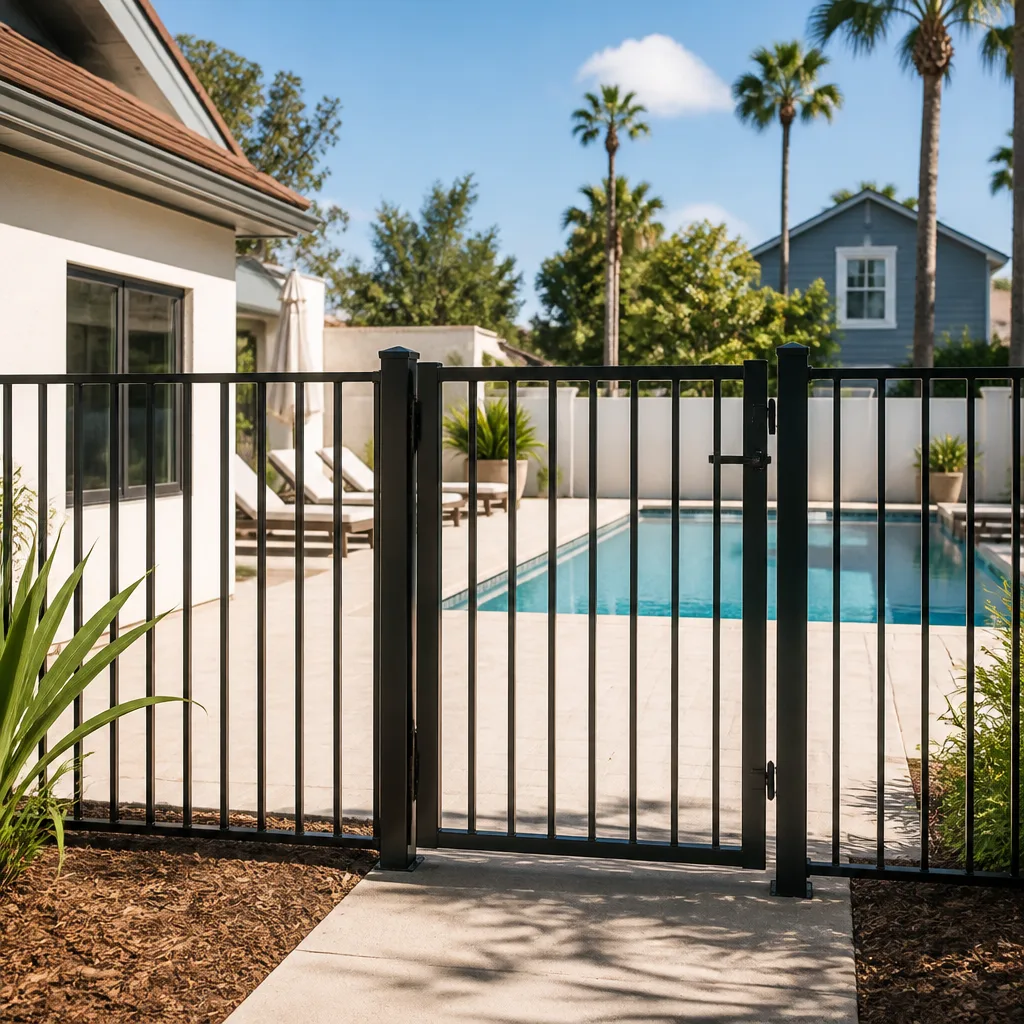
Every job moves through the same five stages. Here’s what actually happens on each one, so you know what to expect and what you’ll be deciding.
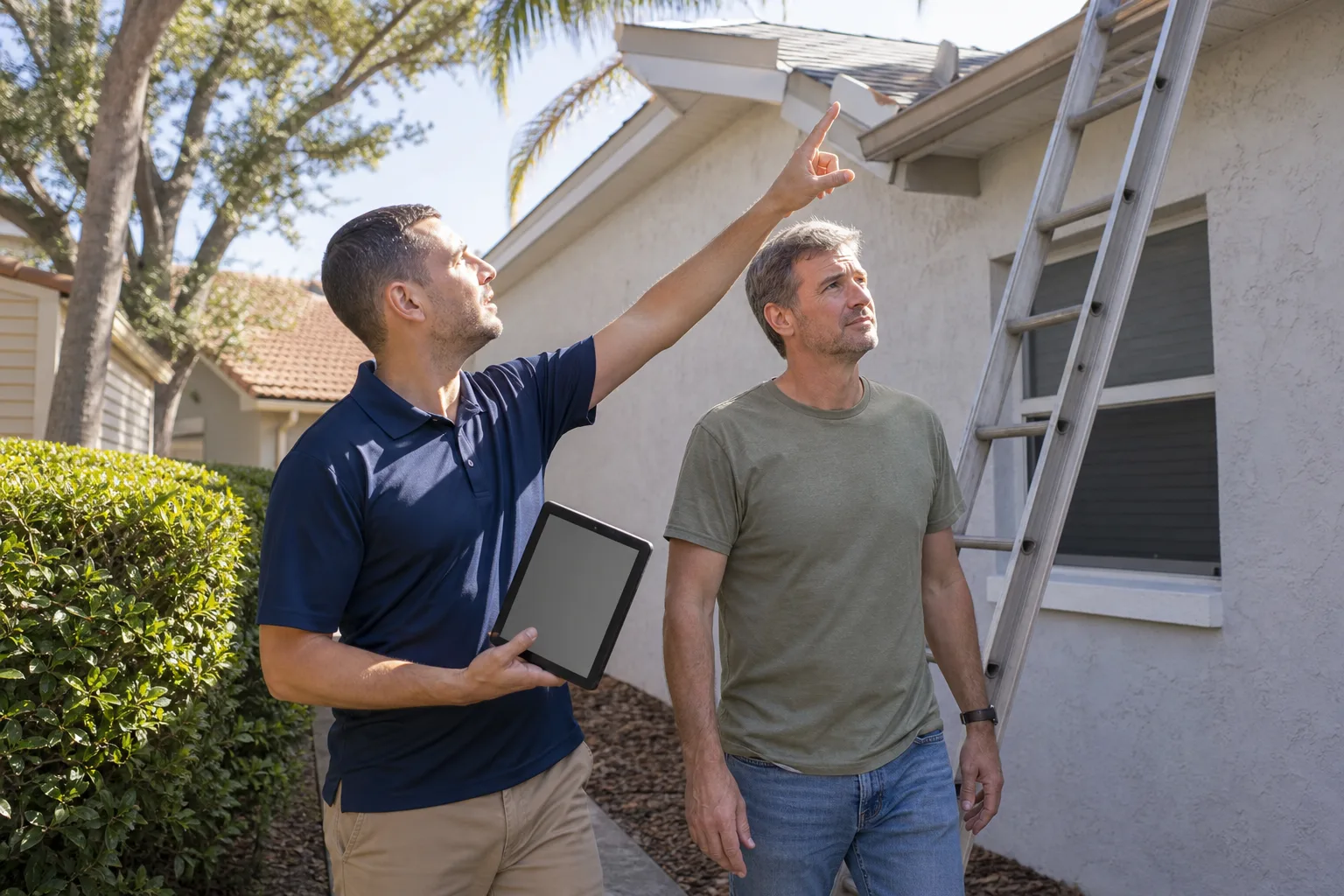
Stage 1: Site walk and boundary check (day 1, about an hour)
We start by locating your property pins and confirming where the fence actually belongs. On narrow South Gate lots, the difference between your line and your neighbor’s is often a couple of feet, and building a fence in the wrong spot means tearing it out. If the pins aren’t visible, we’ll order a survey before anything else happens. You’ll decide here whether the fence sits on the line or just inside it.
Stage 2: Permit filing and utility marking (days 1 to 3)
We file with the city and call in 811 so gas, water, electric, and sewer lines get marked before a single post hole is dug. This is the stage that trips up homeowners acting as their own GC. Old South Gate lots have unmarked laterals from decades of additions and garage conversions, and a post through a sewer line turns a $5,000 fence into a $12,000 problem. You don’t have to do anything here except stay reachable if the city has a question.
Stage 3: Demo and layout (day 3 or 4)
Old fencing comes down and gets hauled off. Posts get laid out on 8-foot or 10-foot centers depending on height and wind exposure, and corners and gates get set heavier. We mark the gate swing so it clears your driveway apron and doesn’t foul the alley. This is when you confirm gate placement and width, usually a 3-foot walk gate or a 10-foot drive gate.
Stage 4: Setting posts and framing (day 3 or 4, same visit)
Posts go in concrete footings below the frost line, and the top rail and tension wire go up after the concrete sets. Terminal posts at corners and gates get braced with a truss rod so the frame doesn’t sag. You’ll pick your gauge and coating at this stage if you haven’t already, and it’s the one decision that moves the price most.
Stage 5: Mesh, gate hardware, and final walkthrough (day 4)
Mesh gets stretched, tied off, and trimmed, and the gate gets hinges and a latch. We walk the whole line with you, test the gate swing, and confirm nothing’s loose. Most South Gate jobs wrap in two to four working days, longer if permits queue up at the city.
Styles & brands we work with
- Kitchen remodeling
- Bathroom remodeling
- Home additions & ADU
- Roofing
- Windows & doors
- Driveway & pavers
- Fence
The Options You’ll Choose Between
Chain link isn’t one product. The choices below are where the money and the lifespan actually live, and each one has a trade-off worth knowing before you sign.
- Galvanized vs. vinyl-coated mesh: Bare galvanized is the cheapest and holds up fine, but the zinc dulls and shows rust at the cut ends within a few years in South Gate’s sun. Vinyl-coated mesh costs roughly 15 to 25 percent more and holds its color against UV far longer, which matters on a fence facing an alley all afternoon.
- Wire gauge and mesh size: 11.5-gauge is standard residential. 9-gauge is heavier and resists bending and cutting better; it’s the right call where security matters. 2-inch mesh is stronger than the common 2¼-inch diamond, and it also keeps small dogs in.
- Post type and height: 1⅝-inch line posts are the standard; 2⅜-inch posts with thicker walls are what you want at 6 feet and above. A 4-foot fence suits a lot line; 6 feet is the practical height for a back fence, and anything over 6 feet may need a city review.
- Top rail vs. tension wire only: A full top rail gives the fence a rigid top line and looks cleaner from the street. Tension-wire-only is cheaper and common on agricultural and utility fencing, but it sags over time and isn’t what most homeowners want facing a neighbor.
- Gate configuration: Walk gates and drive gates both need heavier frames and bracing than the fence line itself. A double drive gate with a drop rod costs more but won’t drag on the ground like a single wide gate will.
- Privacy add-ons: Slats or a windscreen insert add cost but give you screening without giving up the chain link price point. If you want real privacy, that’s a different fence type, and we’ll tell you so instead of selling you slats that won’t do the job.
What a Chain Link Fence Costs in South Gate, CA
Most South Gate chain link fence projects land between $3,500 and $9,000. Here’s what moves a job to the low or high end of that range.
| Line item | Typical range |
|---|---|
| Standard 4-foot residential fence, 100 linear feet | $3,500 – $5,000 |
| 6-foot fence with heavier posts and top rail | $5,500 – $8,000 |
| 9-gauge security-grade mesh upgrade | $400 – $900 |
| Walk gate with hardware | $300 – $700 |
| Double drive gate with frame bracing | $800 – $1,800 |
| Old fence removal and haul-away | $250 – $700 |
Five variables do most of the work:
- Linear footage: The obvious one. A 100-foot lot line and a 240-foot perimeter are different jobs, and footage is the biggest single driver.
- Height and post spec: Going from 4 feet to 6 feet means bigger posts, more concrete, and often a city review. It’s not a small bump.
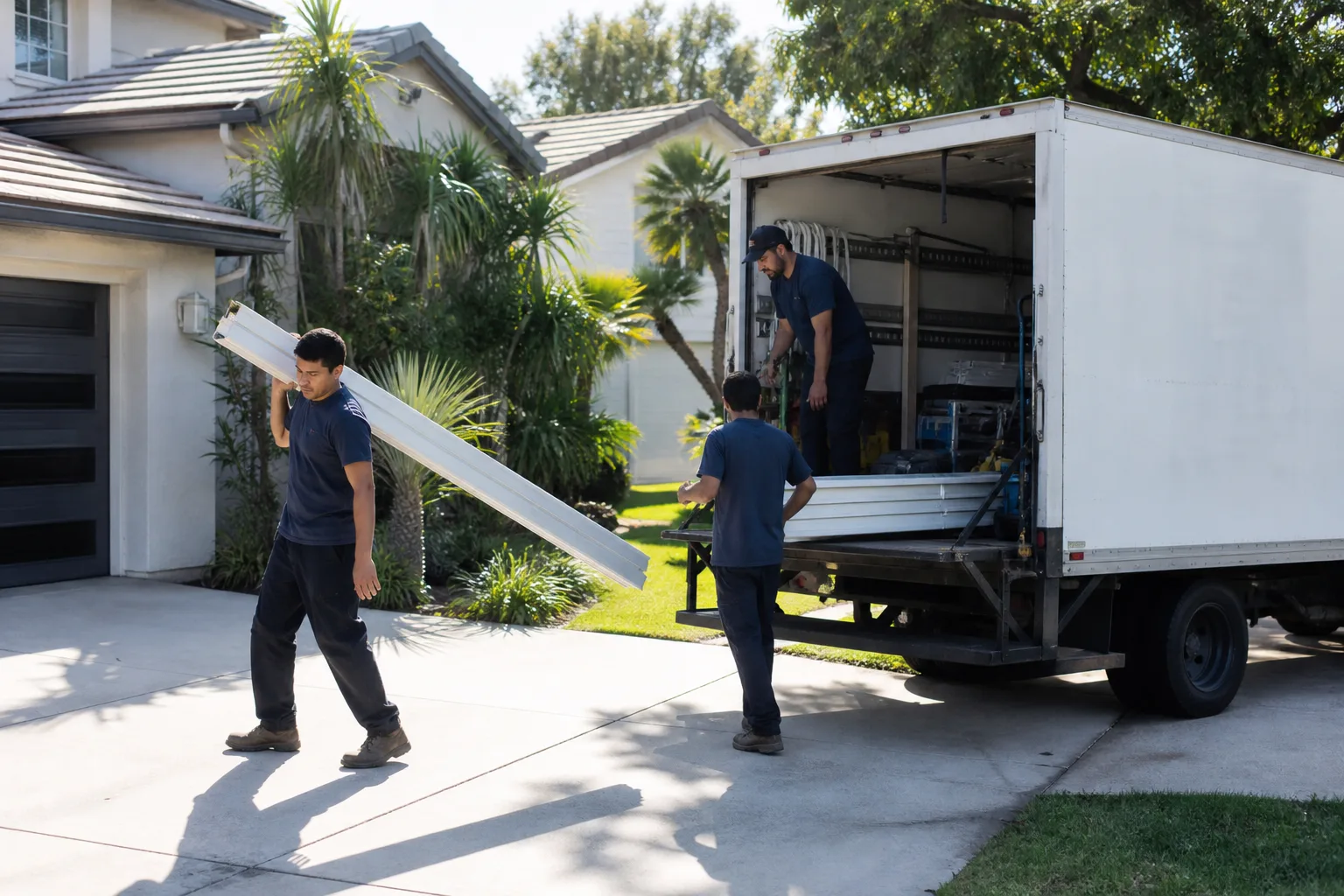
- Site access: South Gate’s alley-facing lots and narrow driveways change how material gets delivered and how fast a crew moves. A long carry from the street to the back corner adds labor.
- Existing conditions: Roots, old concrete footings, or a leaning retaining wall stop work. We tell you up front what we expect to find and price it in instead of surprising you later.
- Permit scope: A standard fence permit is routine. A fence that crosses a drainage easement or needs setback review adds time and fees.
A written estimate should list posts, mesh, top rail, concrete, gate hardware, removal, and permit fees as separate lines. It should not leave out haul-away, which is where a “cheaper” bid suddenly grows. The number you see is the number you pay, and anything we missed is our problem, not yours.
See the difference
 Before
 After
 Before
 After
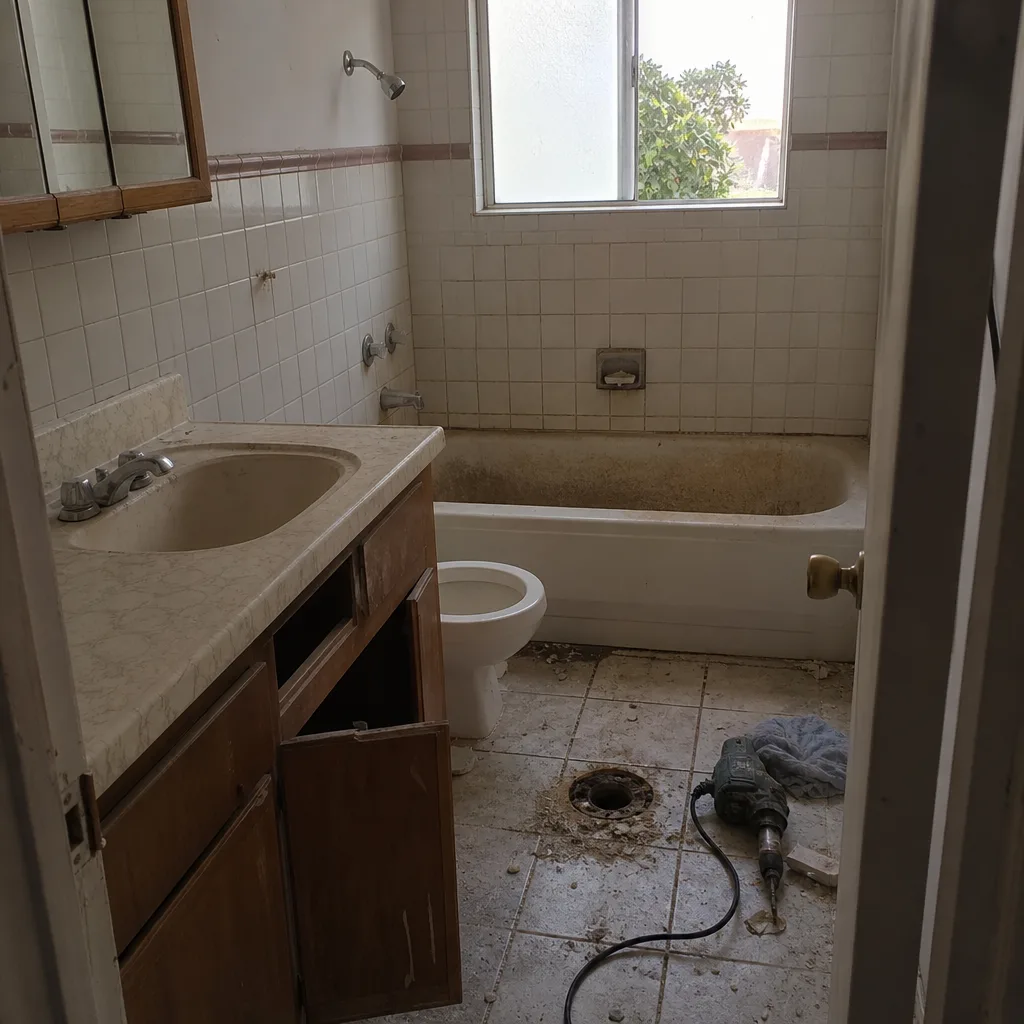 Before
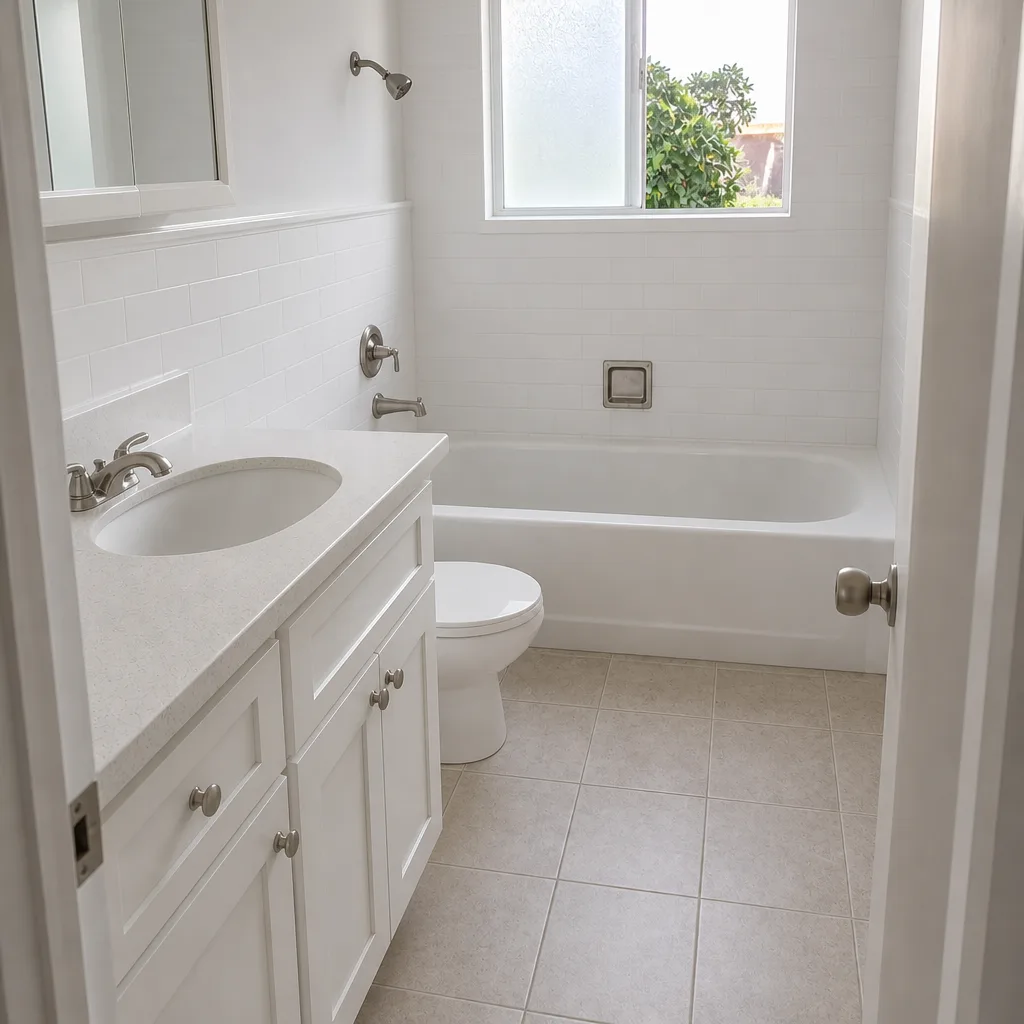 After
What South Gate Homes Specifically Do to This Job
South Gate is a densely built city, overwhelmingly on narrow lots with 1920s to 1950s stucco bungalows and post-war tract houses packed close together. That density is the whole story here. Most of these lots have a driveway too tight for a truck and a back boundary that runs against an alley, so material delivery, post placement, and access all get decided before we ever dig.
Point out, there’s another pattern we see block after block. The alley-facing garages throughout South Gate are prime candidates for conversion, and a lot of them were built without permits or on substandard slabs. When a homeowner goes to convert one, the first thing the city wants is a boundary check, and that means the fence line gets looked at too. If your fence is encroaching on an alley right-of-way or sitting on your neighbor’s line, it has to be corrected before anything else gets signed off. We flag that on the first walk instead of letting you find out at inspection.
The climate shapes material choice as well. Intense UV through warm, dry summers wears on galvanized mesh and vinyl coating alike, and the occasional hard winter rain exposes drainage problems along a fence line that sits on a slope. Coated mesh and set posts handle that better than the bare economy spec. Street parking is limited and alley access is real, so we plan staging around your block. We cover all of South Gate and the surrounding area – you can see the full picture on our South Gate service-area page.
Serving South Gate, CA – Our Local Coverage Area
We serve South Gate and nearby communities. Use the map below to see the area we cover. If you’re nearby, we can almost certainly help.
Frequently Asked Questions: Chain Link Fence in South Gate
Most jobs are done in two to four working days once the permit clears. Filing the permit and waiting for utility marking takes one to three days before that, so count on about a week from signing to finished fence. Call (833) 842-7204 to get your exact timeline.
In most cases, yes. A fence over a certain height, or one near a corner or alley right-of-way, requires a permit and a post inspection. We file it for you and coordinate the inspection, and we won’t build anything that won’t pass. Call (833) 842-7204 to find out what your lot needs.
Usually, yes. We call in 811 to mark utilities and route posts around buried lines and structures rather than through them. On tight South Gate lots with old unmarked laterals, we sometimes hit a surprise, and we handle it and tell you before anything changes. Call (833) 842-7204 for an on-site look.
Most jobs run $3,500 to $9,000, depending on footage, height, gauge, gates, and access. We provide a written line-item quote so you can see exactly what each piece costs. Call (833) 842-7204 for your free estimate.
Yes. Every job is covered by our 730-Day Done Right Promise, one of the longest workmanship guarantees in residential construction. If it’s not done right, we make it right. Call (833) 842-7204 with questions, any hour of the day.
Get a Free Chain Link Fence Estimate in South Gate
Call (833) 842-7204 for a free estimate on your chain link fence in South Gate. A live person answers around the clock. We’ll schedule a site visit, check your property line, and put a written line-item quote in your hands. If the fence is part of a larger plan, we can also fold it into a full Fence Installation in South Gate scope. Homeowners often pair this with Door Installation in South Gate or ADU Site Prep & Utilities in South Gate, and if so, we plan it all together. You can also see our Fence Installation service for the wider project.
Written by the team at Groundwork Construction Co.